La rivista e il marketplace globale per gli appassionati di auto d’epoca, creati da appassionati.
La rivista e il marketplace globale per gli appassionati di auto d’epoca, creati da appassionati.


Faccia la sua scelta
- Automobile
-
Marca >>
-
Anno >>
-



c.1903 Darracq 12hp Twin-Cylinder Four-Seat Rear-Entrance Tonneau | Bonhams | 30 Oct 2026
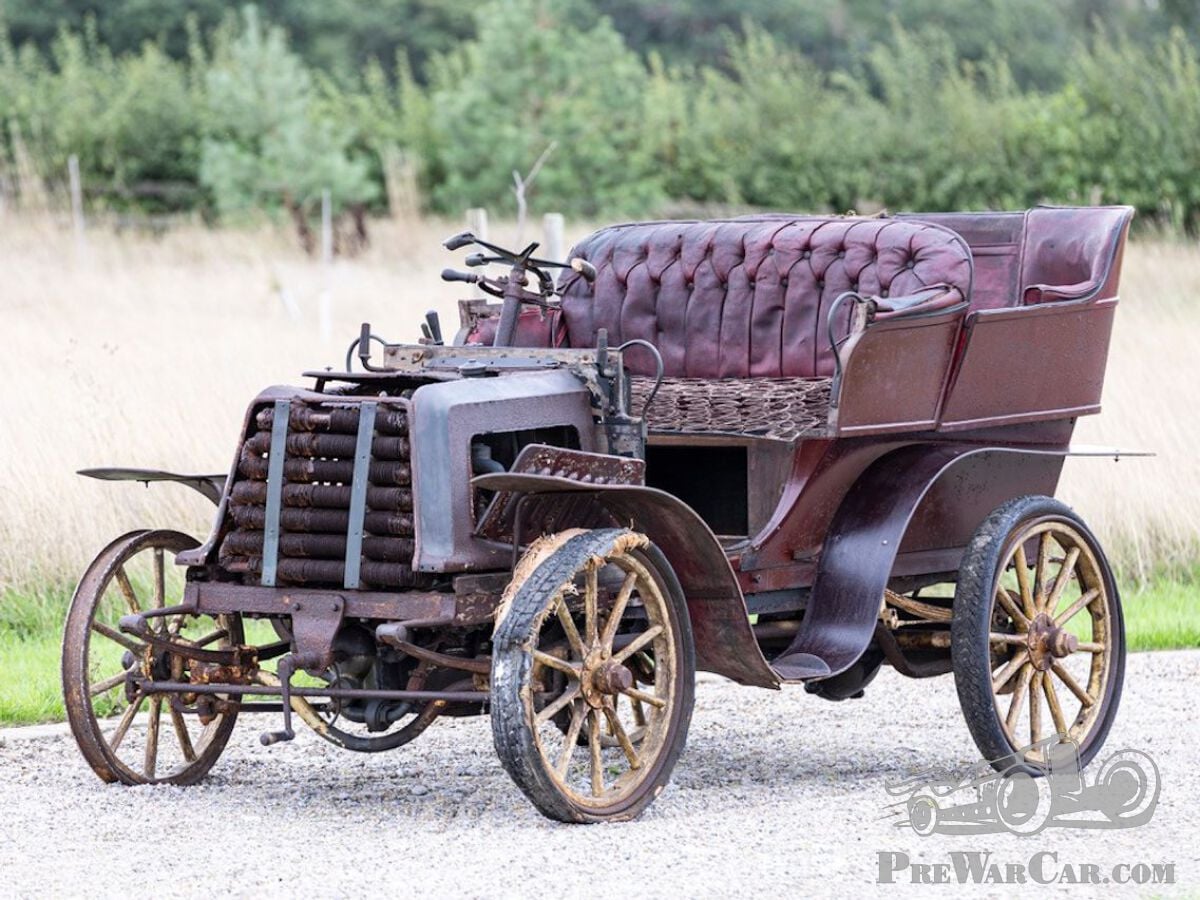
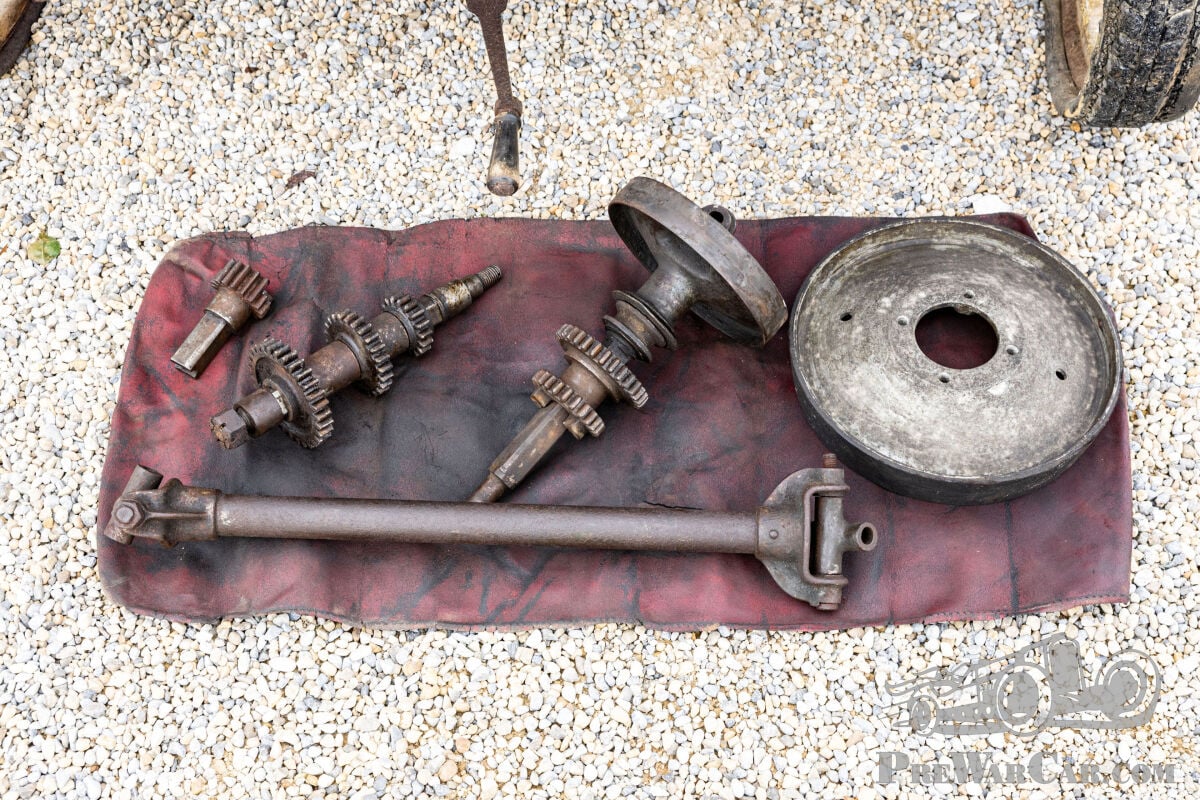
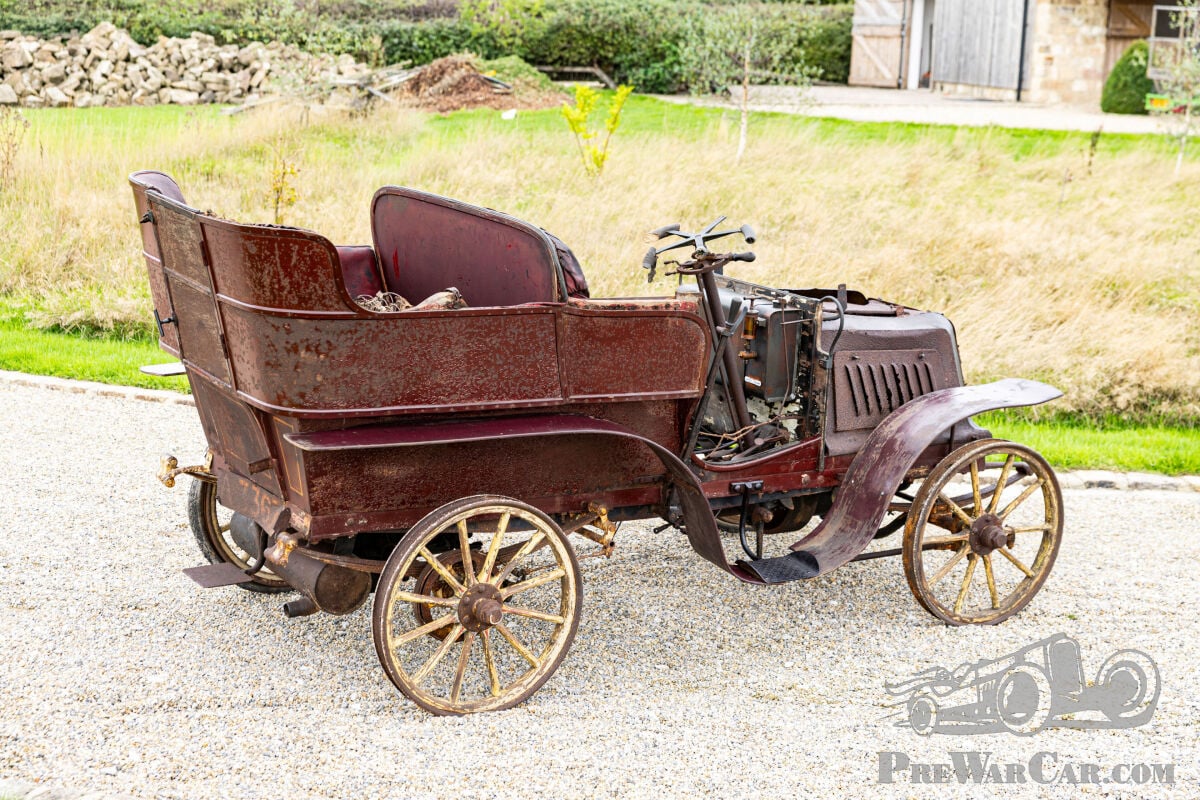
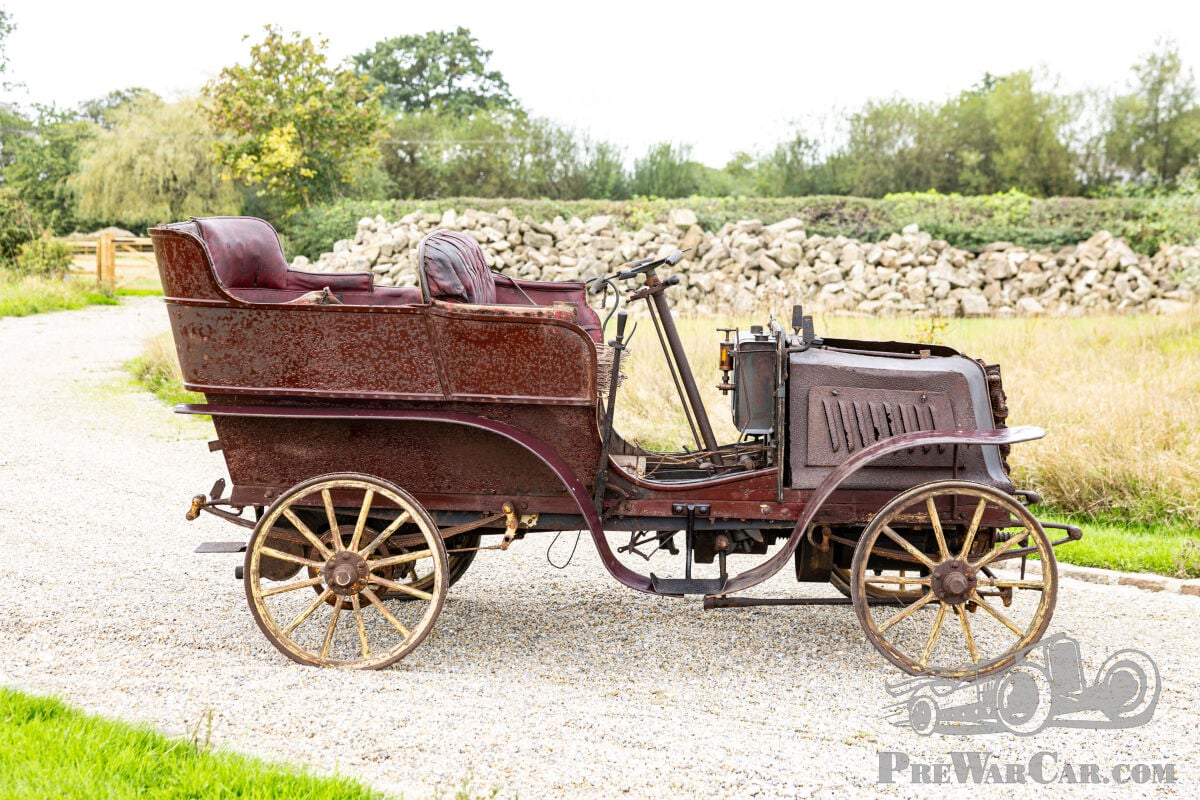
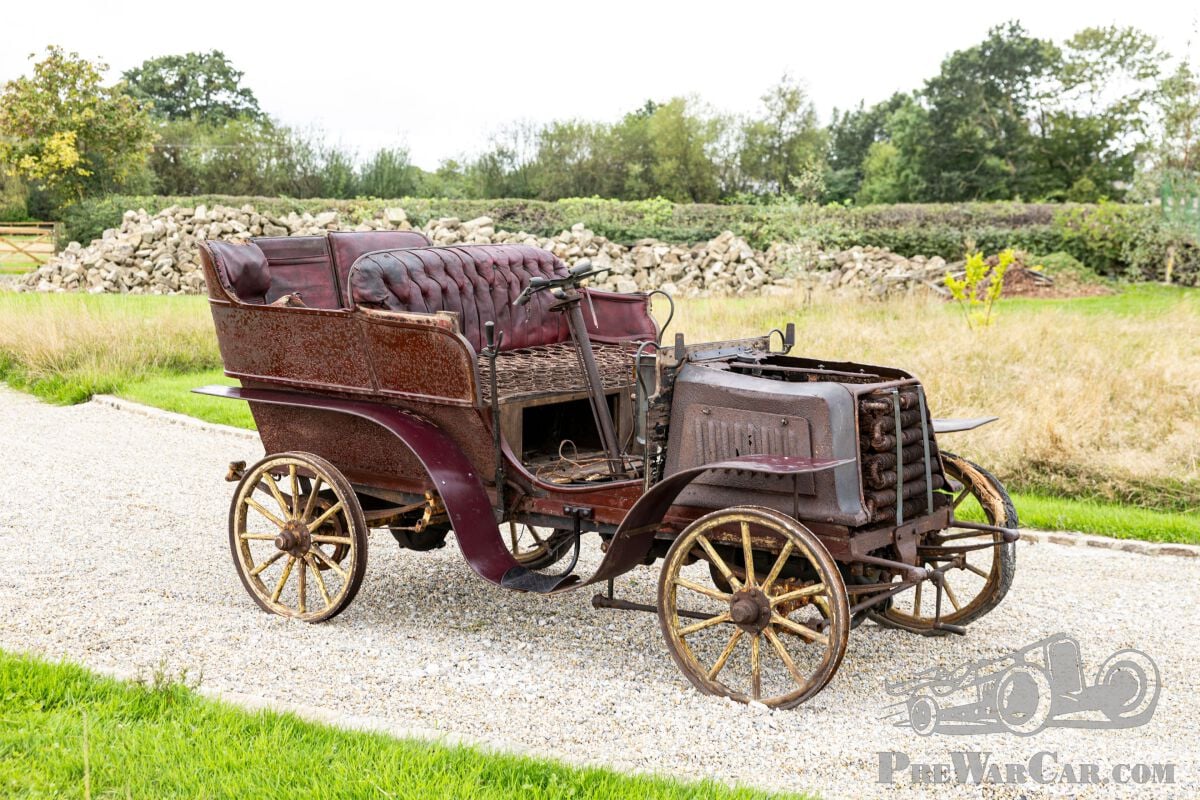
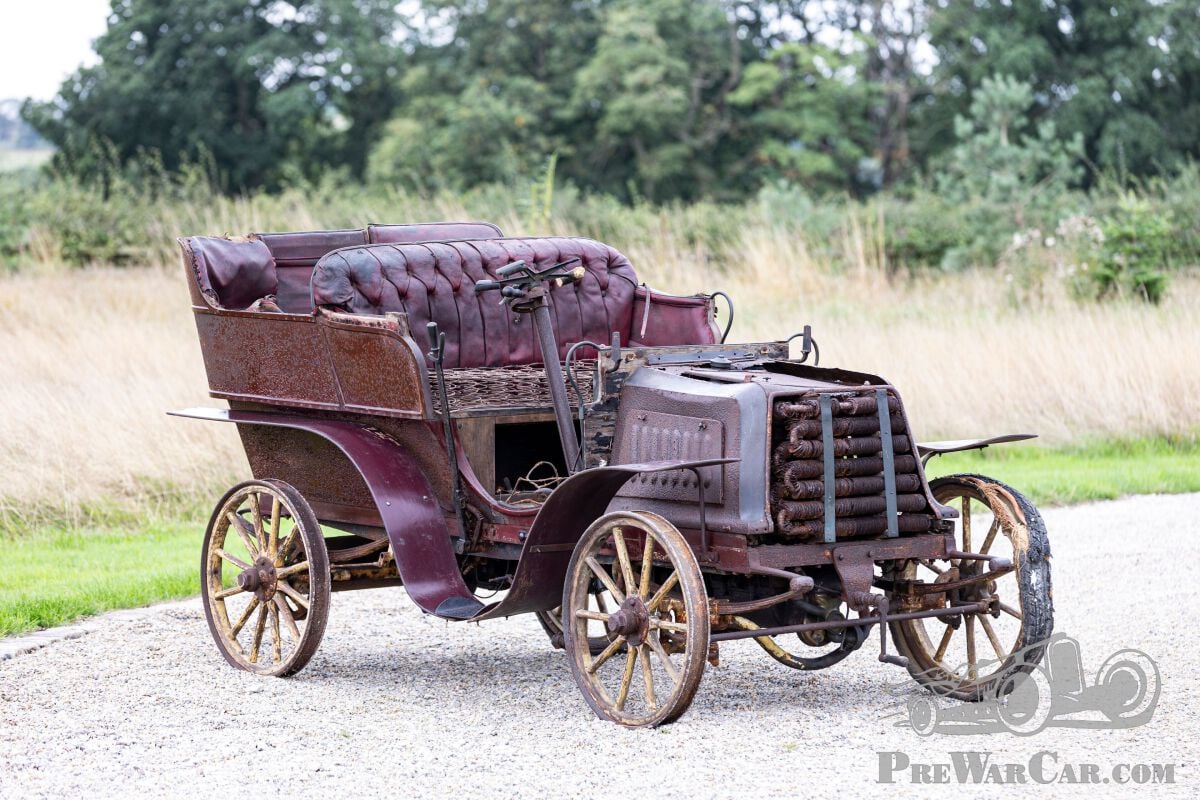
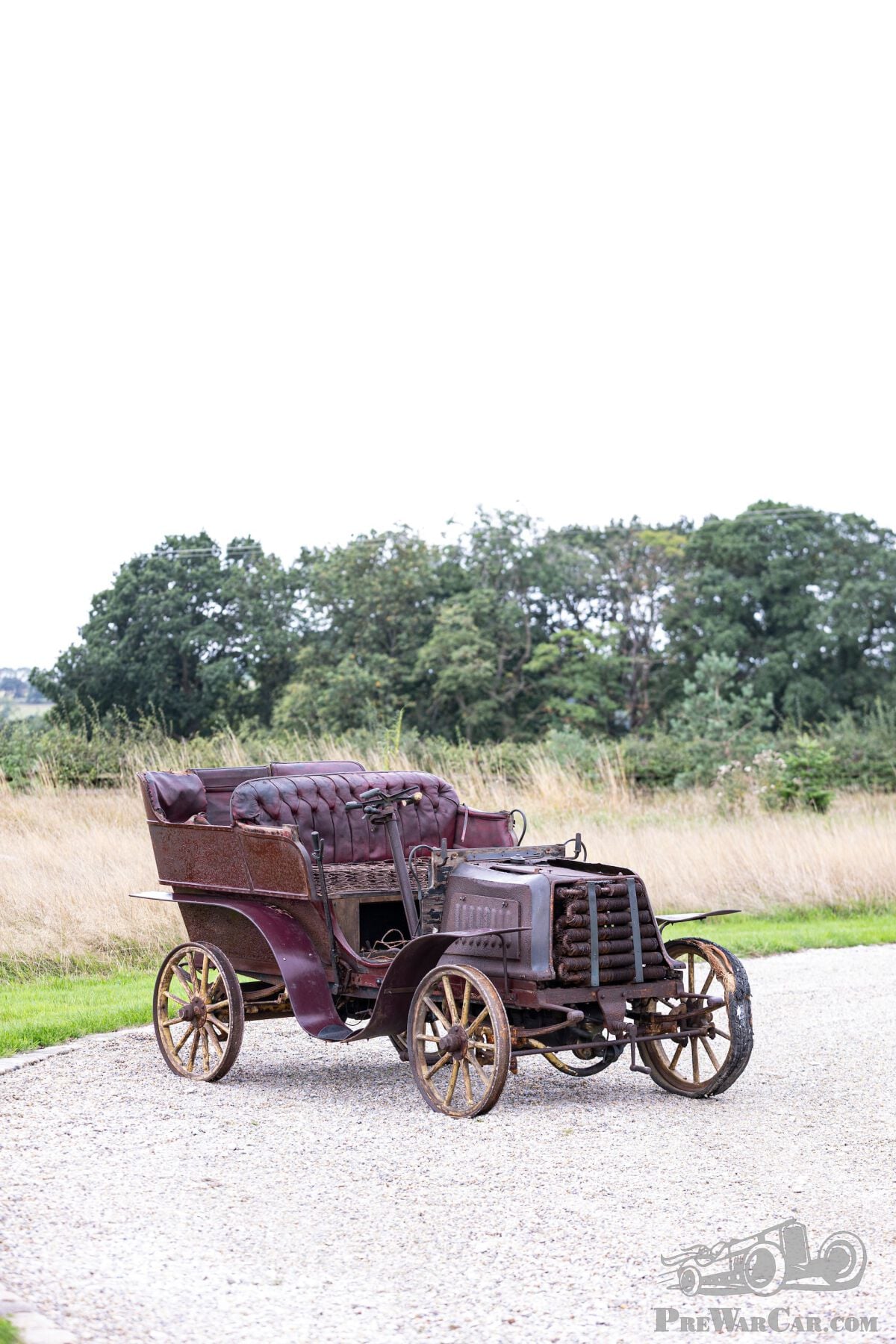
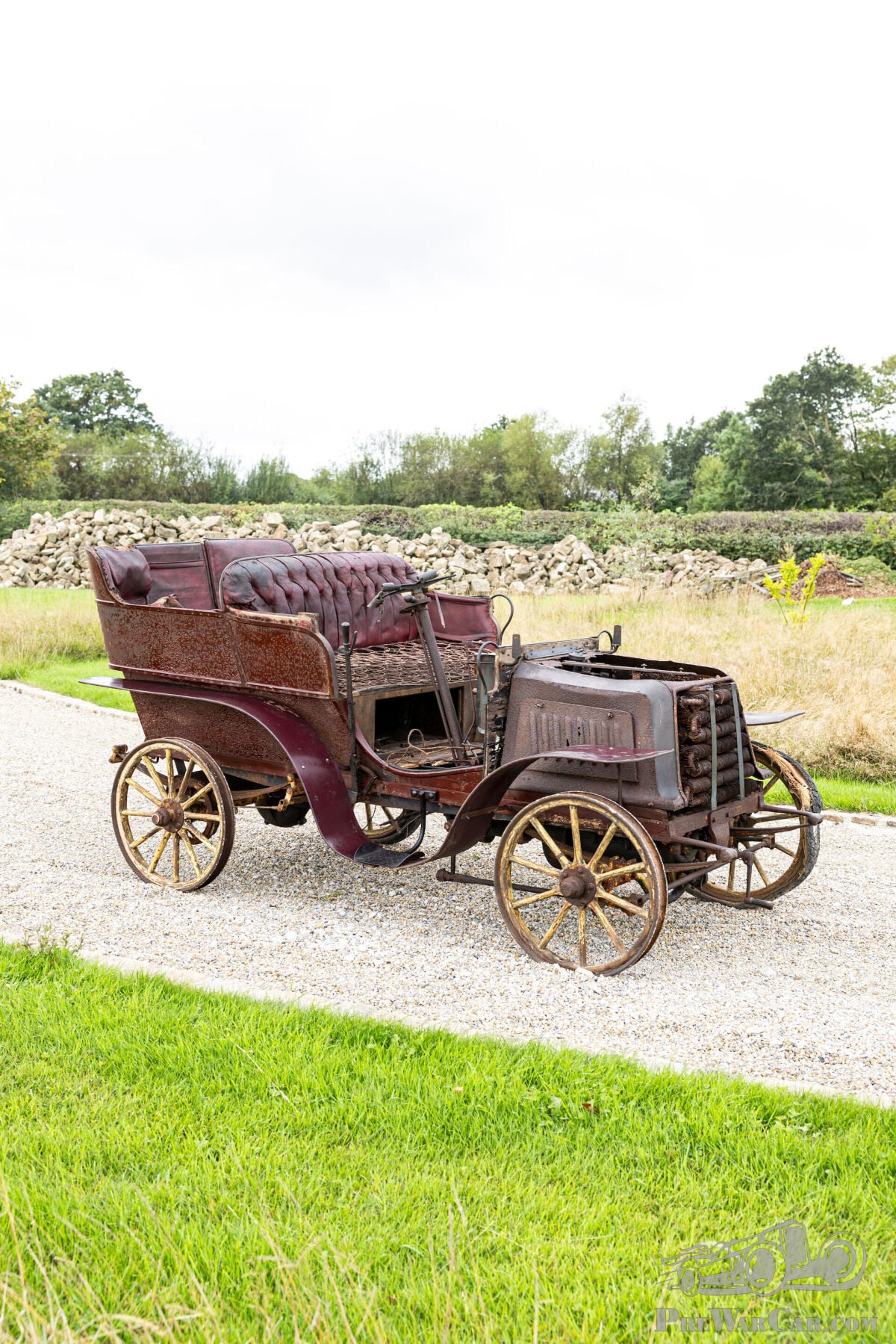
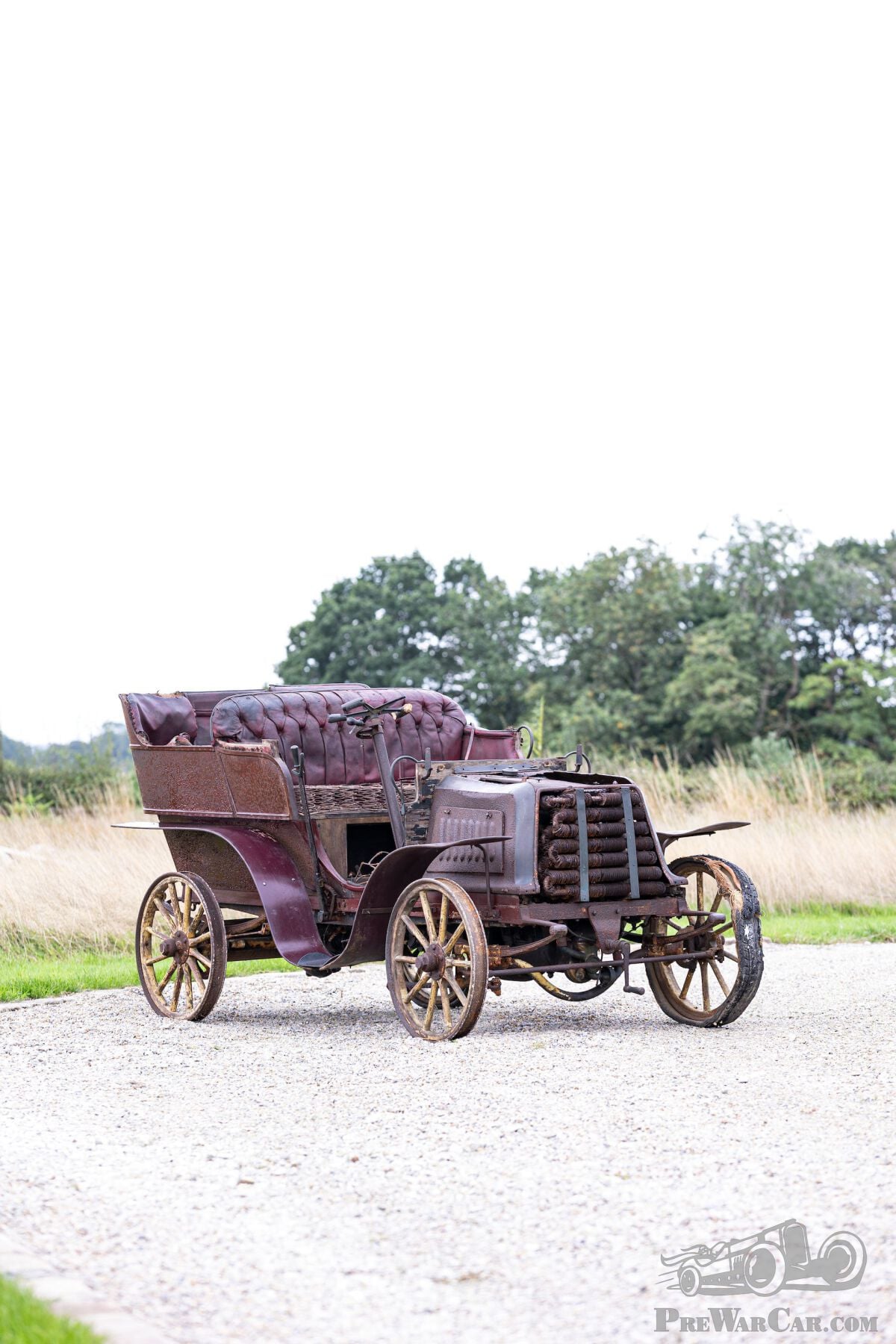
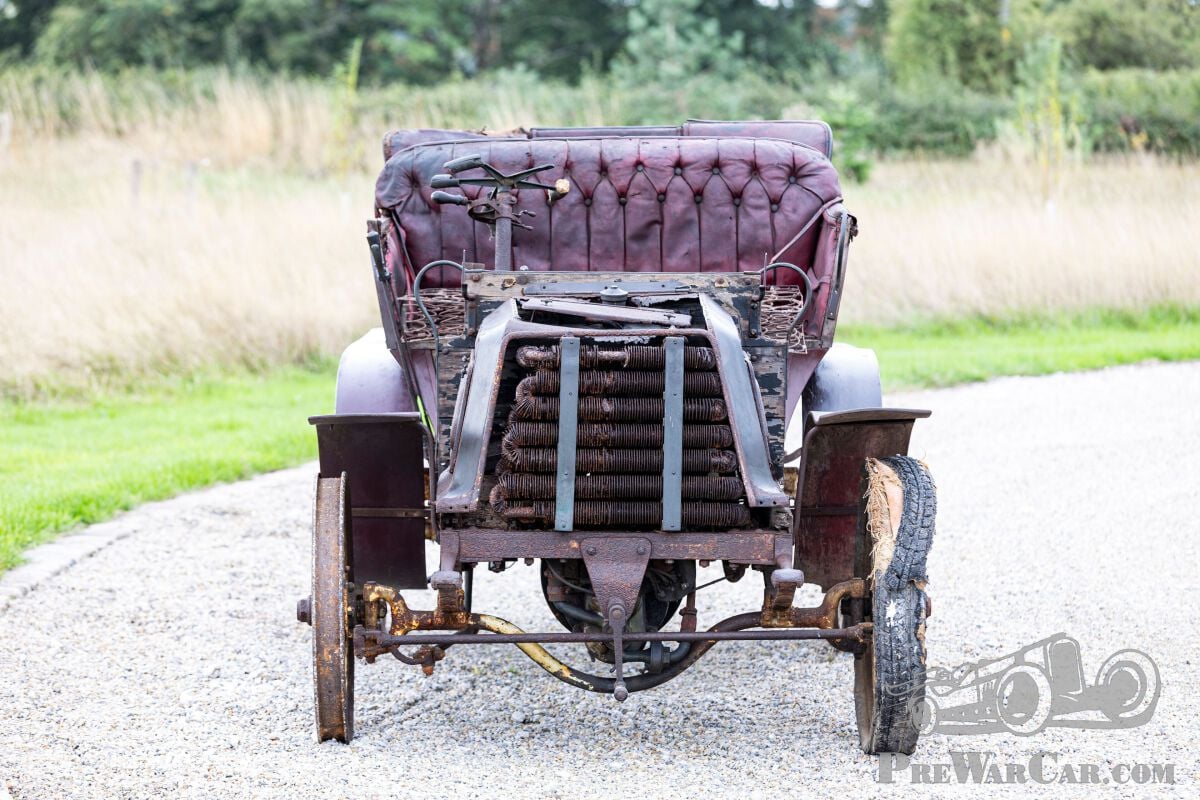
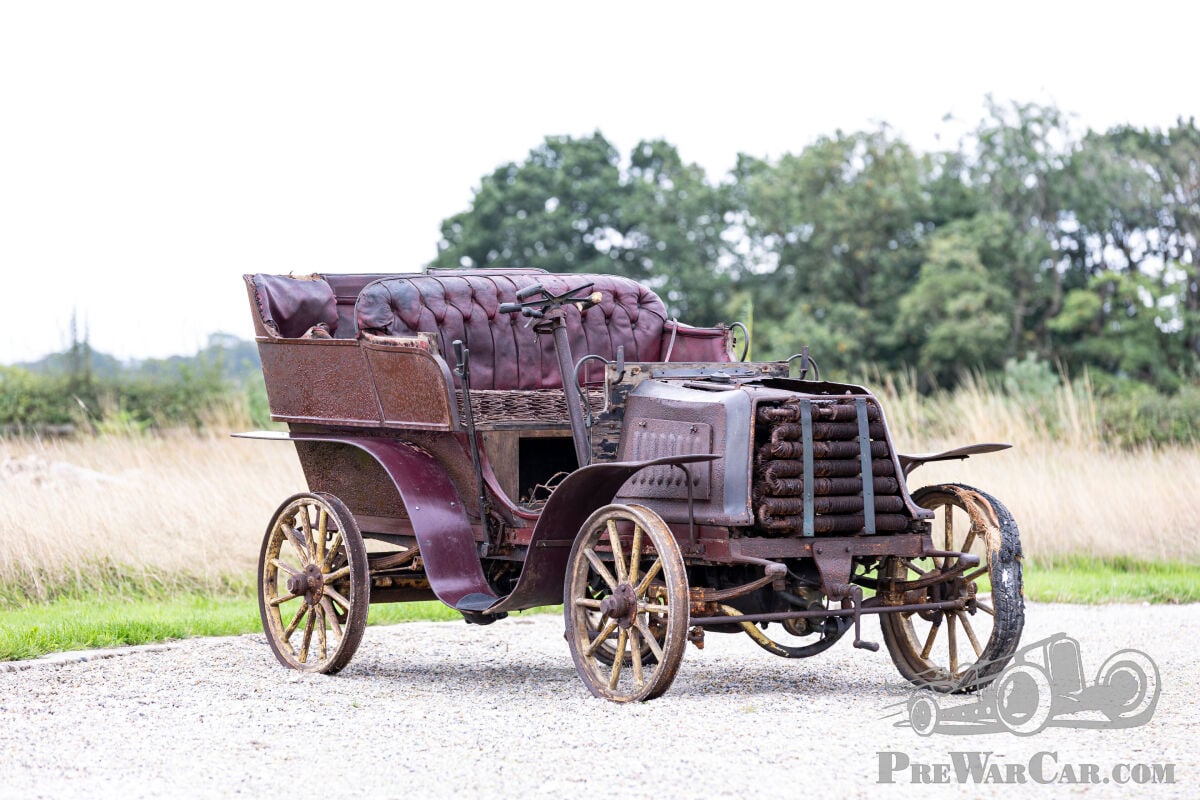
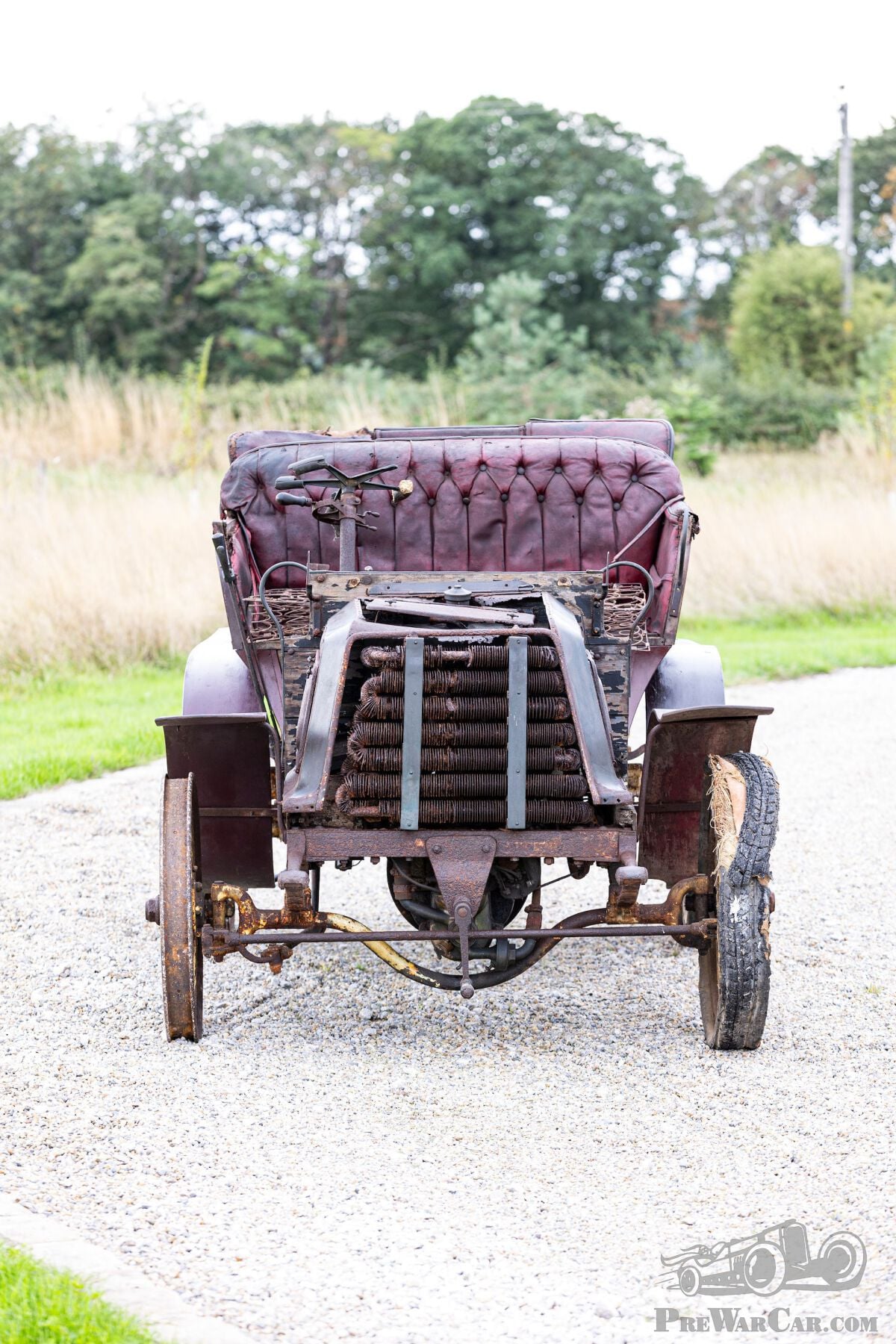
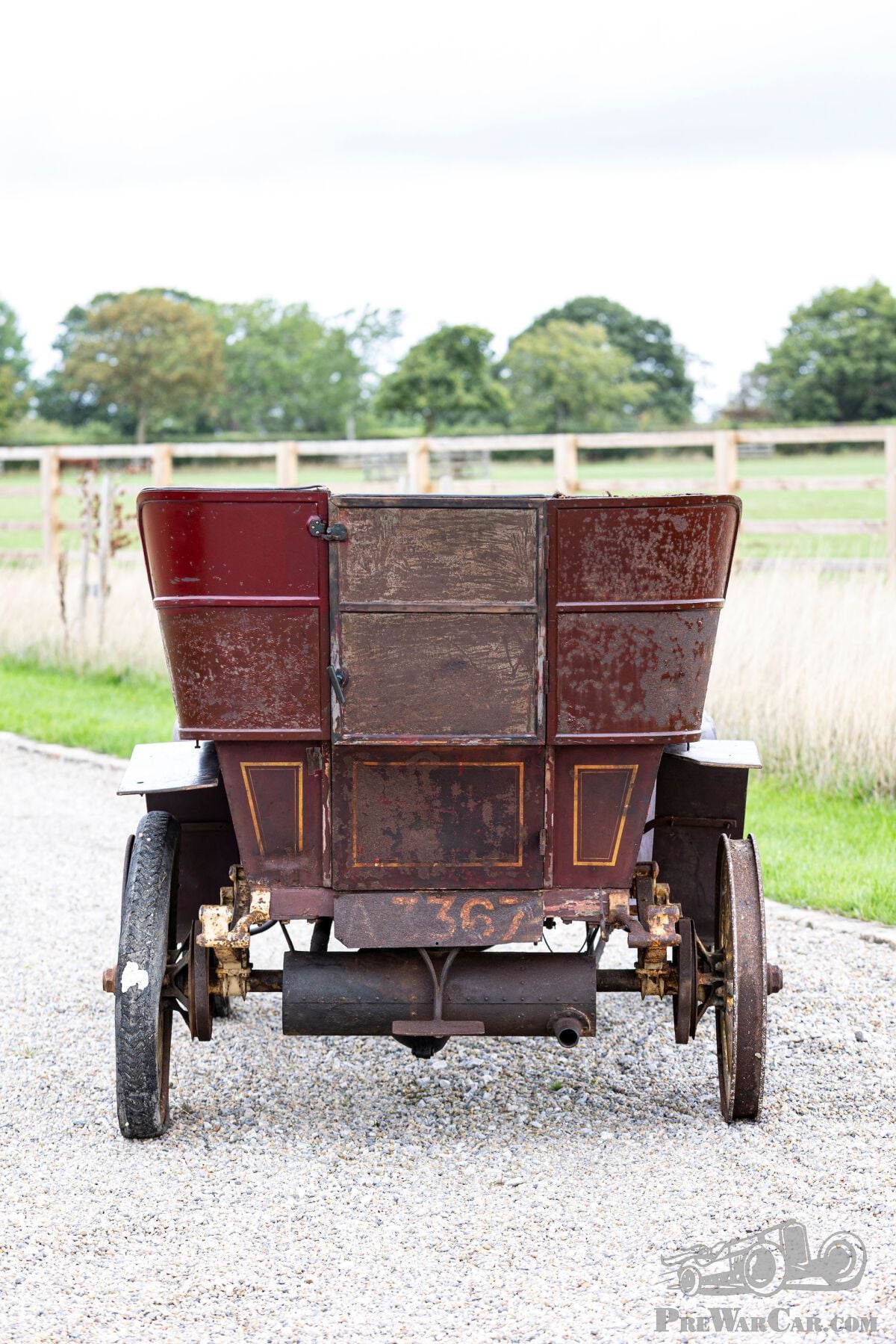
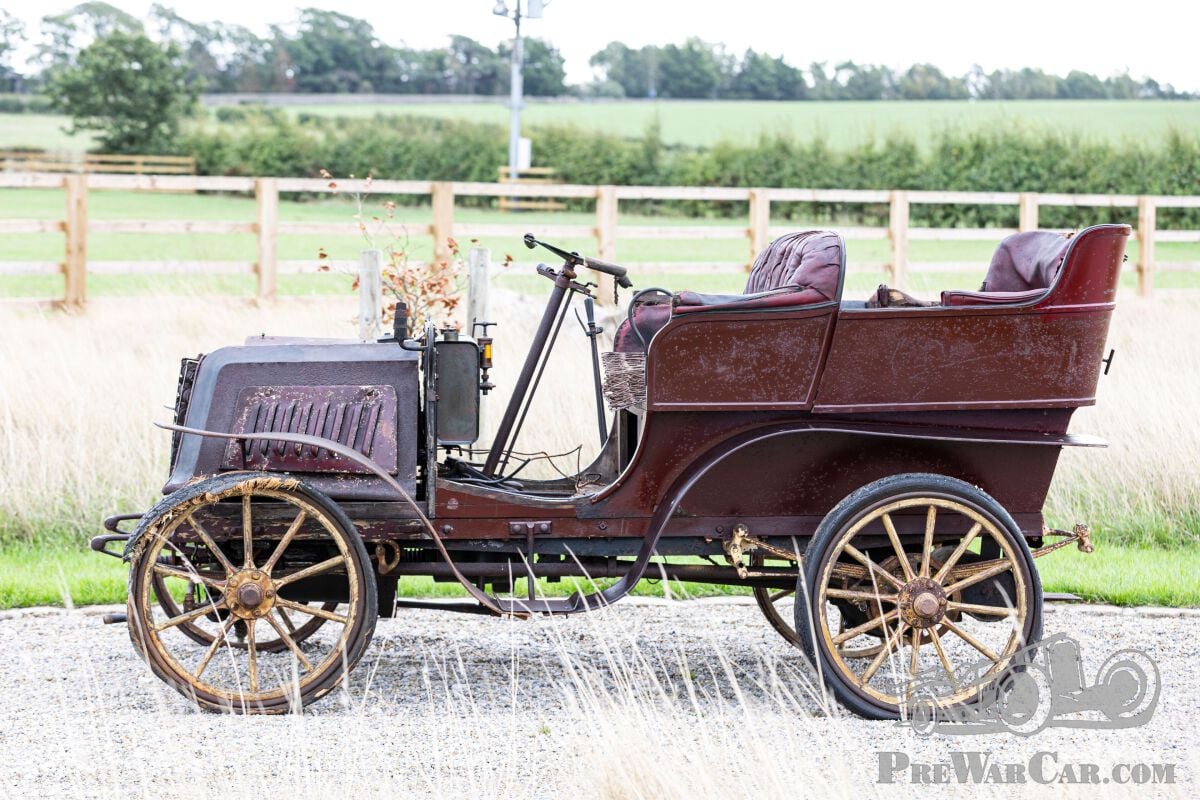
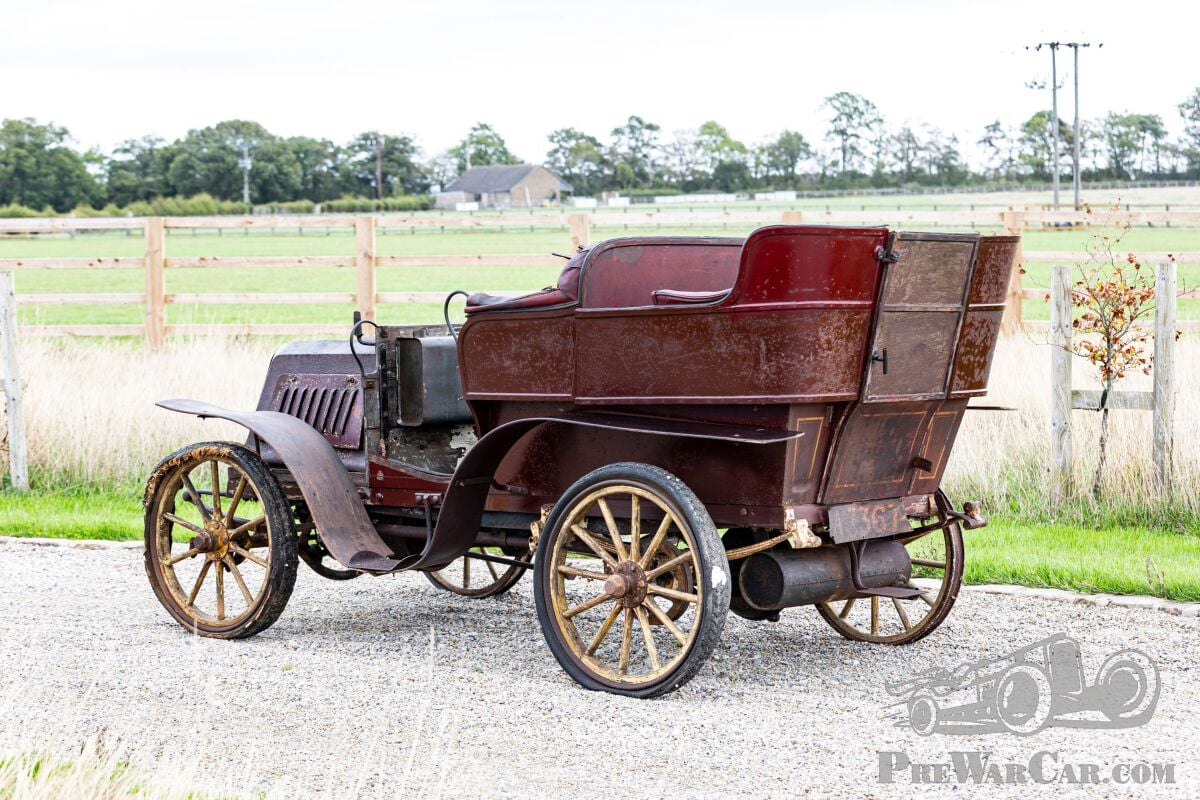
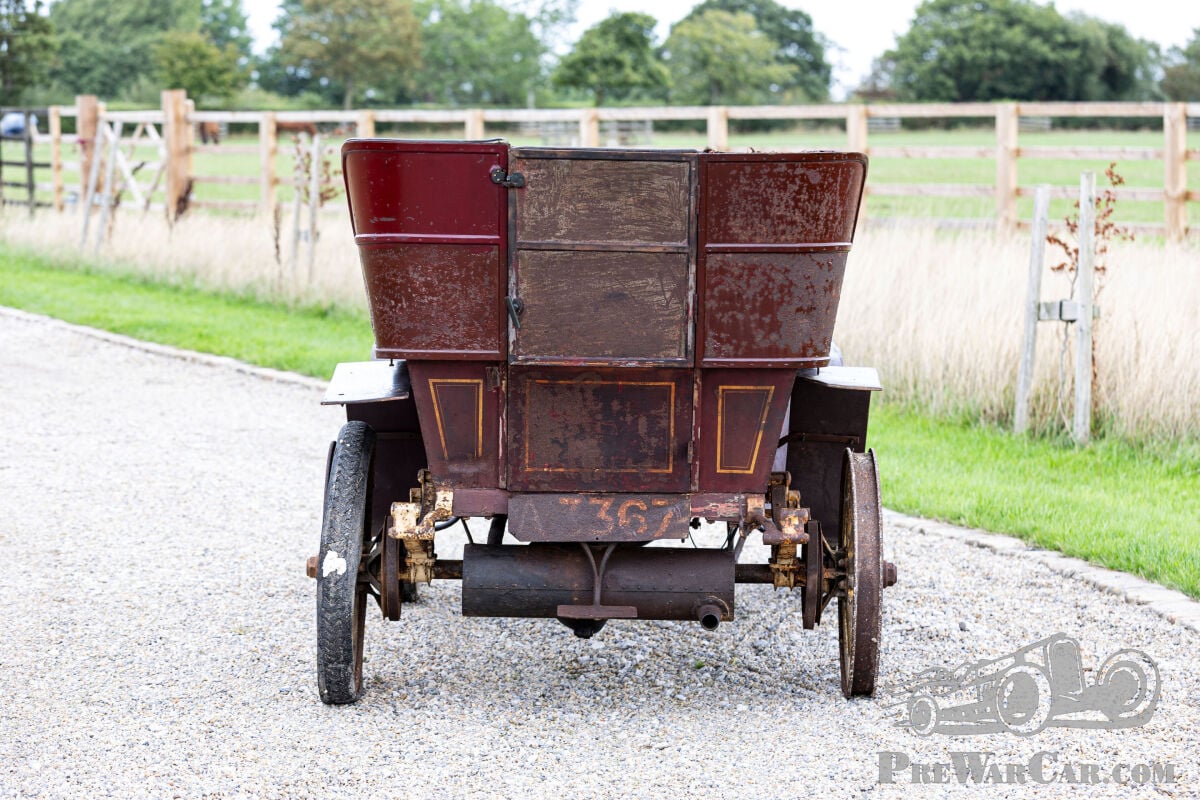
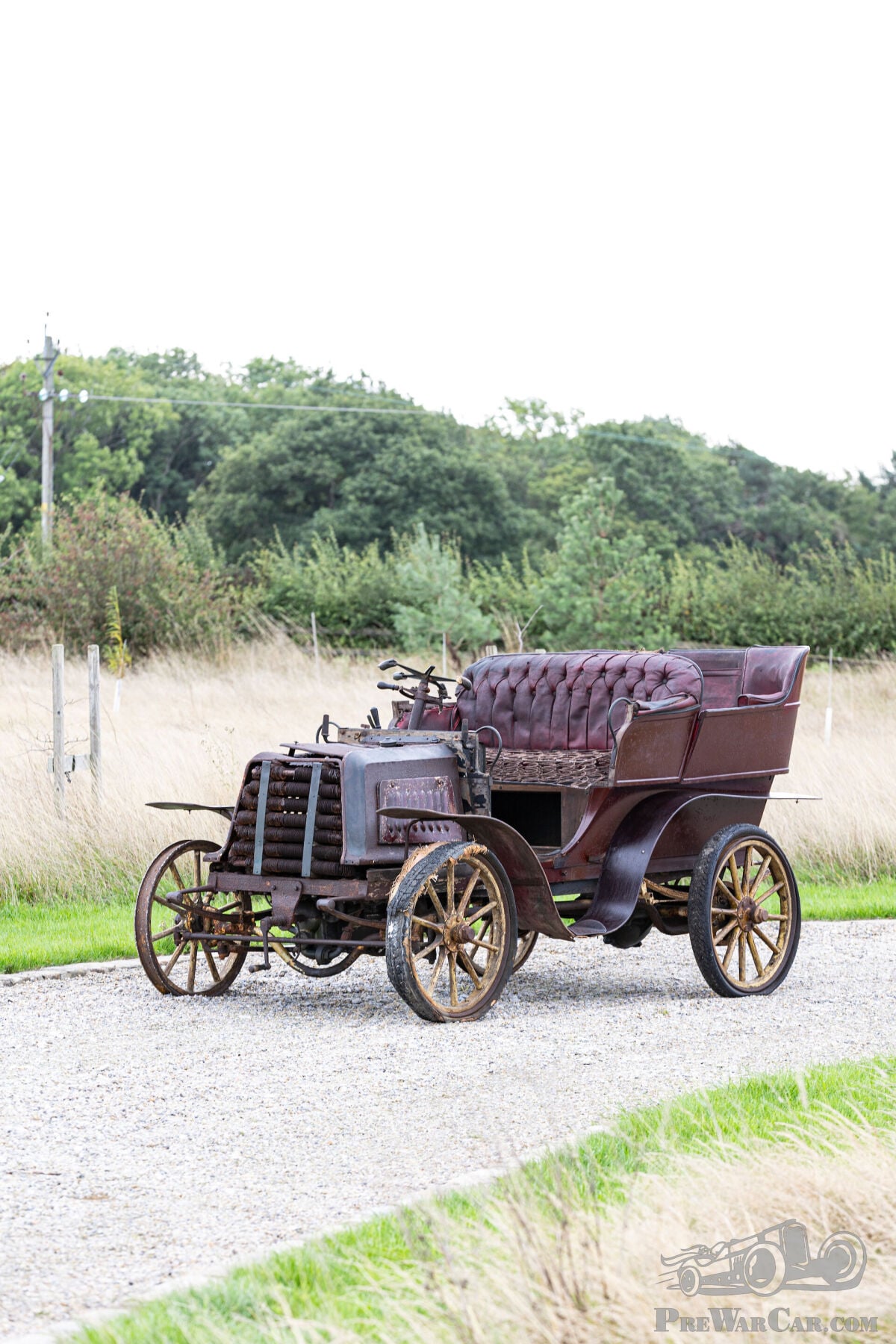
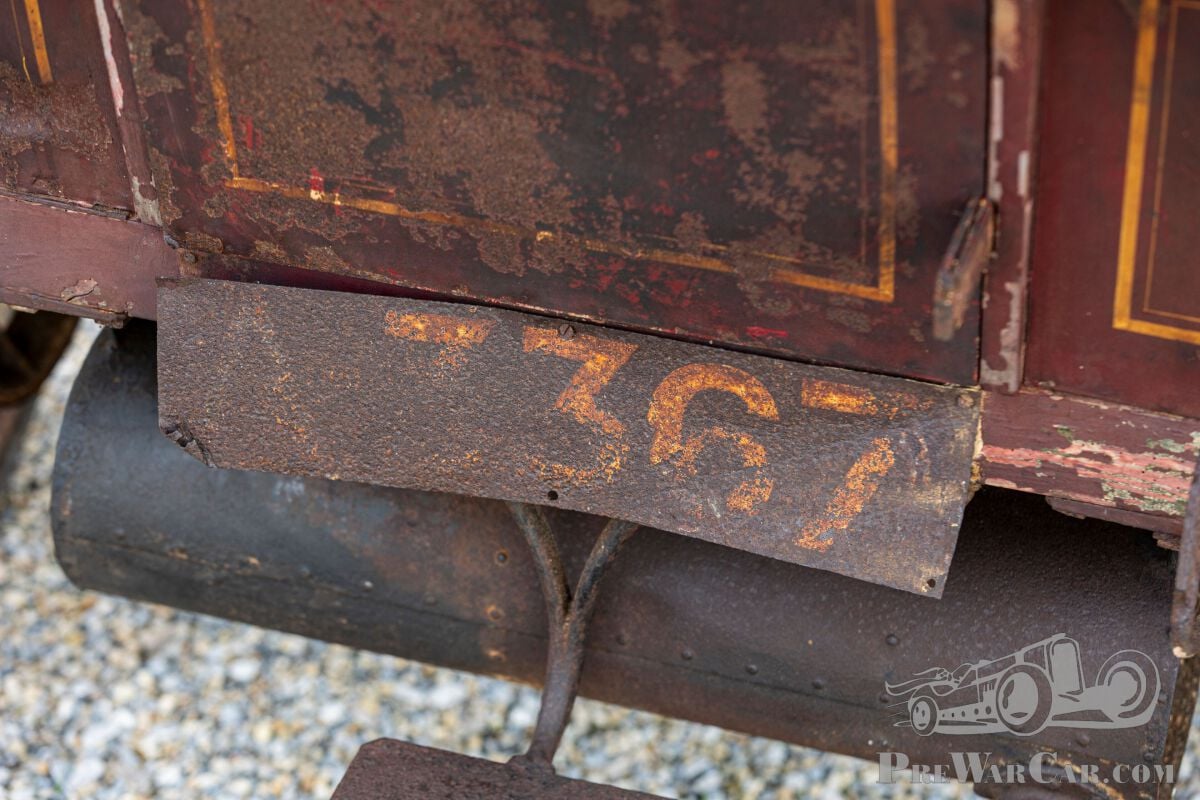
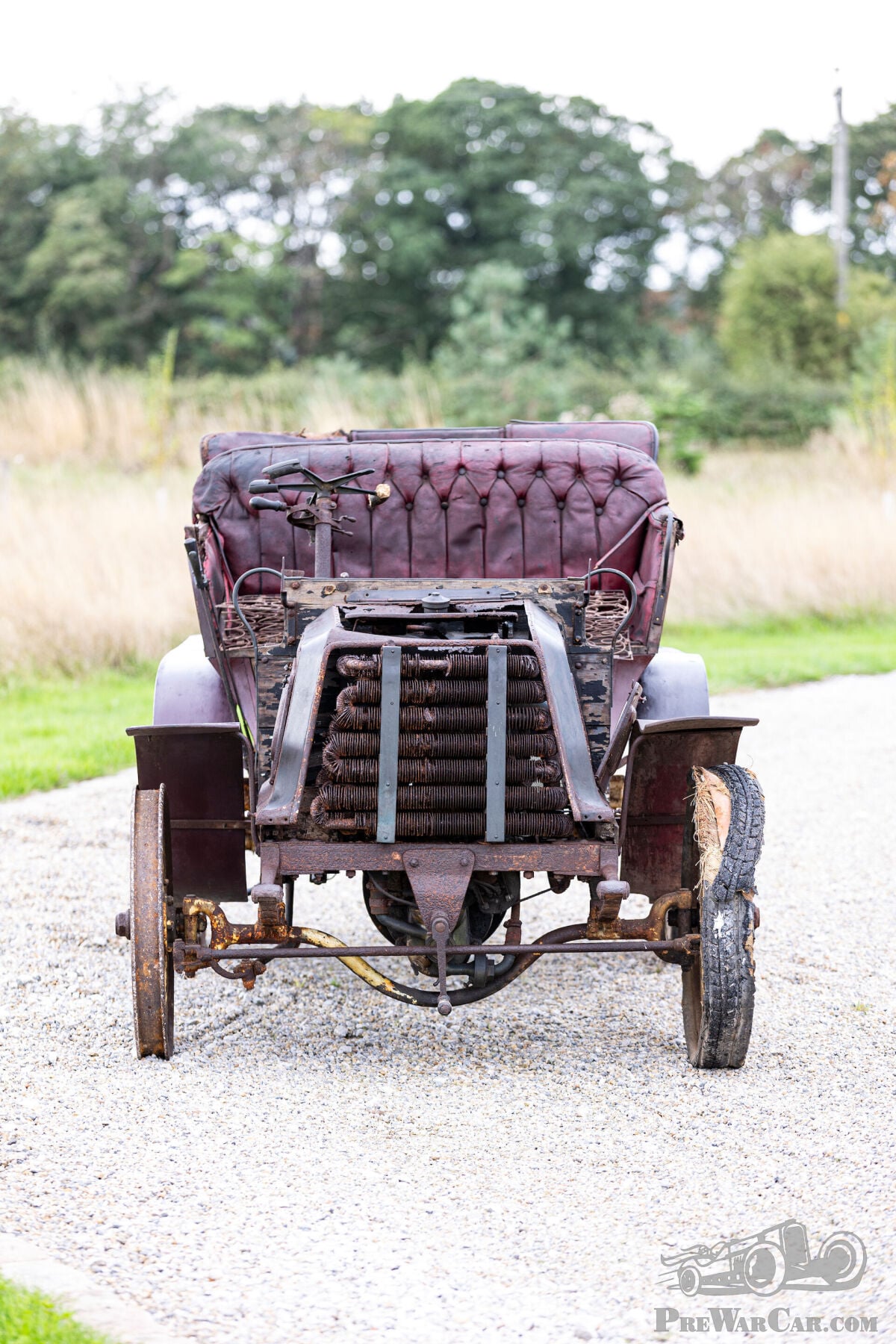
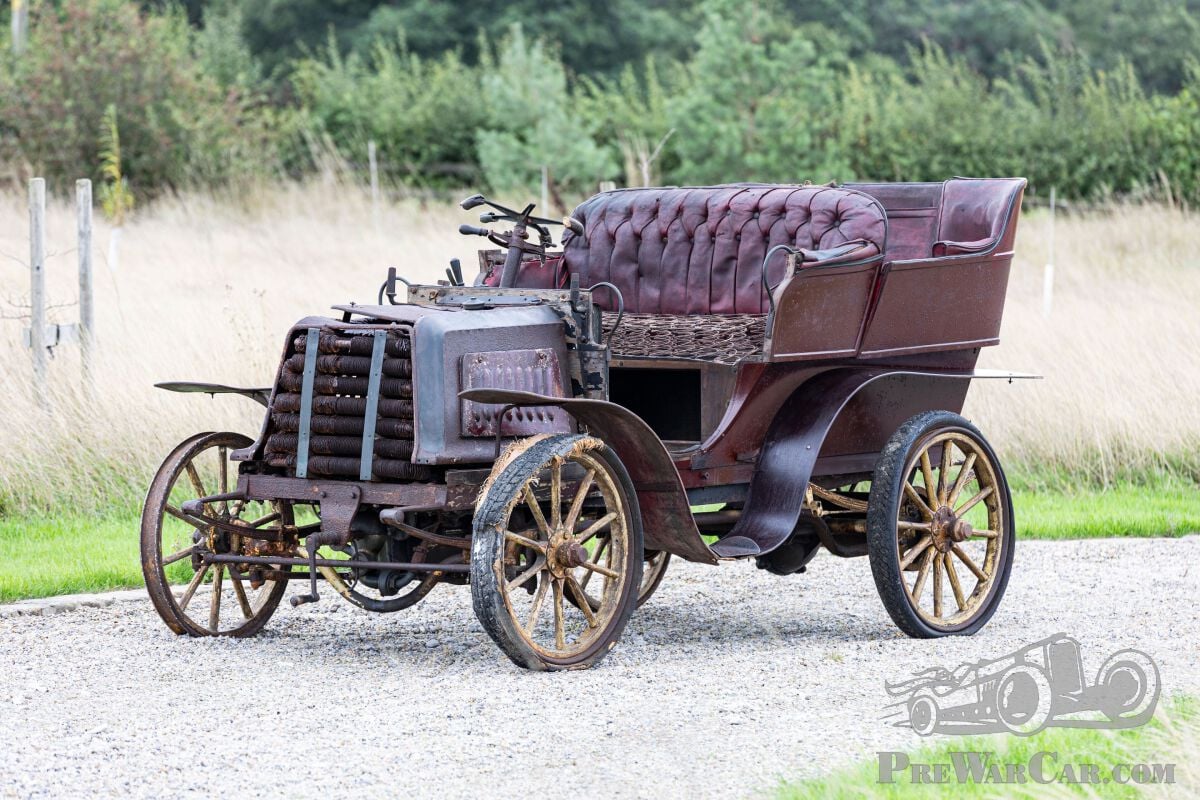
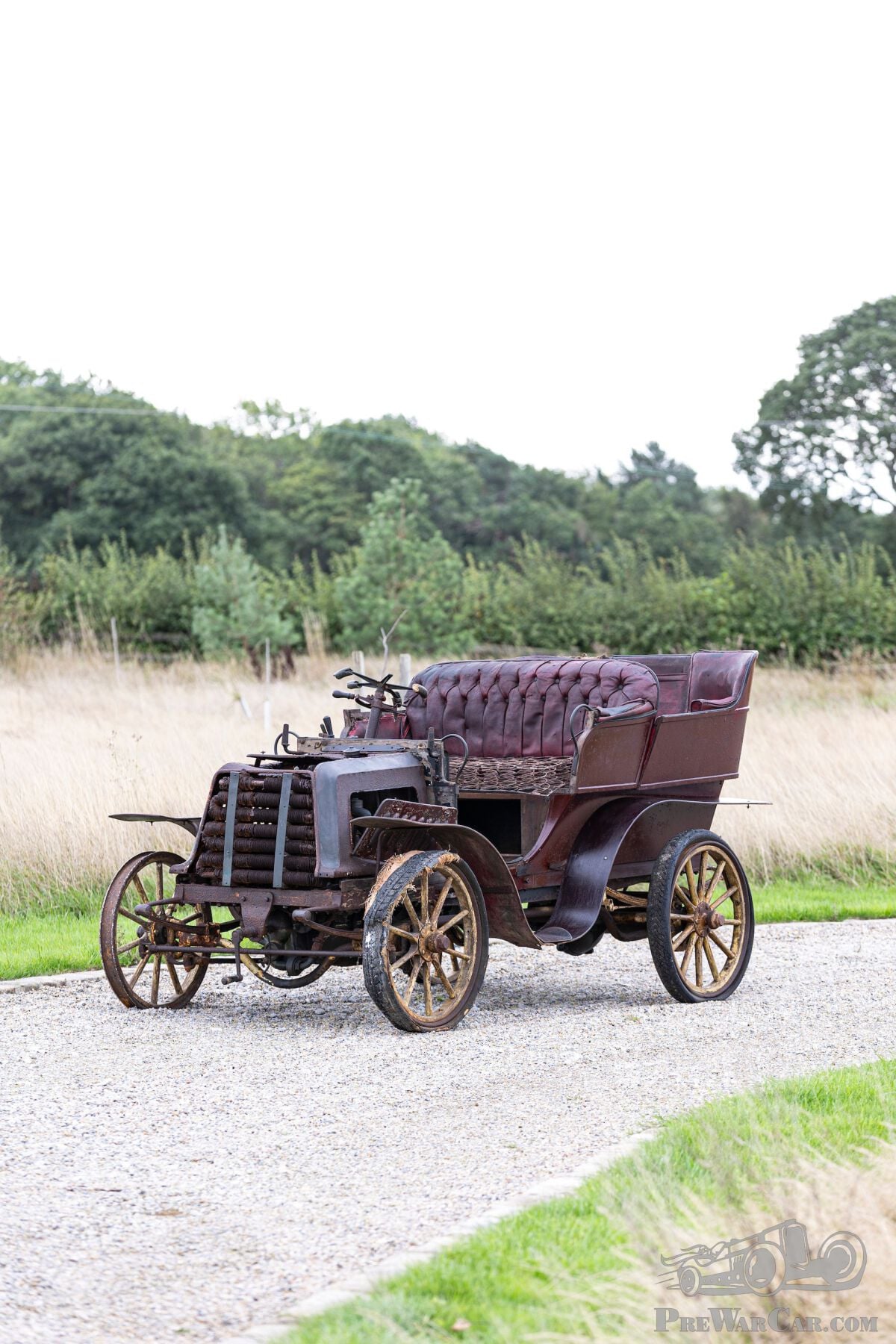
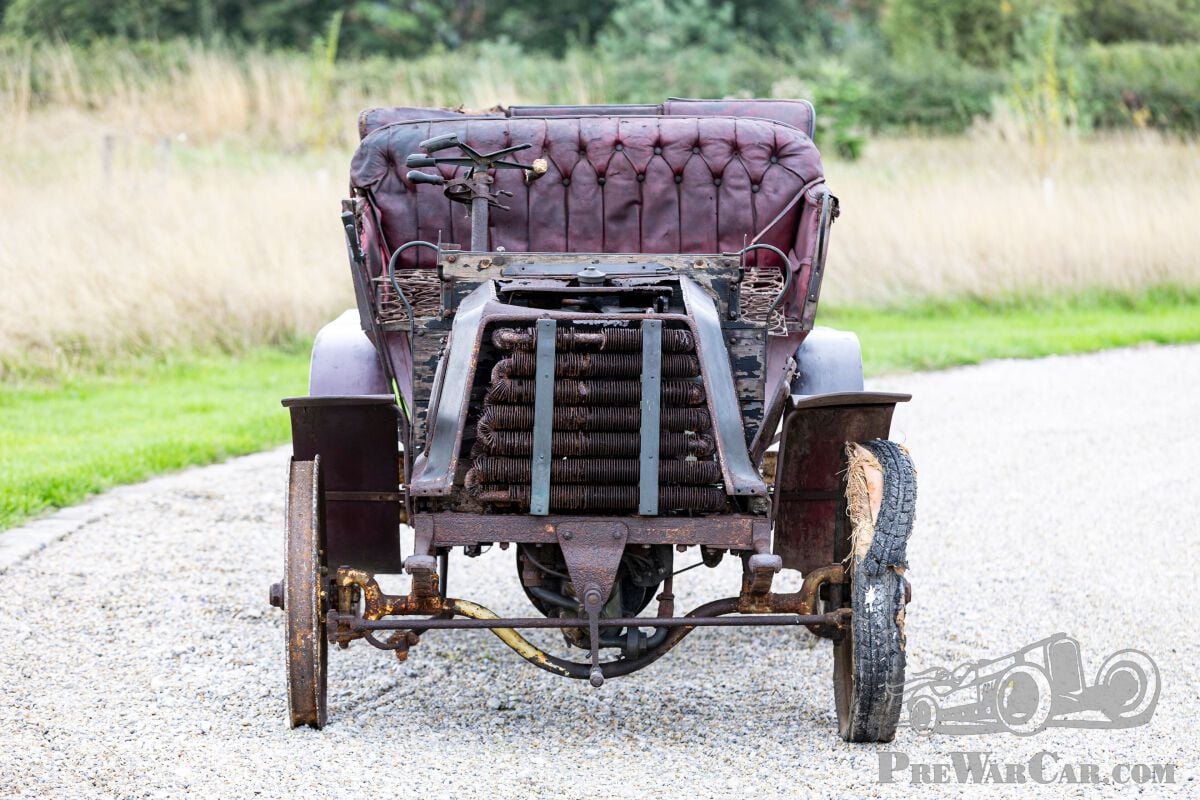
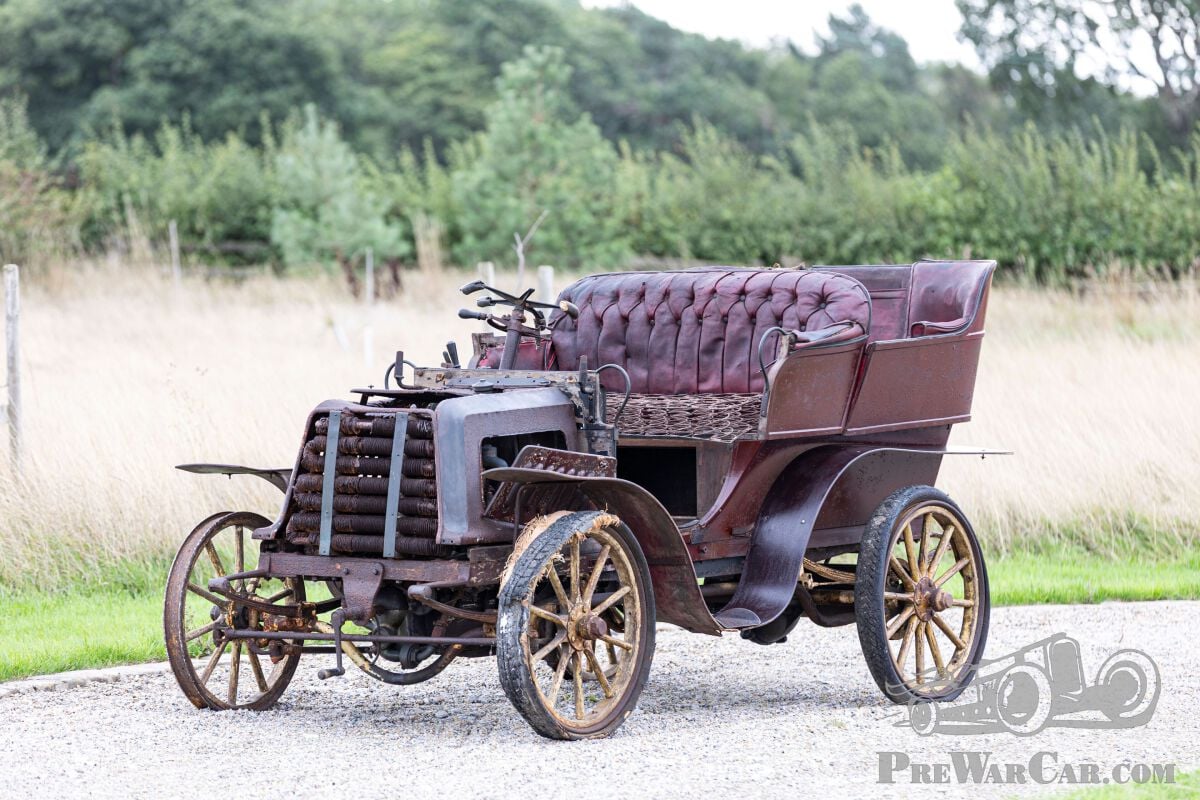
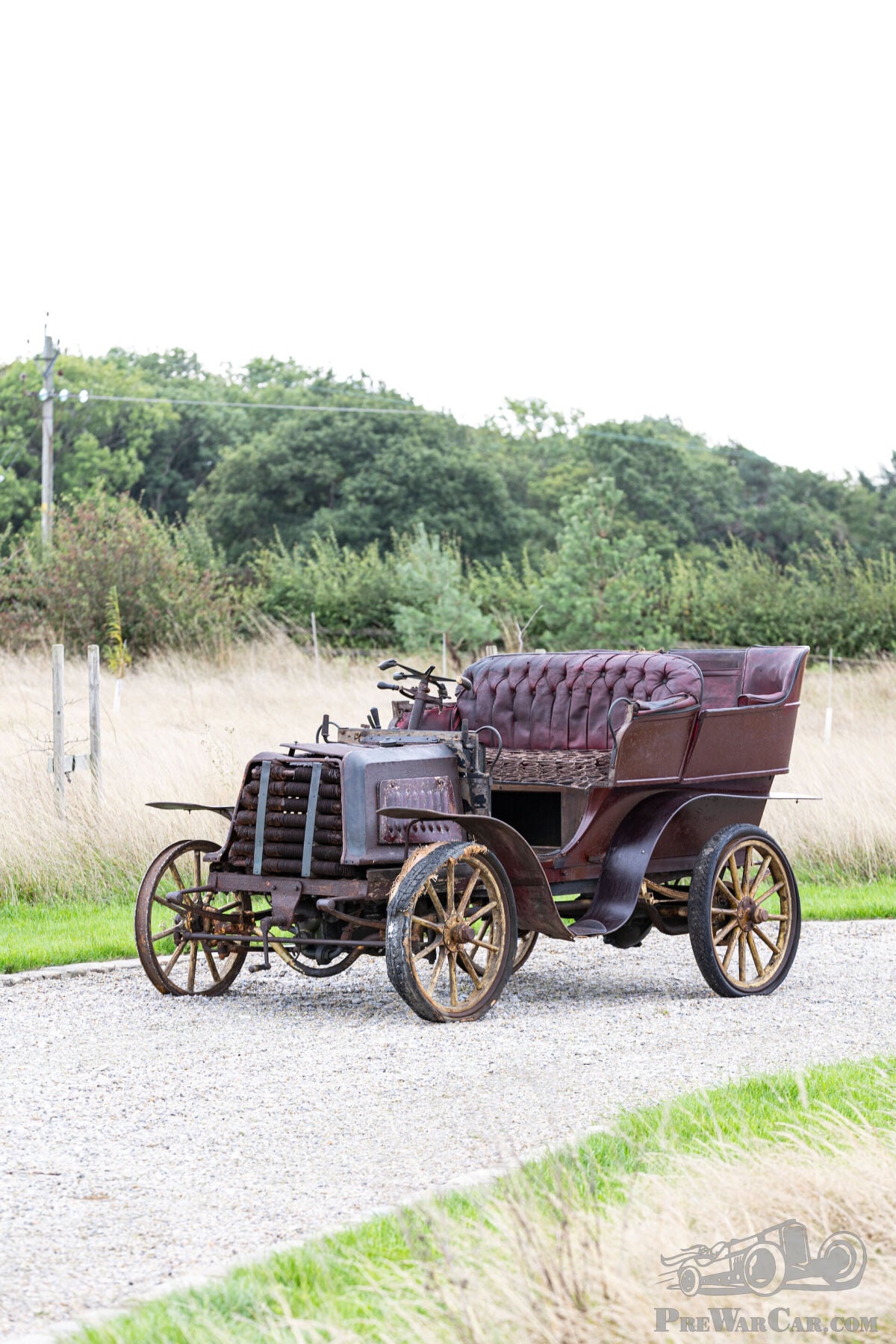
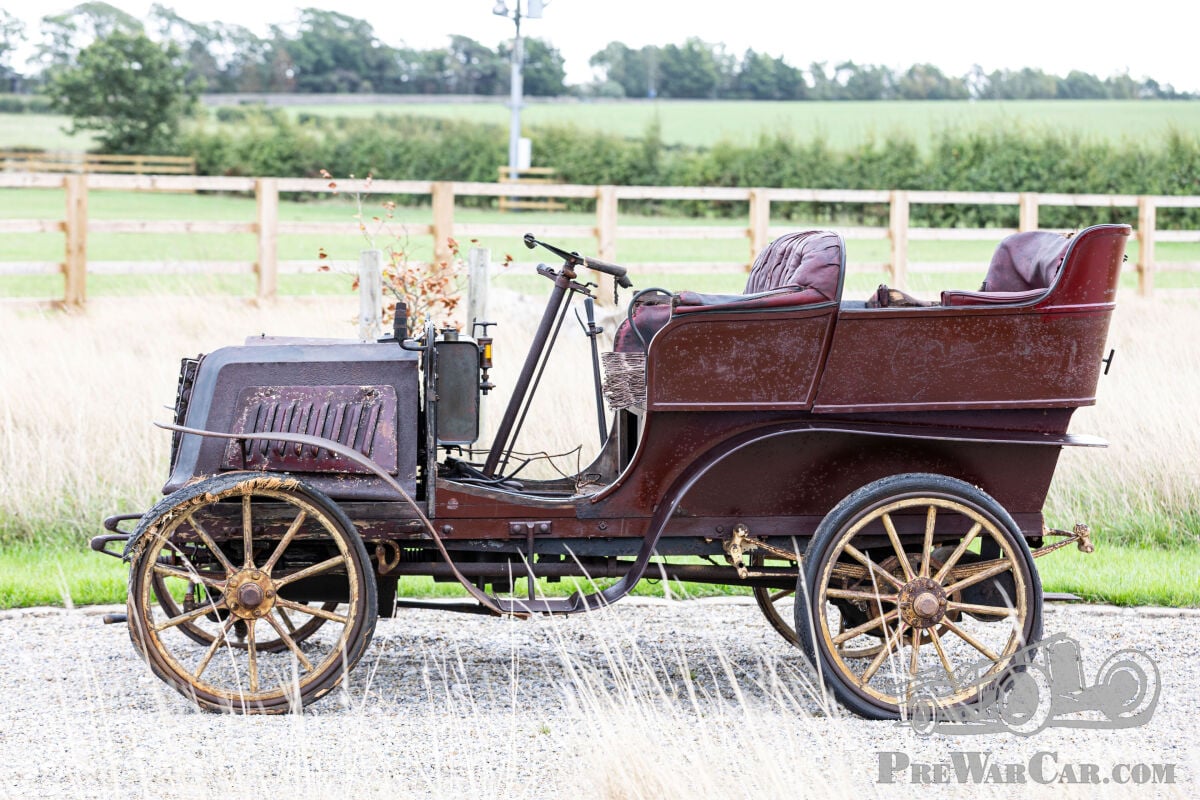
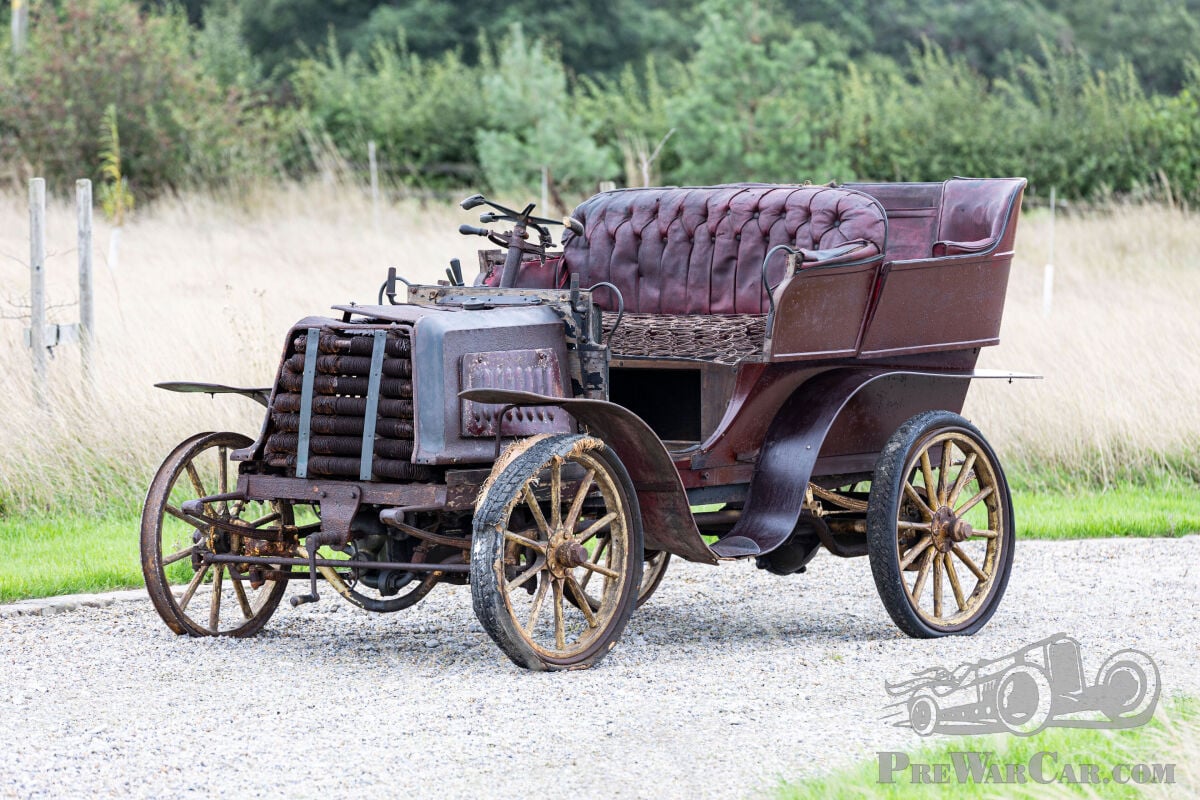
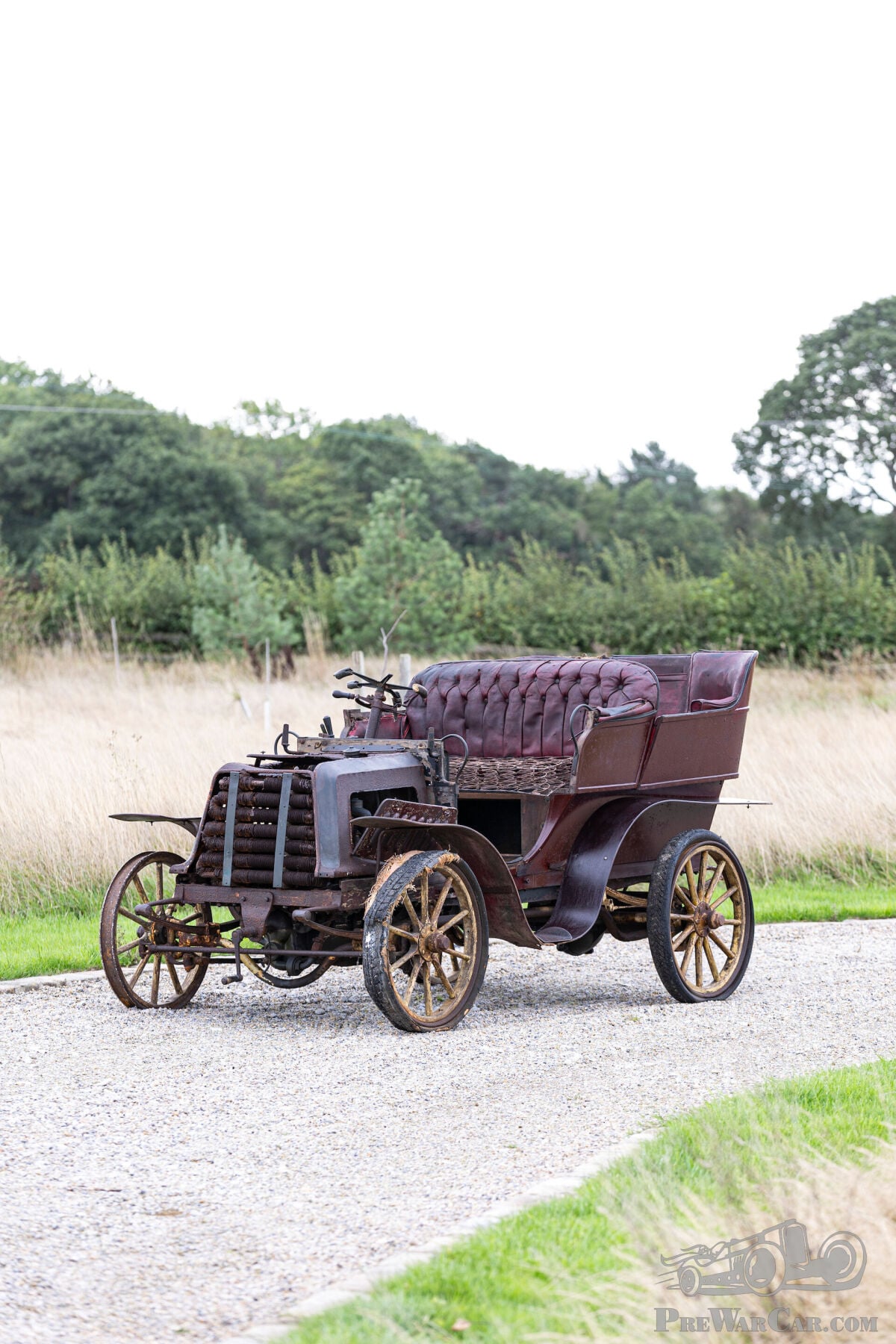
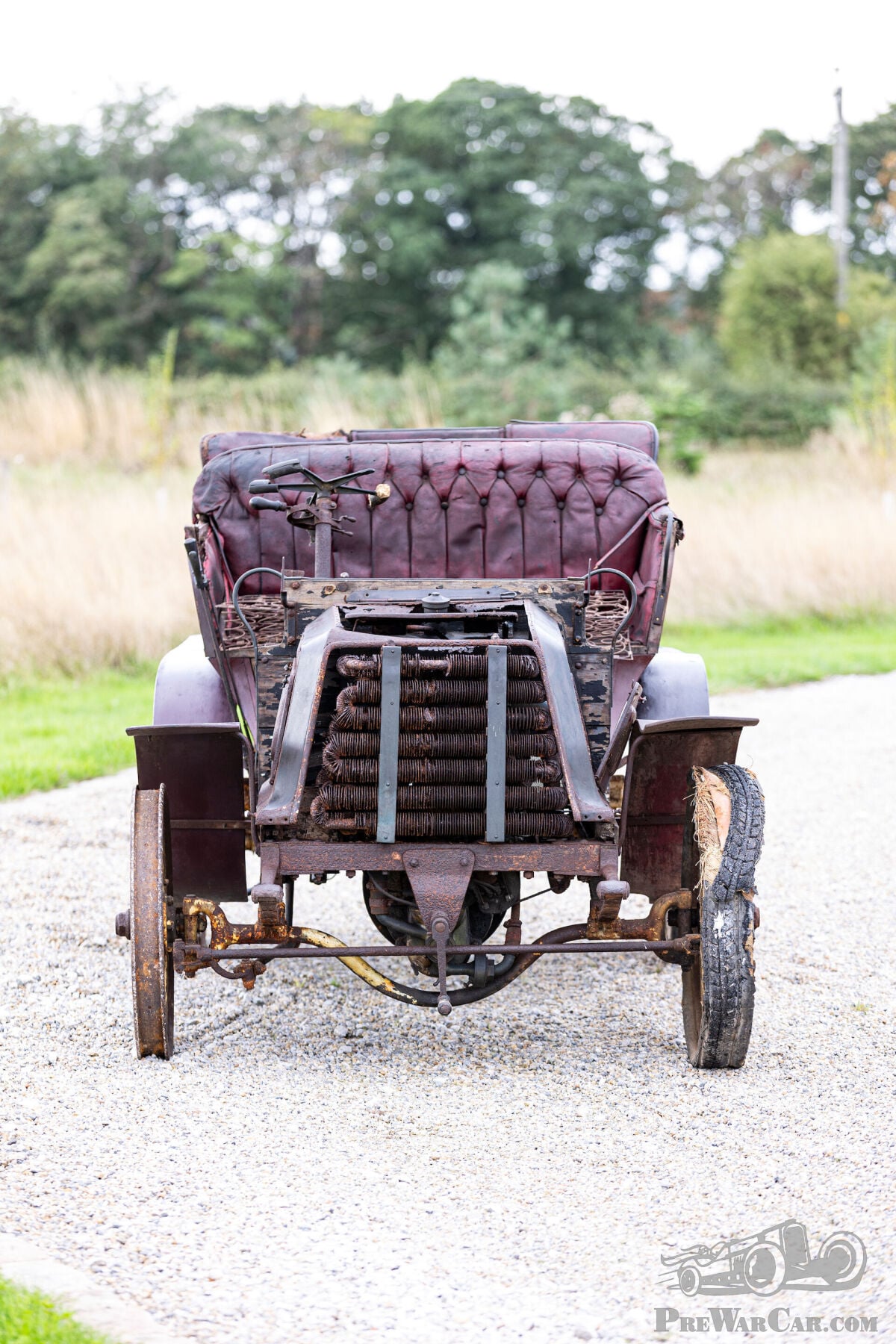
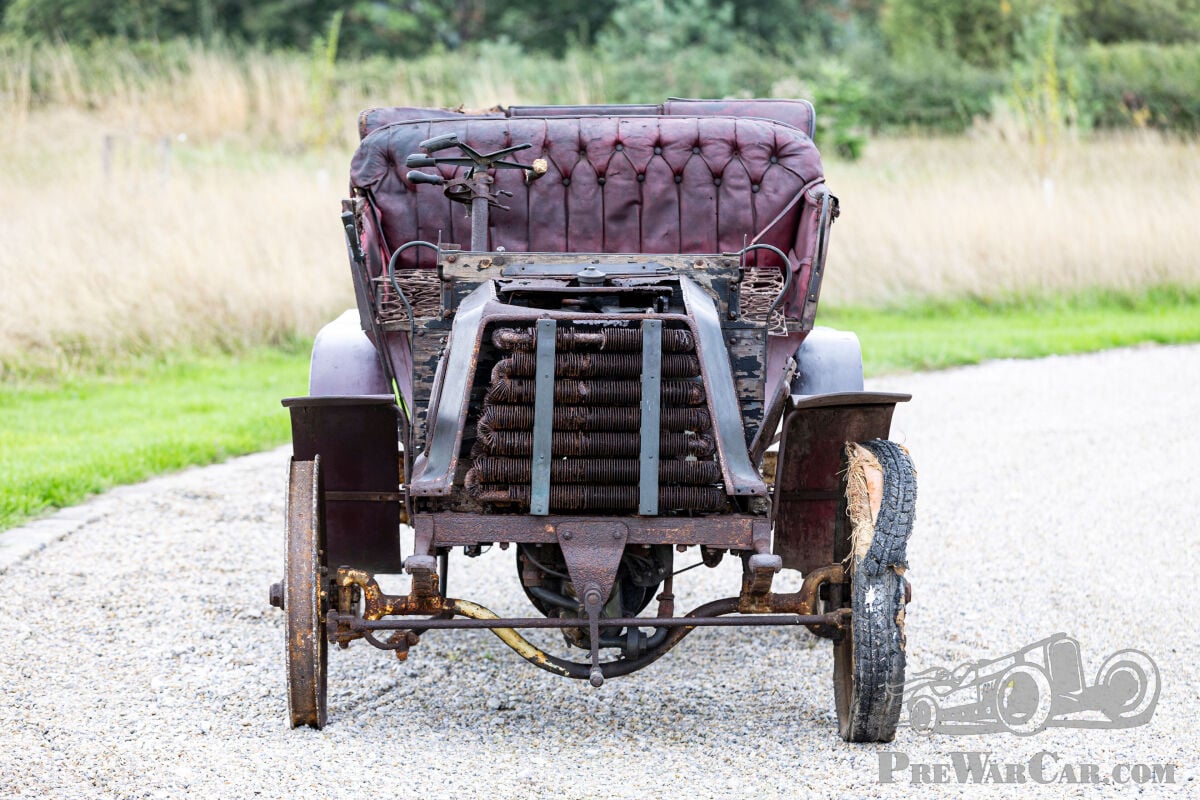
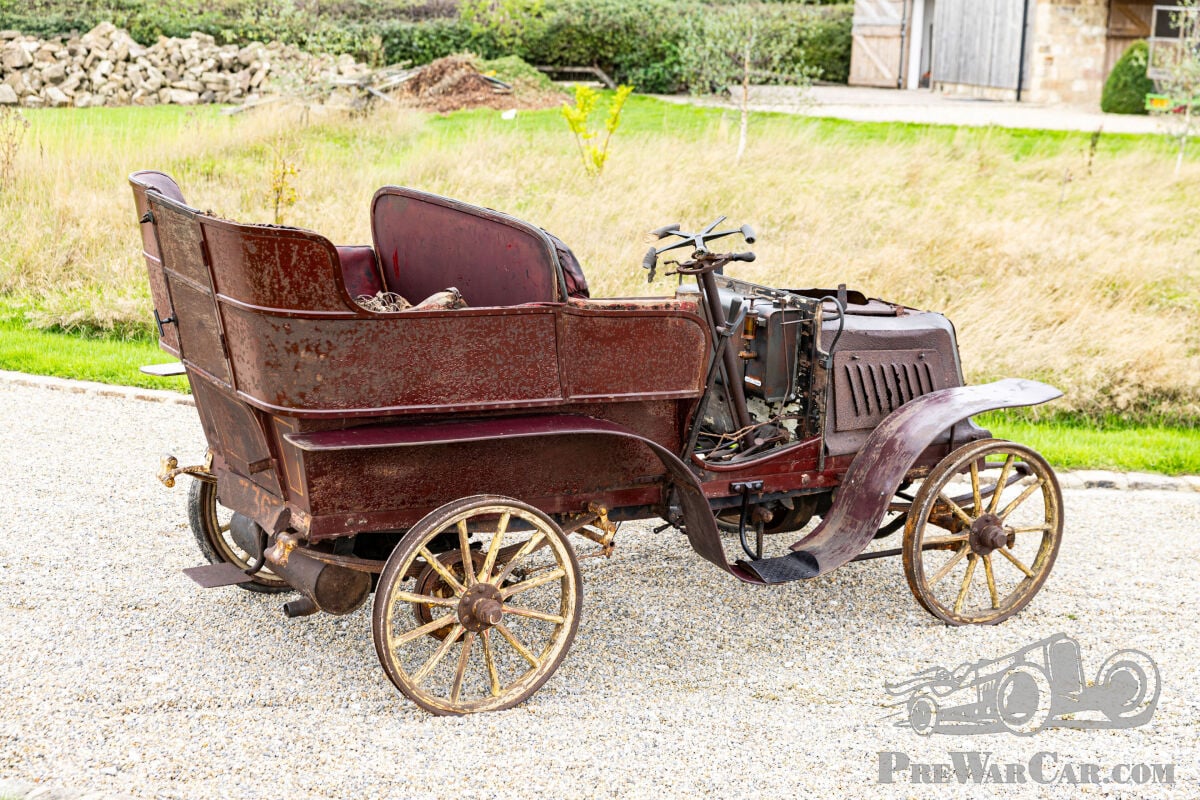
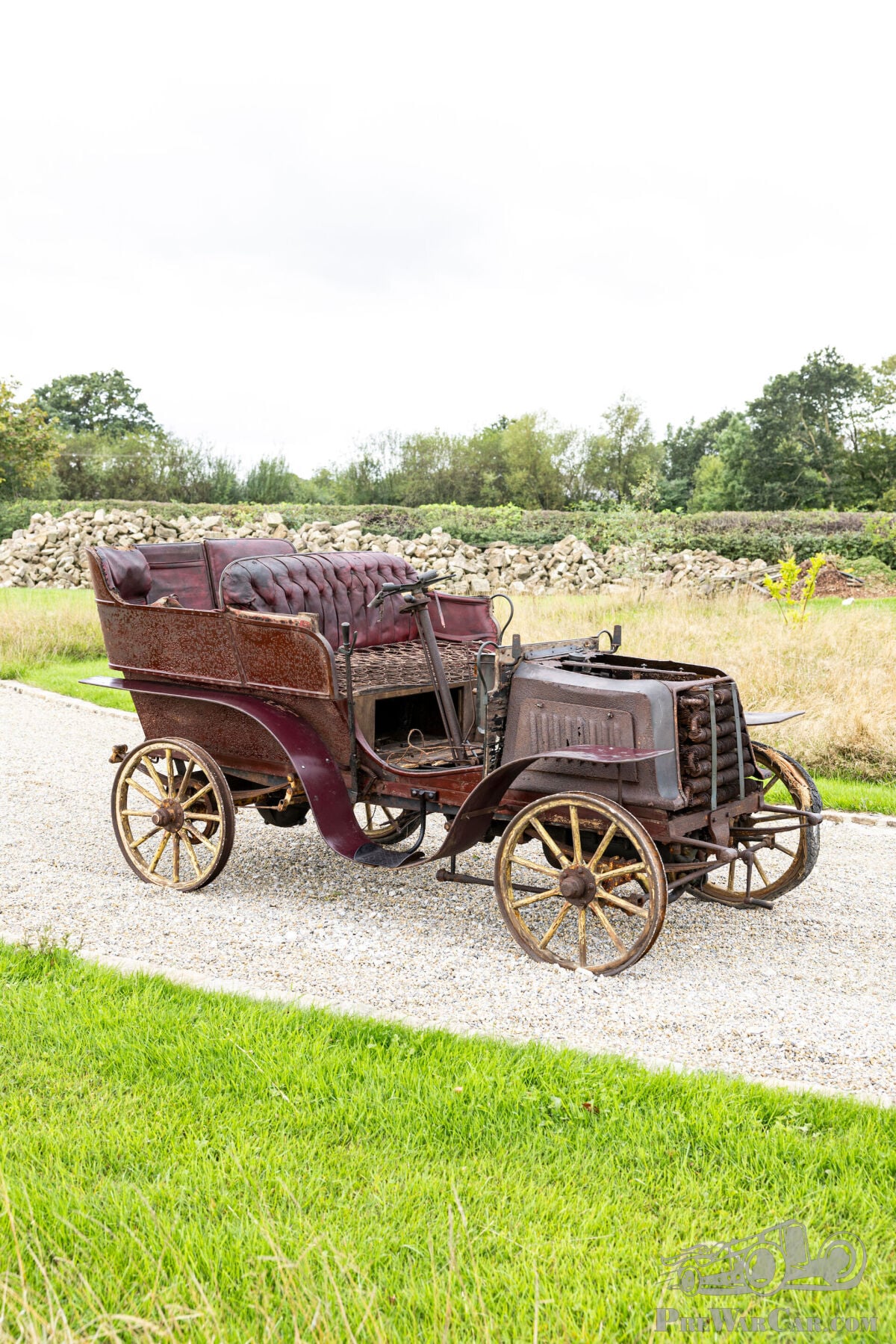
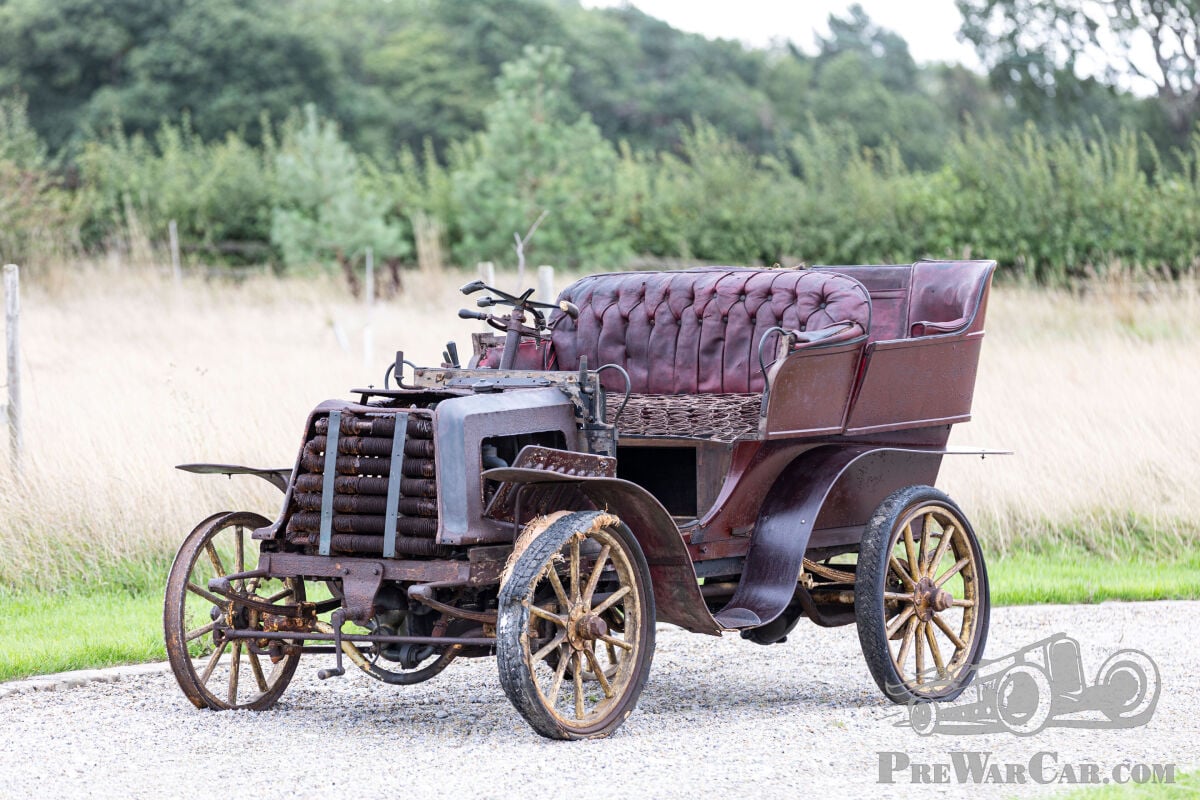
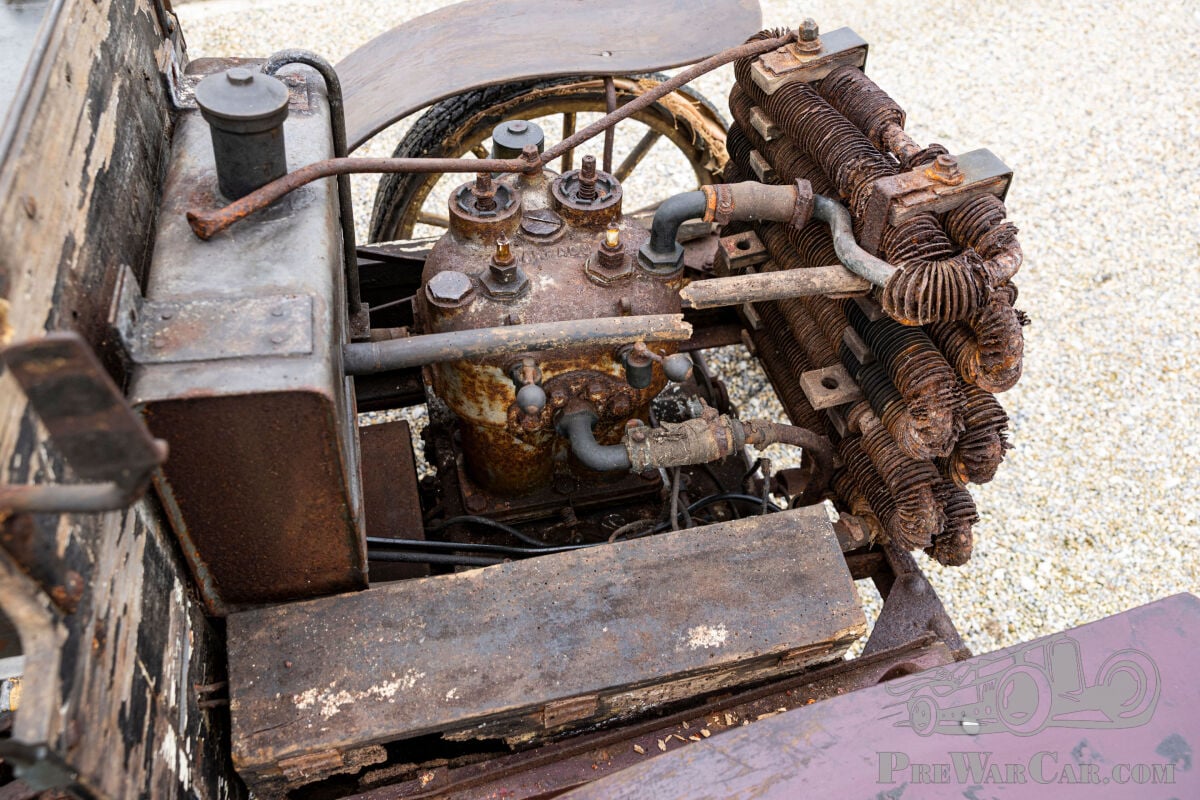
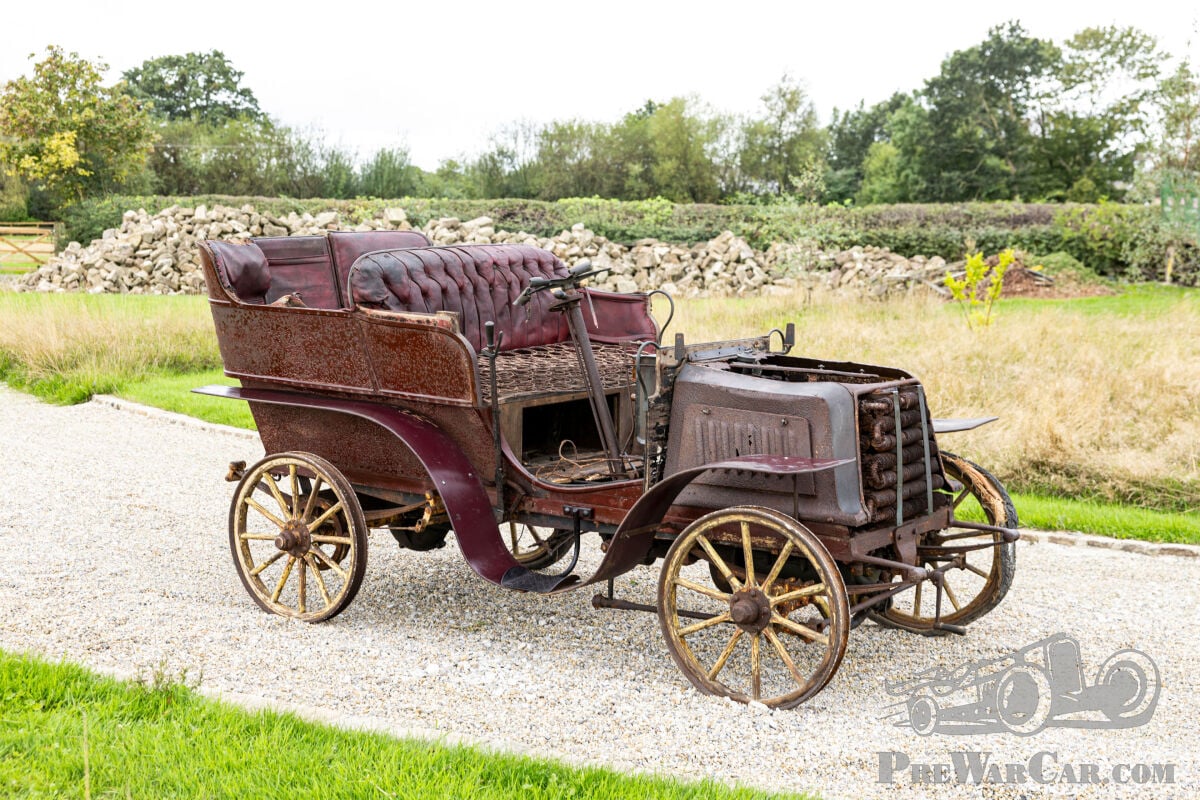


c.1903 Darracq 12hp Twin-Cylinder Four-Seat Rear-Entrance Tonneau | Bonhams | 30 Oct 2026
Offered from the 'Somerset Hoard', barn stored since circa 1939
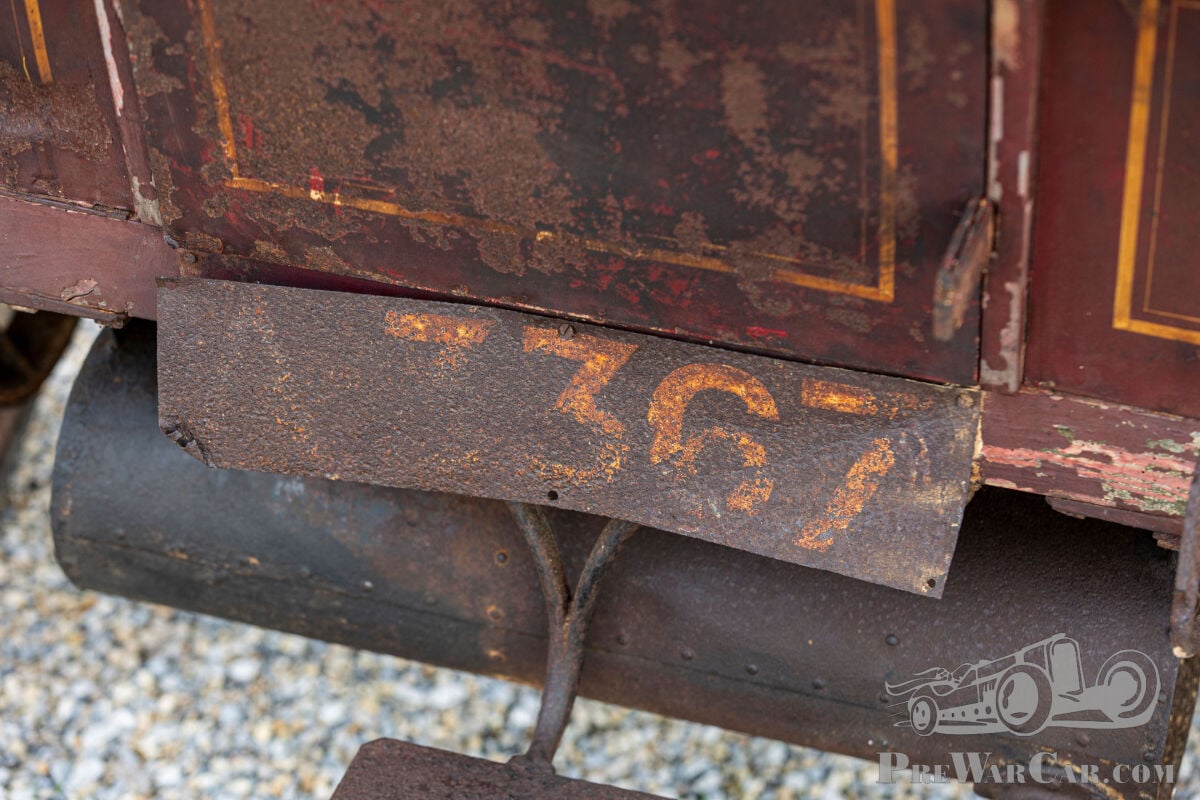
- Registration no. A 3367
- Engine no. 3231
• New model for the 1903 season
• Trembler coil ignition
• Flitch-plate chassis construction
• Original registration
Hidden away from public view for more than eight decades, the Darracq is one of seven cars coined the 'Somerset Hoard'. An exceptional discovery of seven mainly veteran cars that have remained together in the same Spiers family ownership, untouched and unused since the outbreak of The Second World War.
Born in Bordeaux in 1855, Alexandre Darracq made a fortune in the bicycle industry's boom years of the late 19th Century and like many of his contemporaries subsequently turned his attention to powered transport. Darracq's new venture was financed by the sale of his Gladiator bicycle business to Dunlop, though he continued to make bicycle components in his new factory at Suresnes, Seine.
After two false starts that saw him abandon electric carriage manufacture and then attempt unsuccessfully to sell the built-under-licence Léon Bollée voiturette, Darracq launched his first successful internal combustion-engined automobile in 1900. Darracq was a businessman rather then an engineer and had recruited designer Paul Ribeyrolles to be responsible for its production. In late 1902 a London-based consortium initiated a takeover of Darracq, resulting in the formation early in 1903 of A Darracq & Co Ltd, with Alexandre Darracq serving as Managing Director.
That first 6½hp single-cylinder voiturette was followed by a range of twins and fours, and to publicise his products Darracq set about establishing a reputation for sporting prowess. In December 1905 a 22-litre V8-engined monster designed by Ribeyrolles and driven by Victor Hemery set a new World Land Speed Record of 109.65mph, and that same year Darracq won the both the Circuit des Ardennes and Vanderbilt Cup races, repeating the latter victory in 1906, thereby demonstrating that Darracqs were durable as well as fast.
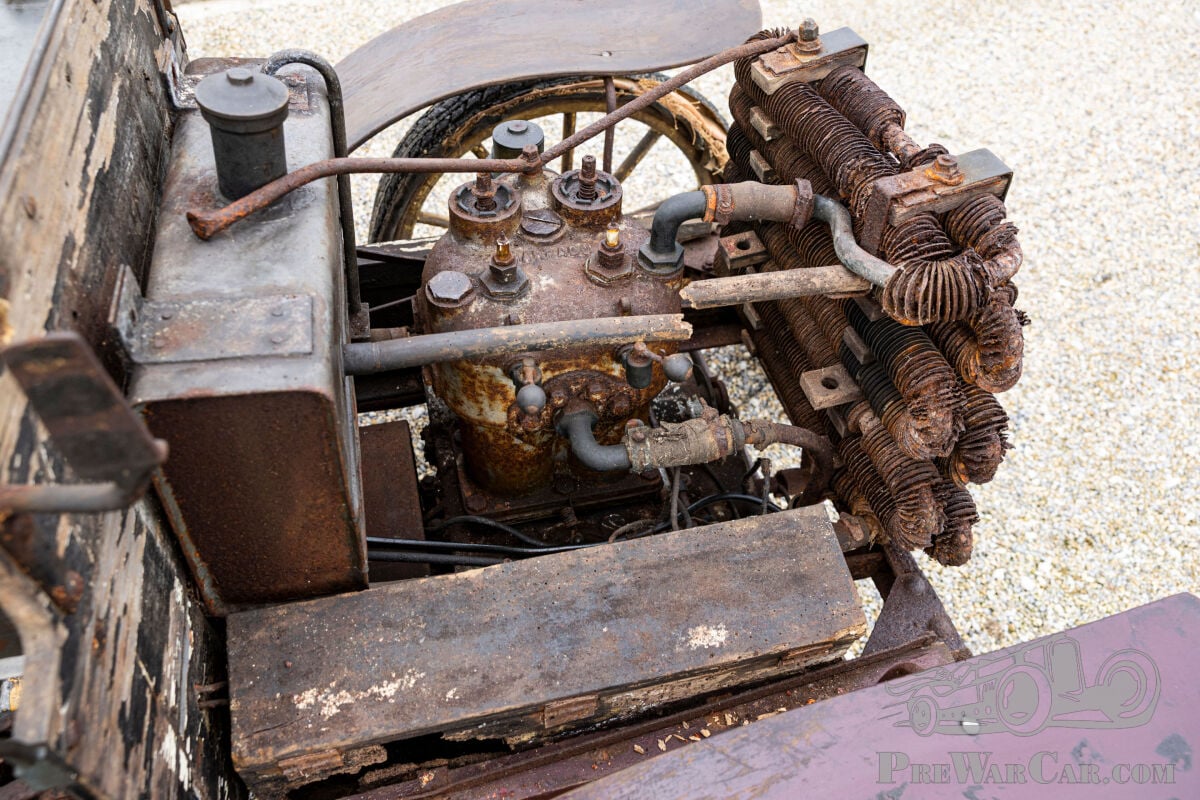
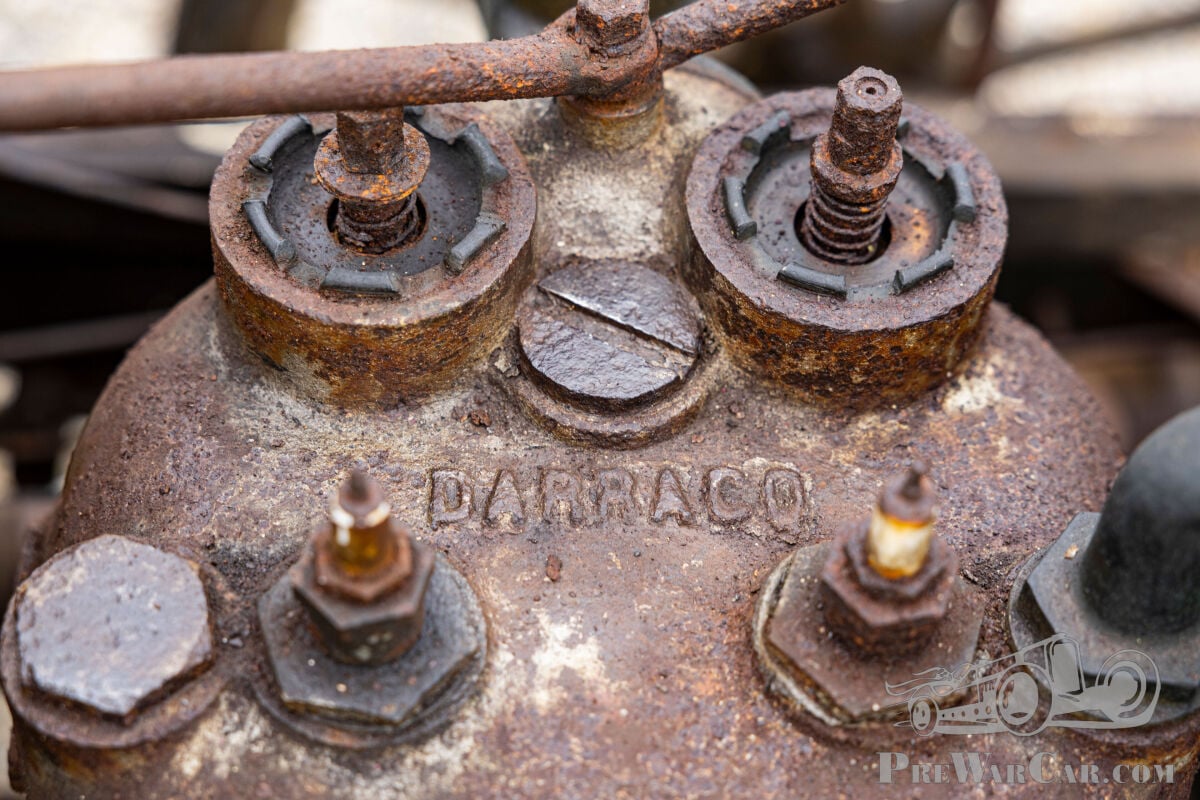
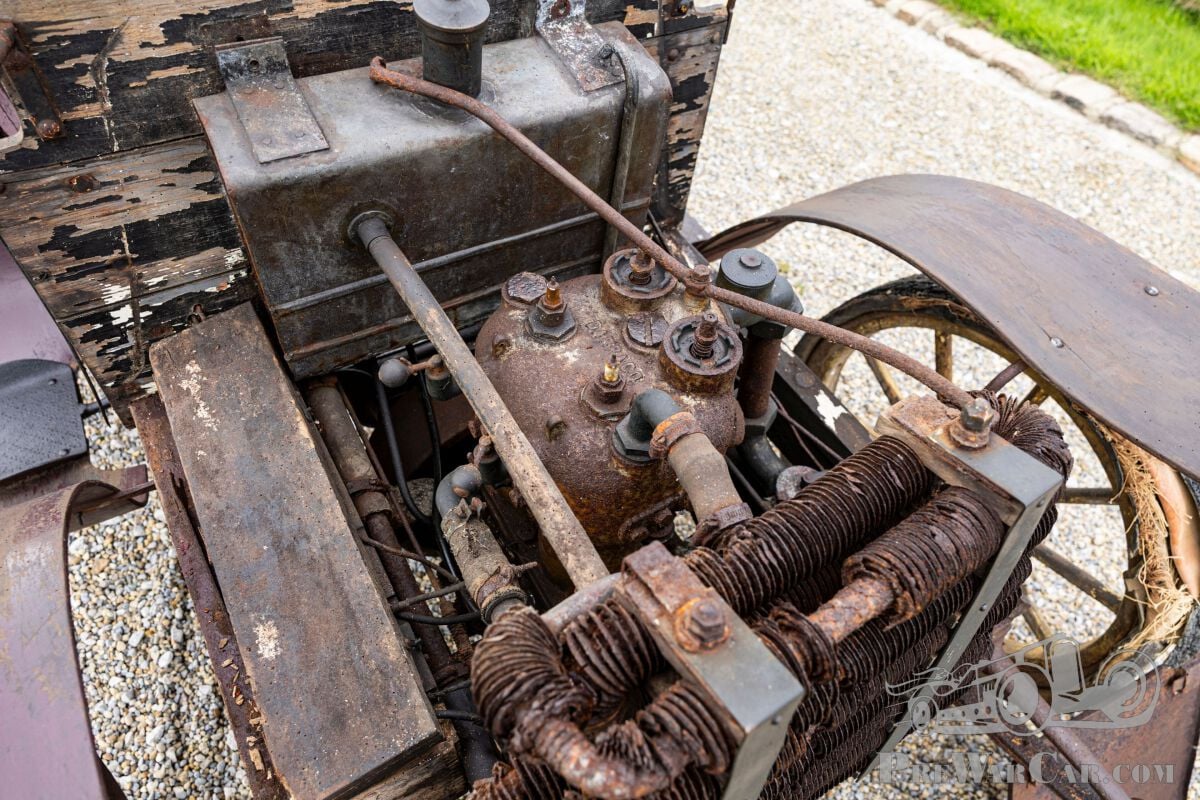
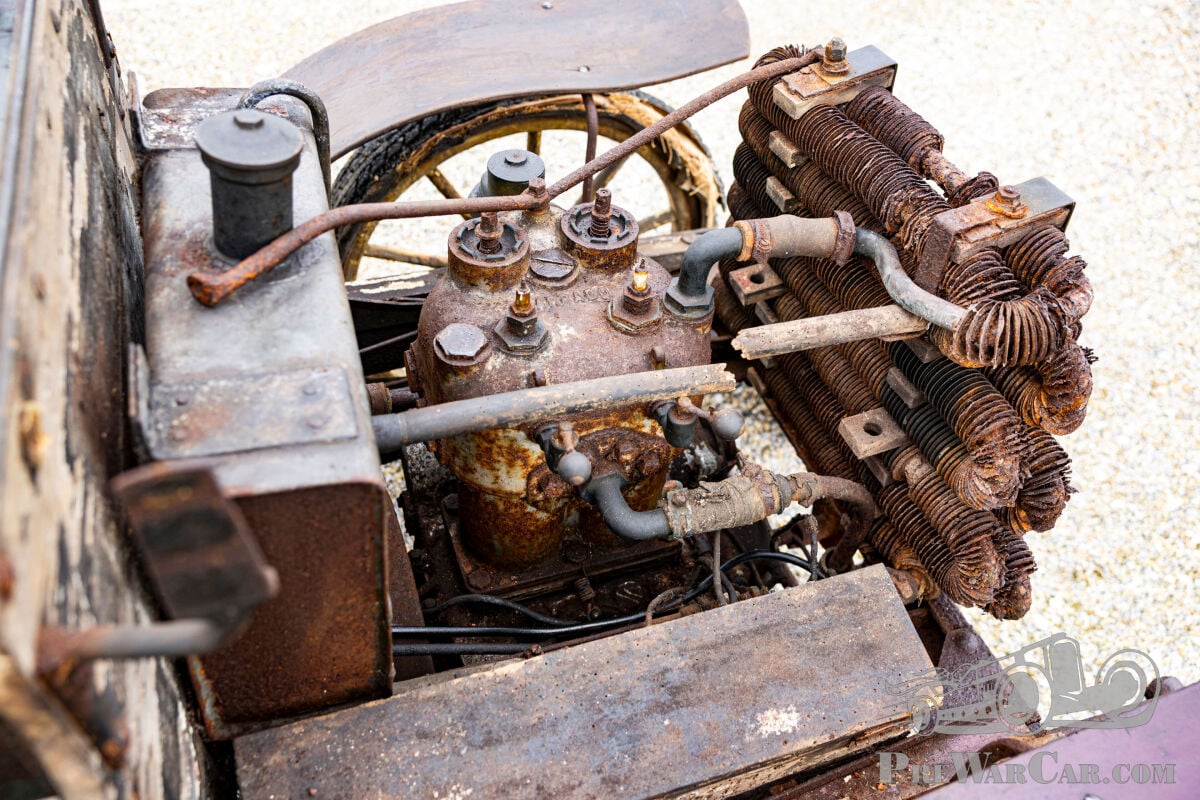
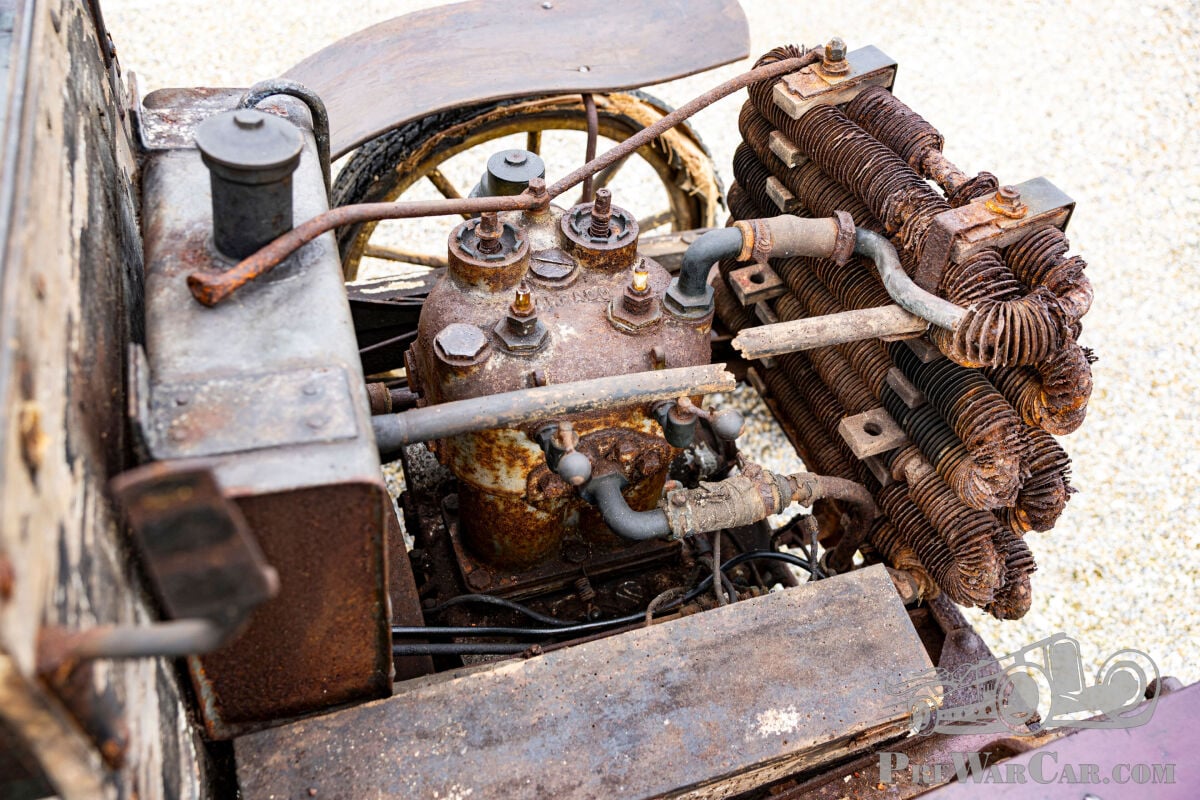
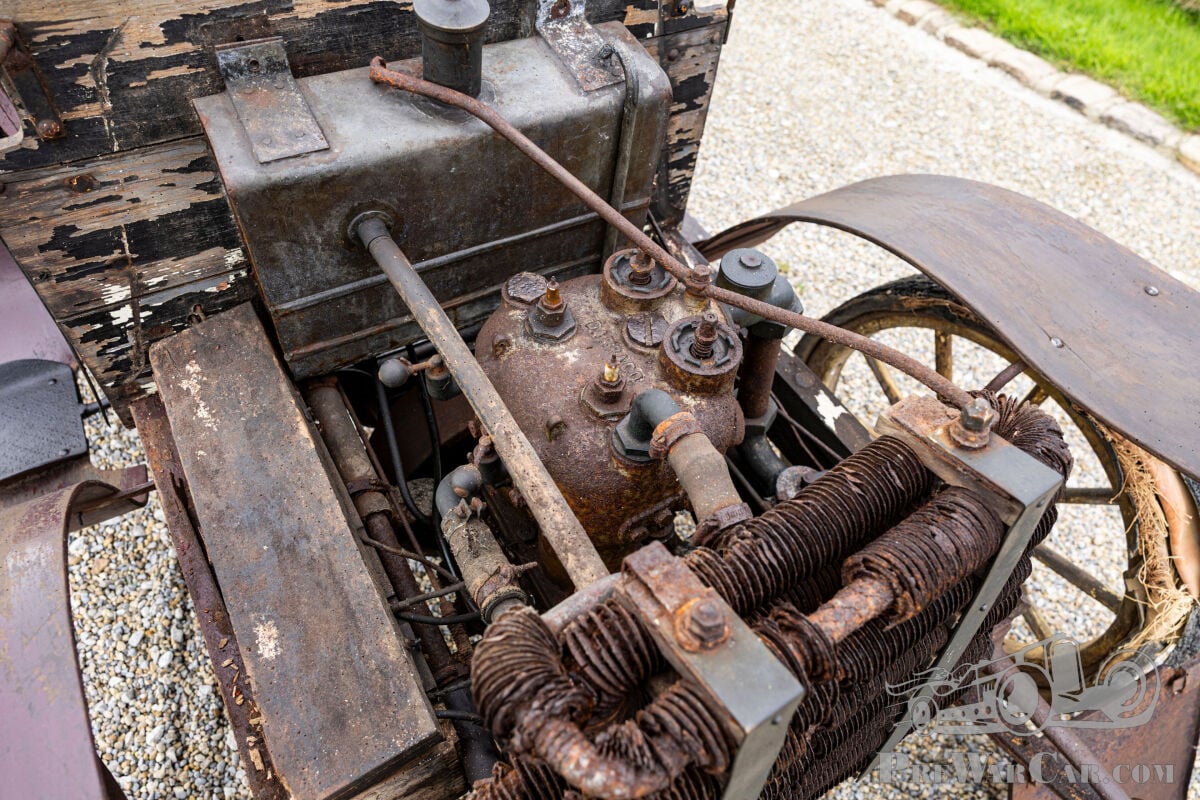
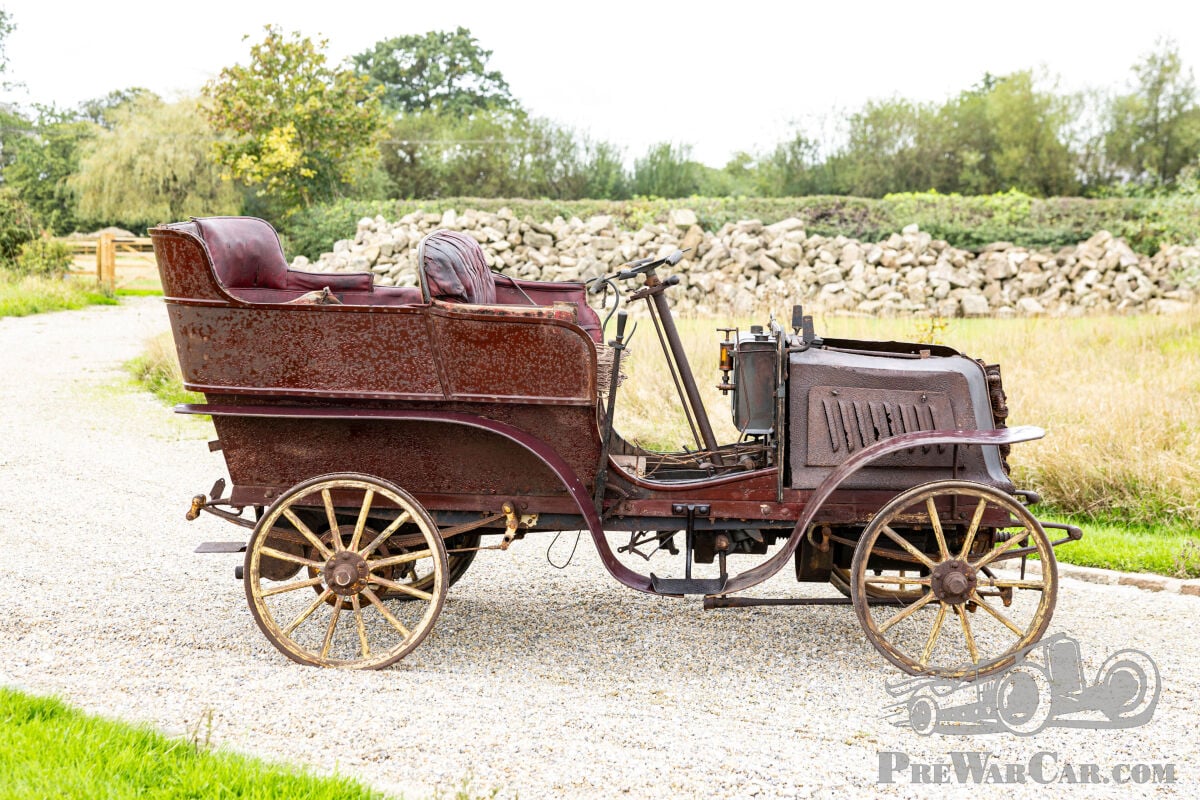
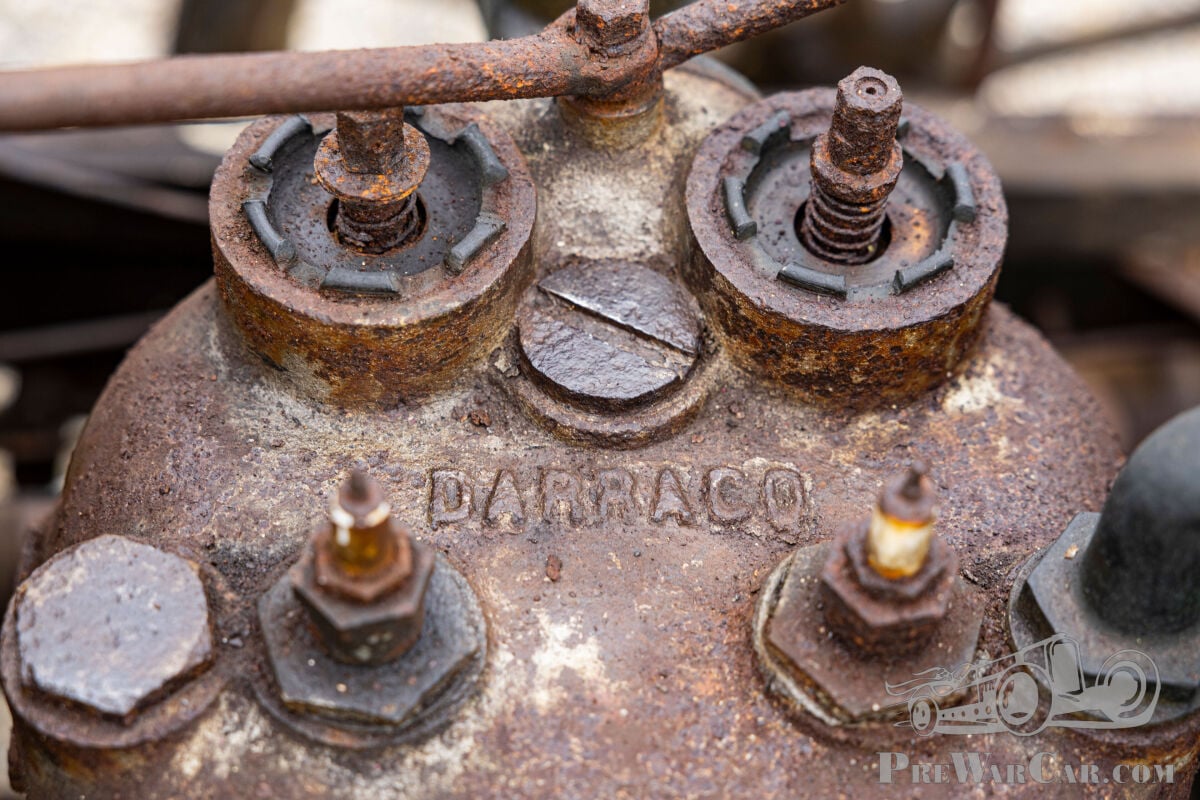
By 1903 four models were offered, including this 12hp twin-cylinder model. A fully illustrated report on this model appeared in La France Automobile published on 25th October 1902, introducing it for the 1903 season. A wood/steel flitch-plate frame was used, which in this car's case carries four-seat rear-entrance tonneau coachwork.
Offered from long-term dry storage, this car has not been used for some considerable time and will require extensive restoration before returning to the road. Its mechanical condition is not known and thus the car is sold strictly as viewed. There are no documents with this Lot.
Altri annunci in questa asta
 c.1905 Rover 8hp Two/Four Seat Open Tourer | Bonhams | 30 Oct 2026
 1913 Belsize 10/12hp Open Tourer | Bonhams | 30 Oct 2026
 c.1903 Swift 6hp Three-Seater | Bonhams | 30 Oct 2026
 c.1903 Baker Electric Two-Seat Runabout | Bonhams | 30 Oct 2026
Altre inserzioni da questo venditore
Annunci simili Darracq 12hp Twin-Cylinder Four-Seat Rear-Entrance Tonneau 1903 in vendita
 1904 F.I.A.T. 24/32 HP Rear-Entrance Tonneau
 c. 1904 MMC 8 HP Rear-Entrance Tonneau | RM Sotheby's | The London Auction
 1899 Locomobile Type 1 'Style 1' Spindle-Seat Runabout | RM Sotheby's | The London Auction
 c.1902 Progress 9hp Two-Seat Open Tourer | Bonhams | 30 Oct 2026

Utente:
Data:
30-10-2026
Ubicazione:
London W1S 1SR, Regno Unito
Condividere:
Facebook
LinkedIn
Twitter
WhatsApp
Email
Copy
Dettagli Darracq 12hp Twin-Cylinder Four-Seat Rear-Entrance Tonneau 1903 in vendita
Anno:
Casa automobilistica:
Tipo:
12hp Twin-Cylinder Four-Seat Rear-Entrance Tonneau
Prezzo:
Stima £ 55.000,- - £ 75.000,-
ID dell'annuncio:
919001
Scopri di piu:





- Amilcar
- Ariès
- Benjamin
- Berliet
- Brasier
- Bugatti
- Chenard Walcker
- Citroën
- Clément-Talbot
- DB
- DFP - Doriot-Flandrin-Parant
- Darracq
- De Dion-Bouton
- Delage
- Delahaye
- Derby
- Gladiator
- Grégoire
- Hotchkiss
- Mors
- Motobloc
- Panhard et Levassor
- Peugeot
- Pilain
- Renault
- Rosengart
- Salmson
- Simca
- Talbot
Altro Francese Automobili in vendita
Automobile Darracq 12hp Twin-Cylinder Four-Seat Rear-Entrance Tonneau 1903 in vendita

Invia messaggio