La rivista e il marketplace globale per gli appassionati di auto d’epoca, creati da appassionati.
La rivista e il marketplace globale per gli appassionati di auto d’epoca, creati da appassionati.


Filter
Faccia la sua scelta
- Automobile
-
Marca >>
-
Anno >>
-
- Motociclette
-
Ubicazione >>
- Parti e altro
-
Marca dell'auto >>
-
Produttore >>
-
Categoria >>
- Biciclette
-
Anno >>
-
Paesi


A De Dion Bouton treat from South Africa
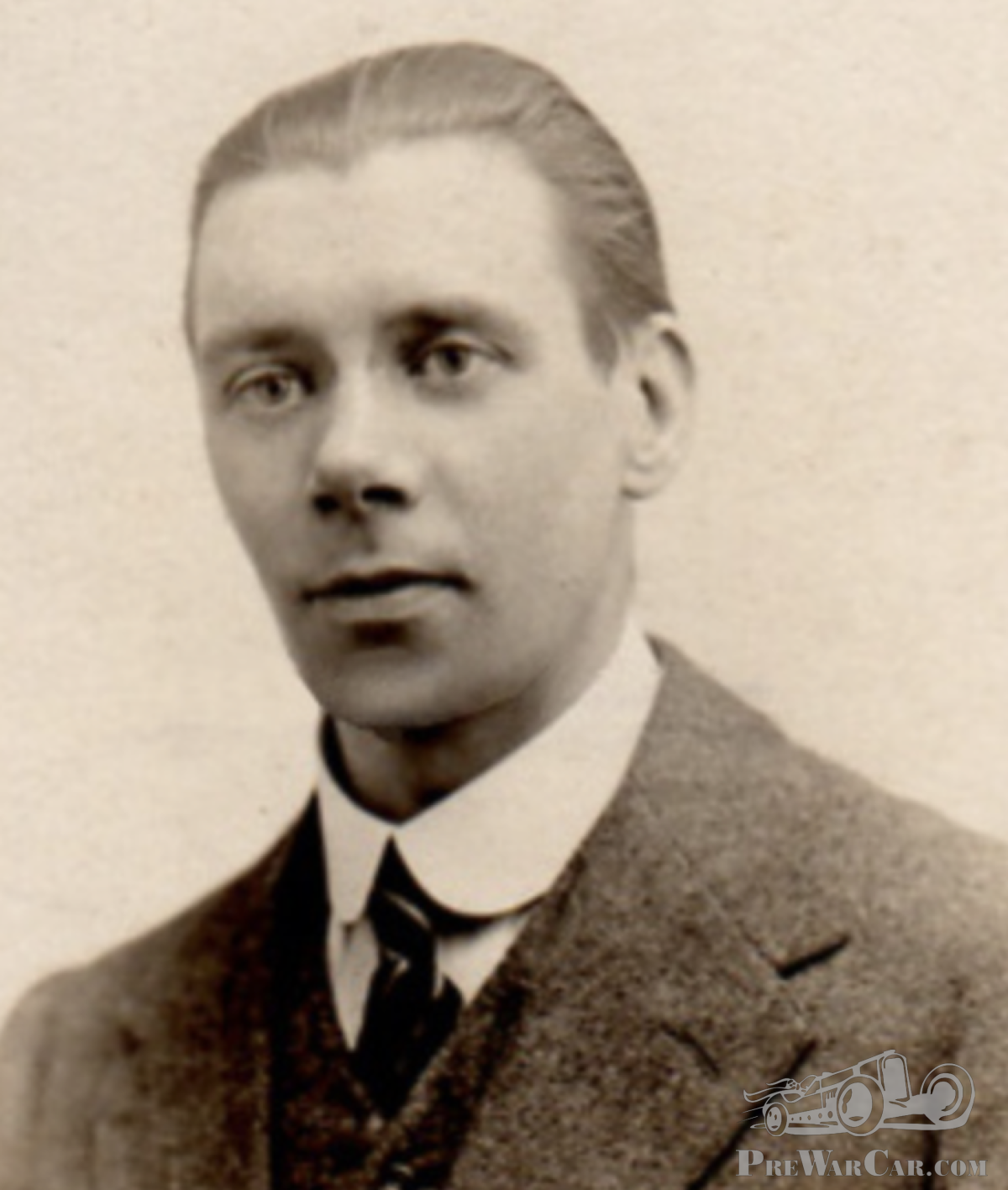


This interesting story starts with James Sidney Drewry, who was born in London in November 1882 to a father who was a ship engineer, an inventor who advertised a patent in 1891 for a ‘sprung bicycle wheel’, and subsequently managed a bicycle manufacturing business in Herne Hill, in south London. His grandfather was both a barrister and a respected civil engineer who wrote a book called A Memoir on Suspension Bridges.
Junior engineer and improver
Following an apprenticeship at Drewry & Sons, James found employment with De Dion Bouton as a ‘junior engineer and improver’. Between 1902 and 1906, he worked in South Africa on the Cape to Cairo railway project. This was one of the most ambitious schemes ever conceived during the heyday of colonial expansion in Africa, with Cecil Rhodes as its driving force, and with the overall ambition of connecting all the adjacent possessions of the British Empire through a continuous railway and telegraph line covering 6,500 miles. It was destined never to be finished.
De Dion Bouton quadricycle
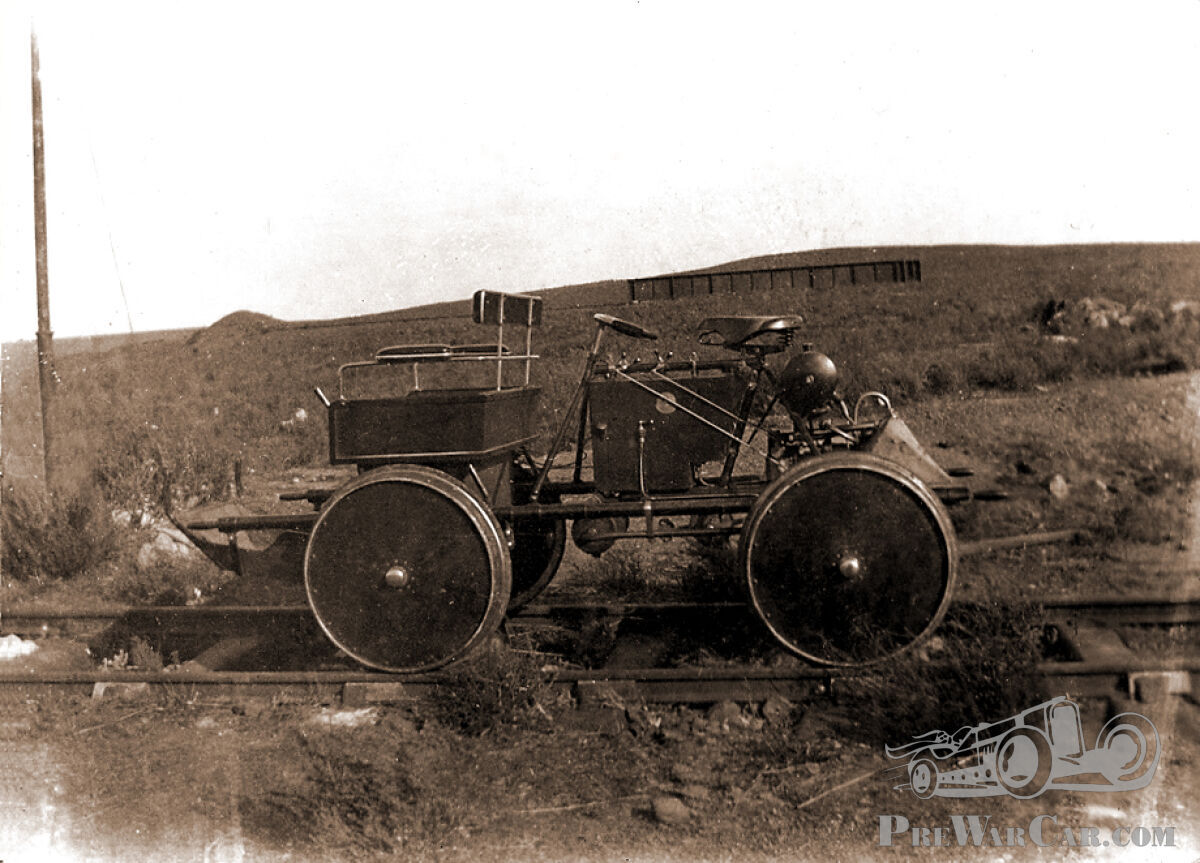
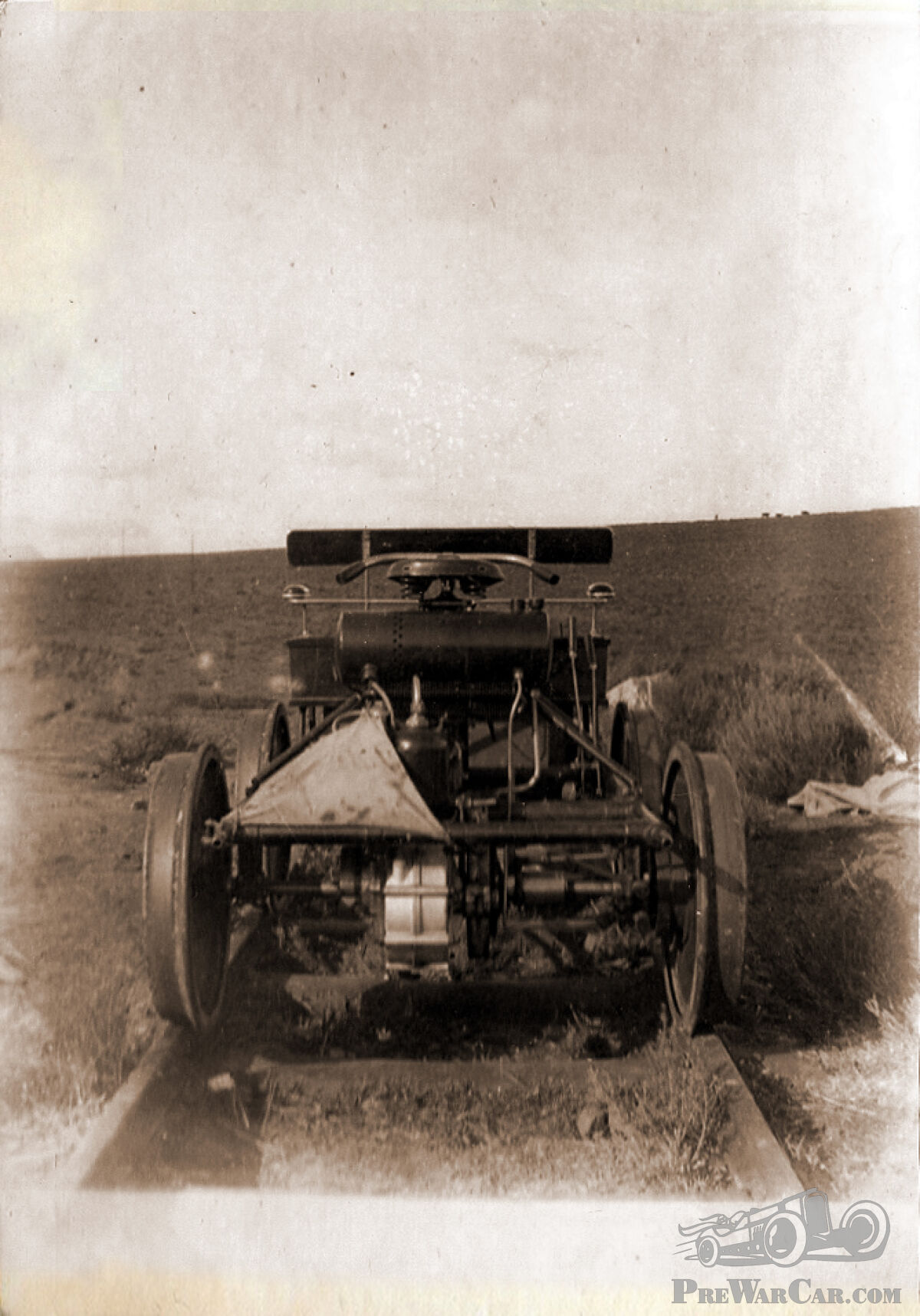
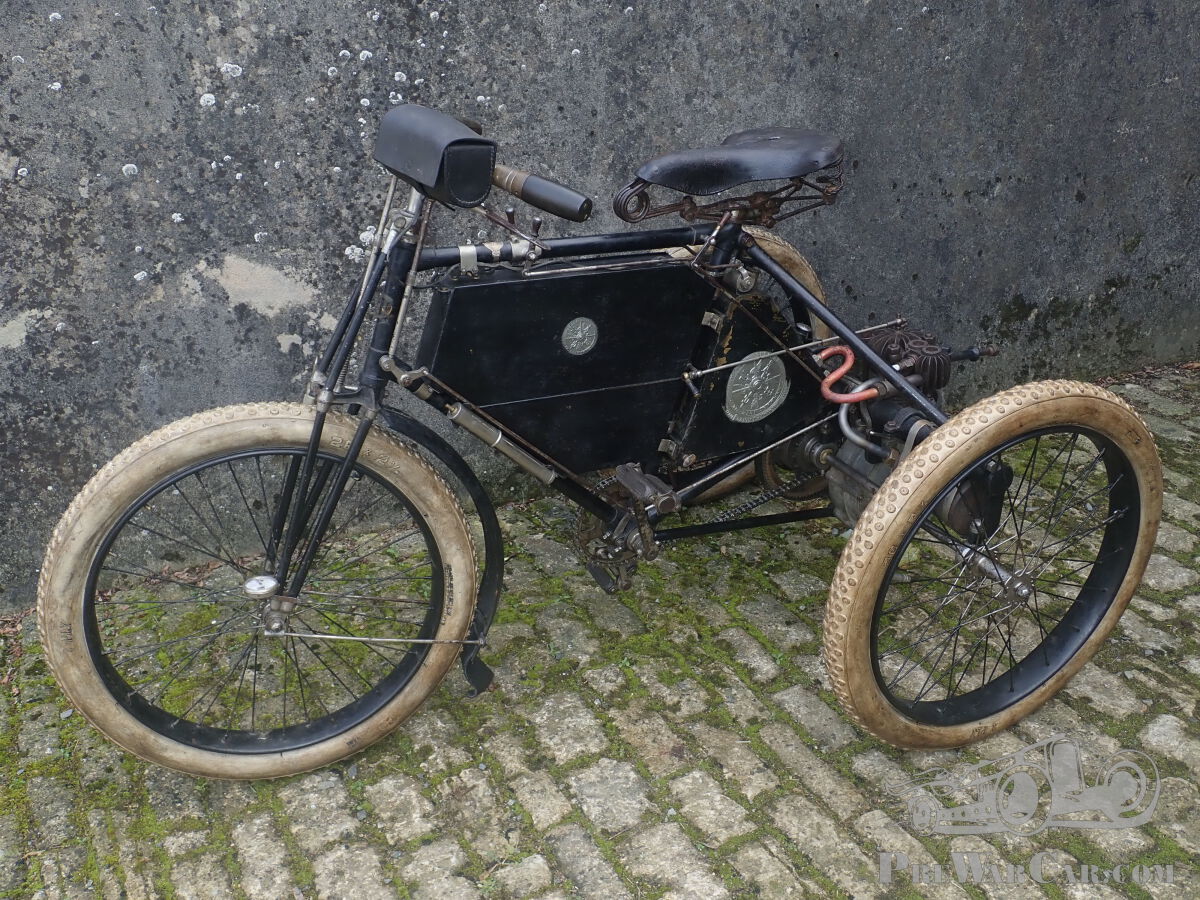
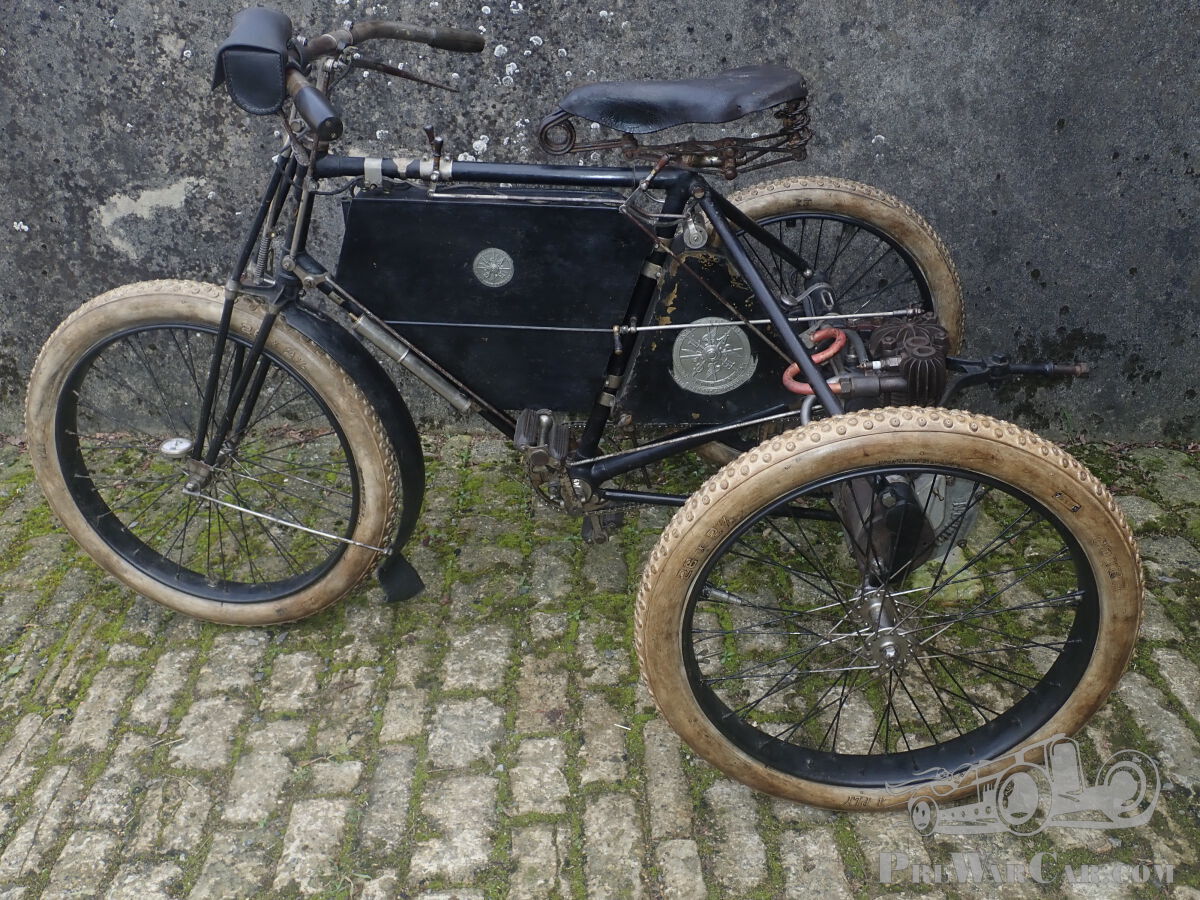
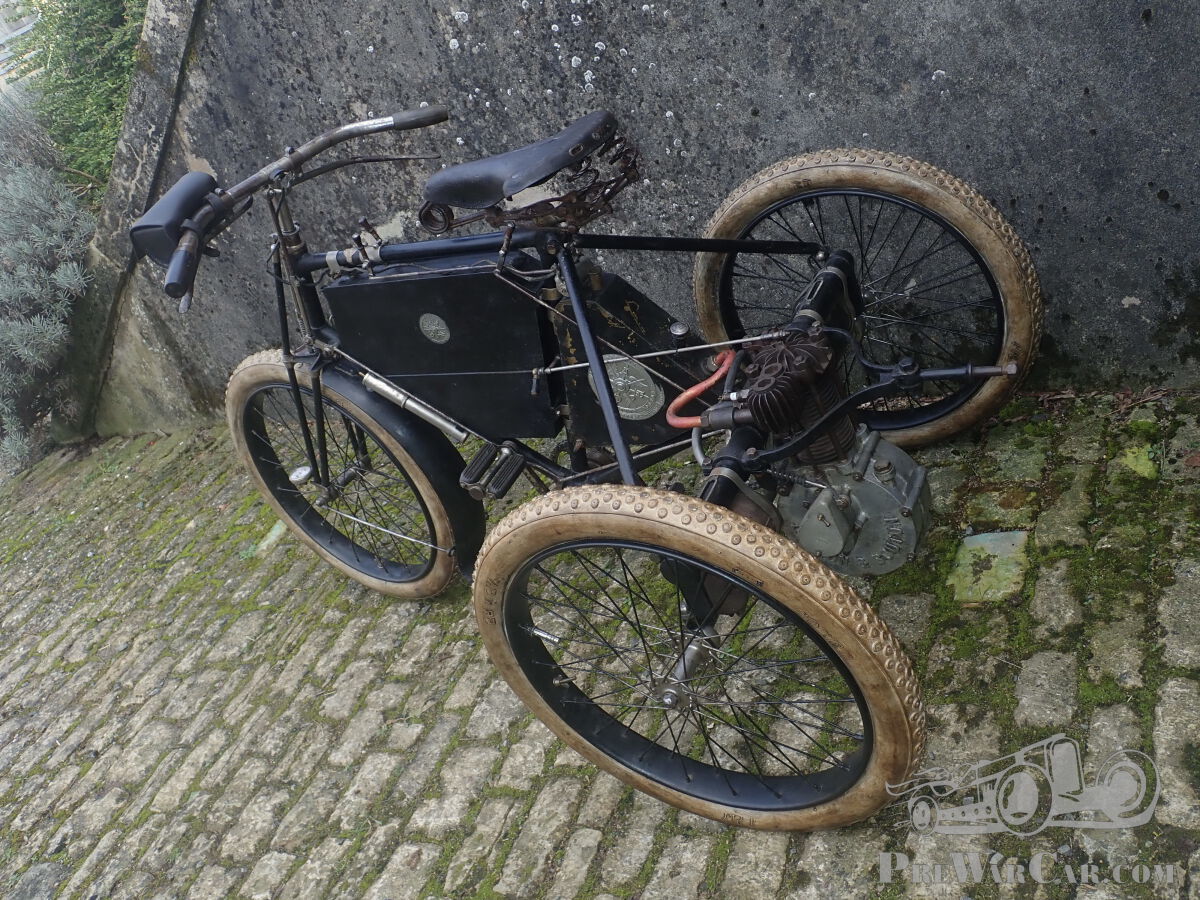
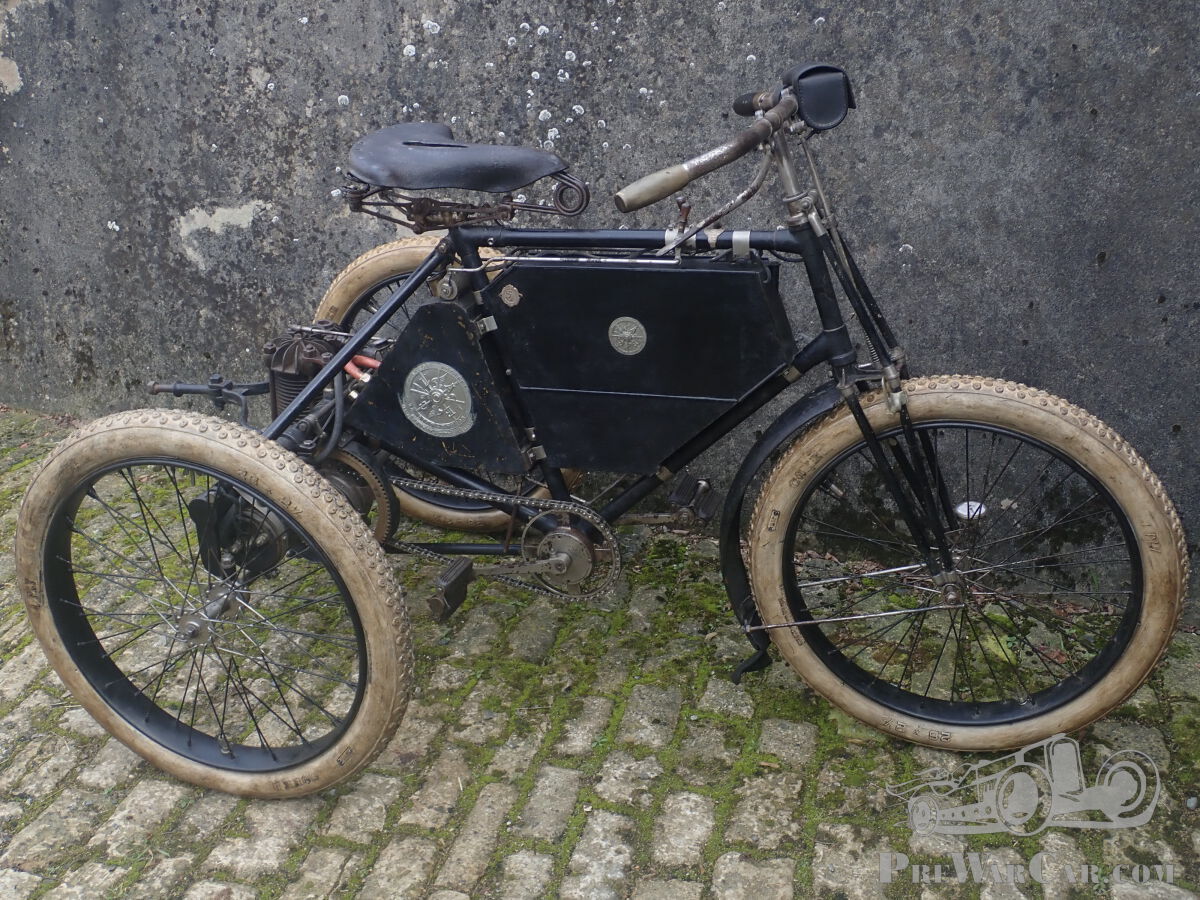
One of the projects that Drewry worked on was the construction of a rail trolley. Two photographs of the trolley are presented here; they feature in James Drewry’s diaries, completed during his stay in South Africa. It is clearly derived from a De Dion Bouton quadricycle, which James would have been familiar with during the time when he worked for the company. The vehicle differs considerably in detail from the standard machine. There is nothing about the frame in terms of the side rails, front forks, or the bridge axle, that are typical of the De Dion Bouton quadricycle. The full frame tank was introduced by De Dion Bouton in spring 1902 (and by Ariel two years previously) and yet the full frame tank in the photograph is a different concoction, although it does have the De Dion Bouton badge and it may well have started life as a standard item, but its capacity has been significantly expanded.
The drive shafts and overall width of the machine are markedly different from the usual quadricycle, but then the machine would have had to fit the standard rail gauge of 1.435m. The engine is a water-cooled unit without the usual finned cylinder block. It looks to be a 3.5hp water-cooled engine that was introduced in June 1899 for the voiturette. This engine was never installed into a road-going tricycle or quadricycle.
Railcars
The construction of railcars became something of an obsession for Drewry because, upon his return home, he designed and manufactured the Drewry petrol-driven railcar that was made by his company in Herne Hill. The railcars were exported to South America, South Africa, India, Australia and Hawaii. The company he established for the purpose was ultimately sold to B.S.A. of Birmingham.
The manufacture of railcars, following on from the dramatic expansion of the rail network in all parts of the globe outside of Europe during the first three decades of the twentieth century, increased very significantly, and there were numerous experiments involving the conversion of road cars to rail vehicles. As an example, the facilities of the De Dion Bouton factory at Puteaux, following the near cessation of motor car production in the early 1930s, were used for the manufacture of railcars.
Drewry’s career was not entirely dedicated to railcars, for he developed pontoon bridges for the Belgian army in the First World War. With the arrival of the Second World War, he was involved in the construction of tank trailers and a secret project named the ‘Welfreighter’, a mini submarine. Google 'James Sidney Drewry 1882-1952' for more details on this fascinating individual.
Text was originally published by the De Dion Bouton Club UK.
Pubblicato:
martedì maggio 31st, 2022
Facebook
LinkedIn
Twitter
WhatsApp
Email
Copy
Commenti
James Mead
05 Giugno 2022, 18:19


Kees Koster
31 Maggio 2022, 09:38
The large tank was already available in 1897, I have one on an almost new trike from the end of 1897, with the first type badge...
Another detail is that this model has the ignition coil in the petrol tank behind the saddle and a cover that can be removed.
Per saperne di più
Another detail is that this model has the ignition coil in the petrol tank behind the saddle and a cover that can be removed.
Malcolm Bailey
31 Maggio 2022, 08:20
A most interesting character (and article), but one small correction.
While the first railways in South Africa were standard gauge, this was soon dropped in favour of Cape Gauge (3ft 6ins / 1.067m) on the grounds of both economy and the steep mountain terrain the railways had to negotiate as they pushed into the interior. Standard gauge working at the Cape ended by 1881, long before Drewry's arrival, so his rail trolley was certainly built to Cape Gauge rather than standard gauge. This narrower gauge is evident in the second photograph. Incidentally, Cape Gauge was adopted for a number of colonial railways, including New Zealand, for similar reasons.
Per saperne di più
While the first railways in South Africa were standard gauge, this was soon dropped in favour of Cape Gauge (3ft 6ins / 1.067m) on the grounds of both economy and the steep mountain terrain the railways had to negotiate as they pushed into the interior. Standard gauge working at the Cape ended by 1881, long before Drewry's arrival, so his rail trolley was certainly built to Cape Gauge rather than standard gauge. This narrower gauge is evident in the second photograph. Incidentally, Cape Gauge was adopted for a number of colonial railways, including New Zealand, for similar reasons.
Direct descendants of the early marine engines here which powered our earliest automobiles.
Why? They run erratic when idling or cruising light on level permanent way, but hunker down and pull like blazes when required to. They are light weight in a HP/Weight basis I guess, provide two power strokes to one vs. 4 cycle, might be easy on gas, fire by battery and trembler coil are water cooled with a condenser and are advertised not to freeze crack. Have I answered my own question?
Would like to hear from someone about the power or torque curve these engines produce. Were they particularly suited for the service? They use a check valve between the carburetor and the crankcase, require mixed oil fuel and are typically wide belt and idler drive to a pulley on the rear axle.
Perhaps most importantly, they reverse on the spark and run happily in either direction.
Jim Mead
Owego, NY