La rivista e il marketplace globale per gli appassionati di auto d’epoca, creati da appassionati.
La rivista e il marketplace globale per gli appassionati di auto d’epoca, creati da appassionati.


Filter
Faccia la sua scelta
- Automobile
-
Marca >>
-
Anno >>
-
- Motociclette
-
Ubicazione >>
- Parti e altro
-
Marca dell'auto >>
-
Produttore >>
-
Categoria >>
- Biciclette
-
Anno >>
-
Paesi



A double prototype - with the first production engine of the new “Junior” model
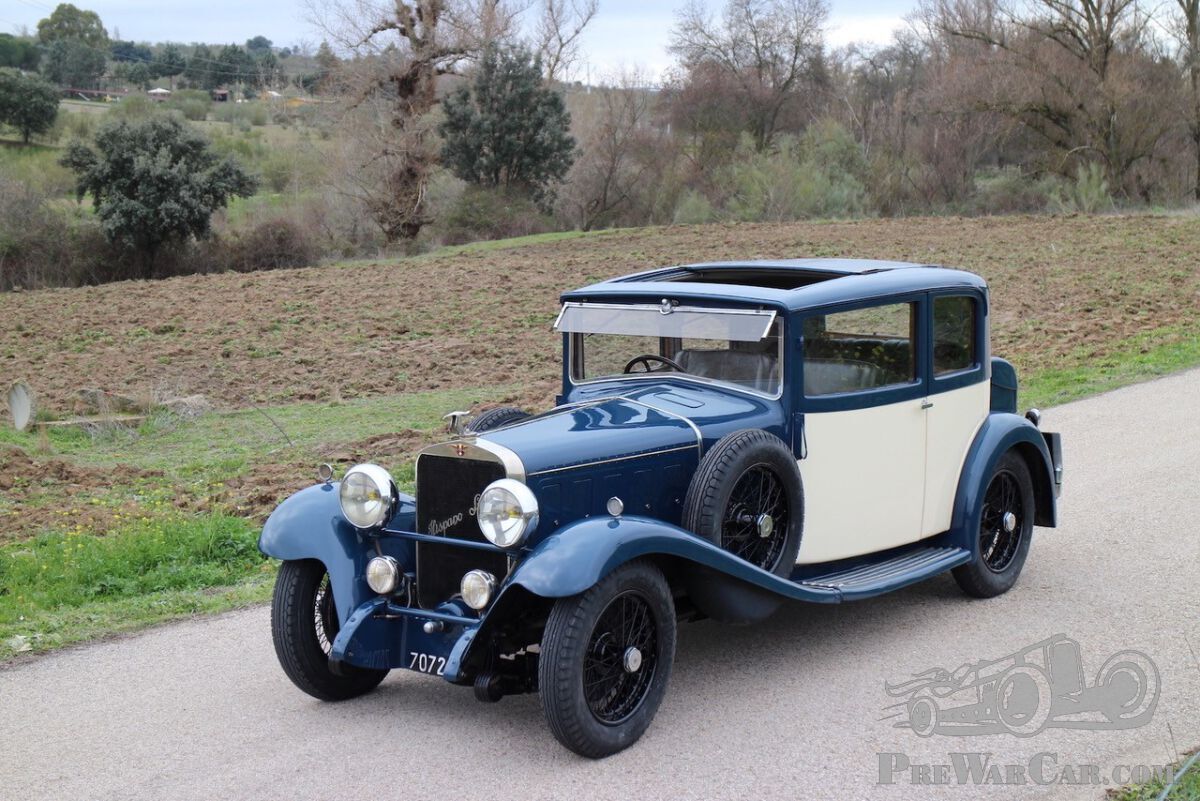
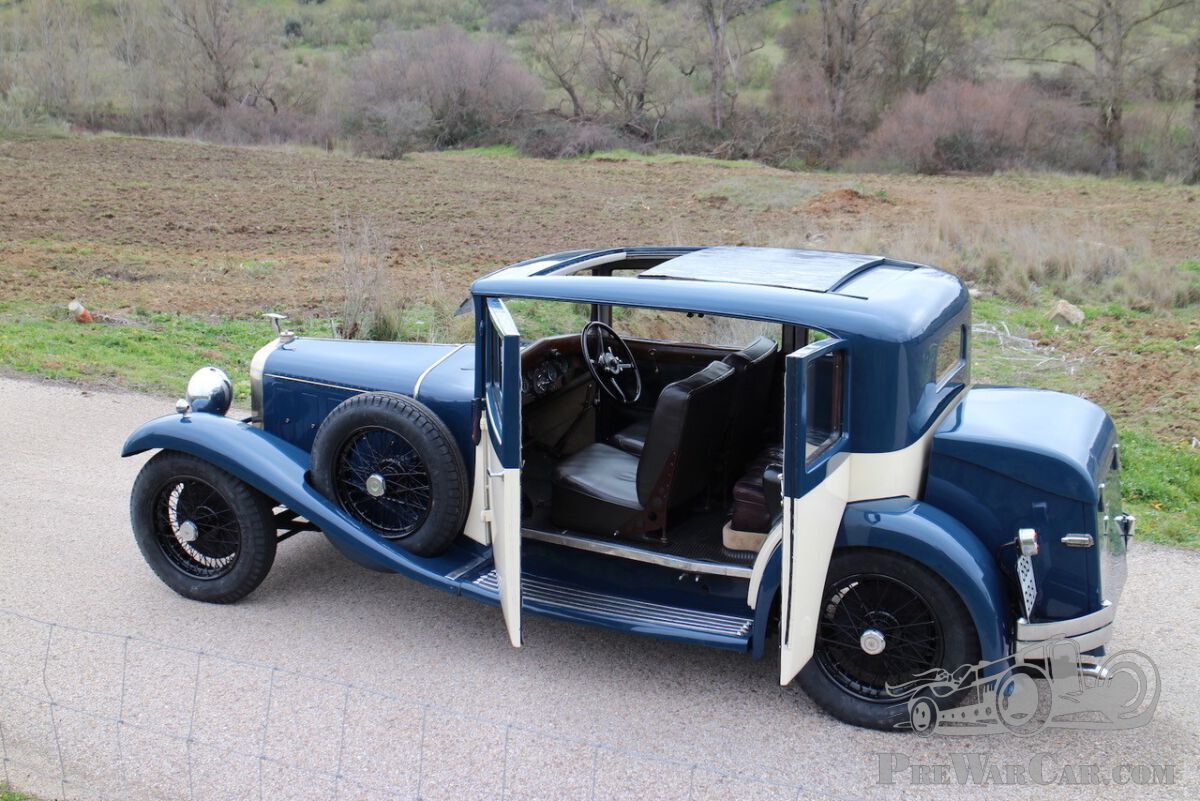
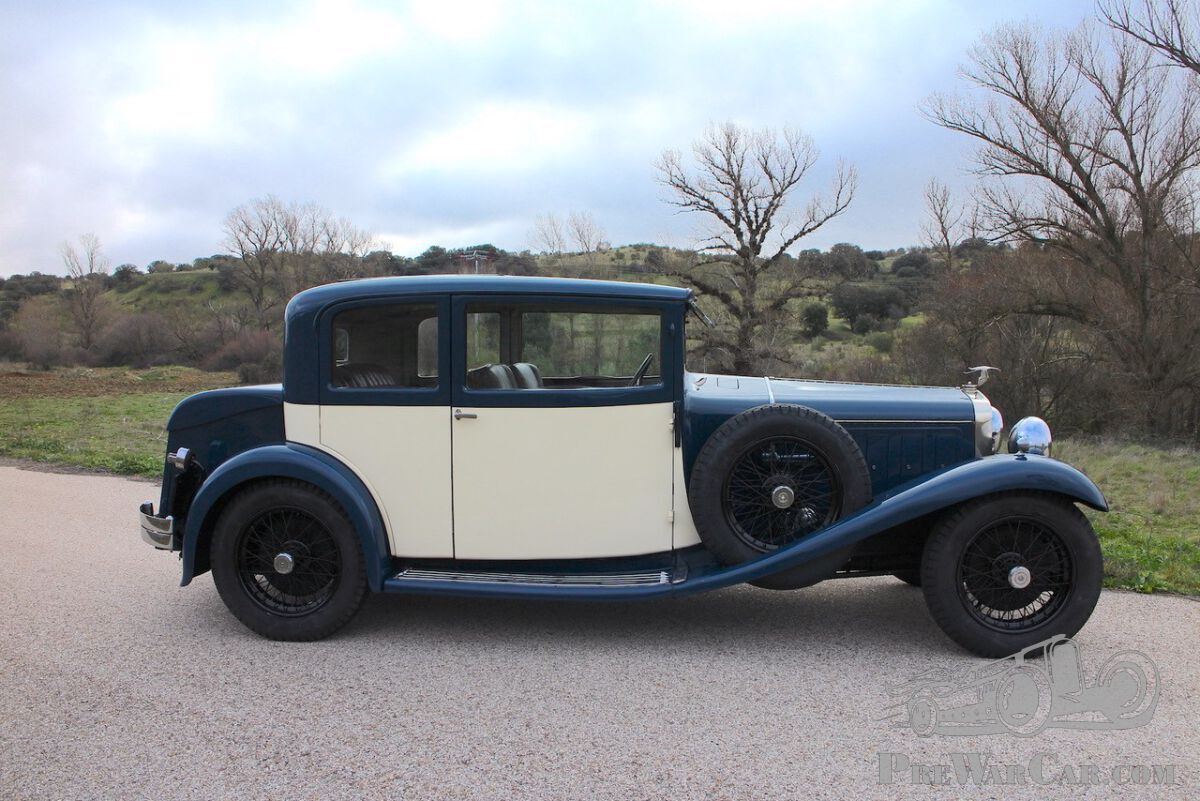
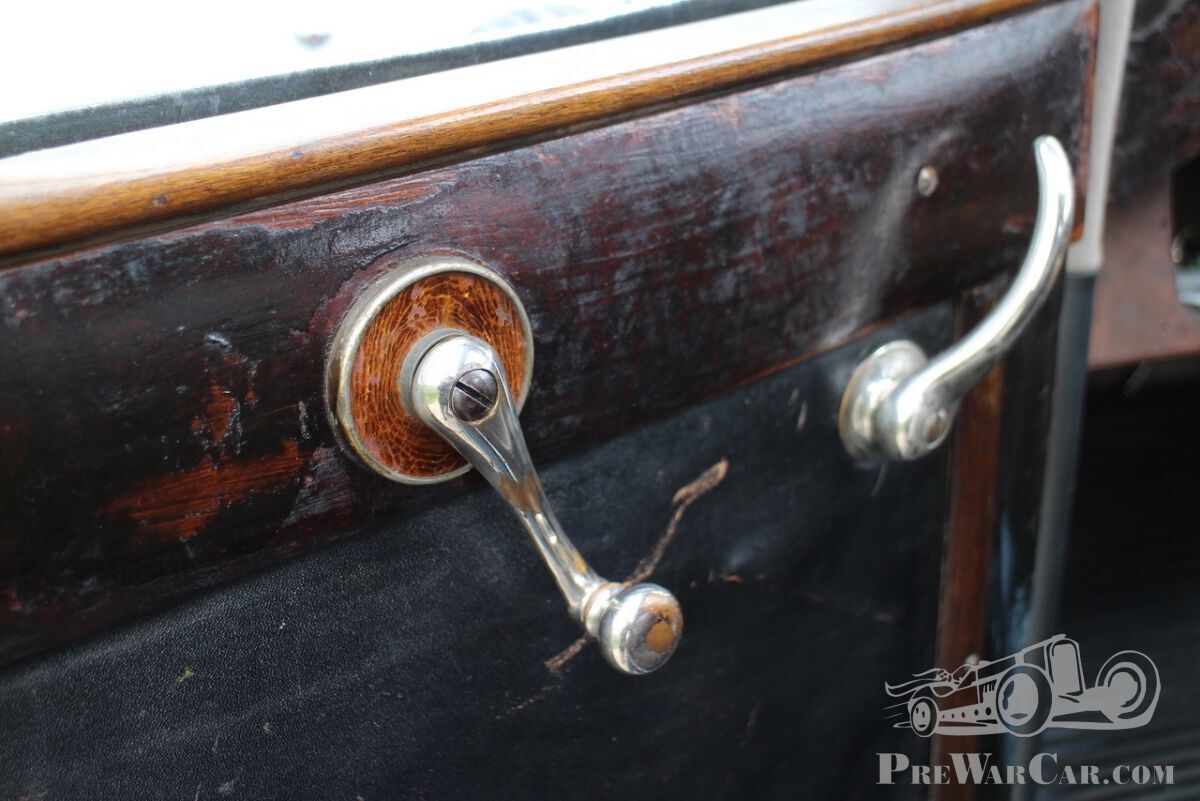


PreWarCar of the Week: 1924 Hispano-Suiza I6 “Junior” prototype
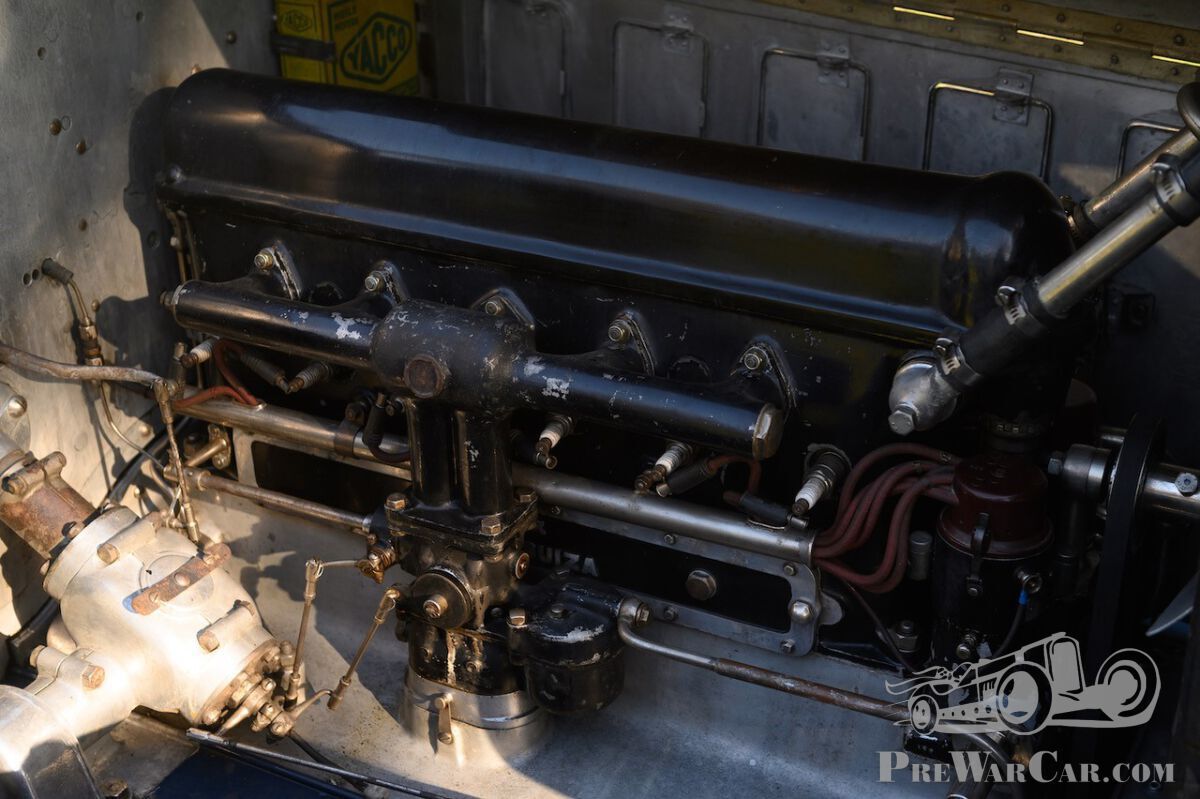
The story begins when the chief designer of Hispano-Suiza, the Swiss engineer Marc Birkigt, begins the development of a new model (the I6) at the factory in Paris. The prototype engine with the six-cylinder engine and 3.756cc with a removable head is installed on a new chassis, almost identical to the H6 model but with a smaller wheelbase of 3.570 mm. The chassis number of this prototype was 20.001, specifically of this car. In a rather controversial decision, the firm decided that this new model would be manufactured only at the La Sagrera factory in Barcelona. Reserving the French Bois-Colombes factory for both the six and eight litre H6 model. Although curiously the prototypes of the T49 (as finally designated) were developed at the Parisian factory under the supervision of Birkigt himself.
The T49 was presented in October 1924 and was the third model to see the light. It shared the same mechanical characteristics of its predecessors except for the removable head. The T49 was, in fact, the smaller brother and was intended for those customers who could not afford the expensive H6 models. The Junior (which is how the T64 was named in Spain) initially had the same chassis as the T49. But soon improvements were made to the model and in 1930 the Junior received a new “sourbaise” chassis. In addition, a multi-disc clutch and a synchronized central lever gearbox were added with an Autoflux electric pump. As well as a host of small improvements, which included a new dashboard or a new steering wheel that undoubtedly distinguished the new model.
At the same time that Birkigt was developing the I6 in Paris, the factory in Barcelona which had already been designated as the place of production for the model started building their own cars. This meant that 20.001 stayed at the Bois-Colombes factory for internal use. It was Jean Lacoste, father of the famous French tennis player and administrator of the Parisian factory, who used to drive 20.001 mounted with a light Weymann closed body.
In 1928, Birkigt was working on the new T64 model. A new engine of 4,560cc was built with all the improvements that had been introduced in the H-range engines. For the chassis, as the idea was that the T64 would be the substitute of the T49 model, it was decided to use one of the I6 around to be used for the new model. And indeed, 20.0001 was chosen. This meant that this chassis became a double prototype, first for the T49 in 1924 and later for the T64 when engine number 330.001 was installed. This was the first production engine of the new “Junior” model, which is still in the car.
It was at this time when 20.001 was sold to Henry Moreau, head of the firm's after-sales workshops who in 1932 (or 33) decided to replace the Weymann body with a more modern pillarles saloon by Van Vooren. The Hispano-Suiza has a series of elements of the first T49 chassis such as its beautiful aluminium dashboard or the characteristic fuse box and others of the last T64 so it is possible that this car served as a test bench for those new parts.
The I6 remained in the Moreau family until the year 2000 when it was sold to a collector in Paris. In July 2004 the car was sold to Spain and has been in one single ownership since 2006.
See this Hispano-Suiza I6 “Junior” prototype for sale in our online Marketplace. On behalf of the PreWarCar.com and PostWarClassic.com team, we would like to congratulate the Pueche family with the 50th anniversary of the business.
Pubblicato:
giovedì marzo 5th, 2020
Facebook
LinkedIn
Twitter
WhatsApp
Email
Copy