La rivista e il marketplace globale per gli appassionati di auto d’epoca, creati da appassionati.
La rivista e il marketplace globale per gli appassionati di auto d’epoca, creati da appassionati.


Filter
Faccia la sua scelta
- Automobile
-
Marca >>
- Motociclette
-
Ubicazione >>
- Parti e altro
-
Marca dell'auto >>
-
Produttore >>
-
Categoria >>
- Biciclette
-
Anno >>
-
Paesi


A Ford with a Twist (Upd. Californian Hot Roadster)
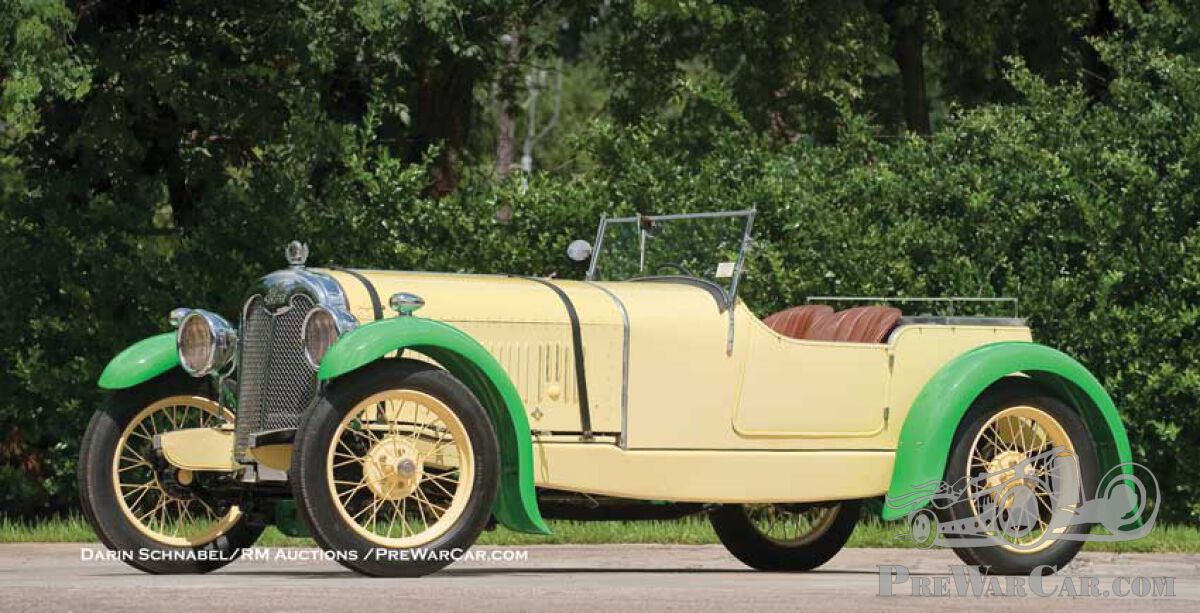
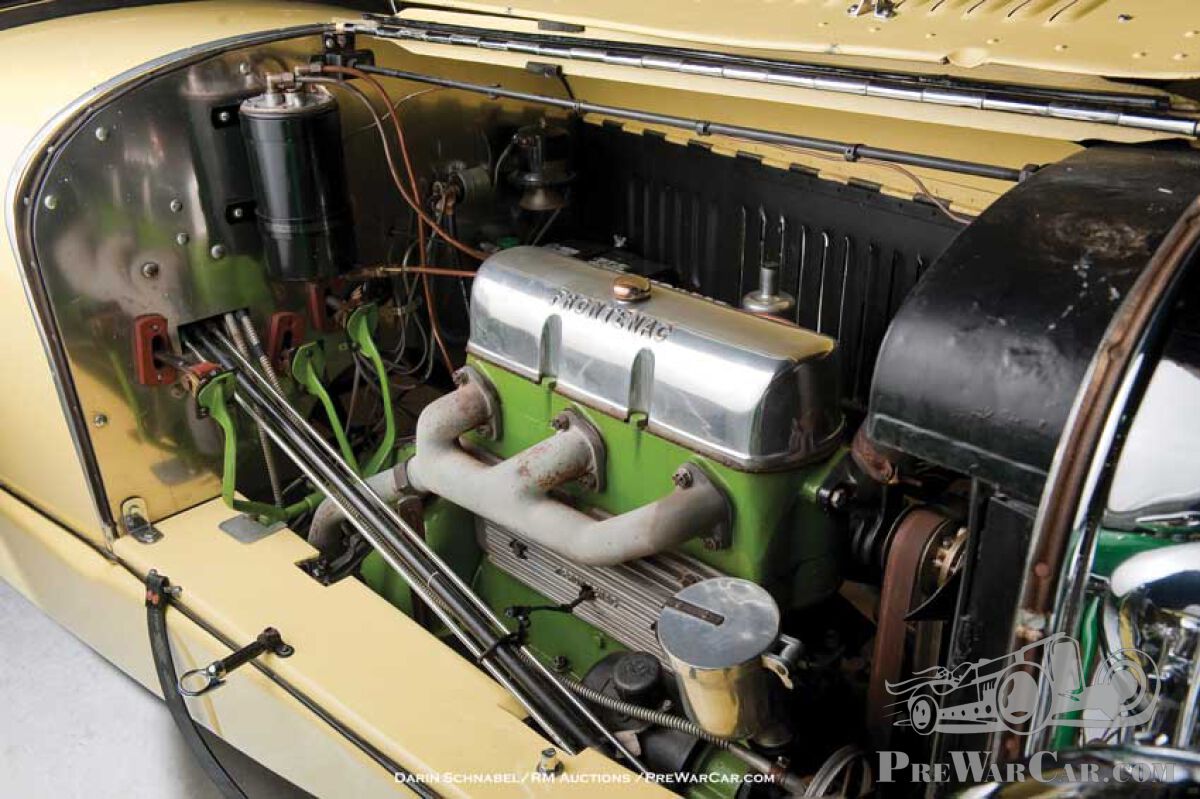
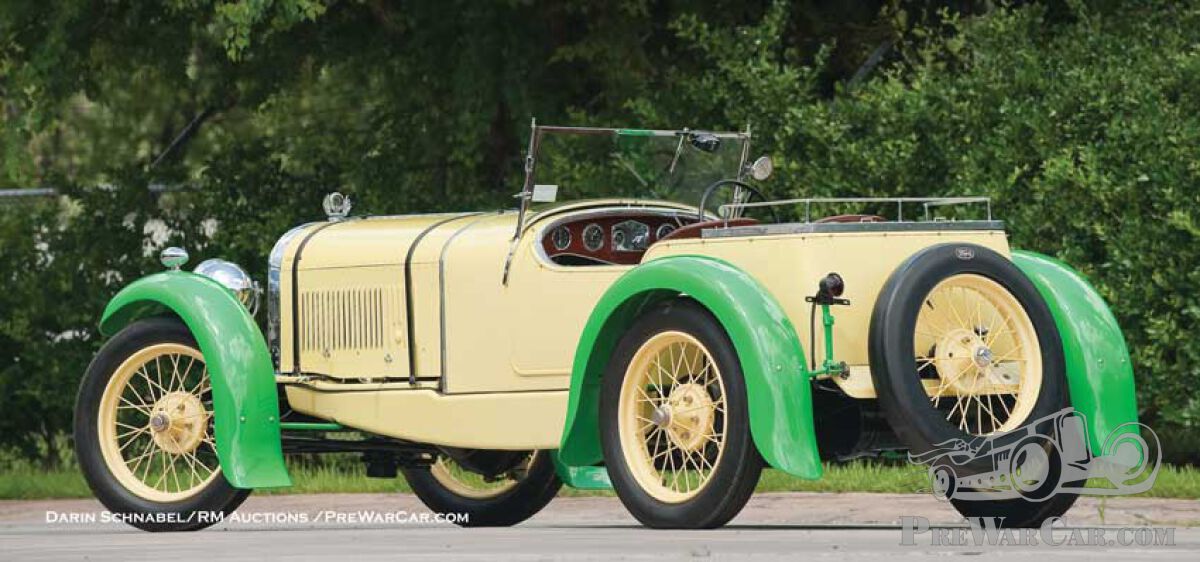
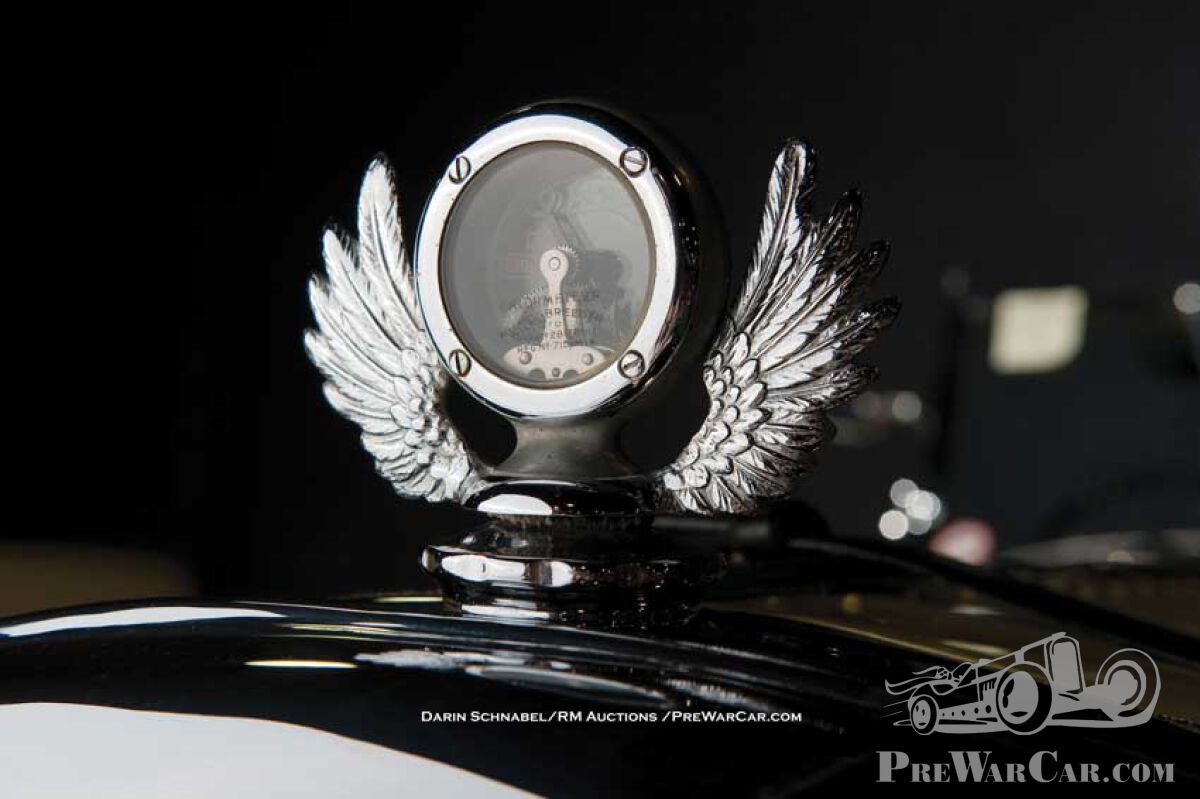


What do you get when you mix a Ford with a Chevrolet and a Cord? A Frontenac, of course! It goes like this: When Louis Chevrolet parted with his company in 1913, he set up the Frontenac Motor Company and together with his brothers Gaston and Andre he built racing cars that were quite successful. Louis also worked with engineer Cornelius Van Ranst, of Cord L-29 fame, to design an overhead-valve cylinder head for the Model T engine. Produced by the Chevrolet Brothers Manufacturing Company these so-called Frontenac heads became very popular and were fitted to a Model T Speedster. Seen here is one such Speedster, a 1926 model, fitted with a very nice two-passenger sports body with cycle fenders. Apart from all the technics, we just love its mechanical moto-meter. Find this Speedster at RM’s Auction at Amelia Island on March 12th.
(photos Darin Schnabel, courtesy of RM Auctions)
We think these Speedsters can be seen as early Hot-Rods. Do you agree?
Pubblicato:
mercoledì marzo 2nd, 2011
Facebook
LinkedIn
Twitter
WhatsApp
Email
Copy
Commenti
Sconosciuto
03 Marzo 2011, 23:16
Sconosciuto
03 Marzo 2011, 06:05
Since Ford did not produce Speedsters, (only Roadsters), then these changes, are equivalent to the "need for speed" people Chopping their cars to their own personal preference. And if Louis Chevrolat was producing "Hotting up" accessories, then people will go for it !
http://www.modelt.ca/speed-fs.html
stuart
Per saperne di più
http://www.modelt.ca/speed-fs.html
stuart
Anybody else ever heard this or did I imagine it?!!!