La rivista e il marketplace globale per gli appassionati di auto d’epoca, creati da appassionati.
La rivista e il marketplace globale per gli appassionati di auto d’epoca, creati da appassionati.


Filter
Faccia la sua scelta
- Automobile
-
Marca >>
-
Anno >>
-
- Motociclette
-
Ubicazione >>
- Parti e altro
-
Marca dell'auto >>
-
Produttore >>
-
Categoria >>
- Biciclette
-
Anno >>
-
Paesi


A massive Monday mystery: tracing the origins of an enormous Berliet
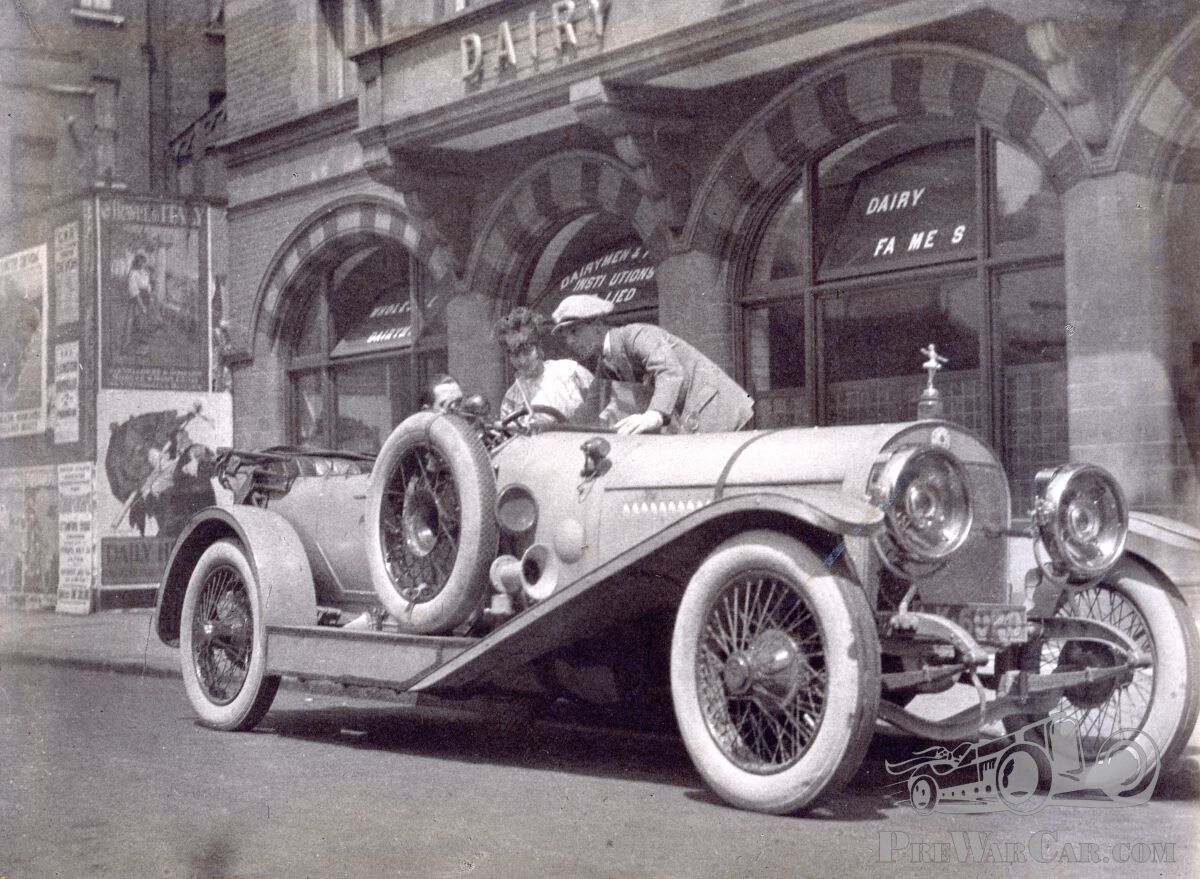
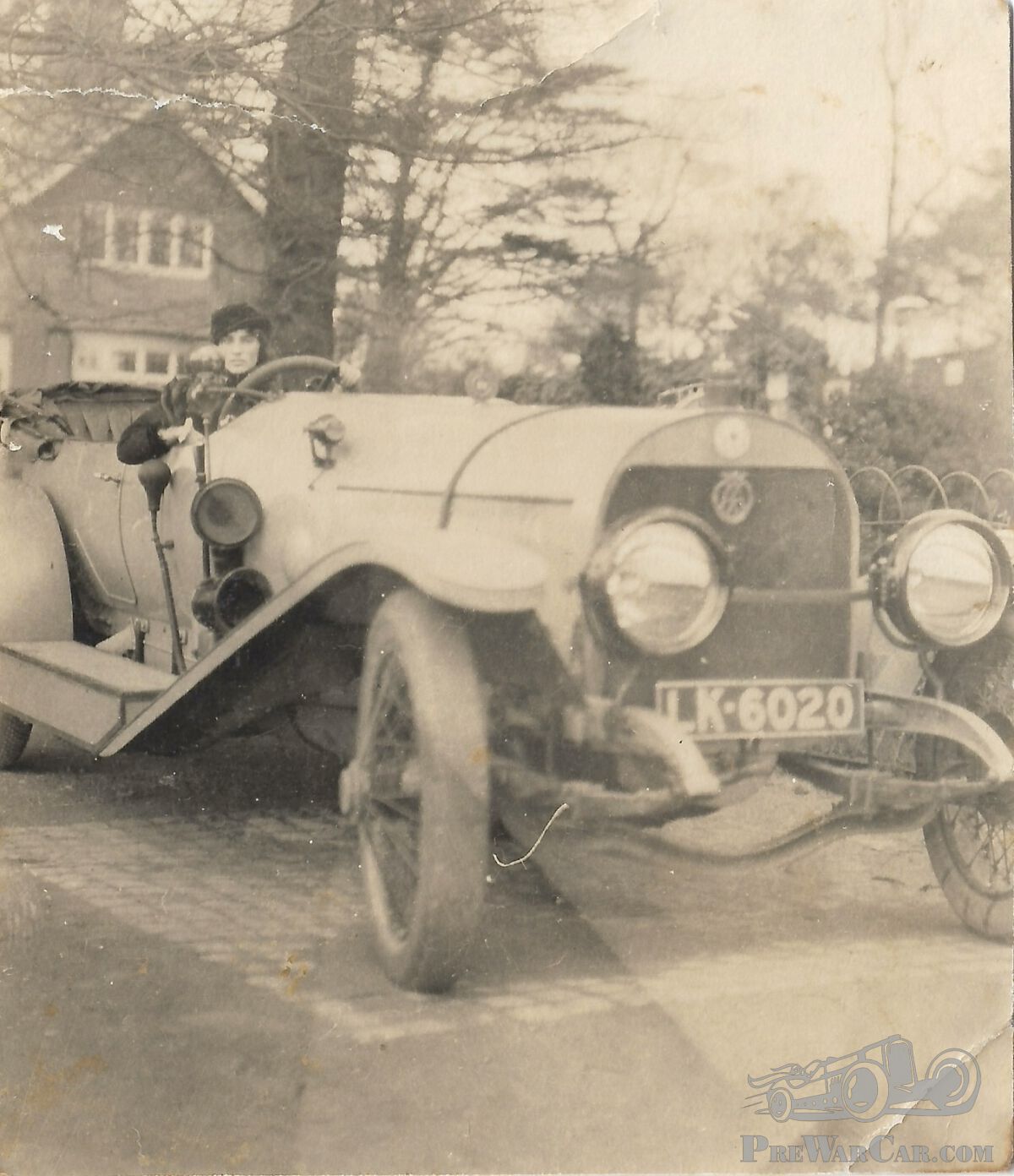
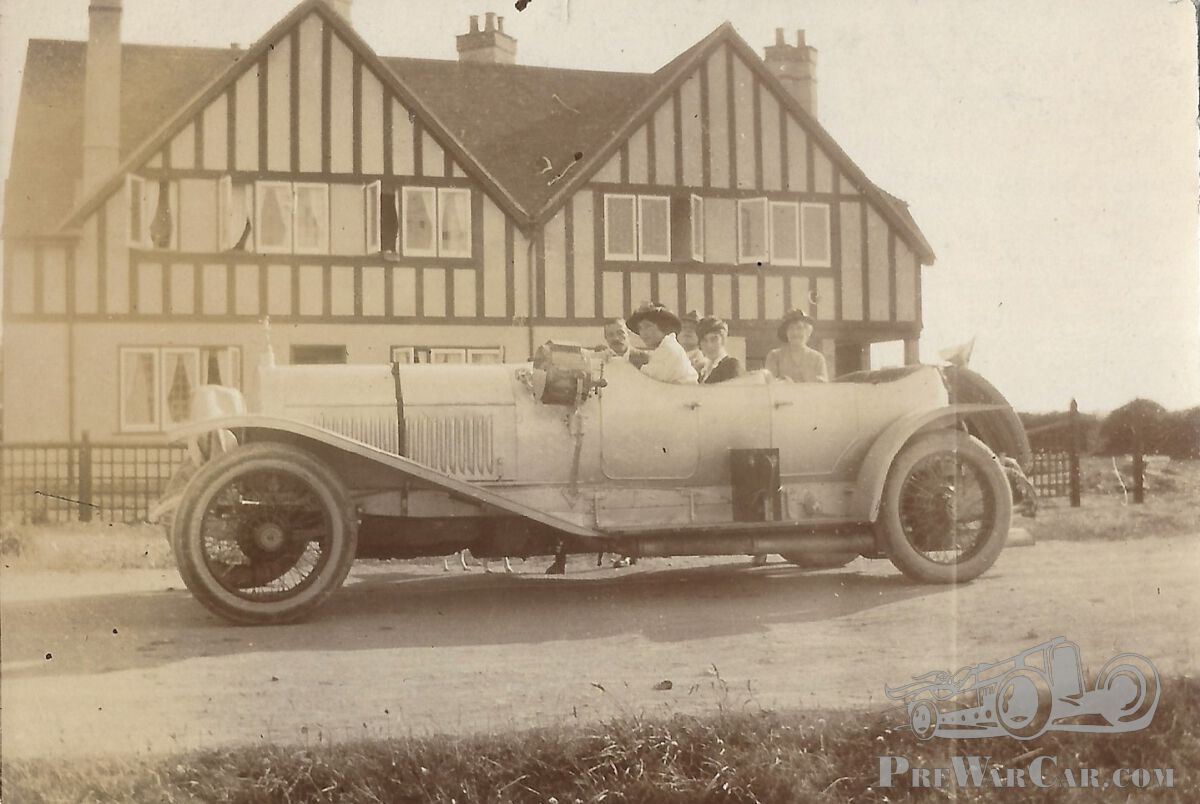


Whenever we present a mystery car, the first challenge is usually to identify its manufacturer, but today's photographs come from Matt Shepherd, whose years of studying old photographs have made him something of an expert at identifications, and so we're asking for no such favour. This car, we know, is a 1913 Berliet. Matt suggests that it must be a 25hp model since that was the largest in the 1913 catalogue, the 40hp and 60hp models having been discontinued a few years earlier. The registration LK 6020 was issued in London.
That does not mean that there are not several questions we'd like to know about it, not least because it's a really unusual car. The size alone would have made it highly conspicuous among the horse traffic of London, to say nothing for how it must have looked to the rustics of the English countryside. Whoever owned it obviously had some money, but they must also have had something of a sporting inclination, if the rakishness of the body is anything to go by. The way the long bonnet blends seamlessly into the barrel-sided torpedo coachwork is extremely suggestive of speed and power and the humongous spotlight and horn seem to exclaim: "Make way for Mr. Toad!"
Matt tells us as much as he can: "The first photograph shows the car outside a dairy building (very similar to the former Dairy Supply Company one near the British Musuem and now a Pizza Express, but the one in the photo has more arches), but that location may offer no clues anyway. The names on the back of this photograph are ‘J. Williams, Doodie and Valentine,’ presumably the three people. Also, is the car's mascot a dancing lady?
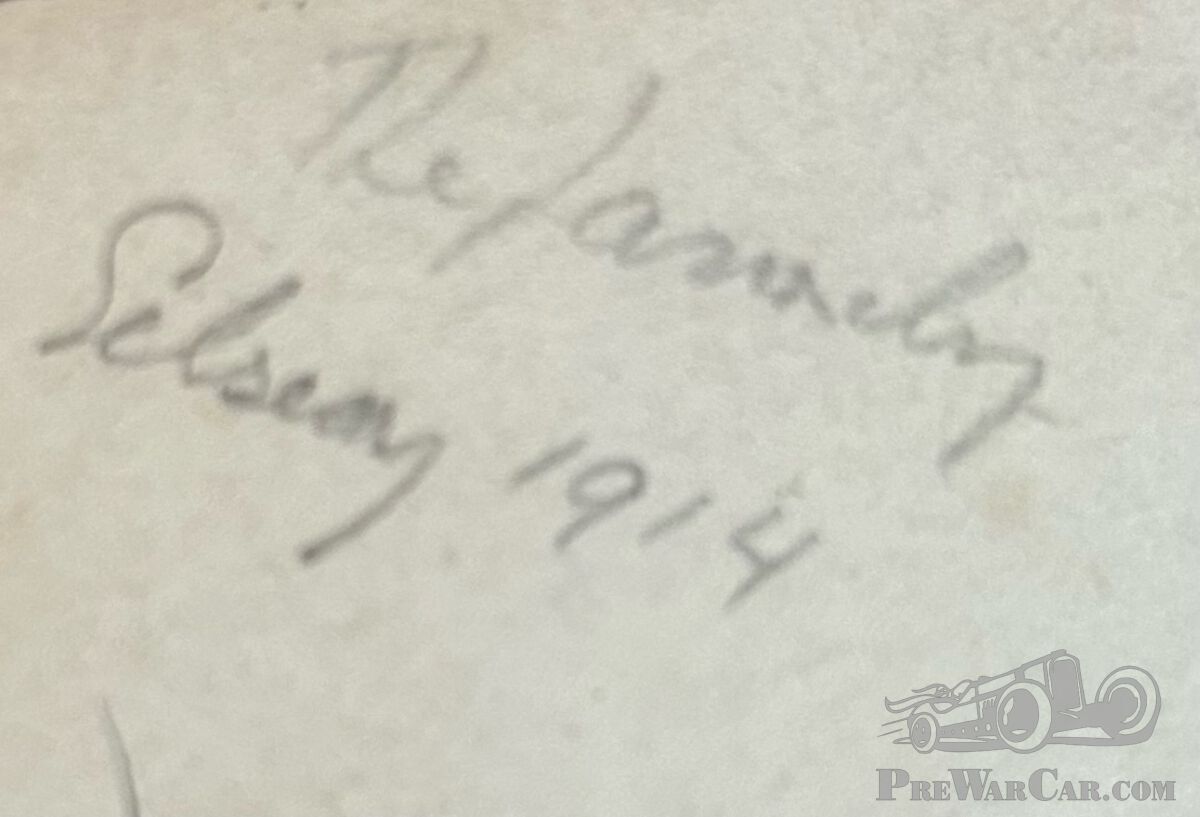
"The second photograph is labelled ‘Nancy in Berliet, 1913’ on the back. The car seems to lack the windscreen here. The final photograph, dated 1914, really shows the length of the car, and assuming nearside and offside rear wings are identical they have changed at the rear between this and the first photo. The writing on the back I cannot decipher." Our best guess would be "The family, Selsey, 1914."
We still know nothing of the coachbuilder. Does the style look familiar to anyone? We're also curious to know the locations of all the photographs, general or precise, and discover who the mysterious J. Williams, Doodie and Valentine might have been.
It's a mightily impressive car, so we'd really like to learn more about it. Please tell us what you can.
Words: Zack Stiling; photograph: Matt Shepherd Collection
Pubblicato:
lunedì maggio 13th, 2024
Facebook
LinkedIn
Twitter
WhatsApp
Email
Copy
Commenti
David Green
14 Maggio 2024, 17:54
A couple of other things I could have mentioned. One of background posters in the first photo says 'Travel to Tenby'. Tenby is a delightful resort in Pembrokeshire, west Wales. Very much Great Western Railway territory. I am guessing the photograph may have been taken near Paddington; Praed Street looks about right, but that is very much a guess. The original headlamps look to be acetylene, replaced by electric in the middle photo. It looks to be a wonderful beast. I calculate the displacement to be 6,332 cc; increasingly old-fashioned even in 1913. Sadly, there appear to be no survivors in existence. Lastly, can anyone explain the ballerina radiator cap?
Per saperne di più


David Green
14 Maggio 2024, 14:12
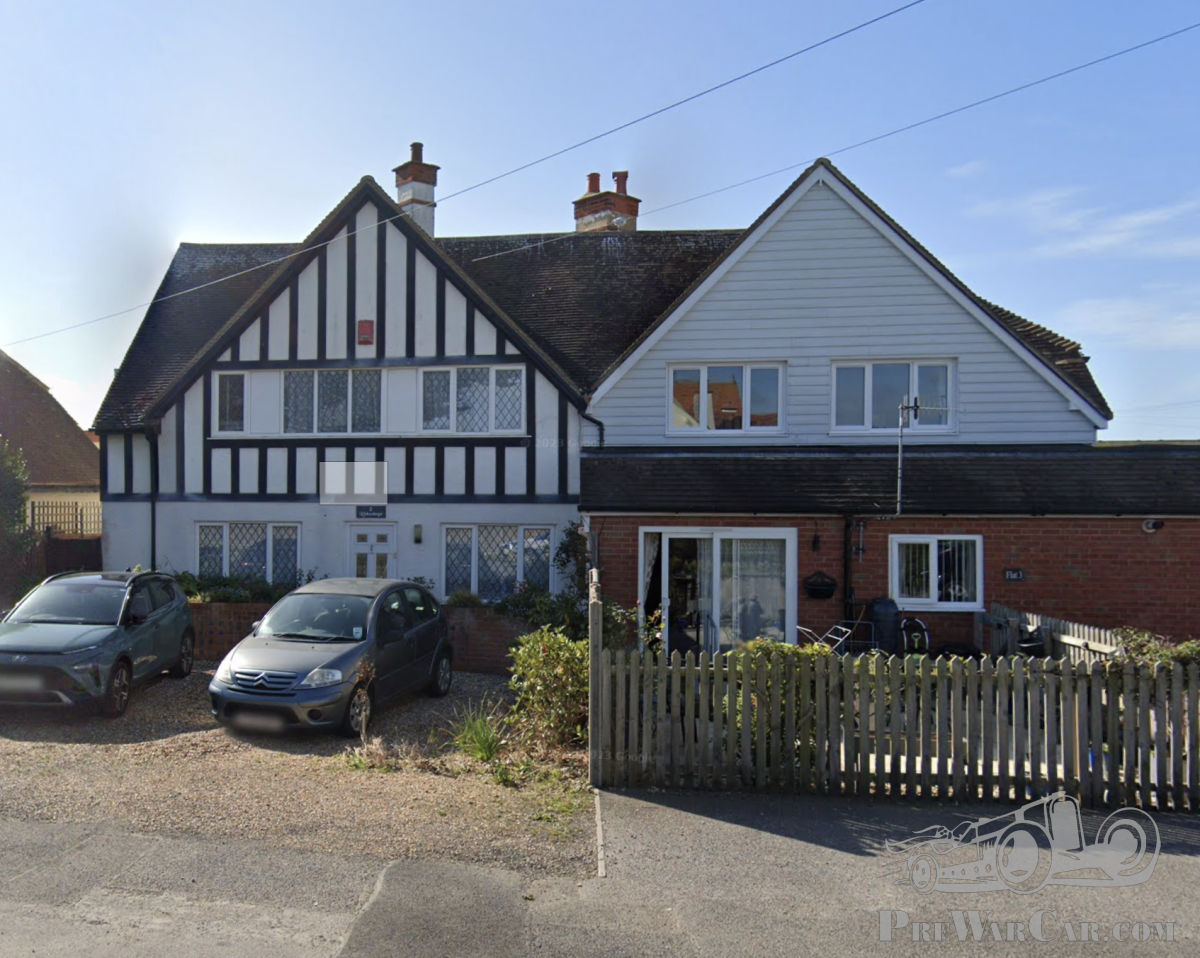
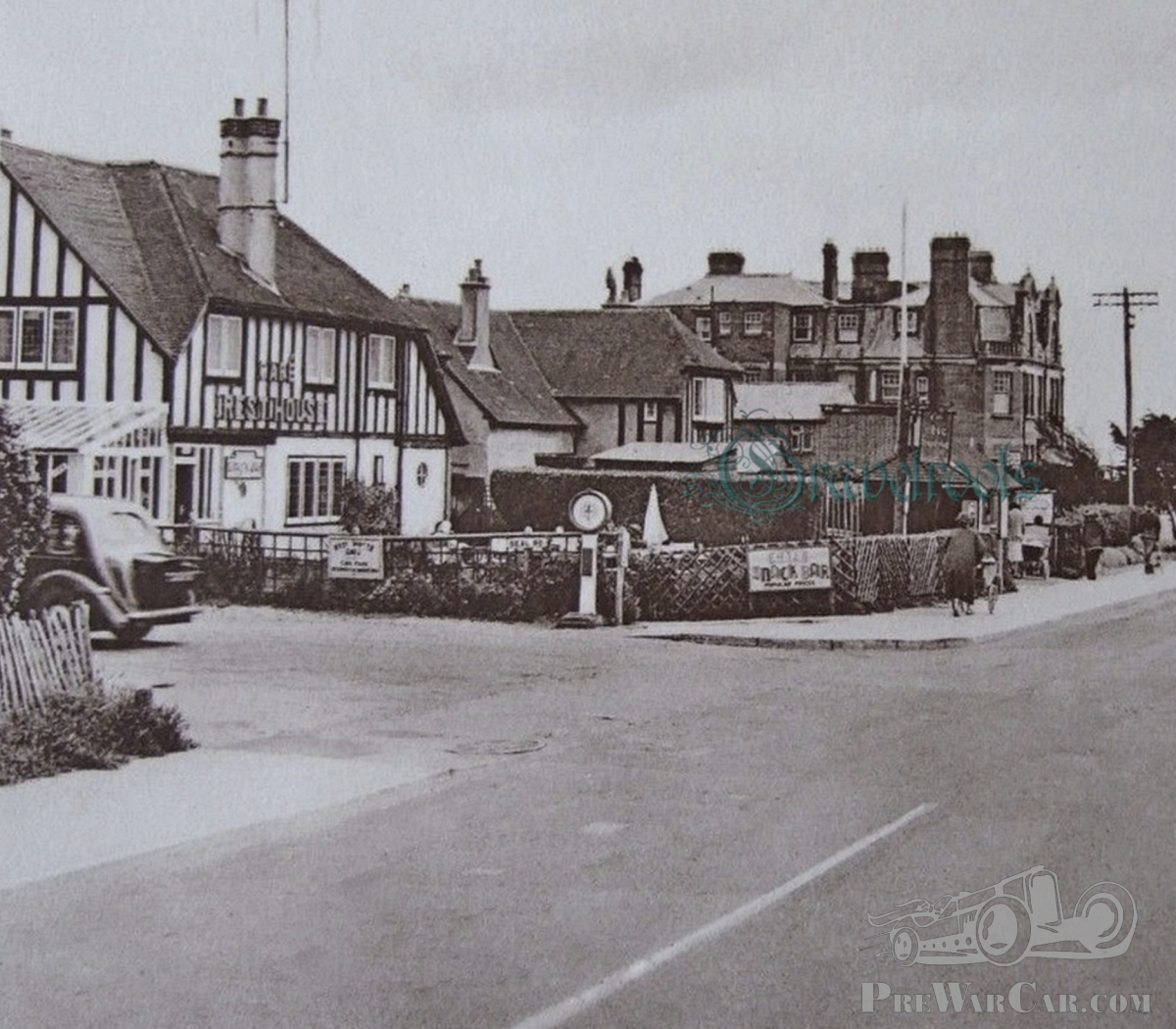
The word on the back of the last photograph of the car is written 'Selseay', but is actually Selsey in West Sussex. The photograph was taken outside 2, Seal Road (see photographs). It looks to have been a private house at the time. The building has been much modified but the left-hand half is still recognisable. As for the Express Dairy Company, it had about twenty-six outlets in London roundabout the time the first photograph was taken. Identifying which of the twenty-six it might be would be challenging.
Per saperne di più
Ariejan Bos
14 Maggio 2024, 11:05
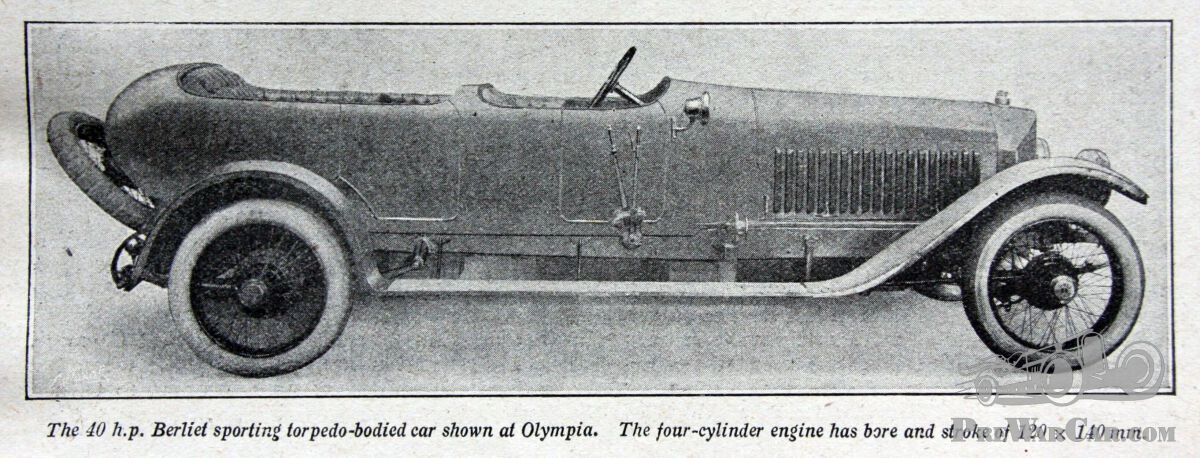
I suppose this car is the 1914 40hp model. This model I only know from images with a slight coupe-vent and must have been quite rare as apart from the above photos I know of no other photos of this model 'in the real world'. On the 1913 Olympia Show a 40hp (120x140 mm) sporting torpedo was presented, which was the coupe-vent car (as seen on the uploaded photo). The flat radiator was still standard for Berliet, so I assume this model could also be had with a flat type radiator.
The body style had some popularity just before the war: many makes like Berliet, Cottin & Desgouttes, Peugeot, Panhard & Levassor, Turcat-Méry and others were equipped with similar low-built, sleek bodies on high-powered chassis. I have no proof that the style was restricted to a specific coachbuilder, so I assume they could be ordered on demand at any coachbuilder you'd prefer. However they were without doubt expensive and therefore rare of course.
Per saperne di più
The body style had some popularity just before the war: many makes like Berliet, Cottin & Desgouttes, Peugeot, Panhard & Levassor, Turcat-Méry and others were equipped with similar low-built, sleek bodies on high-powered chassis. I have no proof that the style was restricted to a specific coachbuilder, so I assume they could be ordered on demand at any coachbuilder you'd prefer. However they were without doubt expensive and therefore rare of course.
Keith Kuehn
13 Maggio 2024, 22:47
It also appears to me as if the headlamps have been changed...
Per saperne di più
Tomas Garcia
13 Maggio 2024, 10:51
Peut-être que ça pourrait être la voiture de Sarah Berhardt ?
----------------------------------------------------
Maybe this could be Sarah Berhardt's car?
Per saperne di più
----------------------------------------------------
Maybe this could be Sarah Berhardt's car?