La rivista e il marketplace globale per gli appassionati di auto d’epoca, creati da appassionati.
La rivista e il marketplace globale per gli appassionati di auto d’epoca, creati da appassionati.


Filter
Faccia la sua scelta
- Automobile
-
Marca >>
-
Anno >>
-
- Motociclette
-
Ubicazione >>
- Parti e altro
-
Marca dell'auto >>
-
Produttore >>
-
Categoria >>
- Biciclette
-
Anno >>
-
Paesi


An Alfa reborn: Caracciola's Monza rides again
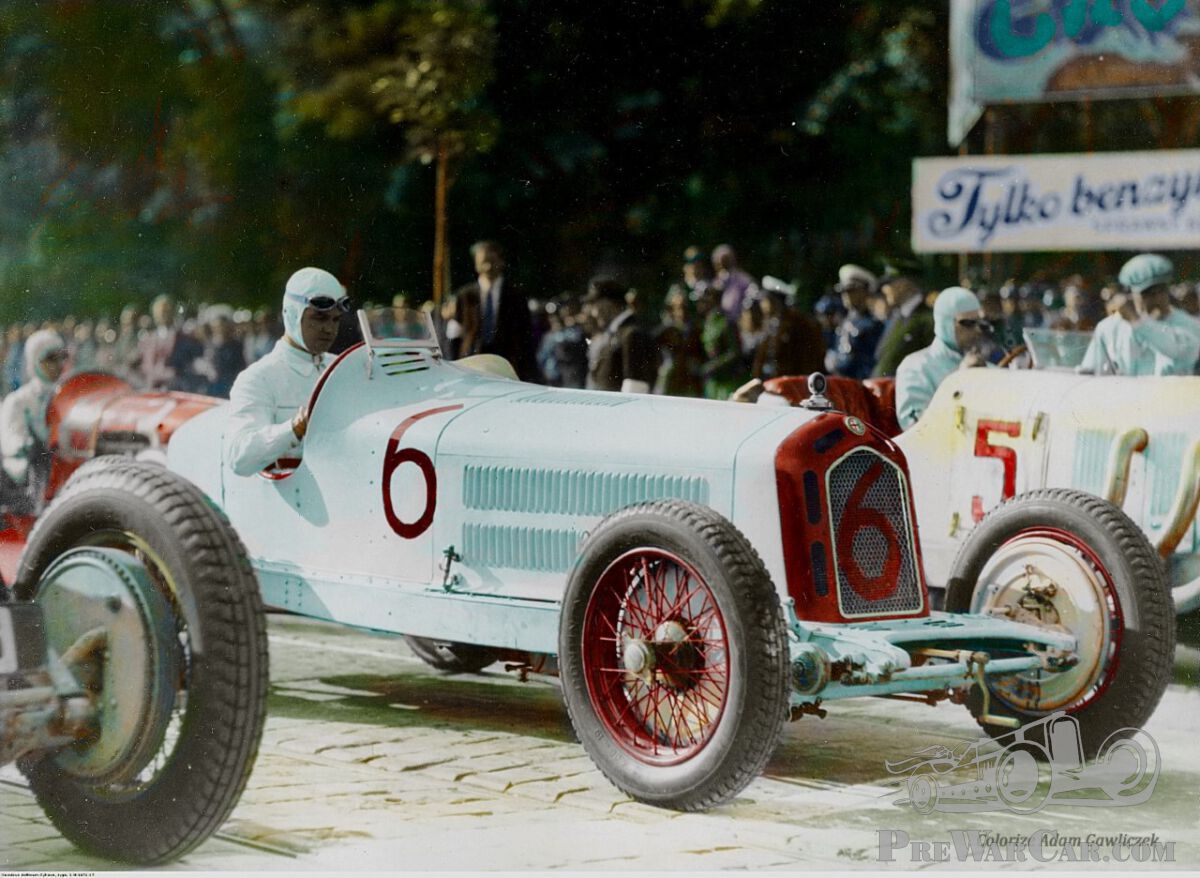
Caracciola in the Monza at the start of the 1932 Lwów Grand Prix, which he won
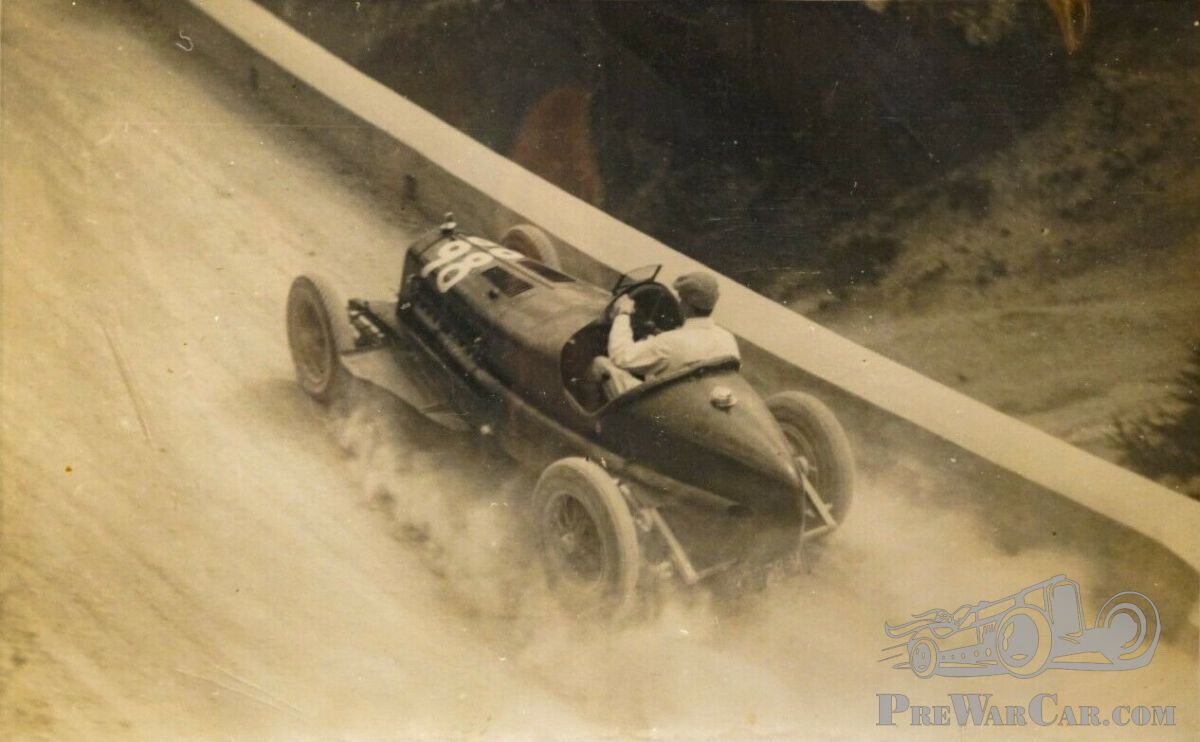
Caracciola driving to victory in the Mont Ventoux Hill-Climb
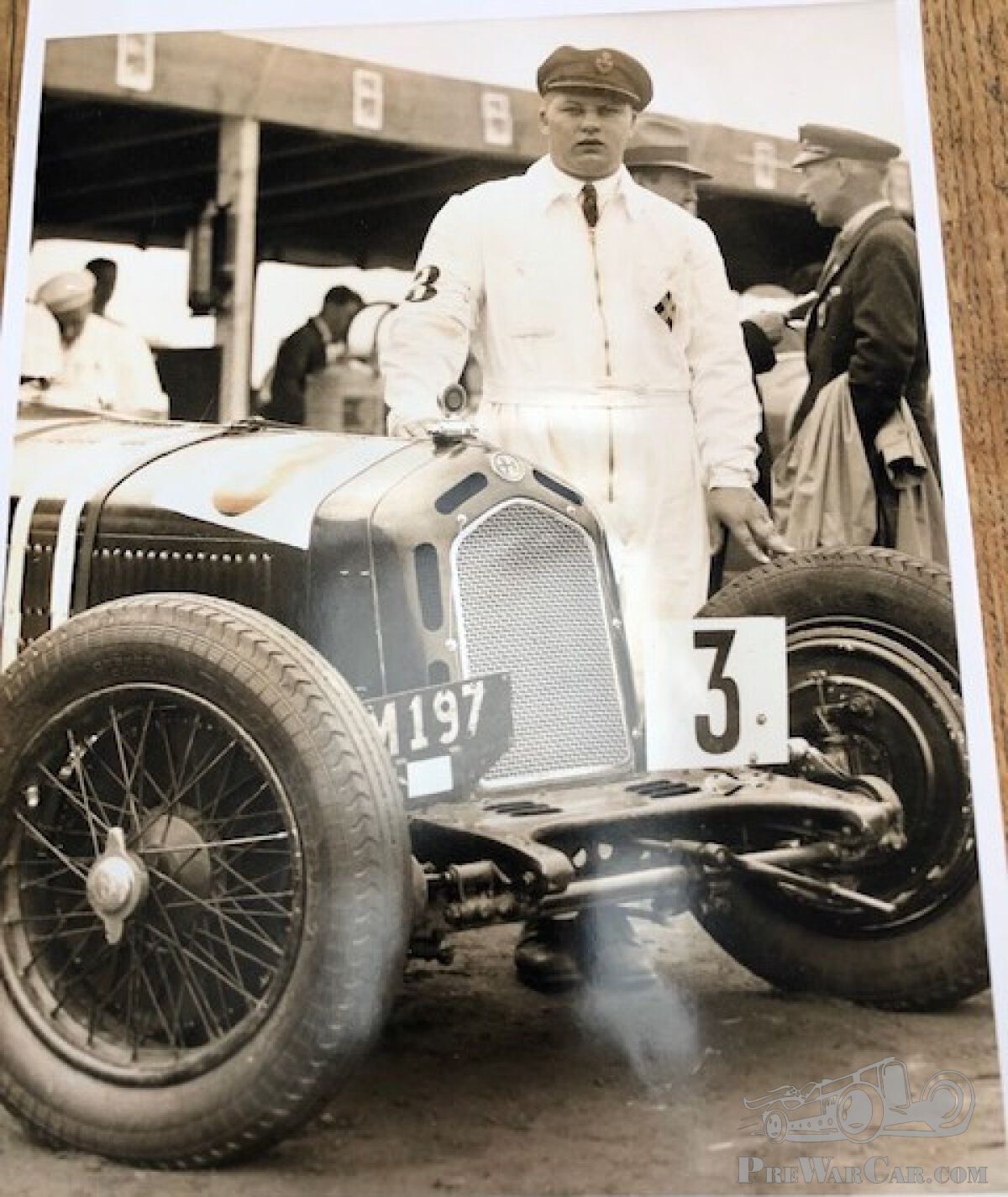
Eugen Björnstad standing proudly with the car he purchased in late 1932
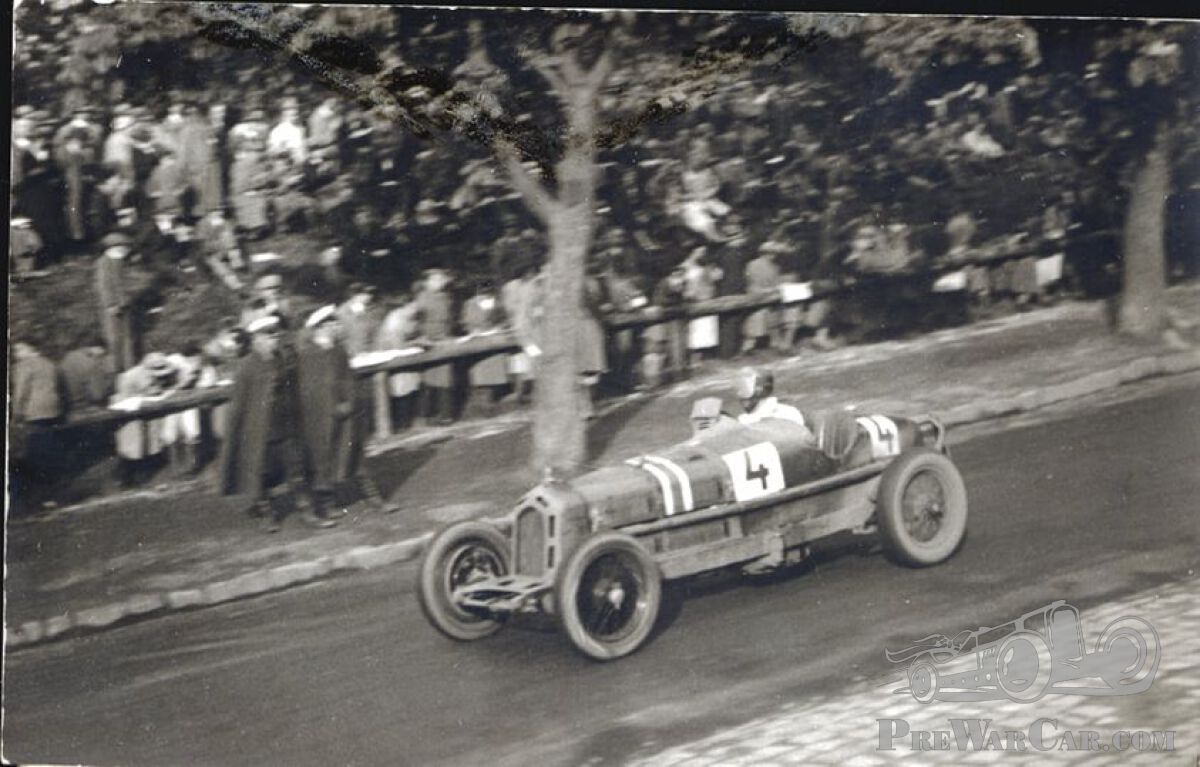
Another victorious Lwów Grand Prix, this time in 1933 and driven by Eugen Björnstad
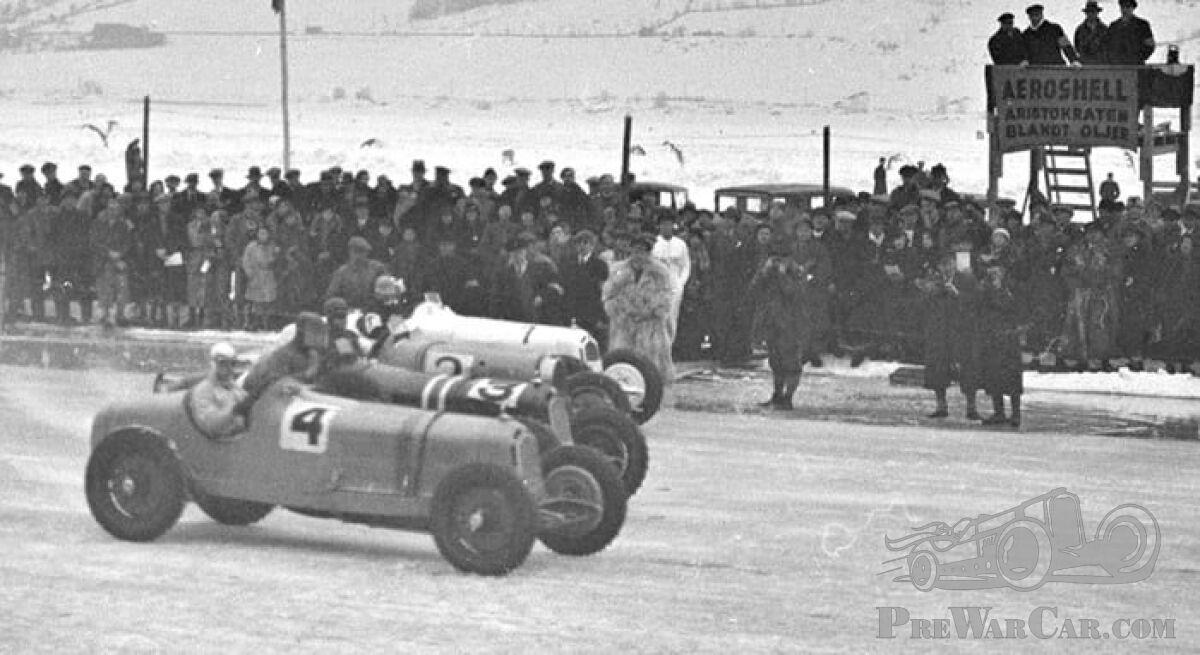
Björnstad and the Alfa ice-racing on Mjøsa, Norway's largest lake, in 1934
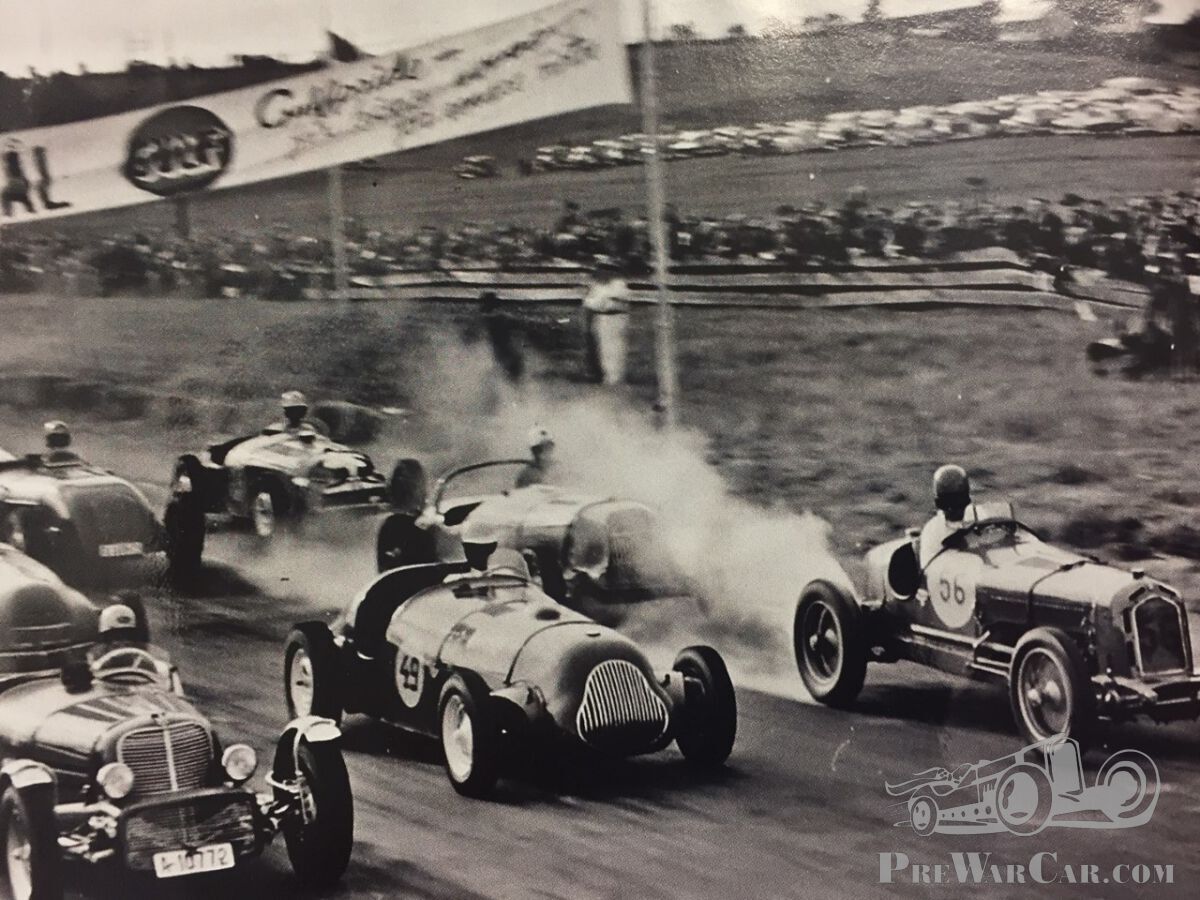
Racing in Sweden, c.1948
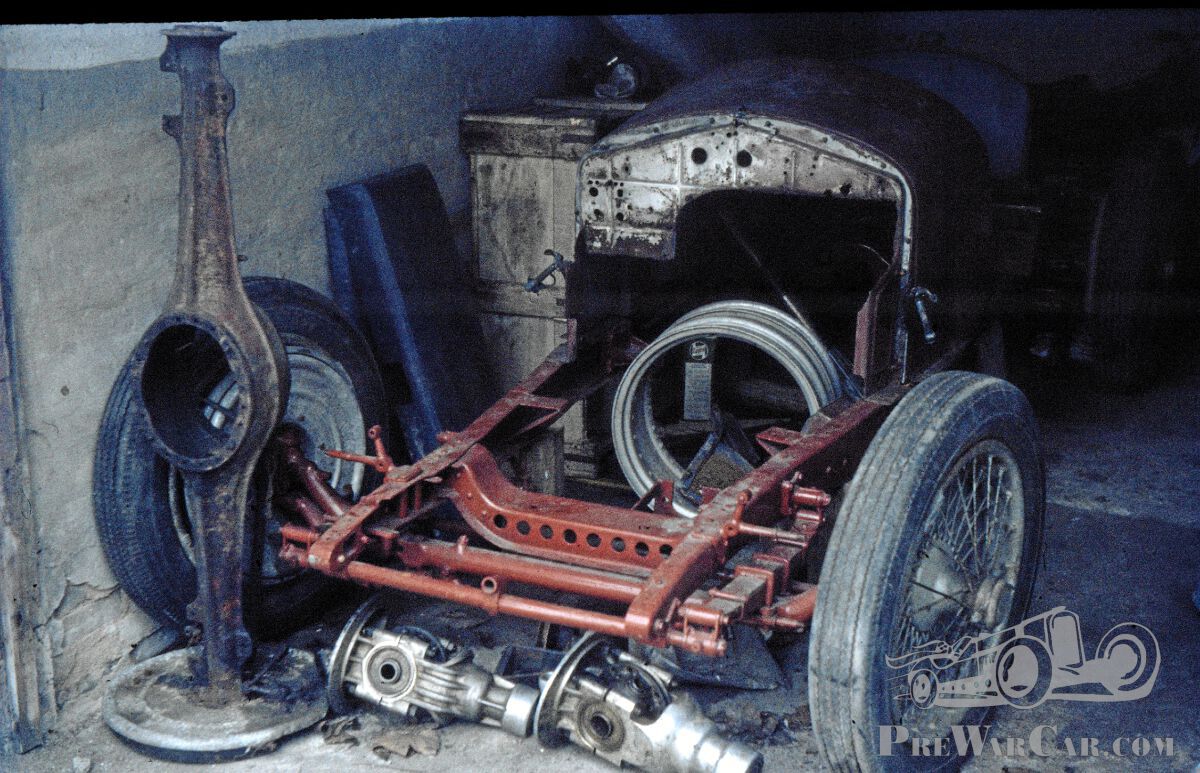
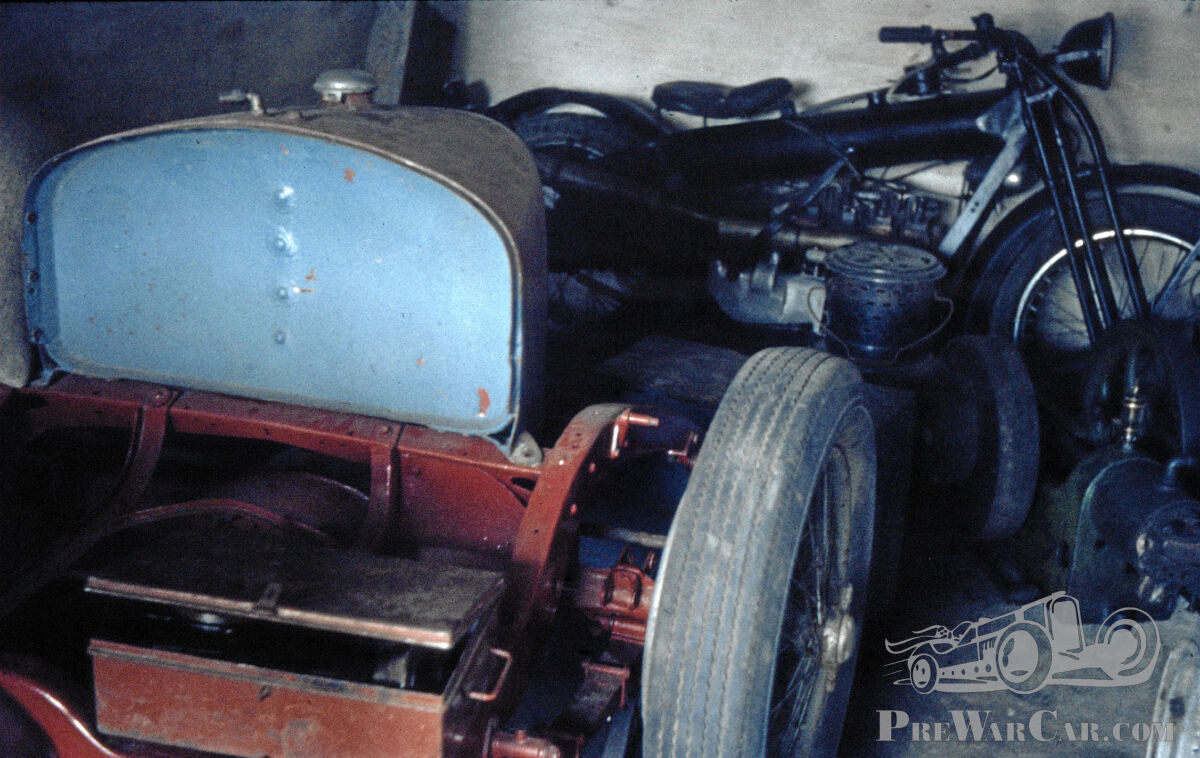
As found in Sweden in 1965


Just over 90 years ago, one of Germany's greatest drivers was paired with one of Italy's greatest car-makers. Between them, they made a formidable pairing and Rudolf Caracciola was a regular atop the winner's podium. One of their cars has been hiding in the shadows for more than five decades, out of sight on account of a stalled restoration. That restoration has at last been carried out by Danish experts at the Classic Car House. Here, we take a look at the Alfa which earned Caracciola his Italian stripes and recall its finest hour.
The scene is Monaco, the date April 17th, 1932. The Champagne has been flowing, crowds of beautiful people are chatting away without a care, and a warm sea breeze rustles through the palms. There's excitement in the air as racing enthusiasts await the start of the fourth Grand Prix de Monaco, and before long there'll be much to say about one particular car.
The 17-car grid is comprised primarily of the two leading names in Grand Prix racing of the time, Bugatti and Alfa Romeo. There are no fewer than eight Bugatti Type 51s, six of the new Alfa Romeo 8C Monzas of which three were works entries, plus three Maseratis—two 8C 2800s and a 26M.
The only white Alfa
The Alfas are resplendent in their famous rosso corsa, except, conspicuously, for one of them, which is in German racing white. The reason for its pearly paint is simple—it's being driven as a semi-private entry by German ace Rudolf Caracciola, who started driving Alfa Romeos after Mercedes-Benz withdrew from racing for financial reasons at the beginning of 1932. The contract with Alfa Romeo was an unusual one in stipulating that he race semi-independently. Caracciola felt somewhat insulted by it and believed it stemmed from a belief held by the Italian works drivers—Tazio Nuvolari, Giuseppe Campari and Baconin Borzacchini—that he would not be able to adjust from the big, heavy Mercedes to the more delicate engineering of the Alfa Romeos. His first race under the contract was the Mille Miglia, from which he retired with a broken valve connection, apparently much to the wry satisfaction of Campari.
The Monaco Grand Prix was only Caracciola's second race with Alfa Romeo and he started way down the grid, in 14th position, the order having been decided by ballot. It also happened to be the Alfa Romeo team's first appearance at Monaco, so it was under some pressure to make a good name for itself. Nuvolari did his best for Alfa and for Italy, and after starting from 11th on the grid had moved to second after just 10 laps of the 100-lap race, but struggled to find a way past Chiron's Bugatti. Varzi's Bugatti was chasing him closely in third.
A few cars down the pack, Caracciola had been driving just as valiantly and had worked his way through to fourth. Varzi remained a nuisance, but luck was not on Bugatti's side. On the 29th lap, Chiron misjudged a corner and clipped some sandbags, sending his car hurtling through the air with Chiron himself landing in the road, fortunately escaping serious injury. Then, on lap 56, Varzi's rear axle broke. Caracciola stormed up to Nuvolari, snapping at his heels.
An easy victory - or not
What happened thereafter has been the subject of some speculation and controversy. Nuvolari was slowed down by a fuel-supply problem and Caracciola should have been able to pass him easily, only, for reasons best known to himself, he chose not to. This act of submission did not earn him the respect of racing fans, and it has been suggested that his failure to pass was intended as a gesture of ironic charity towards the team-mates who had doubted him. Nevertheless, Alfa Romeo's team bosses were impressed when Nuvolari completed the race in 3h. 32m. 25.3s. and Caracciola in 3h. 32m. 28.0s. With that result, he was invited to become a full member of the Alfa Romeo team.
After the event, the white Monza found itself for sale and was acquired by a Norwegian by the name of Eugen Björnstad, who was a great enthusiast for ice racing and also entered the Monza in the 1933 Lwów Grand Prix in Poland, which he won. After the war, the Alfa passed through several Swedish owners, one of whom was driving it when it suffered catastrophic engine damage, and a lump of a Ford V8 was crammed into the place which Vittorio Jano's sophisticated straight-eight once occupied. In the mid-1960s, Danish car collector and hôtelier Svend Hauberg purchased it and, having secured an original 8C 2300 engine, united the Monza with its rightful power-plant. Sadly, Hauberg never found time to complete the car's restoration, but on his death he left a sum of money to a foundation whose purpose it was to the finish the job. The Classic Car House, where the Monza is currently on display, has performed the task to a beautiful standard. With only a few jobs still remaining, the car is scheduled to be back on the road for the summer of 2024. Its post-restoration début is sure to be one of the highlights of the pre-war year.
Words: Zack Stiling: photographs: The Classic Car House
Pubblicato:
lunedì febbraio 5th, 2024
Facebook
LinkedIn
Twitter
WhatsApp
Email
Copy