La rivista e il marketplace globale per gli appassionati di auto d’epoca, creati da appassionati.
La rivista e il marketplace globale per gli appassionati di auto d’epoca, creati da appassionati.


Filter
Faccia la sua scelta
- Automobile
-
Marca >>
-
Anno >>
-
- Motociclette
-
Ubicazione >>
- Parti e altro
-
Marca dell'auto >>
-
Produttore >>
-
Categoria >>
- Biciclette
-
Anno >>
-
Paesi


Belgian Prestige: the Métallurgique story


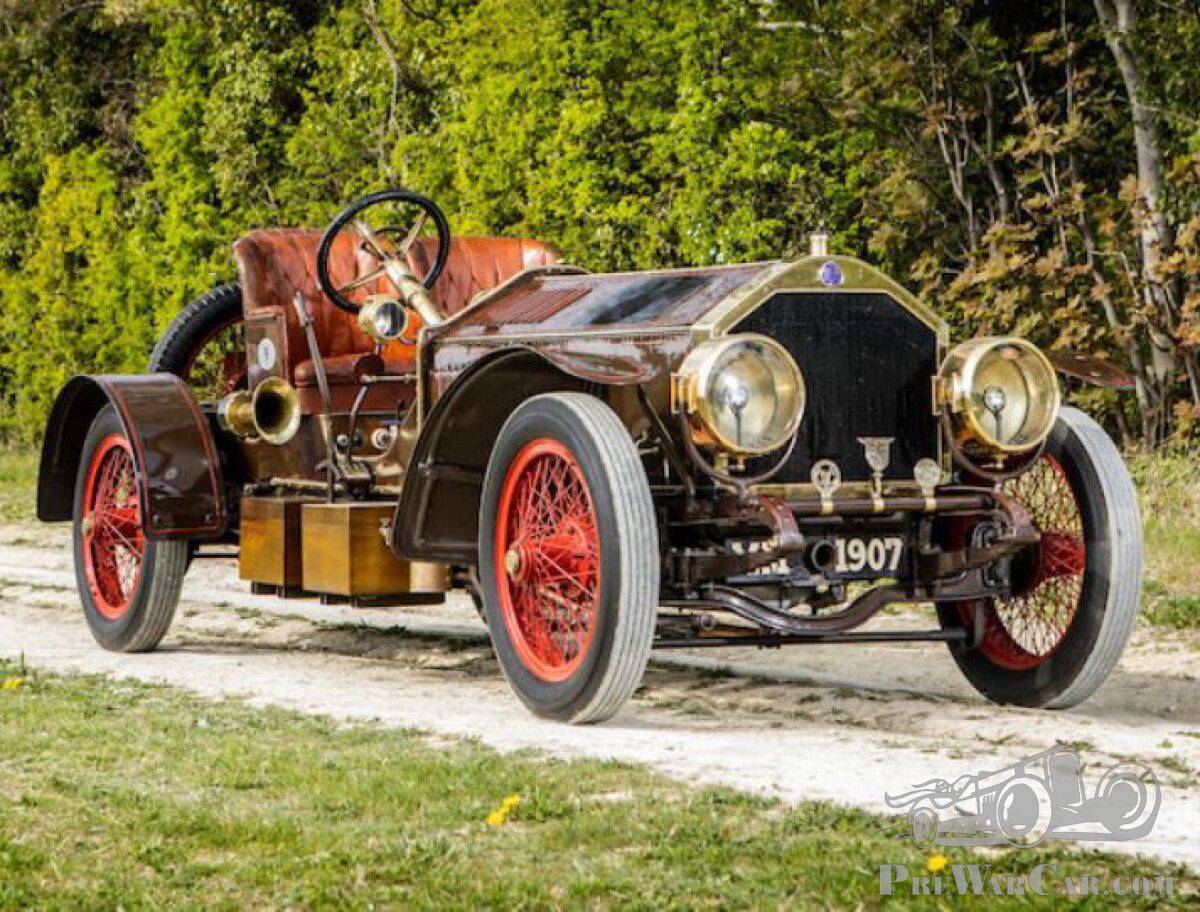
1907 Métallurgique-Maybach

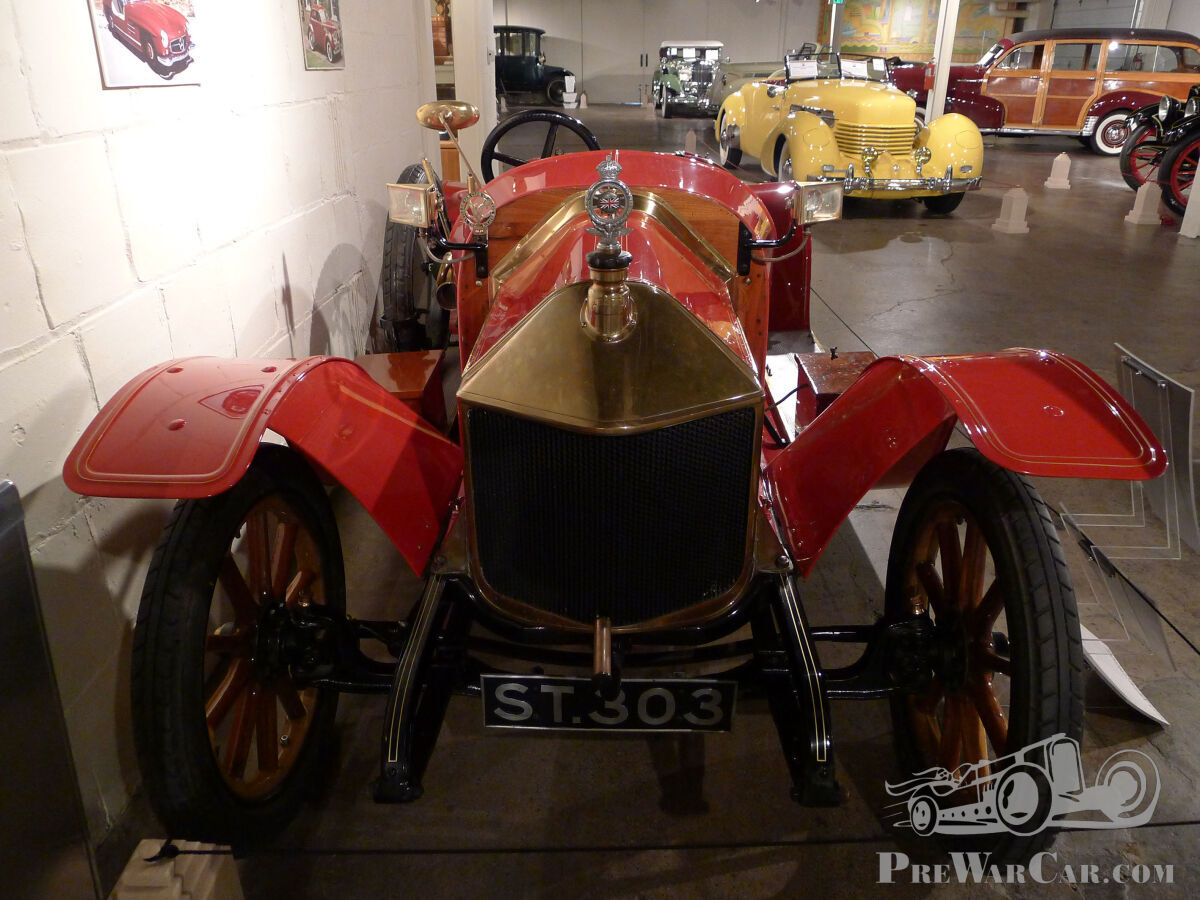
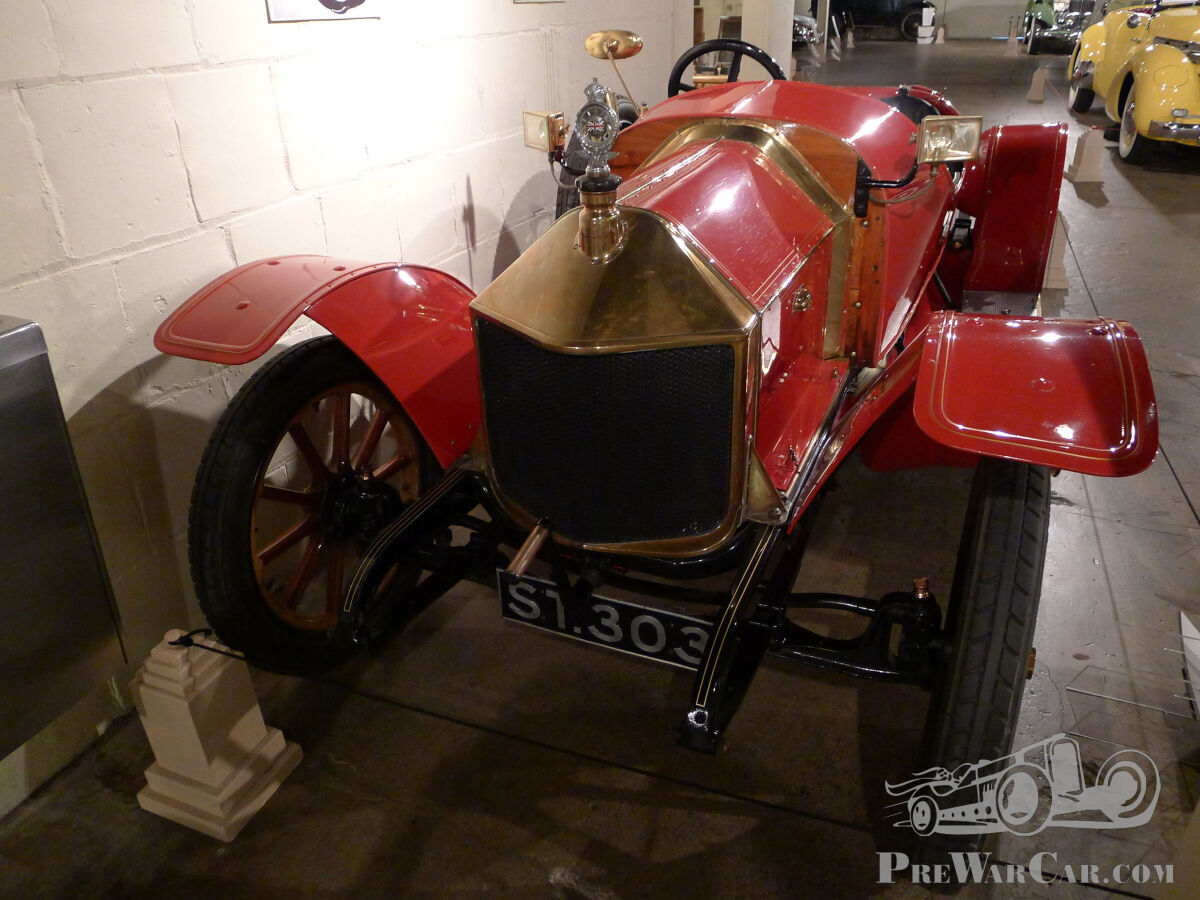
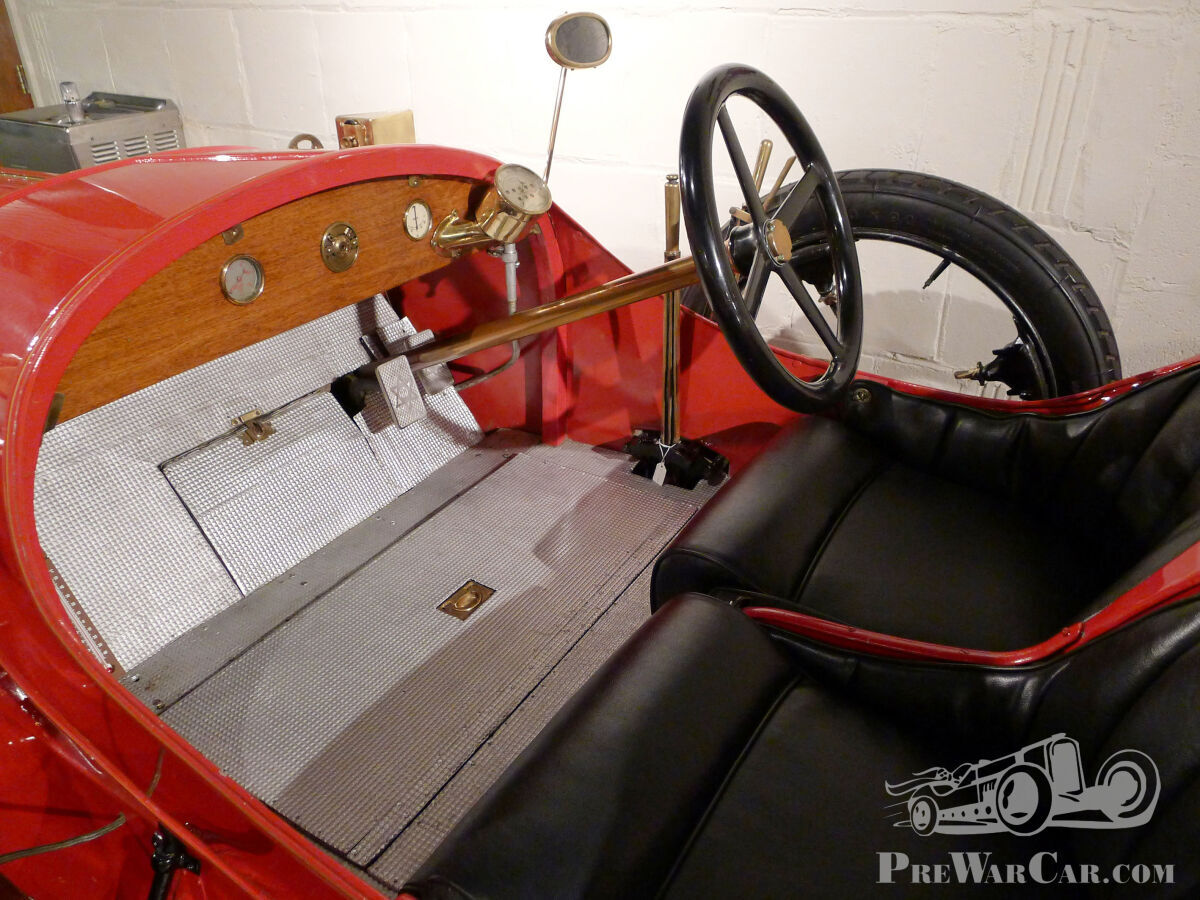
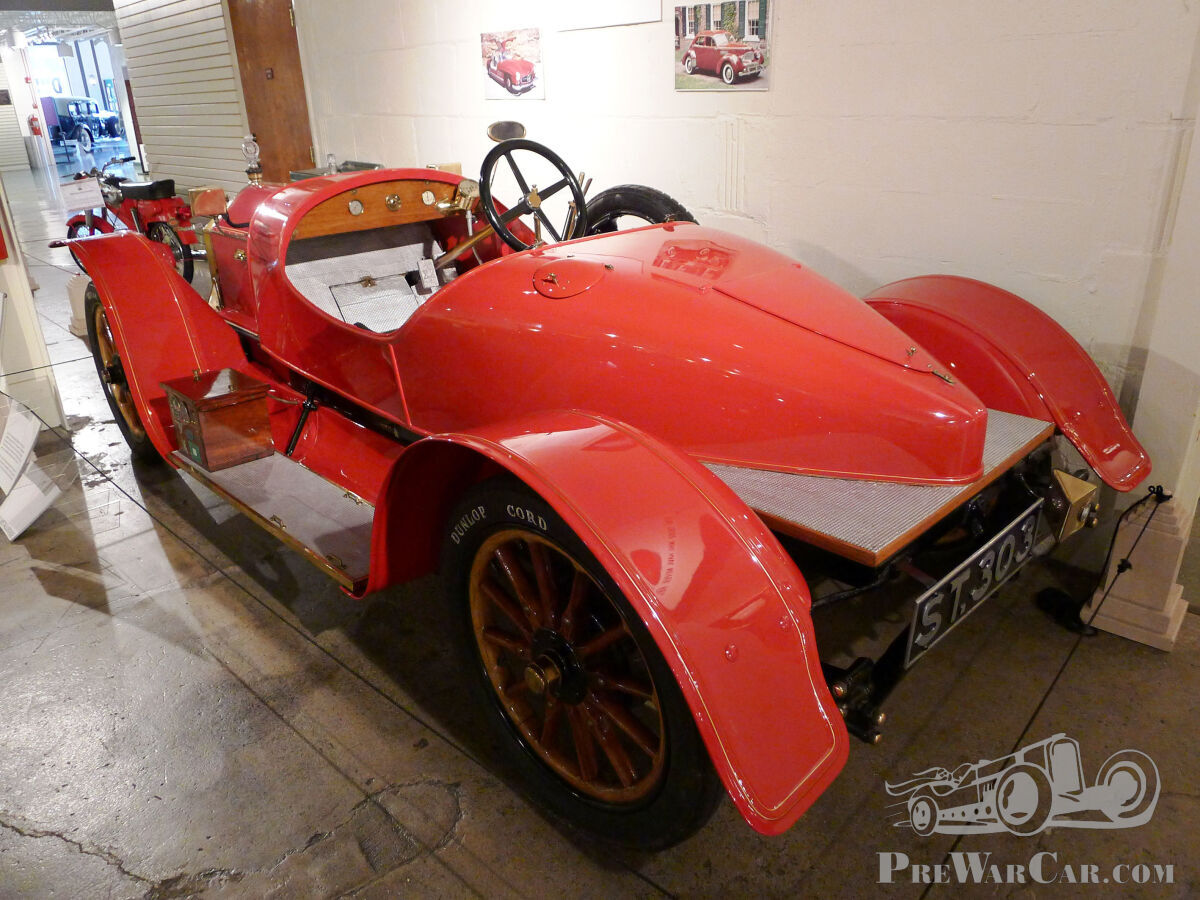
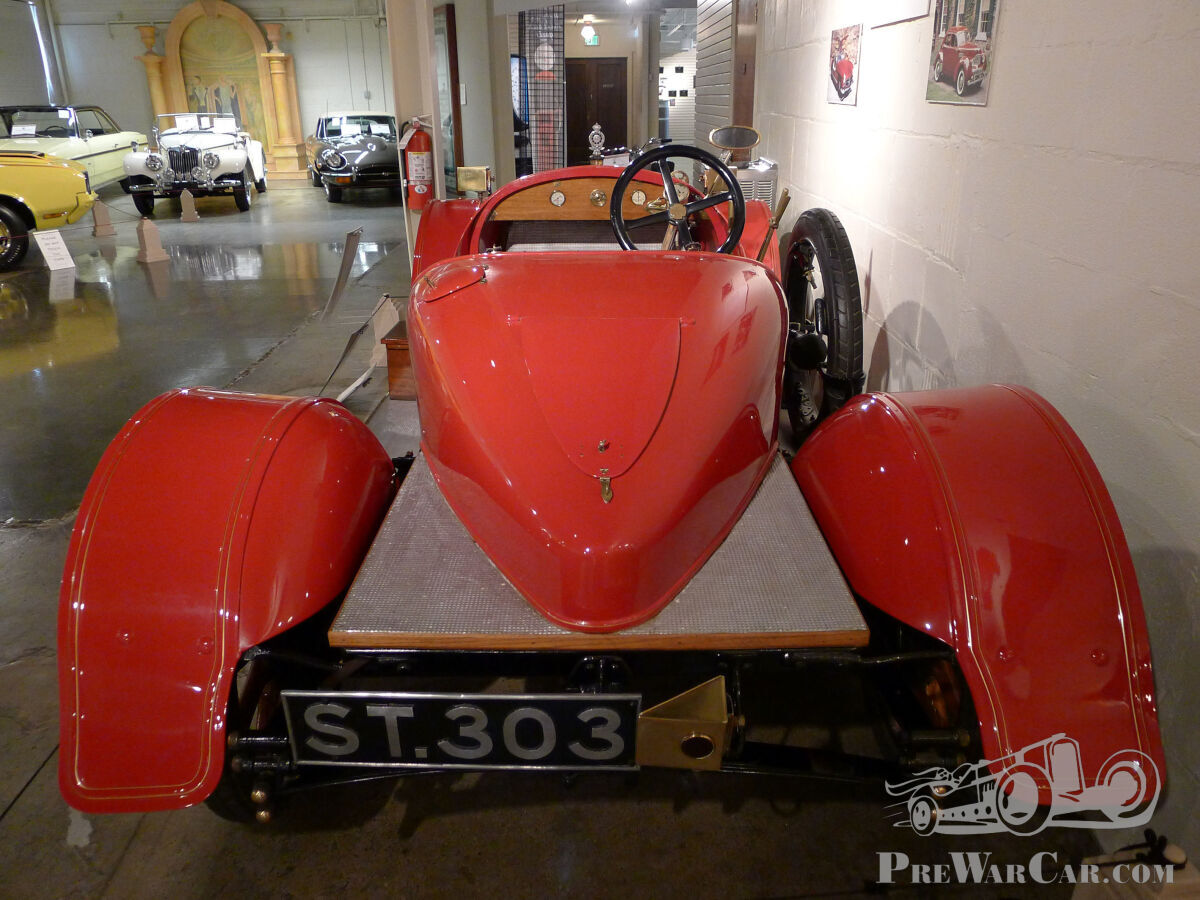
1911 Métallurgique speedster in the Auburn Cord Duesenberg Museum

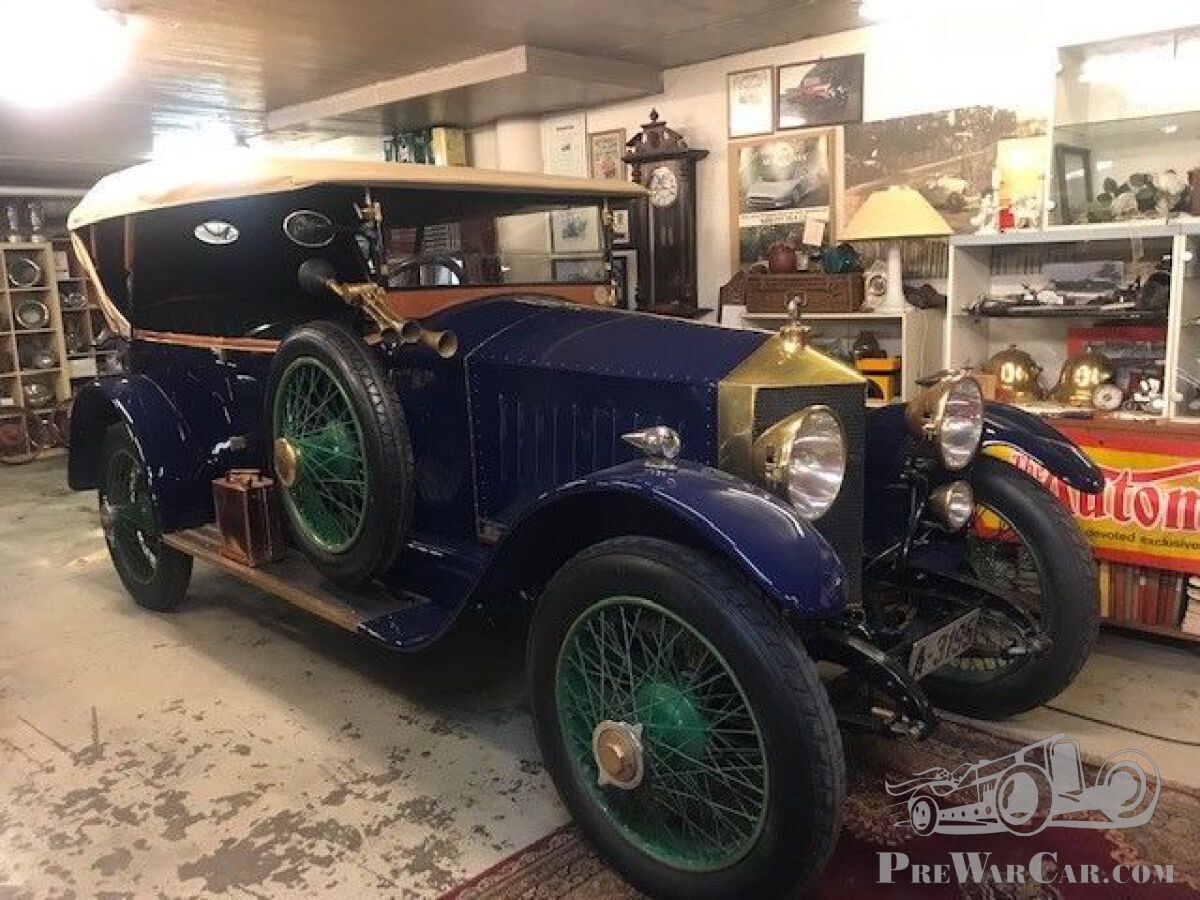
1913 Métallurgique Series D 15/20hp tourer in the Nelson Classic Car Museum

1921 Métallurgique 12/14hp sports roadster
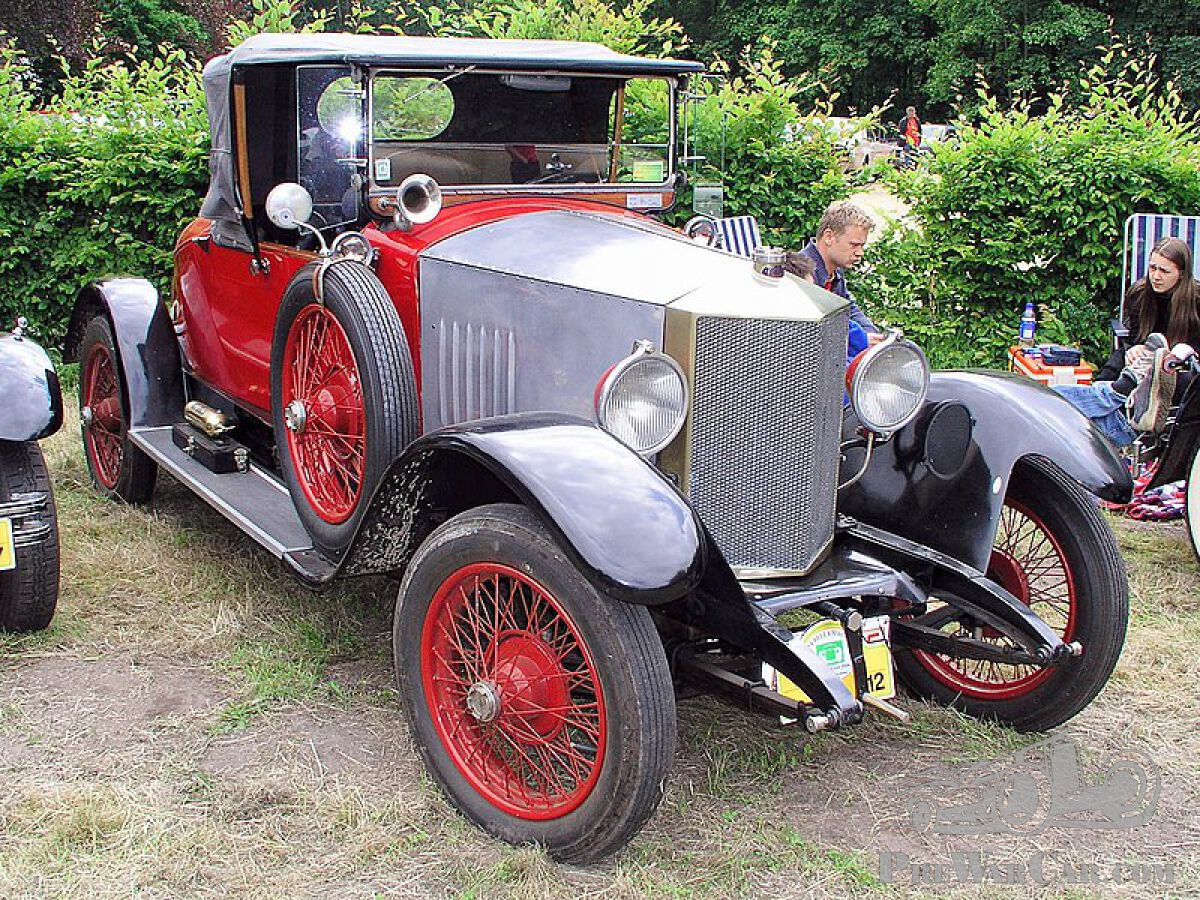
1921 Métallurgique 12/14hp sports roadster


Belgium was once home to many car-makers which today have completely disappeared from the face of the earth. The most famous, Minerva, has already been highlighted here, but there was another big 'M' which was world-famous at the time and deserves a turn in the spotlight.
Métallurgique may not sound like a car manufacturer, but it was, and six years before Minerva. It started building cars in 1898. The factory, located in Marchienne-au-Pont in the Walloon coal basin, flourished early in the industrial revolution and was initially responsible for building heavy locomotives, trams and railway equipment.
Unfortunately, not much paperwork can be found about the early cars, and to this day only a few documents survive... The brand was very popular in England, where one of its most famous customers was Lord Carnarvon, sponsor of the Tutankhamun expedition and occupant of Highclere Castle, as seen in the television series Downton Abbey. Charles Royce and high-end car dealer Warwick Wright also placed orders.
Grand Duke Dmitri Pavlovich of Russia drove a Métallurgique, and with his car, according to some anecdotes, Rasputin's corpse was transported. The King of Morocco was also on the list, as were the Spanish and Portuguese royal families and a whole host of other dignitaries.
The marque was known for high-quality, fast cars with plenty of horsepower. The production list included vehicles with 60, 70, 90 and even 120 hp, and these were not racing cars. Métallurgique successfully participated in races such as the Herkomer tour, Kaiserspreis, Prinz-Heinrich-Fahrt, St. Peterburg-Sebastopol, the Tourist Trophy, Circuit des Ardennes and many others.
From 1907, Métallurgique's models got their characteristic pointed radiator, the first car manufacturer in the world to put one into series production. From that year, Métallurgiques were also produced in Germany under the name Bergmann Métallurgique, partly due to the many successes achieved with its eastern neighbours. After World War II, the company continued to take part in competitions, but on a more modest scale, and in 1928 it decided to call it a day.
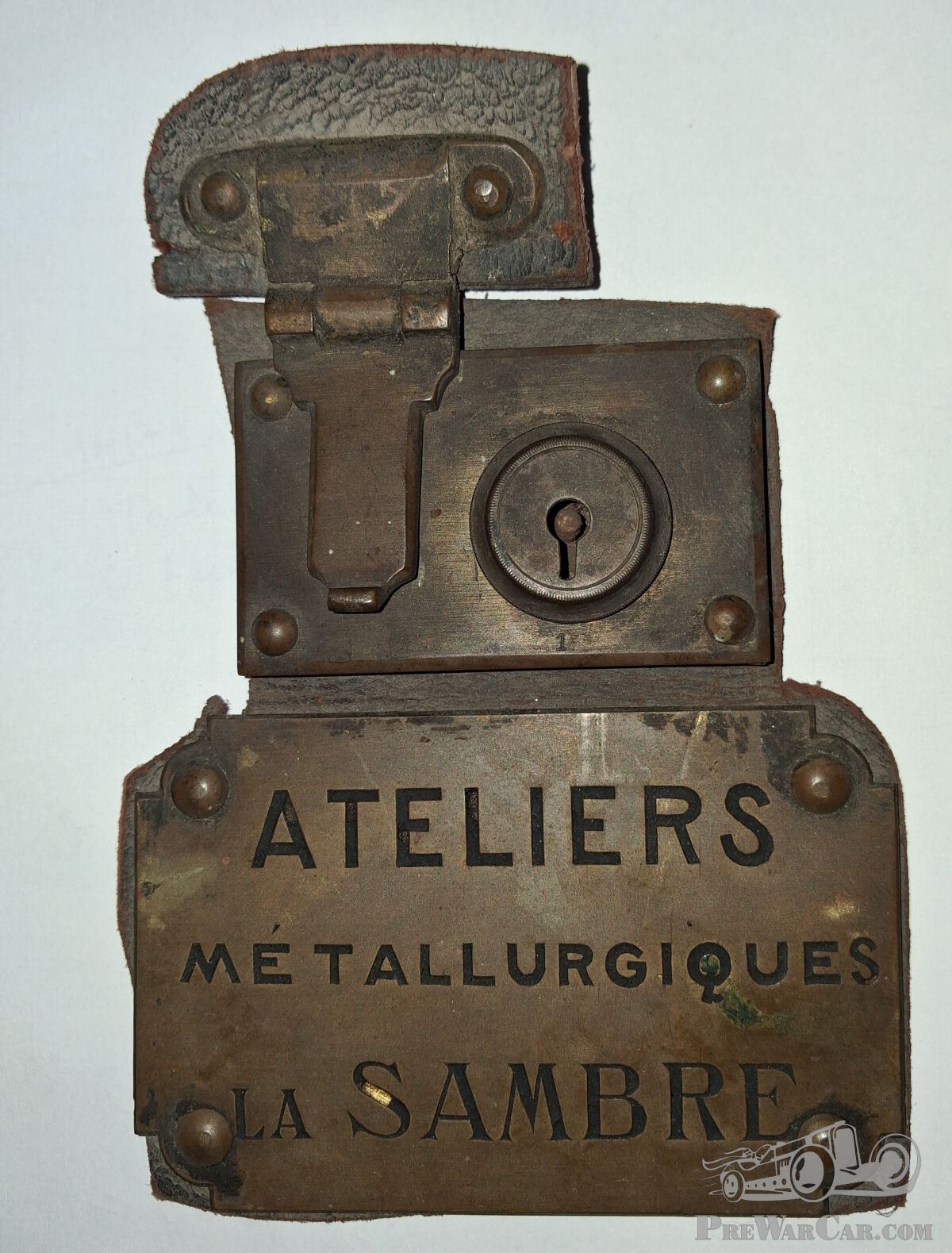
If you want to see a Métallurgique in the flesh, that is rather difficult, because they are so rare, but we know of examples in the Auburn Cord Duesenberg Museum in America, the Lakeland Motor Museum in England and the Nelson Classic Car Museum in New Zealand. Half the survivors are in the Antipodes, but a handful are with private collectors in France. One of these will be on display at the Belle Époque Automobile Festival on Sunday 11th June in Hingene, Belgium, at d'Ursel Castle, where the very first President of the Belgian Automobile Club once resided. If you have more information about Métallurgique, we'd like to hear it.
Words by Ivo Braeken
Originally published: Monday April 24th, 2023
Pubblicato:
martedì maggio 9th, 2023
Facebook
LinkedIn
Twitter
WhatsApp
Email
Copy
Commenti
Anton van Luijk
14 Febbraio 2025, 12:56
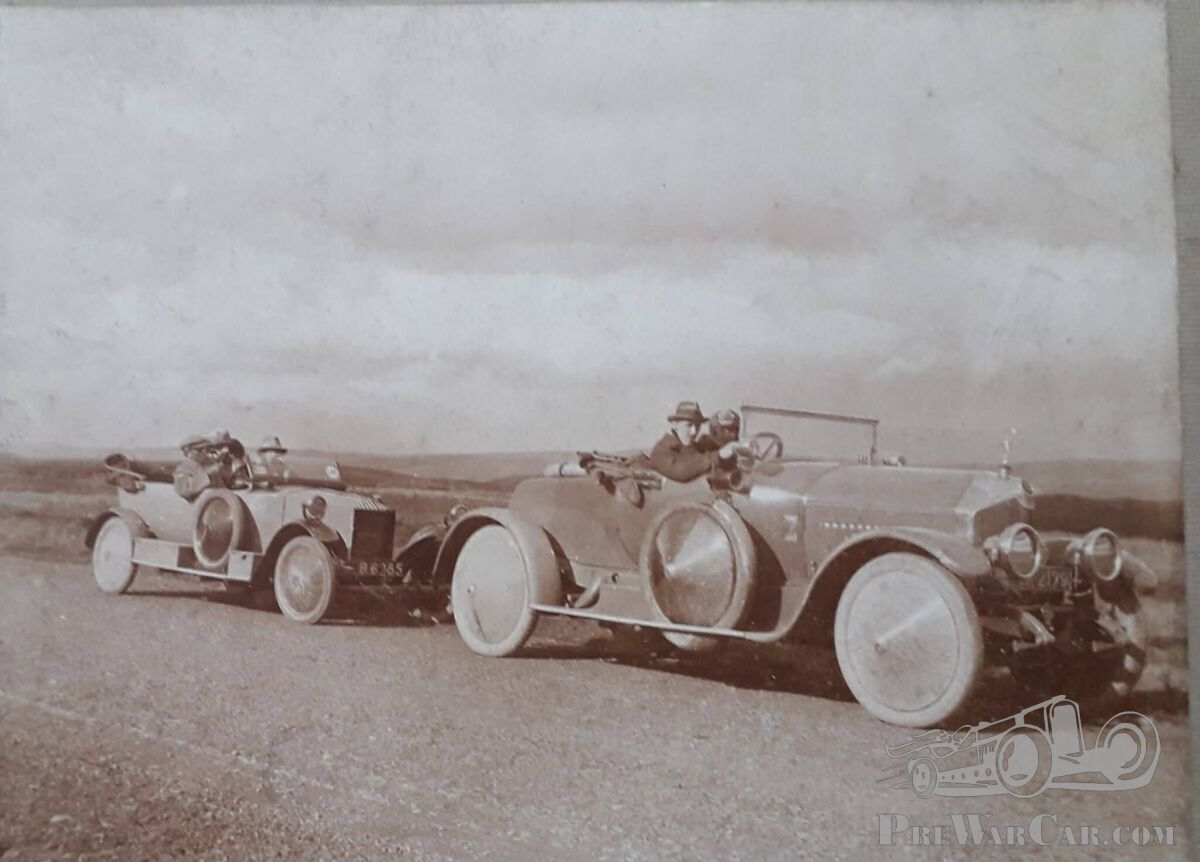
Could this be a Métallurgique?
----------------------------------------------------
Zou dit een Métallurgique kunnen zijn?
Per saperne di più
----------------------------------------------------
Zou dit een Métallurgique kunnen zijn?
Editor
14 Febbraio 2025, 14:05
The car in front is a Crossley. I would say the car behind it is a Horstman, made in Bath. Few were built so it's rare to see one in a period photograph.
Per saperne di più
Dave Roberts
25 Gennaio 2025, 22:11
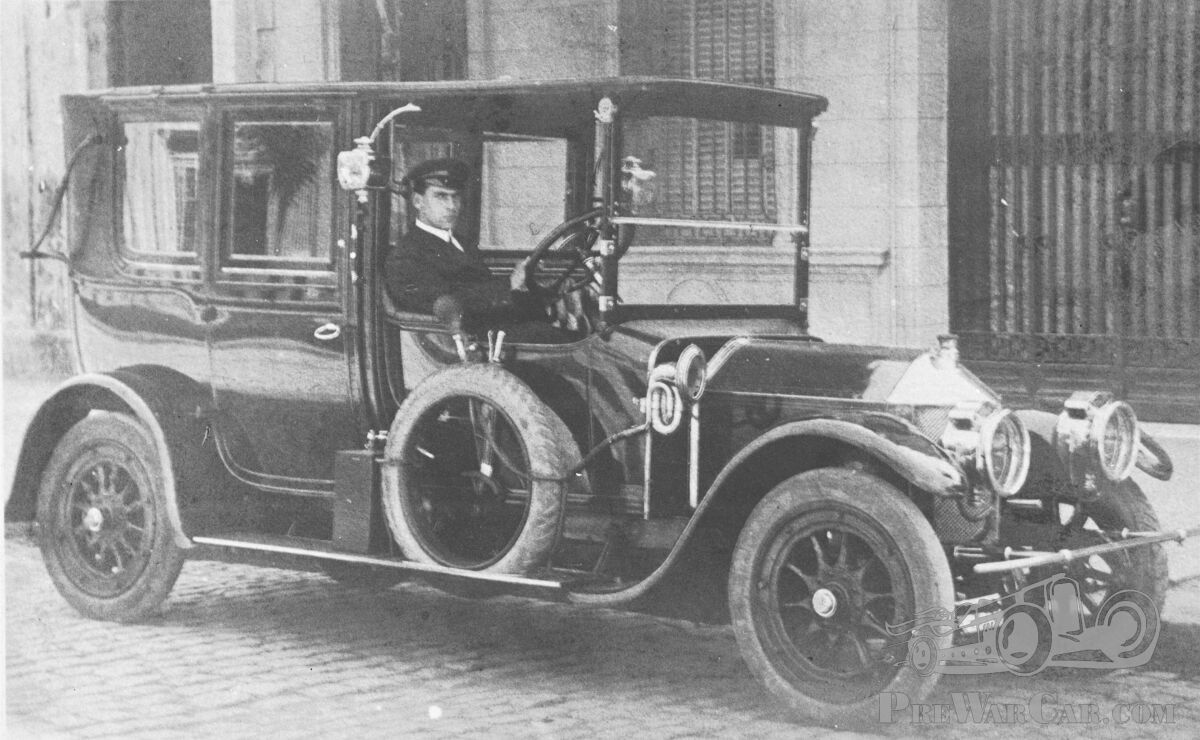
Please find a photograph of my grandfather from 1912. Born in London, he travelled with a Métallurique sold to a company called Drysdales (Pumping and Marine Engineers) in Buenos Aires. I think the attached picture is of that car.
Per saperne di più
Ivo Braeken
02 Aprile 2025, 20:22
Very nice photo, thank you for sharing.
Per saperne di più
Trevor Tyrrell
03 Agosto 2024, 00:29
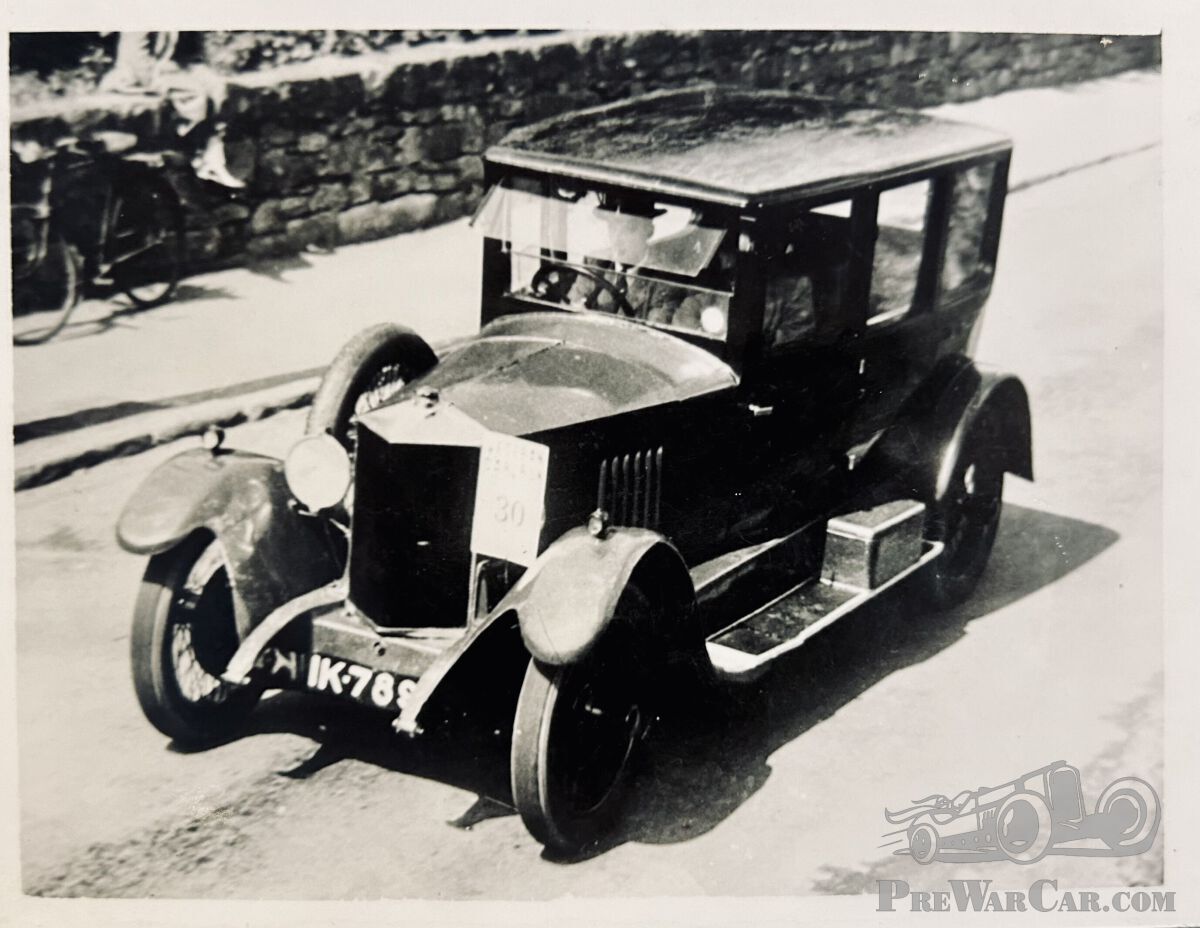
This was my father’s Métallurgique, which he owned from the late 1950s until around 1965. He sold it to buy his first black and white television set… He lived in County Kildare in Ireland. Anyone with any knowledge of the whereabouts of this car today, please get in touch.
Per saperne di più
Ivo Braeken
16 Ottobre 2024, 18:03
The car still exists. It was sold at Bonhams's 2014 Paris auction.
Per saperne di più
Ivo Braeken
14 Ottobre 2024, 17:30
I would get in touch if I had your e-mail adress.
Per saperne di più
Peter Lips
08 Febbraio 2024, 23:12
Following my earlier request for information, I noticed a photograph on your site with information about the Dutch importer I was looking for. It was De Nederlandsche Technische Handes Vereniging De Boer en Greve, Parkstraat 14, The Hague. The photo I just sent was also taken in The Hague, which is where my grandfather lived.
Per saperne di più
Ivo Braeken
06 Aprile 2024, 19:37
Beste Mr Lips,
Bent u zeker dat de afgebeelde wagen een Métallurgique was? Ik ben niet overtuigd. Deze wagen heeft duidelijk geen spitse radiator en dit was kenmerkend voor Métallurgique vanaf 1908. De carrosserie is veel later dan dat jaar, of het moest zijn dat men een modernere carros op een pre 1907 chassis gezet zou hebben. Het kan, maar toch eerder onwaarschijnlijk. Mvrgr.
-------------------------------------------------------------------
Are you sure the car depicted was a Métallurgique? I'm not convinced. This car clearly does not have a pointed radiator and this was characteristic of Métallurgique from 1908. The bodywork is much later than that year, unless a more modern body has been placed on a pre-1907 chassis. It is possible, but rather unlikely.
Per saperne di più
Bent u zeker dat de afgebeelde wagen een Métallurgique was? Ik ben niet overtuigd. Deze wagen heeft duidelijk geen spitse radiator en dit was kenmerkend voor Métallurgique vanaf 1908. De carrosserie is veel later dan dat jaar, of het moest zijn dat men een modernere carros op een pre 1907 chassis gezet zou hebben. Het kan, maar toch eerder onwaarschijnlijk. Mvrgr.
-------------------------------------------------------------------
Are you sure the car depicted was a Métallurgique? I'm not convinced. This car clearly does not have a pointed radiator and this was characteristic of Métallurgique from 1908. The bodywork is much later than that year, unless a more modern body has been placed on a pre-1907 chassis. It is possible, but rather unlikely.
Peter Lips
08 Febbraio 2024, 23:04
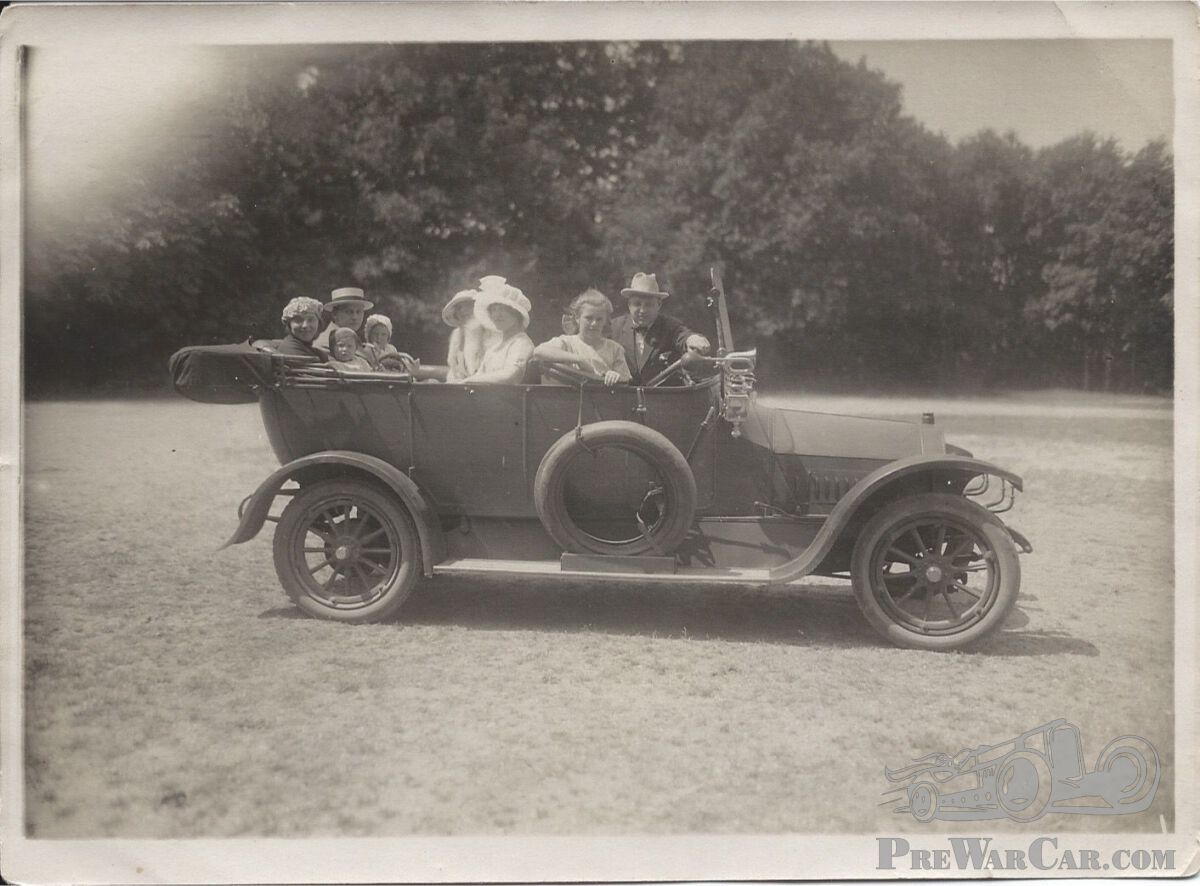
I recently found the attached picture of a Métallurgique which my grandfather (hand on steering wheel) owned sometime between 1917 and 1922. Can anyone enlighten me with more information on the history of this model (possible year of manufacture, who was the importer in the Netherlands, etc.)?
Thanks.
Per saperne di più
Thanks.
Philip Lucking
14 Maggio 2023, 19:50
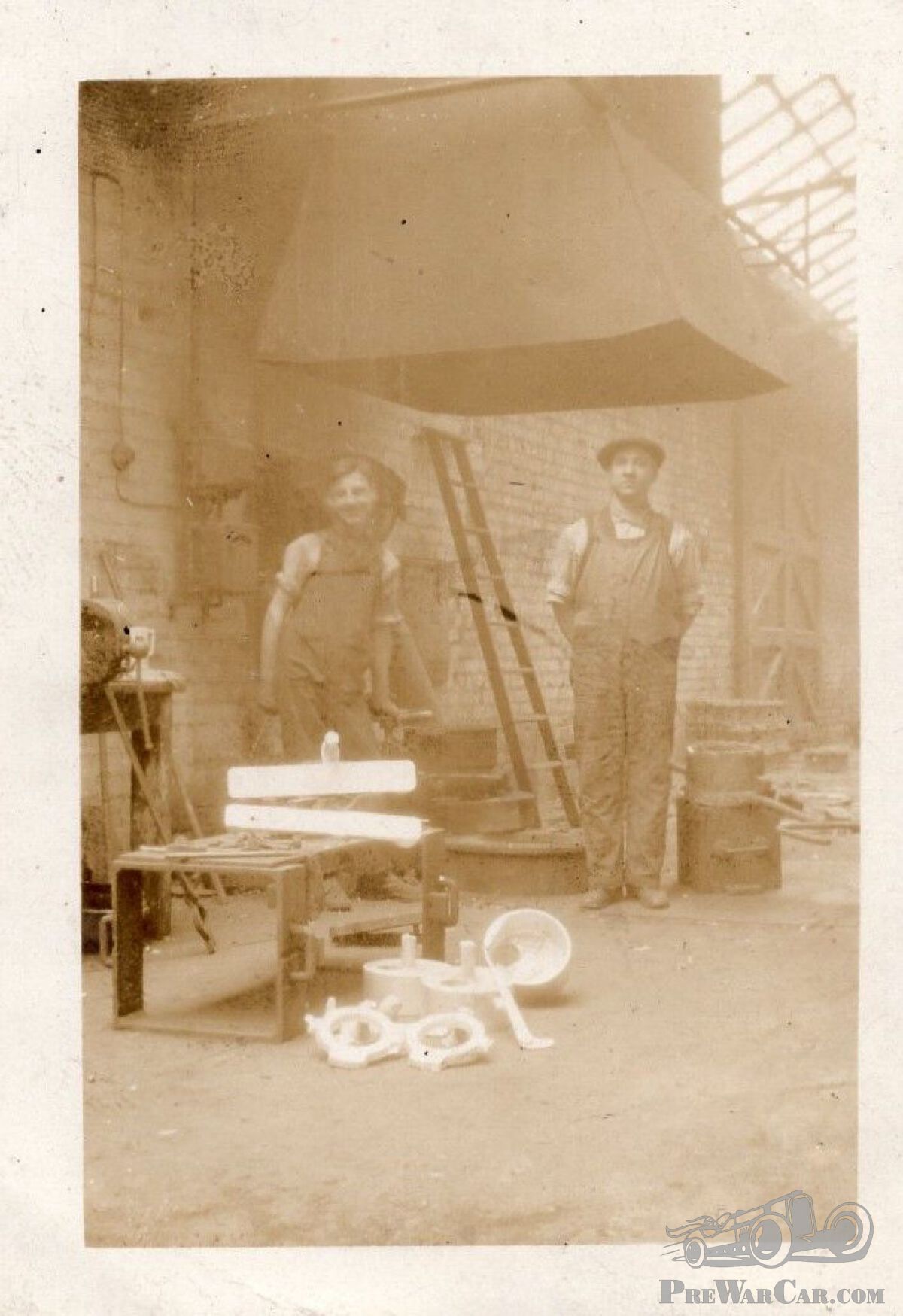
My great uncle Walter Bentley Sharples (Billy), after completing his five-year apprenticeship with my grandfather Ron Hiles at Crossley Motors, rebuilt a Métallurgique as an underslung chassis special around 1936. The car was described as a sleek and low red sports car with a substantial engine. He was at the time an accomplished sculptor and in 1938/9 worked with Barbara Hepworth in St. Ives. On one of his journeys to St. Ives from Bury, Lancashire, no doubt “pressing on”, the Métallurgique threw a conrod. The car was returned to his home in Bury and stripped down, but the work was not completed due to the war. It sat disassembled in the garage awaiting Billys attention, which sadly never came. Billy was 5th Engineer officer aboard the Merchant vessel "Arinia" (fuel tanker) that hit a mine in the Thames estuary, December 1940. My grandfather, who manufactured aircraft wings and drop tanks in Fleetwood, worked on the car when he could and eventually completed the repairs. The underslung Métallurgique then sat outside unused for quite some time and was probably sold after the war. To my knowledge no photographs of the car have survived the image shown is a young Billy to the left taken with his supervisor at the Crossley Motors Gorton Works circa 1929.
Per saperne di più
Ivo Braeken
25 Maggio 2023, 11:06
Great story. I hope you find some photos in the family's archives...
Per saperne di più
Otto
11 Maggio 2023, 10:51
The cars were known for their quality and speed. A high-end brand of the time, reserved only for the wealthy. There are a few examples among collectors in Belgium, but not more than a handful. I'm looking forward to checking one out.
------------------------
Les voitures étaient connues pour leur qualité et leur vitesse. Une marque haut de gamme de l’époque, réservée uniquement aux plus fortunés. Il existe quelques exemplaires chez les collectionneurs en Belgique, mais pas plus d’une poignée. J’ai hâte d’en vérifier un.
Per saperne di più
------------------------
Les voitures étaient connues pour leur qualité et leur vitesse. Une marque haut de gamme de l’époque, réservée uniquement aux plus fortunés. Il existe quelques exemplaires chez les collectionneurs en Belgique, mais pas plus d’une poignée. J’ai hâte d’en vérifier un.


Bruno from Belgium
10 Maggio 2023, 17:35
1911 Métallurgique in the Auburn Cord Duesenberg Automobile Museum (2011).
Per saperne di più
Ivo Braeken
04 Maggio 2023, 09:13
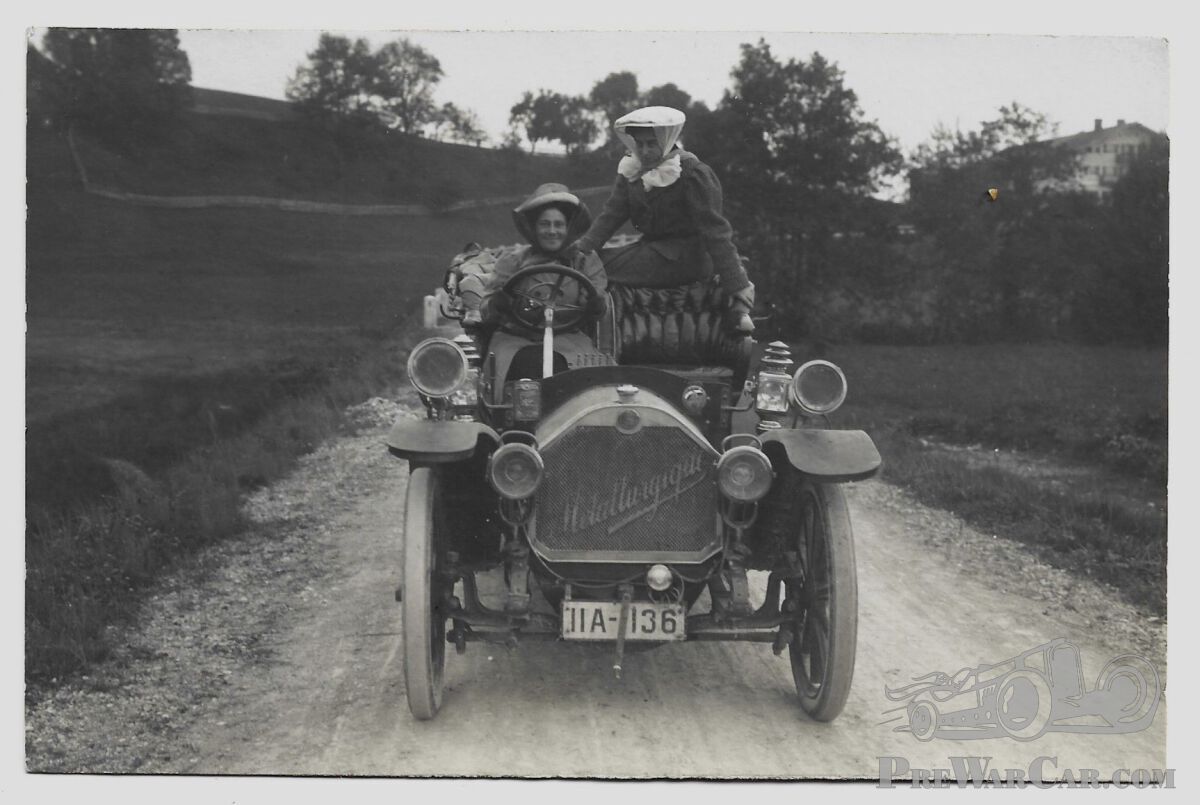
The licence plate is not Belgian but German.
Per saperne di più
Lasse Aas
27 Aprile 2023, 00:42
Dear Sirs,
Please find enclosed a photo of my Métallurgique 1919, just ready for the road after many years of restoration in Oslo. Would you like more information or/and photos, please advice.
Regards,
Lasse Aas
Per saperne di più
Please find enclosed a photo of my Métallurgique 1919, just ready for the road after many years of restoration in Oslo. Would you like more information or/and photos, please advice.
Regards,
Lasse Aas
Ivo Braeken
28 Aprile 2023, 08:02
More is always welcome. If you have anything of the 1898 to 1905 models...
Let me kwow.
Per saperne di più
Let me kwow.
David Grimstead
26 Aprile 2023, 10:06
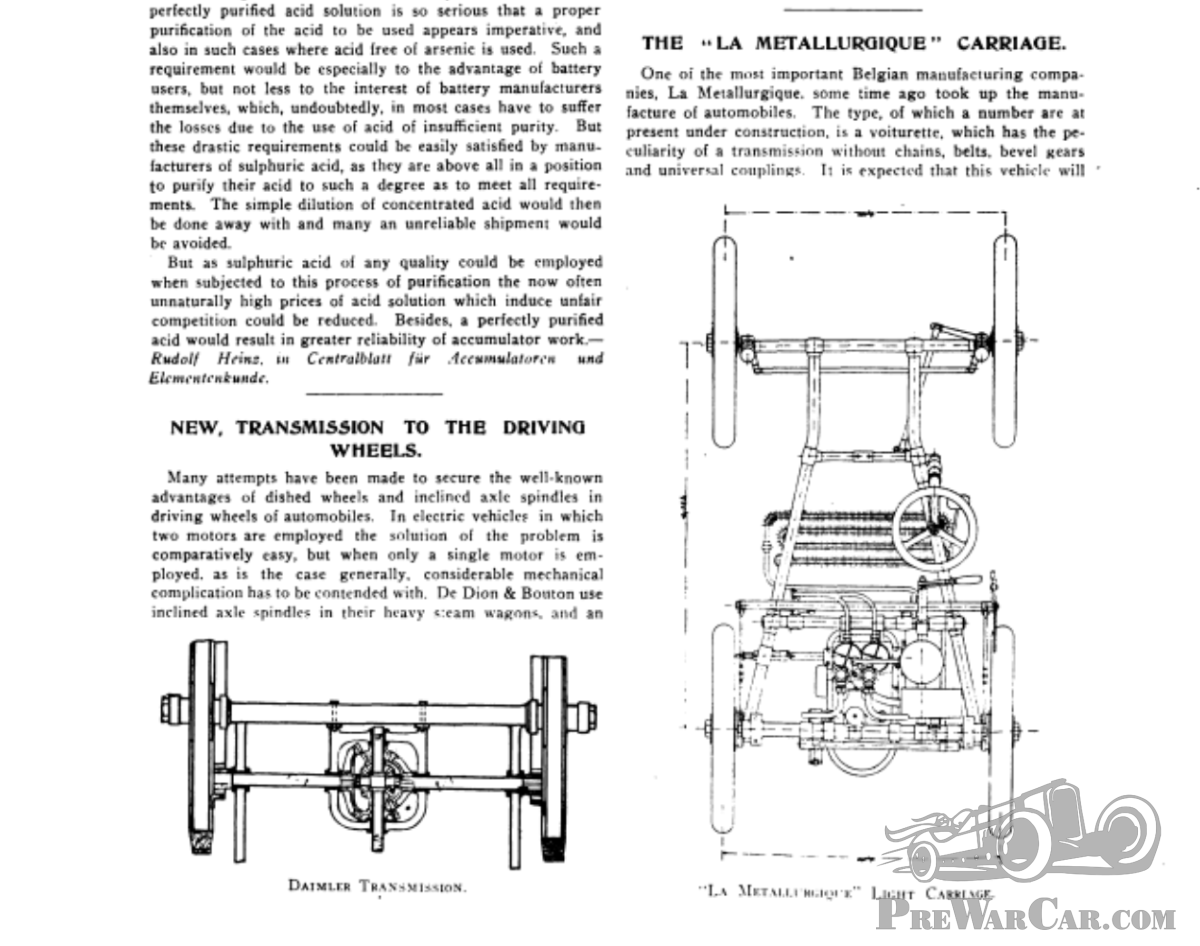
There is a detailed description with chassis, gearbox and engine drawings of the 1900/1901 Métallurgique, two-cylinder, 4.5 h.p. Carriage in the March 1901 Horseless Age Magazine - see attached.
Métallurgiques did not get much attention in Britain until the Institute of Chauffeurs Ltd. started to sell them c.1904-5, when they offered chassis with 8 or 12 h.p. two-cylinders and 12, 16, 24 and 30 h.p. fours. Oscar Cüpper then took the agency in 1906 and entered 25-28 h.p. and 40 h.p. cars in handicap races, Manx TTs, hill-climbs and trials up to 1908, which “brought it into wide prominence.” An English Métallurgique “factory” was due to be in operation during 1907 and Warwick-Wright took over the agency later in 1908.
The brand hosted a little-known first in 1910, when a 12-14 h.p. Métallurgique was the first new car displayed at the London Motor Show (indeed, at any motor show) fitted with four-wheel hydraulic brakes. Messrs. Hill and Boll of Yeovil, England built its coachwork on a chassis with brakes made and installed by The Weight Patent Brake Company of Bristol. That new company had been seeking interested European manufacturing licensees and it is unconfirmed but possible that Métallurgique, being quite innovative, authorised this installation on one of their chassis via Warwick-Wright.
Here is what nationally published British adverts said in November 1910: “ALARMING MOTOR ACCIDENT prevented by braking all Four Wheels. Manufacturers have been trying to obtain a brake acting on the Front Wheels of a Car as well the rear, but with little success, the mechanism interfering with steering, necessitating constant adjustment. A new brake is now made on the hydraulic system, oil pressure overcoming all difficulties, retaining freedom of steering, with double the power of an ordinary brake, yet perfectly smooth, no strain on transmission, pulls up car in a few feet without shock, reduces tyre bill, insurance premium 10% less. Exhibited on Métallurgique Car Stand 128, Olympia (Hill & Boll), or obtain particulars from Weight Patent Brake Co., Luckwell Works, Bristol.”
It was not strictly the first car so fitted, as the Weight’s company was set up after many years developing hydraulic brakes on test cars and getting UK patents in 1908 and 1909, and then the USA, 1910. Many motoring journalists and the Autocar Magazine were hugely complimentary about the performance of this foot pedal actuated braking system and details were published in American automotive trade magazines.
Unfortunately for Weight Patent Brakes, independent mechanical front wheel emergency brakes had proved so alarmingly unsafe that well-known manufacturers in Britain who began to fit them from c.1906 (NB: Métallurgique did not) stopped by 1910 because most customers no longer trusted any form of front brake. Consequently, the Weights did not get any major manufacturers interested, which despite their system’s published accolades curtailed any prospect of the business succeeding. Someone else would be attributed the invention of four-wheel hydraulic brakes after “reinventing” them seven years later…
Per saperne di più
Métallurgiques did not get much attention in Britain until the Institute of Chauffeurs Ltd. started to sell them c.1904-5, when they offered chassis with 8 or 12 h.p. two-cylinders and 12, 16, 24 and 30 h.p. fours. Oscar Cüpper then took the agency in 1906 and entered 25-28 h.p. and 40 h.p. cars in handicap races, Manx TTs, hill-climbs and trials up to 1908, which “brought it into wide prominence.” An English Métallurgique “factory” was due to be in operation during 1907 and Warwick-Wright took over the agency later in 1908.
The brand hosted a little-known first in 1910, when a 12-14 h.p. Métallurgique was the first new car displayed at the London Motor Show (indeed, at any motor show) fitted with four-wheel hydraulic brakes. Messrs. Hill and Boll of Yeovil, England built its coachwork on a chassis with brakes made and installed by The Weight Patent Brake Company of Bristol. That new company had been seeking interested European manufacturing licensees and it is unconfirmed but possible that Métallurgique, being quite innovative, authorised this installation on one of their chassis via Warwick-Wright.
Here is what nationally published British adverts said in November 1910: “ALARMING MOTOR ACCIDENT prevented by braking all Four Wheels. Manufacturers have been trying to obtain a brake acting on the Front Wheels of a Car as well the rear, but with little success, the mechanism interfering with steering, necessitating constant adjustment. A new brake is now made on the hydraulic system, oil pressure overcoming all difficulties, retaining freedom of steering, with double the power of an ordinary brake, yet perfectly smooth, no strain on transmission, pulls up car in a few feet without shock, reduces tyre bill, insurance premium 10% less. Exhibited on Métallurgique Car Stand 128, Olympia (Hill & Boll), or obtain particulars from Weight Patent Brake Co., Luckwell Works, Bristol.”
It was not strictly the first car so fitted, as the Weight’s company was set up after many years developing hydraulic brakes on test cars and getting UK patents in 1908 and 1909, and then the USA, 1910. Many motoring journalists and the Autocar Magazine were hugely complimentary about the performance of this foot pedal actuated braking system and details were published in American automotive trade magazines.
Unfortunately for Weight Patent Brakes, independent mechanical front wheel emergency brakes had proved so alarmingly unsafe that well-known manufacturers in Britain who began to fit them from c.1906 (NB: Métallurgique did not) stopped by 1910 because most customers no longer trusted any form of front brake. Consequently, the Weights did not get any major manufacturers interested, which despite their system’s published accolades curtailed any prospect of the business succeeding. Someone else would be attributed the invention of four-wheel hydraulic brakes after “reinventing” them seven years later…
Graham Rankin
24 Aprile 2023, 13:48
The most famous one of all was the 1907 Douglas Fitzpatrick giant with a 1910, 6-cylinder, 21-litre, 195 bhp Maybach Zeppelin airship engine installed in 1919. The car started life with Métallurgique's own 10-litre 100 bhp engine.
Per saperne di più
Probably ?
Patrick