La rivista e il marketplace globale per gli appassionati di auto d’epoca, creati da appassionati.
La rivista e il marketplace globale per gli appassionati di auto d’epoca, creati da appassionati.


Filter
Faccia la sua scelta
- Automobile
-
Marca >>
-
Anno >>
-
- Motociclette
-
Ubicazione >>
- Parti e altro
-
Marca dell'auto >>
-
Produttore >>
-
Categoria >>
- Biciclette
-
Anno >>
-
Paesi


Car Number Classics
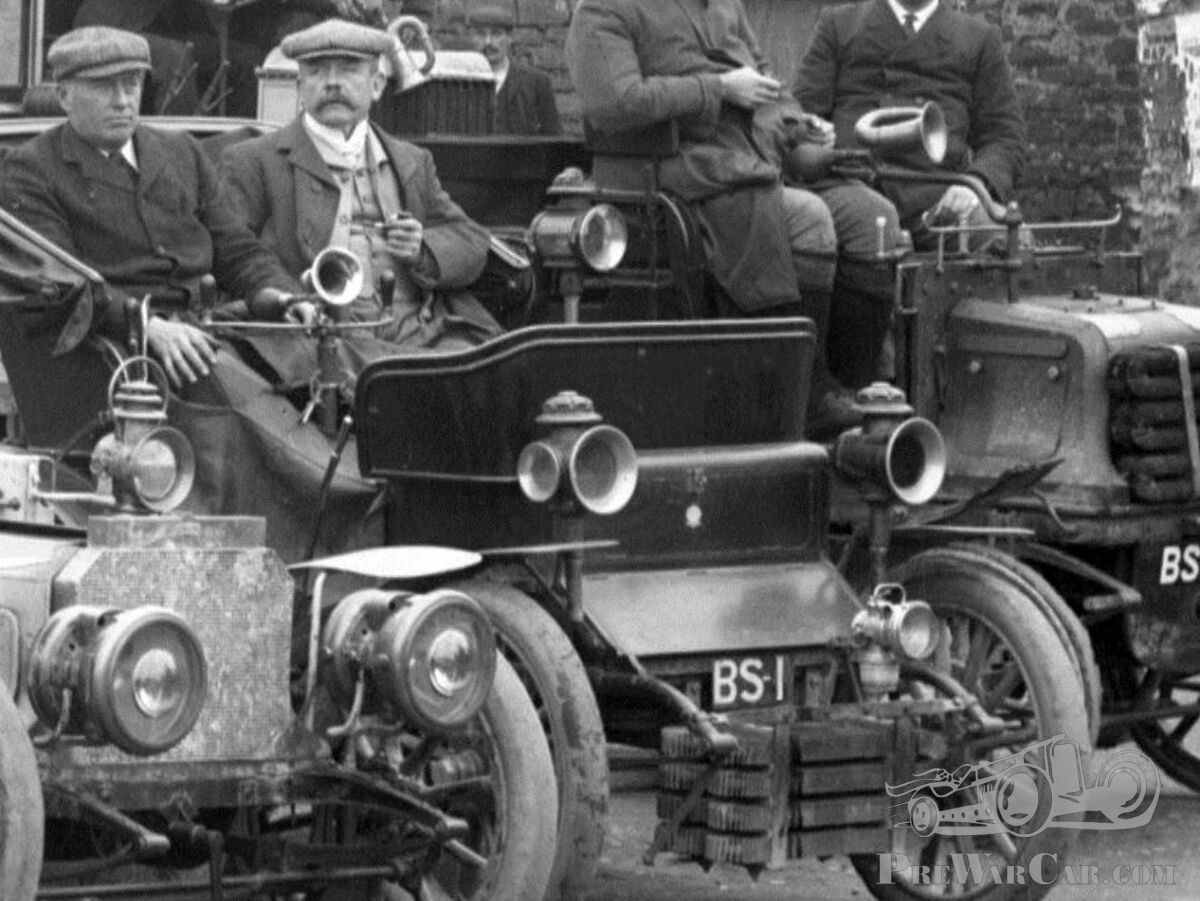
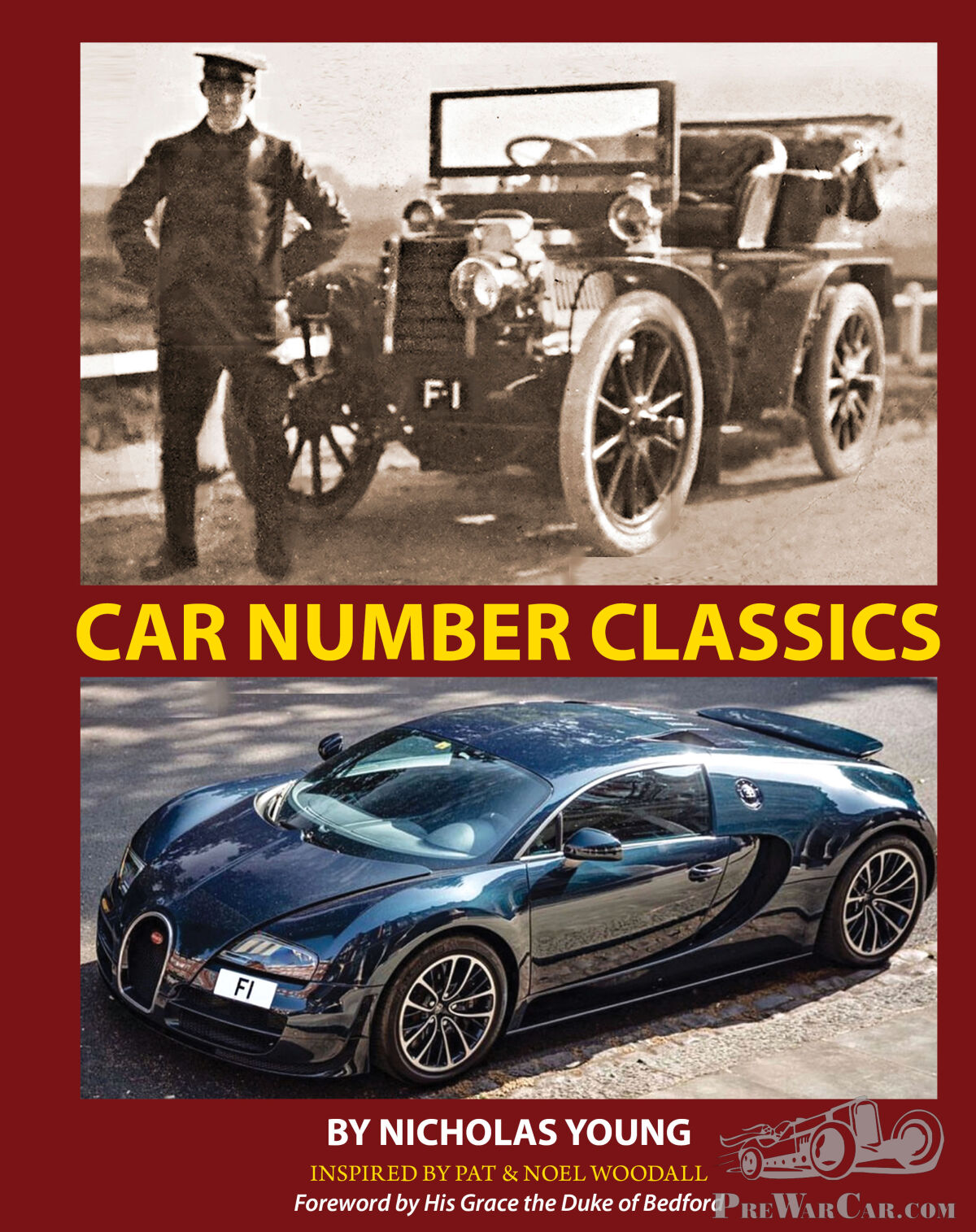


Are you looking for a Christmas present for that car person that already has everything? Search no further, as the long-awaited Car Number Classics is ready at last. The book is completely dedicated to the earliest series of number plates in the United Kingdom, the cars to which they were allocated and their owners. Some of them very eccentric, others at least with a rather interesting life… Tinker, Tailor, Soldier, Sailor, Rich Man, Poor Man, Beggarman, Thief - they are all there.
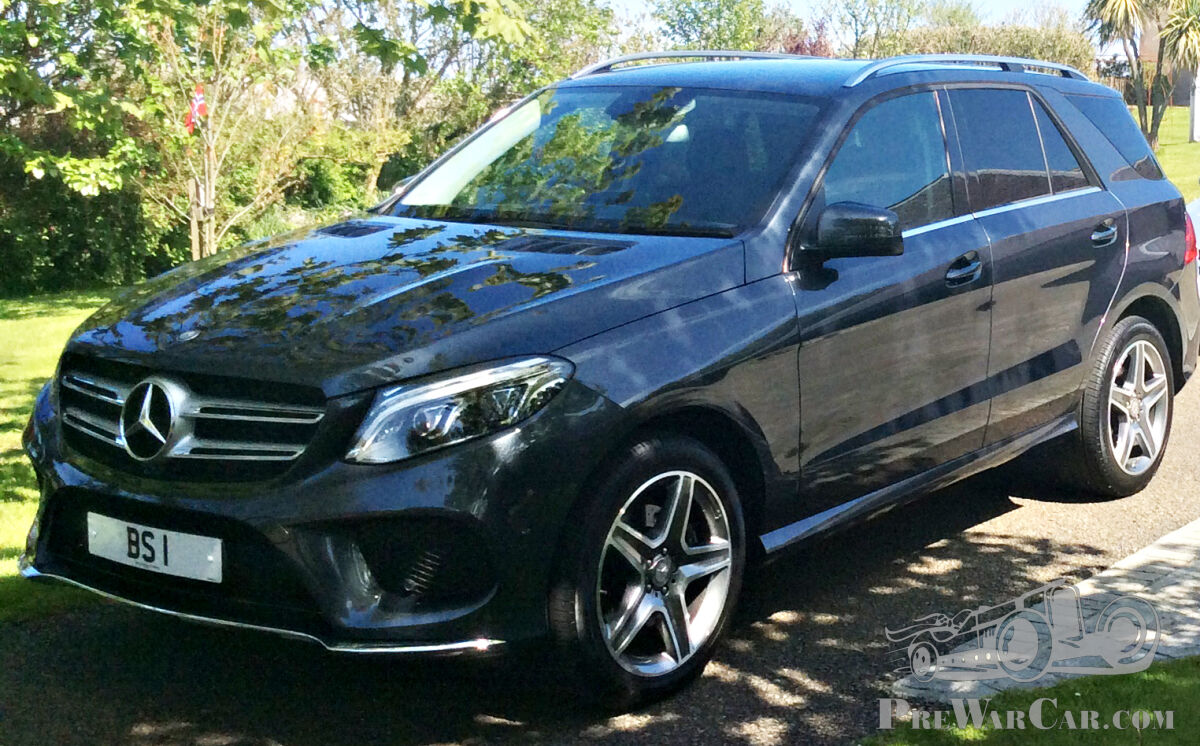
Starting at A 1, wherever possible, photographs include a then and now element with the same number shown on its present car and on its original vehicle. The book is designed to be informative but entertaining throughout, and some of the scandals and tragedies that befell our Edwardian ancestors are fascinating to read. Here’s an edited extract from the story of one of the more eccentric of them:
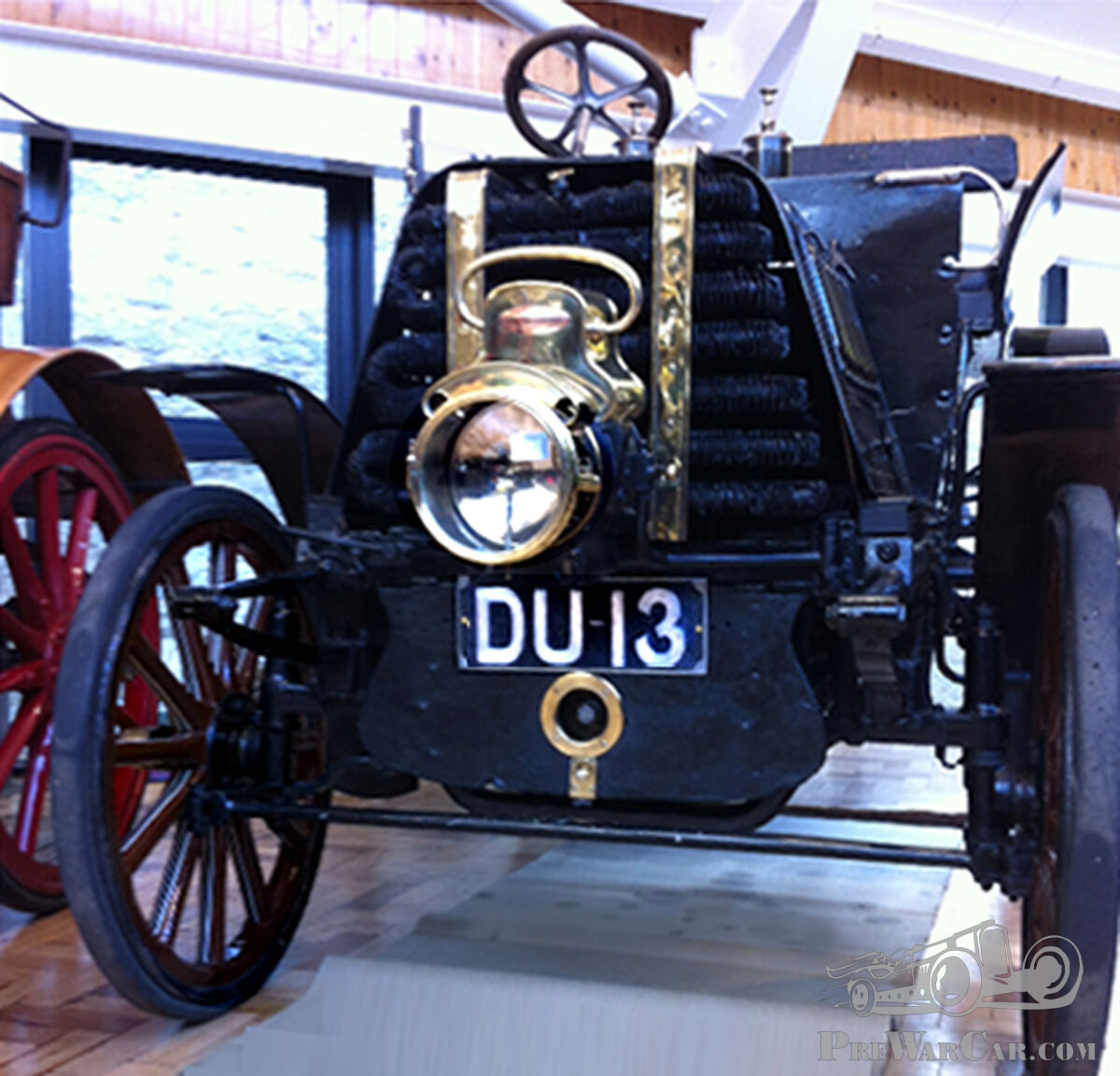
Alan Hickman was the owner of DU13, at 2, Lansdowne Place, Warwick Road, Coventry. He was the only son of a solicitor, magistrate and sometime mayor of Southampton, William Hickman. The family home was Aldermoor House near Shirley on the outskirts of the town. Approached through an avenue of trees, it was a splendid house standing in a park of some 47 acres. His father was already seriously ill at the time of the boy’s birth, and he died in August 1884 when Alan was just six months old. William left a respectable sum of over £26,000 but he had numerous children by his first marriage to think of. The house was put up for sale and loyal staff members had to find other employment. Alan had a fascination for electrics and mechanical transport. By the age of seventeen, he was working as an electrical engineer for a motor car company and had already acquired his own tri-cycle: a two-seater Bollée voiturette. He also had an eye for the ladies and in November 1901, at the age of just seventeen, he married Hannah Owens in a register office in Liverpool. But Alan tired of Hannah quickly. In February 1902 they headed off to Newhaven for a change of scenery but Alan was taken ill (or so he claimed) and they returned to Coventry. Alan suggested that while he was recuperating Hannah should stay will her family in Holyhead – which she did. The couple wrote to each other but much to her surprise, Hannah then received a solicitor’s letter proposing separation. Hannah refused to sign the enclosed deed and sued for restitution of conjugal rights. Alan refused to see her again and they were divorced in 1902. For someone who was working as an engineer for a car company towards the end of the previous century, it is hardly surprising that he would have his own car at the time of compulsory registration. In fact, he now had three and they were registered with consecutive numbers: DU 13 – DU 15. He does not seem to have been superstitious and was happy to have one of them registered DU 13. Indeed after his short marriage, he eventually returned to live with his widowed mother who was now occupying an eleven-roomed house at number 13, Park Hill.
To say Alan was eccentric is an understatement. He became obsessed with trains and railways and fell in love with France. He changed the name of the house to La France and, on the 1911 census form, he described himself as British by Parentage but “French at Heart”. As far as his occupation went, he described himself as “Railway observer and automobile expert”. In 1912, he fathered a son and the boy was given the name Alan. The boy’s mother was Lena Cuff, the daughter of a former coastguard at Studland in Dorset. A marriage was supposed to have happened; but if it did, it certainly didn’t take place in England. Alan finally ran out of steam in January 1931 and the family was quick to dispose of his three cars. They were already of considerable historic interest and were acquired by members of the Sutton Coldfield and North Birmingham Automobile Club. By the end of the year Alan’s original 1896 Bollée, his MMC of similar vintage, and his 1903 Vinot were taking part in a commemorative run to celebrate the Locomotives on Highways Act of 1896. All three cars stayed the course, the MMC being driven by Captain Gonville Bromhead a nephew of the famous VC winner at Rorke’s Drift. Alan’s widow lived on for many years, dying in Bournemouth in 1973.
The registration number DU13 survives on a 1900 MMC Albany Concave dogcart.
The book comprises over 1300 (!) pages with full-colour illustrations throughout. Still, there is a fantastic number of original early 20th-century car images, in b/w for obvious reasons! But even if you have no particular interest in number plates, anyone with an interest in cars or social history will find this book difficult to put down. Dip in, as and when you have a few minutes to spare, or read it from cover to cover.
The book is now available at £50 plus p&p. To order a copy, contact the publisher at: [email protected].
Words by Nick Jonckheere.
Pubblicato:
giovedì novembre 29th, 2018
Facebook
LinkedIn
Twitter
WhatsApp
Email
Copy

i think that the car at the left of BS 1 is a 69 Peugeot the first named Baby .
Like my car that i send you the photo .
Best regards