La rivista e il marketplace globale per gli appassionati di auto d’epoca, creati da appassionati.
La rivista e il marketplace globale per gli appassionati di auto d’epoca, creati da appassionati.


Filter
Faccia la sua scelta
- Automobile
-
Marca >>
-
Anno >>
-
- Motociclette
-
Ubicazione >>
- Parti e altro
-
Marca dell'auto >>
-
Produttore >>
-
Categoria >>
- Biciclette
-
Anno >>
-
Paesi


Constructor's champion: the many lives of the McAlpine Phantom
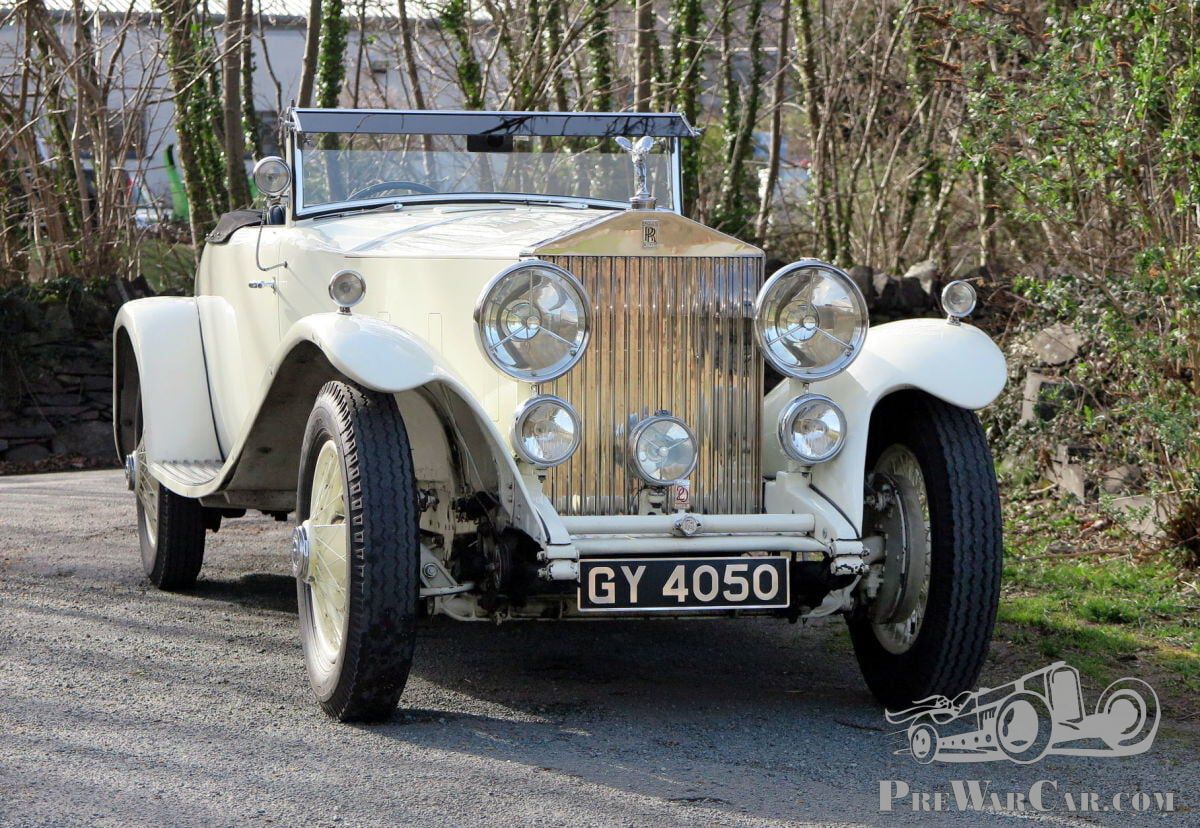
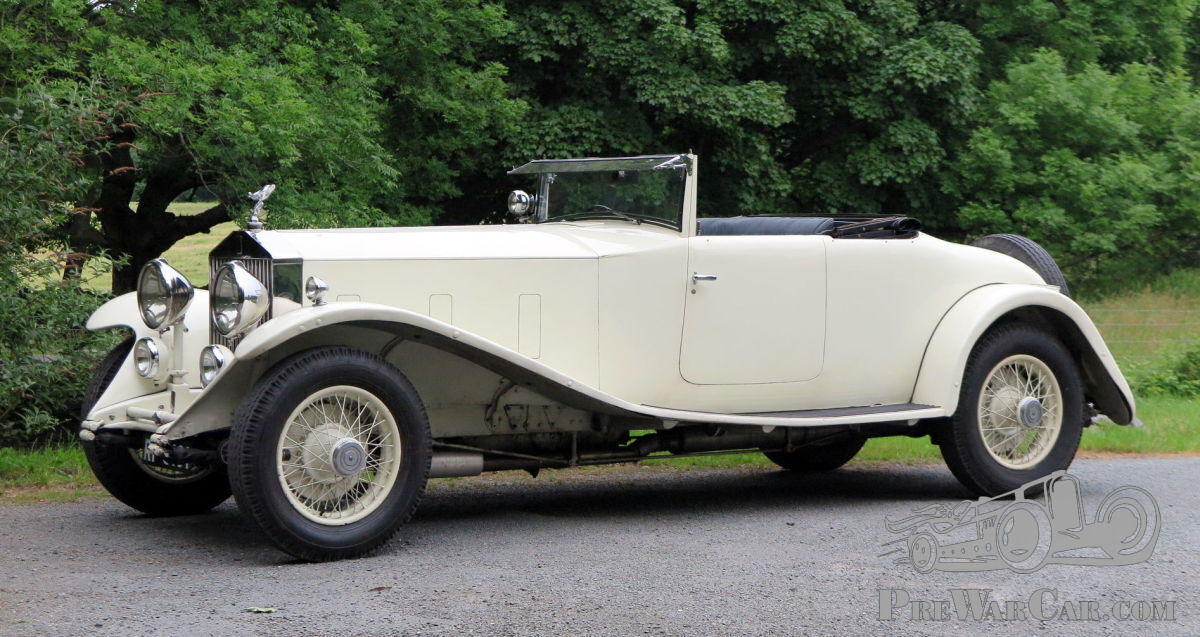
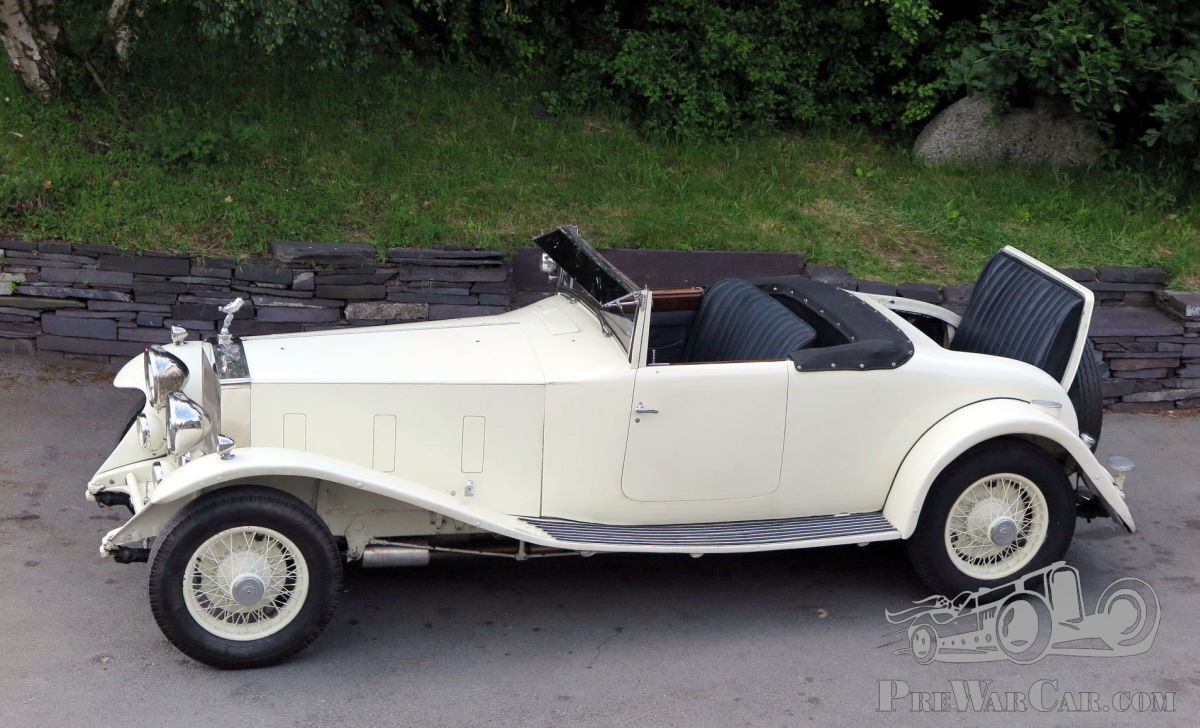
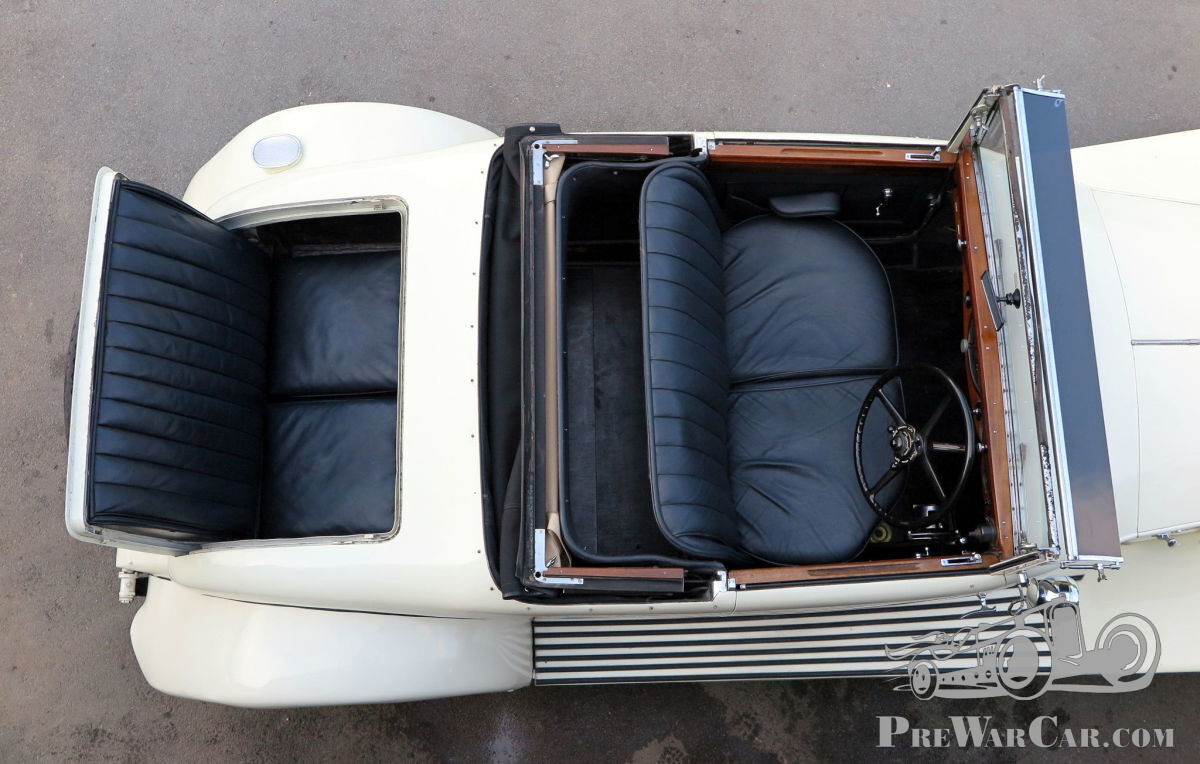
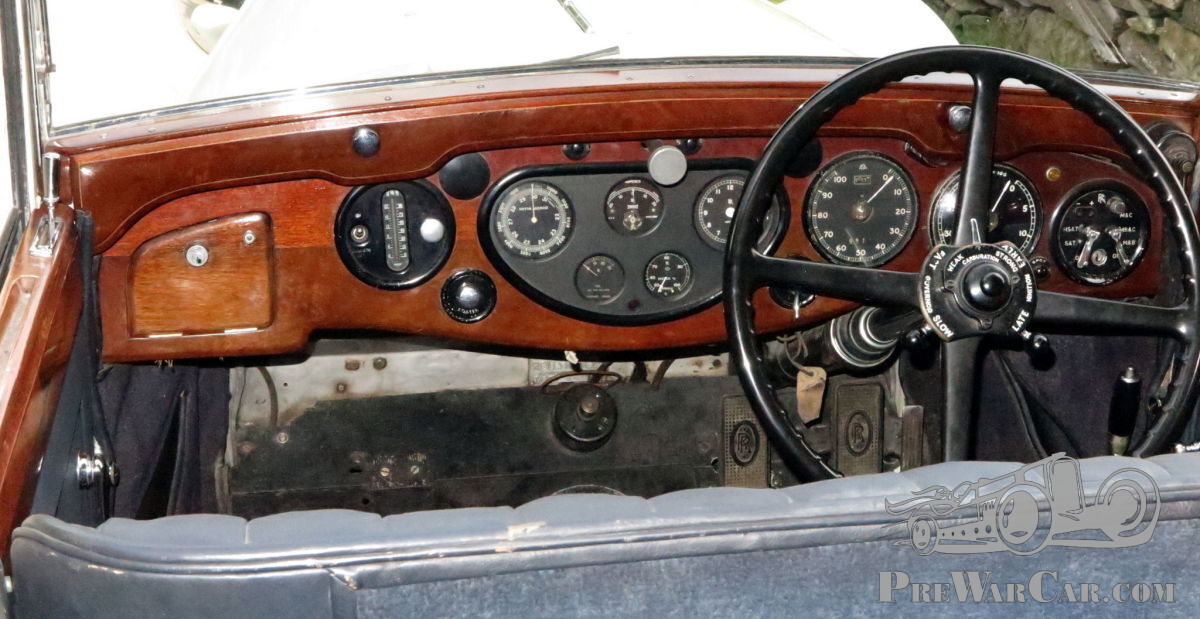
28MS as it appears today, wearing an H. J. Mulliner drophead body
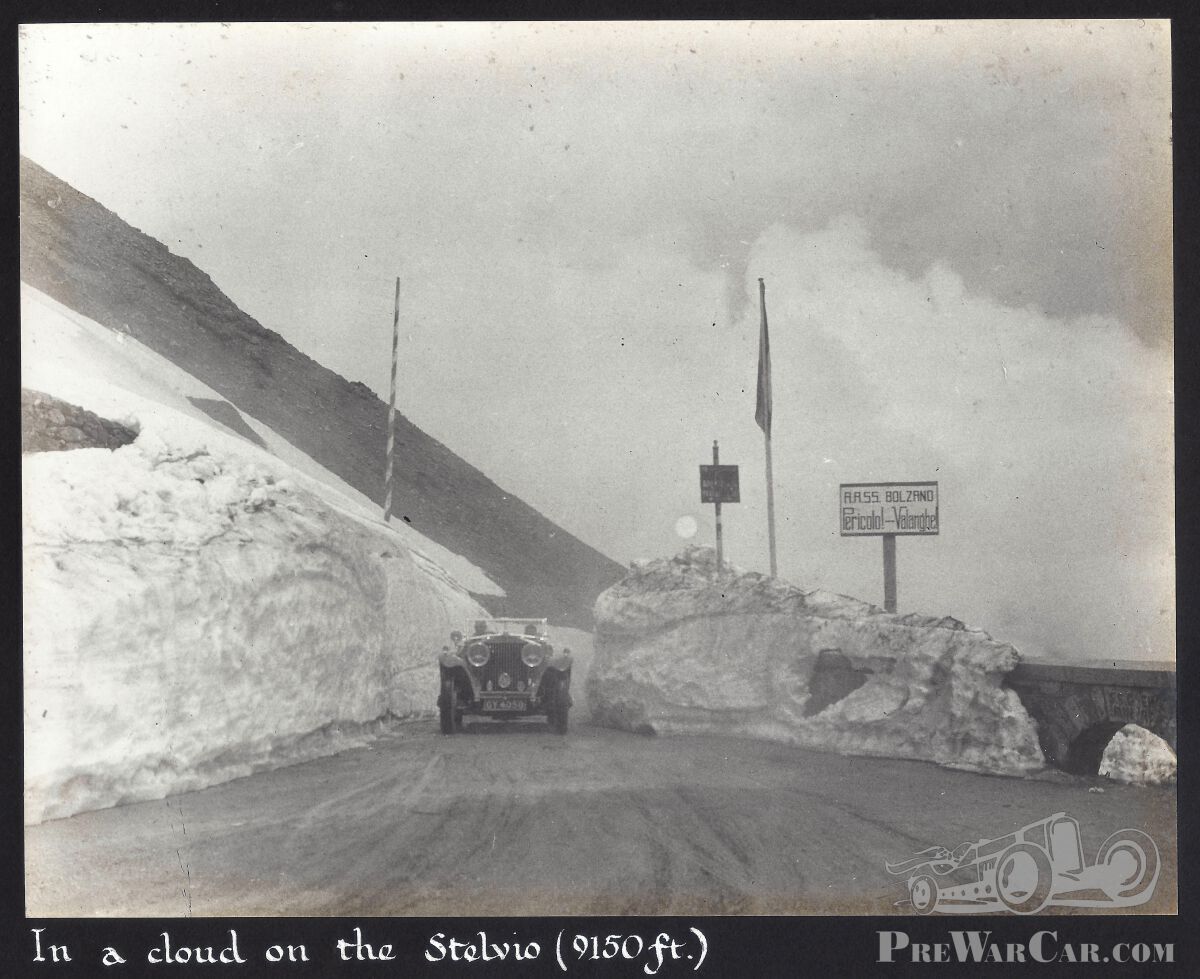
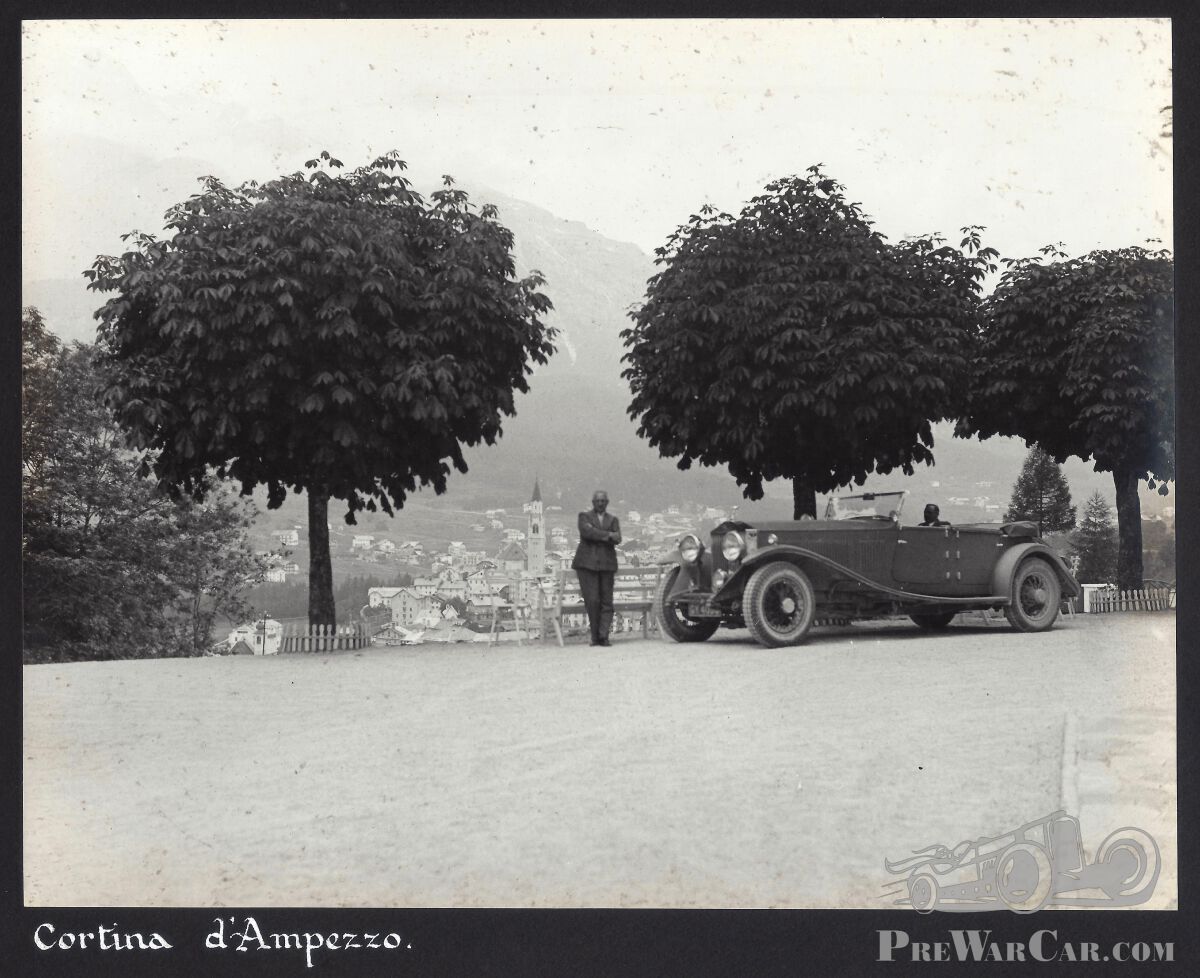
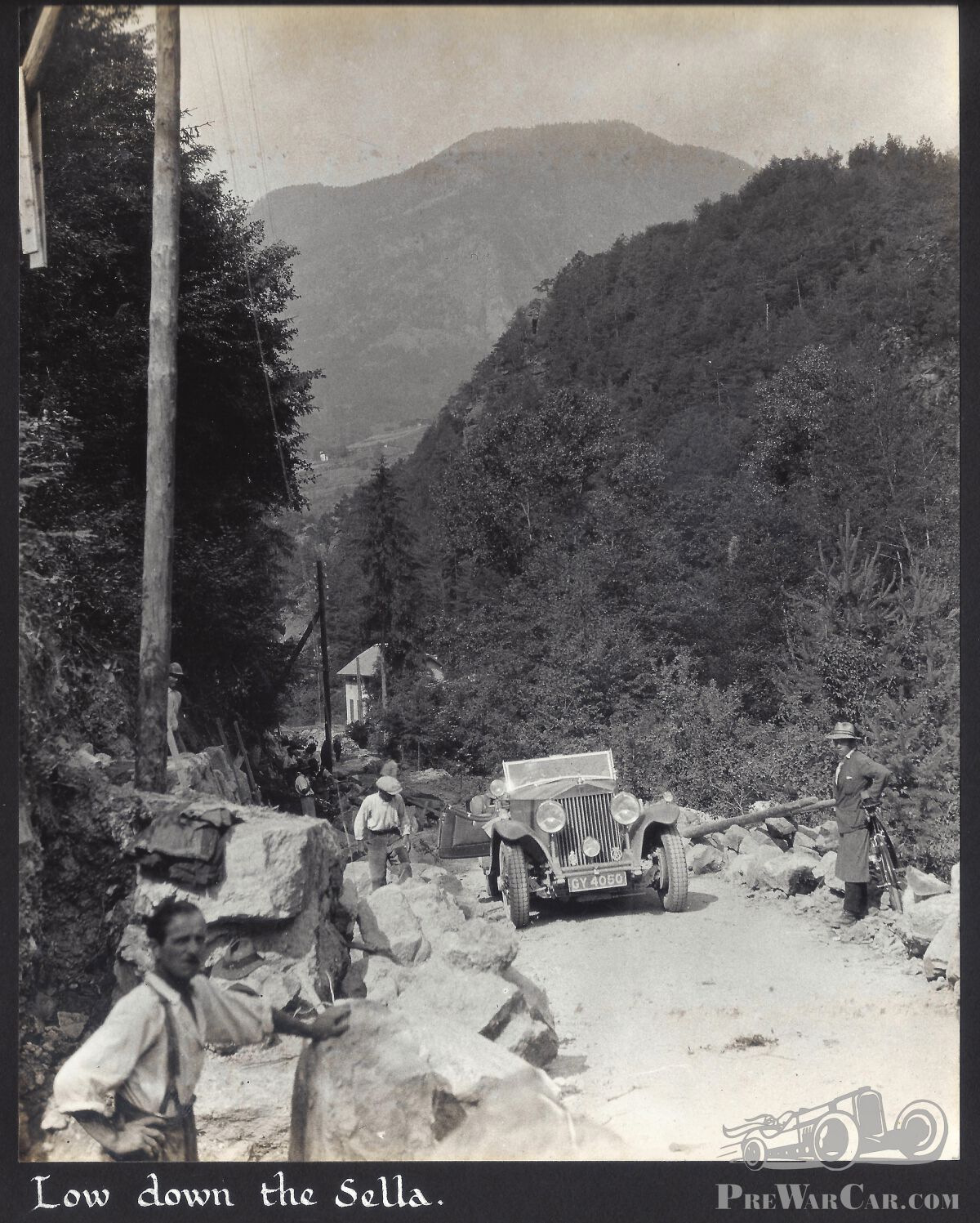
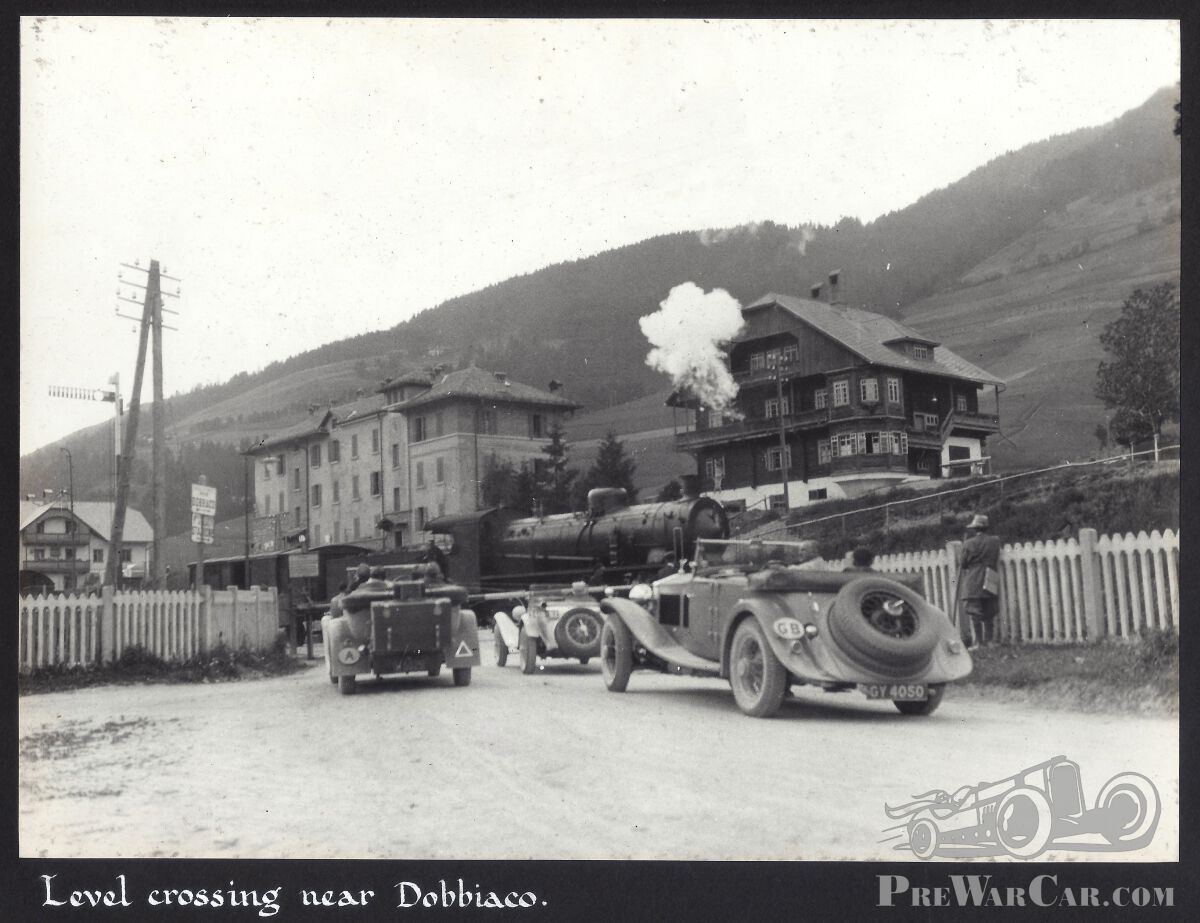
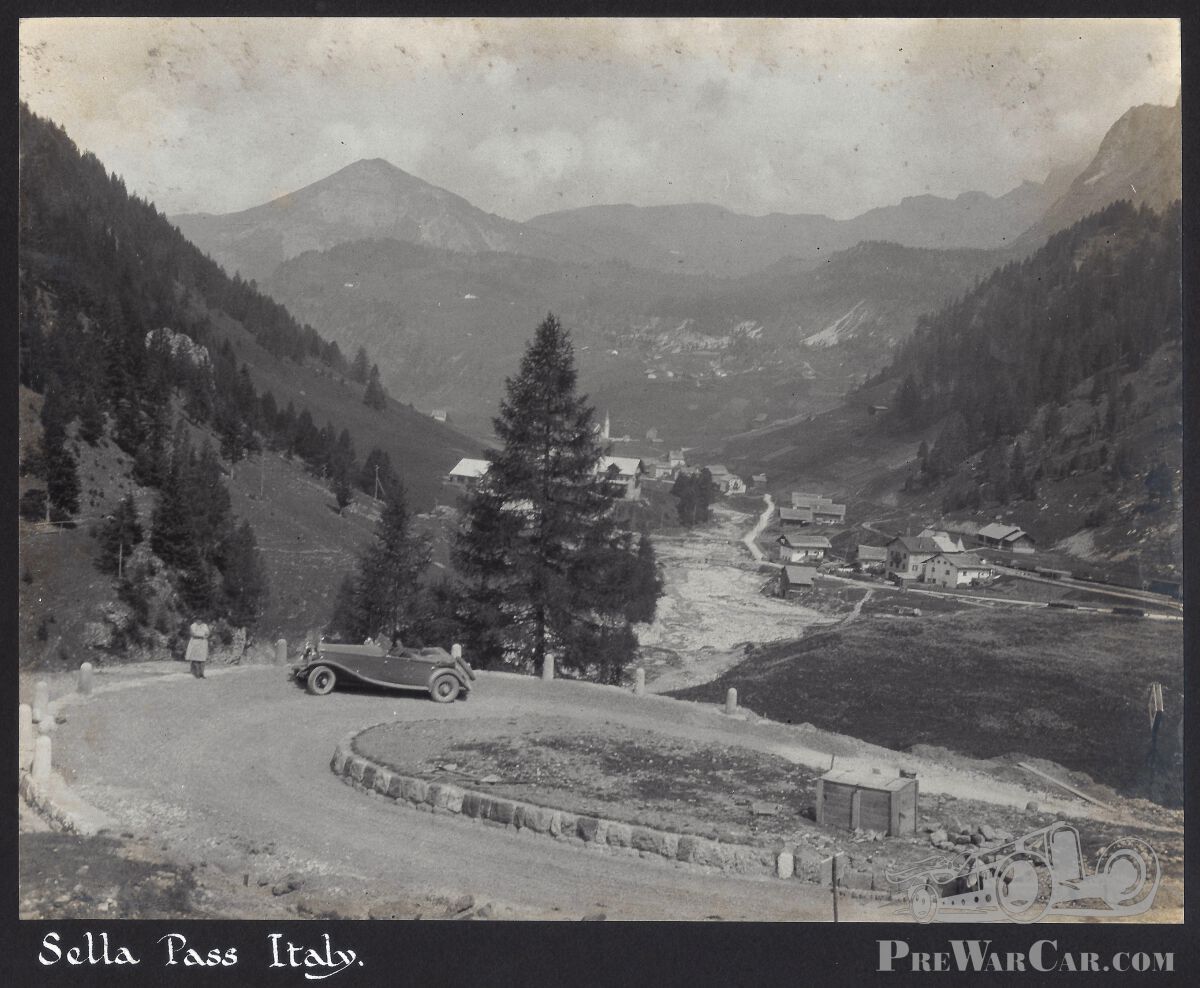
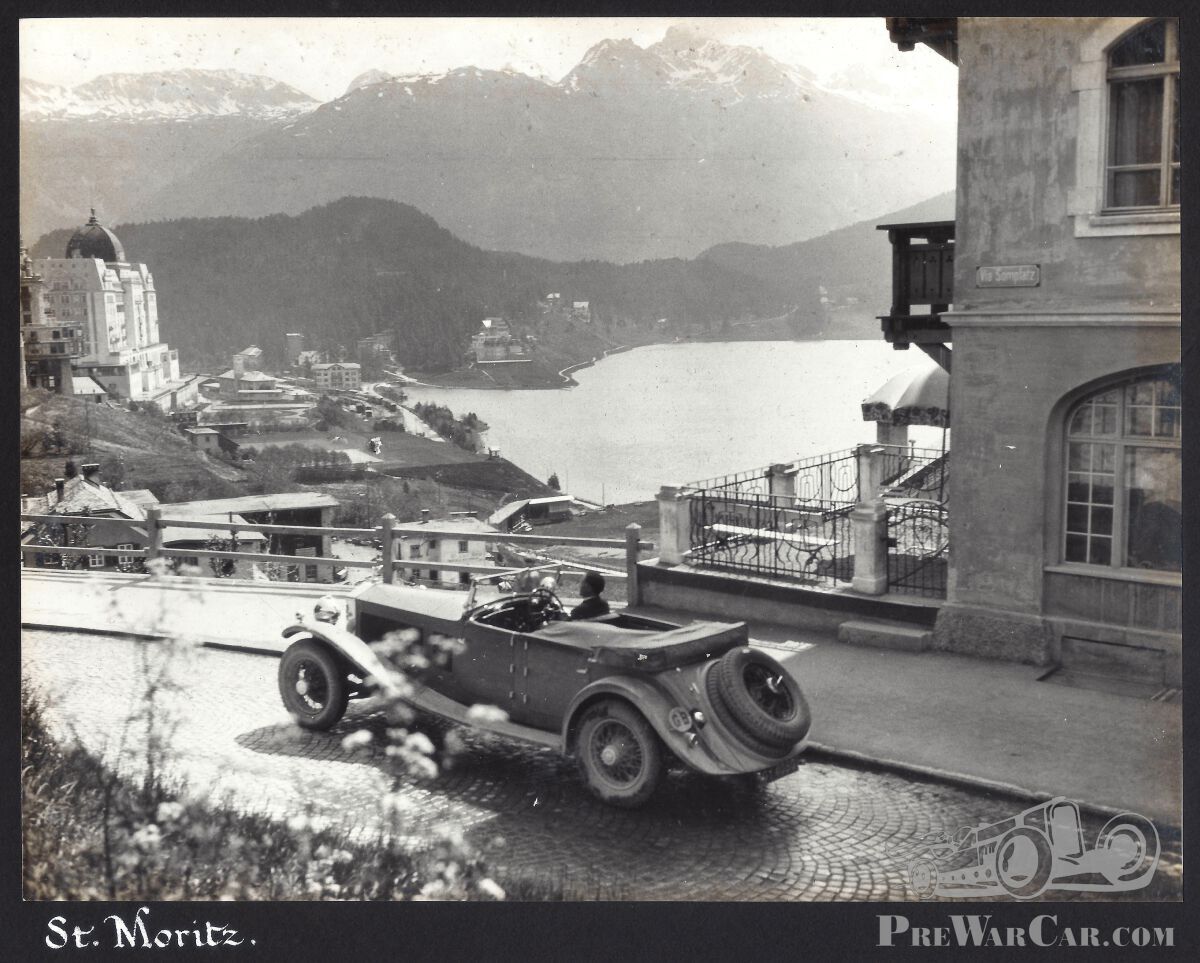
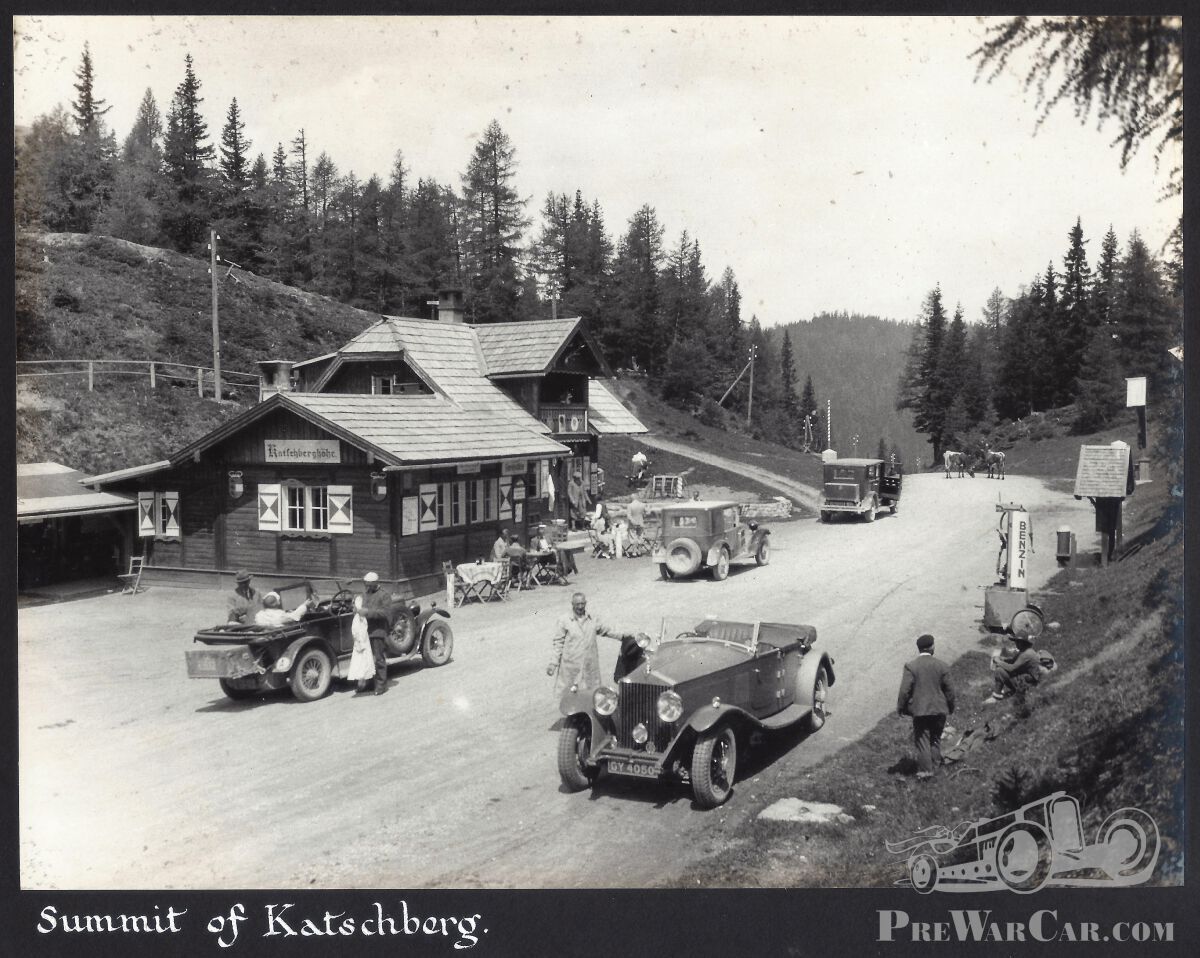
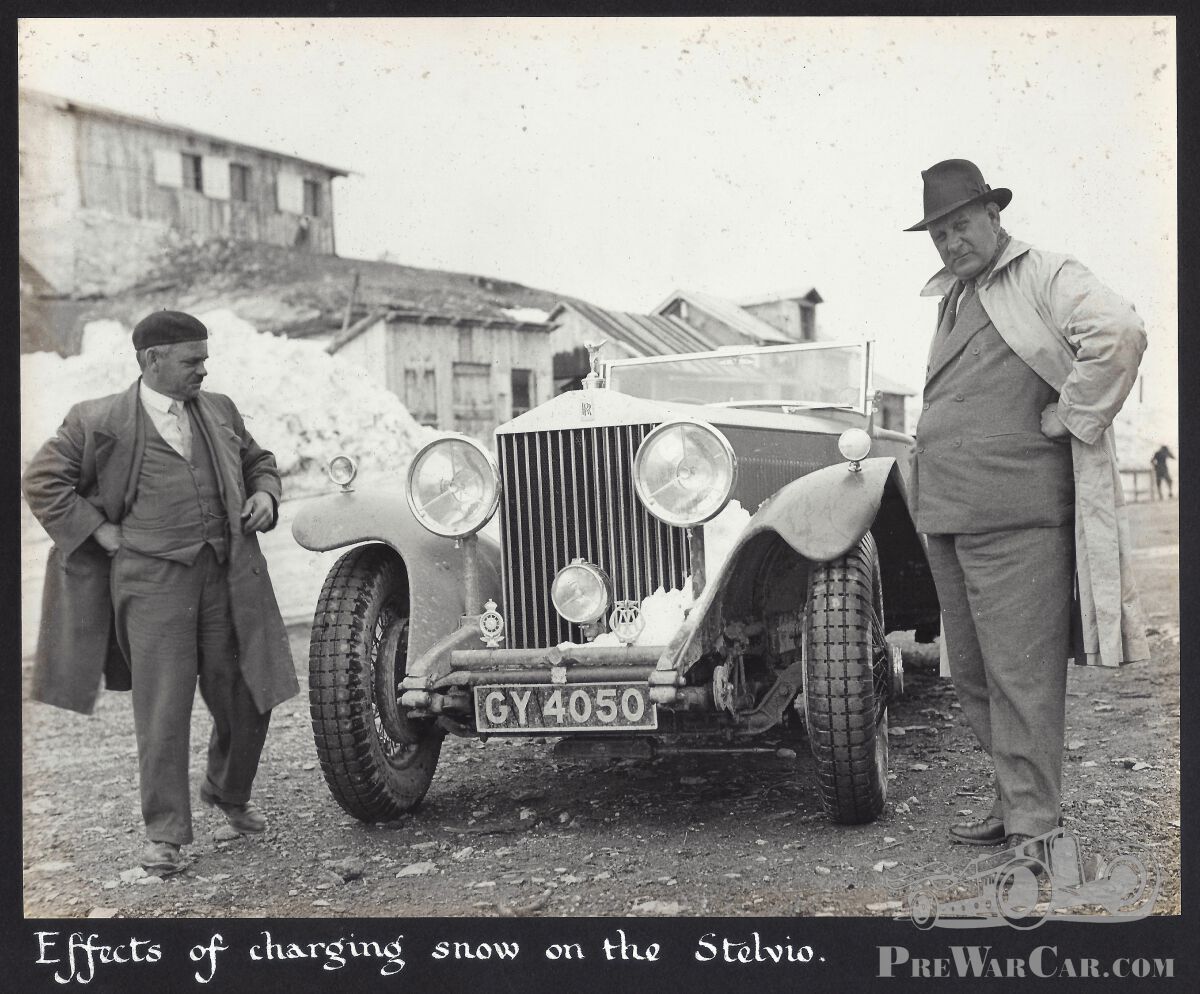
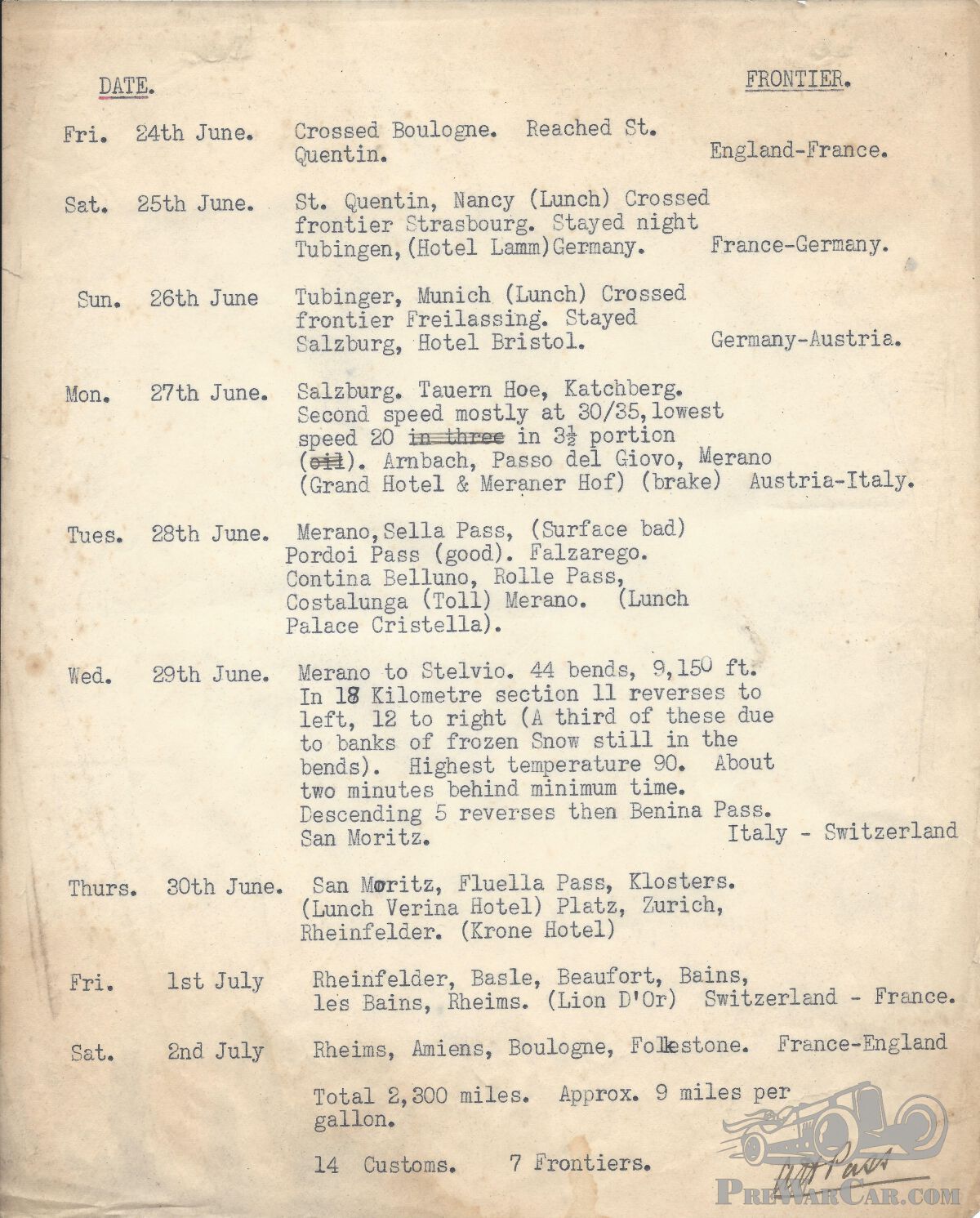
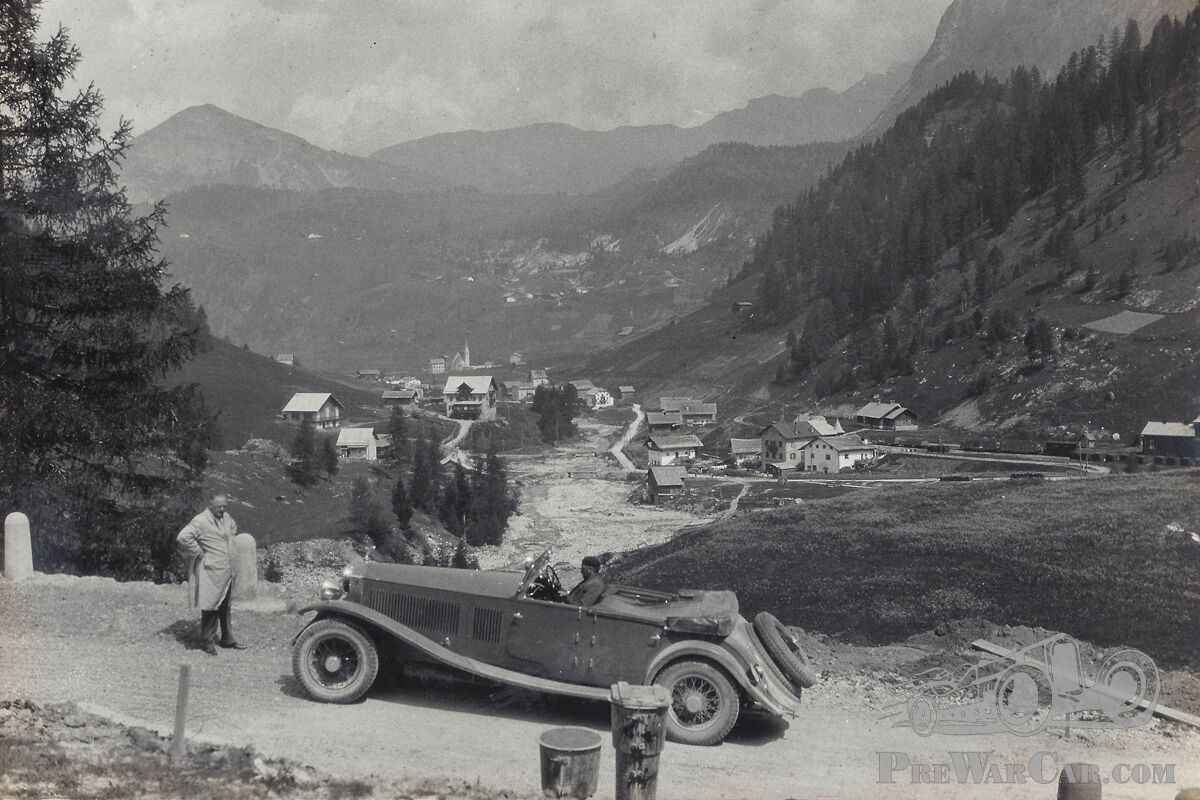
A sample of the itinerary for the Phantom's Alpine expedition

The photograph which adorned the cover of the January, 1933, edition of The Rolls-Royce Bulletin
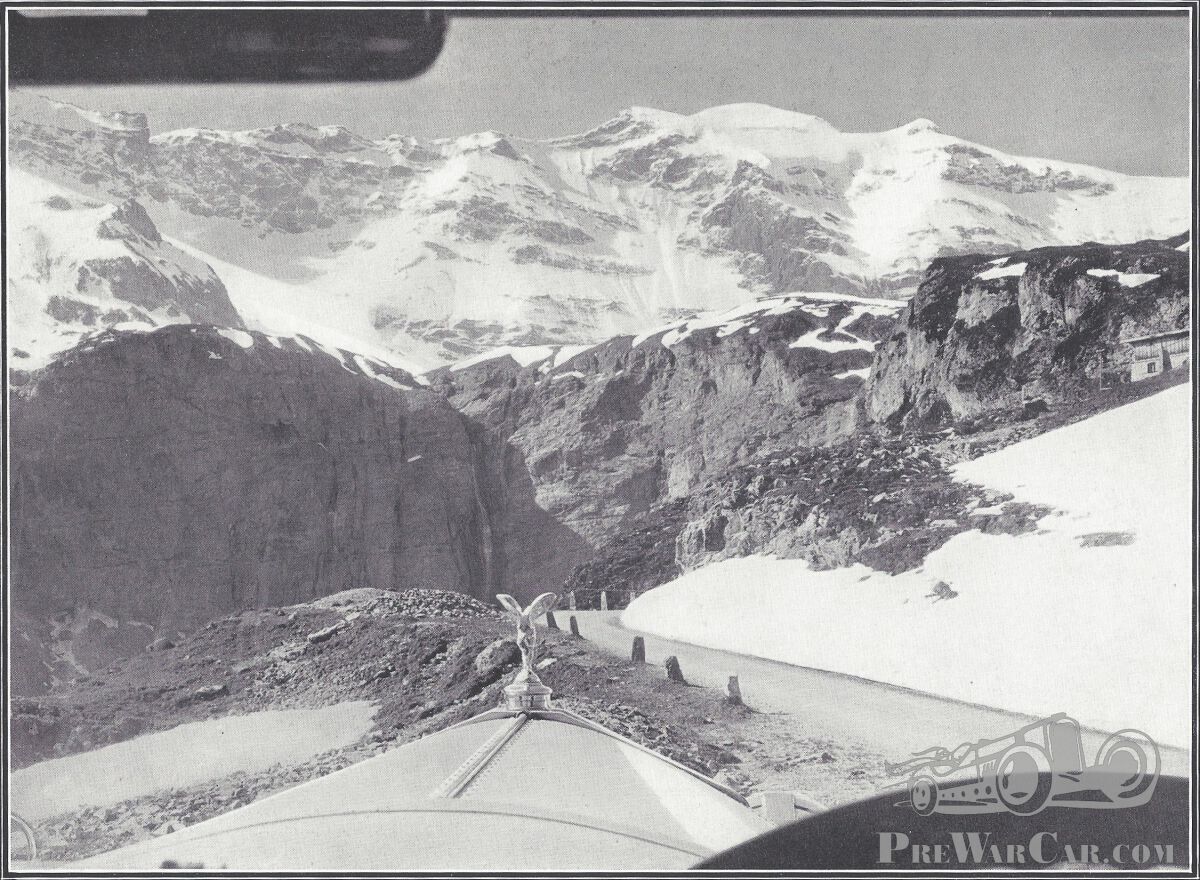
"From a driver's seat" — The Rolls-Royce Bulletin, January, 1933
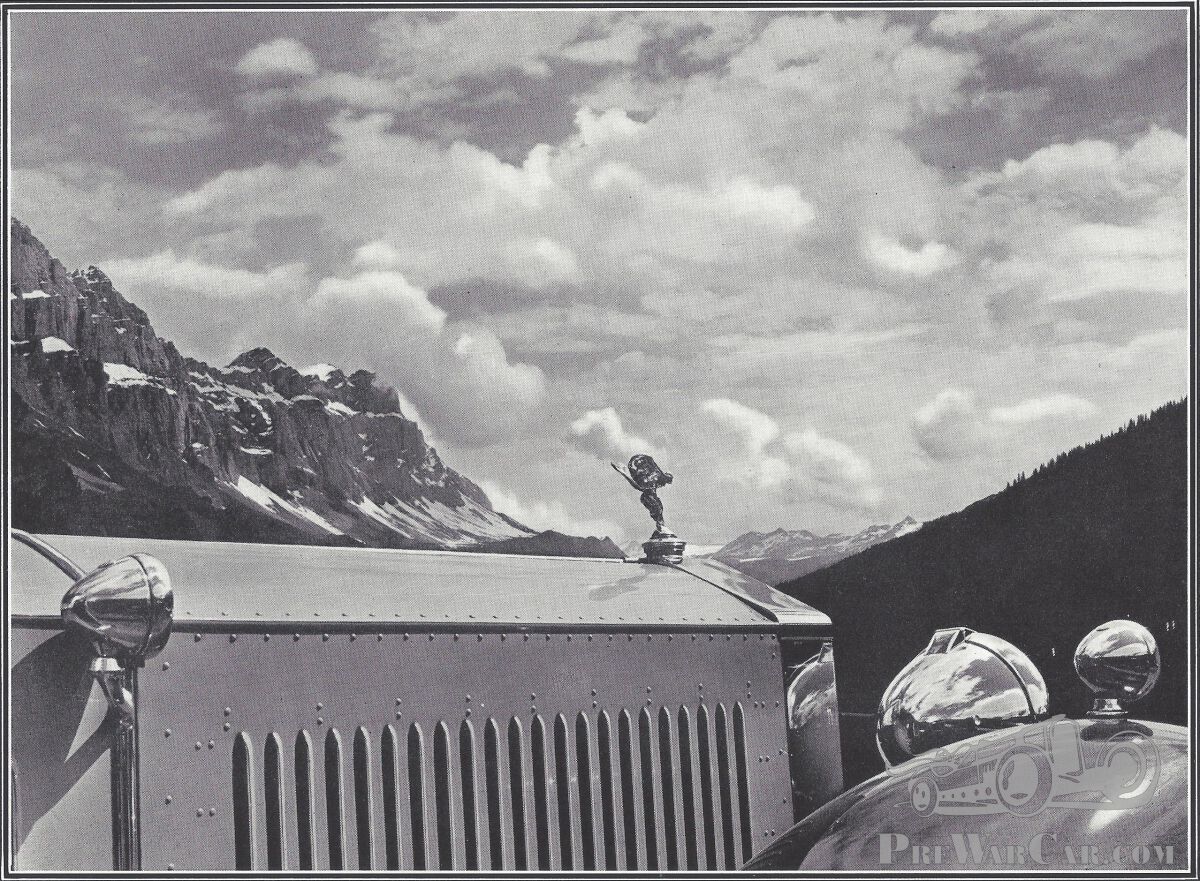
"Sunshine and shadow in the Alps" — The Rolls-Royce Bulletin, January, 1933
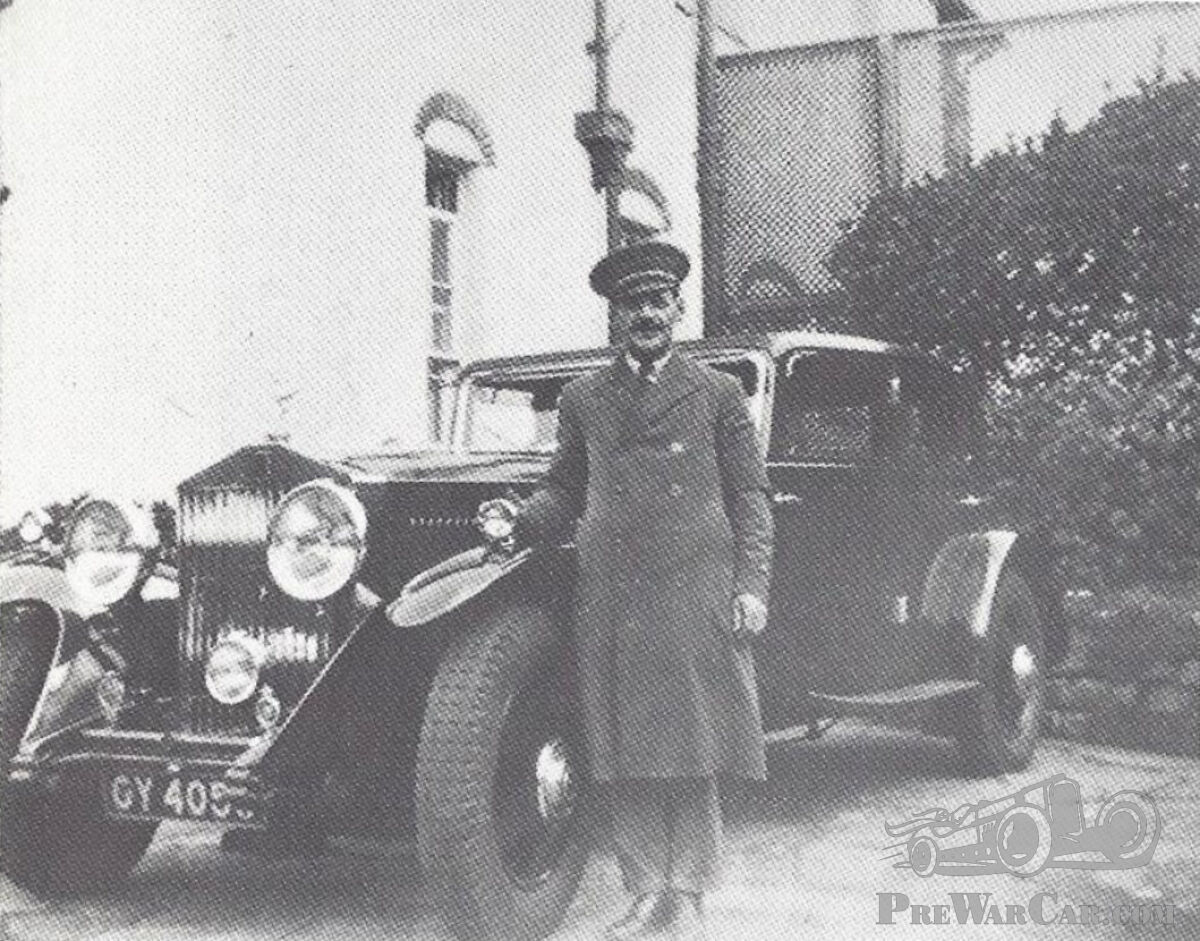
28MS wears its new saloon body. H. G. Sloper, the McAlpine family chauffeur stands by proudly
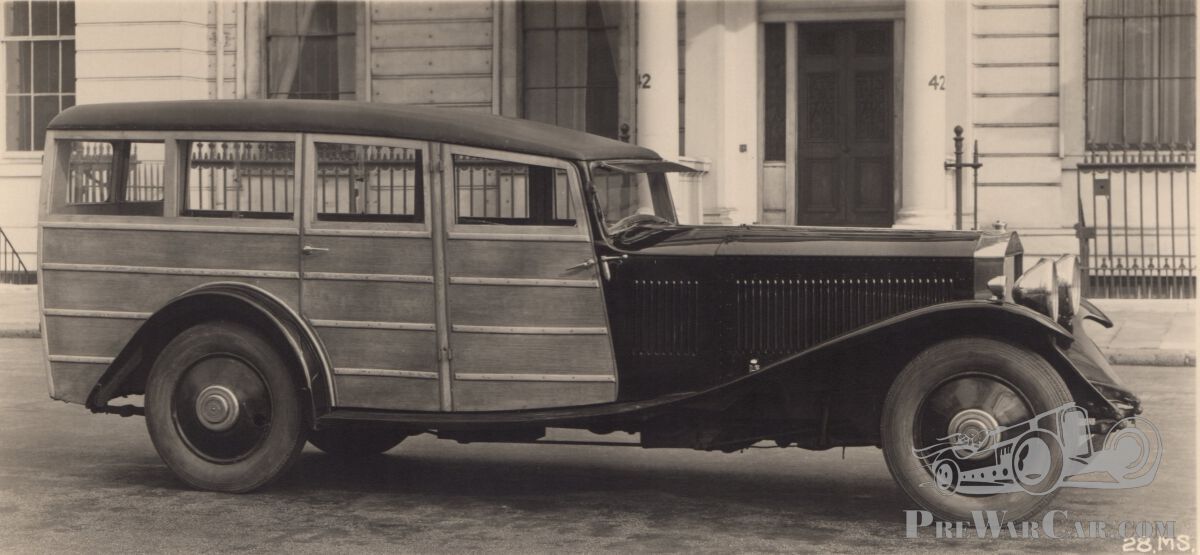
Newly rebodied as a very smart shooting brake
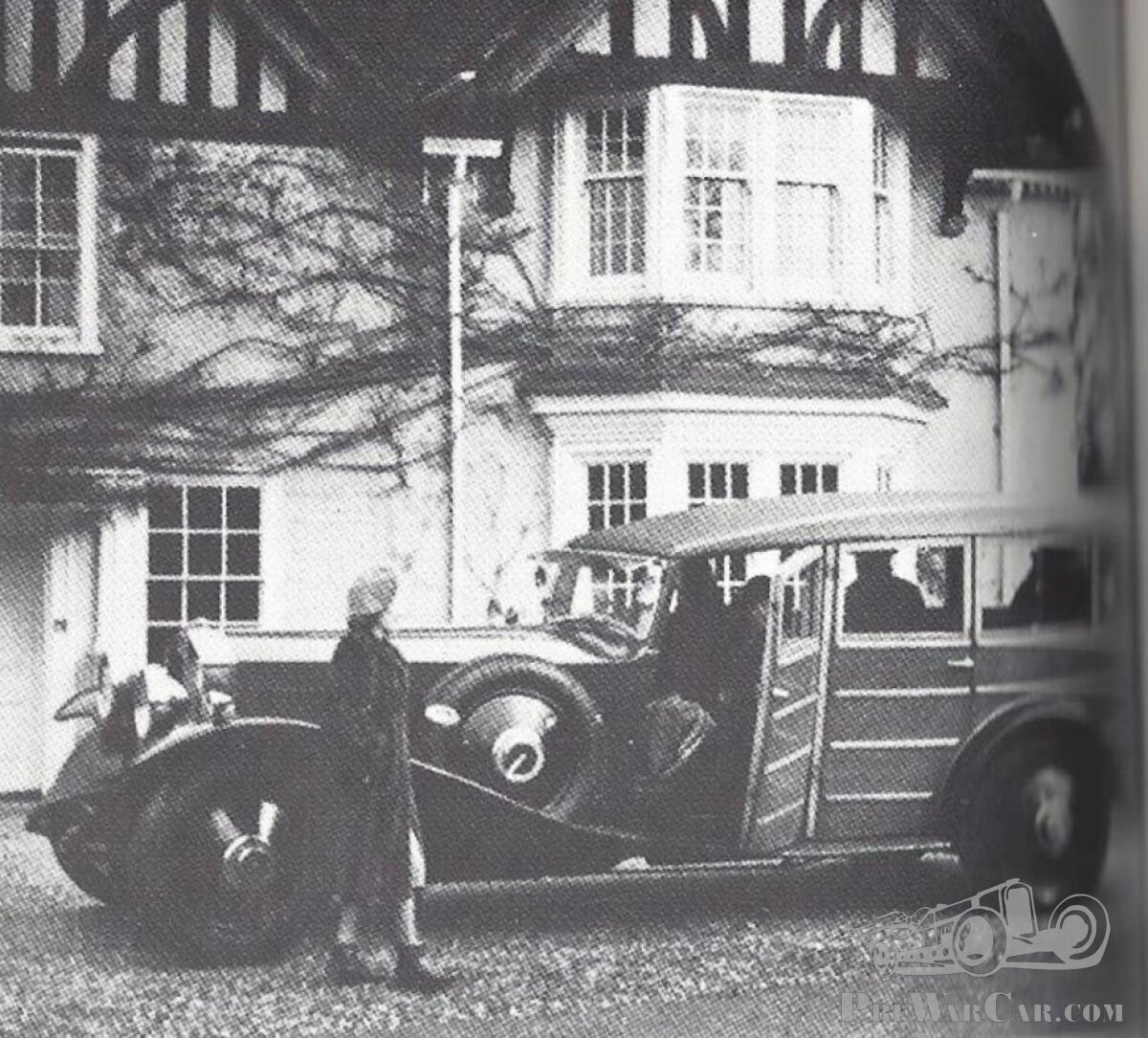
The Phantom shortly after being rebuilt as a shooting brake
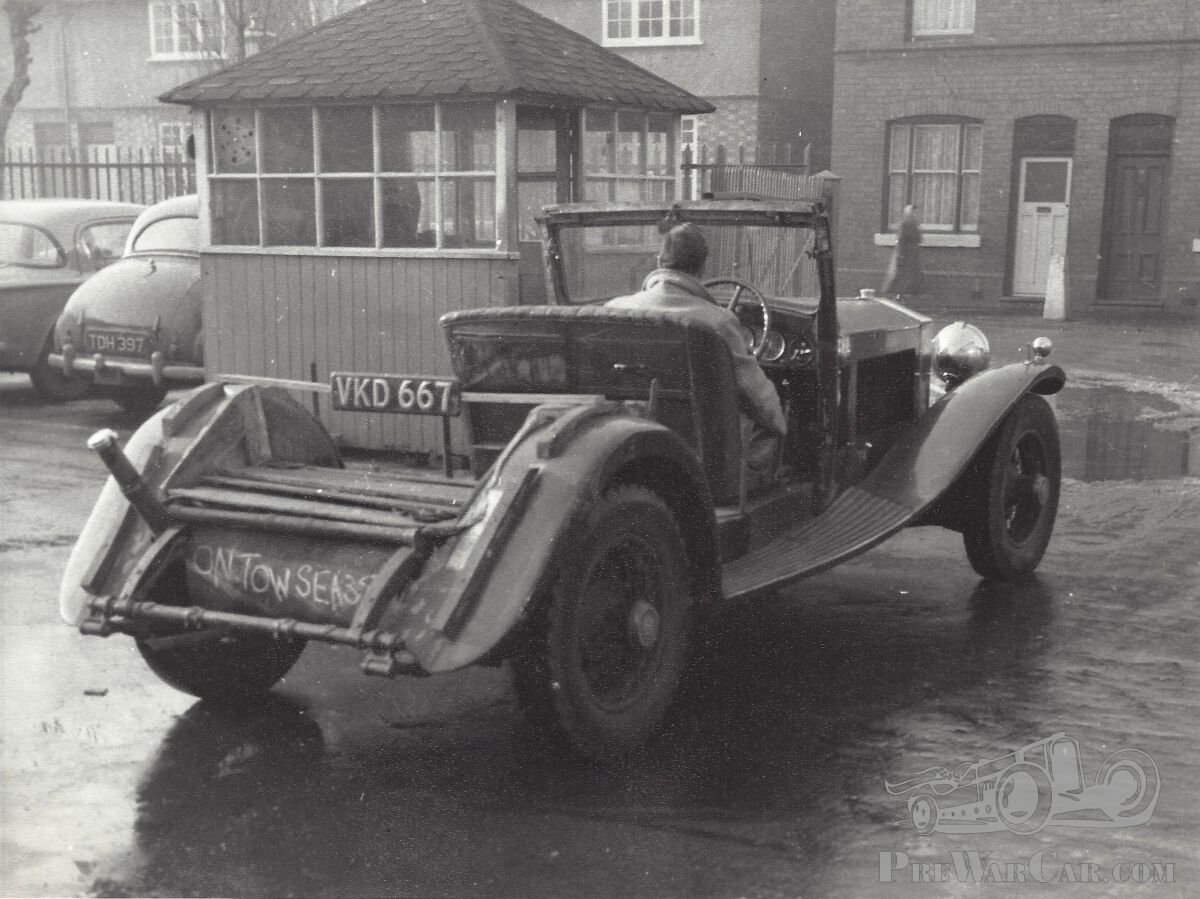
When Wilkins started restoring the car, the brake body was no longer fit for much
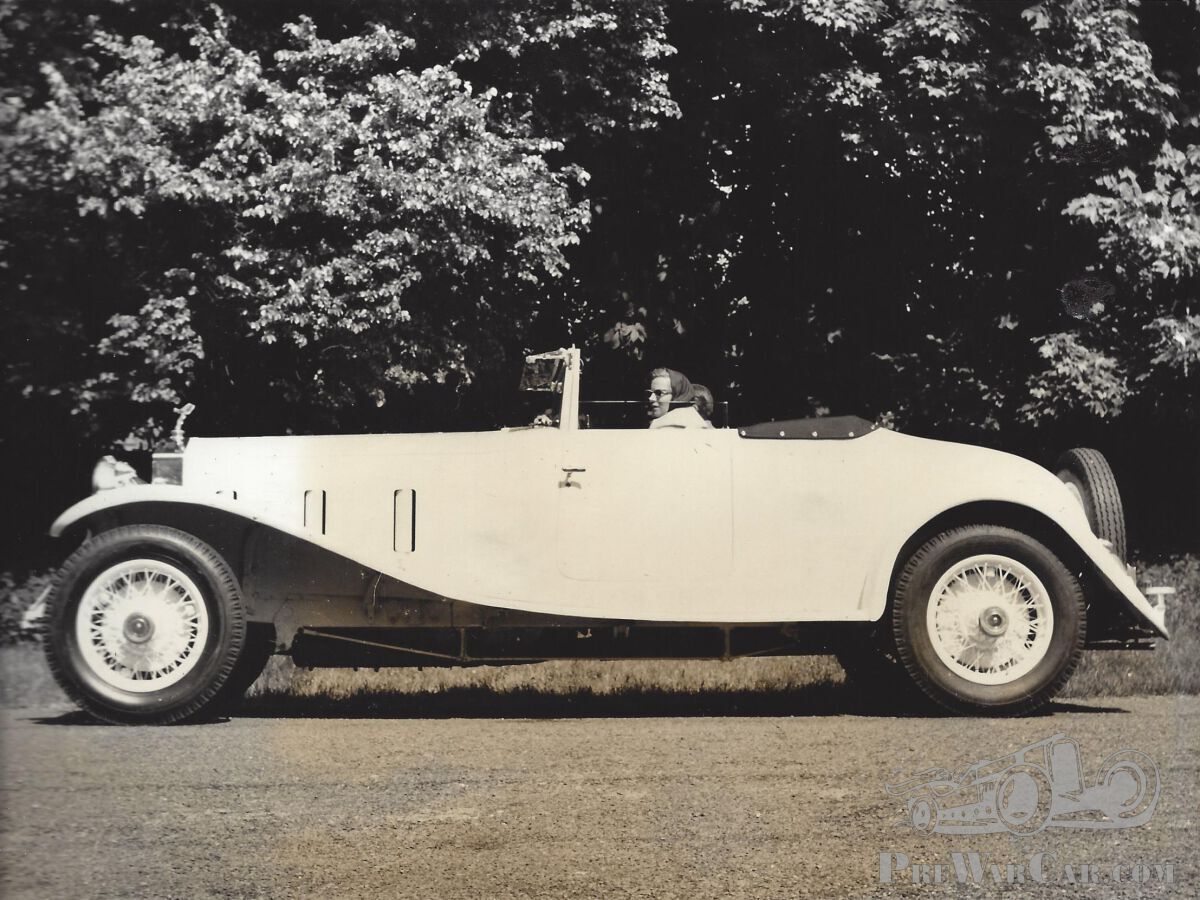
The newly-restored Phantom on a rally in Blenheim in 1962

The car was also taken on a rally to Monte Carlo in 1962
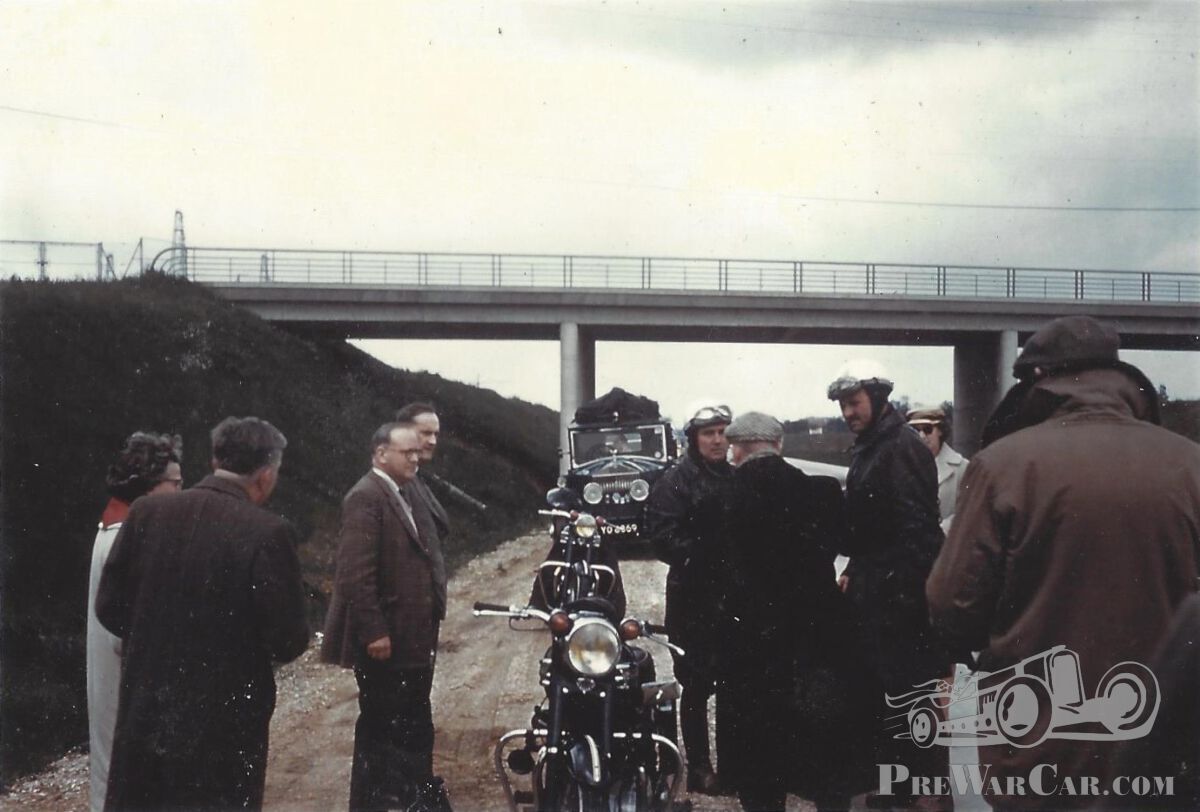
The same rally involved a meeting with the gendarmes
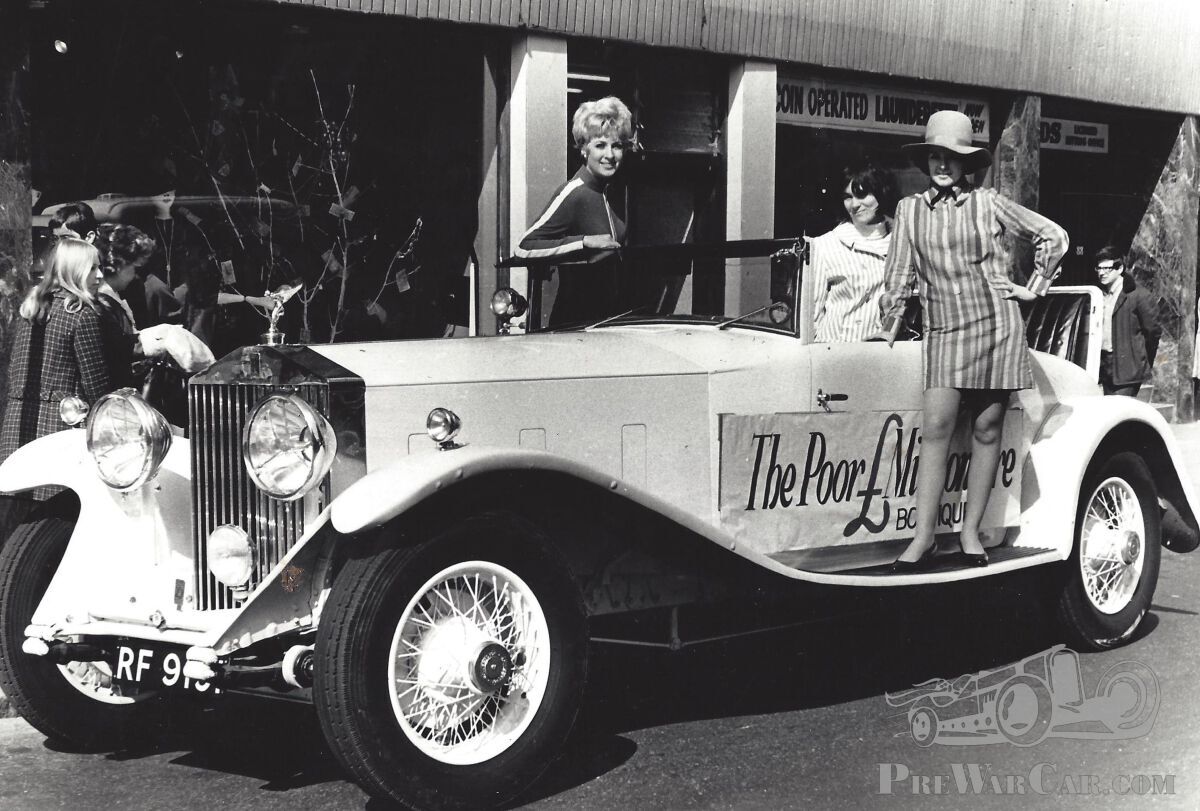
With fashionable models, 28MS promotes the Poor Millionaire Boutique in 1969


In the British construction industry, few names carry as much weight as that of Sir Robert McAlpine (1847-1934). The original Sir Robert was the Victorian entrepreneur whose initiative, perspicacity and willingness to work hard combined to result in one of the most remarkable rags-to-riches transformations. From being packed off down the coal mines in his remote Scottish village of Newarthill from the age of seven, he died a baronet with the riches of Solomon.
Sir Robert's second son was called William (1871-1950), and his second son was Robert Edwin (1906-1993), who helpfully went by his middle name to avoid confusion with the numerous other Robert McAlpines. Growing up in such a prosperous and distinguished family, Edwin naturally acquired a taste for some of the finer things in life. While he would become best-known outside of the construction sphere as a racehorse breeder, he also appreciated a thoroughbred motor-car. By the time he came to be old enough to drive, Rolls-Royce was well-established as the foremost among Britain's prestigious marques, so it was no surprise when the 25-year-old Edwin treated himself to a brand-new Rolls-Royce Phantom II Continental in 1932 with tourer coachwork by James Young, chassis 28MS and registered GY 4050. Its specifications also included a five-inch tachometer and speedometer and "the loudest type of Bosch horn." He registered it at the company headquarters at 50, Pall Mall, London W.C.
On the trail of the Alpine Eagles
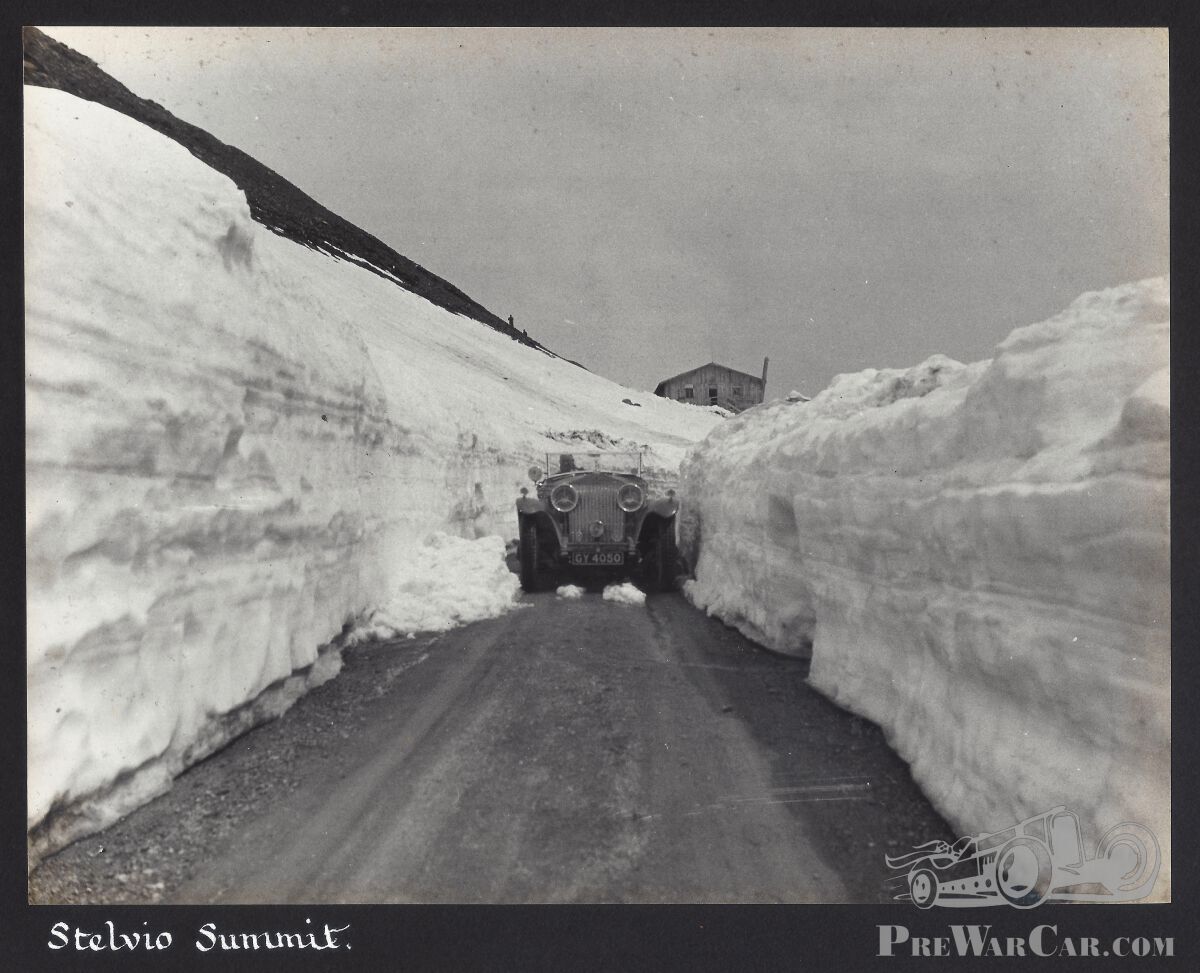
Certain cars acquire some interesting history even before they reach their owners if, for example, they serve as a works racer, motor show car or press demonstrator, and it was with the well-known London dealership of Pass & Joyce that 28MS enjoyed its first adventure. Archibald Henry Pass simply wanted to "determine whether a 1932 Continental Phantom Rolls-Royce would negotiate the Stelvio Pass at the speed requisite for the Alpine Trial in view of the 44 hairpin bends." To satisfy his curiosity, he took 28MS deep into the Alps, where narrow roads had been hewn out of solid ice, which formed formidable banks on either side which dwarfed the Rolls-Royce. Pass's co-driver for the journey was Geoffrey Smith of The Autocar, with G. W. Hancock of Rolls-Royce's Experimental Department on hand to ensure that everything went smoothly. An interesting piece of equipment was the altimeter, which was fitted to assist with carburetter tuning. It covered an impressive 2,300 miles in the most hostile frozen conditions, and the average fuel consumption of nine miles per gallon was perhaps not a shameful figure for a 7,668cc straight-six.
Of course, such a challenging drive was not without precedent for a Rolls-Royce. The Silver Ghost had been celebrated for its ability to make light work of mountains since its success in 1913 Alpine Trials, which resulted in the model known as the Alpine Eagle.
It was a suitably smart car for the young heir to a great business empire, but within a year Edwin had it rebodied as a saloon, it is thought also by James Young. His first child, Patricia, had been born in 1932, so he was perhaps persuaded that a closed car would make more sensible family transport. Happily, the original tourer body still survives on another Phantom, chassis 31MW. A few years later, Edwin bought the splendid Victorian mansion Lyttel Hall, in the Surrey village of Nutfield, and took the Phantom there with him. By January, 1938, it had covered 103,817 miles and had gained an exhaust cutout which was said to give it an extra seven or eight miles per hour.
With the doctor to west Africa
At some date just prior to the war 28MS was rebodied again by an unknown coachbuilder as a very rakish shooting brake, but it was apparently badly vandalised during the war. A few years after the war, during which Lyttel Hall had been used as an officers' mess for the Royal Army Service Corps and the Canadian Air Force, the McAlpines moved house and sold 28MS just beforehand. Thus, in 1947, it went to embark on a new life in Sierra Leone and Ghana where its new owner, Dr. Geoffrey Cuthbert Tooth (1908-1998), found an interesting use for it. Dr. Tooth was an eminent physician specialising in psychology, especially with regard to juvenile delinquency. He produced several papers on mental illness in the Gold Coast, and while out there worked from the back of the Phantom, which he turned into a mobile surgery. Other highlights of his career included heading the Mental Health Department at the Ministry of Health and serving on the advisory panel of the World Health Organization. At some point, the doctor and the Phantom went their separate ways; 28MS arrived in Liverpool aboard the MV Aureol in August, 1956, while on April 7th, 1958, Dr. Tooth was in Tehran to marry Princess Xenia Andreevna of Russia, a great-niece of Tsar Nicholas II.
The Phantom's importer had been Jonathan Oswald Auclair of Liverpool. Once it had been issued with the number plate VKD 667, he sold it in 1958 to Major Cyril Edward Darlington, head of the Gateshead College of Technology. In 1960 it was sold again to Henry Wilkins, who, like McAlpine, also came from an illustrious family of engineers, although their field was mechanical rather than civil engineering. Henry's father Walter had gone into business with Tom Mitchell in 1904 and Wilkins & Mitchell grew to become a leading maker of machine tools and power presses, at one stage employing more than 1,000 people. Its first order for a machine tool came from well-known engineering firm Rubery Owen, and later it would have some close links to the motor trade. In the 1920s, it supplied multi-head group drills to the Hotchkiss Motor Co., where they were used for the machining of engine blocks for Bullnose Morrises. Henry joined the family business sometime around 1930 and became a managing director following his father's death in 1946. By this point, Wilkins & Mitchell had branched into the very lucrative business of producing washing machines, sold under the Servis name.
A new lease of life
Wilkins gave the Phantom what it was probably in desperate need of, the sympathetic touch of an enthusiast. The rough country of west Africa, in addition to whatever vandalism had been inflicted during the war, would not have been kind to the wooden body. Wilkins commenced a restoration, most notably discarding the old brake body and replacing it with the original H. J. Mulliner drophead coupé body from another Phantom, 147TA, which it still sports to this day. In 1961, it was again reregistered RF 9191, but it has since reclaimed its original number. A member of the 20-Ghost Club, Wilkins greatly enjoyed the car on rallies, including rally to Monte Carlo in 1962 and the fourteen-day Good Will Tour of the USA organised by the Rolls-Royce Owners' Club in 1969, which involved him travelling on the maiden voyage of Queen Elizabeth 2 to New York on May 2nd. 28MS was among seventeen Rolls-Royces making the voyage, along with the original Silver Ghost, and featured in British Movietone newsreel footage of the occasion. The car remained in the family until 2018, since when it has continued to be regularly exercised.
With the drophead body, with a dickey seat for two extra passengers, it is an elegant car indeed and we think it would look most at home tearing through the Alps, just as Mr. Pass did 92 years ago. Rarely is there an opportunity to acquire a car which has had so many remarkable chapters in its life, and we hope the next owner will continue to add to its history.
The Phantom is presently for sale with the Real Car Co. in Wales for £250,000. You can read more about it here.
Pubblicato:
venerdì febbraio 23rd, 2024
Facebook
LinkedIn
Twitter
WhatsApp
Email
Copy
Commenti
Paolo Luisoni
24 Febbraio 2024, 18:10
Fantastic pictures of the Alps. For the Alpine Trial, there's an interesting read in the book of Anthony Blight, The invincible Talbot, pages 331-332.
Per saperne di più