La rivista e il marketplace globale per gli appassionati di auto d’epoca, creati da appassionati.
La rivista e il marketplace globale per gli appassionati di auto d’epoca, creati da appassionati.


Filter
Faccia la sua scelta
- Automobile
-
Marca >>
-
Anno >>
-
- Motociclette
-
Ubicazione >>
- Parti e altro
-
Marca dell'auto >>
-
Produttore >>
-
Categoria >>
- Biciclette
-
Anno >>
-
Paesi



The 22-seater limousine in the Alaskan outback
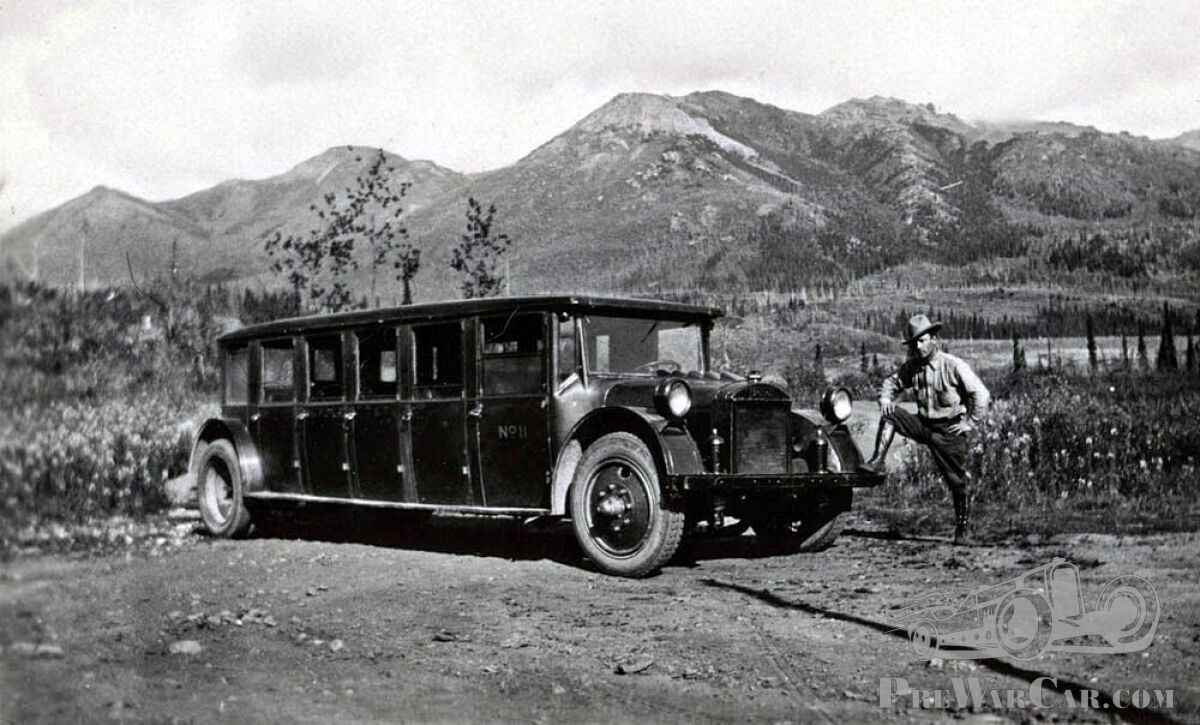


This picture had us baffled. Was that really a 1920s stretched limousine or bus somewhere in the Great Wide Open? With his hat and boots, the man standing next to it could be taken for a cowboy. But what on earth did a cowboy need a limo for? Of course there was an explanation, as there was with this least as unusual picture.
Nancy DeWitt, of the Fountainhead Antique Auto Museum in Alaska, wondered the same when she was lent the family pictures of Alaskan automotive pioneer Robert ‘Bobby’ Sheldon. Sheldon built his first car in 1905 and this picture came from his collection. His heirs only knew it was used “to transport tourists into Mount McKinley National Park and that it was very upscale and dependable”.
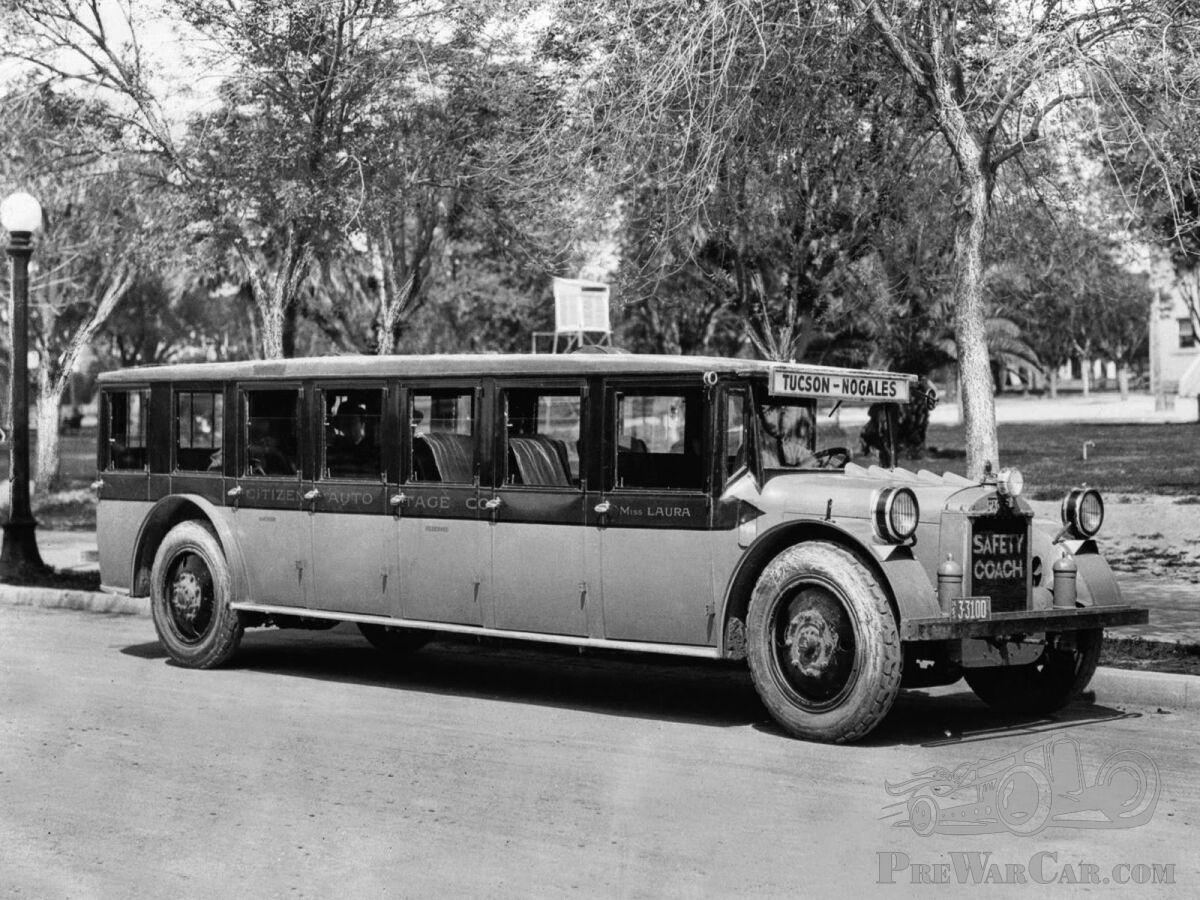
But Nancy found another picture of a similar vehicle and could make out the name ‘Fageol’ on its radiator. This led her to John Fageol, descendent of one of the brothers who founded Fageol Motors Co in Oakland, California. “John identified it as a circa 1924 Fageol ‘Intercity’ Safety Coach.” This was not just a stretched bus but something much more sophisticated. As Nancy explained: “Until its introduction in 1921, most buses were built on stiff-riding truck chassis, and their poor ride quality, high centers of gravity, and low-performance engines made them unsatisfactory for transit use. Fageol coaches had a double-drop frame and underslung axles. Each one came equipped with all-weather tread cord tires, with duals on the rear. An extra-wide tread of 72 inches between the wheels provided extra stability on turns. Beginning in 1923, Fageols were equipped with air brakes, the first use of such on a motor coach. The interior was heated by hot water from the engine, run through pipes along the floor. It had a seating capacity of 22. Each bench seat had its own door, disappearing wide window, interior light, and adjustable side and ceiling vents.”
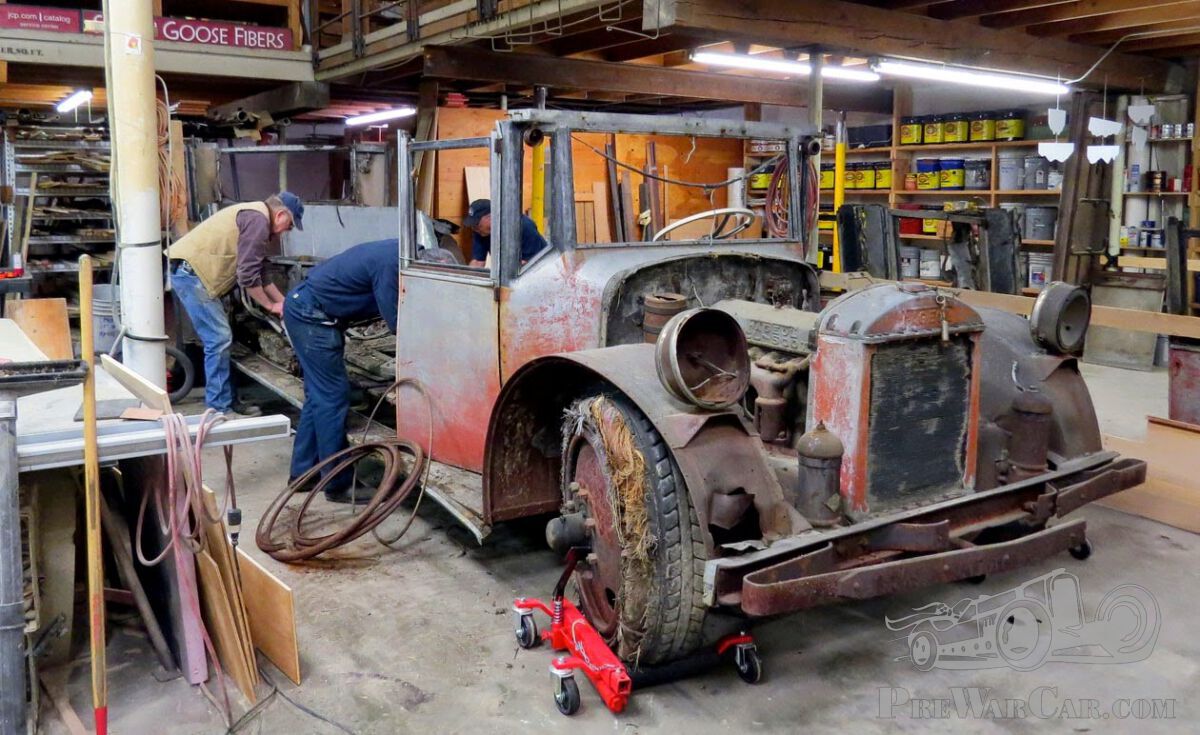
Bobby Sheldon drove tourists around the park in all comfort until 1941. That year the bus was sold to the Alaska Railroad, where it ended up left rotting on a road. Nancy was unstoppable now and, although in a very derelict state, she found that the Fageol was still there. What’s more, the owner was kind enough to donate it to the museum! Nancy again: “The high-grade leather seats are long gone, except for some seat frames. Much of the wooden framework has rotted and the side panels have collapsed. But the Hall-Scott engine and Brown-Lipe 4-speed gearbox with an overdrive top gear are still under the hood. The running board, which sits just 16 inches above the ground, is still fairly intact. We will work to stabilize and preserve its remains, rather than try to restore it.”
What a great story!
Words Jeroen Booij. Pictures Fountainhead Antique Auto Museum.
Pubblicato:
lunedì aprile 11th, 2022
Facebook
LinkedIn
Twitter
WhatsApp
Email
Copy
Commenti
Jeff Perkins
14 Aprile 2022, 03:24
One of the best stories of the year! Thank you Jeroen Booij for all the great storytelling you do! Kindest Regards, Jeff P. / USA
Per saperne di più