La rivista e il marketplace globale per gli appassionati di auto d’epoca, creati da appassionati.
La rivista e il marketplace globale per gli appassionati di auto d’epoca, creati da appassionati.


Filter
Faccia la sua scelta
- Automobile
-
Marca >>
-
Anno >>
-
- Motociclette
-
Ubicazione >>
- Parti e altro
-
Marca dell'auto >>
-
Produttore >>
-
Categoria >>
- Biciclette
-
Anno >>
-
Paesi



The great fire of the Los Angeles Motor Show
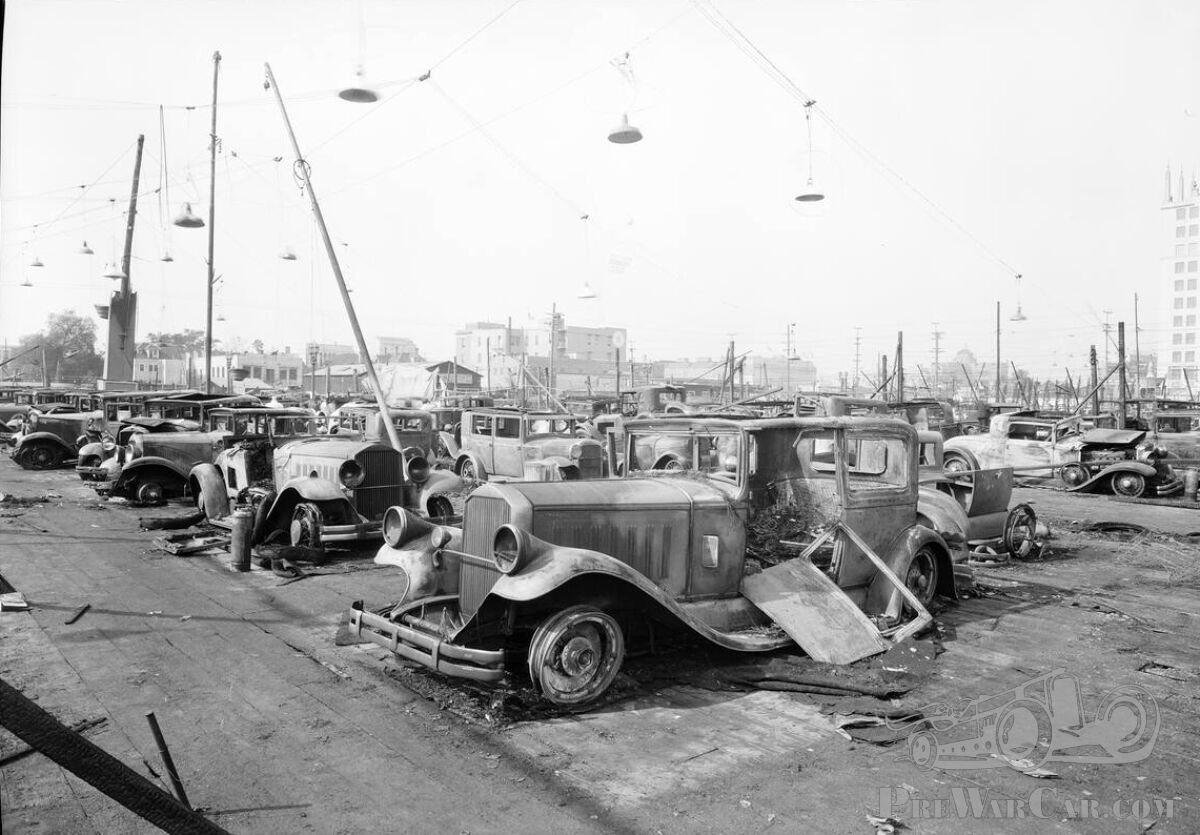
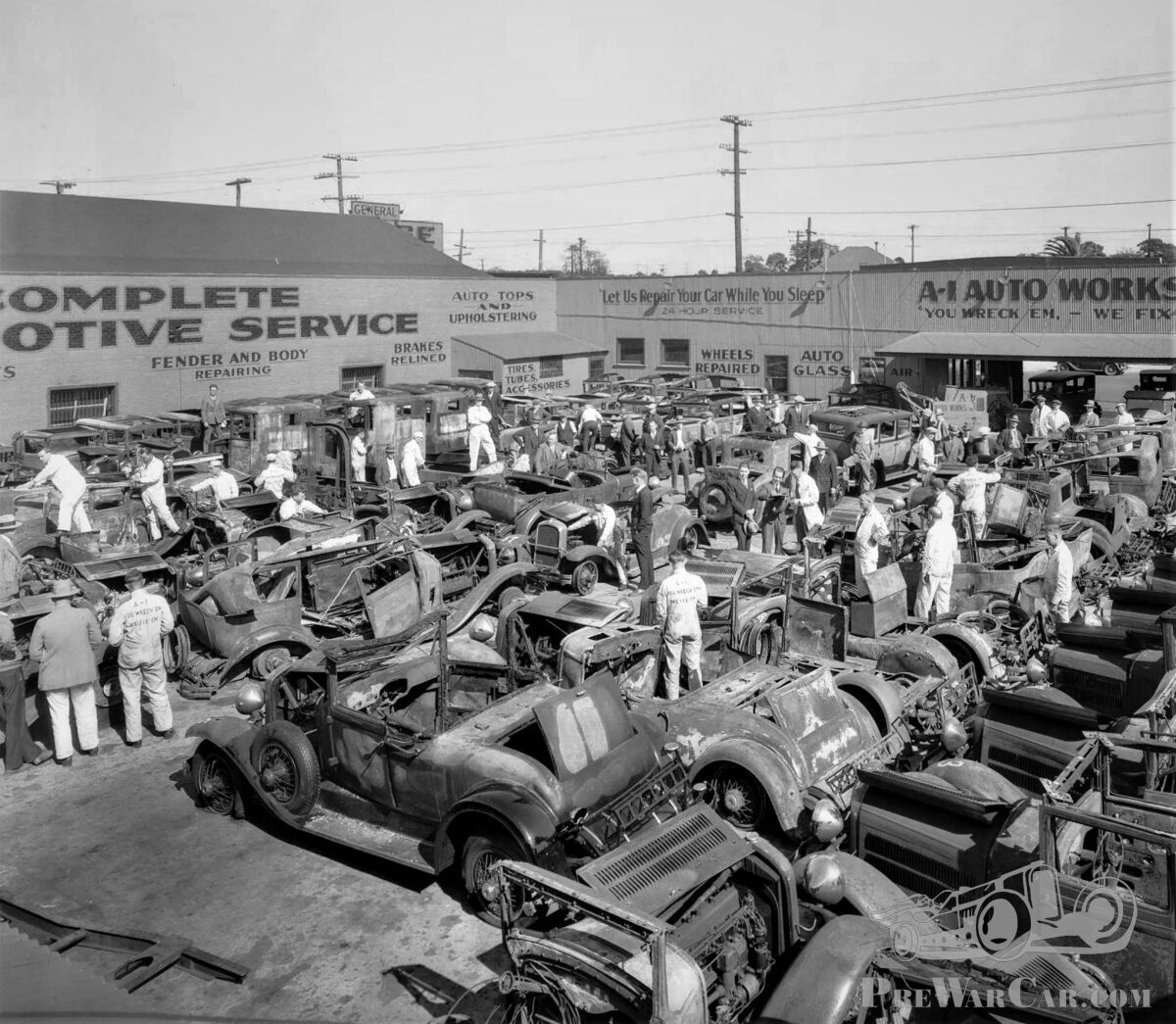
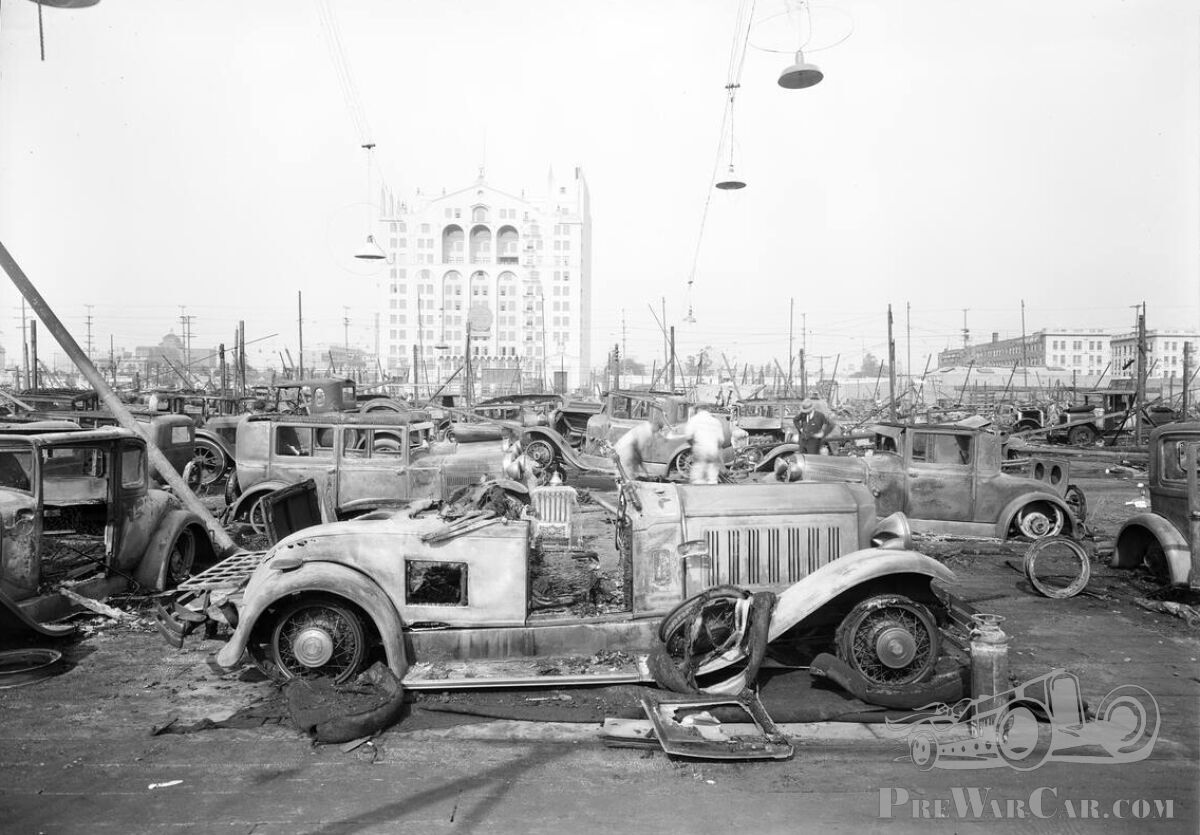


You may have seen photographs of the disastrous fire which turned Jaguar’s Browns Lane factoy into ashes back in 1957. On that fateful day in February hundreds of cars are said to have been destroyed, including most famously nine XKSSs.
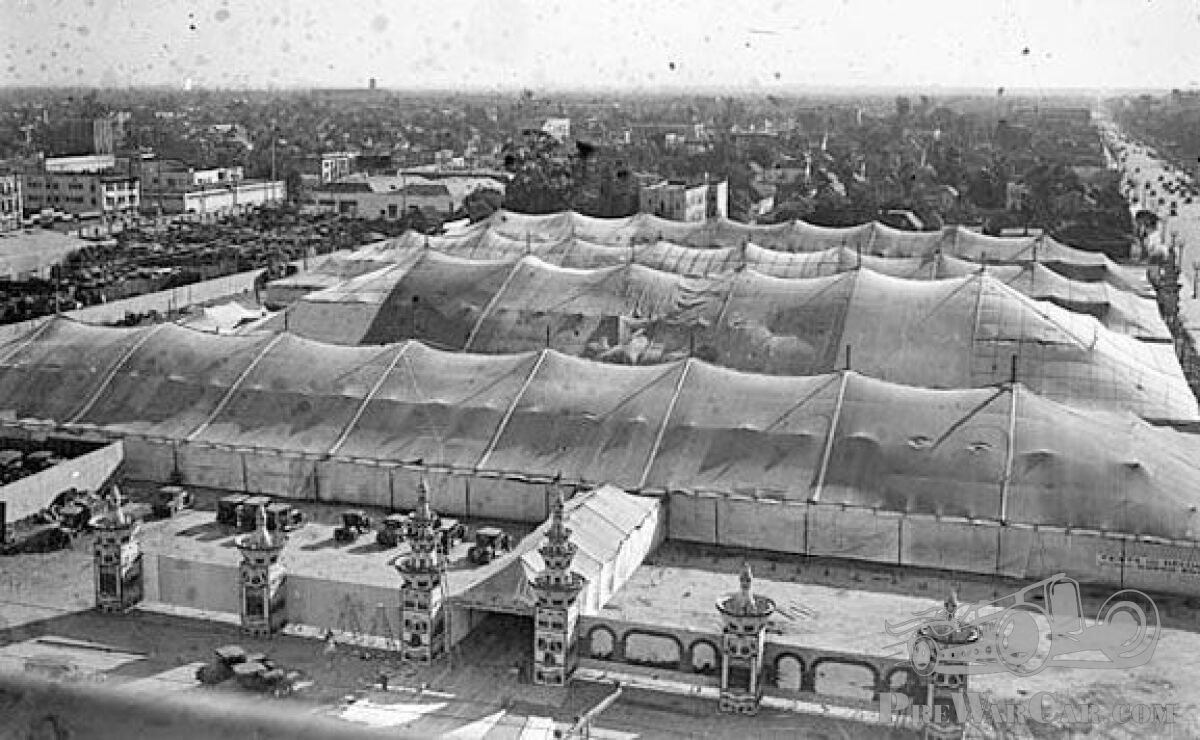
Did you know that almost 30 years earlier a similar disaster took place in Los Angeles? Hundreds of brand-new cars, from the simplest Fords to the most elaborate Duesenberg, had been put on display in four large tents for the 1929 Los Angeles Motor Show. This was just prior to the Great Depression when the sky was the limit. After the show’s grand opening had just taken place, disaster struck when an electrical short on one of the stands - that of the Monocoupe aviation company – sparked a fire which soon grew beyond the control of the fire department. The spectators managed to escape unhurt, but within an hour the cars had been reduced to smouldering hulks of metal, wood, rubber and glass.
From a contemporary report: ‘When the fire was discovered it was a small red trickle leaping up the hangings to the top of the tent. The flames soon burned a hole in the canvas and the wind whipped the blaze to a fury and it leaped from tent top to tent top. Firemen who were stationed at the show, made a futile attempt to halt the blaze with the use of the extinguishers scattered about the four tents but found themselves powerless in the first few moments. Approximately 2500 spectators were in the four tents when the call of fire was sounded, and there appeared to be no stampede to reach the exits. Light explosions, as gasoline tanks burst on account of the heat, and heavy tires ignited, adding a light hazard to the attempt of the firemen to move some of the cars from the fire.’
It is believed that 400 cars burned that day ‘including a few irreplaceable specimens’, such as a unique Auburn Cabin Speedster prototype and a 1907 Packard Model 30 roadster with reportedly more than 500,000 miles on the odometer. A company named A-1 Auto Works, which operated just around the corner where the show took place – ‘You wreck ’em, we fix ’em’ – was called in to tow away the hundreds of wrecks directly to the junkyard.
Words: Jeroen Booij; pictures: USC Library
Pubblicato:
giovedì giugno 1st, 2023
Facebook
LinkedIn
Twitter
WhatsApp
Email
Copy
Commenti
Mike Penn
06 Giugno 2023, 16:22
Steve Diggins
02 Giugno 2023, 17:18
In 1913, on the west side of Vancouver, there was a bad garage fire. This was a more expensive area of town and the wooden garage which had seventeen fine cars in it burned down. I have not seen a full list of the cars, but just by the mention of some of the owners I know that examples of Pierce-Arrow and Napier were lost.
Per saperne di più
Warren Henderson
01 Giugno 2023, 16:01
Here's a picture of the show before the fire.
Per saperne di più
Kind regards,
Mike Penn