La rivista e il marketplace globale per gli appassionati di auto d’epoca, creati da appassionati.
La rivista e il marketplace globale per gli appassionati di auto d’epoca, creati da appassionati.


Filter
Faccia la sua scelta
- Automobile
-
Marca >>
- Motociclette
-
Ubicazione >>
- Parti e altro
-
Marca dell'auto >>
-
Produttore >>
-
Categoria >>
- Biciclette
-
Anno >>
-
Paesi


L’auto da corsa di re Alfonso: la Delahaye carrozzata da Labourdette


Alfonso XIII, re di Spagna (1886–1941), era un appassionato di automobili fino al midollo. E non vi è dubbio che, come pochi altri, disponesse dei mezzi necessari per coltivare pienamente la propria passione. Si dice che Hispano-Suiza fosse la sua marca preferita, il che forse non sorprende, considerate le sue origini spagnole.
Quando nel 1909 il re annunciò una gara di 226 miglia nei pressi di Barcellona, Hispano-Suiza fu ben lieta di sostenere l’evento. In seguito, l’azienda gli donò un esemplare dell’automobile sviluppata per la gara. Non solo: il modello fu successivamente battezzato in suo onore. Fu così che la Type 15T a quattro cilindri di 3,6 litri – oppure 15/45 HP, a seconda del mercato – divenne nota come Alfonso XIII. Oggi viene talvolta considerata una delle prime vere automobili sportive.
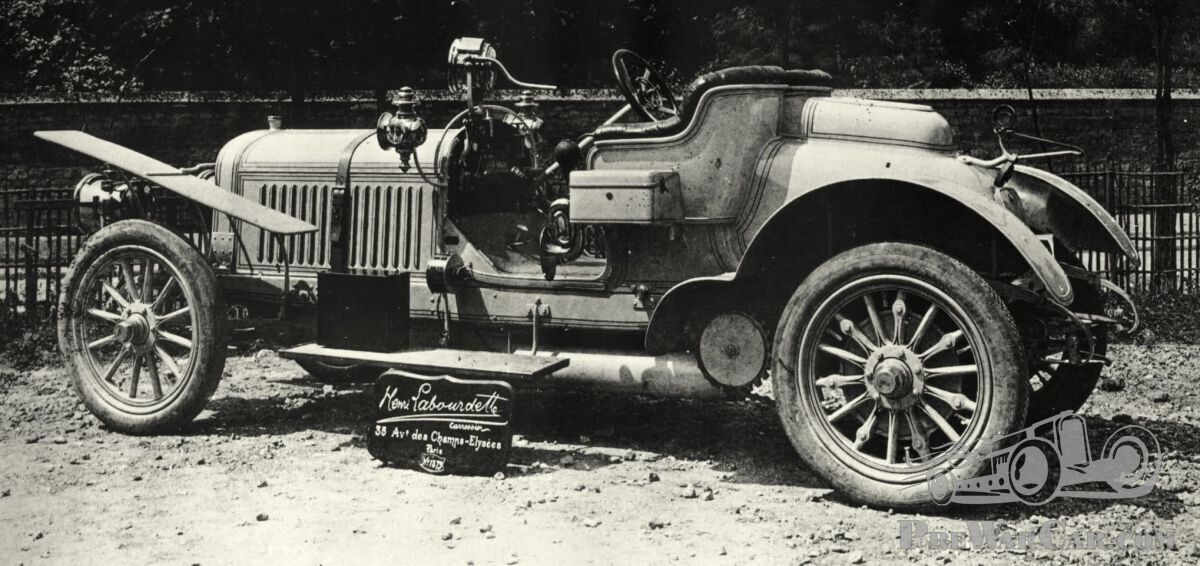
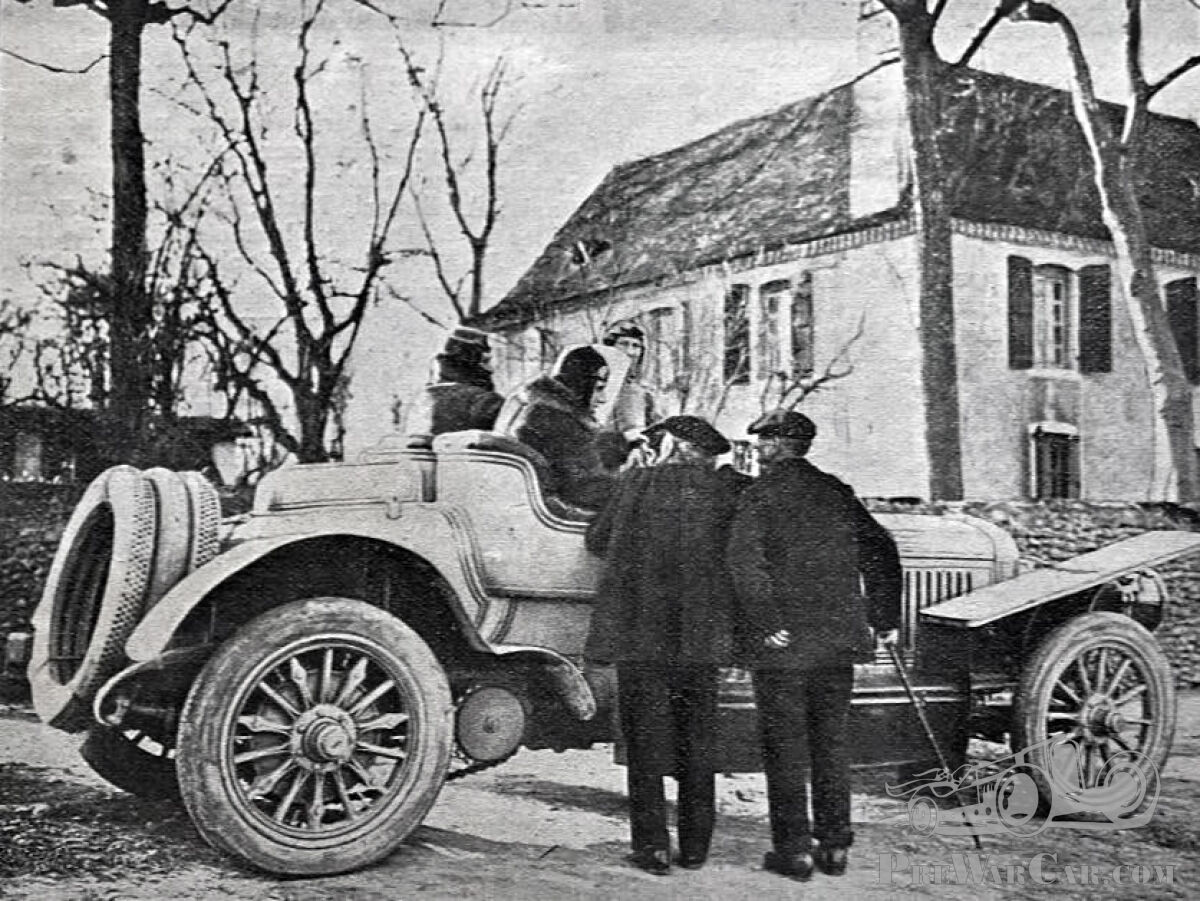
La brutale belva con trasmissione a catena ritratta in queste fotografie è dunque la Hispano-Suiza da corsa del re? Purtroppo, non sembra essere così. Si tratterebbe invece di una Delahaye otto litri del 1908, che appartenne comunque al nostro demone spagnolo della velocità. Alfonso XIII era inoltre un convinto francofilo.
La carrozzeria dell’automobile fu a lungo attribuita a Kellner di Parigi. In seguito, tuttavia, riemerse la prima fotografia qui pubblicata, sulla quale è chiaramente visibile il nome di un altro carrozziere parigino: Henri Labourdette. Labourdette aveva una sede sull’Avenue des Champs-Élysées, un indirizzo che doveva certamente piacere al sovrano, spesso visto a Parigi.
Curiosamente, nonostante siano pubblicamente note diverse fotografie dell’automobile, sembrano essere sopravvissute pochissime informazioni su questa affascinante vettura da corsa. Chi può aiutarci a colmare le lacune?
Testo: Jeroen Booij
Fotografie: Jeff Randell / Hervé Landois
Pubblicato:
venerdì agosto 28th, 2026
Facebook
LinkedIn
Twitter
WhatsApp
Email
Copy
Commenti
Ariejan Bos
06 Settembre, 18:00
Ace Zenek
06 Settembre, 13:28
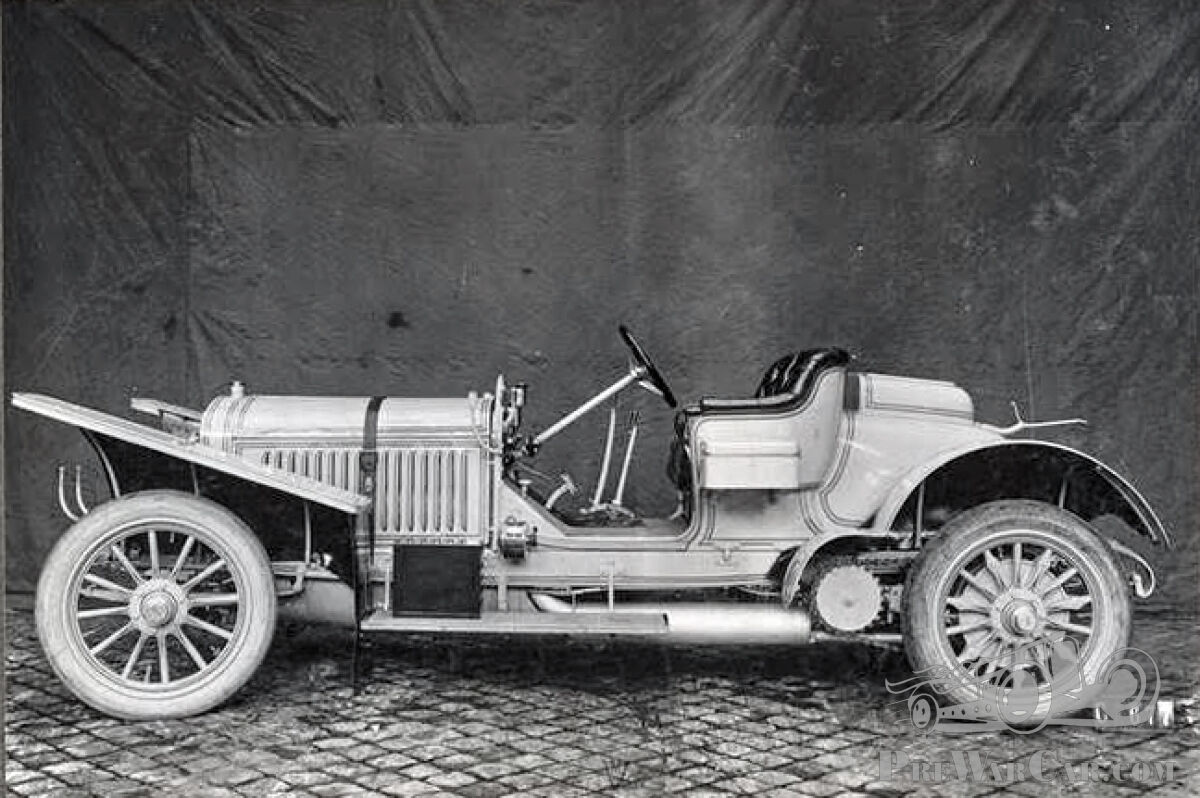
I can't fill in any of the gaps, but there are clearly differences between the Labourdette (photo 1) and Kellner (photo 2) photographs. In photo 1 we see the following.
1. Headlights, cowl lamps, spotlight, and a bulb horn have all been added.
2. There is a lock or round hole on the box mounted on the side of the passenger's seat.
3. There is a spring device over the spare tire carrier.
4. There is a rectangular plate, possibly the coach-builder's name, on the triangular piece in front of the passenger footwell.
5. The inner front dark stone guards/fenders of the front have been removed.
Possibly there are other differences, but these are what immediately caught my attention. Note that in photo 2 there is a small sign behind the left rear tire that may be a design number, but it is partially obscured by the PreWarCar logo.
Per saperne di più
1. Headlights, cowl lamps, spotlight, and a bulb horn have all been added.
2. There is a lock or round hole on the box mounted on the side of the passenger's seat.
3. There is a spring device over the spare tire carrier.
4. There is a rectangular plate, possibly the coach-builder's name, on the triangular piece in front of the passenger footwell.
5. The inner front dark stone guards/fenders of the front have been removed.
Possibly there are other differences, but these are what immediately caught my attention. Note that in photo 2 there is a small sign behind the left rear tire that may be a design number, but it is partially obscured by the PreWarCar logo.
Ariejan Bos
30 Agosto, 21:13
No, there is not much information on this car. Maybe that starts with the fact that Jean-Henri Labourdette in his own book named this car a Hispano-Suiza. The second photo puts us on a wrong track also, because that is a typical Kellner photo. Many Kellner bodies were photographed n front of a
black sheet and I even have a photo with a Kellner bodied car n front of this black sheet with identical folds! It is interesting to reflect on what this implicates. Photos of Kellner bodies however were always accompanied by a Kellner sign.
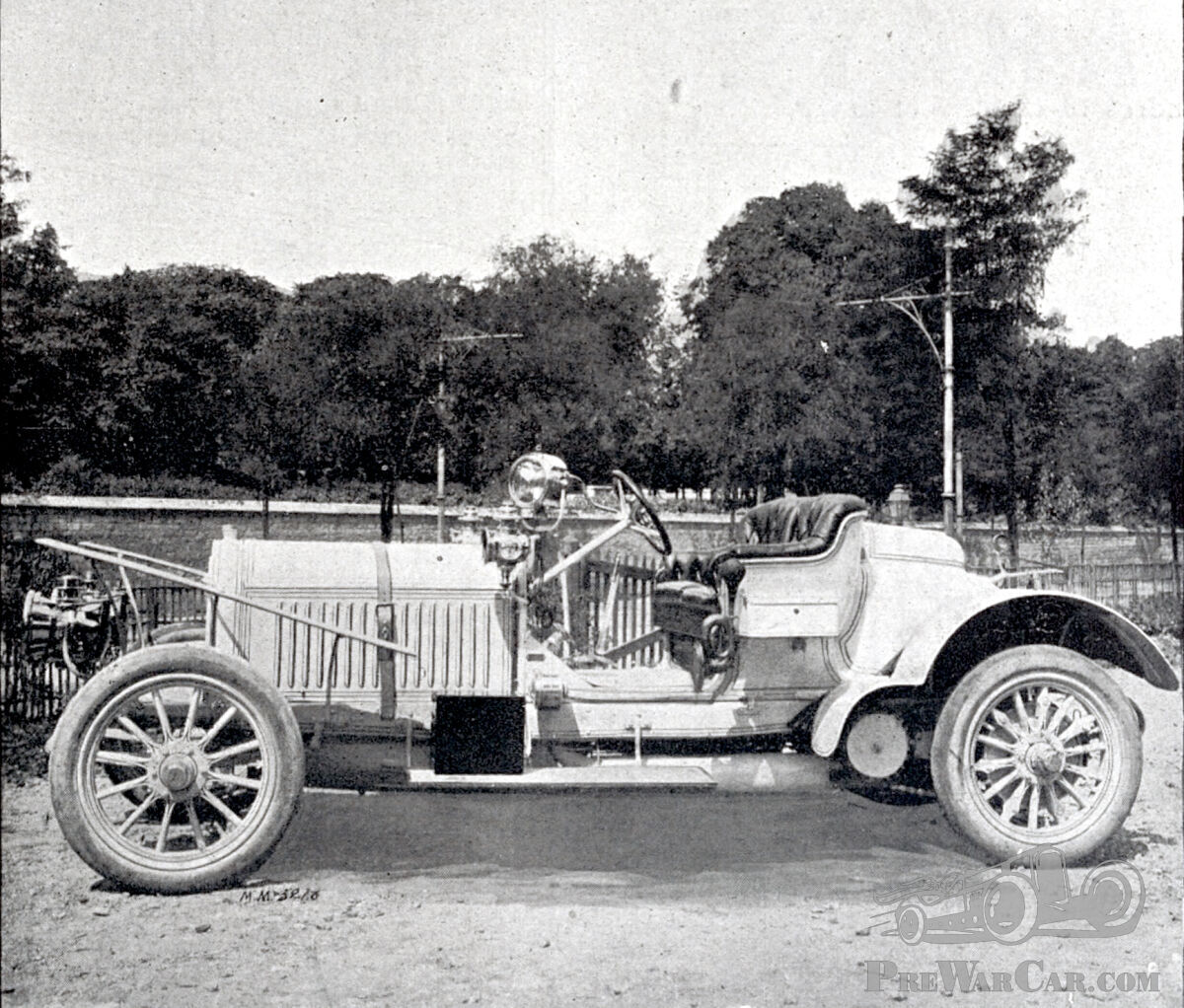
The next two photos found their way to the media. The first one (the third photo) comes from an unknown source and tells in the caption that the king used this car for pigeon hunting several kilometres from his palace El Escorial in San Lorenzo, near Madrid. The second photo (the last one) is a.o. shown in The Graphic of March 6, 1909. The caption reads that King Alfonso, returning from seeing the aeroplane ascent of Wilburg Wright in Pau, asks his way to Biarritz, one of his favourite destinations. However it was also written that King Alfonso, known to be a clever and fearless driver, had some small mishaps from time to time, resulting this time in a narrow escape from being killed near Sevilla during a trip to Villamanrique “on a powerful racing Delahaye car, which he drives for preference on such journeys.”
So the question now is: did the car survive? I can’t find any photos of this car after this accident, so possibly the car had only a very short career. What a dramatic end that would be for this remarkable car!
Per saperne di più
black sheet and I even have a photo with a Kellner bodied car n front of this black sheet with identical folds! It is interesting to reflect on what this implicates. Photos of Kellner bodies however were always accompanied by a Kellner sign.
The next two photos found their way to the media. The first one (the third photo) comes from an unknown source and tells in the caption that the king used this car for pigeon hunting several kilometres from his palace El Escorial in San Lorenzo, near Madrid. The second photo (the last one) is a.o. shown in The Graphic of March 6, 1909. The caption reads that King Alfonso, returning from seeing the aeroplane ascent of Wilburg Wright in Pau, asks his way to Biarritz, one of his favourite destinations. However it was also written that King Alfonso, known to be a clever and fearless driver, had some small mishaps from time to time, resulting this time in a narrow escape from being killed near Sevilla during a trip to Villamanrique “on a powerful racing Delahaye car, which he drives for preference on such journeys.”
So the question now is: did the car survive? I can’t find any photos of this car after this accident, so possibly the car had only a very short career. What a dramatic end that would be for this remarkable car!
The number on the right of the rear wheel reads C677 (all photos can be found on Coachbuild.com, which I already expected). Most if not all official photos of Kellner bodies have a similar number at the same spot. These numbers all start with a C and have the impression to be chronological. The theory I speculated on in my previous post is that it’s a photographer’s number and that by some unknown reason this photo was taken by the photographer responsible for the official Kellner photos.