La rivista e il marketplace globale per gli appassionati di auto d’epoca, creati da appassionati.
La rivista e il marketplace globale per gli appassionati di auto d’epoca, creati da appassionati.


Filter
Faccia la sua scelta
- Automobile
-
Marca >>
-
Anno >>
-
- Motociclette
-
Ubicazione >>
- Parti e altro
-
Marca dell'auto >>
-
Produttore >>
-
Categoria >>
- Biciclette
-
Anno >>
-
Paesi



Rough Pearl: the preservation-focussed rescue of an abandoned Austin


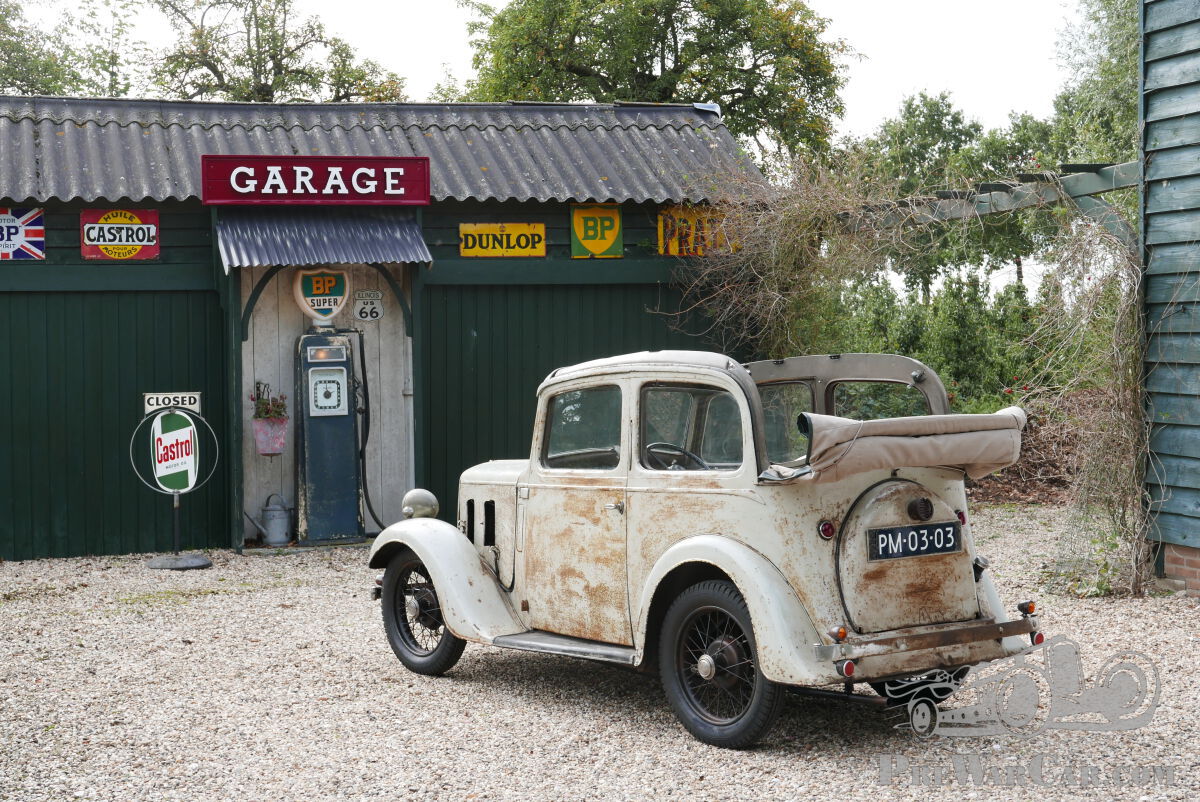
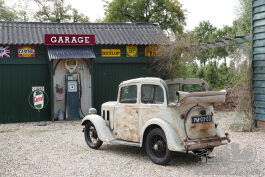
As first seen, the Pearl looked like it had led a hard life, but Arentsen was able to save all of it apart from the hood
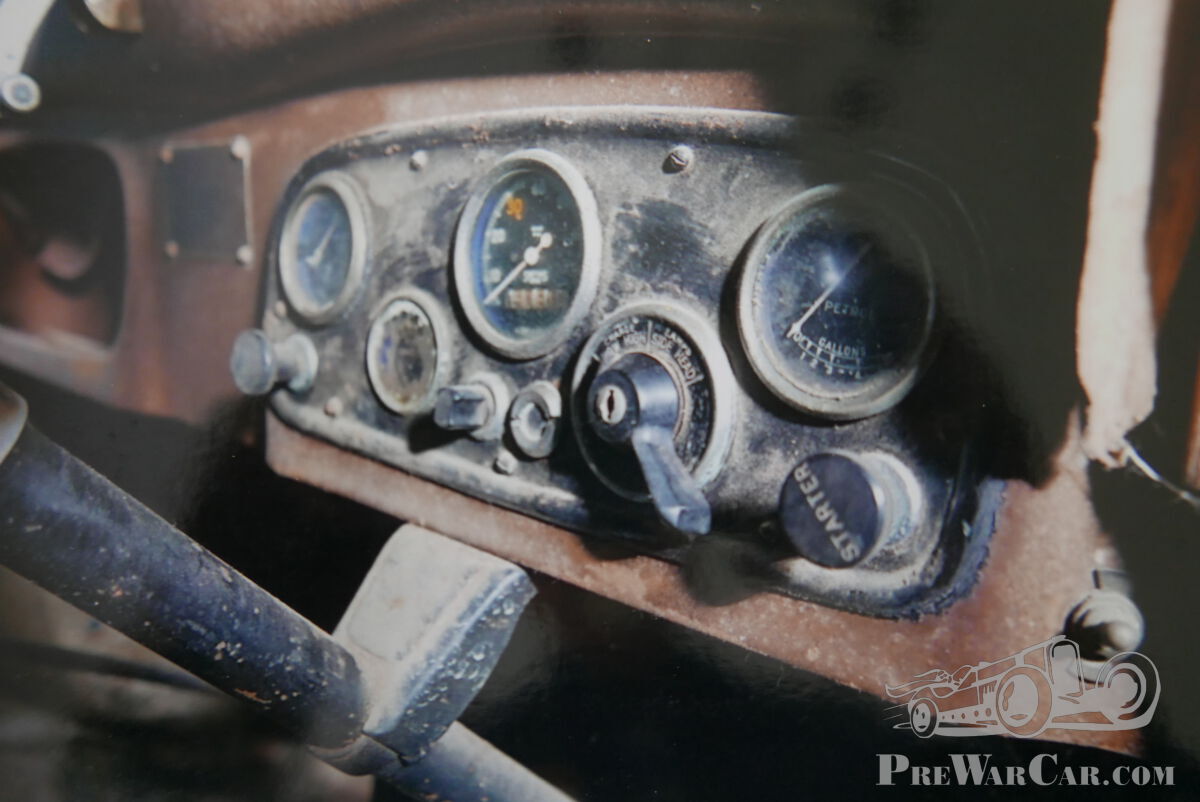
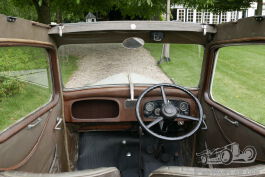
Beneath the dust, the interior was well-preserved
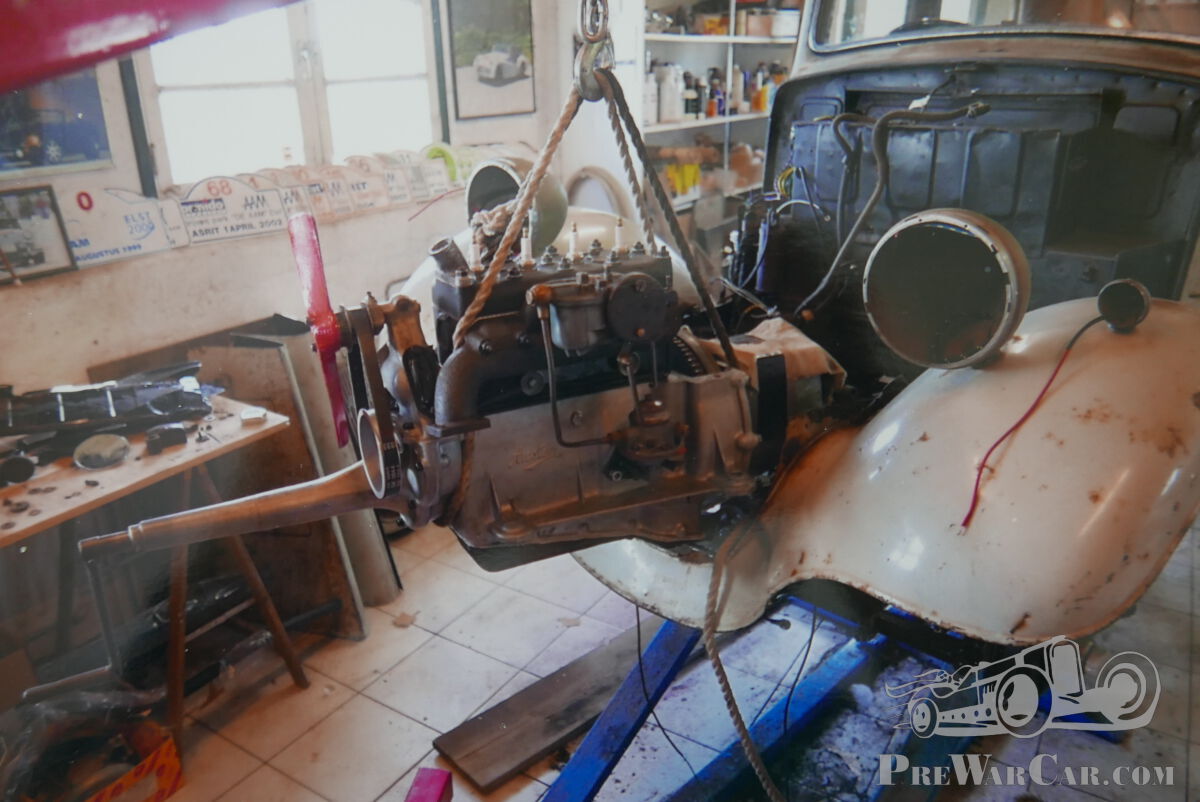
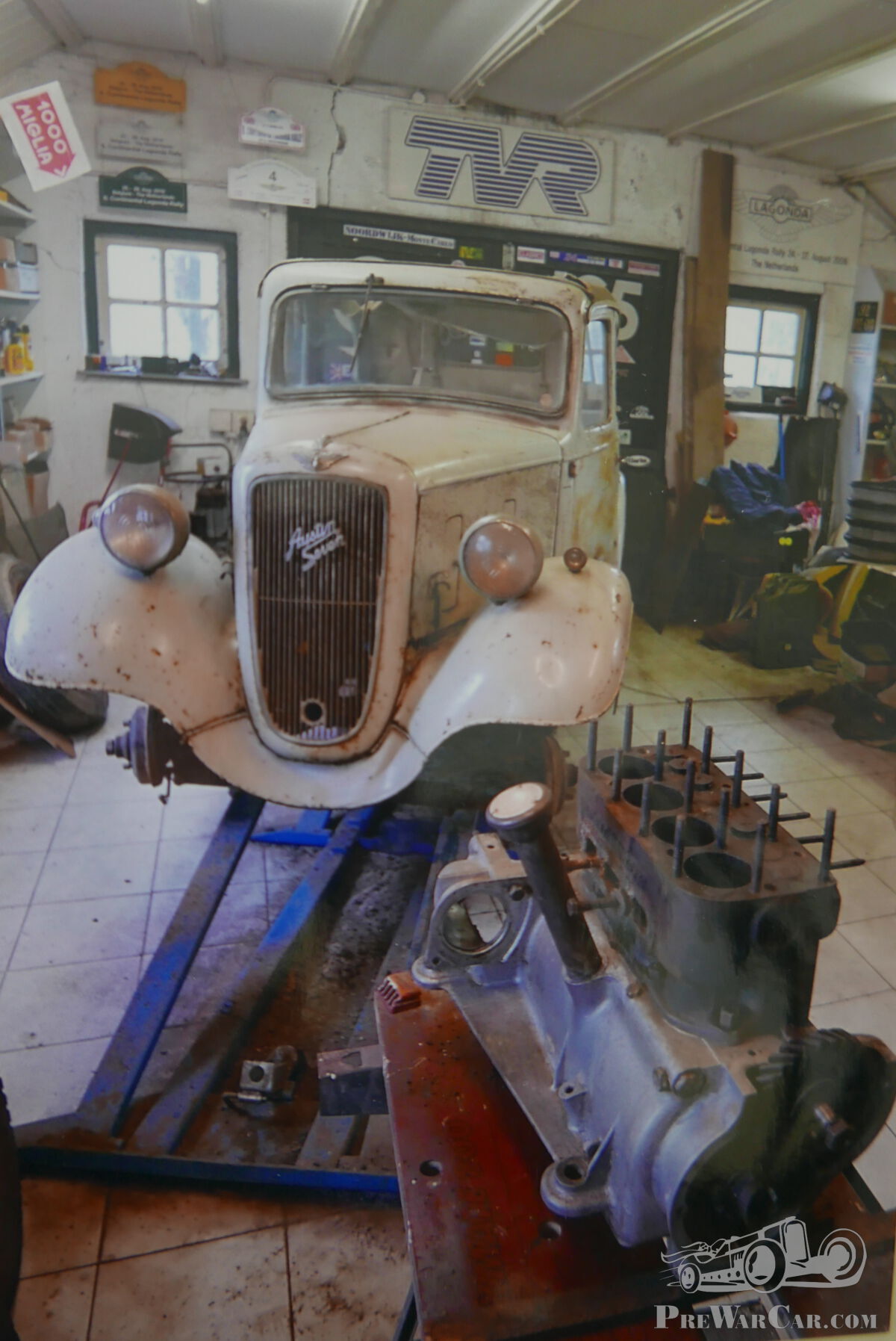
There was no difficulty in removing the engine
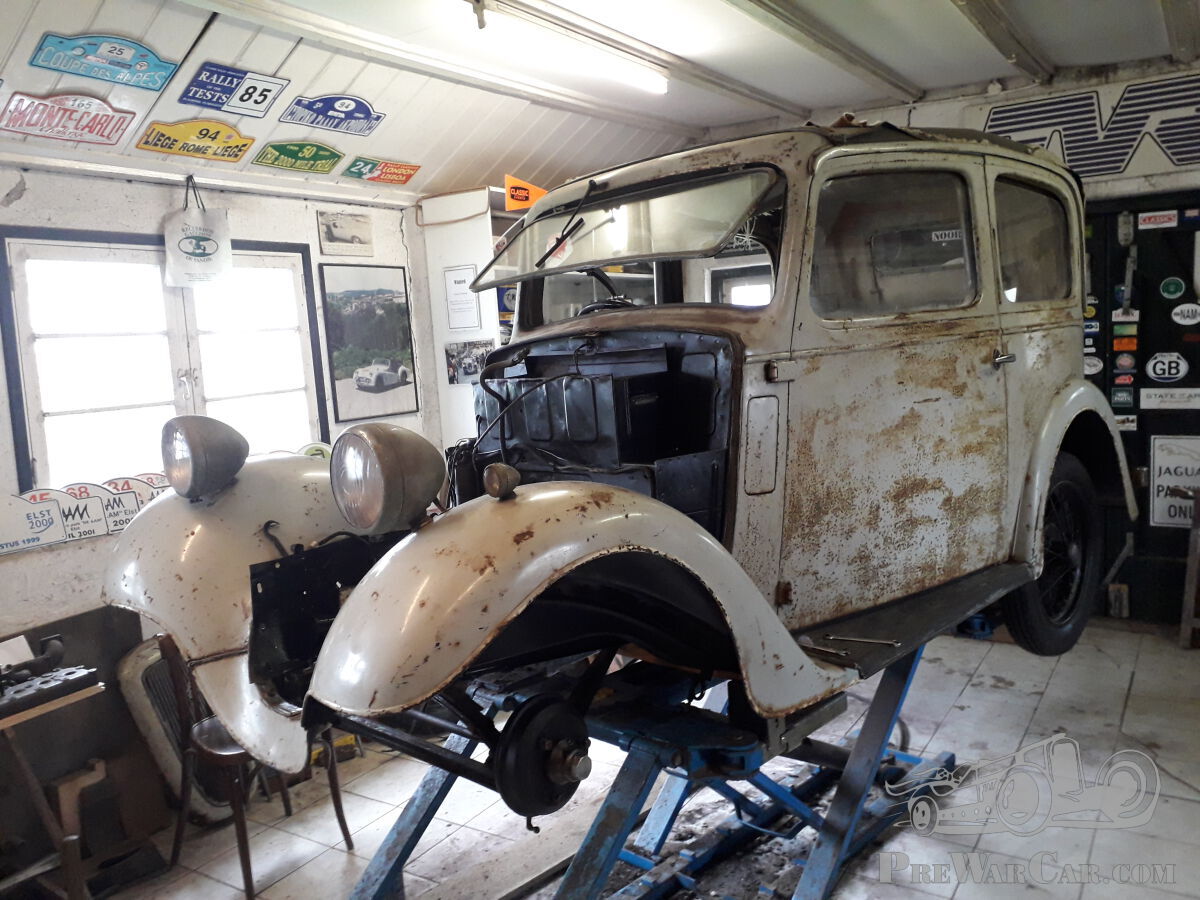
With the bonnet and radiator out the way, there was nothing to hinder its removal
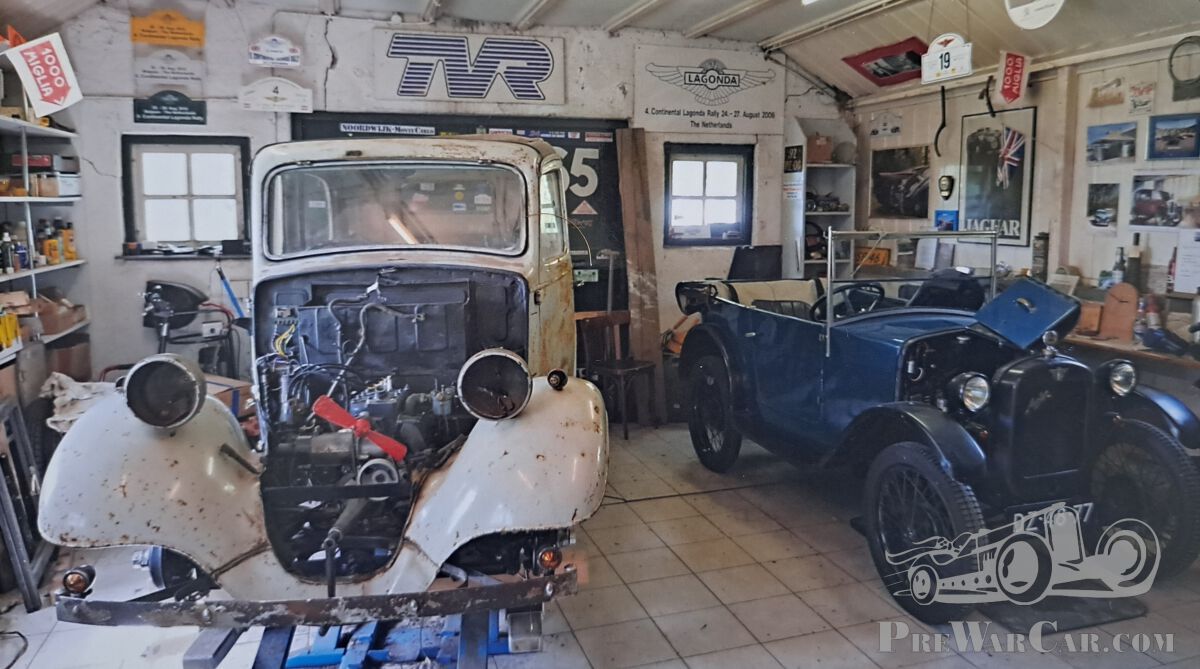
The Chummy kept the Pearl company while it was undergoing surgery
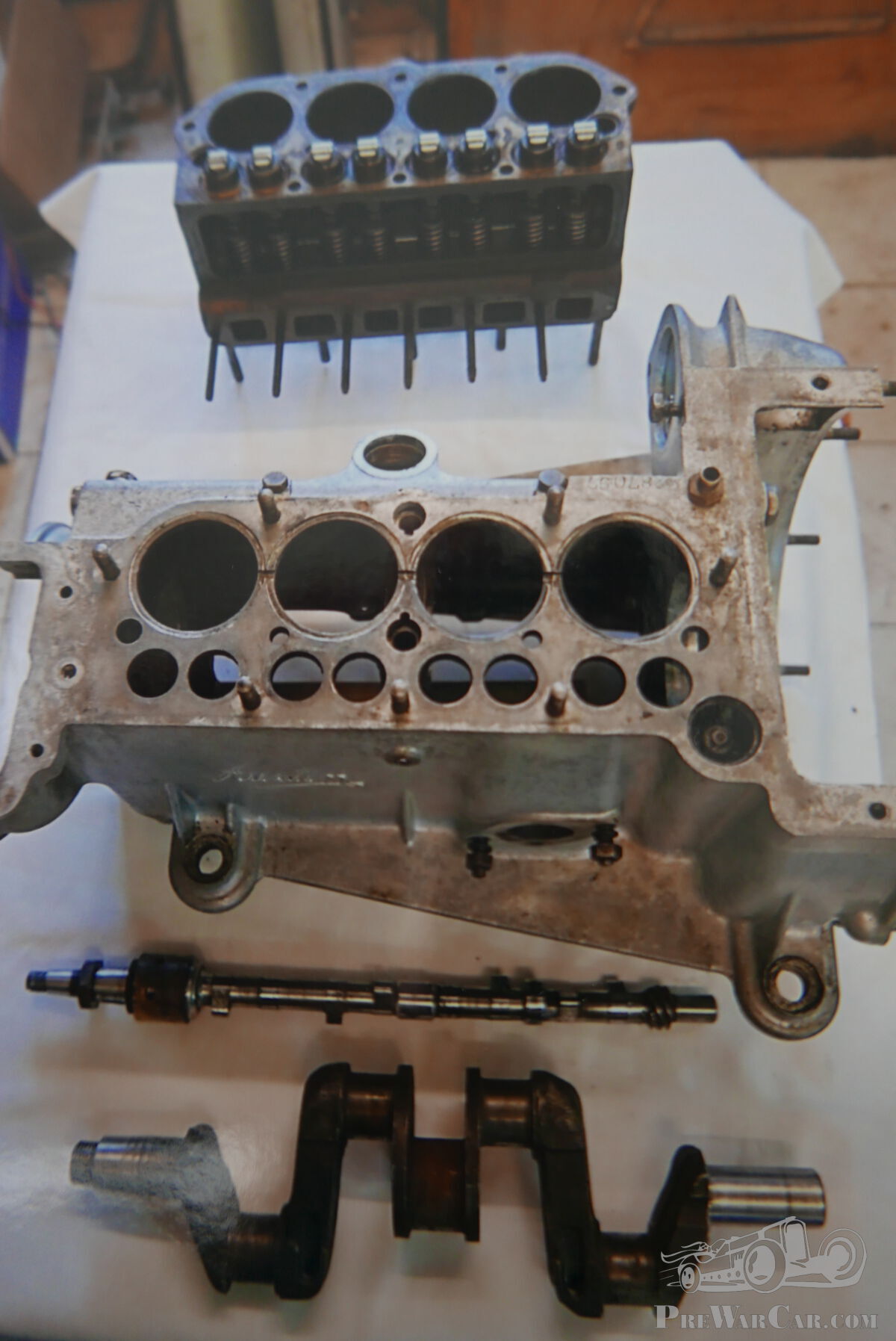
The cause of the seizure was a corroded main bearing
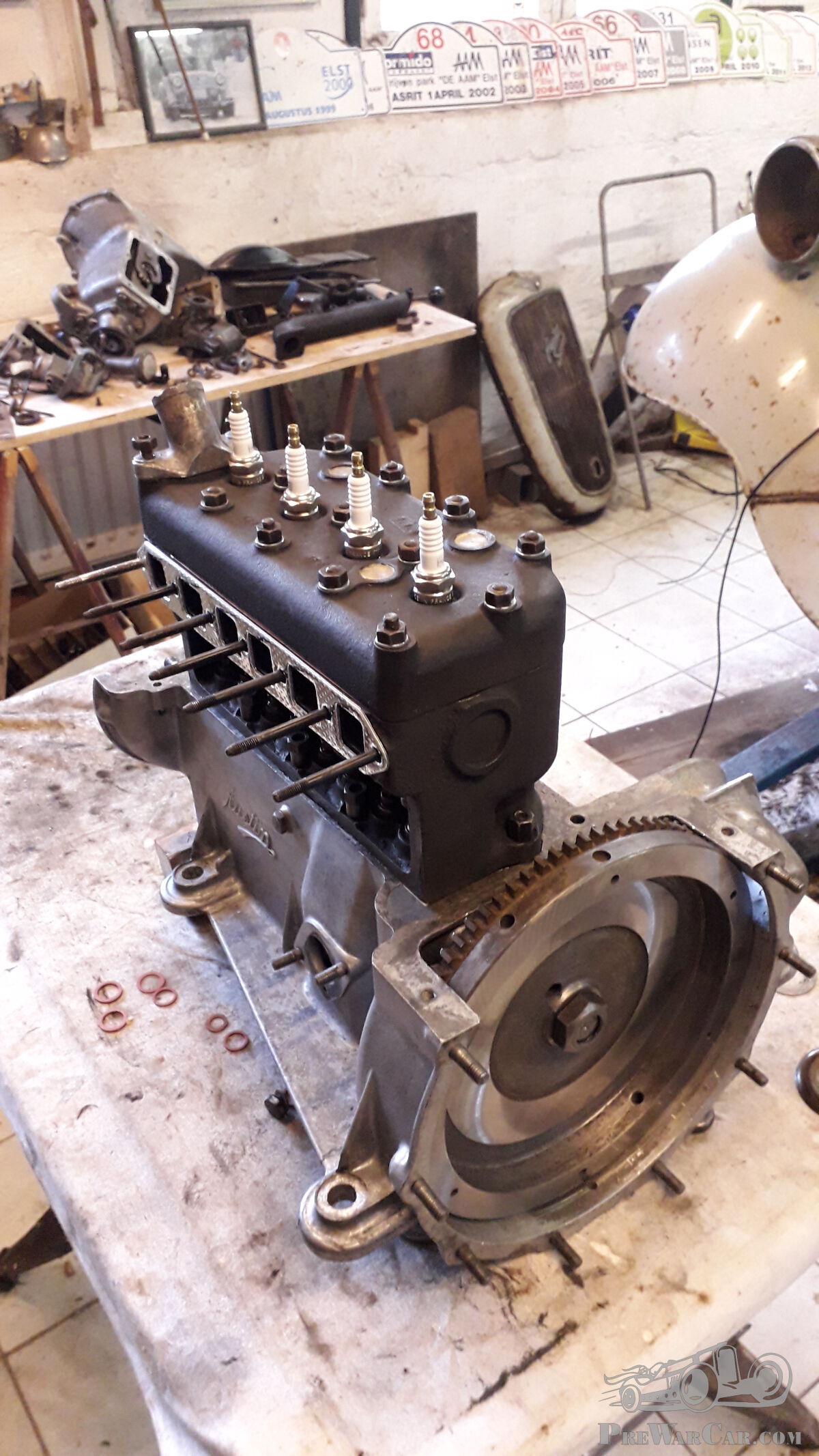
Once it had been rebuilt, the engine looked as good as new
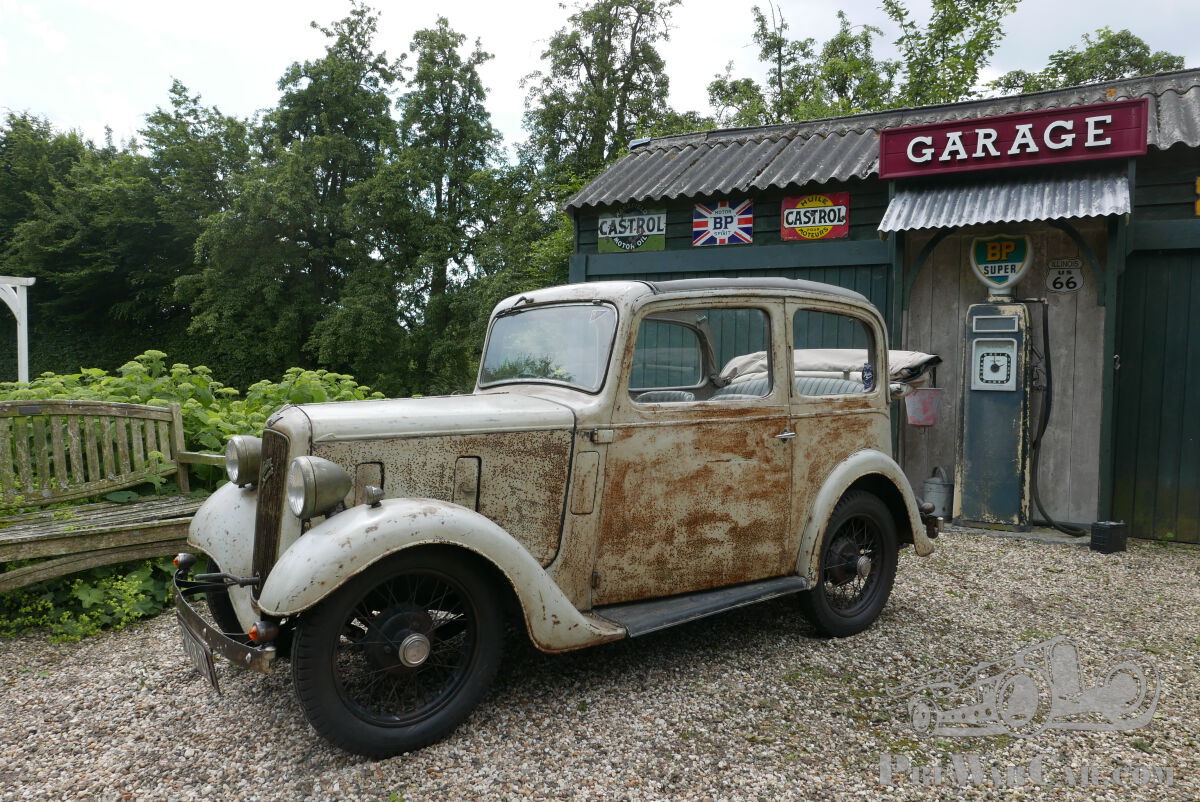
Sunshade fabric, of all things, makes a surprisingly good material for an aged-looking hood
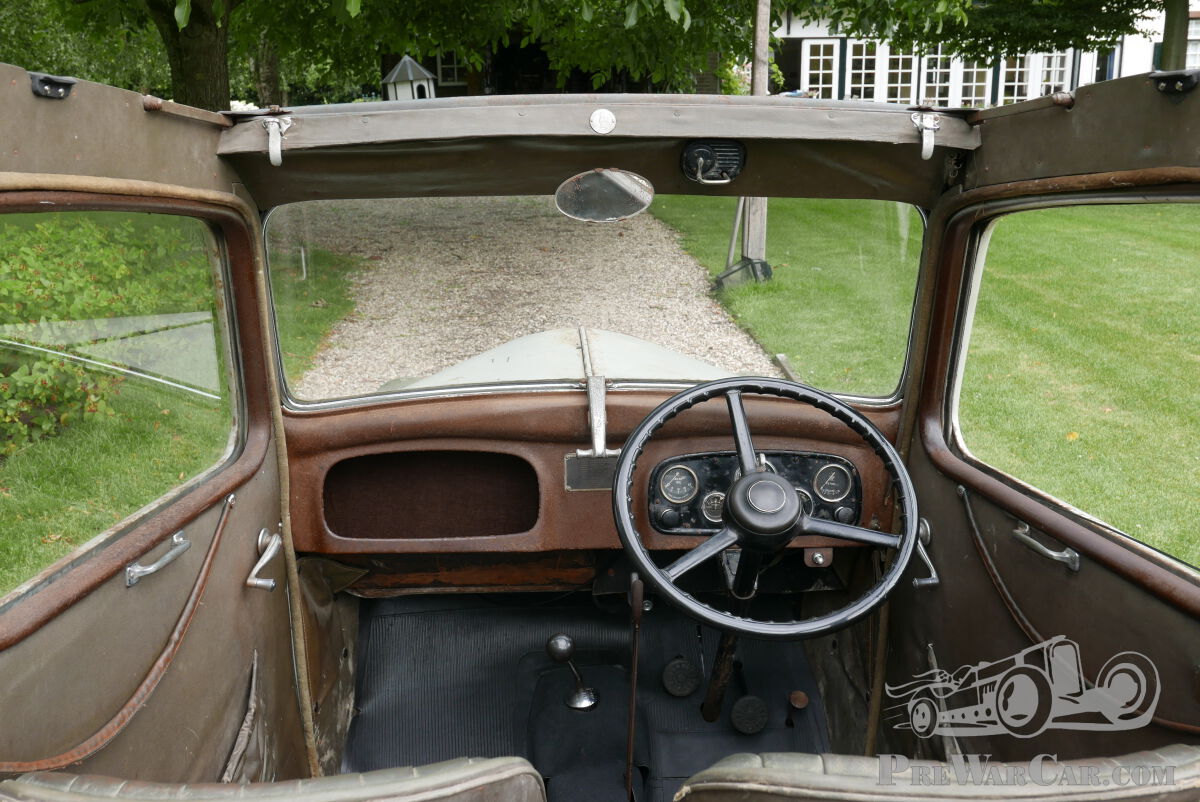
The interior is supremely original


On The Automobile's Oily Rag Run around Belgium last September, there were a lot of very fine historic cars promoting the virtues of preservation, but few were quite so extremely patinated as this charming 1938 Austin Seven Pearl. However, despite its rough appearance, it was clearly a well-loved car that didn't miss a beat. Its owner, Herman Arentsen, reveals how he brought it back to life after fifty-seven years off the road.
If, like me, you have been a passionate enthusiast and collector of British cars for more than 40 years, but have never owned an Austin Seven, the day will come when you can bear it no longer—you just have to have one. Of course, I had seen many Sevens over the years and had often had the opportunity to purchase one, but there were always other, more pressing priorities. Even so, that didn’t stop me buying the books, delving into the Seven’s history and studying all the different types.
For me, the perfect Seven would be one that didn’t hide its age, so it had to be unrestored, preferably a “find,” but mechanically sound and roadworthy. For a long time I searched the internet and visited auctions. Unfortunately, many finds are in a very poor condition and need total restoration. It’s noticeable that real finds have become more popular in recent years, and one even sees on other cars attempts to simulate patina. This could be a reaction to the over-restored cars that are often more “perfect” than when they left the factory. So often one sees too much chrome and too many accessories and stickers. The saying “never put sugar in the honey” is very appropriate for a restoration. Such “over-sweetened” restorations remind me of the failed face-lifts of certain ageing celebrities...
In the spring of 2017 I unintentionally came across a 1928 Chummy for sale in southern Germany. It was not the real “find” I was looking for, but mechanically it seemed in good order, and it wasn’t in concours condition. I bought it anyway. Sometimes one has to make concessions... Still, though, the desire for a real barn-find remained, despite promising my wife that the Chummy would be my very last purchase.
In December, 2018, I saw on a British website that a barn-find 1938 Austin Seven Pearl was available. The Pearl was the cabriolet version of the well-known Ruby saloon. I immediately called the owner with many questions. From what he told me, I knew it would be the right car for me. I first had to convince my wife that this really was a very special, “needle in the haystack” sort of discovery. An agreement was made with the owner that the purchase would go ahead if, when viewing it, it matched the description.
A cross-ferry rescue mission
After this appointment, things had to be arranged quickly. The ferry from the Hook of Holland to Harwich was booked and money had to converted. The next morning in Harwich Harbour, the lady at customs asked me what I was going to do with the empty trailer. When I told her, she said she was an Austin Seven fan! Apparently everyone in Britain had a father or a neighbour who owned a Seven or learned to drive in one. With apologies to the passengers waiting behind us, we enjoyed our long chat about Sevens.
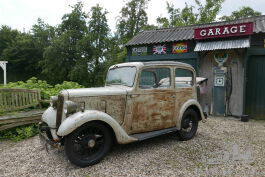
Our destination was a very small village in Buckinghamshire. The friendly owner of the Seven lived with his wife in a beautiful barn which had been converted into a house. We were warmly welcomed with coffee and, of course, the conversation turned to old cars. As nice as it was to talk, we had business to discuss, too. Fortunately, the Seven lived up to my expectations. The body had surface rust, but there were no holes. The hood was almost completely worn out, but the dark green leather interior was in remarkably good condition after removing a thick layer of dust end pigeon droppings. The original buff logbook was also present, according to which the car was originally grey. This probably meant the ash grey with black wings, but it had been repainted light grey in the distant past. The car, registered EXT 66, was owned by Daniel Sullivan of Sydenham, Oxfordshire, till 1963 and had only three owners during its existence. It had in been in the possession of the vendor since 1990 and, before that, it was owned by a nearby farmer who had not driven it since 1963. Remarkably, it had only been used for 25 years of its 82-year life.
We got carried away talking for too long and waited too late before we started to load the car onto the trailer. The engine was seized and the tyres had no air, so it was very difficult to load. A rising storm and driving rain made even covering it with a tarpaulin almost impossible. We decided to avoid motorways with this worsening storm and followed the back roads to Harwich. The next day, we returned to the Netherlands by a daytime ferry under beautiful sunny skies.
Upon returning home, the Seven was carefully inspected. Everything was complete and even the inflatable “Float-on-Air” seat fillings were still present. After restoring several cars in the past, including a Riley Kestrel, Jaguar XK120, Jaguar E-type and MG Magnette, where concours standard was always the goal, it was going to be difficult to learn a new discipline: conservation before restoration. It was going to be a challenge to preserve this piece of English heritage in its lived-in state as well as possible for future generations.
.JPG)
Solid body, seized engine
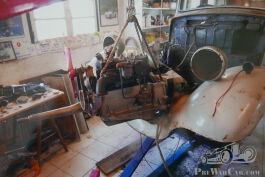
I started by trying to free the completely seized engine. I tried to loosen the pistons with penetrating oil. Seeing no progress, I stopped this after a week. I decided to remove the engine and gearbox. Once the bonnet and radiator have been removed, this is a simple task. The advantage of a Seven is that you can take the engine and gearbox out on your own without an engine hoist.
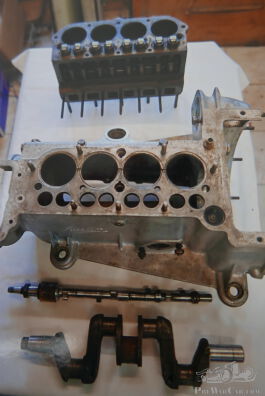
During the disassembly of the engine I discovered that the pistons were not stuck but the rear main roller bearing was the cause. This bearing had, over the years, turned into a piece of solid rust. Removing the crankshaft bearings was a difficult job. It required patience, specialist tools and regular heating of the aluminium block with a paint stripper. Finally, I succeeded.
Removing the crankshaft likewise required either a lot of patience. When disassembling the engine, I noticed that a tooth of the camshaft sprocket was missing. Fortunately, a member of the Dutch Pre-War Austin Seven Owners’ Club was able to furnish me with a set. That’s one of the benefits of belonging to the club: you can get advice or assistance when you need it.
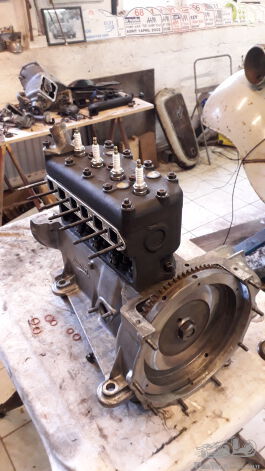
A good friend, who sold his engine shop a few years ago, was allowed to grind the crankshaft and machine the cylinders in his former workshop. The flywheel had deep grooves and also needed to be ground. I was able to save the slightly damaged camshaft and valve tappets; after careful polishing, they looked new again. Of course, I replaced the valves and springs. Riveting new linings onto the clutch disc was an easy job, and altogether, building the engine was very rewarding.
I was in the middle of the restoration and the Beaulieu Autojumble was on at just the right time. I have been visiting the jumble for over forty years and it’s the best place to buy Seven parts. In addition to dealers with new parts, you’ll also find many used parts. To maintain my car’s weathered look, several old parts were on my shopping list.
The next step was removing the interior. Behind the back of the rear bench was a large mouse nest in which generations of mice probably grew up. Fortunately, the leather was not damaged – in fact, it was in remarkably good condition, with just a few scuffs here and there, but that is all part of the character of an unrestored car. I repaired a loose seam with a bent needle and thread, and treated the leather with a lot of cream to regain its suppleness.
Protecting the patina
One question was how to preserve the surface rust on the body? Impregnate it with WD40 or paint it with clear matt lacquer? After several tests, I opted for a mix of boiled linseed oil and turpentine. This was the perfect solution. The result looks very good, it’s protecting the rust and it’s not too shiny. A less pleasant job was removing the rust from the underside of the body. I was able to use my son’s two-post ramp. With wire brushes, whether rubbing by hand or using the electric drill, it was a very laborious day’s work.
Next, I started replacing the wiring loom. Firstly, I carefully labelled everything I had to remove, having purchased a new loom. It’s excellent that most parts are available for a Seven, even down to the loom. Replacing wiring is still a complicated puzzle to me and not my favourite type of work. Luckily, help was provided by a good friend who enjoys playing with electrics.
The engine, by this stage, was ready to install. This time I used an engine hoist, which made it an easy job to do on my own. With new rubber mounts, the engine sat neatly in place once again. The starter motor and alternator were returned from a specialist, who had tested them for me. The radiator and a new exhaust pipe were mounted in their places. I’d checked the radiator for leaks and decided it was in good order. The engine, gearbox and differential took some gulps of new oil, and then the exciting moment arrived—starting the engine!
The collection of loose parts, which a few months ago were all scattered on the workbench, were about to come to life, all in harmony. A six-volt battery was connected and petrol was pumped to the carburetter. After a few cranks of the starter, the garage filled with smoke, and yes, it was running! Fortunately, there were no unpleasant noises to spoil my euphoria. It would be an exaggeration to say it was an emotinal moment, but it came close. I was with a friend at the time and, while we didn’t quite start dancing, we did agree to celebrate with a few pints of beer...
The final challenge: an oily-rag hood
All the Pearl now needed was a new folding hood, which had to be in keeping with the unrestored appearance. First, the right material had to be found. Most new hoods are black, but that would have created too great a contrast. The choice of grey hood fabrics is limited and I couldn’t find one in an appropriate shade. The perfect solution, I found, was waterproof sunshade cloth. In the meantime, I had visited someone in our village who specialised in repairing clothes and curtains. This man was up for a challenge and wanted to do the stiching work. I would mark the stiching seams and after a few visits to his sewing workshop, I saw the result and was highly satisfied. The sides were trimmed with strips of vinyl.
The Pearl was ready for a few test drives round the local area. After some adjustments to the carburetter and ignition, it ran perfectly. At last, it was time to make an appointment at the inspection station to get a Dutch road licence. This is a very serious matter, conducted by very strict inspectors... The Seven made it through without any problems, and after a few days, I received the Dutch licence registration PM-03-03. The shiny new number plates were in stark contrast to the aged appearance of the car so I placed them then upside down on the gravel path through our garden and walked over them a few times and then they looked old. This concluded a very enjoyable and educational project.
After a few tours round our area and a rally organised by the Dutch Pre-War Austin Seven Owners Club, I dared to register for the annual Elfsteden Oldtimer Rally (Eleven Cities Rally) in Friesland, in the north of the Netherlands. This 150-mile rally is always held the Saturday after Ascension Day, and over 400 pre-war cars and 150 motorcycles participated. We also succesfully completed the The Automobile’s Oily Rag Run in Belgium.
The Austin Seven Pearl is a wonderful car to drive. It provides a lot of pleasure and just goes to show that you don’t have to rob a bank to enjoy a real, high-quality historic car. What would my advice to readers be? Buy an Austin Seven as soon as you can!
Words and photographs: Herman Arentsen
Pubblicato:
giovedì agosto 15th, 2024
Facebook
LinkedIn
Twitter
WhatsApp
Email
Copy
Commenti
Ron Bunting
19 Agosto 2024, 12:10
Louis Barrois
18 Agosto 2024, 12:33
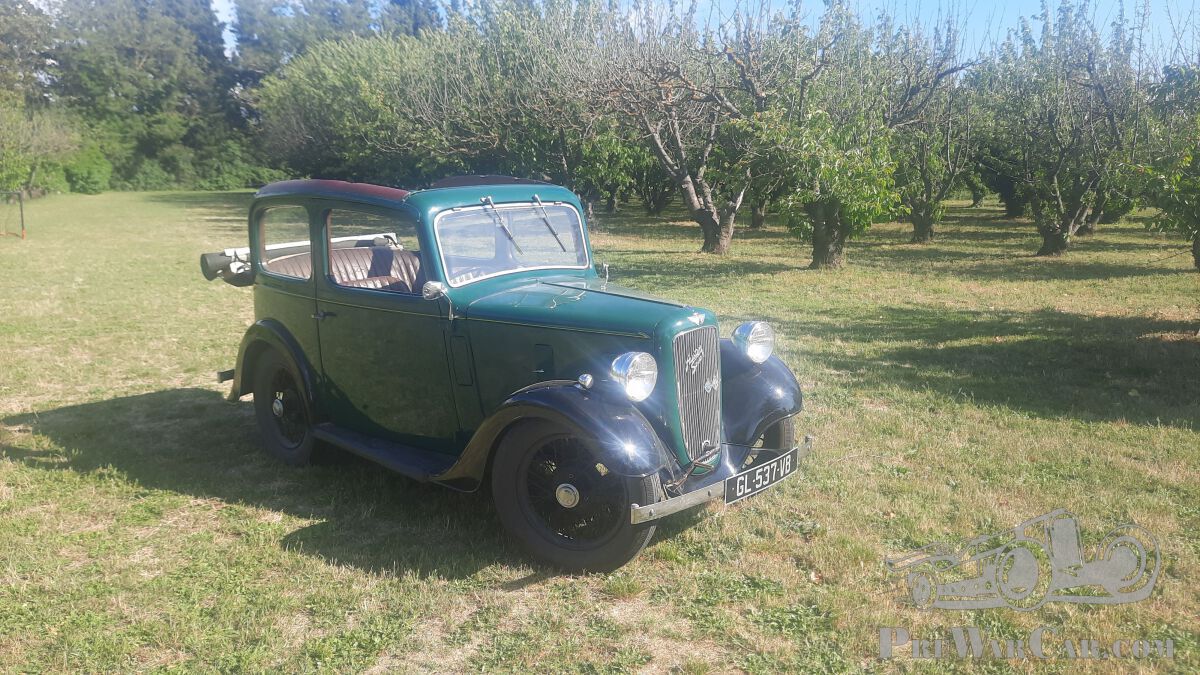
I also own a charming 1937 Pearl, it is a real pleasure to drive it.
Per saperne di più
Michel Vandamme
18 Agosto 2024, 11:20
Beautiful story, thanks for sharing. There’s always a huge and rewarding pleasure with turning an old barn find into a living creature, whether it is a motorcycle or a classic car.
Per saperne di più
Dad went into the club to see if he could find the owner. After few minutes he came out with an older gent. He was wanting to sell, it turned out, and his asking price was $75. After looking around it, we saw it had no signs of rust and the interior was in nice condition, right down to the original coir mats on the floor. I piled in after Dad paid the old soldier and we set off for home about 200 miles south. It wasn't the fastest car on the road, barely breaking 30 mph.
Once home, Dad fixed a burnt valve by welding up the hole burnt in it and reusing the head gasket. A rear spring was broken and had been propped up with a piece of wood. While the spring was being fixed, it was decided to repaint the car in dark cherry maroon. All in all it was a favourite of the family and perfect transport in the small town where we lived. In that time, although it could boil if driven too fast, it never burned oil and never broke down. They are fascinating cars!