La rivista e il marketplace globale per gli appassionati di auto d’epoca, creati da appassionati.
La rivista e il marketplace globale per gli appassionati di auto d’epoca, creati da appassionati.


Filter
Faccia la sua scelta
- Automobile
-
Marca >>
-
Anno >>
-
- Motociclette
-
Ubicazione >>
- Parti e altro
-
Marca dell'auto >>
-
Produttore >>
-
Categoria >>
- Biciclette
-
Anno >>
-
Paesi


The titan of tricycle-racing returns: 1900 Renaux to star in Montlhéry's Olympic Cup

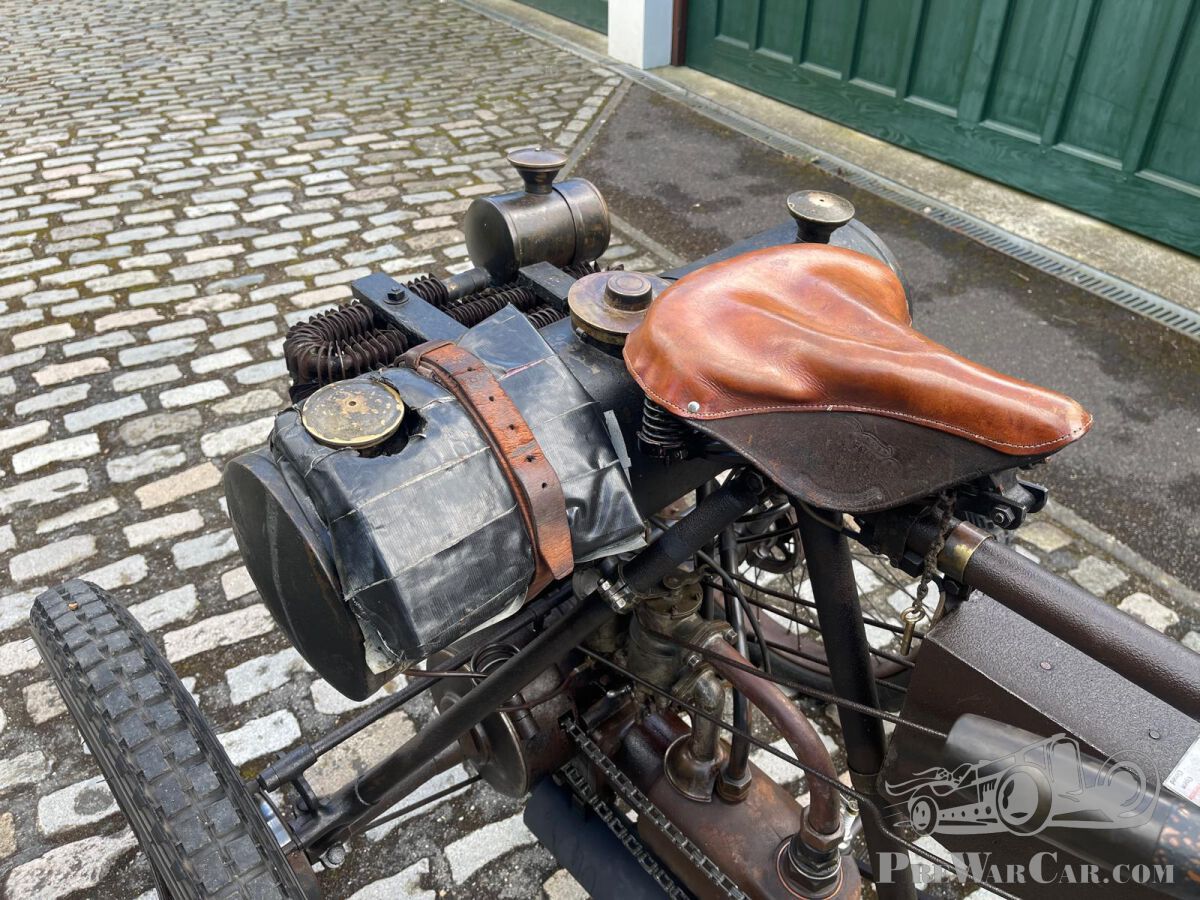

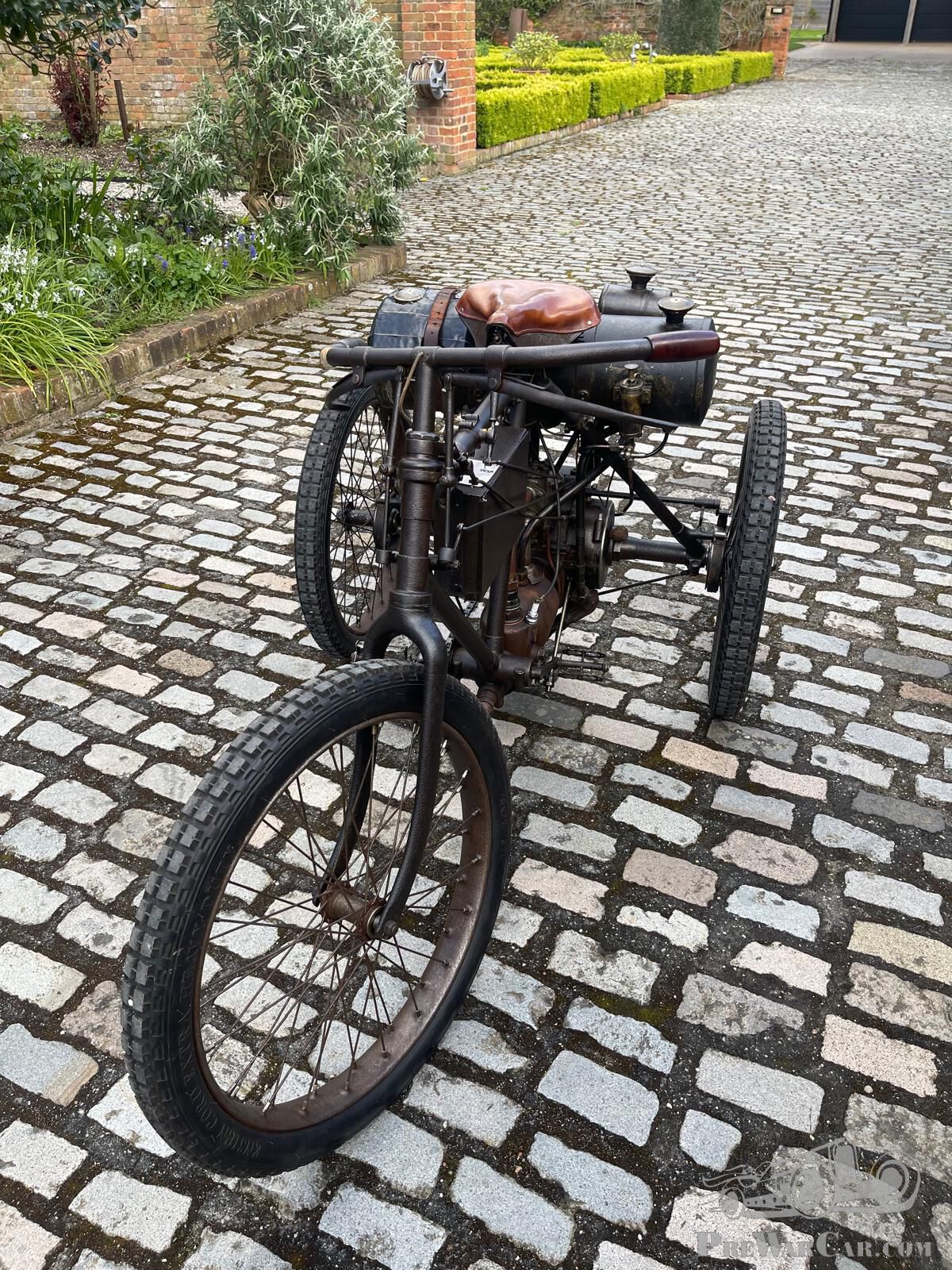




Possibly a single-cylinder, 500cc, five horsepower engine is not many people's idea of a 'titan', but consider your average Victorian motor tricycle. In 1898, the largest of the De Dion-Bouton engines, which powered the vast majority of tricycles, had to be content with just 250cc and 1¾ horsepower. Such machines were still capable of more than 20mph, which was quite fast enough for most riders. Racing drivers, however, have a different idea of what is fast enough, and it may have been dreams of victory laurels which prompted Prosper Alexandre Renaux to develop a machine that would leave De Dion riders choking on his dust.
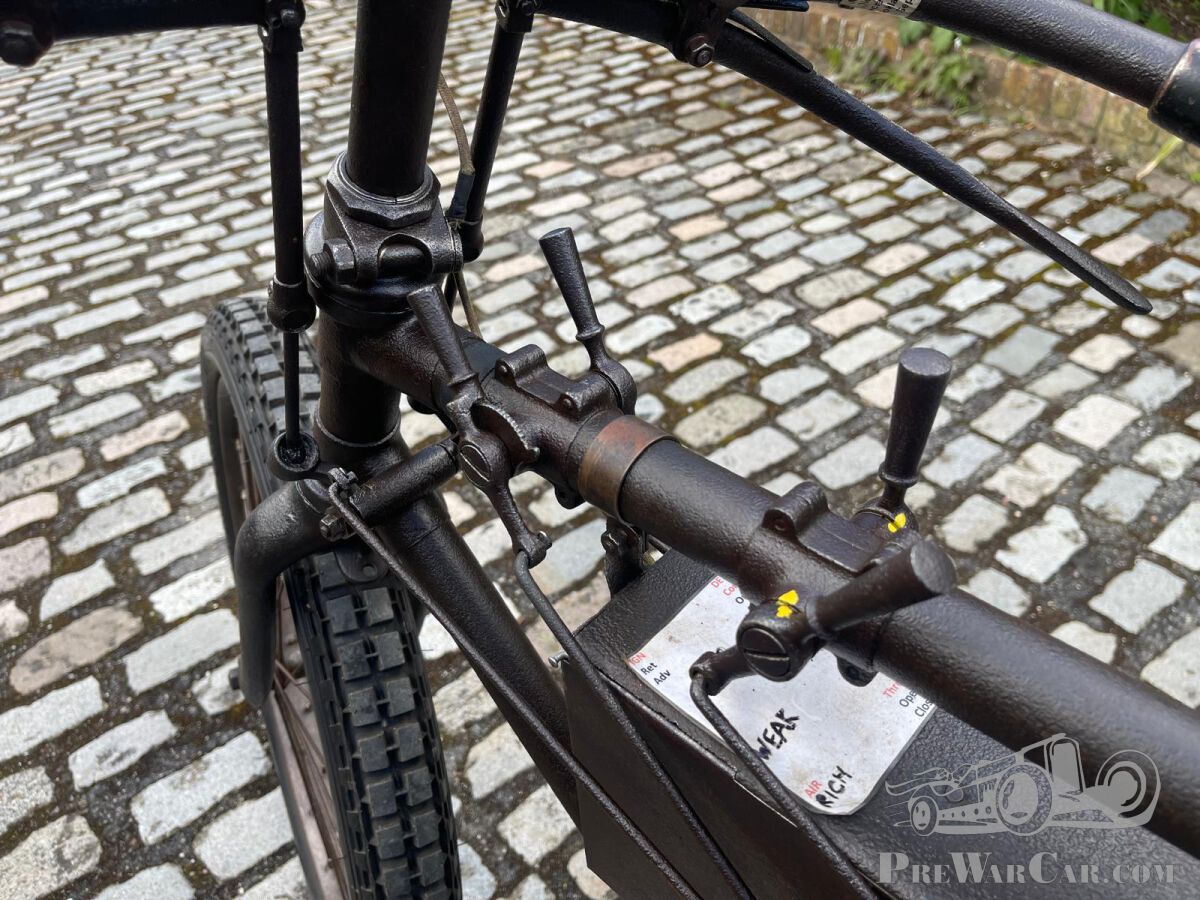
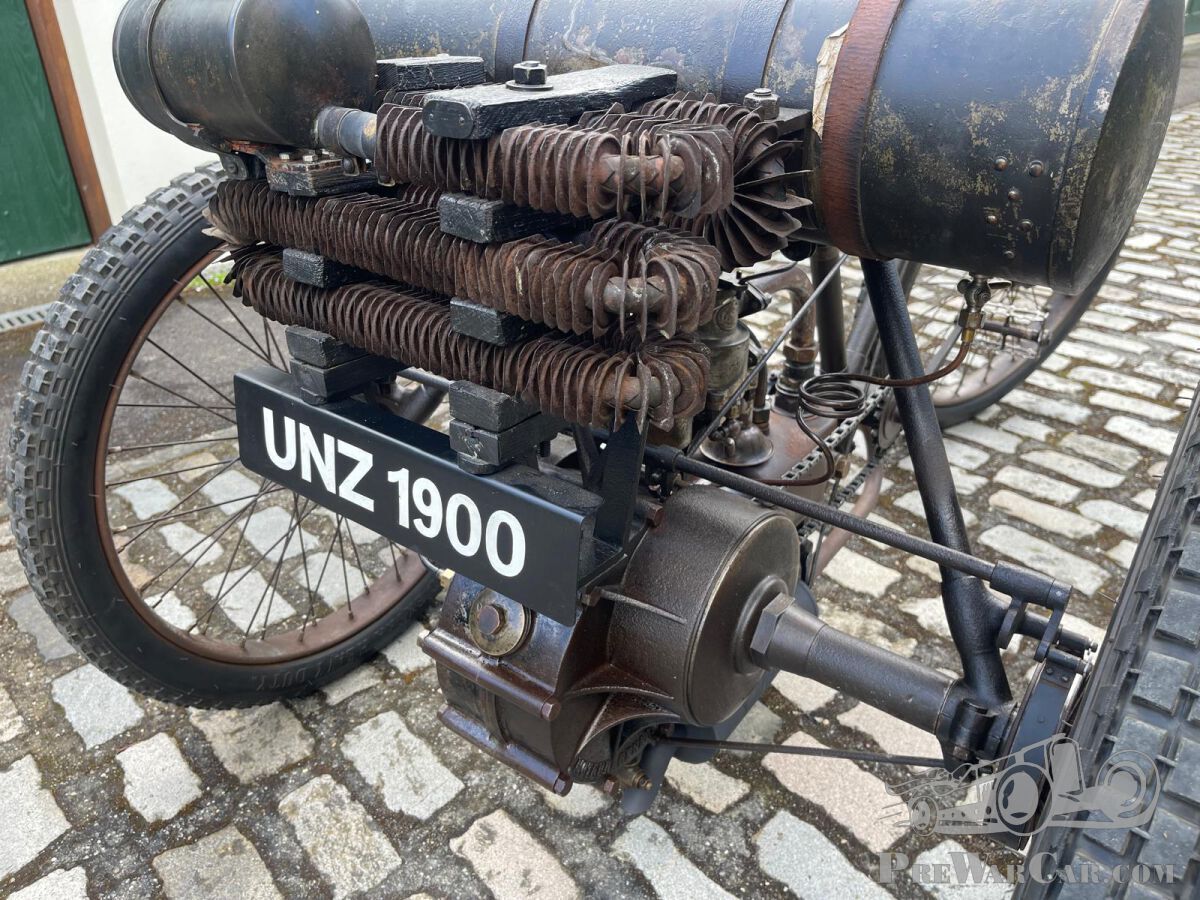
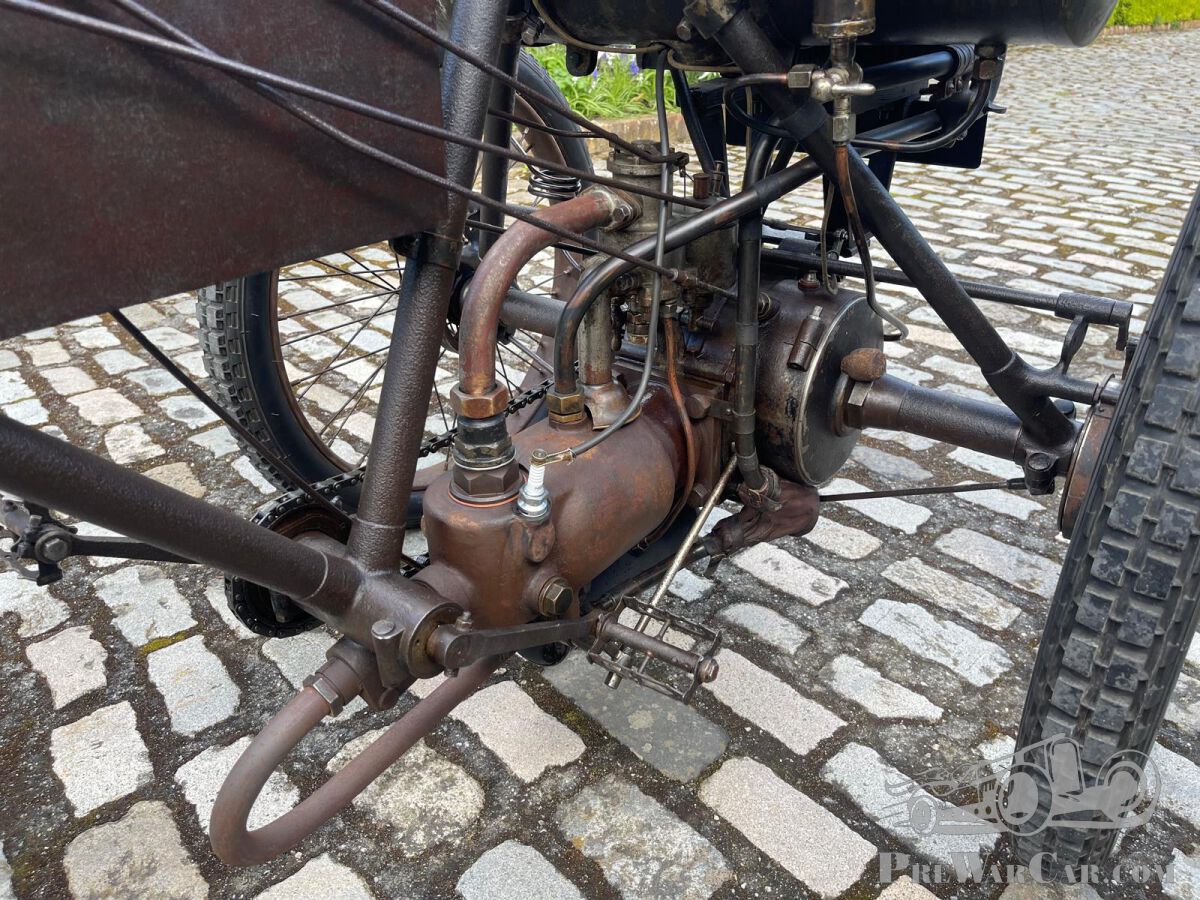
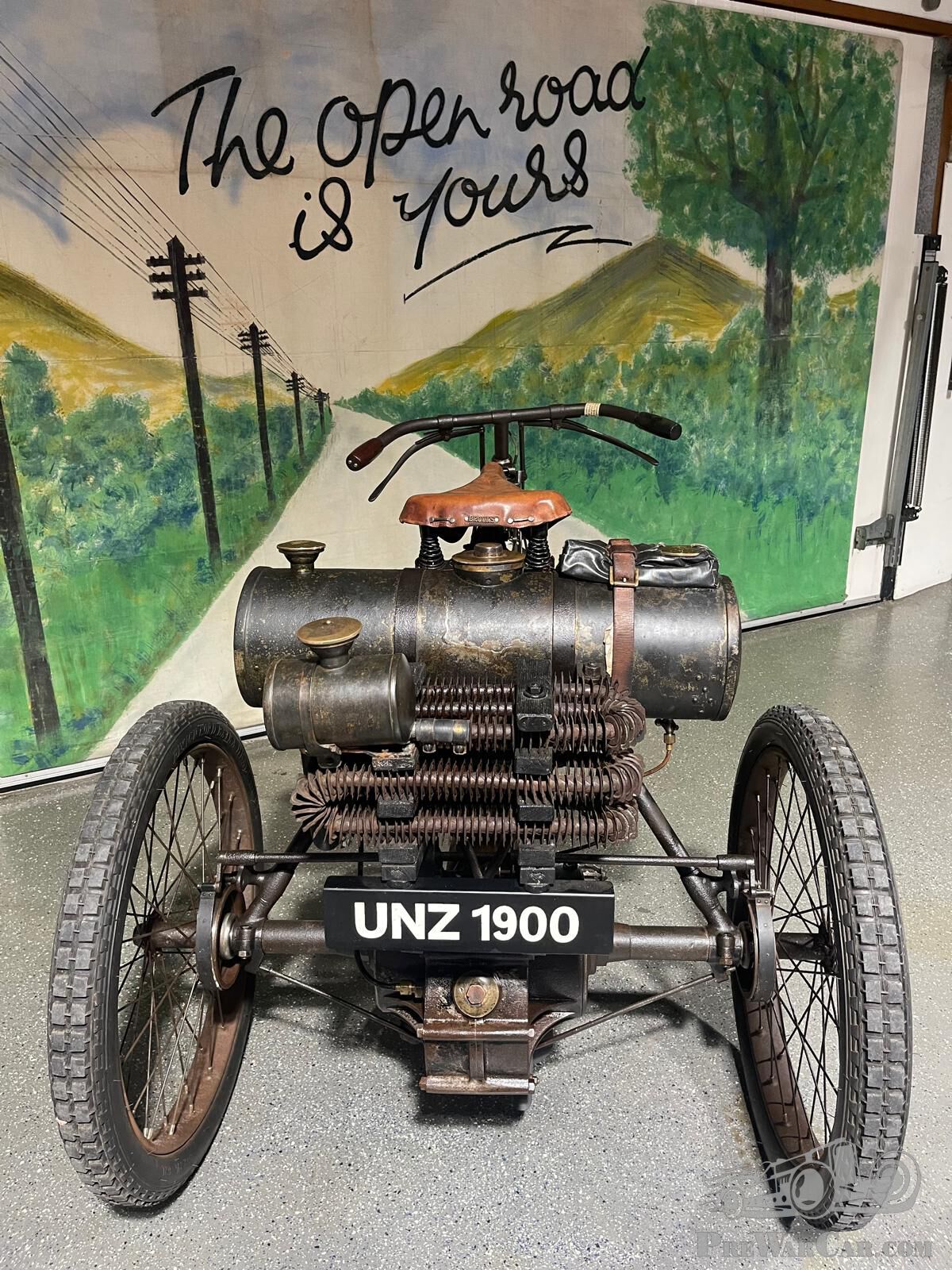
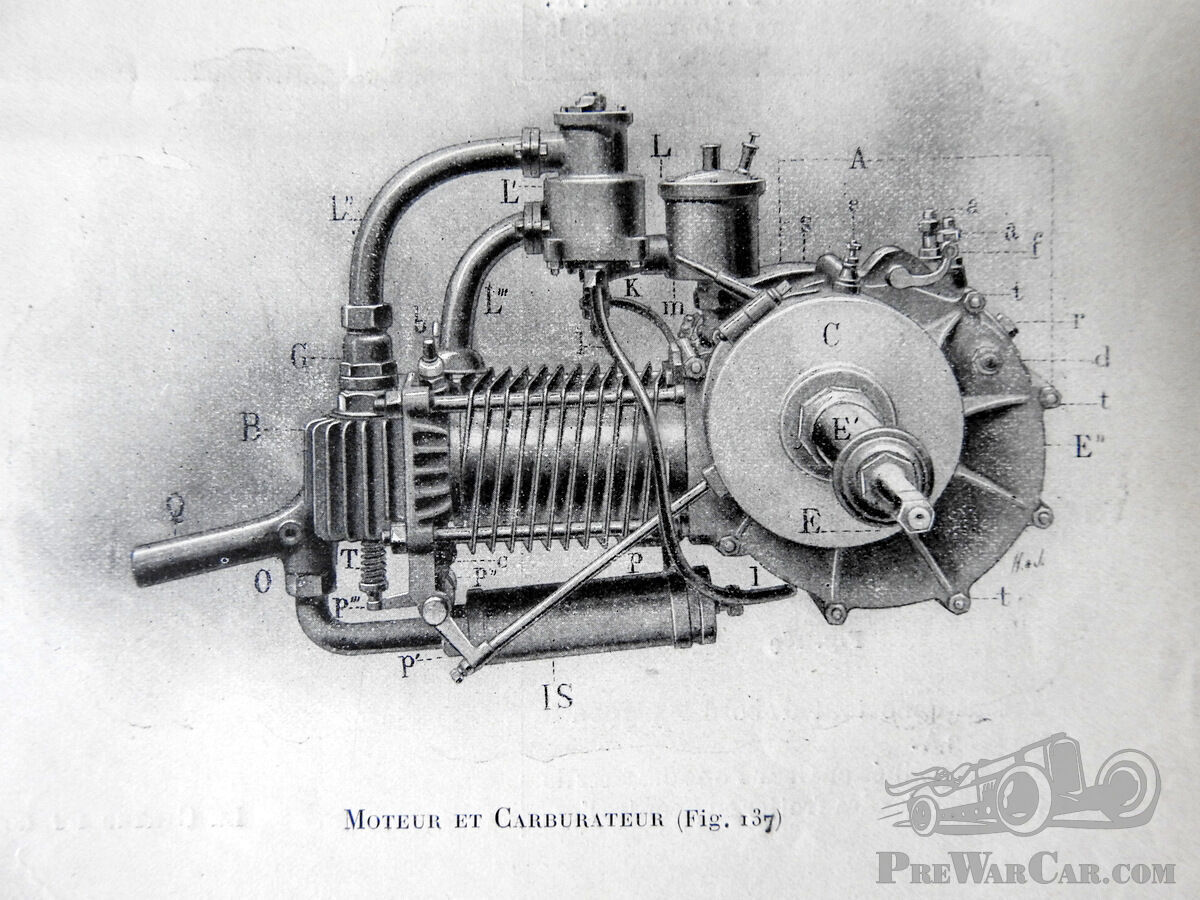
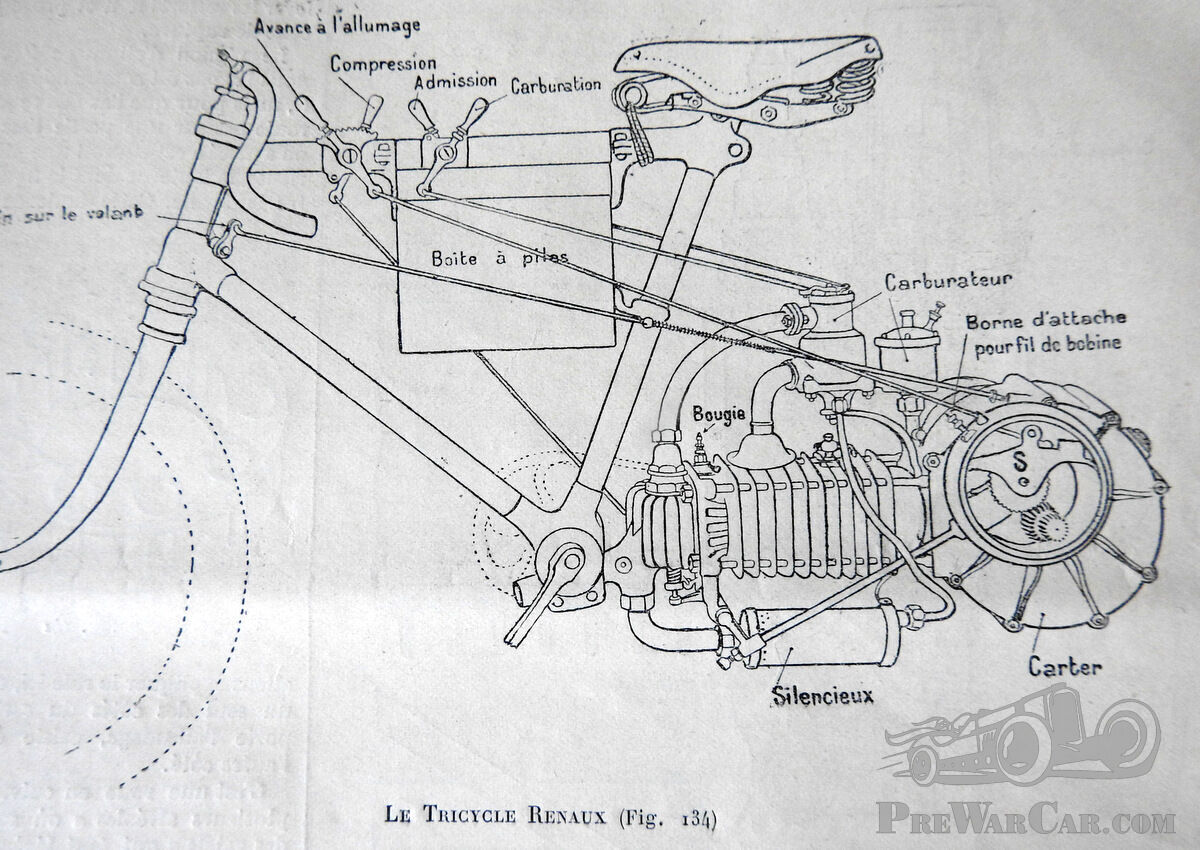
Apart from size and power, the chief difference between the Renaux and tricycles of the De Dion type was that the engine in the Renaux was horizontal and positioned between the rear axle and the pedals, the cylinder head facing forward, unlike the vertical De Dion engines which were mounted behind the axle. The Renaux also used electric ignition and a Longuemare carburetter, and was available with water-cooling from at least late 1899.
M. Renaux had a connection with the motorcycle and automobile business L'Energie, at 8, rue Sedaine, Paris, and it was this firm that was to market his mighty tricycle. The first the public knew of the Renaux machine was in November, 1898, when a description appeared in La Locomotion Automobile. For readers who were enthusiastic about tricycles, it was a cause for some considerable excitement, because a three-horsepower version was described in an article by Worby Beaumont as "the most powerful vehicle of its weight ever made." By 1900, De Dion engines were producing 2¾hp, but the Renaux engines experienced an equivalent increase to five horsepower.
There is no evidence of the Renaux tricycle being advertised for sale apart from a single advertisement which was placed in the 1899 Annuaire Général de la Vélocipede, which also advertised a Voiturette à moteur Renaux of five-horsepower, with three speeds and water-cooling. It mentioned that road machines were being built to the same specification as the racers, but it seems to have been the case that Renaux were only really intended for racing.
A runaway success in St. Malo
Renaux's first recorded competition appearance was in the 1899 Coupe des Motocycles, but it was in the Paris-St. Malo race of the same year that it enjoyed its finest hour. The event was organised by the Association Vélocipédique d'Amateurs and, beginning on July 30th, covered a distance of 231 miles from Paris, viâ Suresnes, Versailles, Dreux, Verneuil, Mortagne, Alençon, Pré-en-Pail, Mayenne, Fougères, Antrain, Dol, Viaier and Parane, to finish at St. Malo.
It was a hotly-contested competition, especially so for Renaux, as, of the 92 entries, a total of 64 were tricycles. Whatever setbacks he might have suffered during the race, if any, they mattered not a bit. He stormed his way across France to arrive in St. Malo the winner by a country a mile, having covered the distance in 7 hours 11 minutes, averaging 32.2mph—quite a frightening speed on a tricycle—and finishing 21 minutes ahead of the first car to arrive.
A British magazine reported: "It was essentially a race for tricycles, and the first to arrive at Saint Malo was Renaux, on a horizontal-engined machine of his own construction. He lost his way at Dol, and, taking the wrong turning, went a long way round, arriving at the finish from the wrong side of the banner, to the great bewilderment of the officials. However, as it was seen that the détour he had made was considerably longer than the correct route, and that therefore it was no hardship on the other drivers for his time to be acknowledged, he was not disqualified."
Renaux continued to be raced up to 1900, but records of the machines seem to stop after an air-cooled Renaux quadricycle was driven by Gustave in the Concours de Gaillon in November, 1900. In September, 1900, it was reported in The Autocar that licensed production of Renaux was to begin in Manchester at the works of Marshall & Co., but this likely never began. Marshall seems to have dropped the idea in favour of building a twin-cylinder, Buchet-engined four-seat car.
A unique and mysterious survivor
Evidently, a number of Renaux were produced between 1898 and 1900. It is impossible to say how many, but two have survived. One of these, a three-horsepower air-cooled example with a 90 by 90mm engine, somehow found its way into the Science Museum's reserve collection at Wroughton. Nothing is known of the other prior to it joining the Guelon Collection in France, from where it was purchased by the present owner, an enthusiastic De Dion-Bouton collector, in 2018. It's a remarkable machine for a number of reasons, one being that it has an 85 by 95mm engine of 514cc and the full five horsepower, and is water-cooled—the few surviving photographs of Renaux from in period only depict air-cooled examples. Furthermore, although some restoration work took place in the Guelon Collection, this Renaux still presents very much as a highly original survivor, and there was even evidence to suggest that the engine had never been run until the present owner set about recommissioning it. In 2022, it was examined by the Veteran Car Club and dated as 1900.
Only a small handful of people have had the privilege of seeing the extraordinary 5hp Renaux run. Its owner took it to the Team Jarrott tricycle races at Brooklands in 2021, where it completed a few demonstration laps but was not driven in anger. Now, though, there's an excellent opportunity for enthusiasts from across Europe—across the world, even—to take a look at it when it appears at Vintage Revival Montlhéry from May 10th to 12th.
The Renaux will be appearing as part of the Team Jarrott-organised Olympic Cup, a tricycle race being staged in honour of the historic race that was run as part of the 1900 Paris Olympics. Tricycle racing always makes for an exciting spectacle and the presence of the Renaux is surely an extra incentive to head to Montlhéry this May. For more information about the event, visit www.vintage-revival.fr
Words: Zack Stiling
Pubblicato:
giovedì maggio 9th, 2024
Facebook
LinkedIn
Twitter
WhatsApp
Email
Copy
Commenti


Laurent Zoller
15 Maggio 2024, 19:34
Bonjour Vasily.
Merci.
Amicalement.
Laurent
Per saperne di più
Merci.
Amicalement.
Laurent


Luc Ryckaert
09 Maggio 2024, 08:42
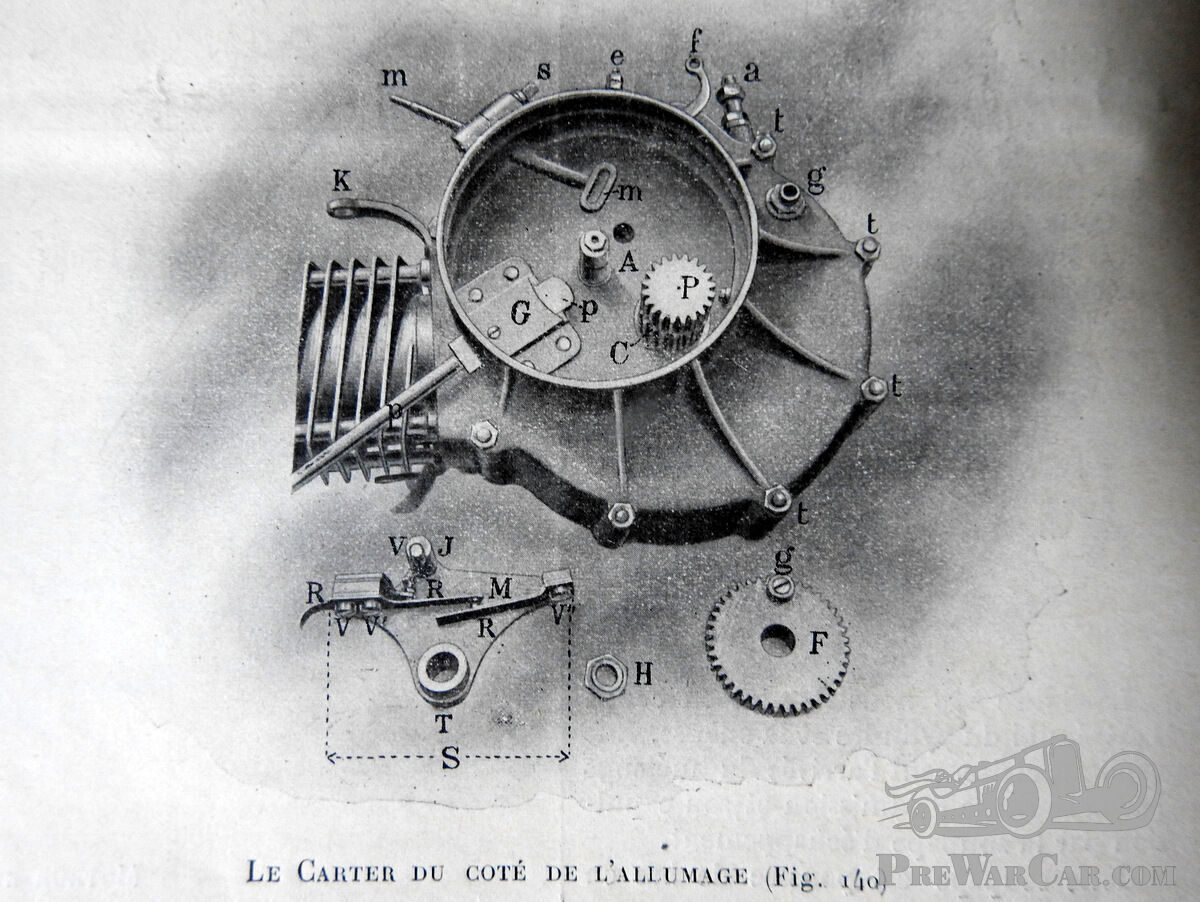
In "La France Automobile", numbers 16 (March 1st, 1900), 17 (March 4th) and 18 (March 8th), there is a detailed description on several pages of the Renaux tricycle. I'll make copies and bring them to VMR this weekend.
Kind regards,
Luc Ryckaert
Per saperne di più
Kind regards,
Luc Ryckaert
Jorrit Vincent
09 Maggio 2024, 12:09
Hello Luc,
Maybe you could make two copies? The guys from Yesterdays Motorcycles have a motorcycle with this engine in their private collection. I'm pretty sure they would like the article.
Kind regards,
Jorrit Vincent
Per saperne di più
Maybe you could make two copies? The guys from Yesterdays Motorcycles have a motorcycle with this engine in their private collection. I'm pretty sure they would like the article.
Kind regards,
Jorrit Vincent
N'ayant pas pu me rendre à Monthléry , je vous envoie ce message.
Je possède aussi de nombreux documents sur Renaux :
Motor-car Journal du
- 11 aout 1899
- 18 aout 1899
-27 octobre 1899
- 20 avril 1900
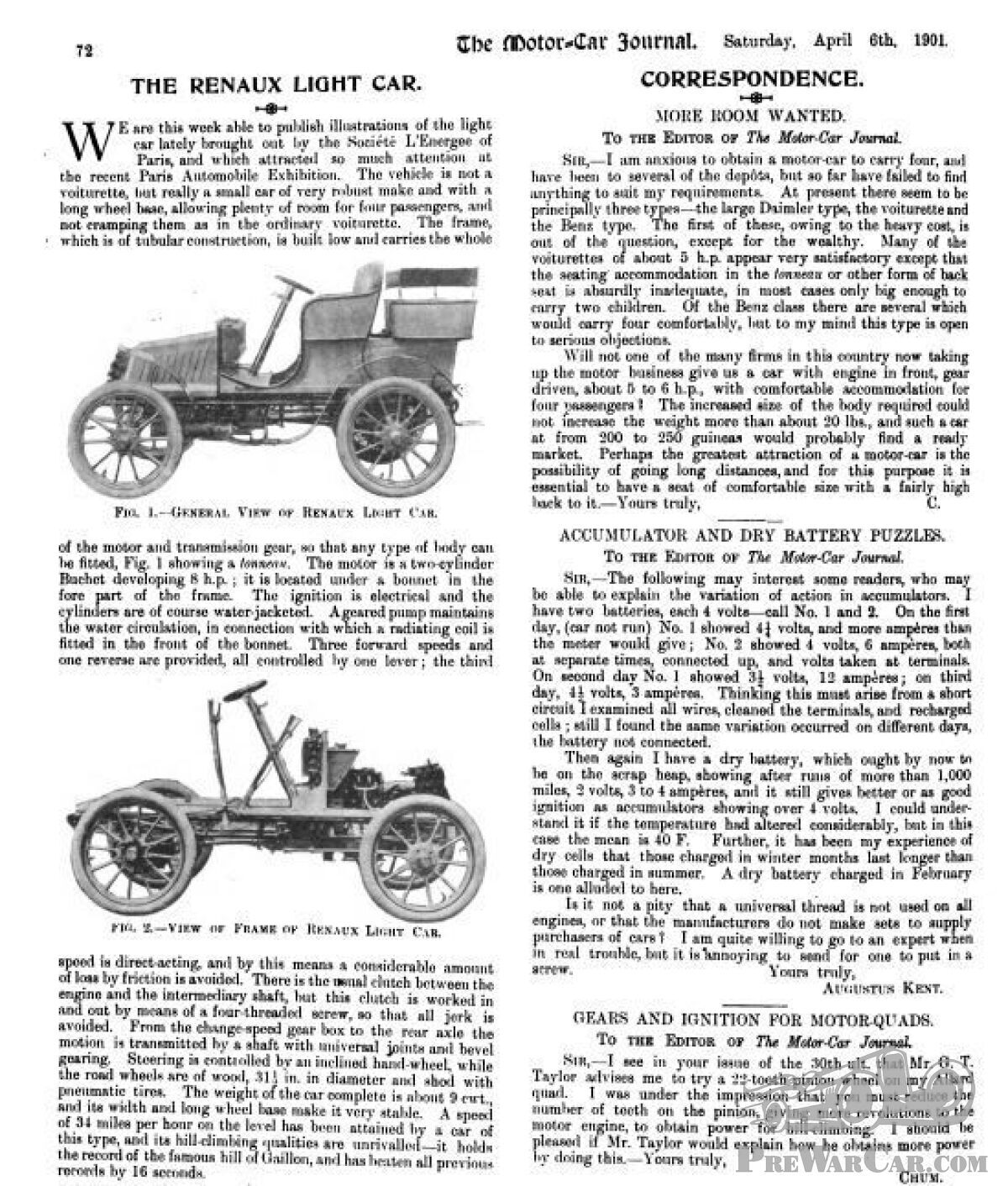
-6 avril 1901 ( vue générale et vue du châssis du quadricycle)
Automotor Journal de
- mai 1900
Autocar du
- 15 septembre 1900
Horseless de
-mars 1900
et d'autres revues ..
Ainsi que :
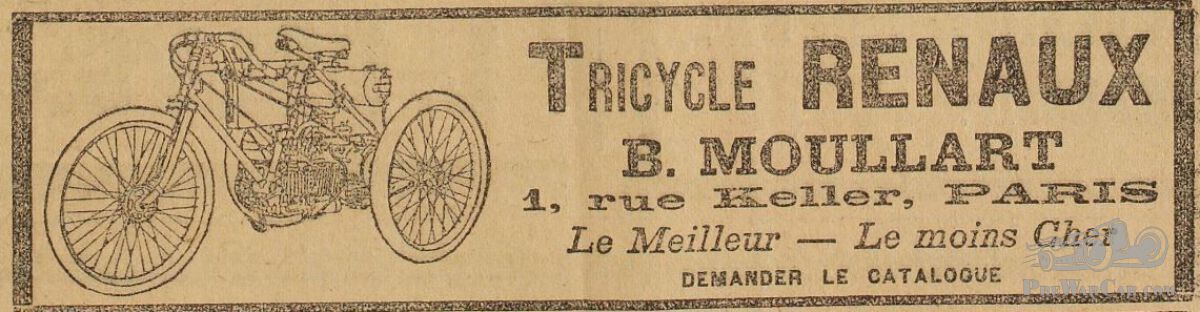
- publicité pour le tricycle Renaux
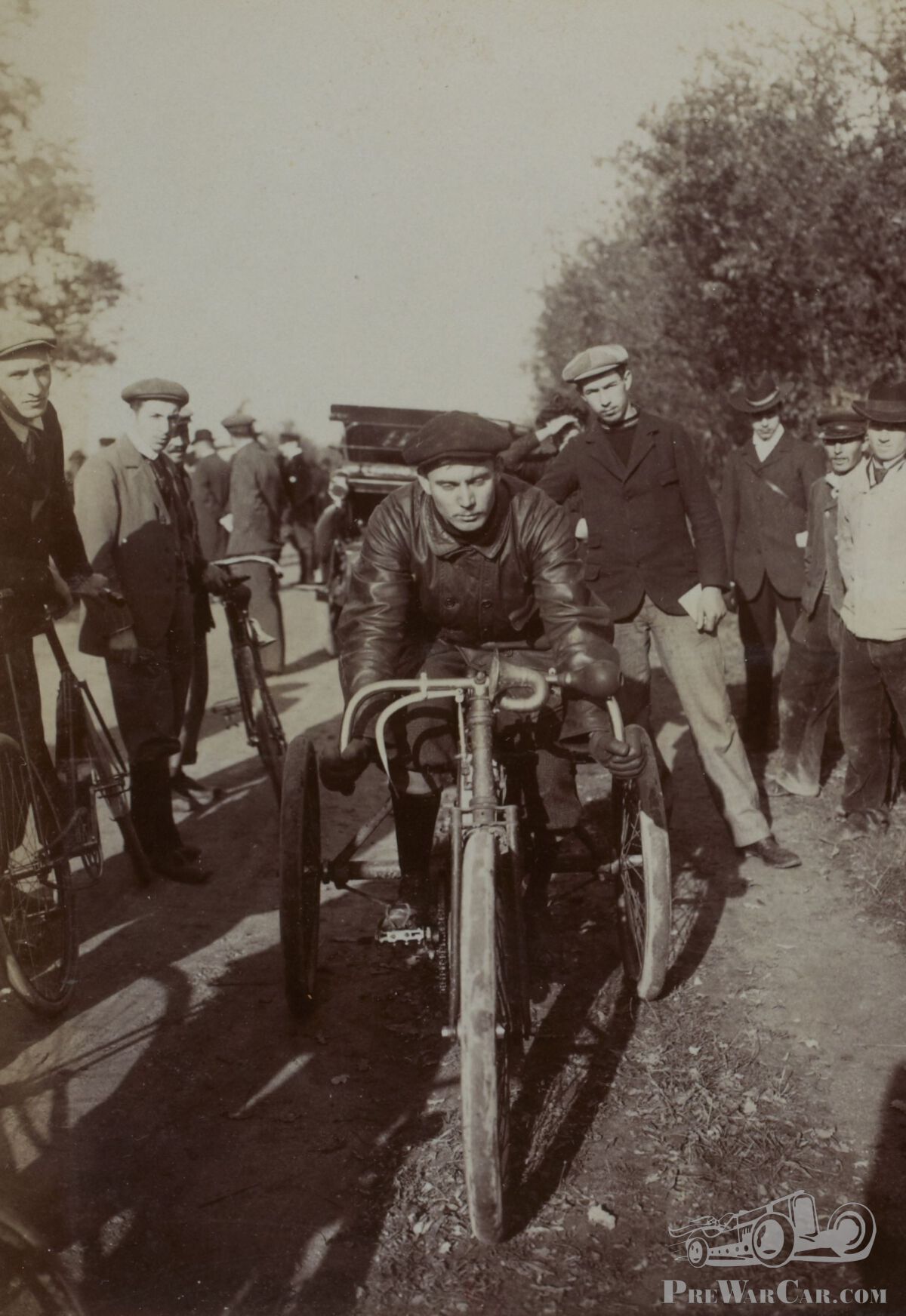
-photo du tricycle Renaux à la course de côte de Chanteloup en 1899
je joins quelques uns de ces doucuments .
Je peux faire parvenir une copie aux personnes intéressées.
--------------------------------------------------------------
Not having been able to go to Monthléry, I am sending you this message. I also have numerous documents on Renaux:
Motor-car Journal
- August 11th, 1899
- August 18th, 1899
- October 27th, 1899
- April 20th, 1900
- April 6th, 1901 (general view and view of the quadricycle chassis)
Automotor Journal
- May, 1900
Autocar
- September 15th, 1900
Horseless
-March, 1900
And other journals, as well as :
- advertising for the Renaux tricycle
-photo of the Renaux tricycle at the Chanteloup hill climb in 1899
I am attaching some of these documents.
I can send a copy to those interested.