La rivista e il marketplace globale per gli appassionati di auto d’epoca, creati da appassionati.
La rivista e il marketplace globale per gli appassionati di auto d’epoca, creati da appassionati.


Filter
Faccia la sua scelta
- Automobile
-
Marca >>
-
Anno >>
-
- Motociclette
-
Ubicazione >>
- Parti e altro
-
Marca dell'auto >>
-
Produttore >>
-
Categoria >>
- Biciclette
-
Anno >>
-
Paesi


On the history trail: tracing the owners of the Munn-Astor Ghost
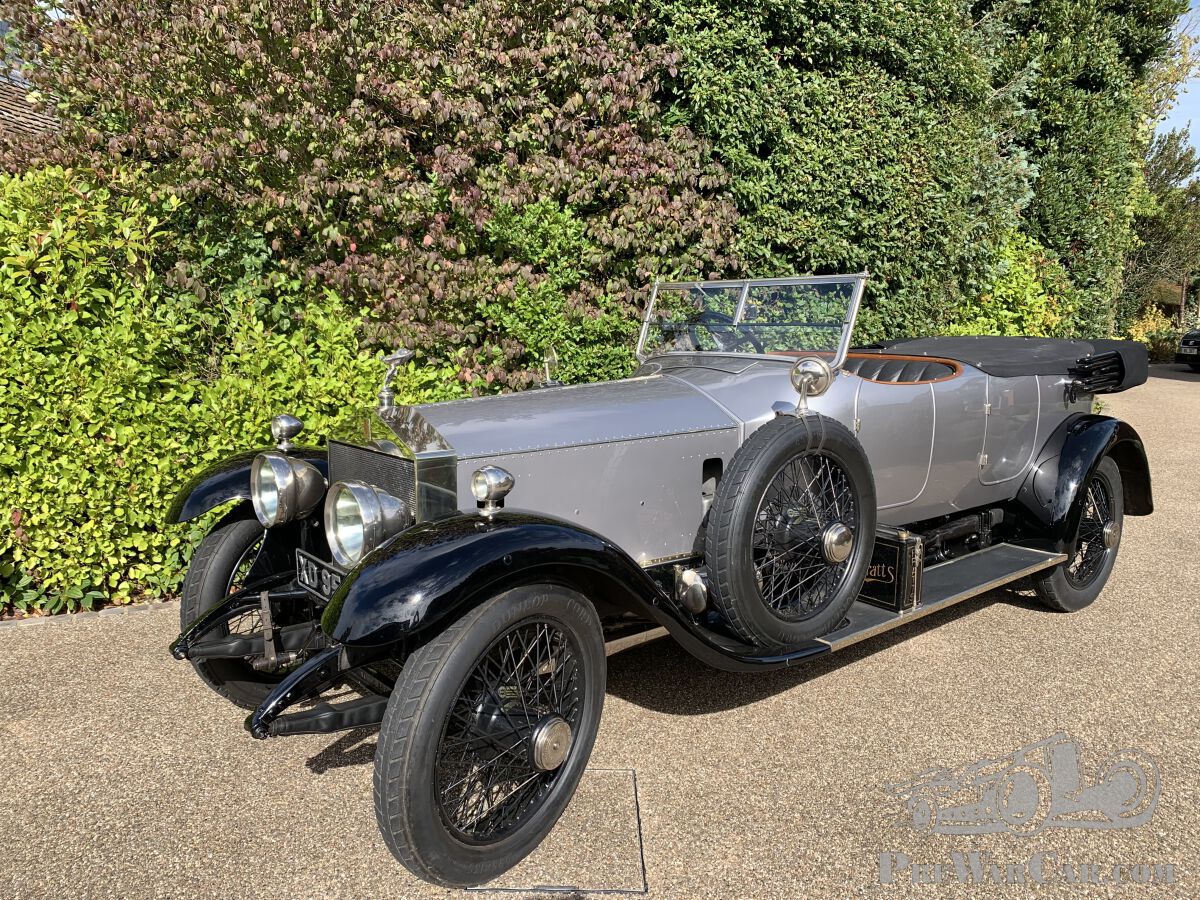
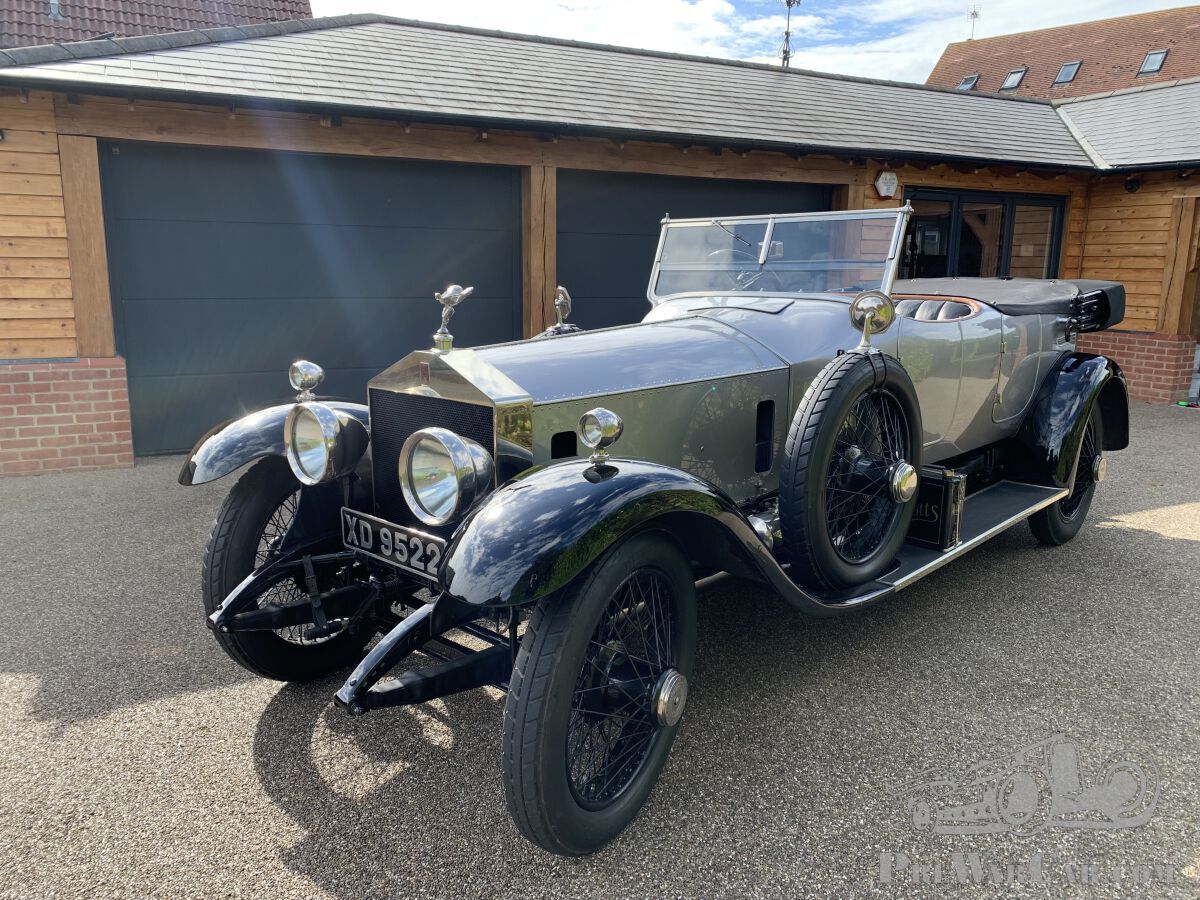
Chassis 75RE as it is today, in the ownership of Philip Williams
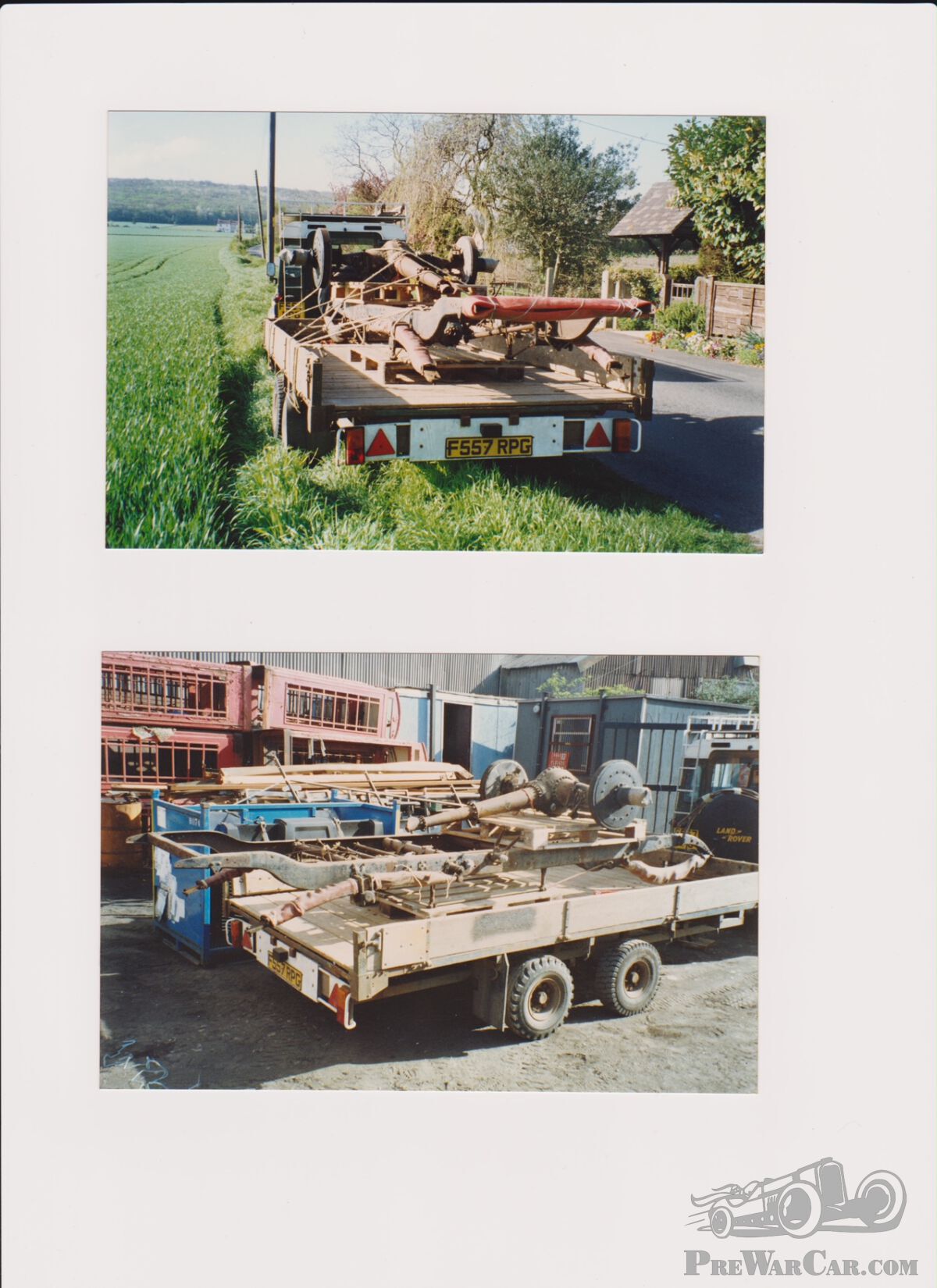
The chassis of 75RE as recovered by Ivan Odds in 1995
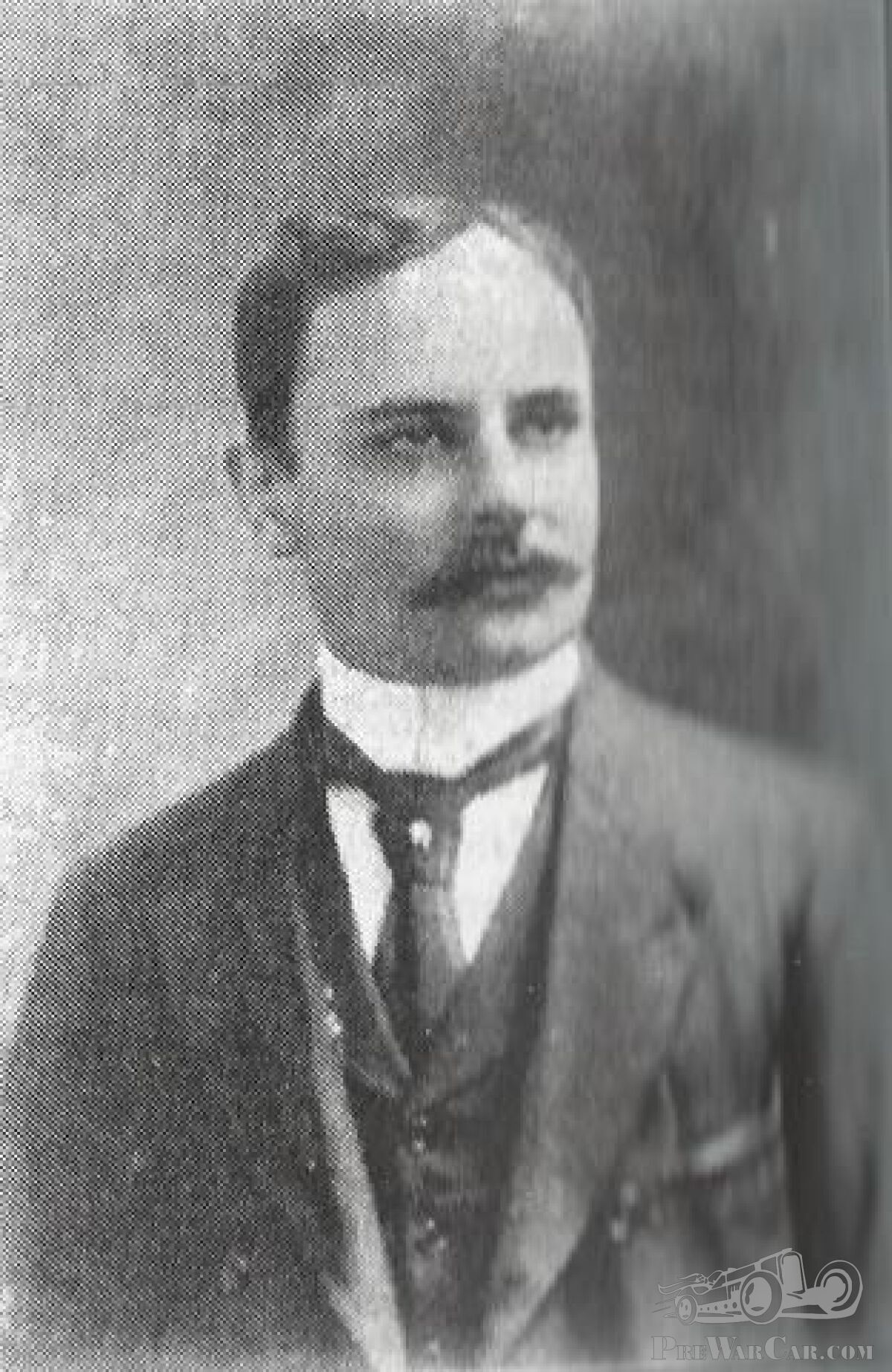
Major Anthony Ulysses John

Charles and Mary Munn were always fashionably attired


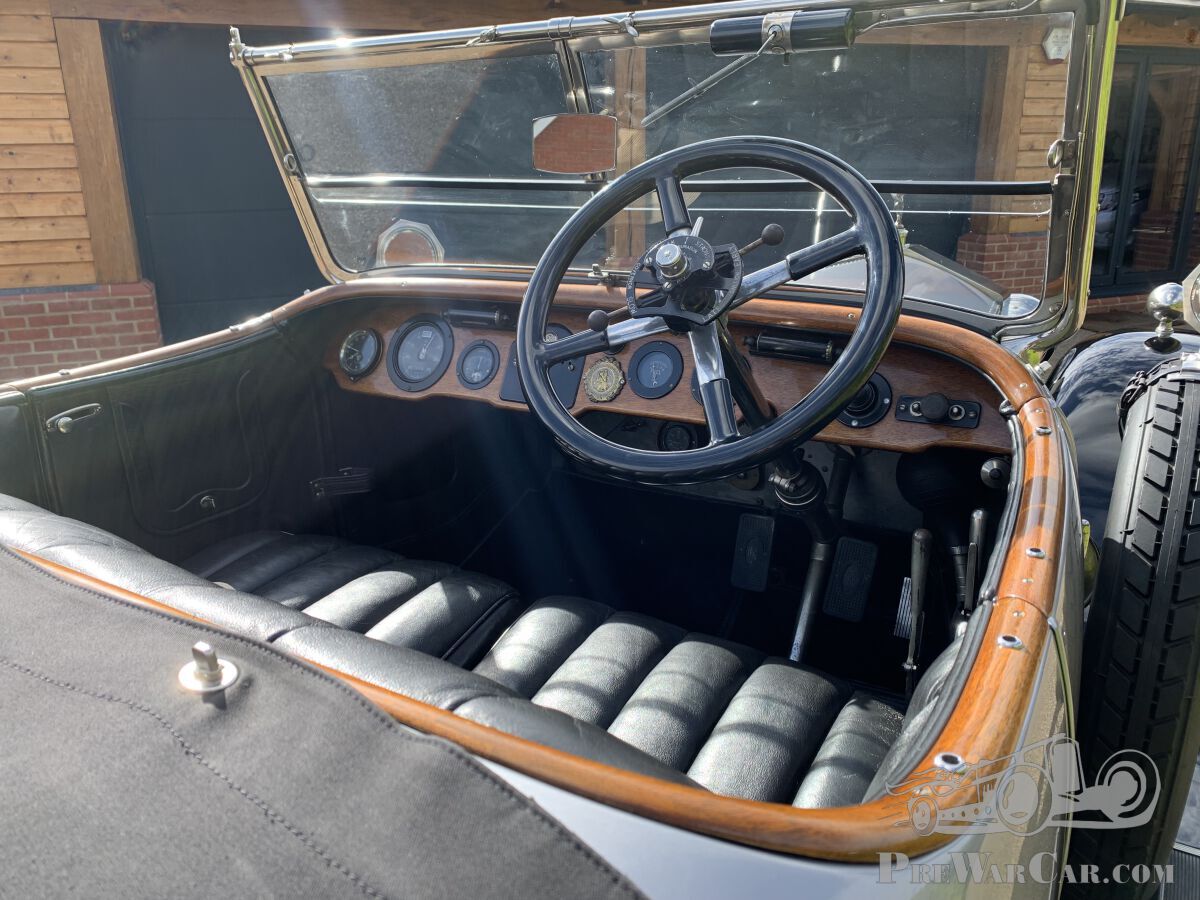


The first and third-place finishes achieved by a team of 40/50hp Rolls-Royces in the 1913 Alpine Trials very quickly became one of the most fêted achievements in the history of the Flying Lady. Realising then that the Silver Ghost was not just the best car in the world, but potentially also the best sports car in the world, Rolls-Royce exploited its potential by developing a high-performance version for public sale. Thus was the High Speed model born, better known as the Alpine Eagle, with an enlarged radiator, extra ground clearance and an additional fourth gear. Needless to say, Alpine Eagles were not built in large numbers but have enjoyed a high survival rate, and 75RE is one of those which has made it to the present, albeit not without a near-death experience.
The forlorn chassis of 75RE was discovered on a farm in Kent in the summer of 1995, a sad skeleton about which little was known beyond what was stated on the original factory build records. It is much to the credit of Ivan “Ike” Odds, a Kentish Roycean, that the car has now been restored to its former glory. It was he who took on the task of restoring it and succeeded in locating its original engine, M116, which had somehow ended up in Scotland, where it had been powering a sawmill. Odds had the car on the road by 1999, having successfully reclaimed its original registration, XD 9522, and was rewarded in 2001 when the R.R.E.C. presented him with the Douglas Wood Trophy for the best personal restoration and the Rolls-Royce Ltd. Trophy for best in show at the National Rally.
After successfully completing the Centenary Alpine Trial in 2013, Ivan and Valerie Odds enjoyed it until 2022, when they sold it to its present custodian, Philip Williams, who has embarked on the next stage: piecing together 75RE's rich and storied history. Philip, incidentally, is a newcomer to the vintage scene, but he’s thrown himself into it with enthusiasm. As he says: “I have always been interested in classic cars and also own a 1970 Triumph Spitfire that I restored myself some years ago, and a 1955 split-screen Morris Minor. I am, however, relatively new to the world of vintage cars. Ike is a family friend and I had known and admired “Bonnie” for some years, and it had been used for the wedding of my daughter in 2019. I am a marine engineer by background and it is the engineering, the design and attention to detail of the car that attracted me—quite incredible for its day."
An aborted order for a mysterious Russian
The factory records confirm that the chassis was built during 1920 with a four-seat torpedo body, nickel fittings, a 20-gallon fuel tank and a special radiator cap, to meet an order from Beck & Co., which was placed on behalf of a customer named Morosoff; written above in large red letters, “Russia.” For one reason or another, it seems 75RE never actually made the long journey across the Baltic Sea, and given that the Russian Civil War was raging at the time, it isn't hard to imagine several reasons why a wealthy Russian might have had second thoughts about taking delivery of one of the world's most expensive cars.
It transpired that 75RE ended up on display in Lillie Hall, the grand building just off Seagrave Road in Fulham which Charles Rolls had purchased and converted to a showroom in 1902, when he was still selling Peugeots and Minervas. In March, 1921, it received an open touring body from H. J. Mulliner, painted with blue Parsons paint and upholstered with grey antique leather, and on July 20th found a buyer in Major A. Ulysses John of 9, Clifton Gardens, Golders Green, for £2,509. That was where the available information ended, and Philip's research began.
It started with the census of June, 1921, from which he learnt that Anthony William Ulysses John was born in Putney in 1867 and had ascended through the military ranks to become a major in one of the Rajput infantry regiments of the British Indian Army. His address then was given as the Hyde Park Hotel, a glorious redbrick hotel on Knightsbridge which opened in 1908 and still operates today. This seems a more fitting address than 9, Clifton Gardens, which appears to have been a modest semi-detached suburban house—hardly the dwelling of a Rolls-Royce owner.
Uncovering the life of the Indian major
With a bit of extra searching, Philip found a possible explanation. Major John married Miss Adrianna Jessie Lachlan in March, 1921, and an engagement announcement was to be found in the “Busy Cupid” pages of The Tatler in March, 1920, which gave the address of the bride’s parents, Mr. and Mrs. Linnell Lachlan, as Windridge, Golders Green—probably a large, detached house. One supposes the more humble abode on Clifton Gardens may have been Miss Lachlan’s premarital home.
It seems Major John enjoyed motoring for pleasure. Intriguingly, at a Christie’s auction in 1985, an Edwardian or vintage-era picnic set once owned by him was offered for sale and acquired by the Powerhouse Collection in Australia, with stickers pertaining to his travels between London and Bombay aboard P. & O.’s S.S. Morea, which operated from 1908 to 1930. The museum notes: “John may have been associated with the Agra United Mills Ltd., which in 1920 acquired in three cotton mills and a flour mill from A. John and Co., a firm with which Major A. U. John was involved.”
The major never took the Ghost to India, for on July 20th, 1922, 75RE reappears in Rolls-Royce records on account of its being sold to Mr. C. A. Munn of Claridge’s Hotel, Mayfair, and Dunkeld House, Perthshire. Here was an even more fascinating character—American Charles Alexander Munn (1885-1981) made regular appearances in the society journals, as Philip discovered: The Courier of August 11th, 1922, reported under the headline “U.S. Ambassador in Perthshire: Change of Scene and Complete Rest” that Munn was renting Dunkeld House. It seems he was having a fine time, for The Sketch suggests that he was part of a shooting party at the Blair Castle estate of "Washington's wealthiest widow" Mabelle Aksel de Wichfeld, a socialite who seemingly lived for the Glorious Twelfth, that same August.
From Scotland to Paris with two of America's most important citizens
Philip relates some of his findings: “Charles Alexander Munn grew up in a world of unimaginable wealth. His father, Charles Munn Sr., ran Dows, Munn & Co. and was also vice-president of the United National Bank until his death in 1903. His mother had, prior to marrying Munn Sr., inherited $3 million in cash, as well as shares from her first husband. The younger Munn was a Harvard graduate, socialite and entrepreneur and wealthy in his own right. He made a fortune in the 1920s from an automatic mail-sorting machine and later introduced the equipment that made greyhound racing popular in Britain in 1926.”
Munn Jr. married in 1909 to a wife perhaps more notable than he was: Mary Astor Paul (1889-1950), daughter of James William Paul Jr. and Frances Katherine Paul, herself the daughter of financier Anthony Joseph Drexel, who has been retrospectively labelled “The Man Who Made Wall Street.” Between 1909 and 1917 they had four children: Pauline, Charles Alexander, Mary and Frances. Philip found shipping records revealing that, on October 25th, 1922, Charles Munn departed alone from Dunkeld, travelling on White Star Line’s R.M.S. Olympic (sister to the Titanic and Britannic) to their coastal estate of Amado in Palm Beach, Florida. The house, now one of the most expensive and historic homes in Palm Beach, was designed in 1919 in the Mediterranean Revival style by Addison Mizner.
The Munns were sporting tourists, regularly renting Dunkeld House and the surrounding estates for the shooting season throughout the 1920s and in 1924 supported a fund-raising effort in the grounds for the Nursing Association. Scottish shooting holidays were hugely popular with wealthy Americans at the time (Herbert Pulitzer also rented Dunkeld in the 1920s) and shipping companies such as Cunard and White Star offered convenient packages to encourage them. Whilst Charles returned back to America to run his business, from 1922, Mary Munn resided with their children primarily at their property in Paris at 6, Bis Rue Montevideo, where they had both planned to live but, in 1930, the marriage ended when Mrs. Munn filed for divorce, claiming abandonment.
What about the Rolls-Royce? Service records indicate that it was well-used during this time and made several cross-Channel trips, faithfully transporting Charles Munn between Paris, London and Scotland. Intriguingly, one service sheet from 1929 bears the name of Mr. J. Bush. Had the Ghost changed hands by this point? There the trail goes cold. Service records continue to 1932 but offer no further clues. Who was Mr. Bush? What happened to 75RE after the Munns separated? Do any photographs exist of the car with Major John or the Munns? And how did it end up in such a sorry state, with its chassis in Kent and engine in Scotland?
Philip would like to know. His research so far has been instructive, but there are still 75 years of the Alpine Eagle's history left unaccounted for. Can anyone help fill in the blanks?
Words: Zack Stiling
Photographs: Philip Williams
Pubblicato:
giovedì ottobre 17th, 2024
Facebook
LinkedIn
Twitter
WhatsApp
Email
Copy