La rivista e il marketplace globale per gli appassionati di auto d’epoca, creati da appassionati.
La rivista e il marketplace globale per gli appassionati di auto d’epoca, creati da appassionati.


Filter
Faccia la sua scelta
- Automobile
-
Marca >>
-
Anno >>
-
- Motociclette
-
Ubicazione >>
- Parti e altro
-
Marca dell'auto >>
-
Produttore >>
-
Categoria >>
- Biciclette
-
Anno >>
-
Paesi



How a collection from the Soviet régime became the largest car museum in the Baltics

An example of a BMW used during the Soviet time together with a 1938 Renault Viva Grand Sport
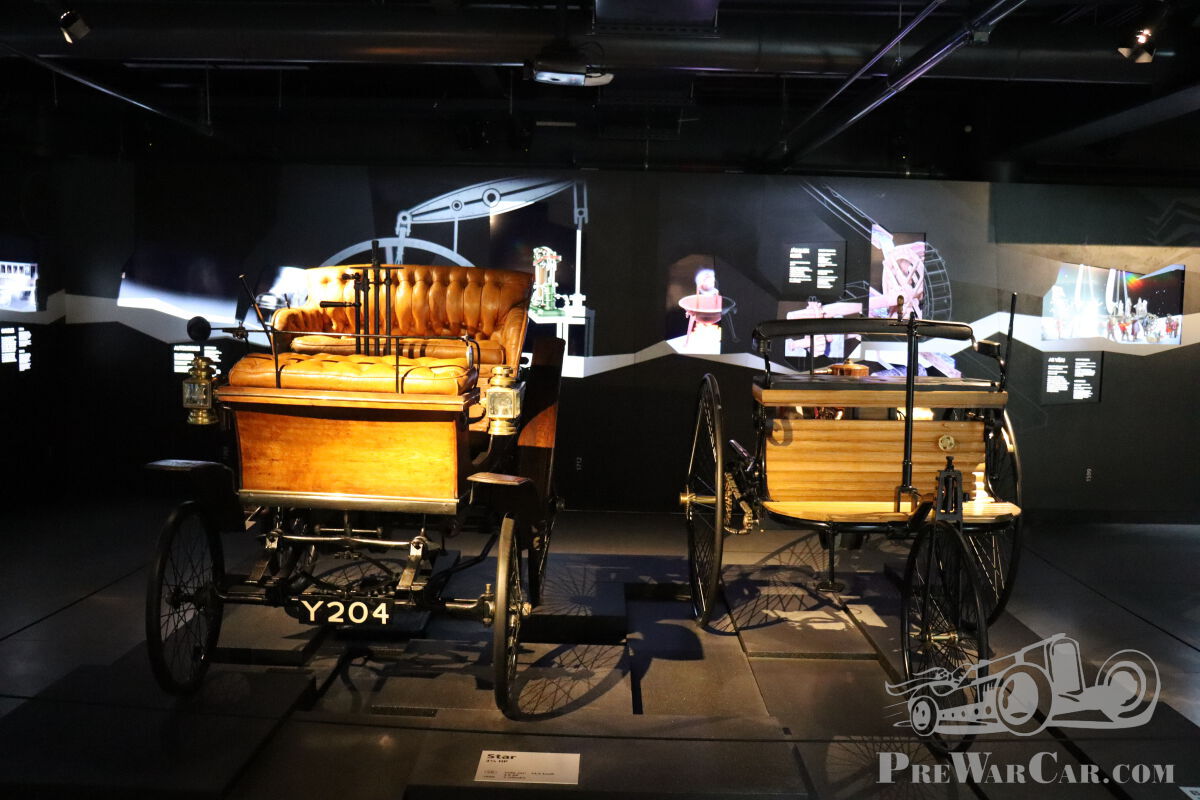
1899 Star 3 1/2hp - Benz Patentwagen

Stanley steamer

Krastin Automobile Company

A Latvian builds cars in the US

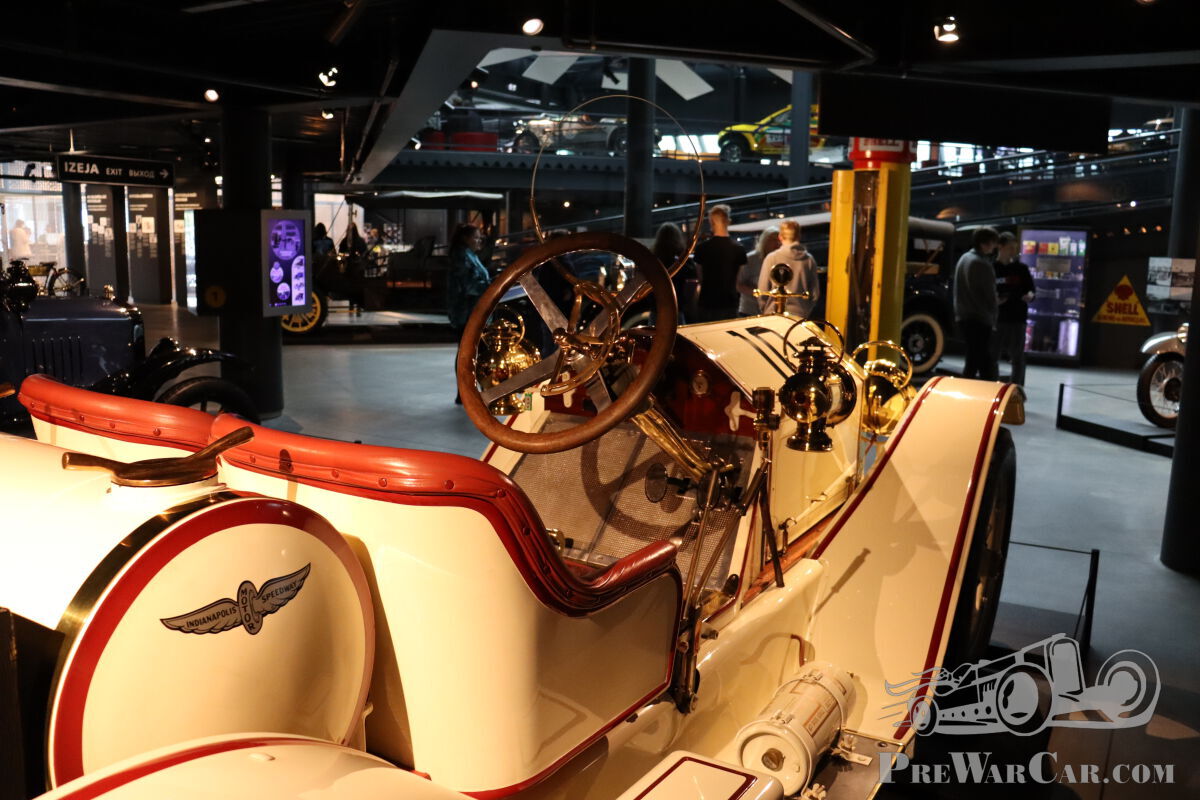
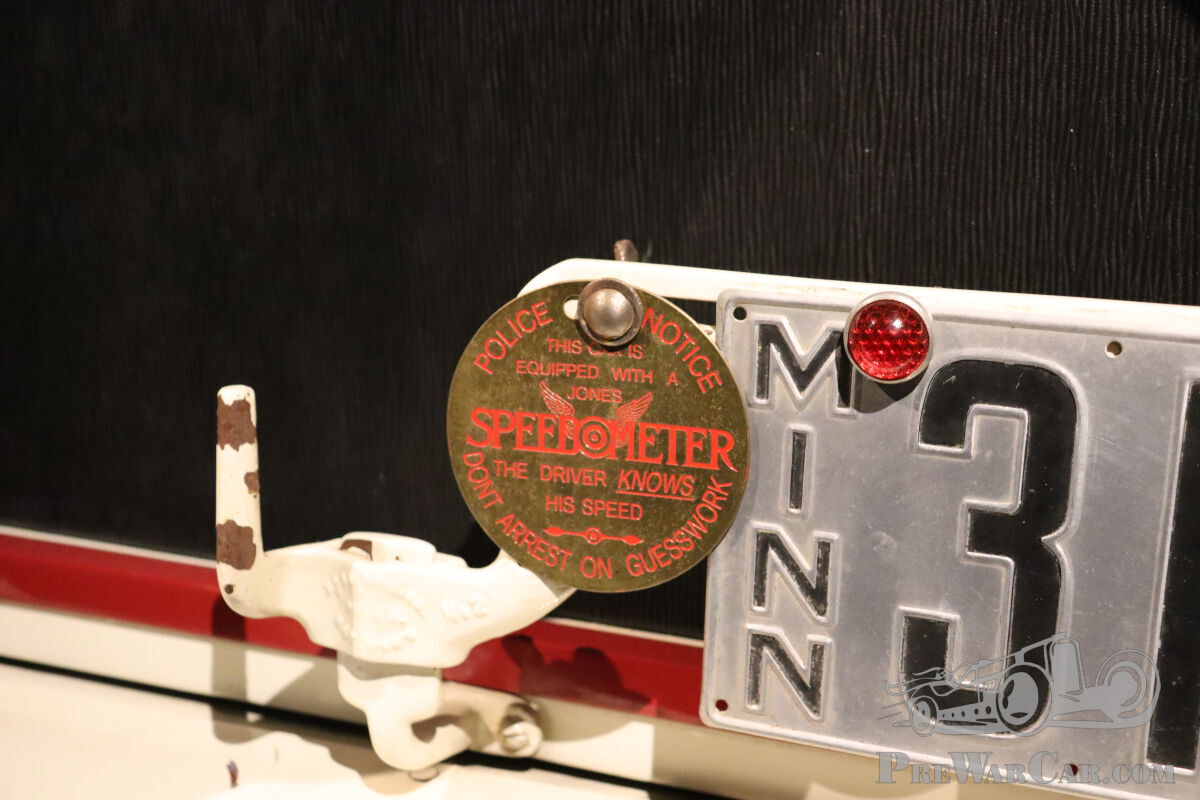
As seen on a Stutz Bearcat
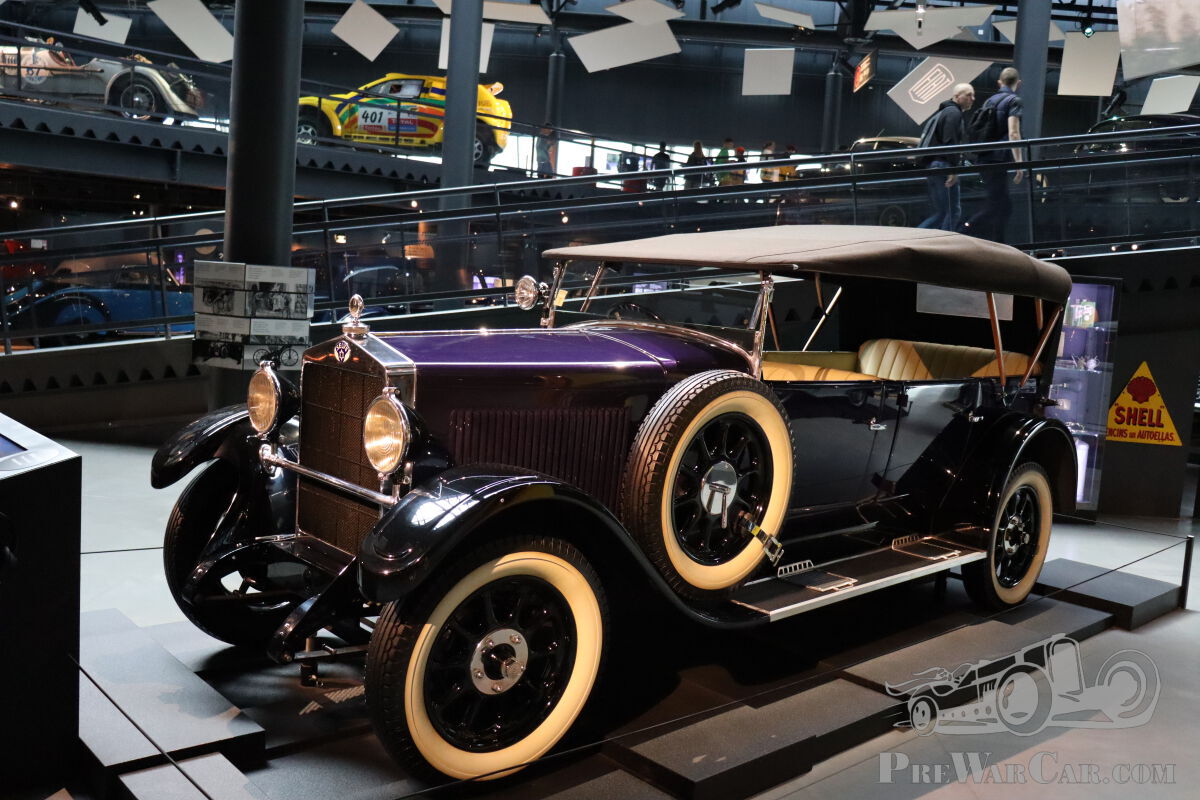
1928 Selve 12/50, only one in the world


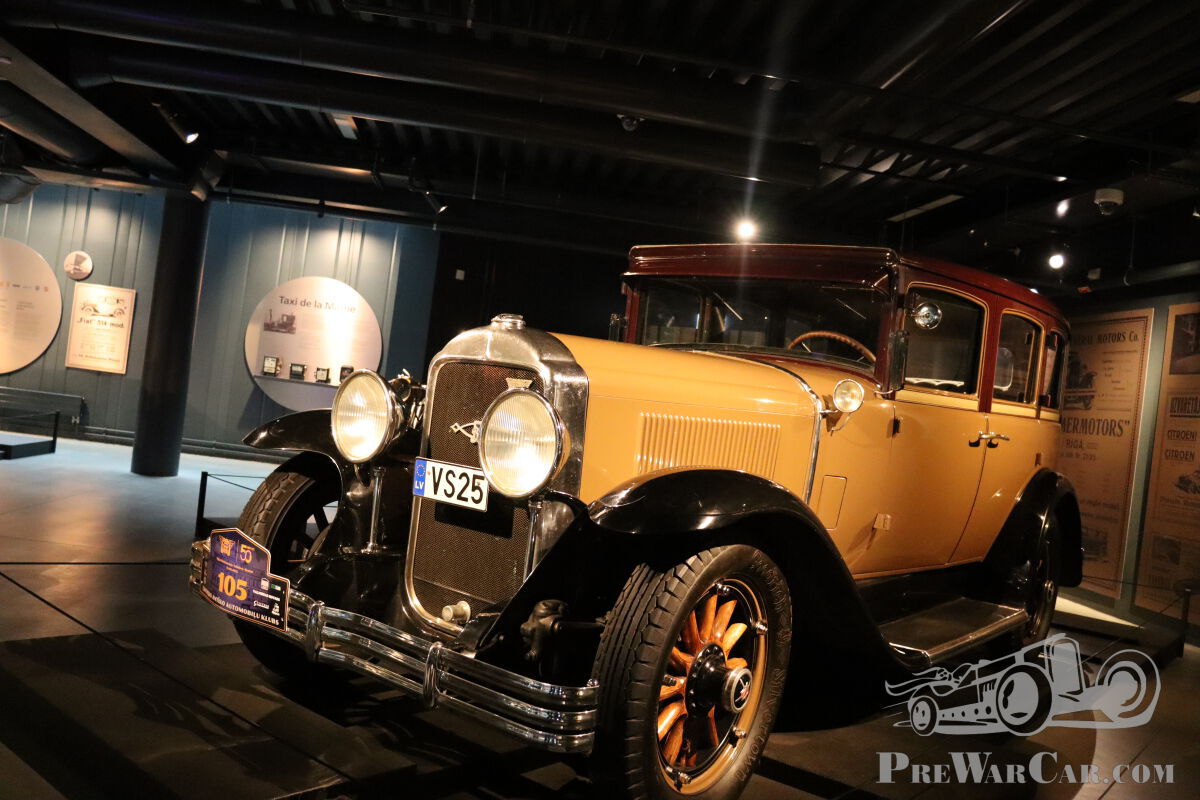
1929 Buick Six series 116 Model 29-27
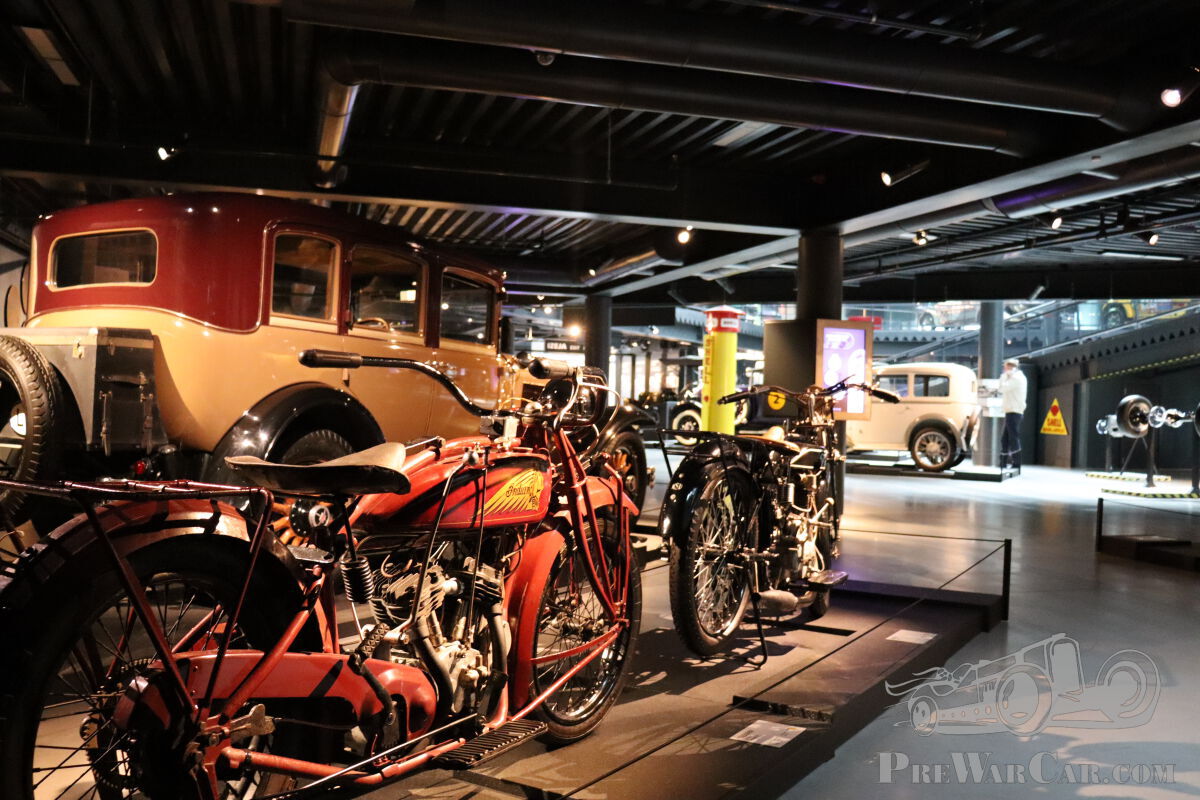

Oldsmobile model - once found through PreWarCar.com

1935 Wanderer W240

1936 Horch 853 - 1935 Wanderer W240

Part of the history of Audi as we know it today
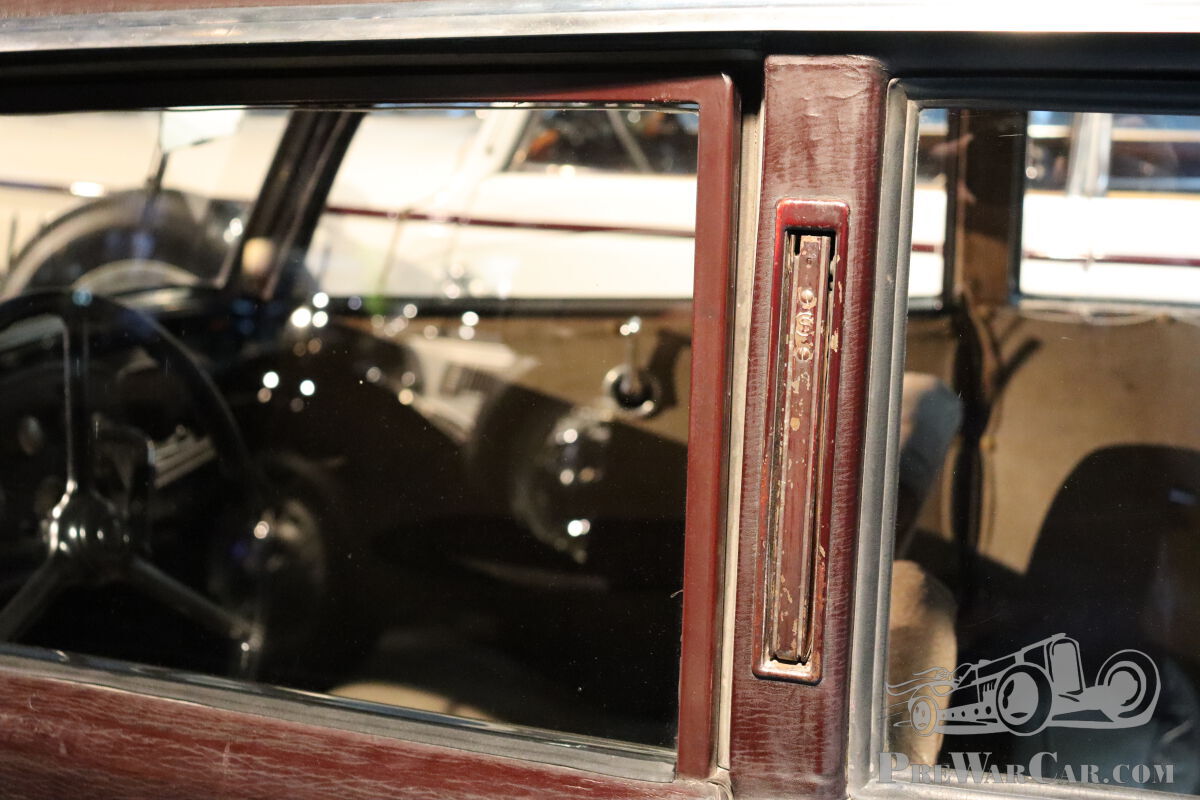


1934 Lincoln V12 series 277B model KB - writer Maxim Gorky received this car for his contribution in Soviet literature

The president of Latvia Karlis Ulmanis used a Cadillac Fleetwood V8 All weather Phaeton during trips for representational purposes

Two BMW 326 - one used during Soviet times, the other hidden away

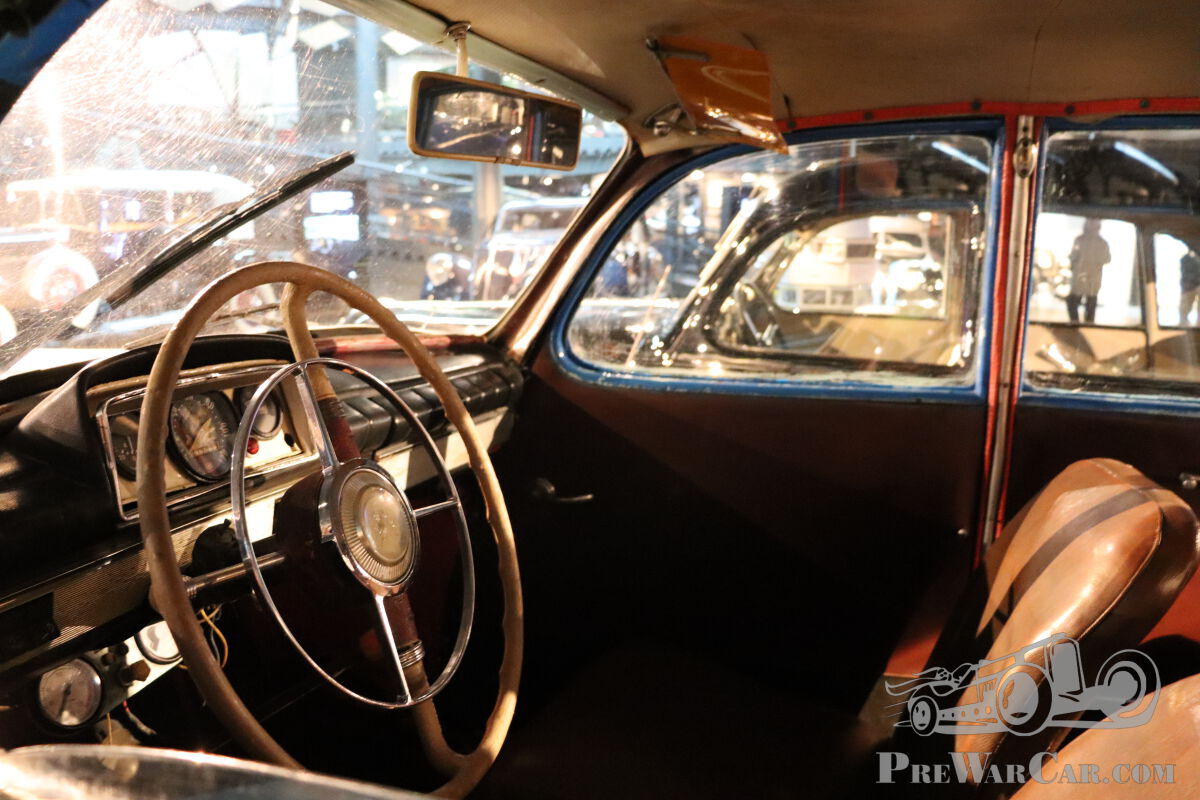

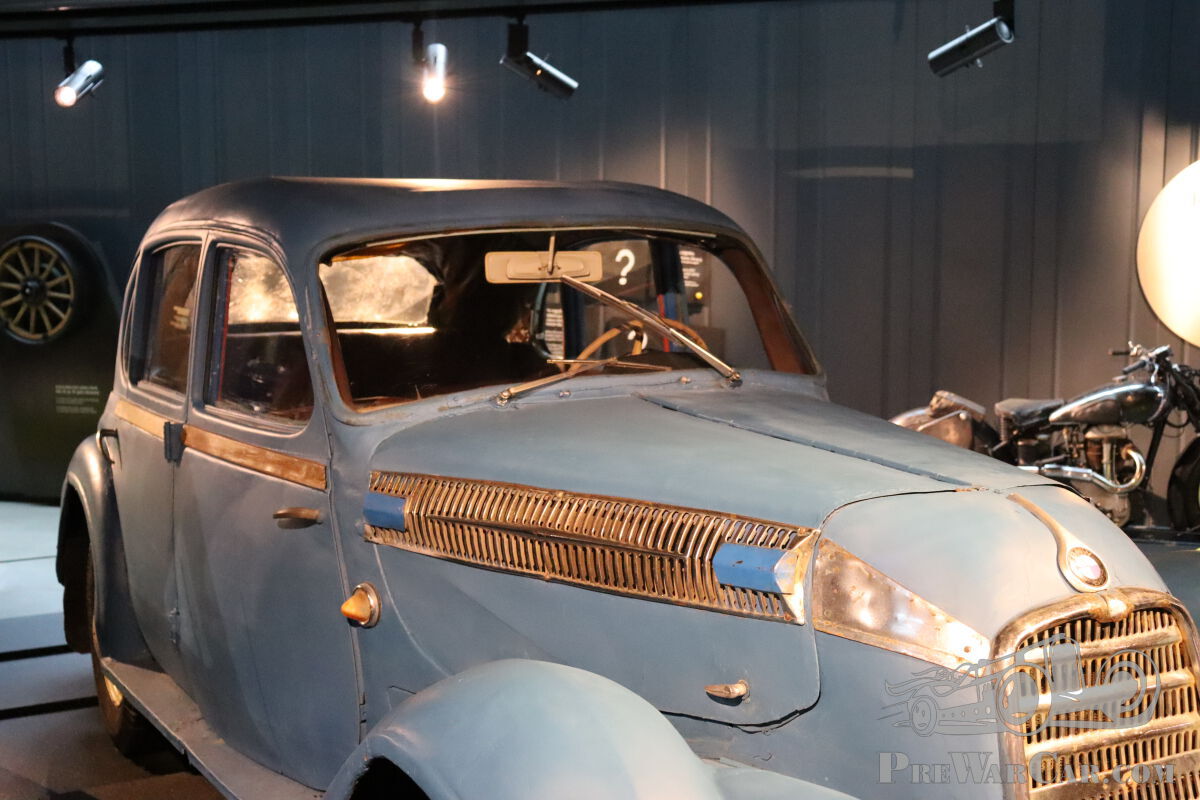
Yes, this is originally a BMW 326!

1938 Renault Viva Grand Sport - Car of the First Secretary of the French Embassy in Latvia

1939 Steyr 220 Gläser Sport Cabrio - restored in Riga
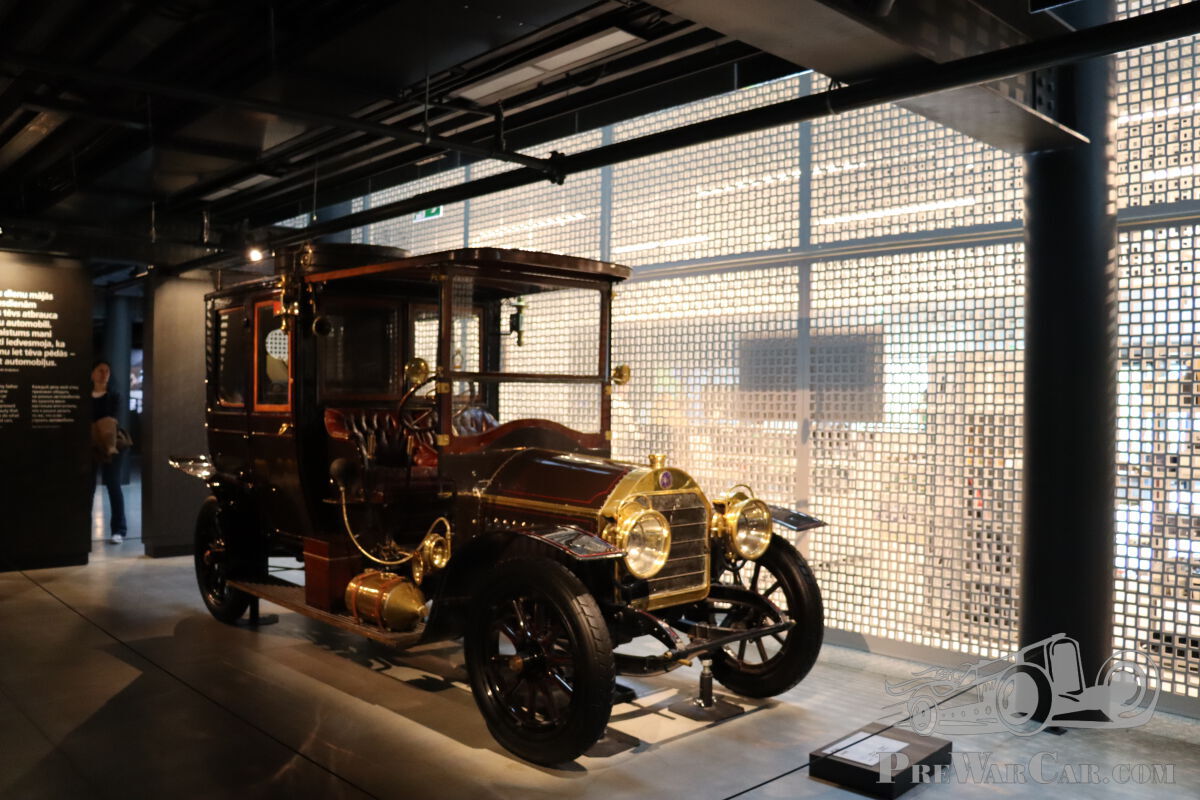
1912 FN 2400 Van den Plas

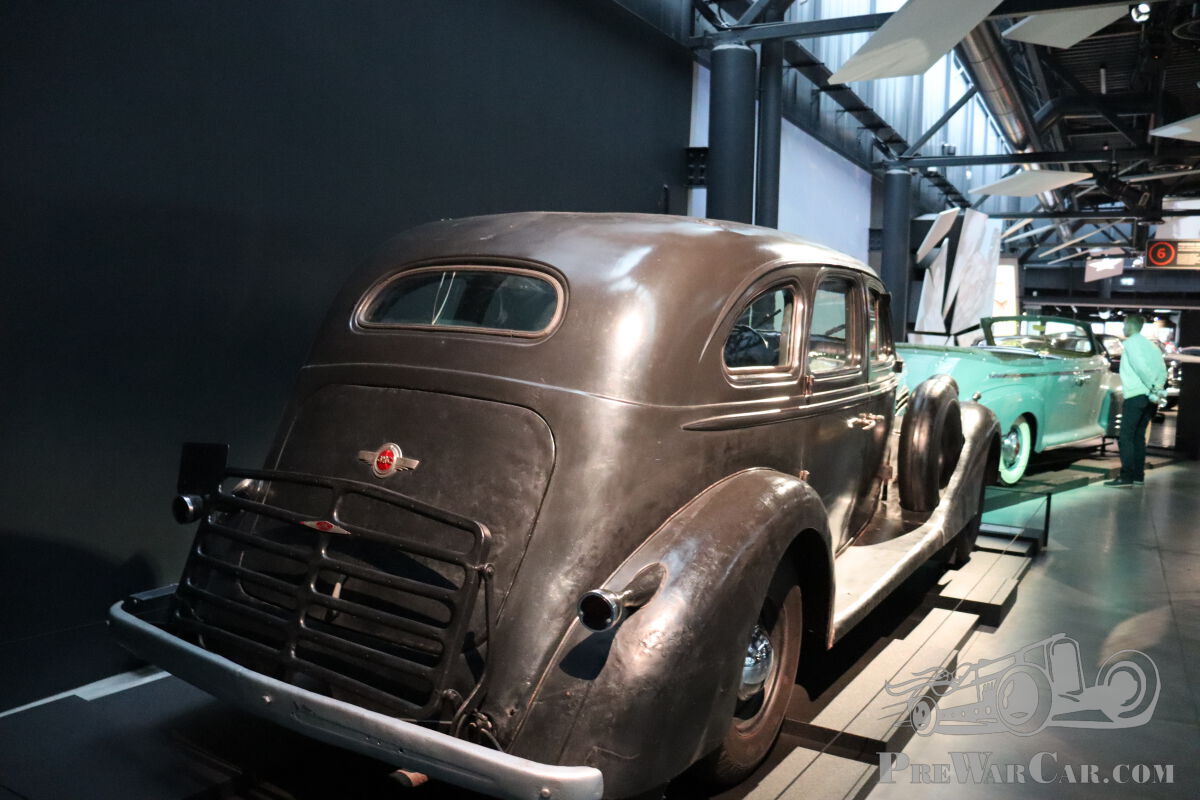
1937 ZIS 101 - the first serial production limousine in the USSR

1938 Auto Union CD V16

The Auto Union legandary racing car Silver Arrow has a special place in the history and exposition of the Museum

1924 Amilcar CGS special - raced during the 30s, including winning the 1935 Riga - Tallinn stage in the Monte Carlo rally
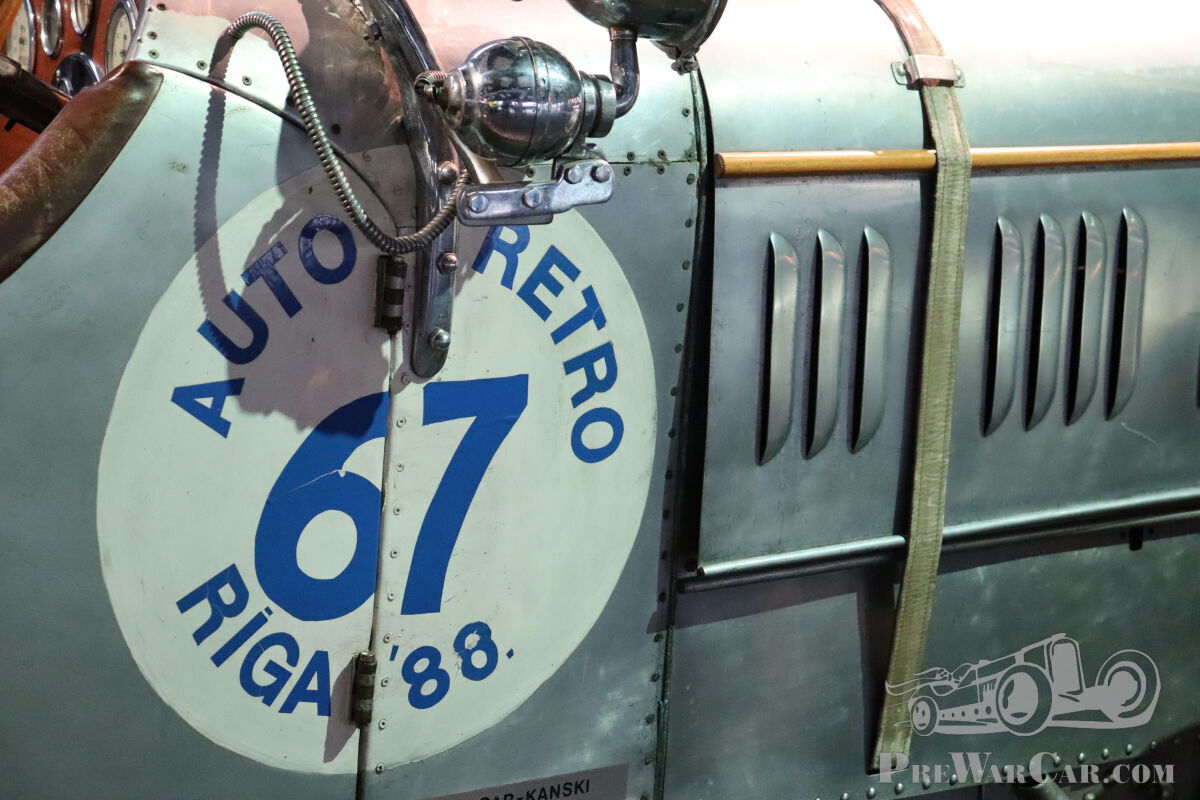


The first car restored by the Antique Automobile Club of Latvia; 1913 Russo-Balt 24-40


1939 Ford-Vairogs Standard V8


An electric time-capsule; as seen in the basement
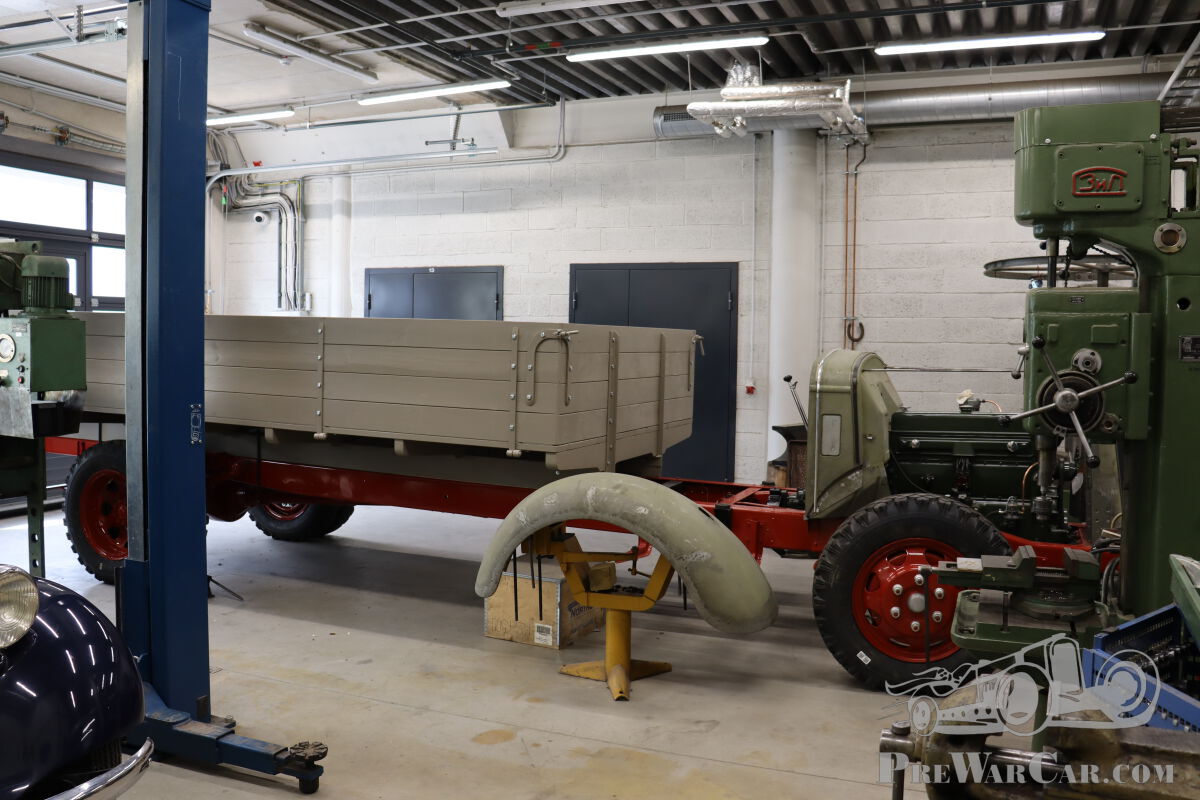
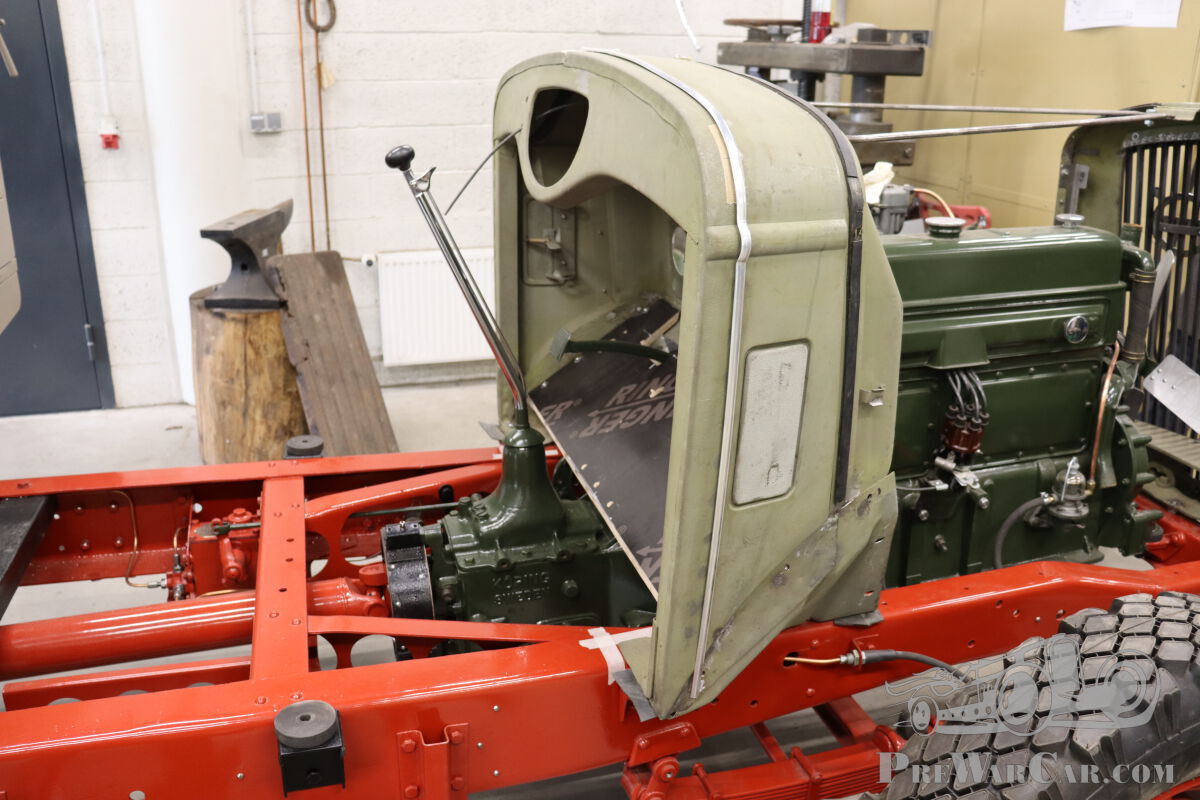
Under restoration: 1939 Volvo LV 95 D
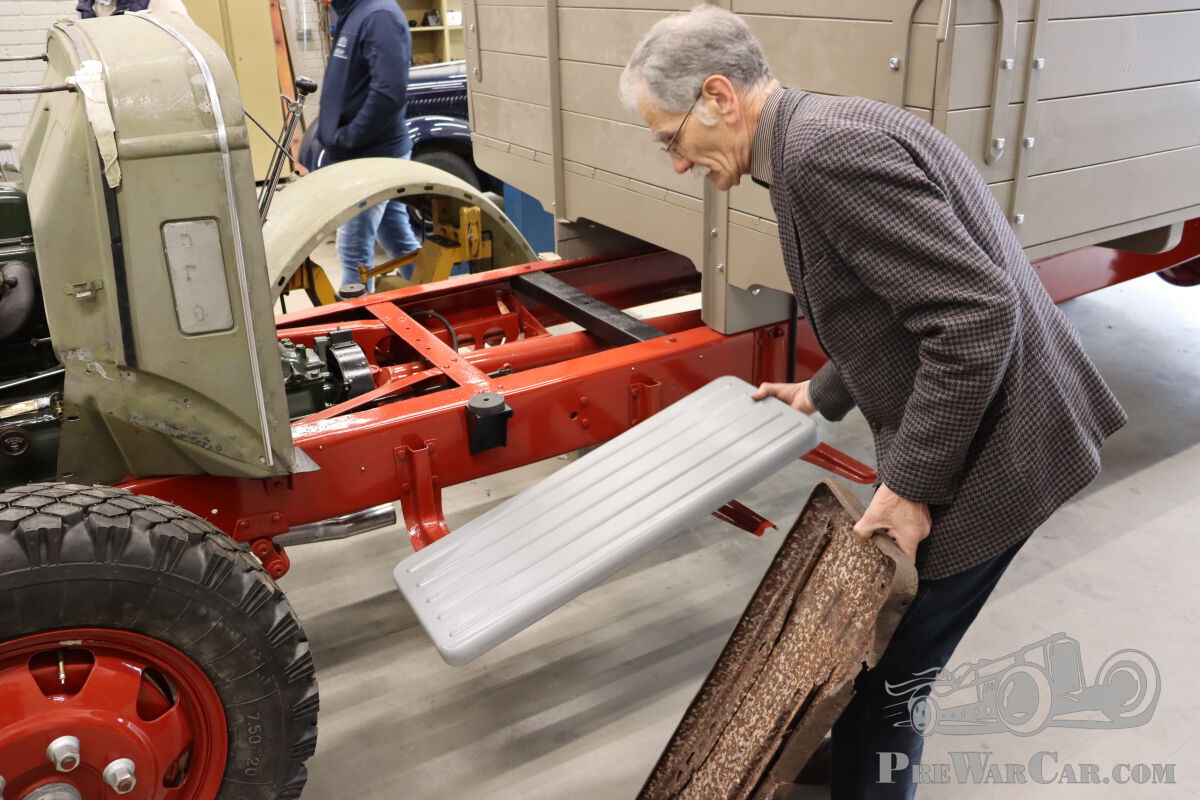
New parts made - shown by museum director Gunars Dortans


Turning a passion for cars into an internationally important collection is one thing, doing so under a tyrannous dictatorship is another. Based on the ideology that no one should own more property than anyone else, having a valuable classic car might seem like a violation of the Soviet régime, a serious transgression to be dealt with swiftly and brutally. In 1972, however, some Latvian enthusiasts started the Latvijas Antiko Automobilu Klubs (Antique Automobile Club of Latvia), which organized meetings and rallies for old vehicles residing all around the Soviet Union. Right from the beginning, there was a lot of interest in the movement and club members were finding lots of often neglected antique vehicles on streets, still in daily use, or at military institutions where they were displayed as trophies from the Second World War. Of course, unless action was taken by club members to save them, it would only be a matter of time before they were all sent to the scrapyard. Very occasionally, cars were found in barns or garages in untouched condition. After a couple of public exhibitions, the idea of establishing a museum was born.
The creation of a museum for antique vehicles seemed like wishful thinking until enthusiasts in the West got wind of one particular car which club members had saved. The famous Auto Union C/D V16 was worth so much to collectors that the Latvians worked out a compromise: by selling the car, they would raise the capital to establish their long-awaited museum. However, the Soviets were not keen on the idea of the Auto Union leaving their bloc, and they decided to finance the construction of the museum.
In 1989, it opened its doors for the first time, officially owned by the Soviet Union but run by passionate club members. Today, it is the largest public car museum in the Baltic states and although the Soviet Union is no more, the passion of the team is still there and perhaps even greater than before.
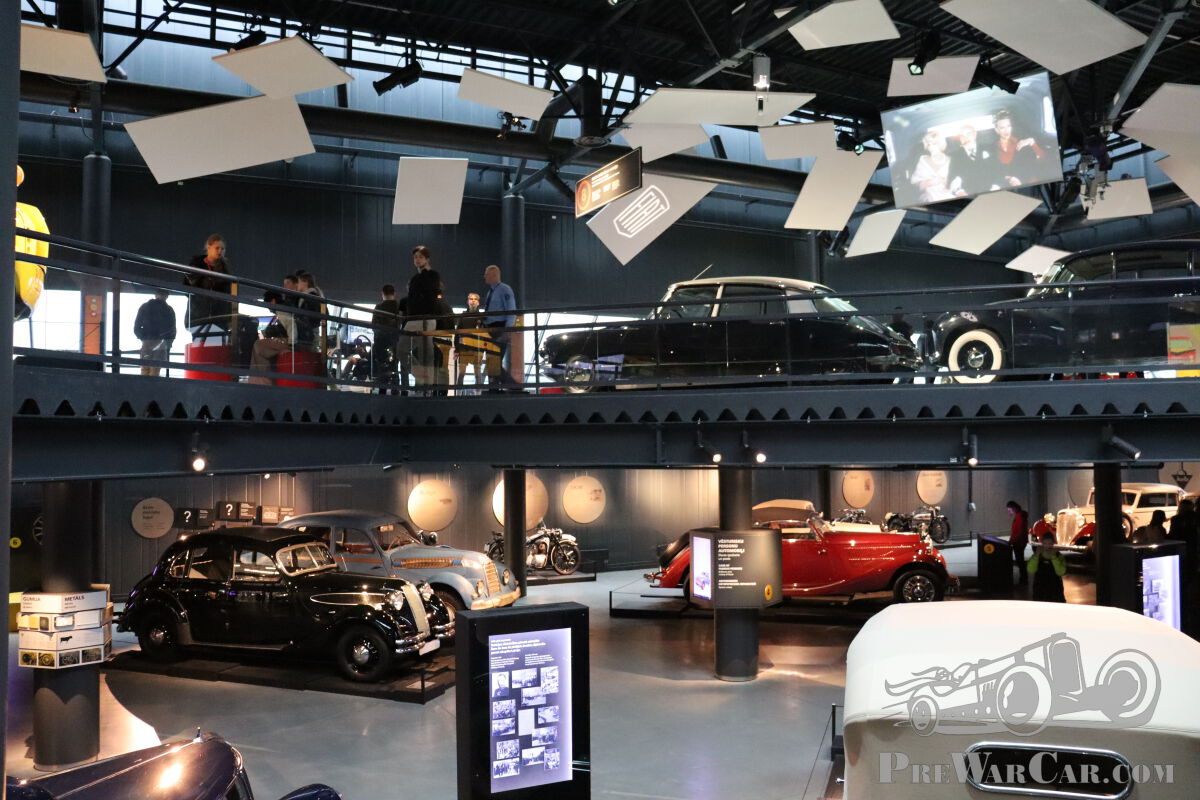
The museum is spread across three storeys, with more than 100 classic cars contained within, mostly with relatively local connections. Appropriately enough, it contains the world's largest collection of eastern European cars, several with important links to Latvian and Soviet history.
Let's take a look at some of the highlights.
A Latvian's American dream
On entry, one of the first cars that caught our eye was the 1903 Krastin which we once saw on the London to Brighton Veteran Car Run, where it was named Overall Winner of the Regent Street Concours. Augusts Krastiņš was born in 1861 in Liepāja, south-west Latvia. He earned his living as a mechanic for a baron. However, he wanted to improve his fortune and emigrated to the United States, where he founded the Krastin Automobile Company in 1901. The factory built 10 cars before it burned down in 1903, bringing it to an end. As far as we know, the car in the museum is the only survivor. Found in poor condition in the USA in 2012, it is hugely important to every Latvian enthusiast and club members restored it together. It has a typically American look, but with some innovations of its own.
Hidden in an electrical transformer building
As mentioned, collecting cars in Soviet times was an offence against the régime, so owning a classic car was only possible if you were a high-ranking officer or had very good connections. Many pre-war cars were therefore clandestinely stored. If you look at the remaining cars, you will notice that most of them are small. One of our favourites in the museum is a beautiful time capsule, a 1939 DKW F8 Reichklasse. Shortly after buying the car, the owner had to hide it and he rebuilt an electrical transformer building for concealment. Nobody knew about it until, after the fall of the USSR in 1991, his son revealed its existence and it ended up in the museum in its original, untouched condition.
Property of the last Latvian President
One very important car is a 1930 Cadillac V8 Series 353 all-weather phaeton by Fleetwood. An identical car (built three months and 40 body numbers earlier, but with exactly the same colour scheme) was known to many older Latvians because it was the car of the last president, Kārlis Ulmanis, who used it for official purposes before the Second World War. When the Soviets took over, the car was immediately seized and used by leading Communist officers at a parade in Riga. Before that, it was viewed as a hero's car by most of Latvians.
Original versus used in Soviet times
A BMW 326 in very original condition is great to see in a museum, but one with amateur modifications is not likely to be found anywhere. Luckily for us, the team at the Riga Motor Museum had the good sense and foresight to save one which had been historically altered, and preserve it just like that. The two cars, which both left the factory in 1938, are displayed side by side; one was stashed away during the Soviet régime and only covered few miles, while the other remained in continuous used until the 1990s, showing how cars were used and 'improved' during that period when connections with the West were severed and sourcing correct spares was more or less impossible. It was transformed beyond recognition and rebuilt with Soviet car parts, according what was needed and what was available. Its enlarged boot is a particularly nice feature.
As well this handful of highlights, there are many other cars worth seeing at the Riga Motor Museum. It restores its own cars and when we were there, we were able to see the workshop where we saw an interesting pre-war Volvo LV-95 truck, the longest chassis available, which was originally supplied to Latvia in 1938. With fascinating vehicles like that in the works, we'll have to pay another visit sometime...
If you have been to this museum, please share your experience with us.
Pubblicato:
martedì maggio 30th, 2023
Facebook
LinkedIn
Twitter
WhatsApp
Email
Copy
Commenti

Carl Peeters
04 Giugno 2023, 11:07
Ik heb eind de jaren 70, ik denk 79, een 190SL (wit en te restaureren), een 356 Speedster (origineel, maar viel bijna uit elkaar) en een Gullwing (ter restaureren maar rijdend) verkocht aan het toen op te richten museum van Brezjnev in Rusland. Kan iemand mij vertellen wat daar verder mee gebeurd is? Het waren alledrie Belgische wagen's. Het was in de tijd dat we Volga's en Lada's naar Rusland exporteerden per schip vanuit een groezelig Russisch winkeltje op het Falcon-plein te Antwerpen.
--------------------------------------------------
At the end of the 1970s, I think 1979, I sold a 190SL (white and needing restoration), a 356 Speedster (original but almost falling apart) and a Gullwing (needing restoration but running) to the museum that was to be established at the time from Brezhnev in Russia. Can someone tell me what else happened to it? All three were Belgian cars - it was at the time when we exported Volgas and Ladas to Russia by ship from a dingy little Russian shop on the Falcon Square in Antwerp.
Per saperne di più
--------------------------------------------------
At the end of the 1970s, I think 1979, I sold a 190SL (white and needing restoration), a 356 Speedster (original but almost falling apart) and a Gullwing (needing restoration but running) to the museum that was to be established at the time from Brezhnev in Russia. Can someone tell me what else happened to it? All three were Belgian cars - it was at the time when we exported Volgas and Ladas to Russia by ship from a dingy little Russian shop on the Falcon Square in Antwerp.
I can see there is a 1936 Horch 853 Sport Cabriolet in the collection. I am looking for this model with chassis number 853405 and engine number 850901. Do you know this car?
Regards,
Orla Wittrup