La rivista e il marketplace globale per gli appassionati di auto d’epoca, creati da appassionati.
La rivista e il marketplace globale per gli appassionati di auto d’epoca, creati da appassionati.


Filter
Faccia la sua scelta
- Automobile
-
Marca >>
-
Anno >>
-
- Motociclette
-
Ubicazione >>
- Parti e altro
-
Marca dell'auto >>
-
Produttore >>
-
Categoria >>
- Biciclette
-
Anno >>
-
Paesi



La misteriosa signora di un negativo su vetro
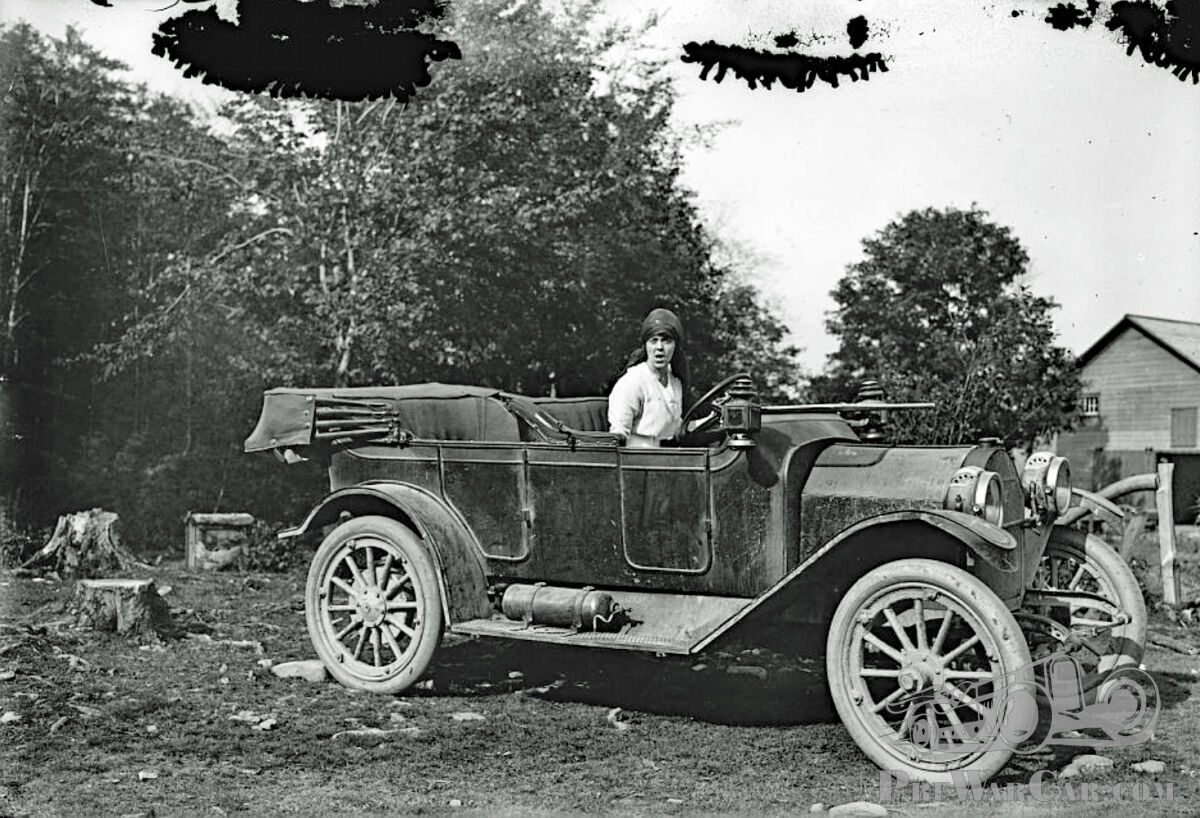

A parte alcune imperfezioni lungo il bordo superiore, questa immagine ha superato sorprendentemente bene gli ultimi 111 anni. Un numero, va detto, piuttosto approssimativo, poiché si ritiene che la fotografia risalga a circa il 1915. Ed è praticamente tutto ciò che sappiamo – oltre al fatto che si trattava originariamente di un negativo su lastra di vetro, donato nel 1947 da Herbert A. French.
Grazie, signore, ma ciò lascia comunque spazio a molte domande. Due su tutte: chi è la signora e che automobile è questa? Forse un’attrice, con una foto realizzata per promuovere un film? Oppure semplicemente una donna che, tanti anni fa, posava per il fotografo? E l’auto? Guida a destra, ma sicuramente americana? A parte quella bottiglia appoggiata sul predellino, non ci sono molti dettagli distintivi che rendano l’identificazione semplice – almeno per noi…
Testo: Jeroen Booij, Immagine: Library of Congress
Pubblicato:
venerdì febbraio 27th, 2026
Facebook
LinkedIn
Twitter
WhatsApp
Email
Copy
Commenti
Hergen Deuter
15 Marzo, 20:42
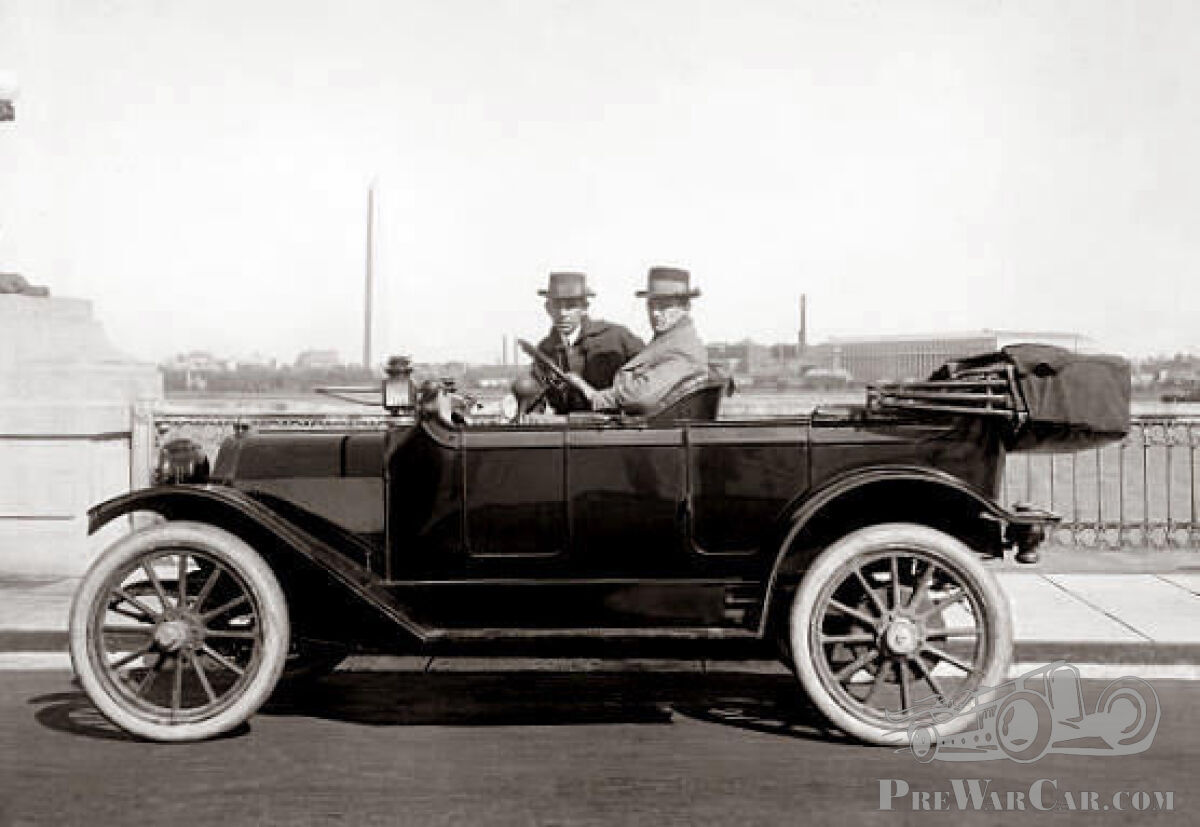
The car seems to be a Briggs-Detroiter, built from 1912 to 1917. The accompanying photo shows apparently this exact vehicle with Herbert E. French, an early press photographer from Washington, D.C. It can therefore be assumed that both very different scenes show his own car; however, the identity of the woman with the headscarf remains unclear.
Per saperne di più
John Stokes
01 Marzo, 22:19
Cylinder on side is a Prestolite acetylene cyinder for the head lamps, car could be Overland 1912-13. I wouldn't be too positive about that.
Per saperne di più


Roger Garnett
01 Marzo, 20:14
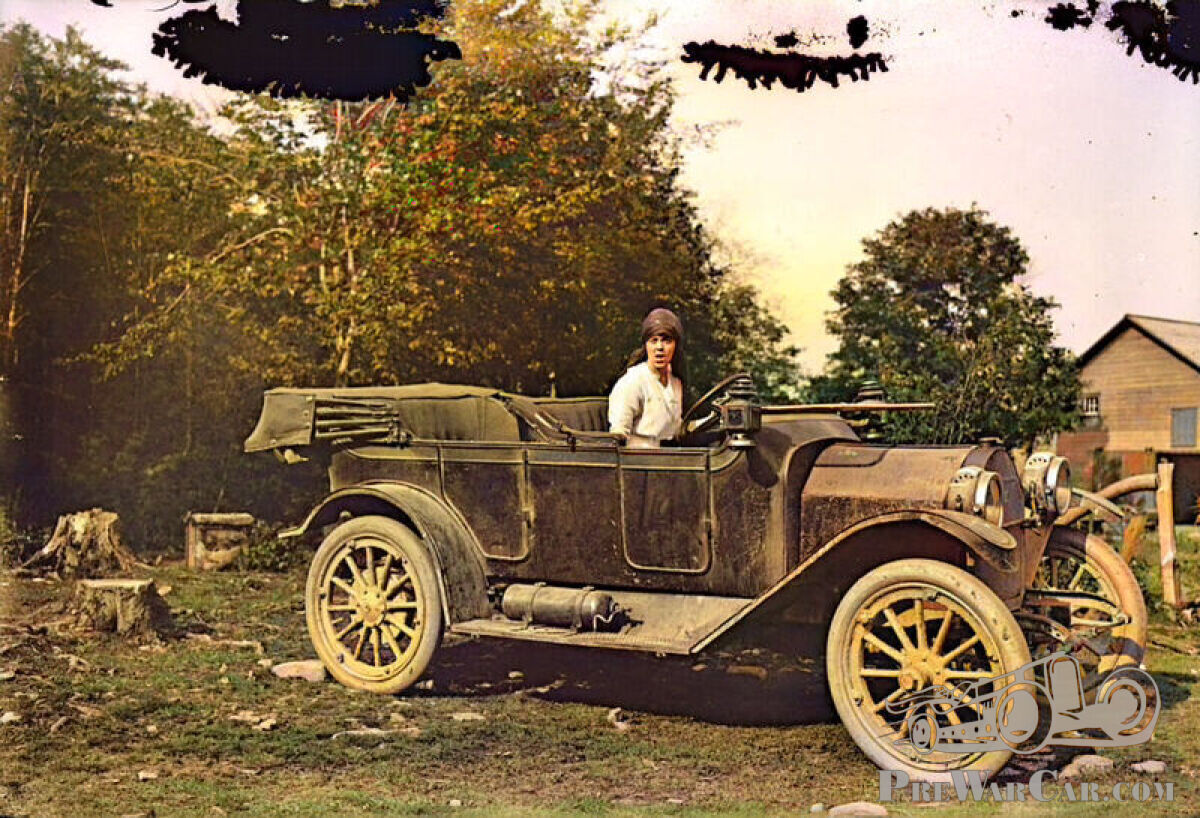
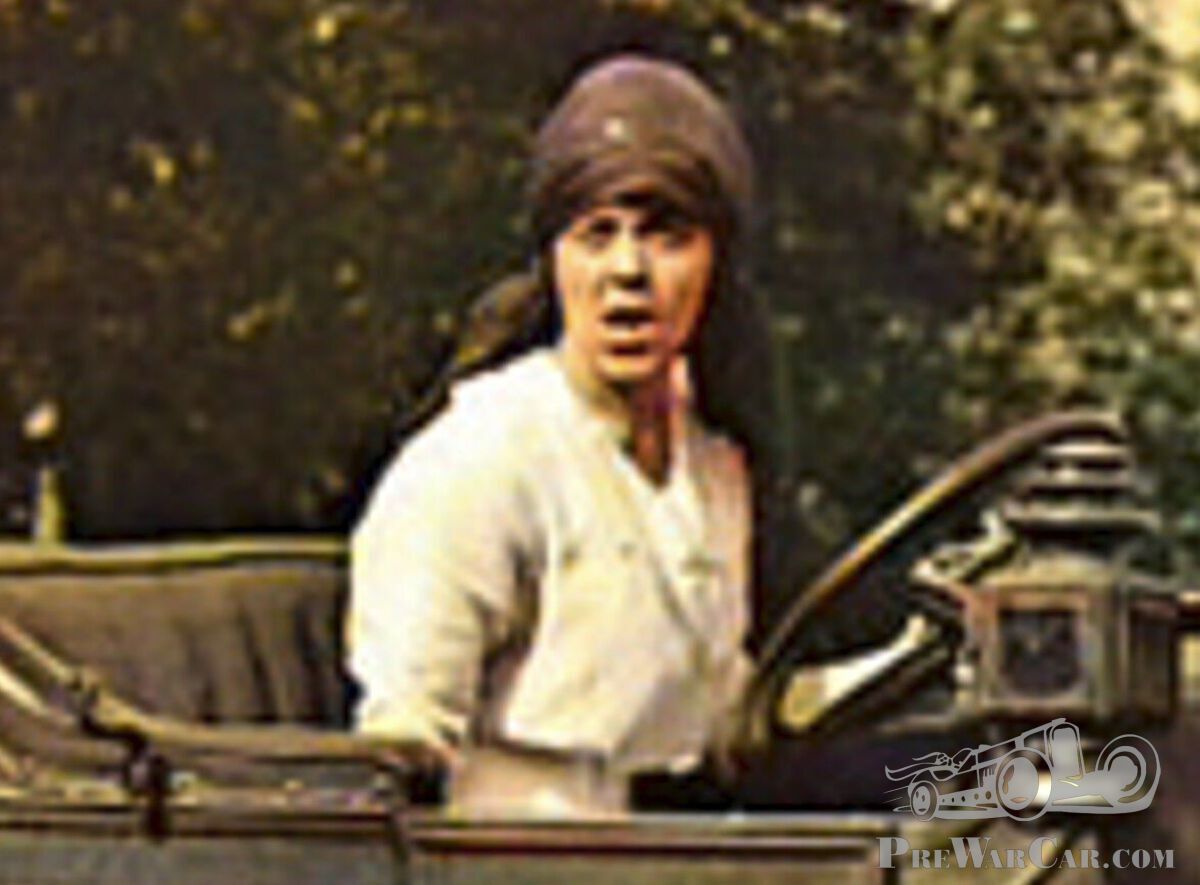
Detroiter looks like a match. And all the signs of a 1912, with acetylene & oil lights and front doors. As is often the case, colorizing this photo makes a few more details apparent. The car has been well used, showing dirt, and possibly rust on the hood - which could be from many years of use. Yet it still has white, non-treaded tires. The woman looks to have long hair, worn down, and casual clothes which seem a later style. And I can't figure what the hat is, possibly military?
Per saperne di più
Peter Eglinton
01 Marzo, 17:46
The headlight bodies seem to have ventilation holes. Does that mean they are not electric? Curious.
Per saperne di più
John Bates
01 Marzo, 12:47
I don’t know the percentage but many American cars of this era were right-hand drive. I understand that the reason was poor street lighting. Driving on the right, the driver could more easily see the side of the road.
Per saperne di più
Layden Butler
28 Febbraio, 21:36
Overland purchased their radiators from Kinwood. The fliptop oval filler was a Kinwood feature seen on other brands of cars as well.
Per saperne di più
Stanislav Kirilets
28 Febbraio, 18:54
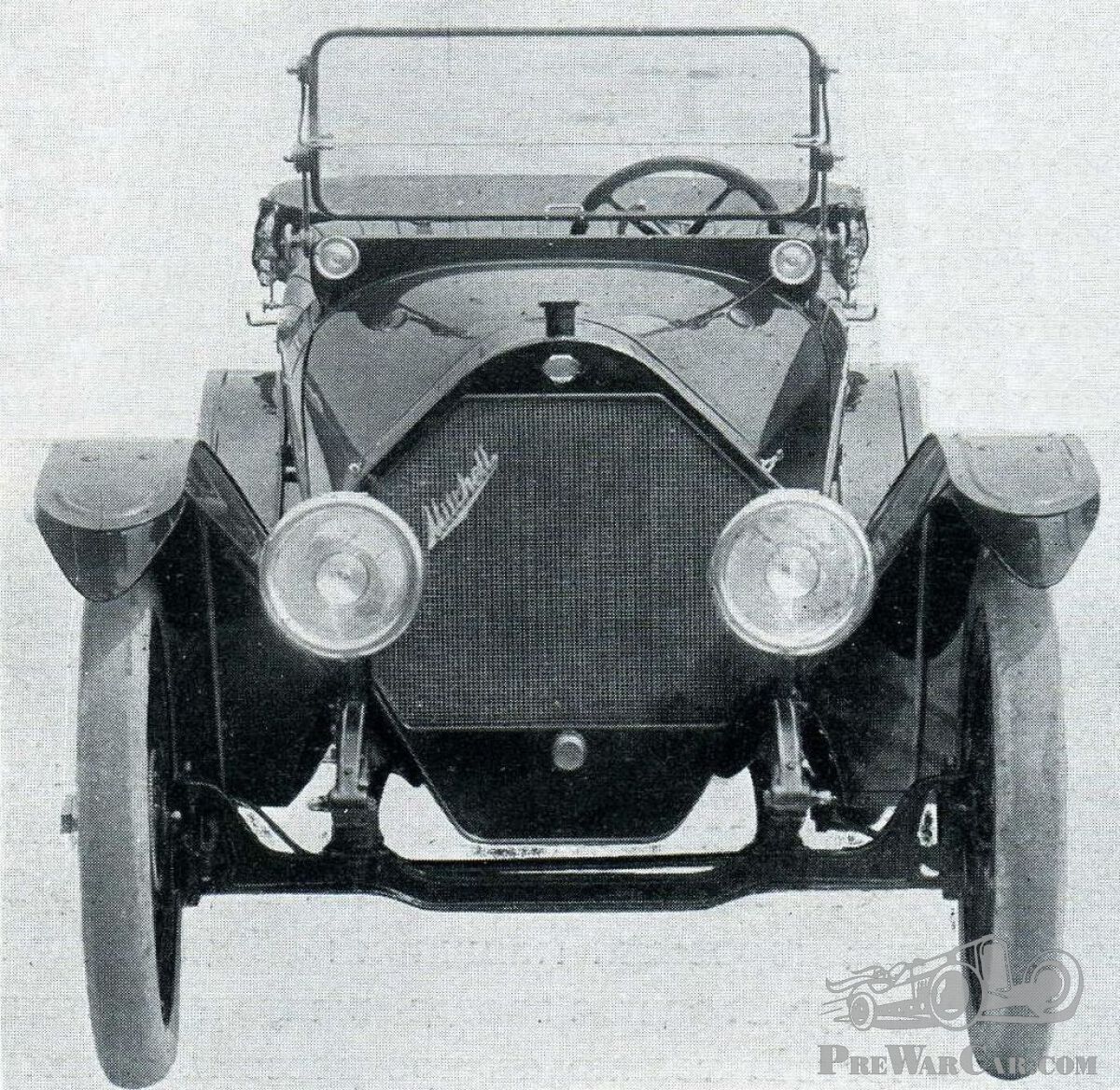
I think, the car is Mitchell. Typical radiator
Per saperne di più
Ariejan Bos
28 Febbraio, 10:10
After a better look the lady seems to be sitting on the left hand side of the front bench, holding the steering wheel. So the final conclusion must be, that the photo has been correctly printed!
Per saperne di più
Ariejan Bos
27 Febbraio, 22:05
The photo indeed must be mirrored, which is more often the case with prints of glass negatives. The Detroiter was produced with left hand drive from the beginning (i.e. 1912)
Per saperne di più
Christoph Röhrs
27 Febbraio, 13:39
Is it really a right-hand drive vehicle, or was the photo simply reversed?
Per saperne di più
Ariejan Bos
27 Febbraio, 10:36
Overland was not the only make having this rad filler type. Besides several details just don’t match with Overland: radiator shape, body and wheel hubs among other things. So not an Overland, but a 1912 Detroiter.
Per saperne di più
Don Larkin
27 Febbraio, 03:39
I would suggest a model 59 Overland. The water cap on the rad is definitely Overland.
Per saperne di più