La rivista e il marketplace globale per gli appassionati di auto d’epoca, creati da appassionati.
La rivista e il marketplace globale per gli appassionati di auto d’epoca, creati da appassionati.


Filter
Faccia la sua scelta
- Automobile
-
Marca >>
-
Anno >>
-
- Motociclette
-
Ubicazione >>
- Parti e altro
-
Marca dell'auto >>
-
Produttore >>
-
Categoria >>
- Biciclette
-
Anno >>
-
Paesi



Il Cetriolino su Ruote: Come Mercedes Ha Imparato l'Arte del Streamlining

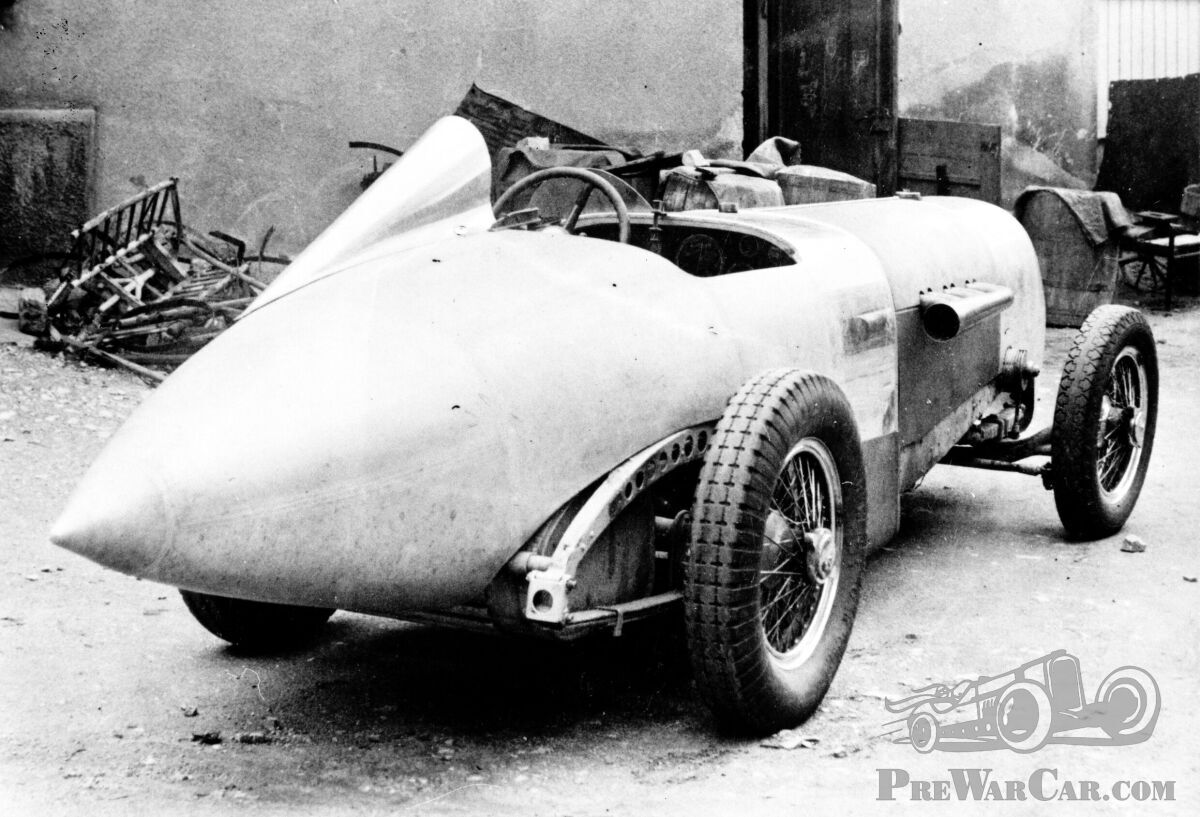
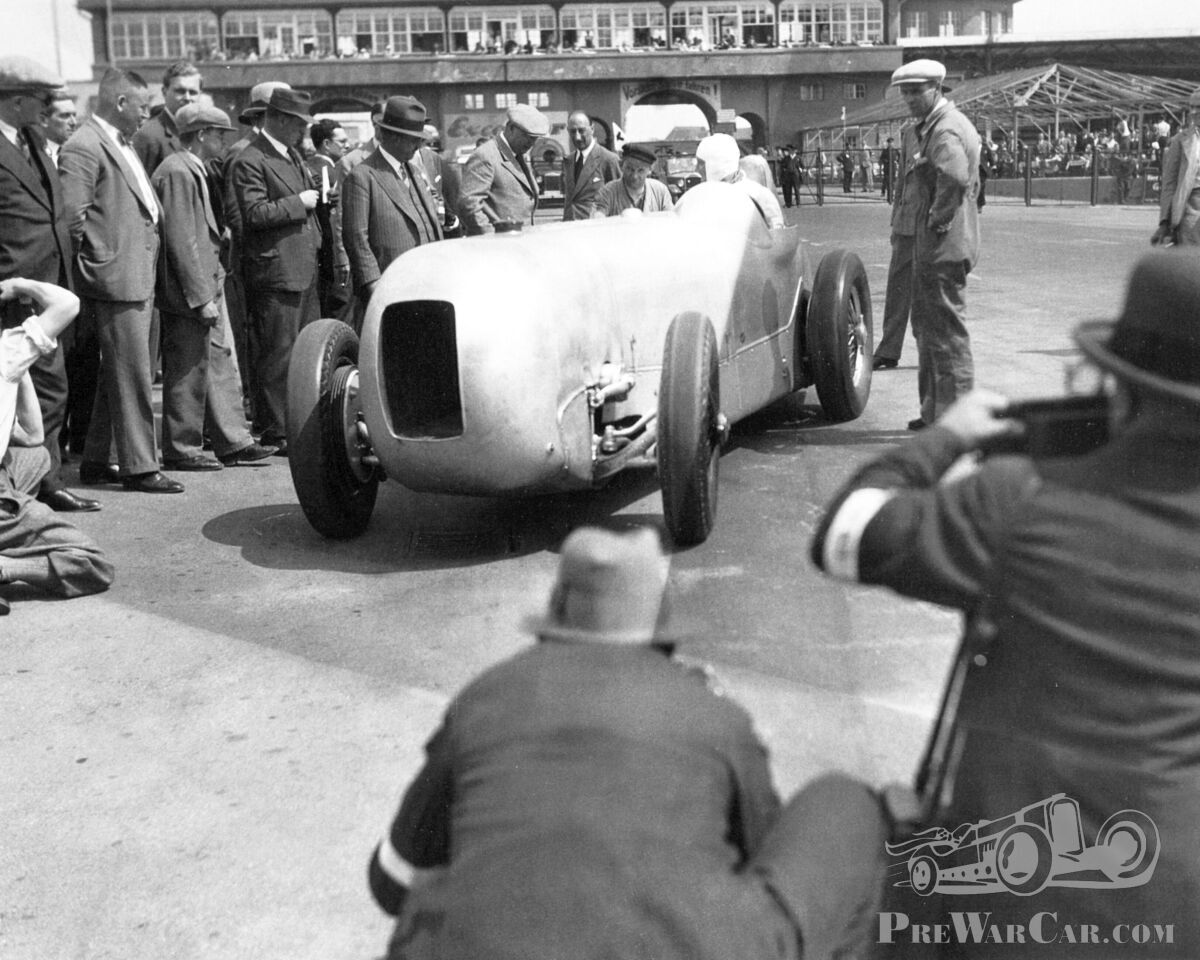


I principi del design aerodinamico guadagnarono rapidamente terreno negli anni Trenta, ma spesso c'era un divario tra ciò che le persone pensavano dovesse sembrare un'auto aerodinamica e ciò che effettivamente sembrava. Il barone Reinhard von Koenig-Fachsenfeld si preoccupava solo di quest'ultimo.
Affascinato dall'aerodinamica sin dai tempi universitari, nel 1931 stabilì record di velocità in motocicletta a Montlhéry su una DKW con una carenatura aerodinamica progettata da lui stesso. Successivamente incontrò il pilota Manfred von Brauchitsch, la cui pesante Mercedes-Benz SSKL stava iniziando a essere superata da auto più piccole e agili come le Alfa Romeo 8C.
Il barone von Koenig-Fachsenfeld aveva un'idea di come la Mercedes potesse ancora vincere le gare. Von Brauchitsch accettò, e arrivò alla gara di Avus nel 1932 guidando quella che i suoi detrattori deridevano come un cetriolino gigante. In realtà, era un streamliner che nascondeva un motore sei cilindri supercharged da 250 cavalli e 7,1 litri – un commentatore più lusinghiero lo definì una ‘freccia d’argento’...
C'era molto in gioco nella gara di 183 miglia, ma presto si trasformò in un duello tra il pilota Alfa Caracciola e von Brauchitsch nella Benz. Caracciola era considerato il pilota migliore, ma non riusciva a scrollarsi di dosso il cetriolino sulle lunghe rette. Alla fine, von Brauchitsch prese il comando, ma guidò così furiosamente che Alfred Neubauer temeva che la Mercedes distruggesse le sue gomme.
C'era, ovviamente, solo un vincitore. Karl Ludvigsen celebra il lavoro di Reinhard von Koenig-Fachsenfeld nel numero di gennaio di The Automobile, disponibile ora.
Testo di Zack Stiling
Fotografie dall'Archivio Ludvigsen
Pubblicato:
mercoledì gennaio 15th, 2025
Facebook
LinkedIn
Twitter
WhatsApp
Email
Copy
Commenti
Peter Maguire
15 Gennaio 2025, 16:00
Looking at the chassis, where it can be seen in the photos, I assume that the car was an SSKL, so I wonder how much extra speed would have been obtained by removing the wings, windscreen and any other items that contributed to the overall cross-sectional area. Plus, say, a bit of judicious streamlining around the scuttle.
Interestingly, on a quite seriously tuned Austin Seven (Ulster-type body, road equipped, with cycle wings, windscreen plus aero screens and full weather equipment), removing the hood, even if folded, adds around five miles per hour or more to the top speed, while removing the windscreen adds a further ten to twelve! Folding it flat (on the bonnet) also helps, but not to the same extent. Removing cycle-type wings also helps to increase top speed, but not as much as is achieved by hood removal. However, I accept that this could be down to the profile of the cycle wings fitted to the car in question. I suspect that this would, in general, be the case with most vintage cars.