La rivista e il marketplace globale per gli appassionati di auto d’epoca, creati da appassionati.
La rivista e il marketplace globale per gli appassionati di auto d’epoca, creati da appassionati.


Filter
Faccia la sua scelta
- Automobile
-
Marca >>
-
Anno >>
-
- Motociclette
-
Ubicazione >>
- Parti e altro
-
Marca dell'auto >>
-
Produttore >>
-
Categoria >>
- Biciclette
-
Anno >>
-
Paesi


Montlhéry spectacular in Paris: the Vintage Revival goes to Rétromobile
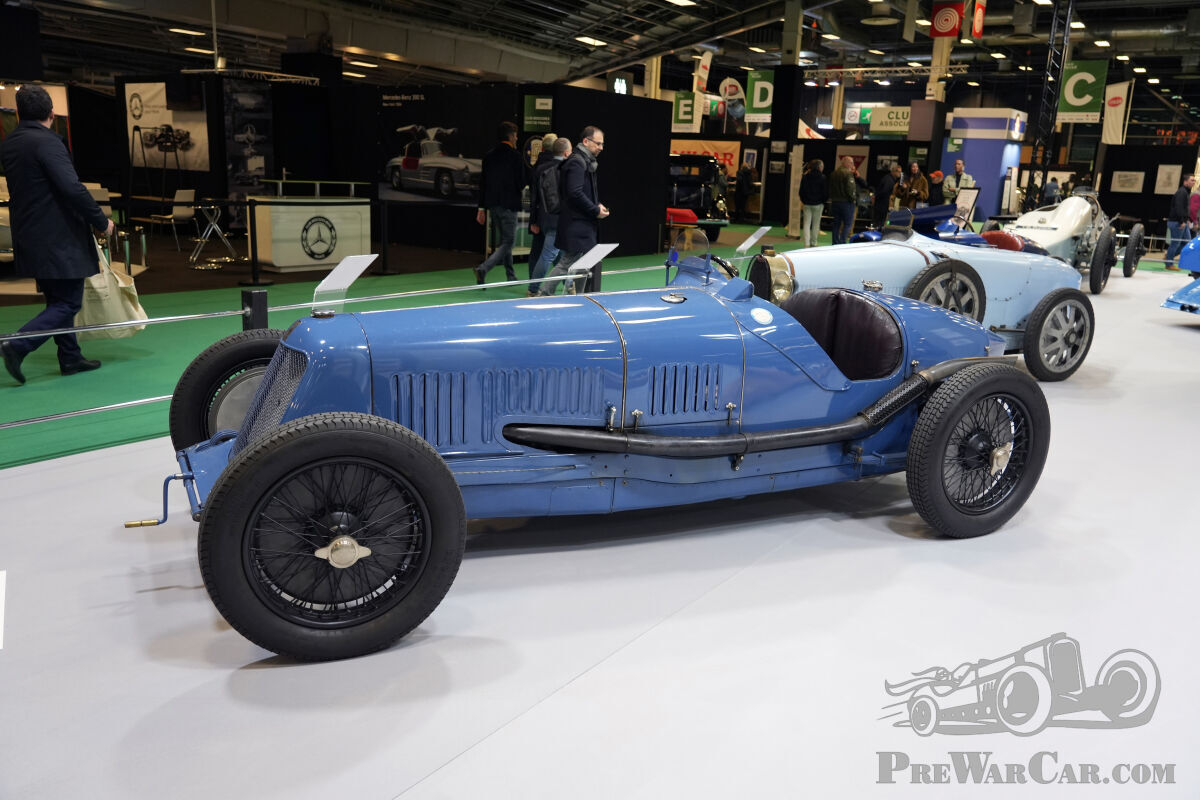
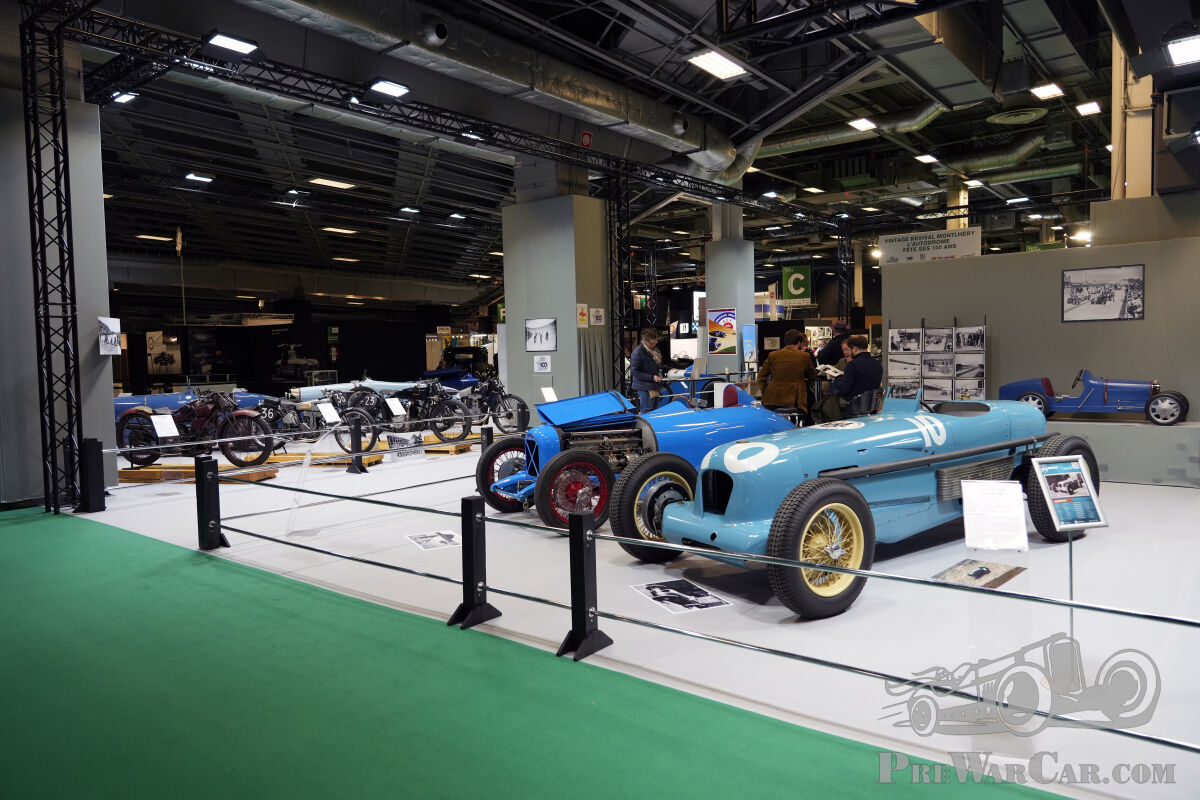
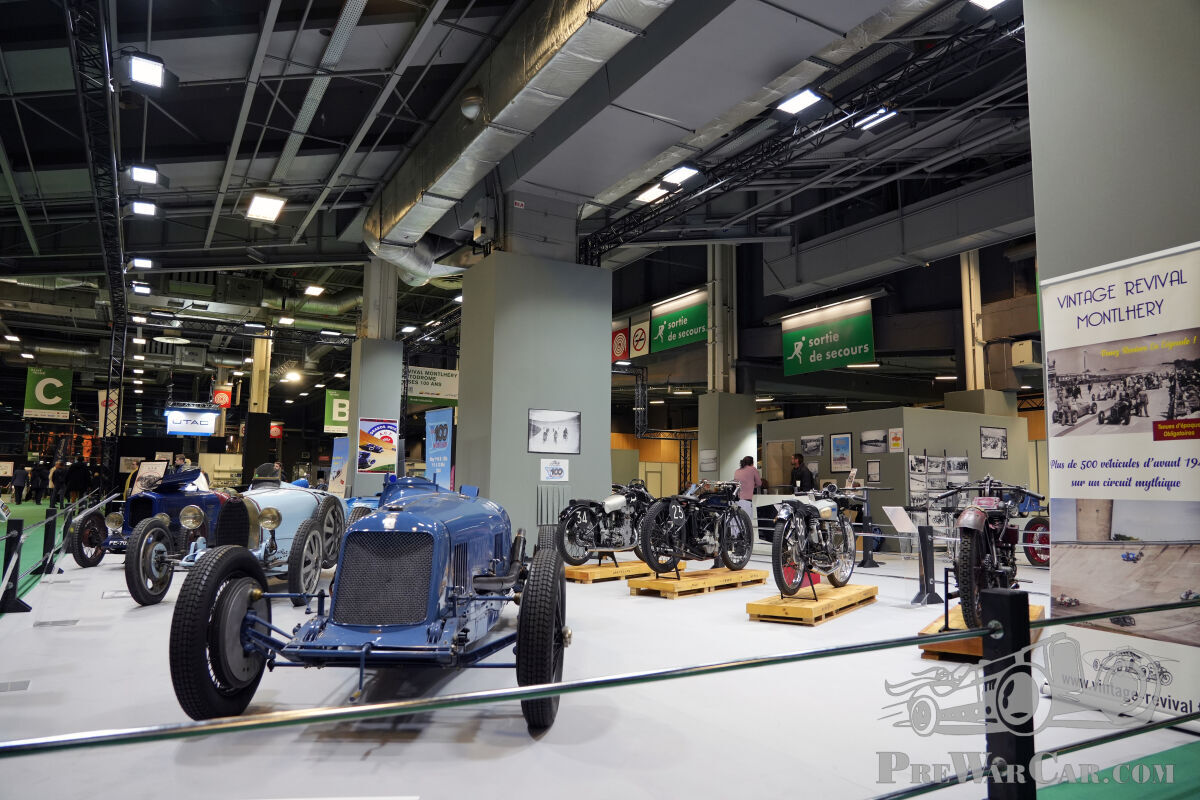
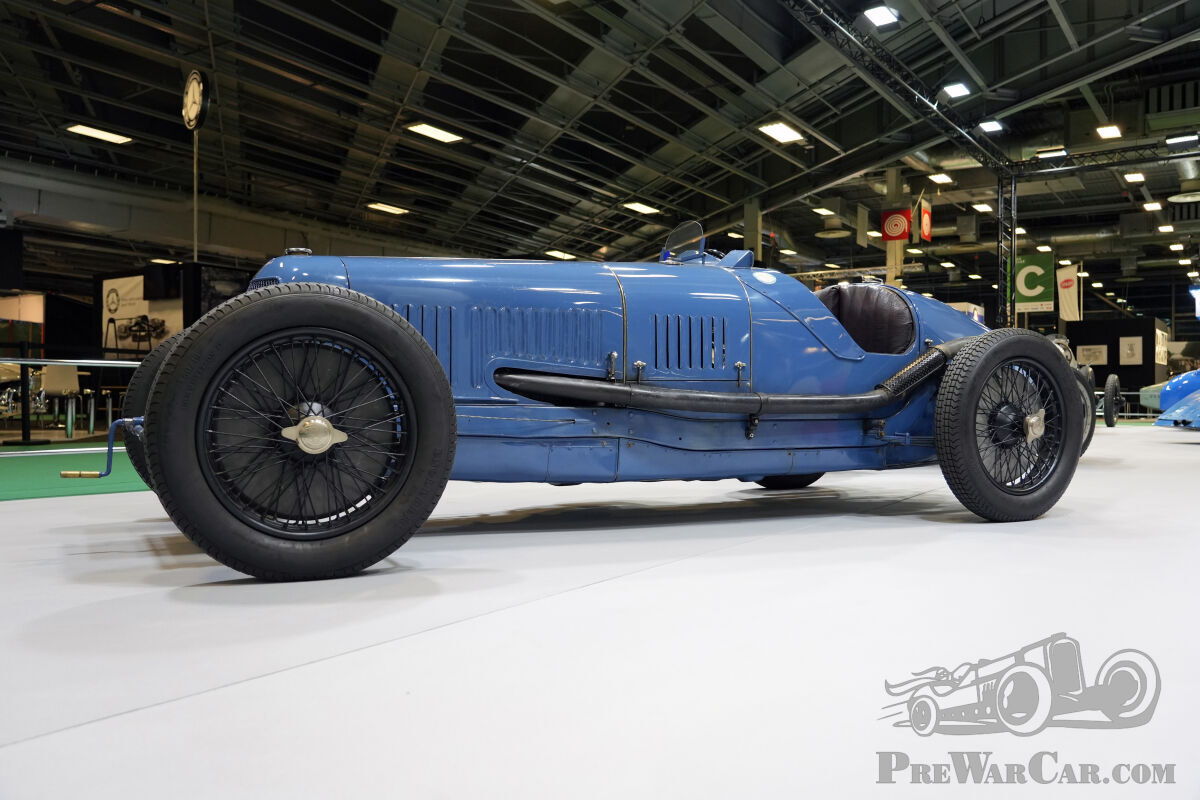
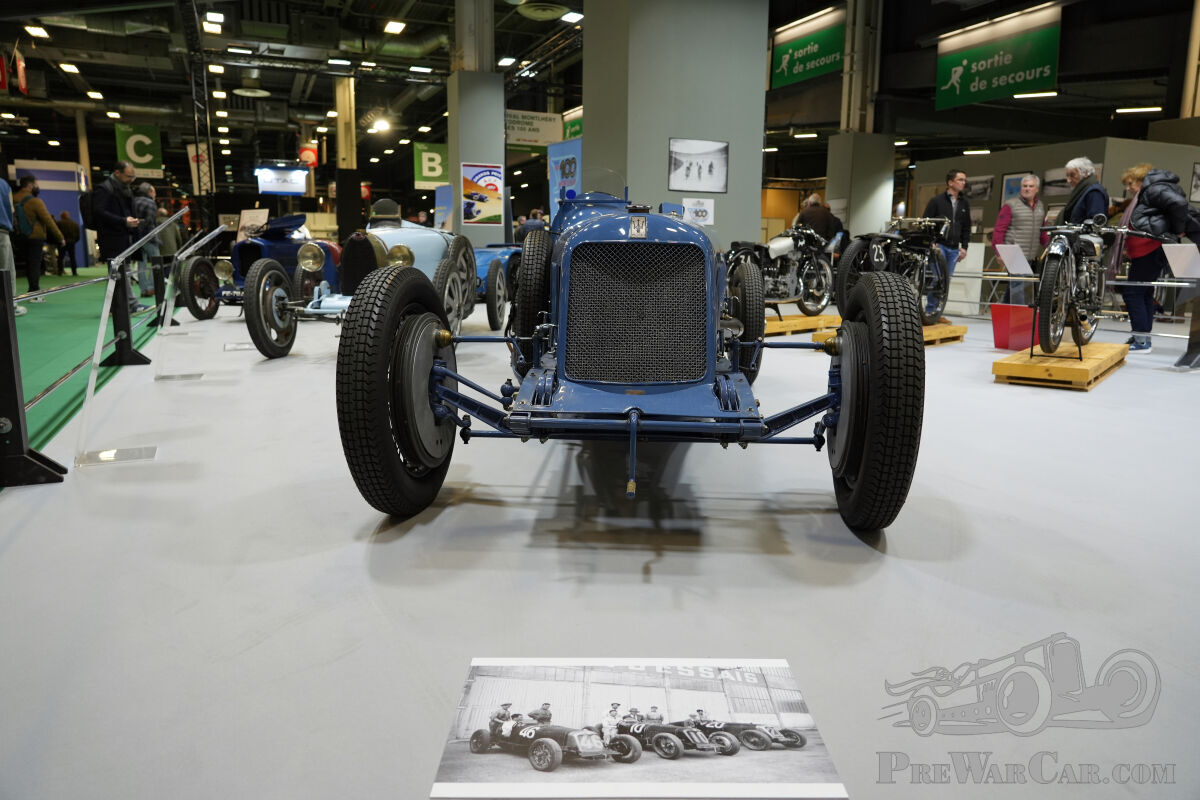
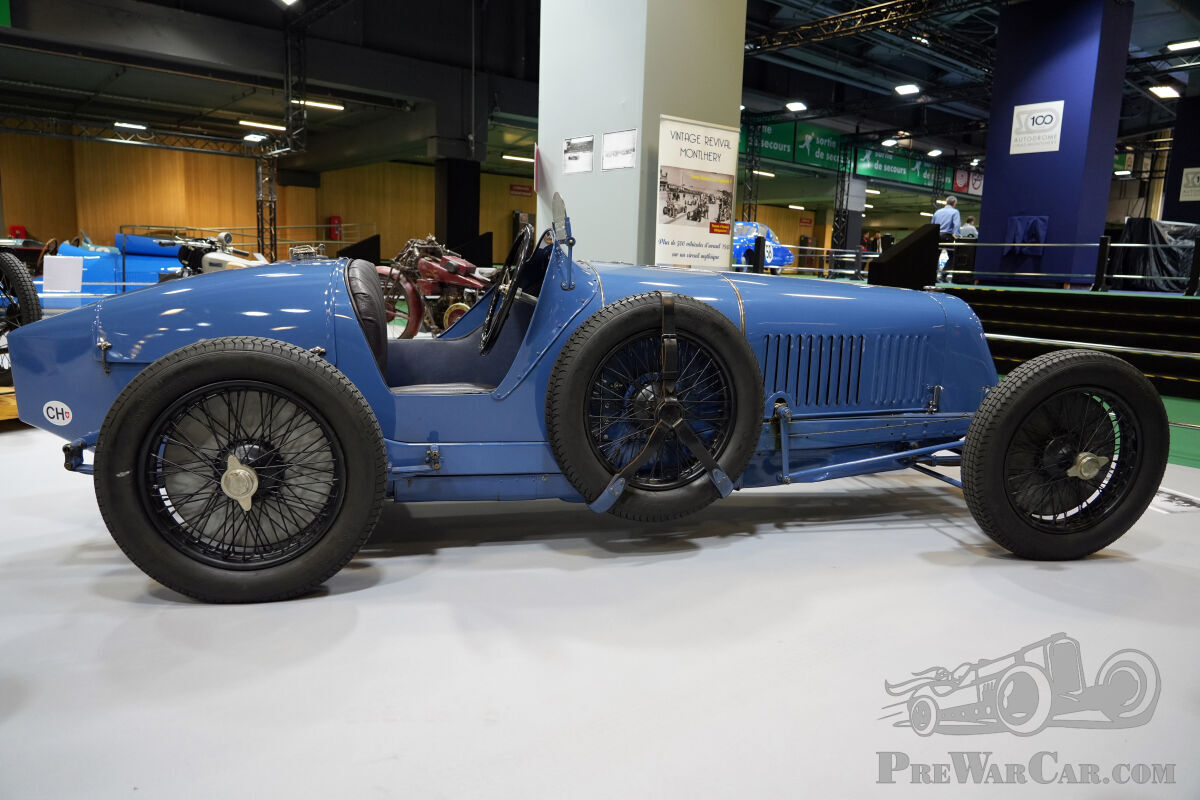
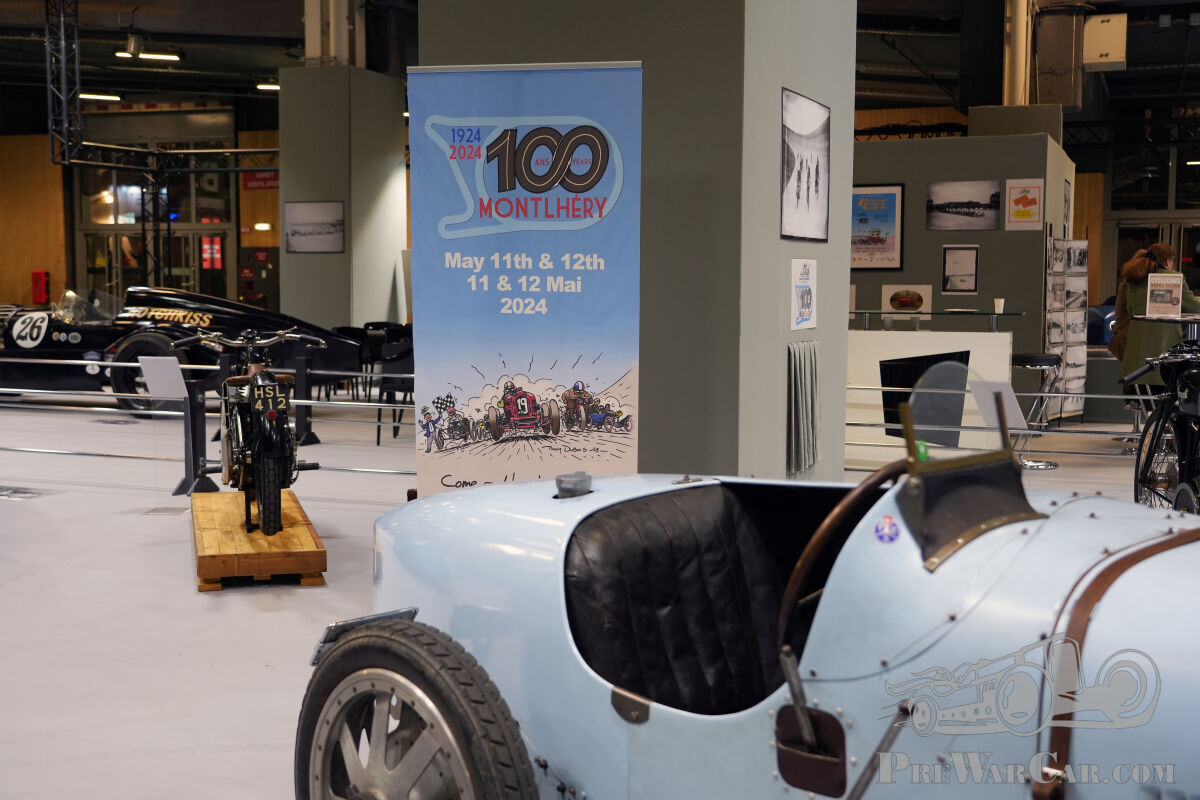


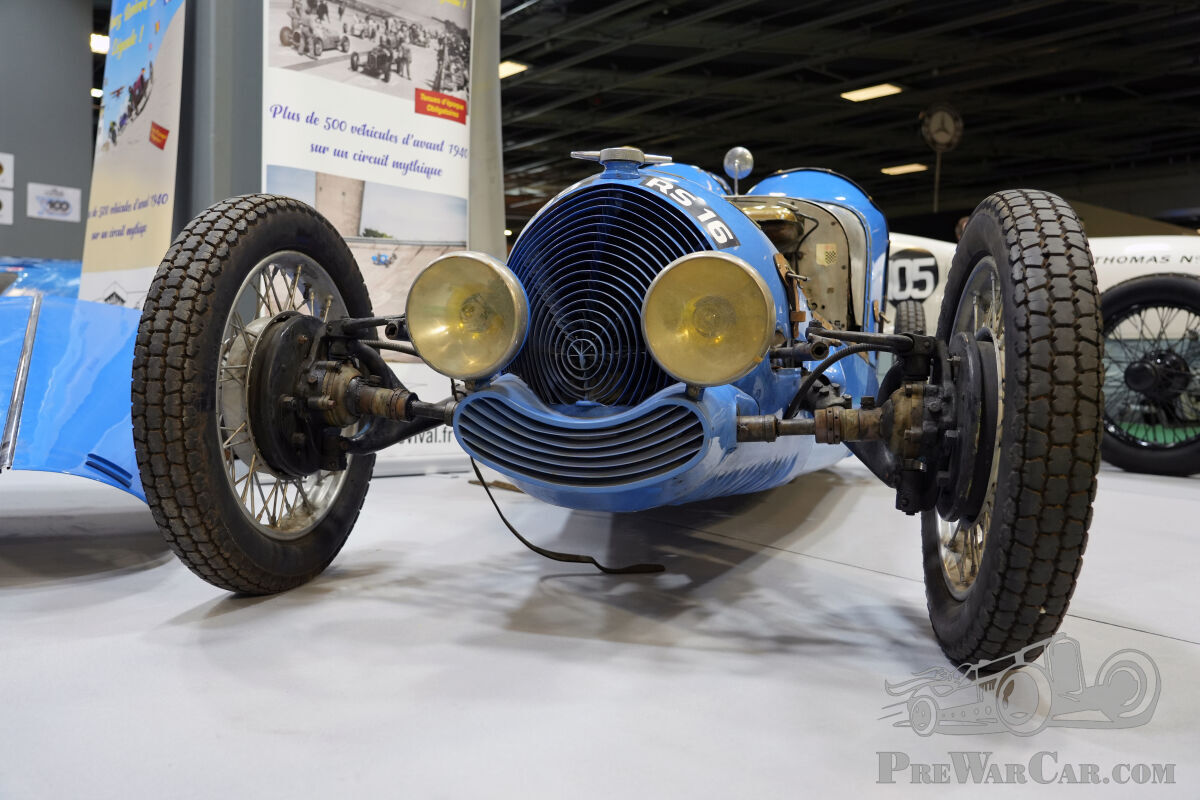
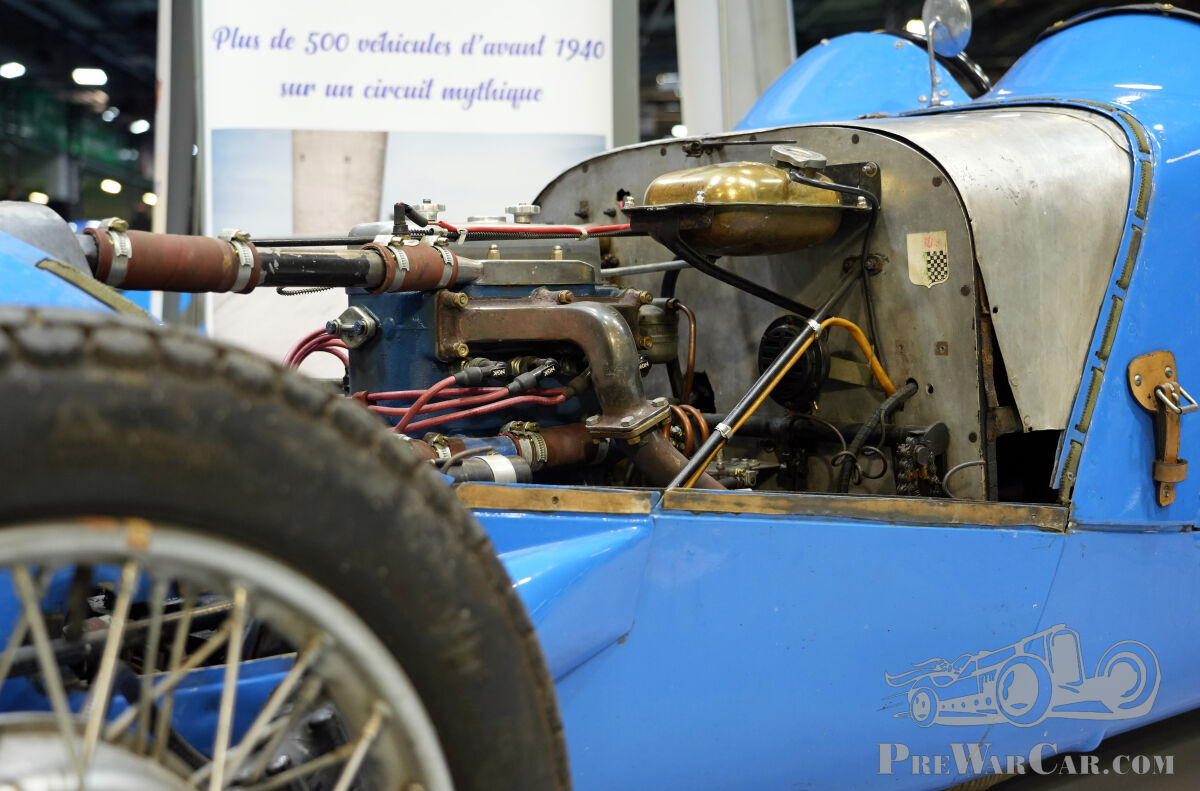
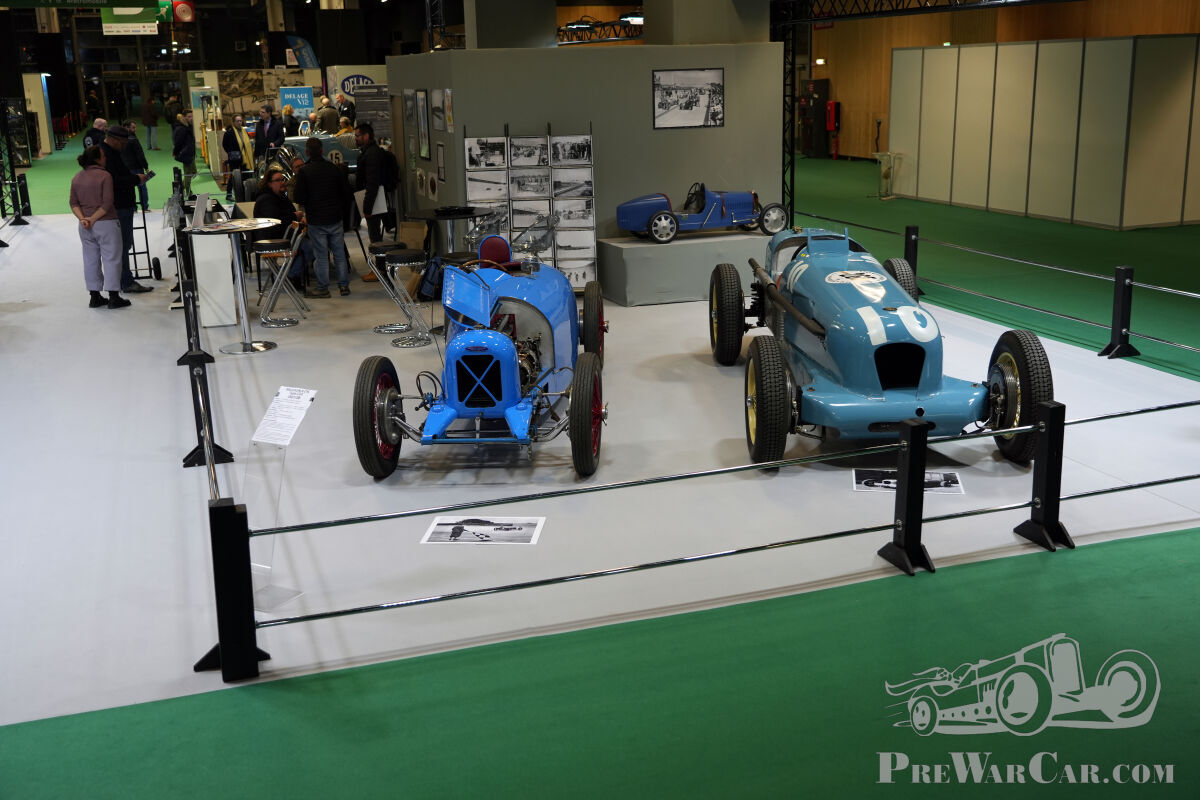
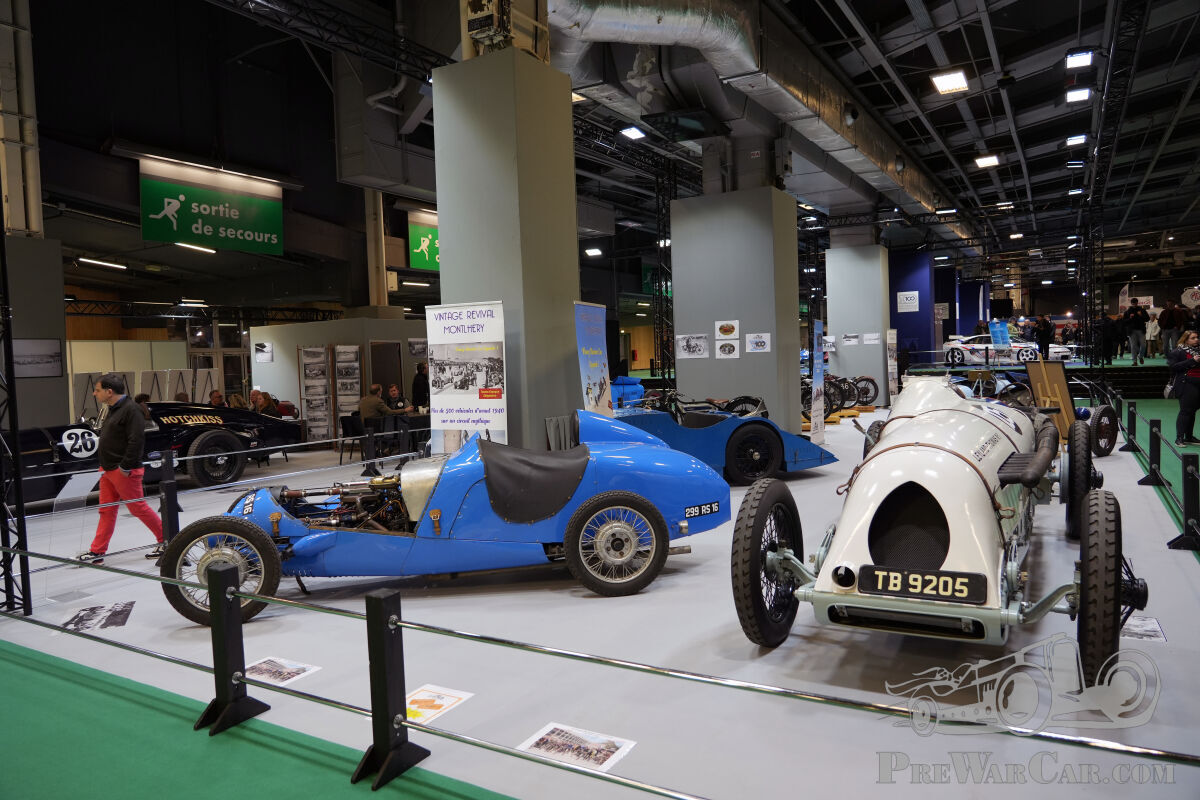


In any year, one of the best displays at Salon Rétromobile is always that put on by the Vintage Revival Montlhéry. Its organisers have a peculiar knack for finding some of the most fascinating pre-war vehicles in Europe and bringing them together for the delectation of visitors. Readers who attended Rétromobile will surely remember how it fielded three very obscure vehicles—the 1908 Truffault, 1924 Scott Sociable and 1906 Corona motorcycle—all in exceptional unrestored condition, plus the 1892 Peugeot Type Trois which was the first car ever to drive on Italian roads.
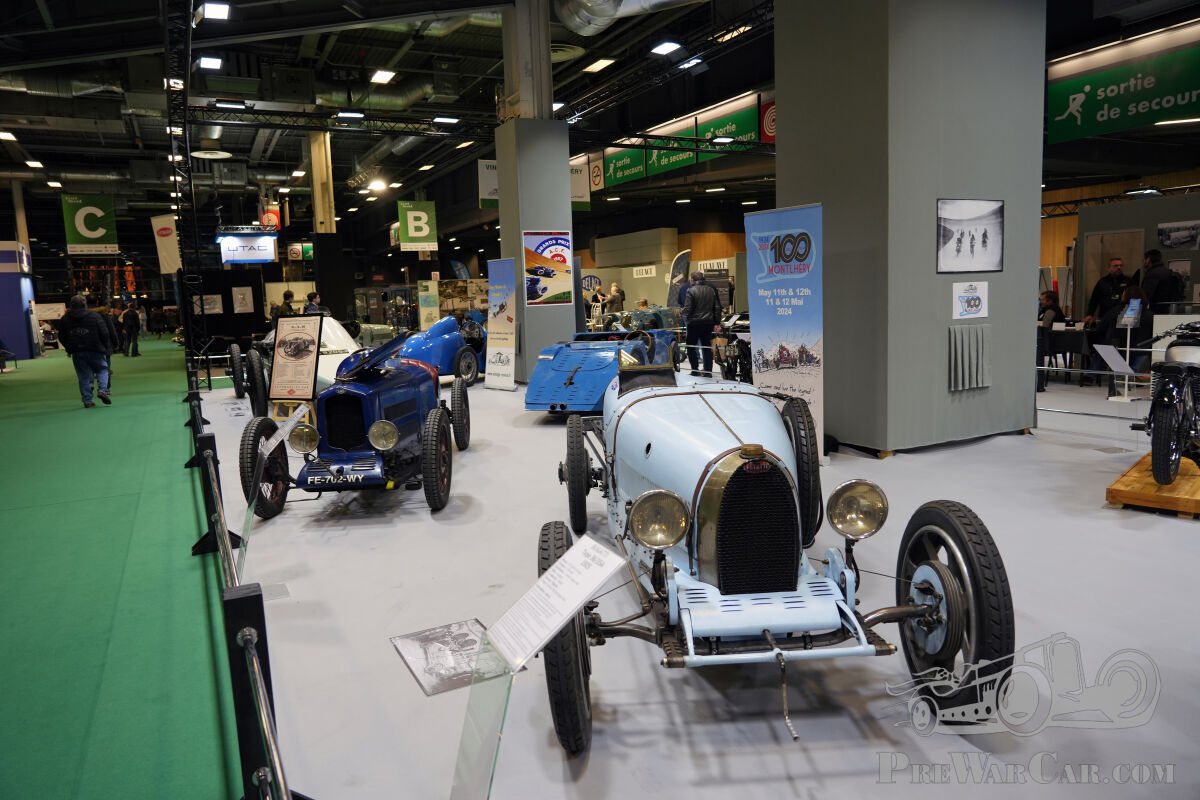
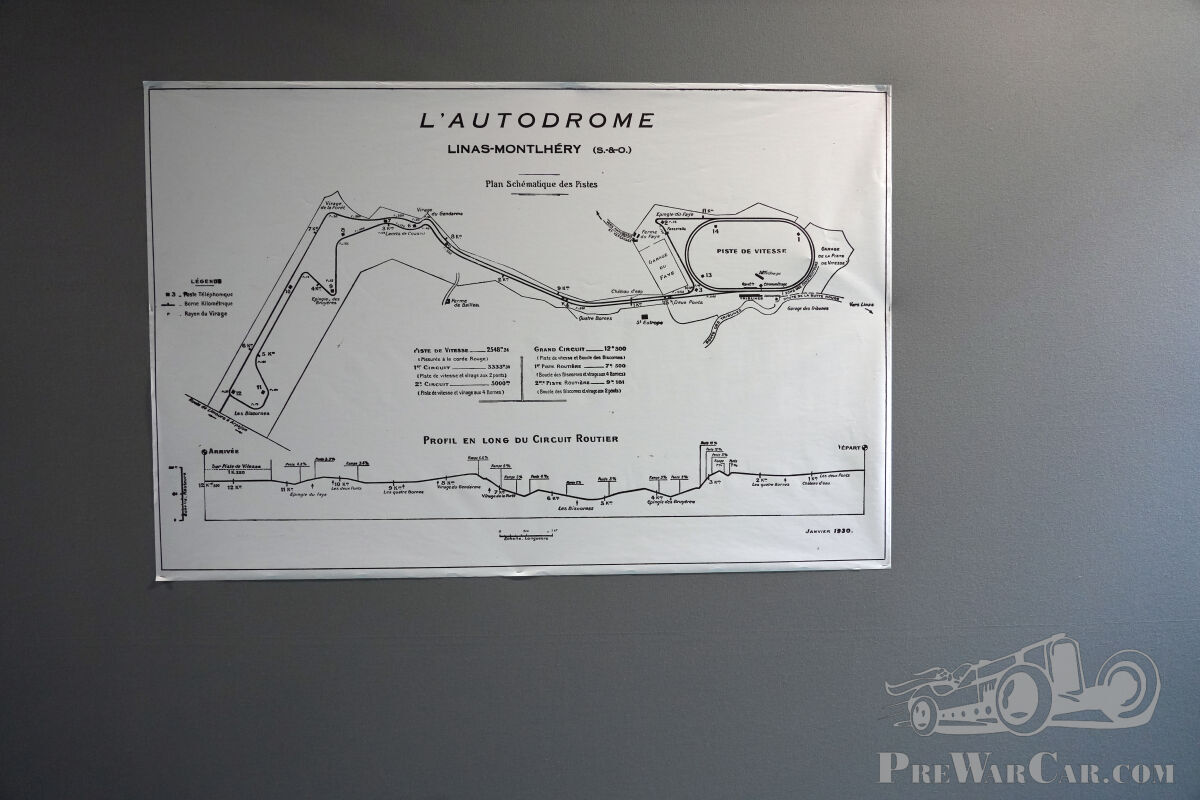
This year, it promises to be even better. As most readers will be aware, 2024 marks the centenary of the famous Autodrome de Linas-Montlhéry, and to celebrate that the Vintage Revival organisers have curated an extra-large display populated with cars and motorcycles which raced at Montlhéry in period, plus others which are interesting purely for their own sake. If you come to Rétromobile, here's what you can see:
1922 Leyland-Thomas No. 1
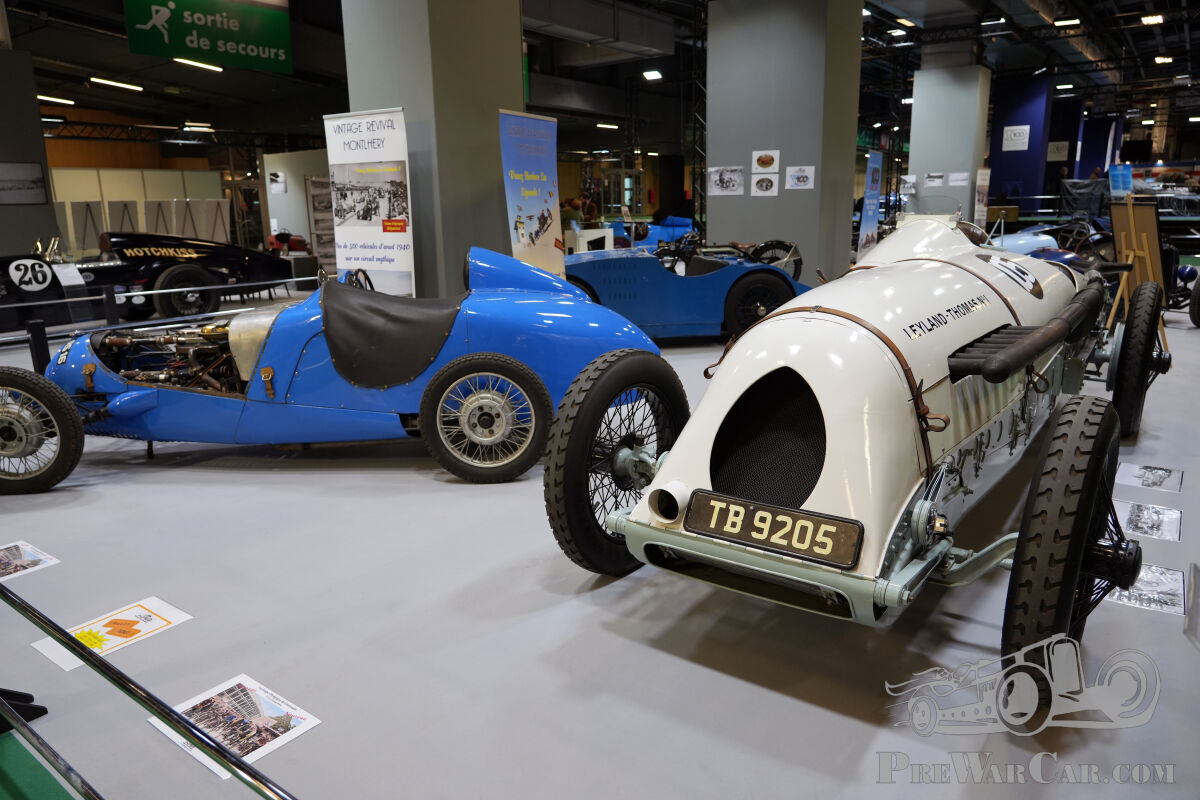
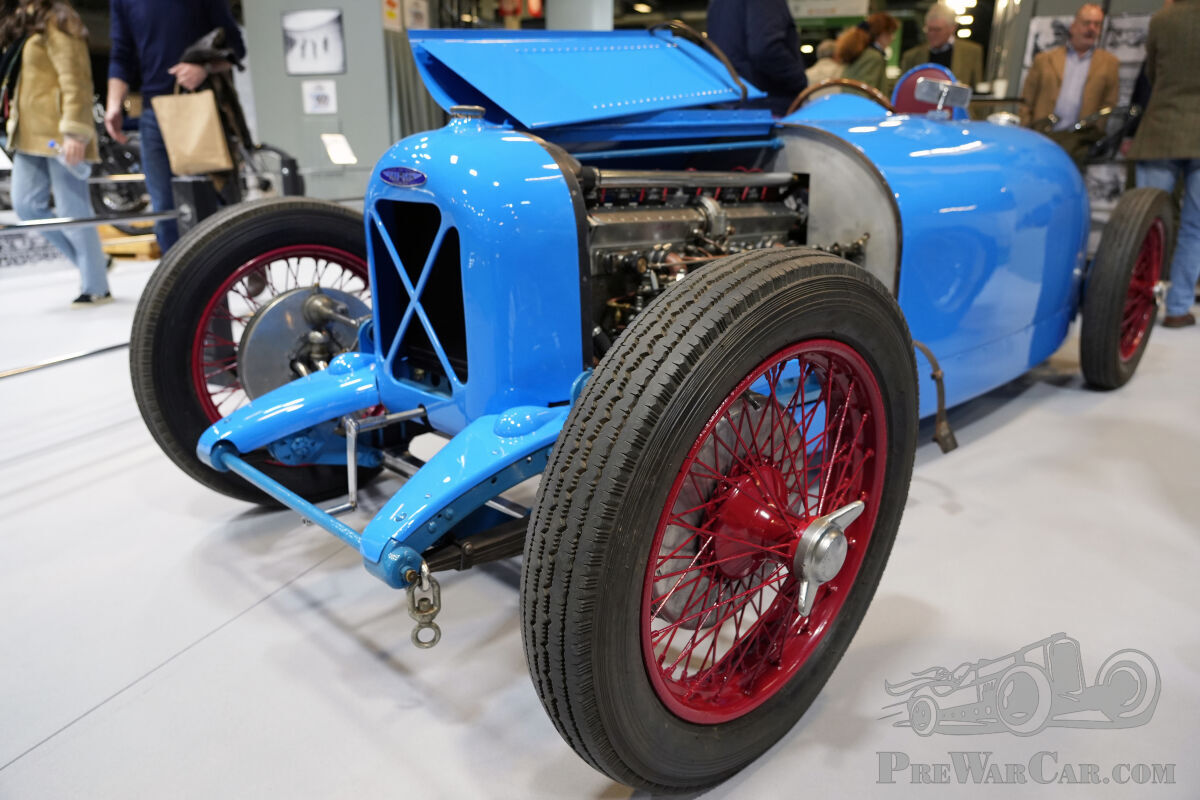
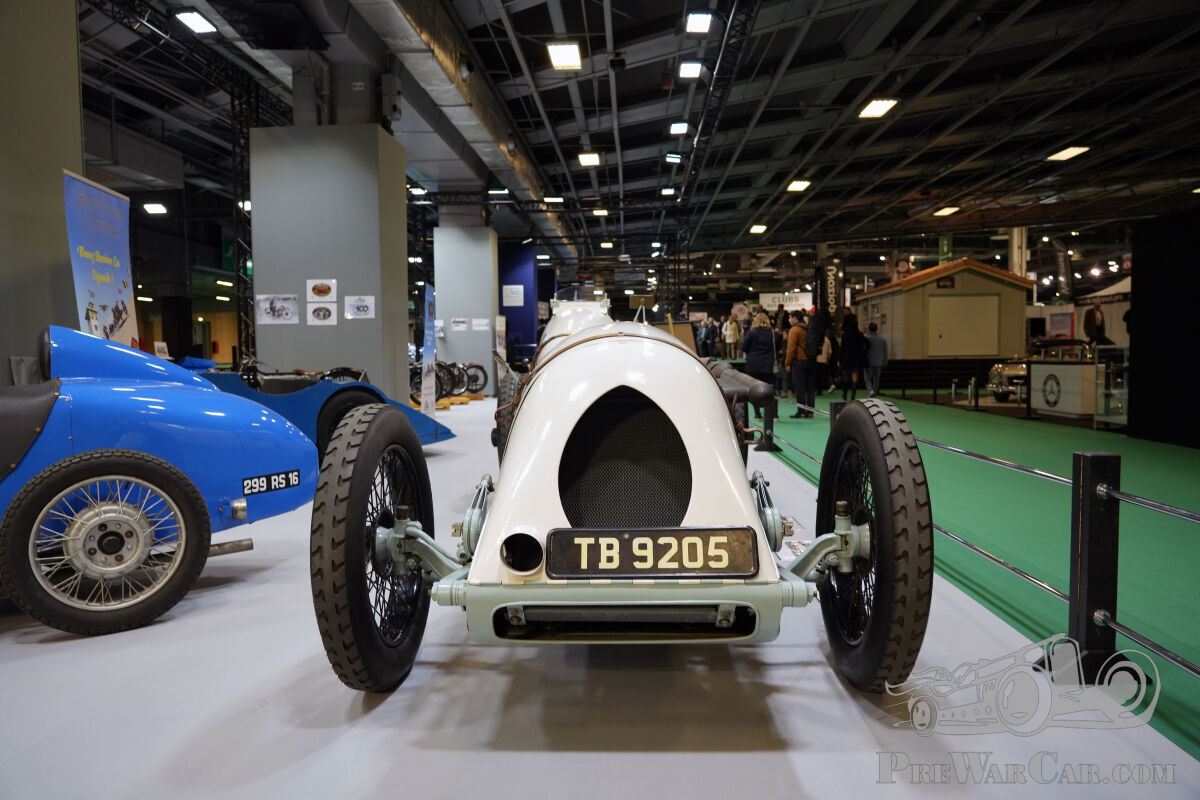
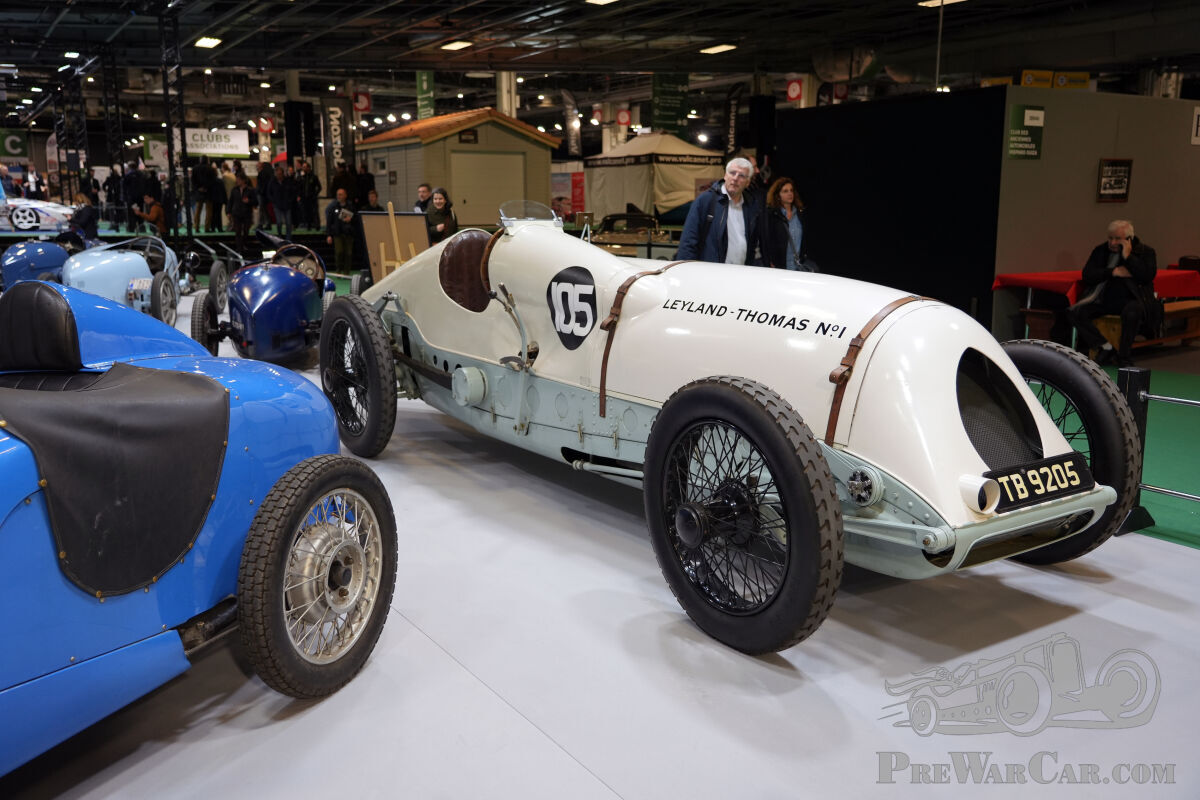
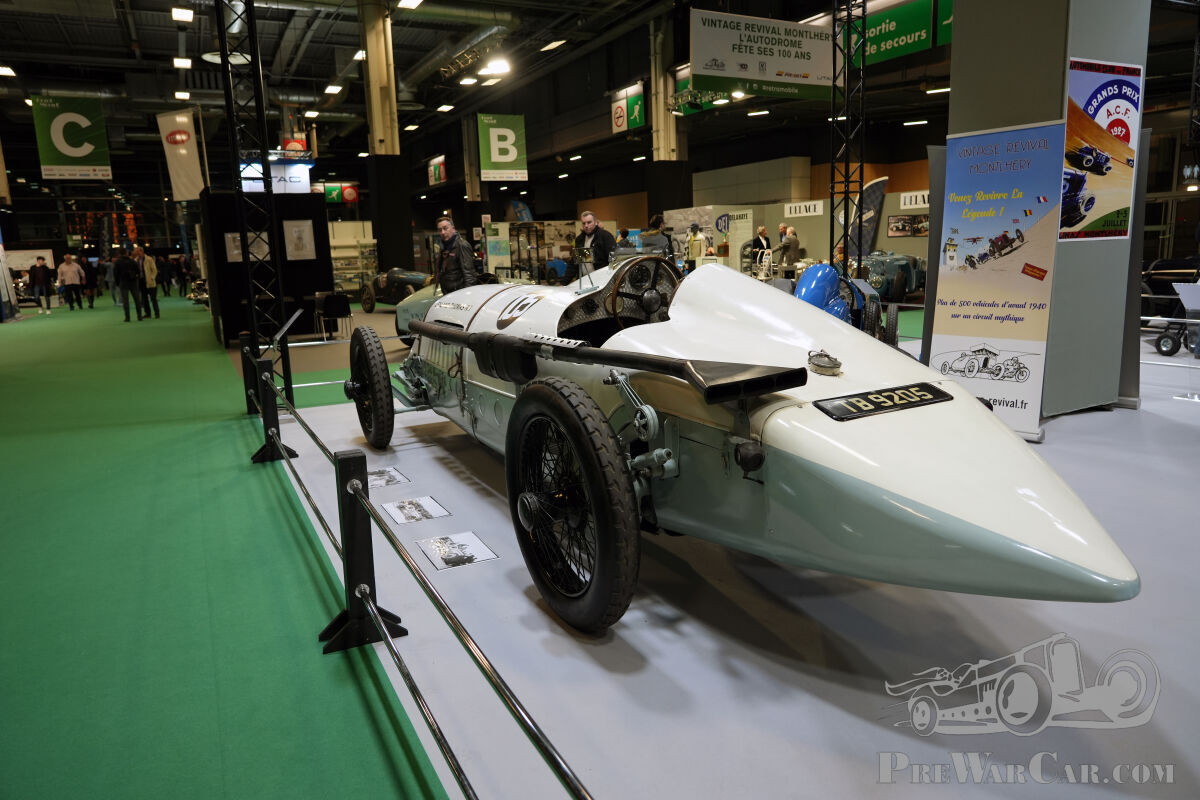
Having been founded in 1896 as a maker of steam lorries, Leyland had realised the merits of internal combustion by 1905 but, even so, it remained squarely a maker heavy commercial vehicles until it suddenly branched out in an unexpected direction in 1920 with the Leyland Eight luxury car. Intended to compete with Rolls-Royce, it was extremely expensive and was by no means the money-maker which Leyland had hoped for, but its seven-litre engine was a potent piece of engineering. It had been designed by J. G. Parry-Thomas, who was given free reign to do as he pleased, with excellent results. Thomas built a factory-sanctioned racing version which performed well in competition, but it wasn't sufficient to rescue sales. Leyland thanked Thomas for his work and allowed him to keep the car and a stock of parts, with which he then decamped to Brooklands. and developed the Leyland-Thomas No. 1. This proved very successful in racing and record-breaking, and in October, 1924, Thomas had the special honour of being invited to open the new Autodrome de Linas-Montlhéry by racing head-to-head with Ernest Eldridge in the famous Fiat Mephistopheles. Though the original car has not survived, a faithful replica was constructed over many years, using many original Leyland Eight parts, starting in 1992, and that car is exhibited here.
1923 Bugatti Type 32 'Tank'
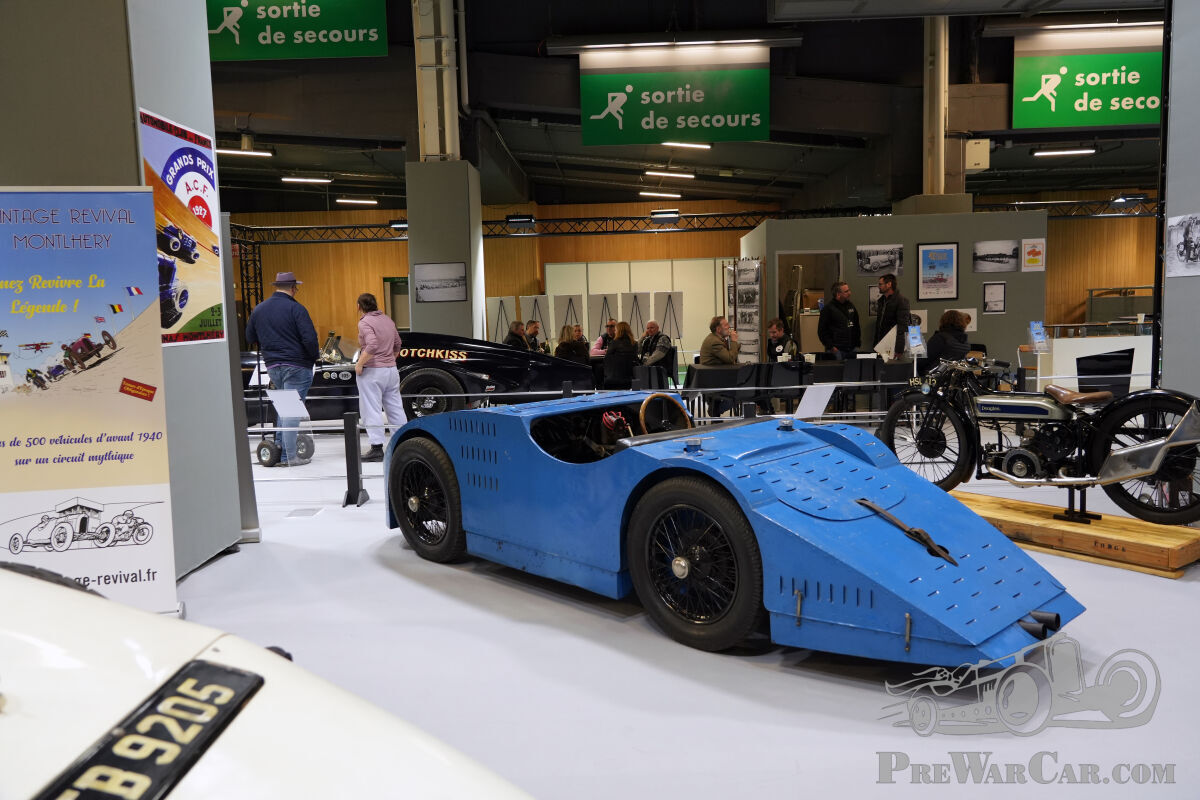
Long before it became popular, Ettore Bugatti, ever willing to experiment, had the idea that streamlining might help his cars to go that extra bit faster. This resulted in the Type 32, very much an experimental vehicle intended for testing and development. Besides the obvious streamlining, other unusual and untested features of the car included an inverted chassis (for lower ground clearance and a lower centre of gravity) and hydraulic brakes. Known as the 'Tank' for obvious reasons, it proved its worth in the realm of speed records, notably attaining 117 mph at Arpajon in 1924. Four Tanks participated in the ACF Grand Prix in 1923. The vehicle on display is the only survivor, and is on loan from the Musée National de l'Automobile in Mulhouse.
1925 Bugatti Type 35
No celebration of 1920s grand prix racing would be complete without a Type 35, and this car, which was originally chassis 4572, certainly belongs here, for it raced in the 1925 French Grand Prix at Montlhéry, finishing seventh in the hands of Pierre de Vizcaya. He then sold it to Vincent Junek, a pilot from Prague, who raced it a number of times around Czechoslovakia but, before a year had passed, he exchanged it for a Type 35B. While being reconditioned at the Bugatti factory, it was renumbered 4831 and sold to Jean Trivier, a brewer in Xertigny, in the Vosges mountains. He raced it in the 1927 Morocco Grand Prix, and then returned it to the factory where it was converted to road specification and sold again to Benoist de Bary of the Automobile Club de Monaco. The new wheels, Repusseau shock absorbers, starter motor and dynamo outlined in Ettore Bugatti's letter to de Bary remain on the car today. Bary used it to promote the inaugural Monaco Grand Prix of 1929 by driving it around the course and photographing it at different stages, the pictures appearing in the April 5th edition of Monde Automobile. After becoming ill, de Bary sold the car in March, 1930, and it changed hands several times until being bought by Dr. Emile Heim of Hagenau, who kept it until 1957. It then lived in Belgium and the USA before moving to Great Britain in 1973, since when it has been greatly enjoyed in historic racing.
1925 Bugatti Type 36/35A
One Type 35 is all well and good, but it can't hurt to have two, can it? The Type 36s were a pair of experimental Bugattis developed for the inaugural Montlhéry Grand Prix in May, 1925. However, they were designed without rear springs, the axle bolting directly to the frame, and in that guise they were undriveable at any meaningful speed. In 1926 they were updated to not only feature rear springs but also a supercharger designed by the Italian engineer Edmond Moglia, making them the first supercharged Bugattis. They and a third Bugatti were duly entered in the Alsace Grand Prix for voiturettes of up to 1,100 cc, with aperitif heir André Dubonnet, Count Aymo Maggi and Pierre de Vizcaya respectively driving them to first, second and third. The car on display is a supercharged Type 35A, chassis 4655, but its radiator, clutch and gearbox are from one of the Type 36 single-seaters.
1927 GAR Bol d'Or
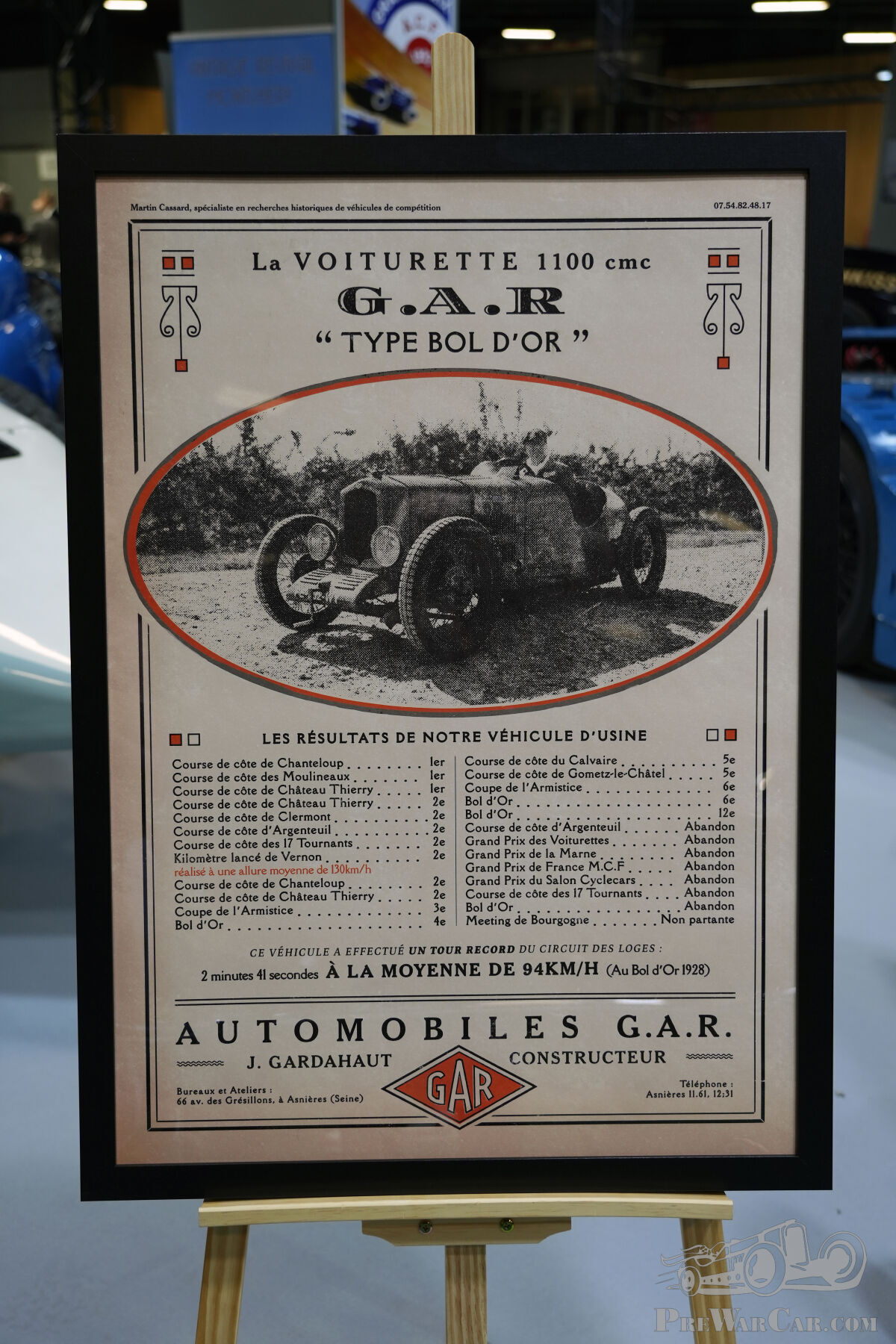
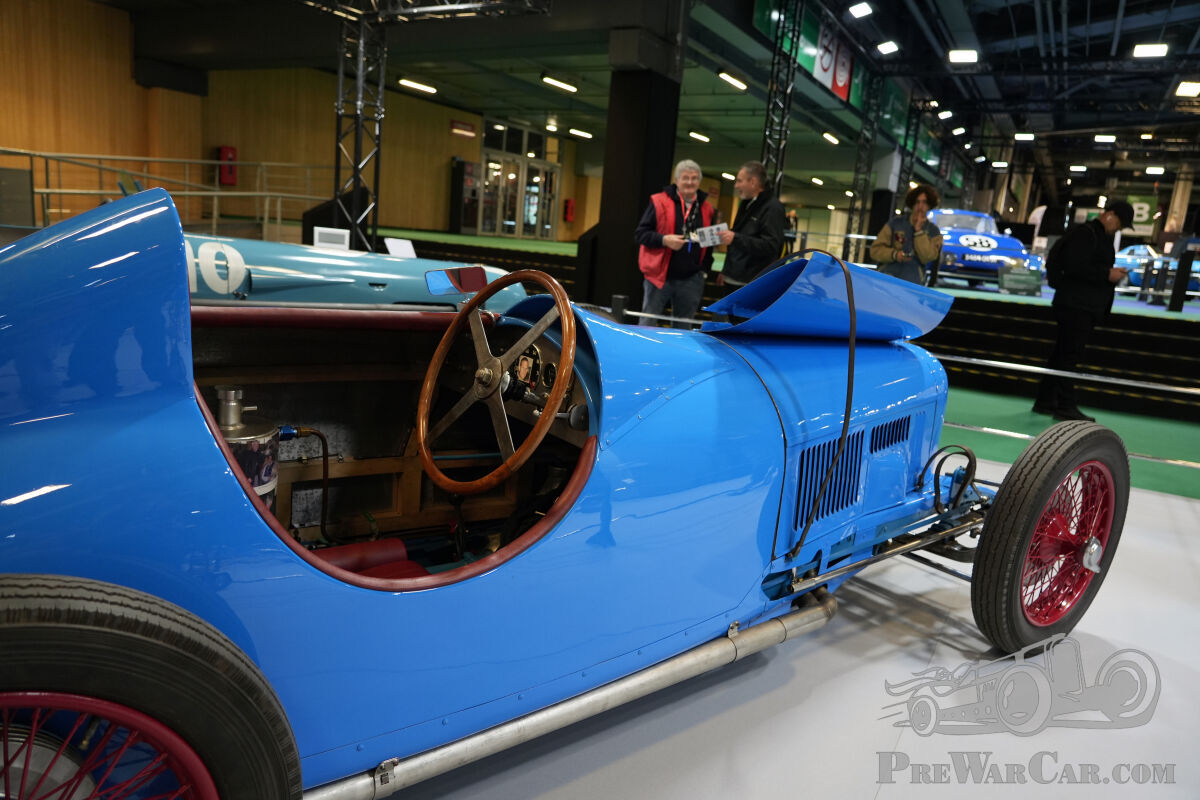
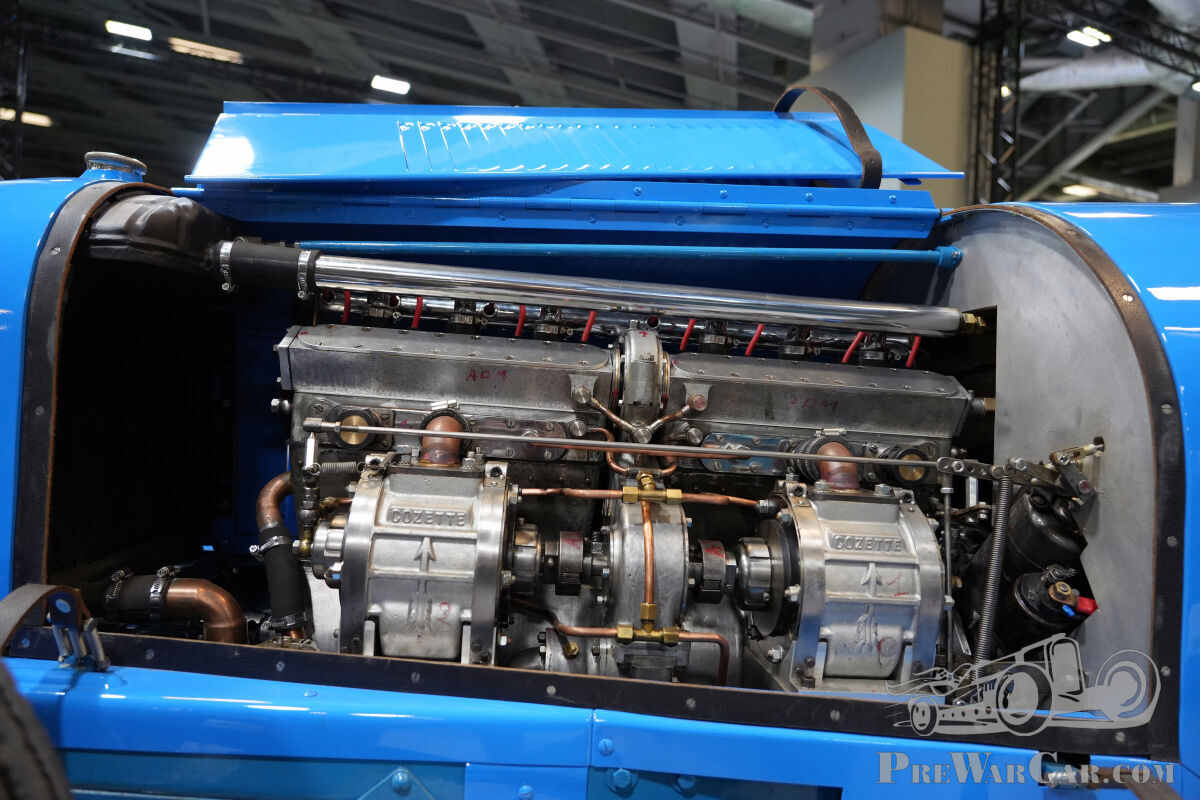
Joseph Gardahaut was a very keen racing enthusiast who started producing cars under the GAR name in 1922, working from a factory in Clichy. Beginning by building cyclecars with air-cooled, twin-cylinder Chapuis-Dornier engines, he eventually started to field quite a range of sports cars and cyclecars. GARs were very active in motor-racing in the mid-1920s, participating in several races at Montlhéry. In the 1926 Bol d'Or, a team of GARs ran and lasted for full 24 hours of the race. Gardahaut then decided to build a true racing car, using an 1,100 cc four-stroke Chapuis-Dornier engine with a Cozette supercharger. With its fortunes steadily improving, GAR then went on to produce the B5, with a 1,375 cc straight-eight, an example of which recently appeared at Pebble Beach, but the factory ceased producing cars in 1934. The GAR Bol d'Or is a unique model which performed very well in races, notably in the Bol d'Or, and it appears here in completely original condition, save for the fact that its body was replaced in the 1930s.
1927 Maserati Tipo 26
Maserati may now be a household name, but in 1926 it was brand-new. It had to fight for its reputation and it did so using the Tipo 26, its first ever model, of which 11 examples were built between 1926 and 1932. The design was developed from a grand prix car which Alfieri Maserati had designed for Diatto. After cutting ties with Diatto, he went to the workshop in Bologna which he and his brothers had established in 1914 and started work on his own car. The example presented was completed in August, 1927, and retained by the Maserati works as a team car. Ernesto Maserati drove it extensively, with its credits thought to include the 1928 Mille Miglia, Italian Grand Prix at Monza, and Tripoli Grand Prix. His last race with the car was the 1931 Tunis Grand Prix, immediately after which Louis Joly, a resident of Tunis, took ownership. Joly enjoyed the Maserati greatly, winning three races with it before his untimely death in an air accident in 1934. It then changed hands and was used as an everyday car around north Africa, and when the original engine eventually failed, an American unit was fitted in its place. A starry-eyed young husband, Hans Matti, was on his honeymoon in Morocco in 1961 when he spotted the car there. Smitten by it, he purchased it three years later and, after an extensive search, found an original engine. The car then received a full restoration.
1927/28 Salmson Type C10
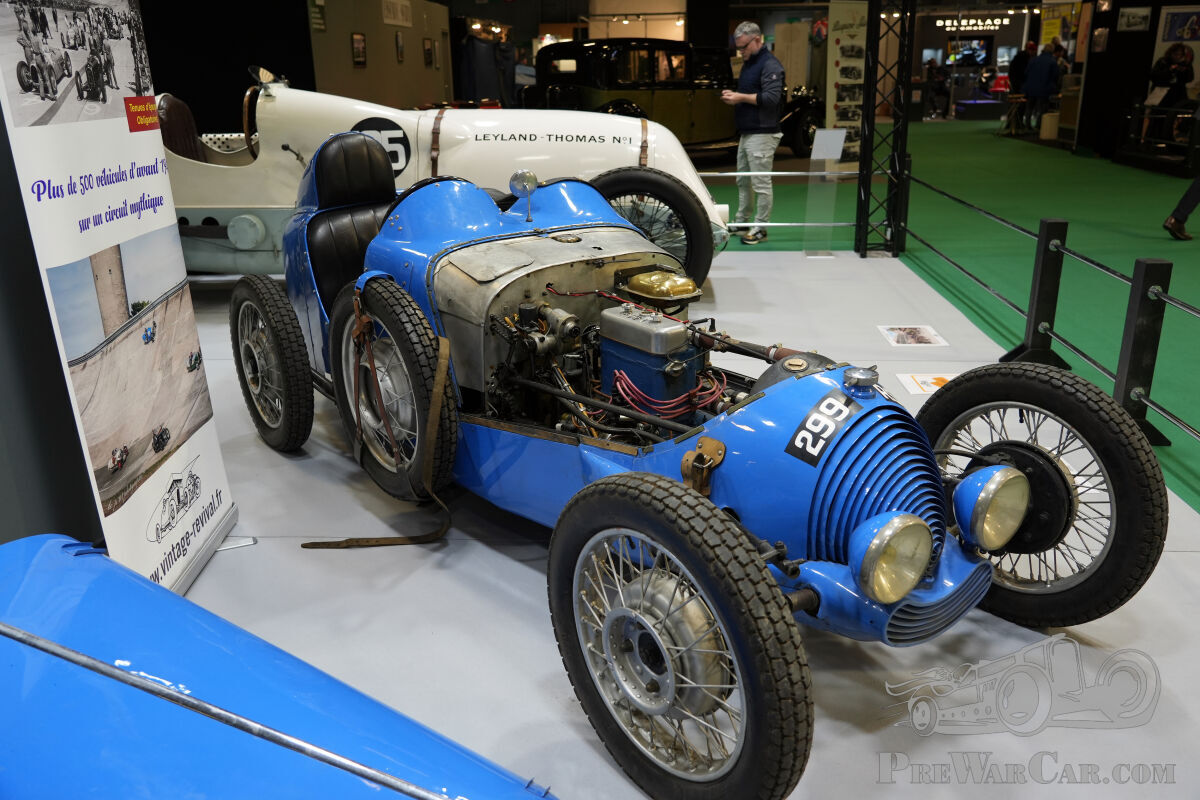
When Salmson wanted to start producing cars of its own design having commenced car production with licensed GNs, it looked to engineer Émile Petit, who had worked for Rhône et Seine until its liquidation, and André Lombard, whose job was to guide Petit. Salmson was happy with Petit's design for an engine, consisting of an 1,100 cc block with a single rocker arm, which was redesigned for double overhead camshafts in 1921. It was entered in some races and proving successful, was put into production. In 1926, Salmson's rival Amilcar fielded some very quick six-cylinders, so Salmson's response was to get Petit to design an 1,100 cc straight-eight. When it appeared in 1927, it produced a staggering 170 bhp at 7600 rpm. Lower and better-proportioned than the four-cylinder models, at achieved more than 50 victories, including in the 1,100 cc class at the French Grand Prix at Montlhéry on September 9th, 1934, driven by Girod. The example on display is the only survivor of two built.
1930/35 Hotchkiss AM80 record car
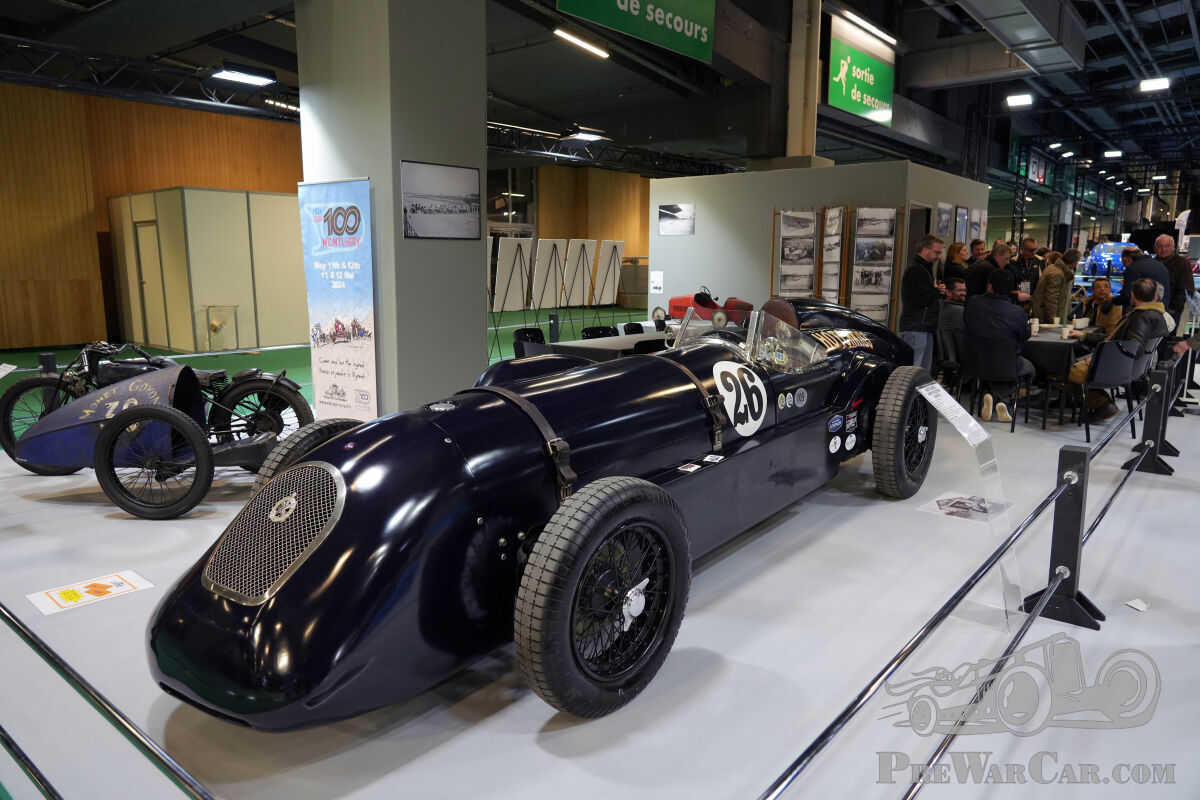
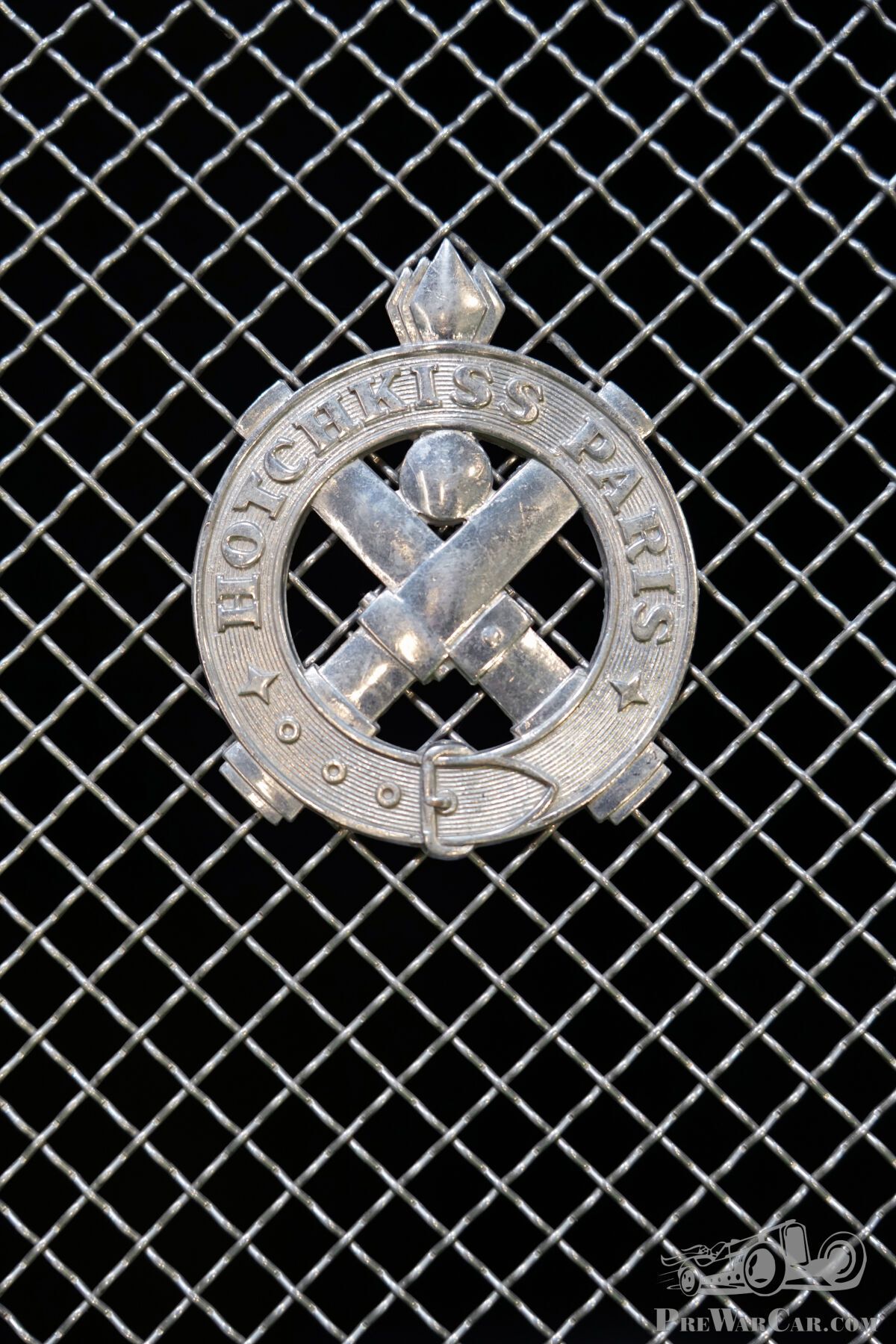
Land speed records were all the rage in the 1920s and '30s, but away from the headline-grabbing action on Daytona Beach, numerous manufacturers were busy with smaller-scale record attempts with categorised by engine size and time duration. In France, Voisin did its share of record-breaking, and then Hotchkiss came along. The engineer Aaron Goldberg and René Lambezat, head of Hotchkiss's prototype workshop, were entrusted to develop a record car and they designed a single-seater with a low-torque, 20hp six-cylinder engine. However, that engine did not make it into the car, because Hotchkiss management ruled instead that it should use the 11hp two-litre straight-four, with twin SU carburetters. The driver sat centrally and the transmission was moved to the left, so that the space on the right could be occupied by a 40-litre fuel tank. The engine was tilted at a 40-degree angle. With fully enclosed, slippery streamlined bodywork, it made its first record run at Montlhéry on October 11th, 1933, with George Eyston, Bert Denly and Maurice Vasselle covering 800 km at 101.127 mph, and 1,000 km at 101.343 mph. In 1934, the cockpit was opened and the design was modified for an extended tail and single front headlight, and at Montlhéry it received further tweaks. In 1935, it set 12-, 24- and 48-hour records at Montlhéry, then was driven to sixth in the Brooklands 500-Mile Race by Albert Divo and Harry Rose. The car then returned to the factory but was destroyed by Germans during the wartime. Impressively, an accurate replica has been constructed in recent years and can be seen on the Vintage Revival stand in its 1935 guise.
1934/39 SEFAC Grand Prix
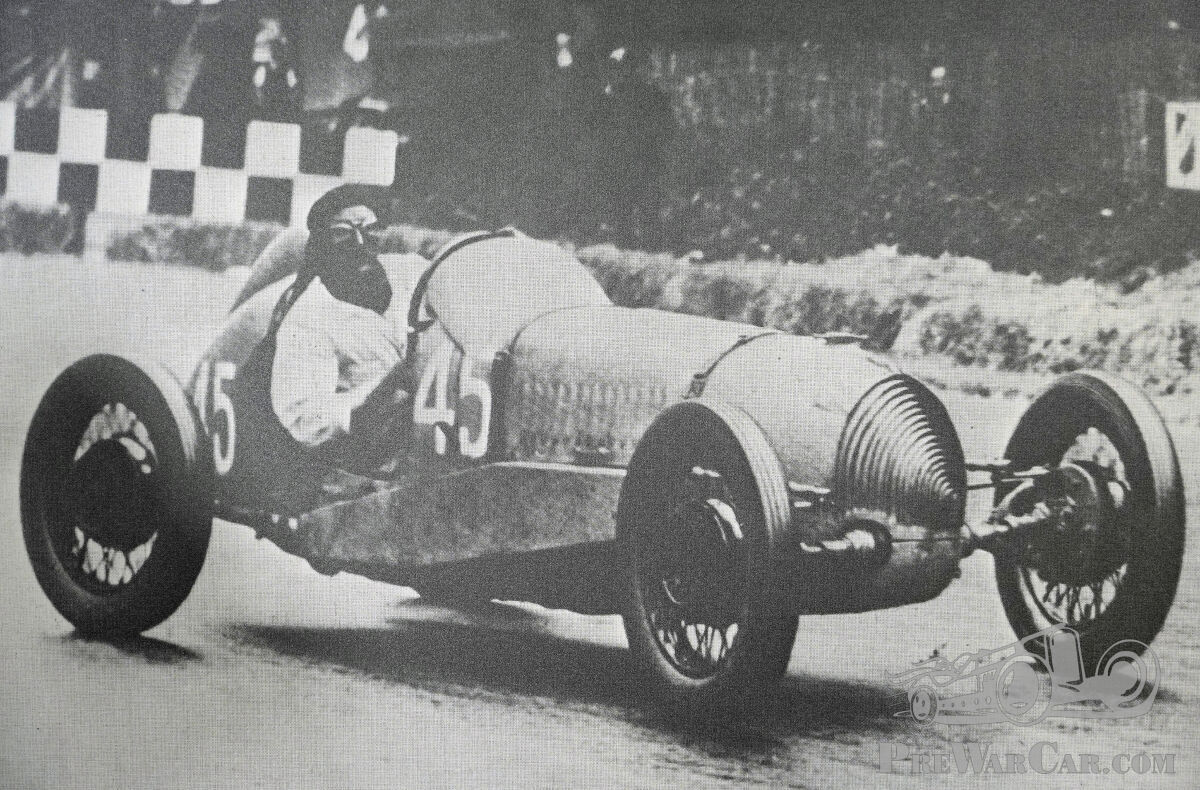
What might the perfect grand prix car look like? In the eyes of four Frenchmen, racing driver Raymond Sommer, industrialist André Parrant, designer Émile Petit and Raymond Brault, it was the SEFAC (Société d'Étude et de Fabrication d'Automobile de Course). They worked virtually in secret to design a car about which nothing was revealed, except that it had a 'parallel eight-cylinder engine' of their own construction. Their car was ready to race for the French Grand Prix at Montlhéry on June 23rd, 1935, but despite extensive testing during the practice runs, it was not an immediate success. It was too heavy, insufficiently powerful and prone to mechanical problems. The SEFAC men went back to the drawing board, and returned for the 1938 Reims Grand Prix. Within three laps, smoke started billowing from the engine, forcing the SEFAC's retirement. It managed one last outing before the war, at the 1939 Pau Grand Prix, sporting a larger air duct to assist cooling, but it still retired with mechanical trouble. Émile Petit sold SEFAC to a friend, Jean la Page de Dommartin, in 1946, and with his input the engine was enlarged to 3.6 litres and a new body by Paul Née was fitted. As the Dommartin, with twin carburetters and no supercharger, it was tested during the Grand Prix test sessions at Montlhéry on October 26th, 1947, driven by Yves Giraud-Cabantous. It returned to Montlhéry for a second test session in early 1948, and for a third round it went with drivers Piere Meyrat and Alexandre Constantin to Reims on June 24th. Unfortunately, it developed lubrication problems so its entry in the 1948 Reims Grand Prix on July 28th was withdrawn and it never raced again. It has just emerged from restoration and appears as it did when initially completed in 1934.
1923 Peugeot M2 Usine
Peugeot revealed a new competition motorcycle in 1923, the 500 cc ACT single-cylinder model, with shaft-drive and two valves per cylinder, all designed by the racing department's chief engineer, Lessmann Antonesco. It would steadily evolve up to 1926, gaining, amongst other things, a front brake and getting bored out to 750 cc. In its inaugural 1923 season, it won an exceptional 21 out of the 23 national and international races it entered, with Paul Péan and Richard riding it to victory. The 1923 Monza motorcycle grand prix gave Peugeot a high-profile victory, but Richard's victory at the MCF Grand Prix at Montlhéry in 1924 really got people's attention, on account of the record speed of 103 mph he set along the Arpajon straight, riding a 750 cc version. Four such Peugeots competed in the UMF Grand Prix at Montlhéry on July 17th, 1925, but only one finished, ridden to fifth by Gremault. In 1926, Peugeots finished first and second in the Lyons Grand Prix. The example on display was constructed from original parts by Jean Nougier, notably using Richard's 500 cc racing engine. Peugeot's car and motorcycle divisions separated in 1926, and that marked the end of its motorcycle racing.
1924 Moto Guzzi C4V Usine
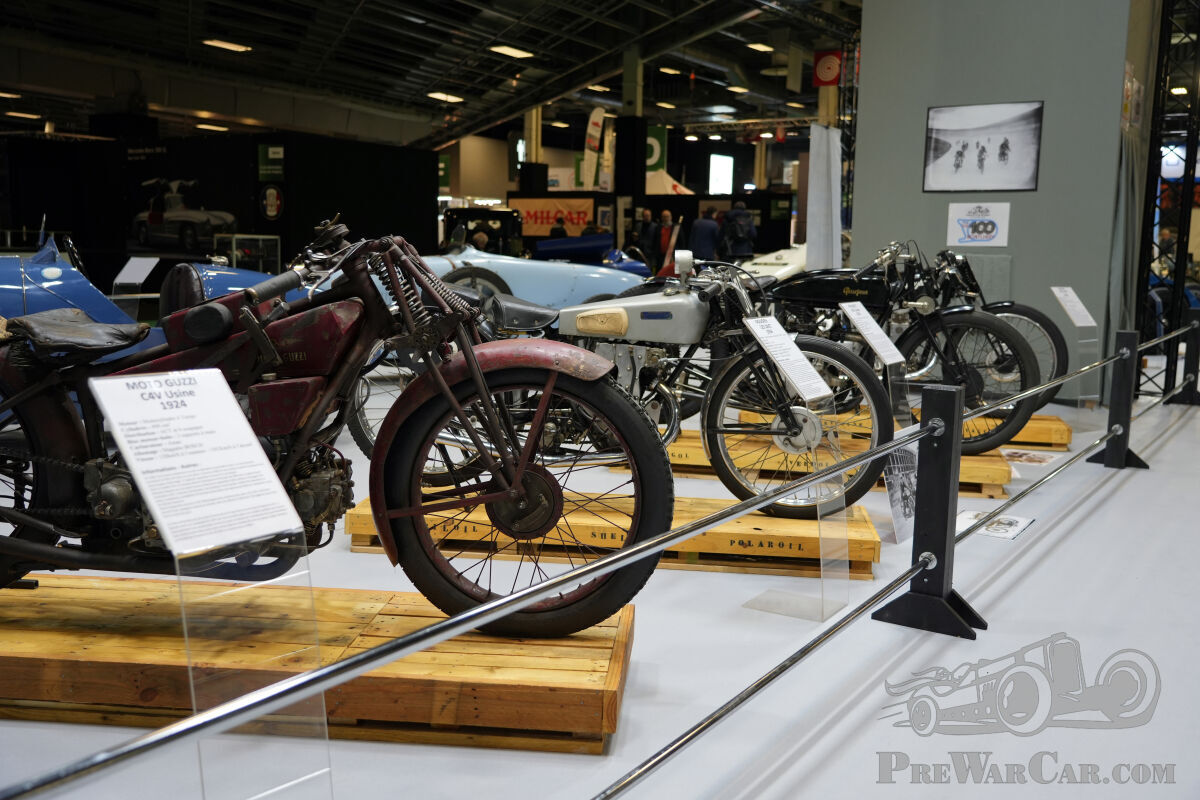
Carlo Guzzi's first motorcycle of 1920 was a remarkable design, both for the period and for a début. It featured a 500 cc horizontal single-cylinder engine with a single overhead camshaft and four-valve head with two spark plugs. It was only a prototype, though. The C4V was a greater achievement, with Guido Mentesti racing one at Monza in September, 1924, and finishing first, well ahead of the twin-cylinder Peugeot ACT, Nuvolari's Norton, the Sunbeam and the Saroléa. Visioli's Guzzi followed Mentesti into second-place and Ghersi's came in fifth. The Moto Guzzis' outstanding performance over 400 km, at an average of more than 80 mph, ensured they were the talk of the motorcycling world. Three weeks later, Ghersi won the German Grand Prix, then, through the winter, Guzzis went on to set various world records, including 100 km at an average of 93 mph. The example displayed had a brief racing career during which it suffered in accident, resulting in it receiving a new fork by the end of 1924. Guzzis raced at Montlhéry, notably with Carlo Marazzani and, in the 1930s, Paddy Johnston and Alfredo Panella.
1927 Monet-Goyon MCS
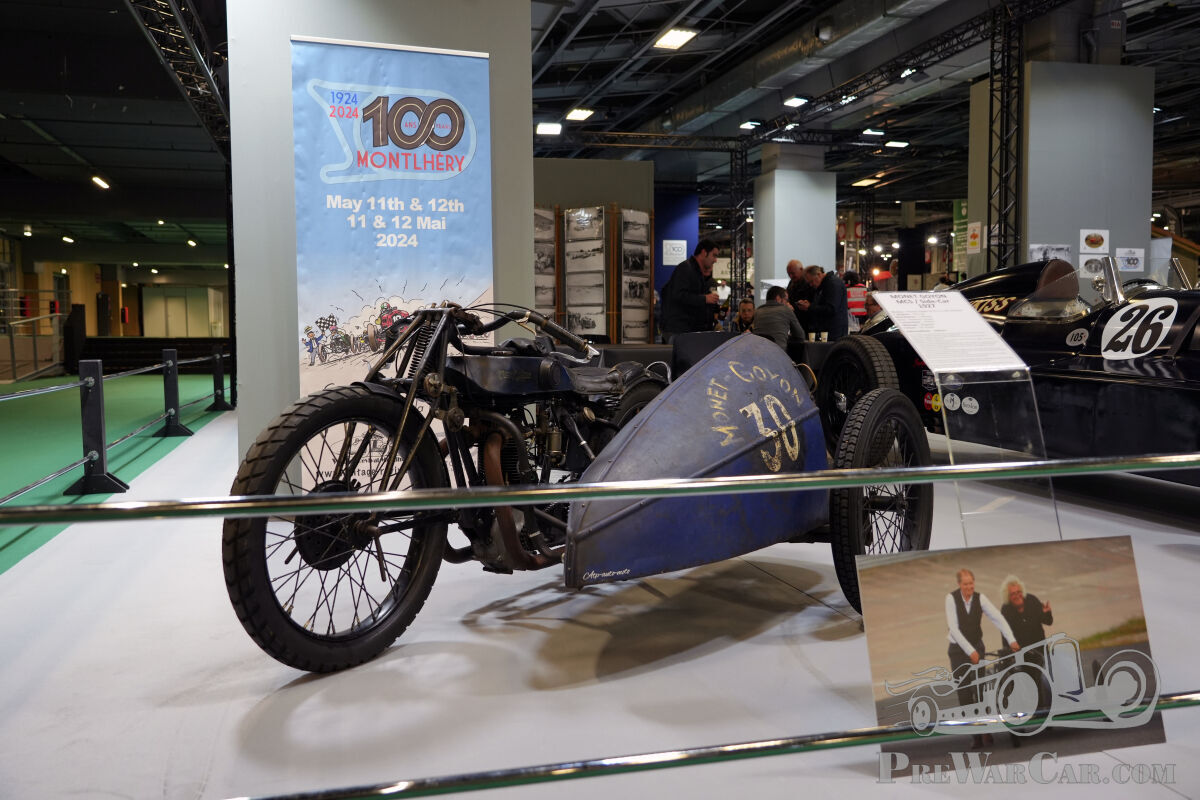
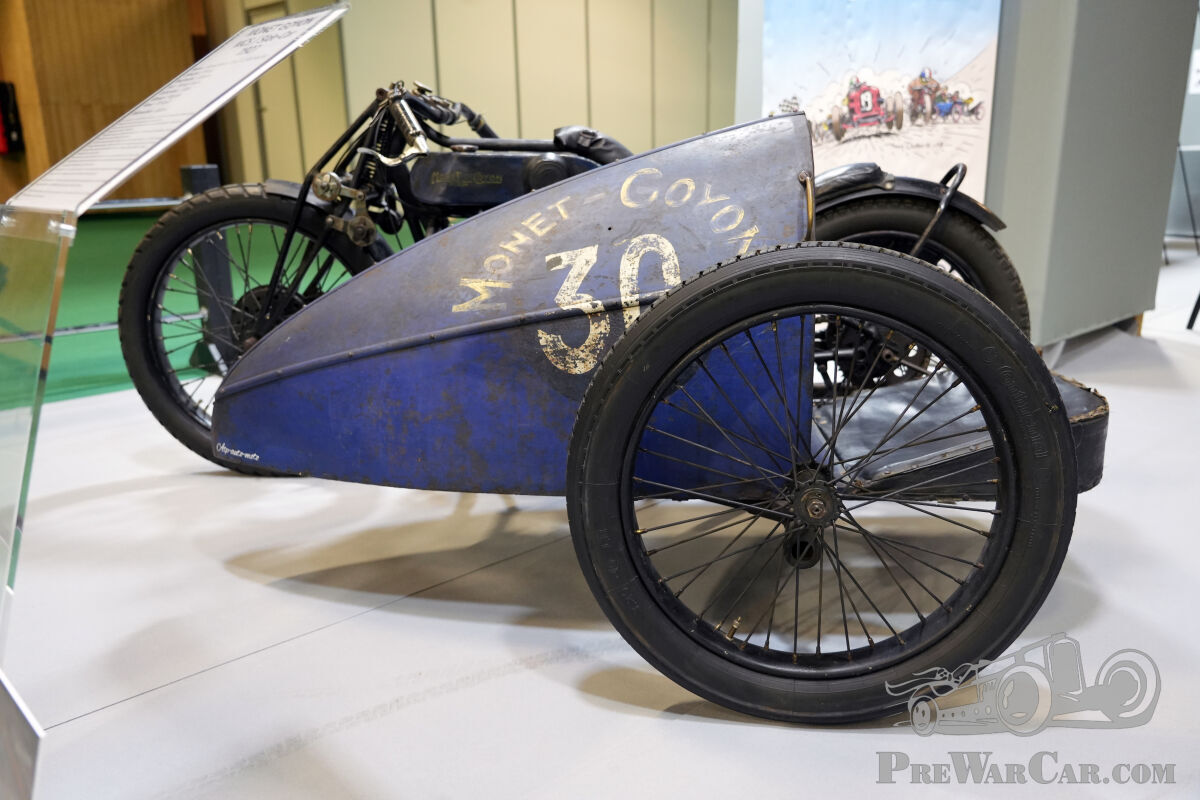
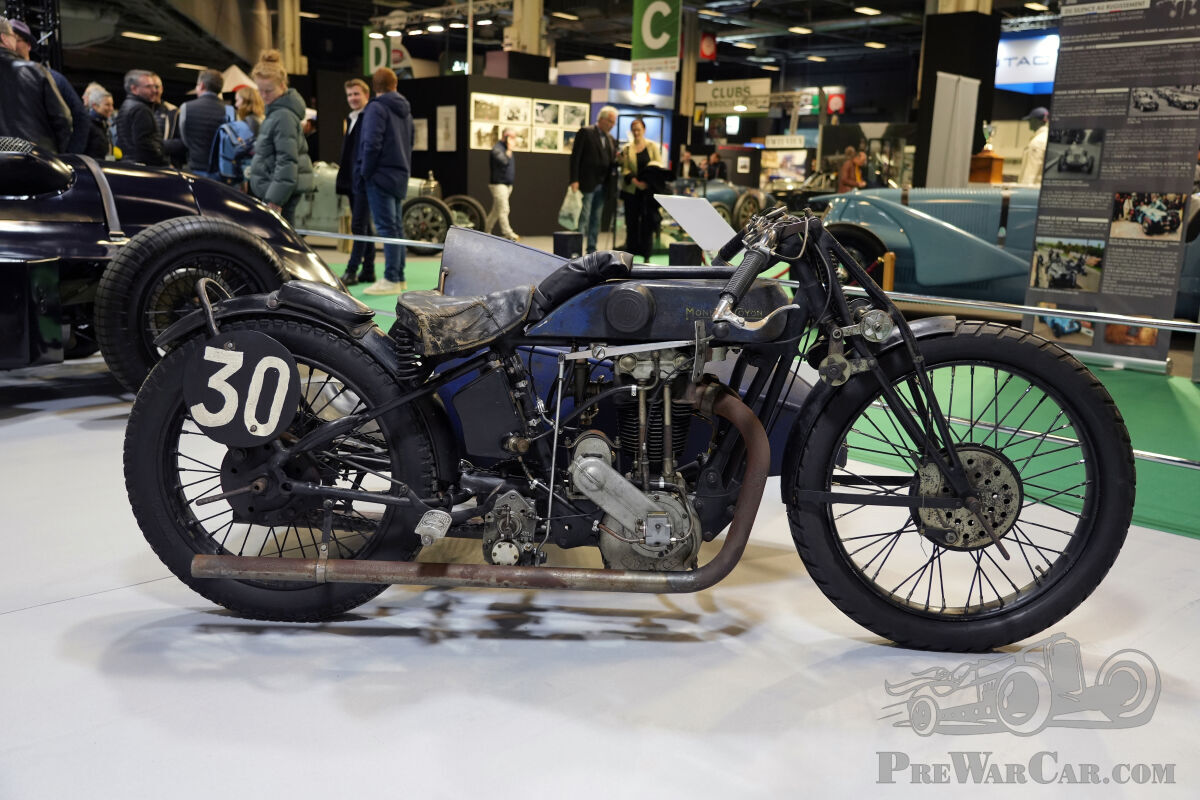
The firm of Monet-Goyon had unusual beginnings. Established on April 1st, 1917, by Joseph Monet and Adrien Goyon, scion of a wealthy family in Mâcon, it took advantage of the casualties of the Great War by building motorised carriages for invalids, but light motorcycles and other similar products were also produced. In 1921, the Z-type motorcycle went on sale with the English-made 147 cc Villiers two-stroke engine and proved enormously popular. Rising to become one of France's leading motorcycle makers, Monet-Goyon decided to go racing. To facilitate this, it built a new factory over 1925 and 1926 and started making four-stroke models, at first with Swiss-made 350 cc MAG engines and, from 1927, 500 cc MAG engines. Monet-Goyon's halcyon years continued up to the Second World War, which it survived by building scooters, but its motorcycle production did not last beyond the late 1950s. The example on display was originally owned by François Gaussorgues, who was a very active motorcycle racer in the south of France, and it is similar to machines which were raced at Montlhéry in period by Albert Sourdot and Alex Hommaire.
1928 Douglas SW5
The first motorcycle speedway races were held in Britain in 1927 or 1928, and the new sport immediately took off. Attracting thousands of spectators to meetings around the country, manufacturers realised what they stood to gain by producing purpose-built speedway bikes, and Douglas was among the first to catch on, providing racers with the 500 cc DT5 and 600 cc DT6. For the purpose of road-racing the DT5 was developed into the SW5, the only differences being that the SW5 had brakes on both wheels, full mudguards, a silencer, footrests and a flywheel clutch. SW5s like this on would have raced at Montlhéry, since Douglas had had a presence there since the first meetings in 1925, with Freddie Dixon notably among the marque's racers.
1934 Jonghi 2ACT 350
In 1929, Tito Rodolfo Jonghi and Giuseppe Remondini had a meeting in Italy, and in 1930 they founded the Jonghi motorcycle marque in France. One wonders if they should have done, as they started with poor finances and their situation steadily deteriorated, and they were declared bankrupt in May, 1933. An agreement was reached which allowed the factory to continue but with only three workers, among them Louis Jeannin, who directed the works. These constraints did not prevent two new racing models from being developed, and the 350 cc 2ACT arrived in September, 1933, followed by the 250 cc 2ACT in July, 1934. Both machines performed spectacularly at Montlhéry, with Jeannin setting four world records, including the one-hour record at 97.08 mph. Jonghis proceeded to win numerous grands prix and world records up to the outbreak of war in 1939, most notably the 200 km speed record, which was secured by Georges Monneret riding a Jonghi at Montlhéry in 1938. Very little survived of the original racers, but Jean Nougier located the remains of an engine and built this faithful copy around it.
1934 Nougier 2ACT 125
Although little-known today, the Nougier brothers were highly skilled engineers and, for a few years, they really shone. In 1935, they observed the excellent performance of the 175 cc Terrot LCP and desired to beat it. They bought from Terrot a similar LMR-type engine and a 250 cc MOCP racing frame, and envisaged making the engine work with twin overhead camshafts controlled by a complex chain of gears, in order to produce an engine which could rev to 8,200 rpm, about 2,000 more than the standard engine. It took a year of development work before the machine was competitive, but they had to do it all around the day-to-day business of running a garage. Jean Vurpillot was the son of the director of the Terrot and Magnat-Debon factory and was impressed with their work. He requested permission from the factory to develop a 125 cc bike and was allowed to proceed. On May 8th, 1938, the day of the small motorcycle grand prix, Magnat-Debon booked the Montlhéry circuit for a few hours from 7.00 am and gave their bike to Henry Nougier, who set four speed records as follows:
- 50 km at 71.657 mph
- 50 miles at 71.358 mph
- 100 km at 71.141 mph
- 70.993 miles travelled in one hour
The previous record had stood at 64.763 mph for the 50 km, and roughly 62 mph for each of the rest.
That's an impressive collection, we're sure you'll agree. It would be a shame not to be able to see it, to say nothing of all the other wonderful machinery which is on display at Salon Rétromobile, so you'd better buy yourself a ticket if you haven't got one already. Click here for the box office.
Rétromobile is at the Expo Porte de Versailles in Paris and is open until February 4th. In addition to the Montlhéry stand, PreWarCar.com has its own stand with a fantastic selection of veteran, Edwardian, vintage and post-vintage cars, so be sure to come and find us.
Pubblicato:
mercoledì gennaio 31st, 2024
Facebook
LinkedIn
Twitter
WhatsApp
Email
Copy