La rivista e il marketplace globale per gli appassionati di auto d’epoca, creati da appassionati.
La rivista e il marketplace globale per gli appassionati di auto d’epoca, creati da appassionati.


Filter
Faccia la sua scelta
- Automobile
-
Marca >>
-
Anno >>
-
- Motociclette
-
Ubicazione >>
- Parti e altro
-
Marca dell'auto >>
-
Produttore >>
-
Categoria >>
- Biciclette
-
Anno >>
-
Paesi



Morris o MG? Un mistero a ruote a disco...
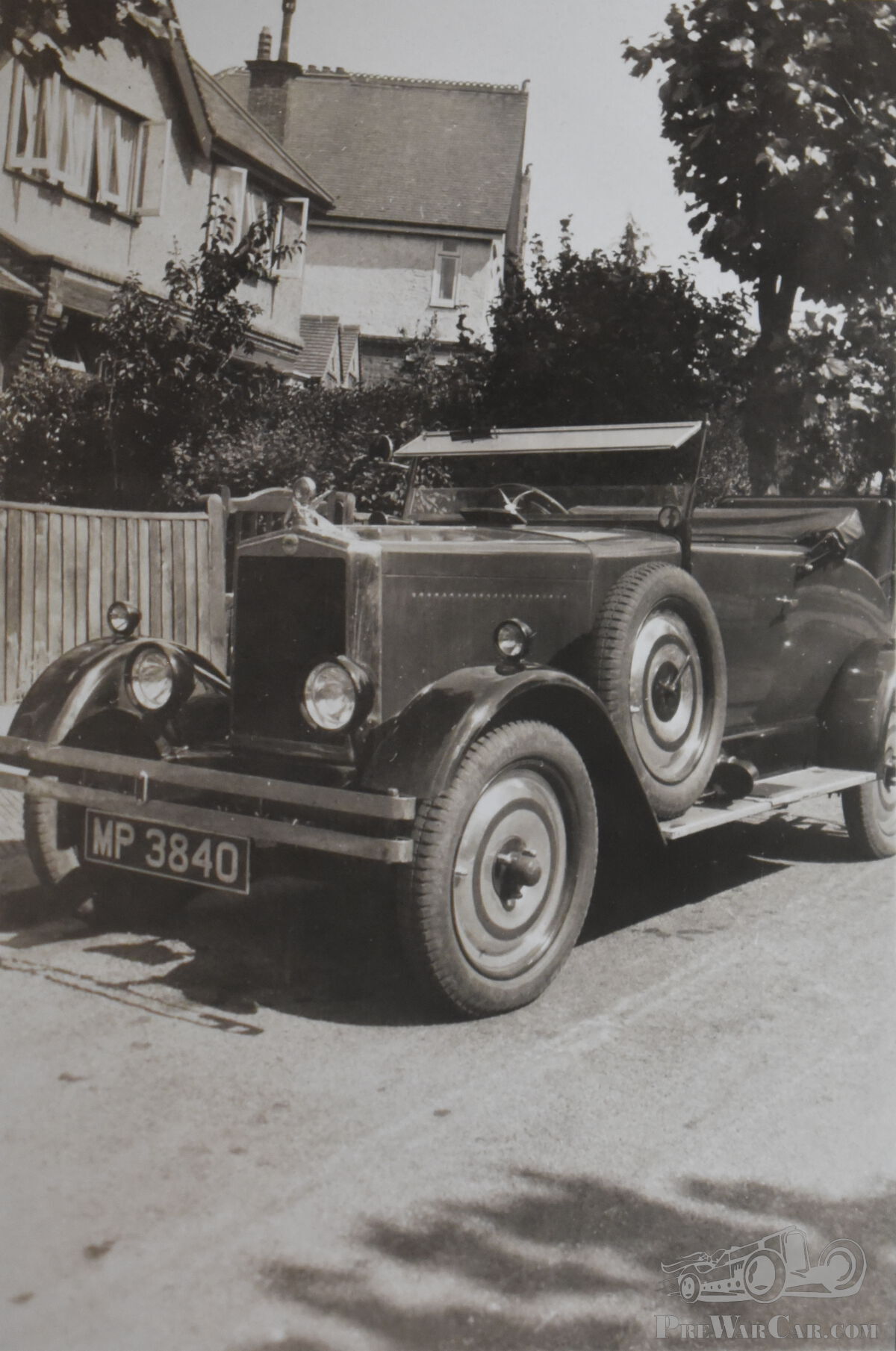
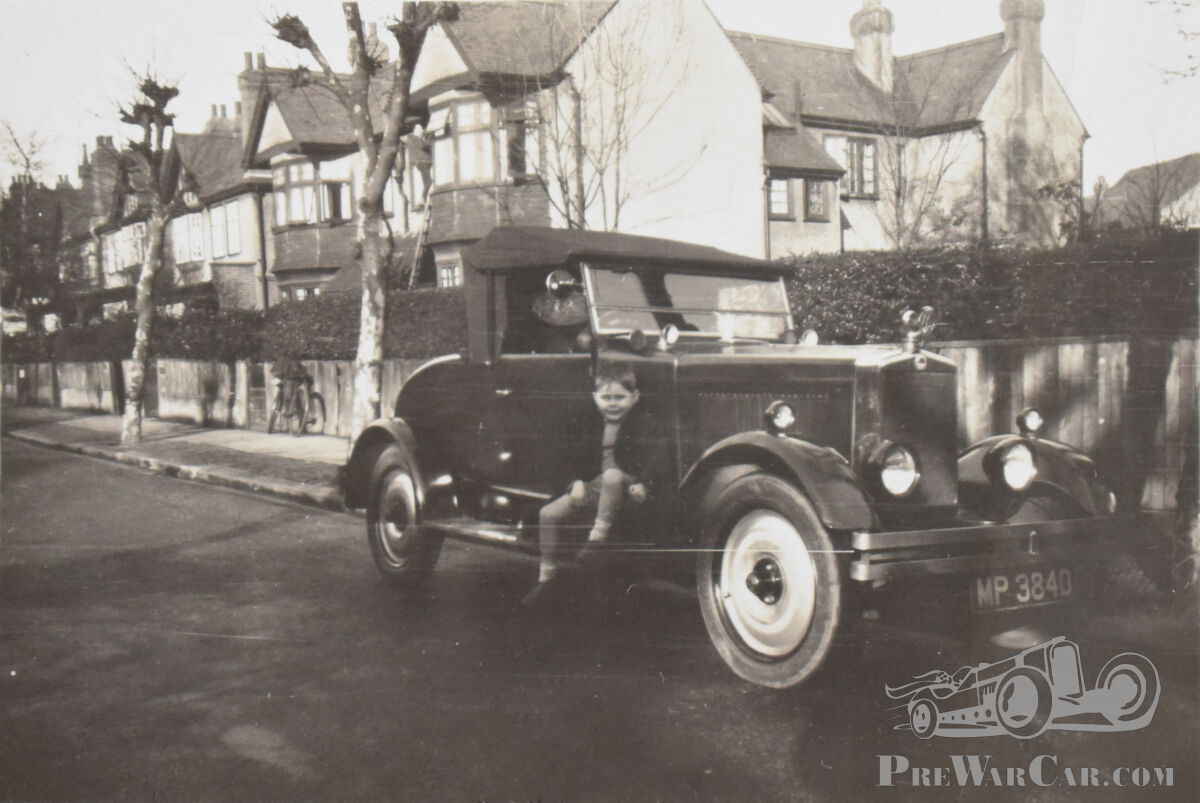
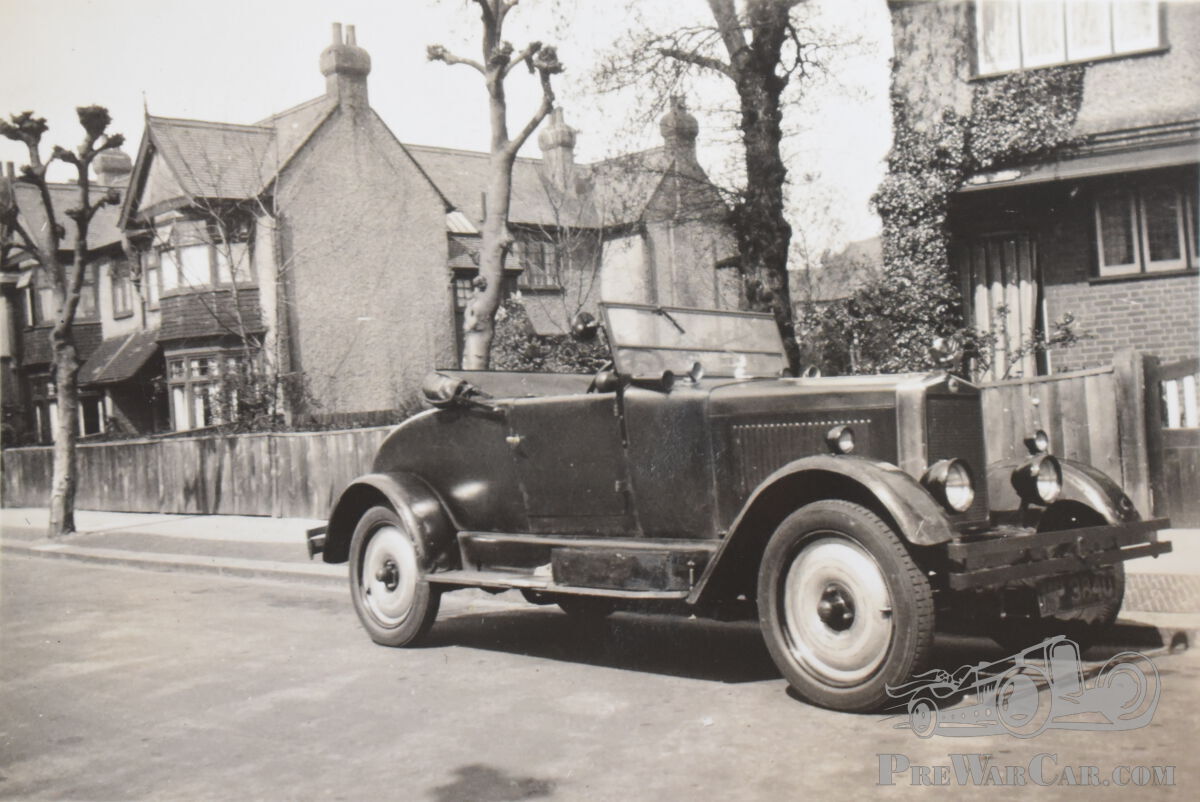


A prima vista, l’auto misteriosa di questo lunedì non sembra porre particolari difficoltà. È evidente che si tratta di una Morris Oxford o Cowley a due posti, nella versione "Flatnose", modelli che tra il 1926 e il 1930 venivano venduti a migliaia e che si inseriscono perfettamente in una tipica strada suburbana, alberata come quelle dell'interbellum, probabilmente nel Middlesex, se si considera la targa "MP". Tuttavia, c'è qualcosa in questa Morris che del tutto non è da attribuire al marchio.
Chi ha mai visto una Flatnose dotata di ruote a disco in alluminio lucido dal carattere sportivo? Ruote che, a prima vista, sembrano appartenere – in maniera quasi sospetta – a una MG...
Significa quindi che abbiamo di fronte un prodotto precoce di Morris Garages? Noi diremmo di no. Le prime MG si distinguevano per carrozzerie particolari che conferivano un tocco sportivo – per esempio, parabrezza inclinati e pannelli in alluminio lucido o lavorato a macchina. È vero che le prime MG utilizzavano varianti del logo della Morris Oxford, ma l'emblema su questa vettura appare come un semplice logo Morris.
Il primo modello MG, il 14/28, fu lanciato nel 1924 come versione sportiva del "Bullnose" Oxford e veniva offerto in versione Super Sports, equipaggiato con ruote a disco esattamente come quelle che si osservano su questa auto. Forse queste ruote rimasero disponibili anche quando, nel 1926, il 14/28 fu convertito nella specifica Flatnose, ma tutte le MG Flatnose che abbiamo visto erano dotate di ruote a raggi.
Considerato che le prime MG non erano altro che Morris con carrozzerie speciali e telai leggermente modificati – e che Morris Garages fungeva contemporaneamente da concessionario per le auto Morris – si può ipotizzare che fosse possibile specificare alcuni accessori MG al momento dell’ordine di una nuova Morris, specialmente se si trattava di eccedenze di magazzino, come sembrerebbe essere il caso di queste ruote a disco (almeno fino al 1927).
Cosa ne pensate, cari lettori? Siamo sulla buona strada? E se lo siamo, rimane un ultimo enigma: perché ordinare un'auto con ruote sportive per poi rovinare l'effetto con paraurti così massicci e dall'aspetto pesante...?
Testo: Zack Stiling
Fotografie: Stiling Collection
Pubblicato:
lunedì febbraio 24th, 2025
Facebook
LinkedIn
Twitter
WhatsApp
Email
Copy
Commenti
R. Mawer
04 Marzo 2025, 12:14
Well, really! Have we got to the point where accessory polished alloy disc covers for artillery road wheels can no longer be immediately identified as such? Particularly when fitted to such an everyday car as this Morris. Aaaggh! Whatever next?
Per saperne di più
Mike Costigan
04 Marzo 2025, 15:06
Because these are not accessory disc covers, they are period replacement pressed-steel wheels—note the wheel nut fixing and the tyre valve position.
Per saperne di più
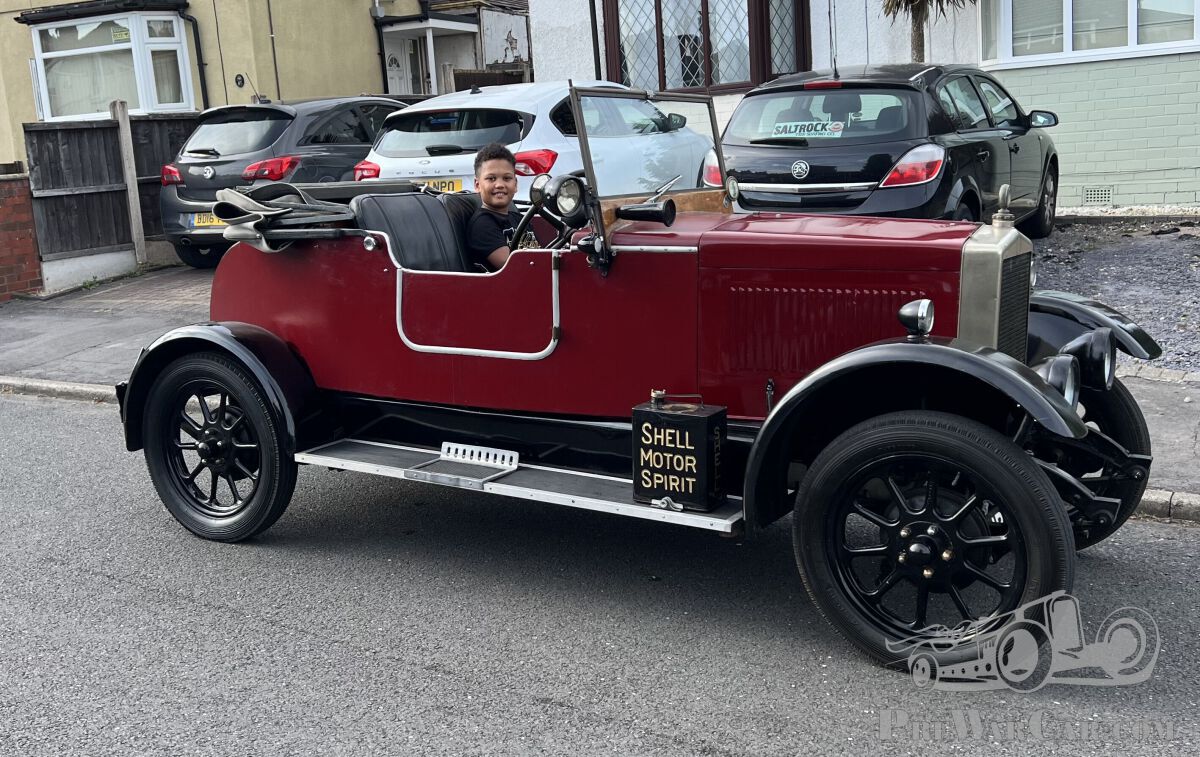


David Francois-Stroud
02 Marzo 2025, 11:28
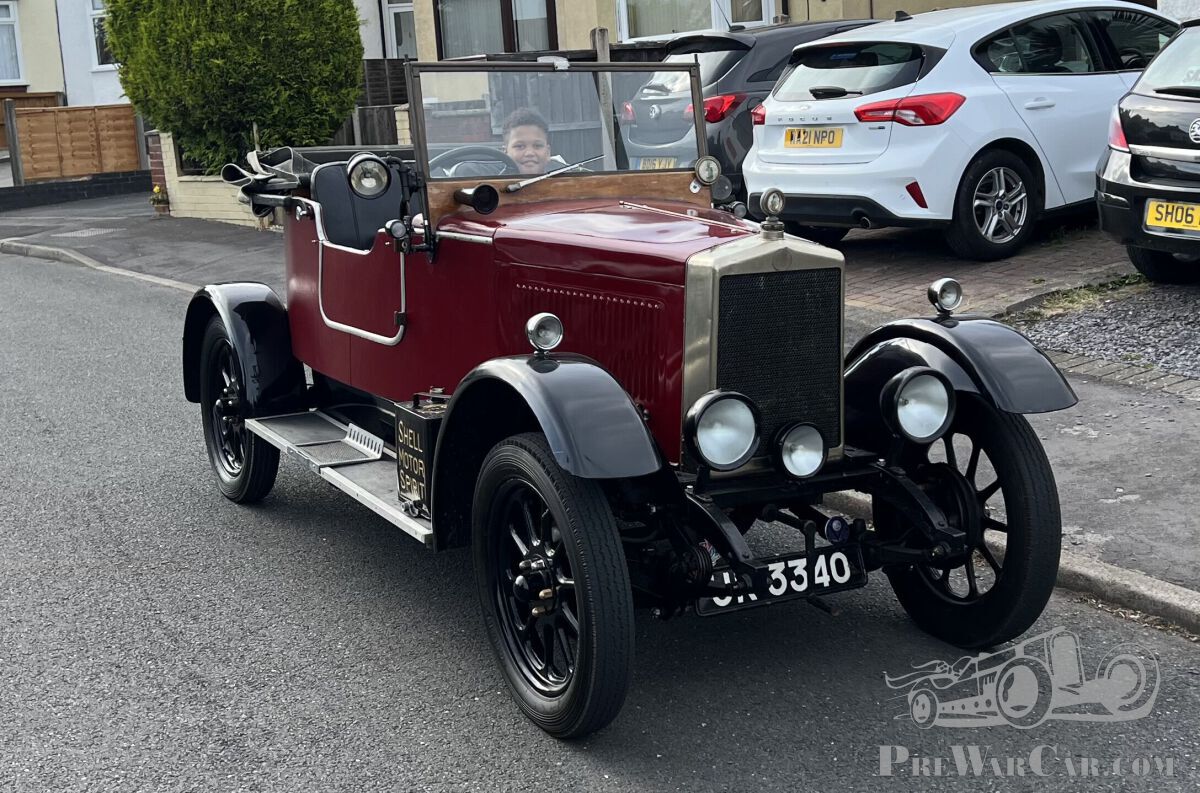
Couldn’t resist posting these pics of ours. I would love to get hold of some of those wheel covers…
Per saperne di più
Edward Hosford
02 Marzo 2025, 10:31
It's a Morris Cowley on three-stud wheels, probably 1929 or later when those bumpers were offered, with Ace easy-clean wheel embellishers over standard artillery wheels. The headlights are solenoid-dipping, not Barker mechanically-dipping, but I'm not sure when the changeover happened.
Per saperne di più
Mike Clark
26 Febbraio 2025, 00:13
You are right, Mike. I remember that my first car, a two-seater 1926 Bullnose Oxford bought in 1954 and sold in 1958, had 5 stud wheels with nickel plated caps to the centres rather than the cast centres of the Cowley. My Oxford is happily still in circulation in the Bullnose Morris Club.
Per saperne di più
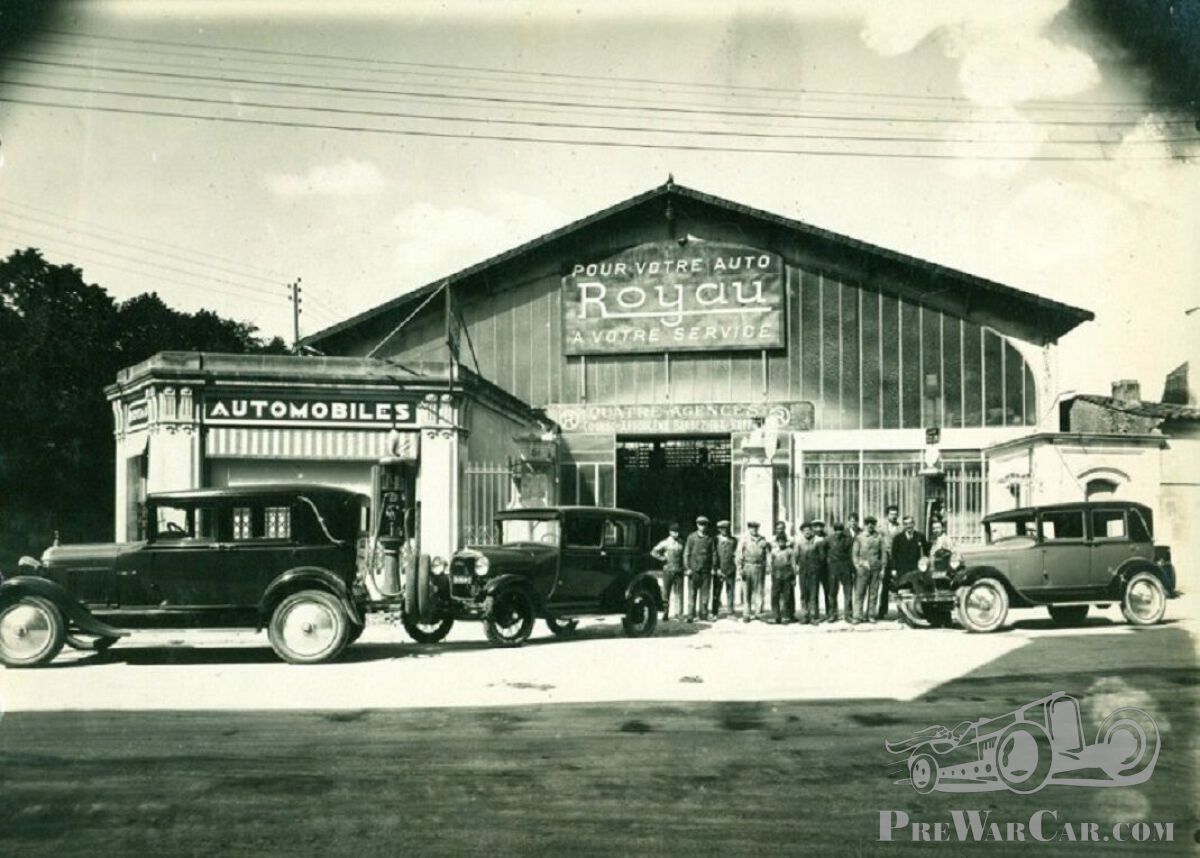
Henry Norberhuis
25 Febbraio 2025, 00:20
Similar to what is on these French Model A Fords. Looks like they had more polish available in France.
Per saperne di più
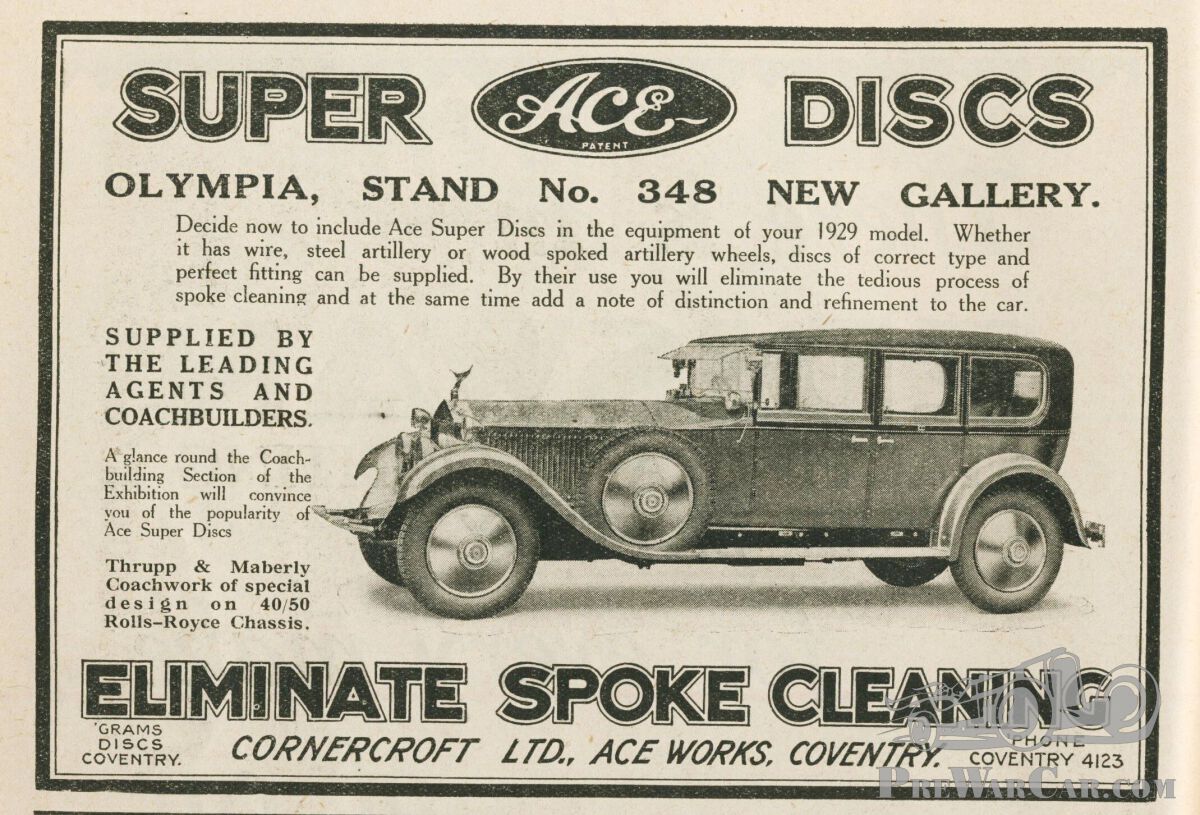
Clive Brown
24 Febbraio 2025, 11:01
You're right about it being a standard Morris Oxford (the radiator is larger than on a Cowley), but fitted with the then popular accessory of Ace Wheel Discs. These were available from the 1920s until the late 1940s.
Regards,
Clive Brown
Per saperne di più
Regards,
Clive Brown
Mike Clark
24 Febbraio 2025, 09:08
I suspect the discs are a detachable accessory fitted over the normal artillary wheels. It is an Oxford distinguished from the Cowley by the style of the mudguards.
Mike
Per saperne di più
Mike
Mike Costigan
24 Febbraio 2025, 09:03
The three-stud wheels indicates this is a Cowley; early MGs were based on the Oxford and had five-stud wheels.
Per saperne di più