La rivista e il marketplace globale per gli appassionati di auto d’epoca, creati da appassionati.
La rivista e il marketplace globale per gli appassionati di auto d’epoca, creati da appassionati.


Filter
Faccia la sua scelta
- Automobile
-
Marca >>
-
Anno >>
-
- Motociclette
-
Ubicazione >>
- Parti e altro
-
Marca dell'auto >>
-
Produttore >>
-
Categoria >>
- Biciclette
-
Anno >>
-
Paesi



Mystery of 'La Voiture Noire' cracked thanks to a 50-cent postcard. Update: April fools!
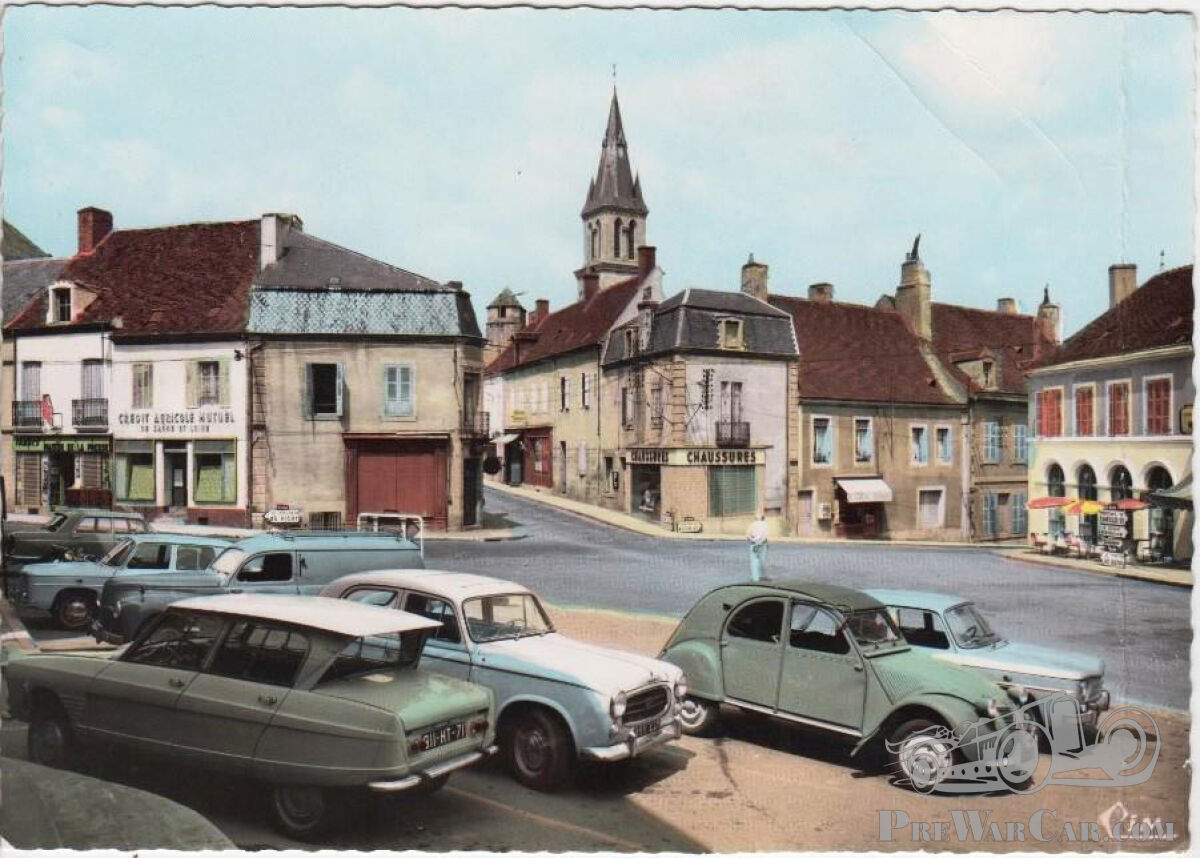

Exciting news landed on our desk just as we were going away for Easter. In what could be the story of the year, an enthusiast—one of our readers, no less—has just solved one of history's greatest automotive mysteries thanks to a 50-cent postcard.
If this isn’t right up our street, nothing is. It’s the tale of how a 67-year-old pre-war car enthusiast, postcard collector and amateur history sleuth from central France managed to track down and find a long-lost Bugatti Type 57S Atlantic coupé, chassis number 57453, better known as La Voiture Noire, or so he tells us. He also says that an old postcard bought in a charity shop for fifty cents provided the vital clue for cracking the decades-old mystery.
Monsieur N. tells us he has owned a 1928 Peugeot cabriolet bodied by Million-Guiet for no less then thirty-eight years. “I bought the car as a project when I was twenty-nine years old. I had no experience of restoring cars whatsoever, but due to my passion I did fully restore the car over the next ten years or so, mostly at weekends. The car has become a family member since and has taken us to many places in France, Switzerland and Italy. Both my son and my daughter married in it, too.” The cars that make Monsieur N.’s heart really skip a beat, however, are Bugattis, for which he has always had a soft spot. He has dreamed of owning such a car, a Type 57 in particular, ever since he was a schoolboy and would see one every now and then, owned by a local barrister who used to take the car along to his holiday home not far from where our Monsieur N. grew up. But he never expected to find one of these cars himself, let alone one which half the Bugatti community has been looking for over the last eight decades.
Of the four Type 57 Atlantics made, chassis 57453 has become a kind of Holy Grail for Bugatti sleuths as its whereabouts have been unknown since 1939. This was the only Atlantic to receive a supercharger ex-factory and was reportedly used by Jean Bugatti himself originally. The story goes that the car was given to driver Robert Benoist in 1937, after he’d won the 24 Hours of Le Mans for the marque that year. By the time Benoist fled to England in the spring of 1940, the Bugatti had gone back to the factory, but there there all traces came to an end. Ettore Bugatti himself is believed to have been the last man who saw the car, either to put on a train or ship when the Hitler War broke out and so keep it from falling into German hands, or to hide it somewhere for the same reason. Many guesses have been made as to where he could have hidden the car so well, with the most popular rumour saying that it was hidden in the Bordeaux area.
That's just what our Monsieur N. had heard, too. Apart from being a great pre-war car enthusiast, he is also a collector of vintage postcards with an automotive theme. Over the last twenty years, he has built up a collection of over three thousand of these cards. And so, on a visit to a charity shop in the spring of 2021, he didn’t hesitate to buy a stack of fifteen particularly nice old cards when he saw that one of them featured prominently a Citroën Ami, Peugeot 403, Citroën 2CV, Renault 8 and a few other interesting post-war cars in a lovely and very typical French street scene. However, upon coming home and giving it a second look, he saw something else. There, in what looked to be a shoe shop, another car was just visible. Close inspection revealed it could well be a Bugatti, too.
What’s more, the trained eye of Monsieur N. thought it could very well be a Type 57. He thought there was a second car standing next to it, too. Could it have belonged to a retired salesman who’d traded his skill of selling shoes for that of restoring cars? When and where was this picture taken? Monsieur N. found out soon enough. This was the village of Saint-Aubin-de-Médoc in 1967. That was 54 years ago at the time, but why not go and have a look à la scène when the opportunity presented itself? He didn’t have to wait too long for that opportunity. Within a few months he got his chance and visited Saint-Aubin-de-Médoc, where he found the location without trouble. The shoe shop signs were clearly gone, but the actual premises were still there and hadn’t changed, much to his surprise. The outside of the building was still maintained to some degree, but it had clearly seen better days and was due for “More than just a lick of paint,” our French detective told us. Now, don’t jump in your car to head off to the village of Saint-Aubin-de-Médoc yourself. There’s more to come.
Monsieur N. found that the grandson of the then-owner, indeed a shoe salesman, still owned the place. And, yes, the shoe salesman died many years ago at the grand old age of eighty-five in 1981, but he’d definitely been a car enthusiast, according to an elderly neighbour. Monsieur N. was following a strong lead now and could not stop himself from asking questions about the car he'd seen in the postcard. “It was very hard to find the relatives of the shoe salesman but it turned out that he had a 69-year-old grandson, who lived in Lebanon. That man still owned the premises on paper,” he tells us. Talking to the grandson proved to be challenging, but our man didn’t give up easily, and was lucky when he found, very much by chancel, that an adopted daughter of his ex-wife still lived near to Bordeaux. Contact with this great-granddaughter-in-law of the shoe seller proved to be just a bit easier, and thanks to her Monsieur N. finally managed to make an arrangement to meet up and visit the old place.
“I can hardly describe the feeling when the garage door of the old shoe shop was opened,” he tells us. “There were three cars, which had clearly been gathering dust for many, many years.”
Two of these were Peugeots, a 302 and a 402 Familiale which were still in reasonably good condition, and there indeed was the Bugatti Type 57. It didn’t take Monsieur N. long to find that this was not just any Type 57, either. He tells us that the former owner must have been about halfway through a restoration of the car, with the body and many of the parts taken off the chassis.
“But there was absolutely no doubt that the chassis itself was a Type 57S, and the supercharger was still there.”
With trembling hands, our French detective located the number on the engine and wasn’t disappointed. The number was right there where it should be and when he read out the number to himself he found it hard to believe what he saw: 57453. The car appears to have hardly been used since the late 1930s, but still its owner decided to restore it, probably in the early 1970s if we are to go by the dates of the old newspapers used for packing the parts.
“There were boxes full of parts, all stacked neatly into a beautiful antique sheet cupboard standing next to the car. The body was still there, too, and although taken apart and in a not very good state, it was mostly complete. It's just a great shame that all of the rivets had been drilled out!”
Three years have passed since and the reason why he only contacted us now is that he is at liberty to reveal that the car has found a new and very good home. Last winter the mythical beast was removed in all secrecy from its long-term hiding place and was brought over to a well-respected restoration company in central France. Monsieur N. tells us that the restoration has already started and the plan is to have the car finished for Rétromobile in Paris next year. We will, of course, keep you posted.
!! Update: Most of you were sharp and realised what date today is. 1 April! I would like to thank our writer Jeroen Booij for this great article and his creativity !!
Pubblicato:
lunedì aprile 1st, 2024
Facebook
LinkedIn
Twitter
WhatsApp
Email
Copy
Commenti
Ian Kenny
03 Aprile 2024, 01:39
A great story, it reminded me of the story by Robert Ryan, ‘Early One Morning,’ about a Louis Vuitton cabin trunk and a Bugatti which ended up in Lake Maggiore. This Type 57 story had me totally sucked in and I loved it!
Per saperne di più
Jeroen Booij
02 Aprile 2024, 12:06
Well well, the word is out and I am sorry to disappoint some of you, but yes - it was all made up.
For the record: the village on the postcard actually is Toulon Sur Arroux, which was amazingly identified rightly by reader Gergory Peck.
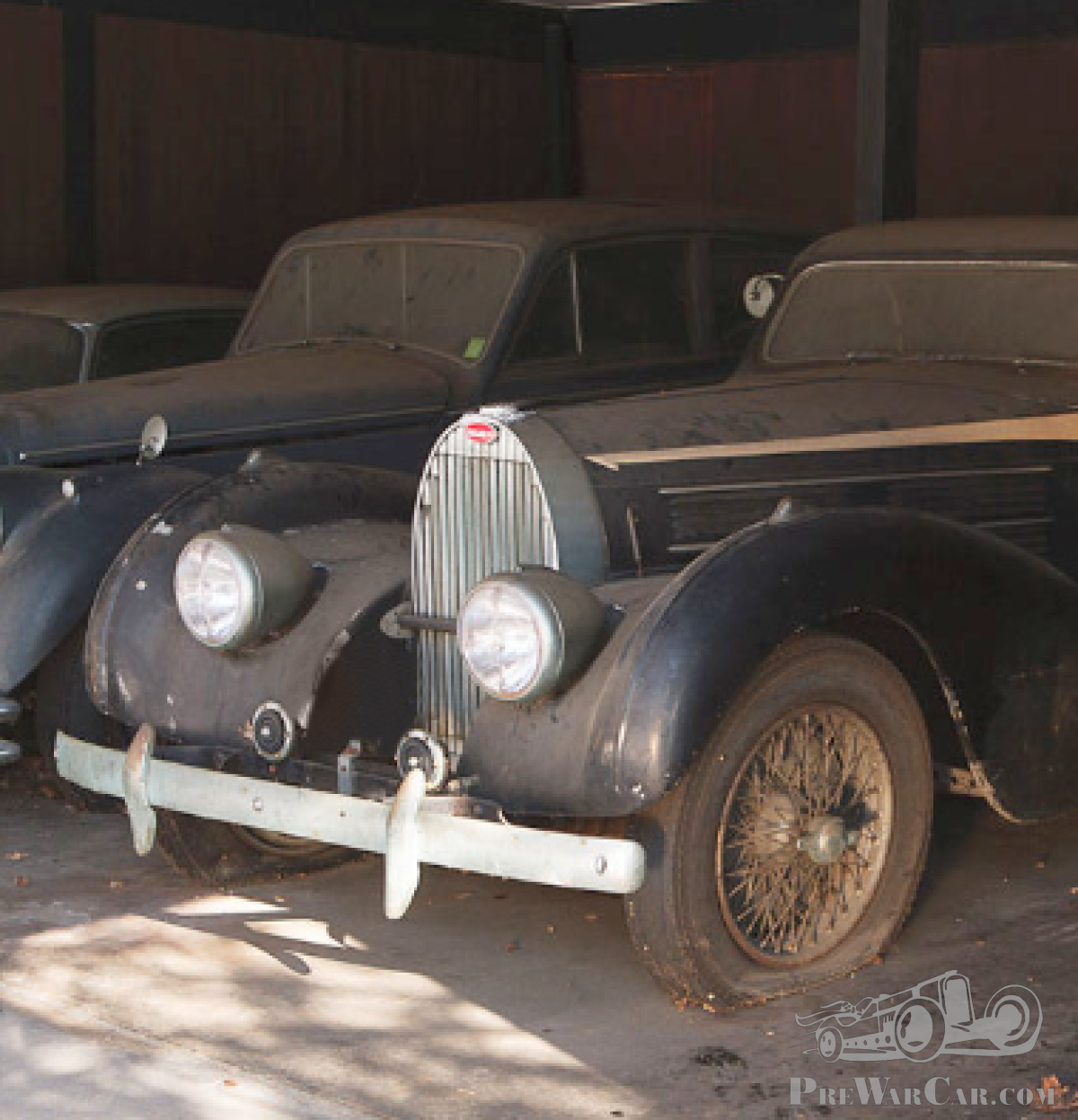
The car photoshopped into the shoe shop was in fact a T57 - a real one found in a barn in the USA several years ago, the picture below with the number plate edited out was the one used.
As far as we know Monsieur N. never existed.
Per saperne di più
For the record: the village on the postcard actually is Toulon Sur Arroux, which was amazingly identified rightly by reader Gergory Peck.
The car photoshopped into the shoe shop was in fact a T57 - a real one found in a barn in the USA several years ago, the picture below with the number plate edited out was the one used.
As far as we know Monsieur N. never existed.
Alexander Koehnlechner
02 Aprile 2024, 10:45
Schöne Story. Es hätte durchaus so sein können.
Per saperne di più

Terry Cockerell
02 Aprile 2024, 03:15
It is an interesting and wonderful story for April Fools Day however looking closely at the postcard picture the radiator is too far forward on the car in the corner shop to be a Type 57 Bugatti.
A good friend in Greece has been the proud owner of a 1936 Cord 810 phaeton for many years. This particular Cord was the only one ever sold into the country by the agents in Switzerland. During WW2 the owner had a bunker constructed, drove the car in, sealed it up then buried it. The Germans were aware of the Cord's existence but could not find it. Eventually the car was exhumed and put back on the road. In the 1980s my friend bought it and restored it. It is his favorite automobile and will stay in the family well into the future.
Another story came from the Brough Superior Owners Club regarding an early SS100 that had been "acquired" by an SS Officer in Paris during WW2. The bike was often seen outside a brothel. An enterprising French motorcycle enthusiast wheeled the bike away one day and bricked it up behind a wall in his house. One can only imagine the rage of the SS Officer as he emerged from the brothel. The bike eventually ended up back in the UK after the war.
Both of these are wonderful stories and completely true. Those nasty Nazis didn't have it all their own way.
Per saperne di più
A good friend in Greece has been the proud owner of a 1936 Cord 810 phaeton for many years. This particular Cord was the only one ever sold into the country by the agents in Switzerland. During WW2 the owner had a bunker constructed, drove the car in, sealed it up then buried it. The Germans were aware of the Cord's existence but could not find it. Eventually the car was exhumed and put back on the road. In the 1980s my friend bought it and restored it. It is his favorite automobile and will stay in the family well into the future.
Another story came from the Brough Superior Owners Club regarding an early SS100 that had been "acquired" by an SS Officer in Paris during WW2. The bike was often seen outside a brothel. An enterprising French motorcycle enthusiast wheeled the bike away one day and bricked it up behind a wall in his house. One can only imagine the rage of the SS Officer as he emerged from the brothel. The bike eventually ended up back in the UK after the war.
Both of these are wonderful stories and completely true. Those nasty Nazis didn't have it all their own way.


James Mead
02 Aprile 2024, 00:14
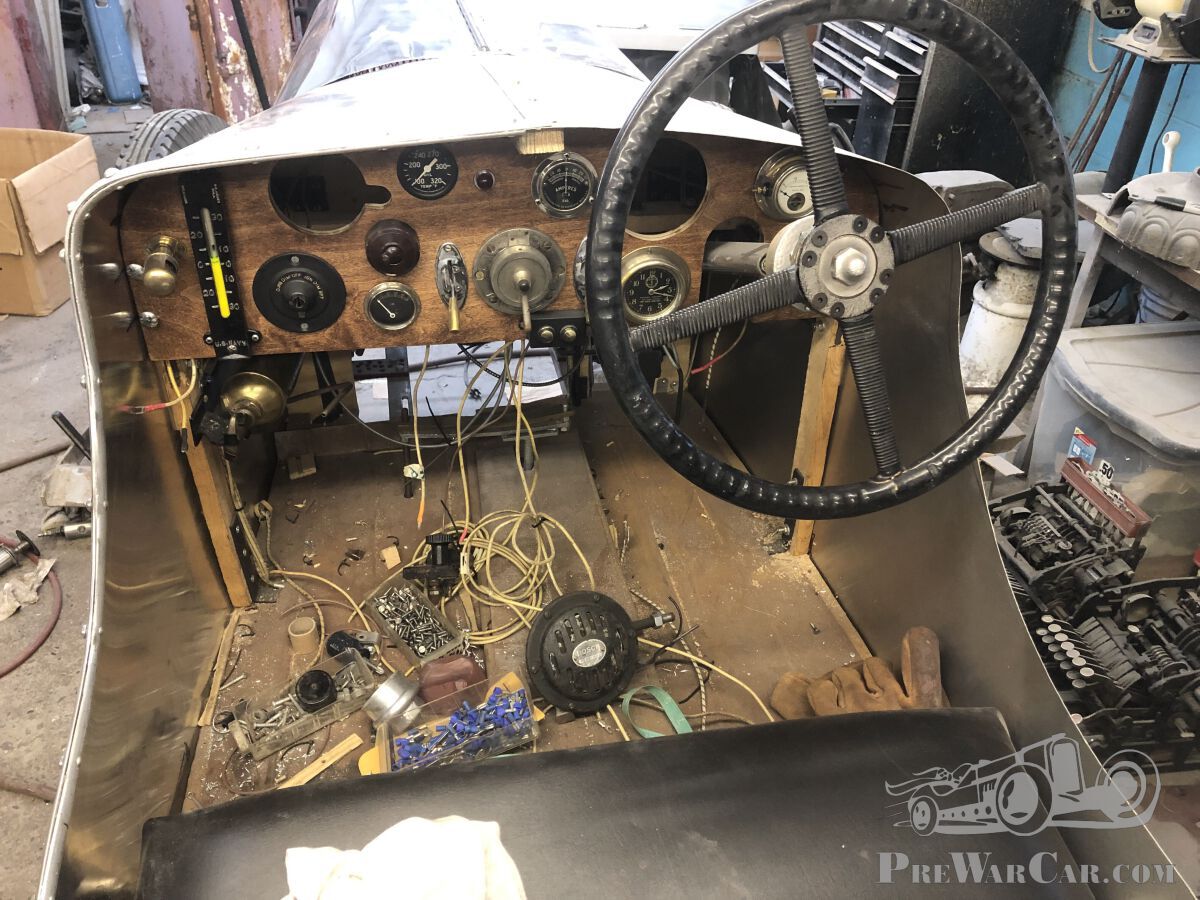
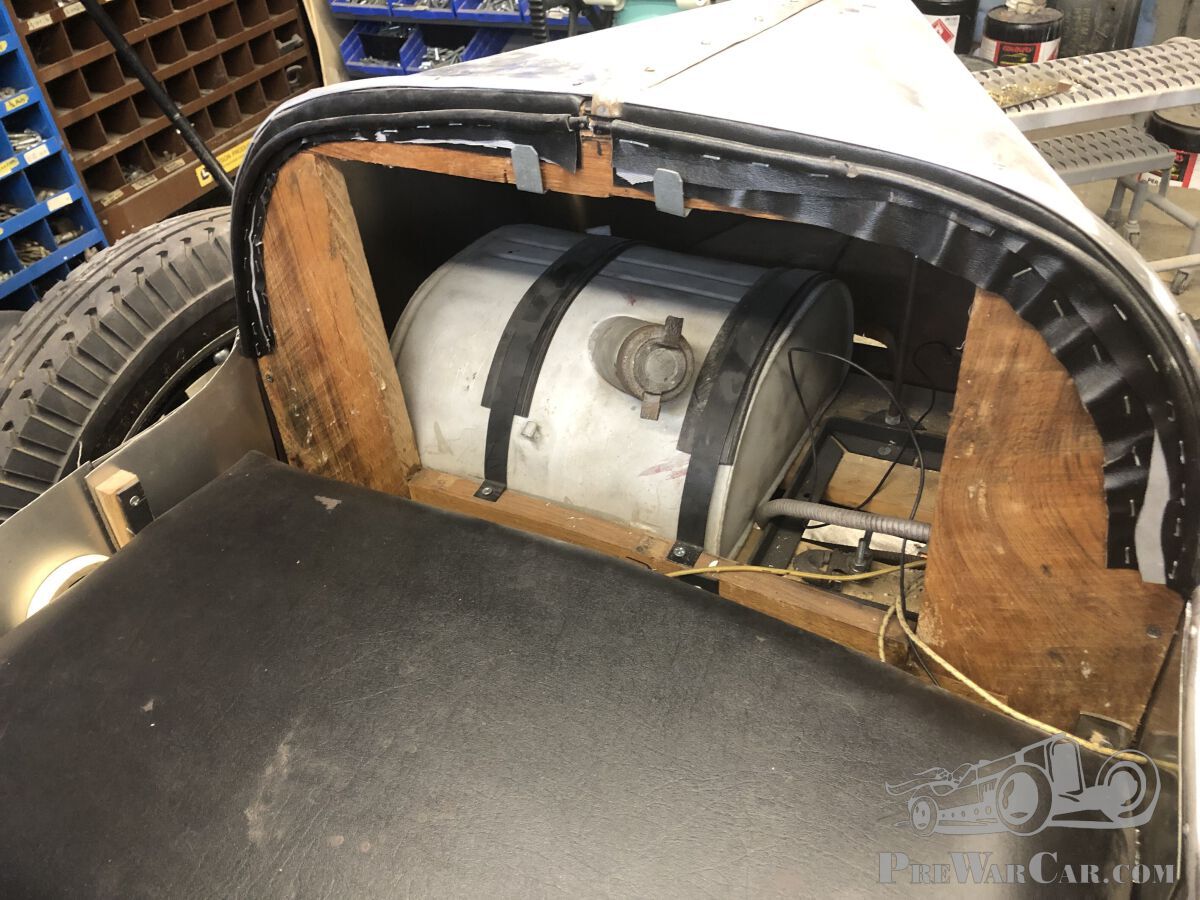
“Look Special” No fooling !
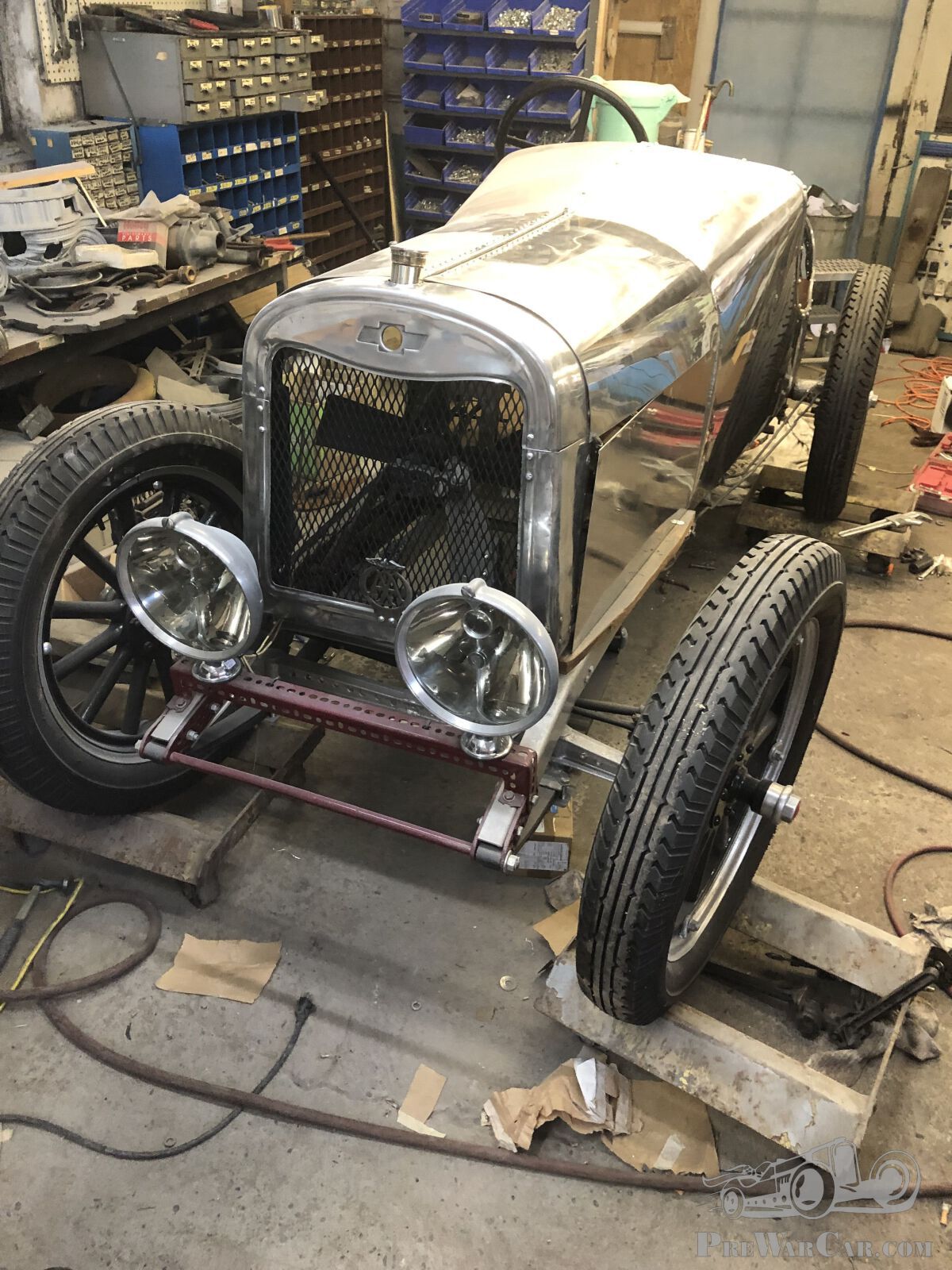
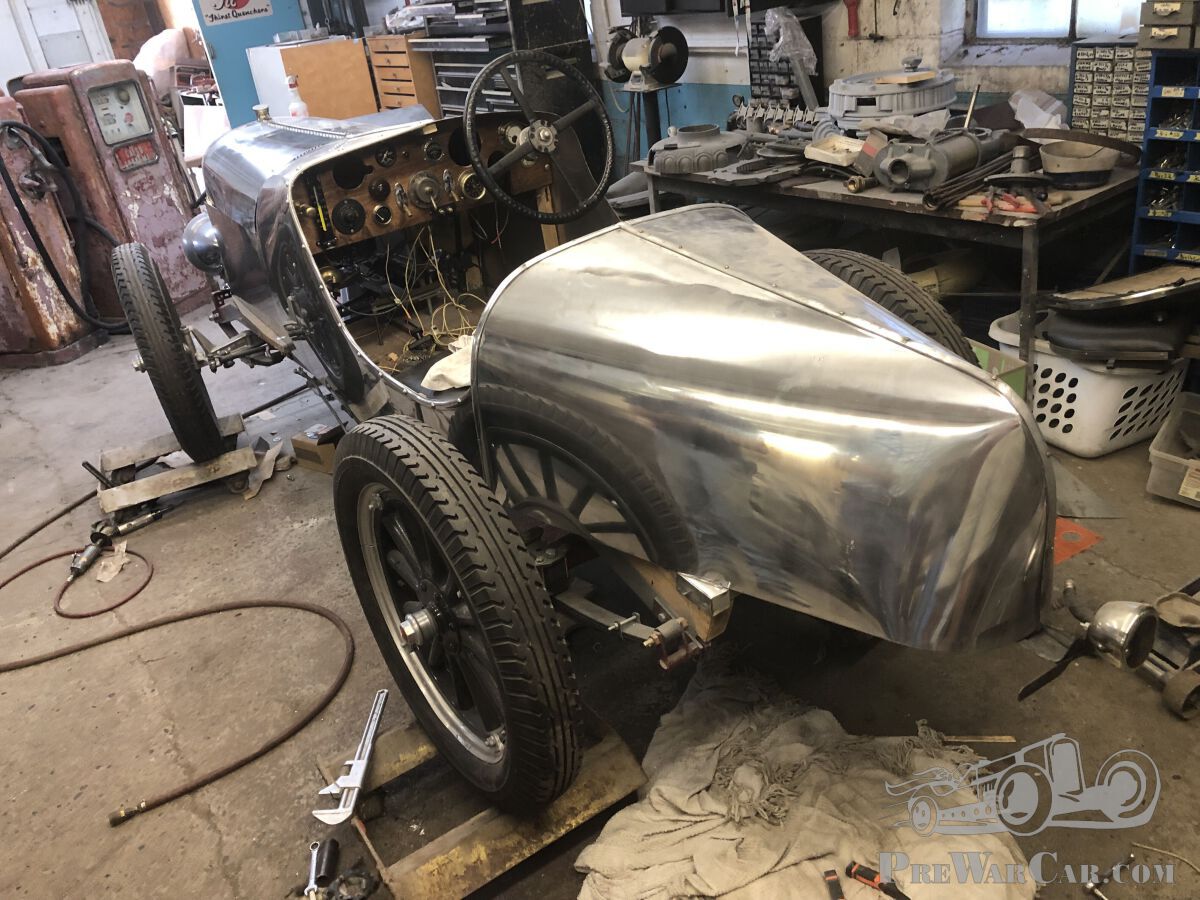
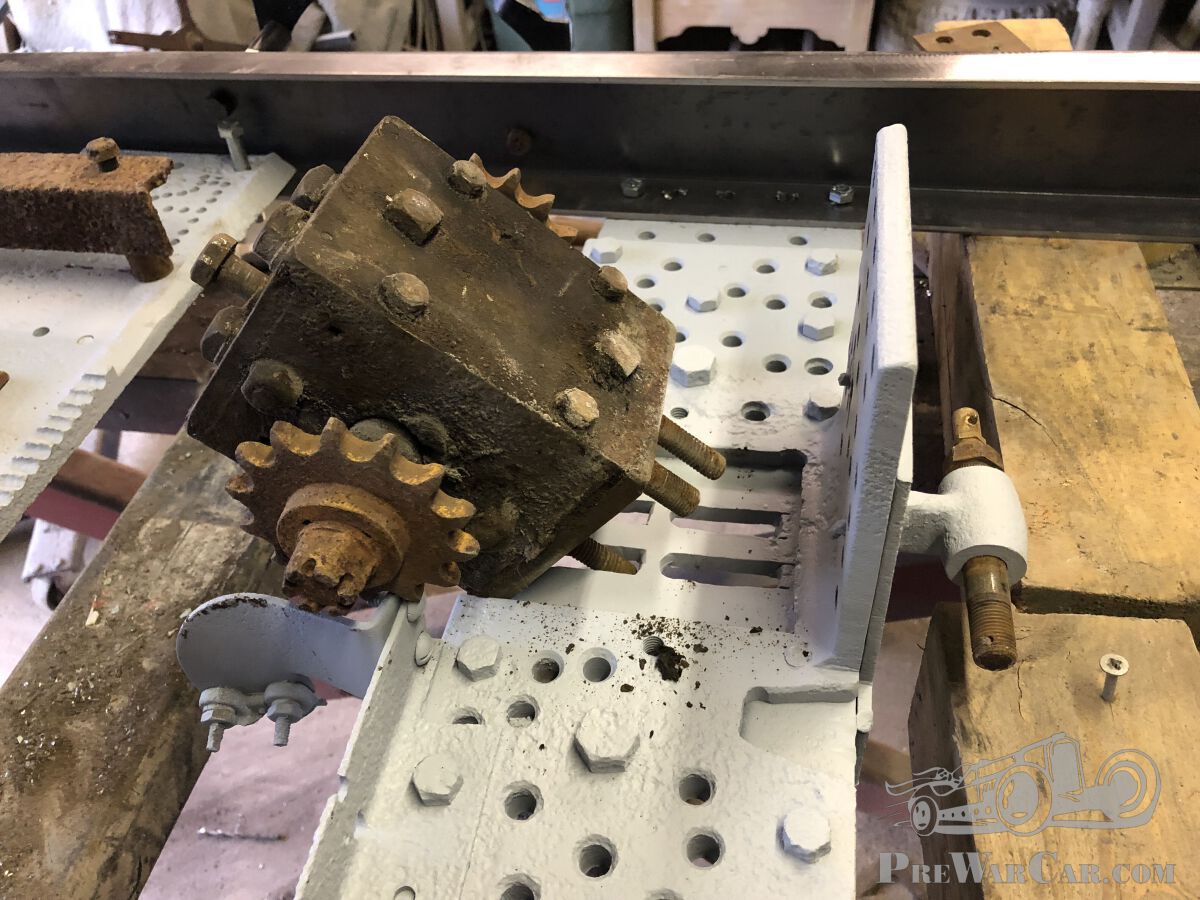
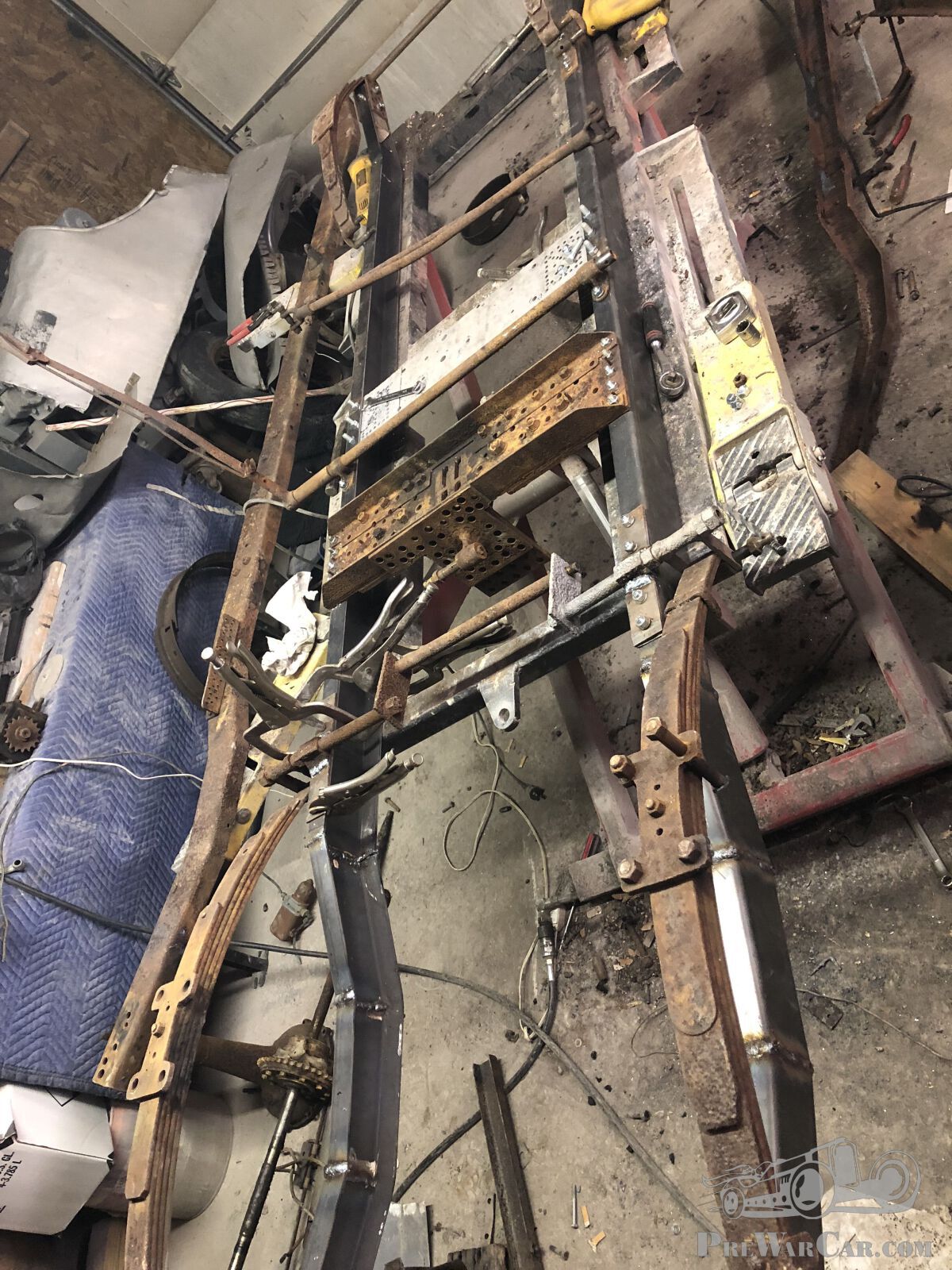
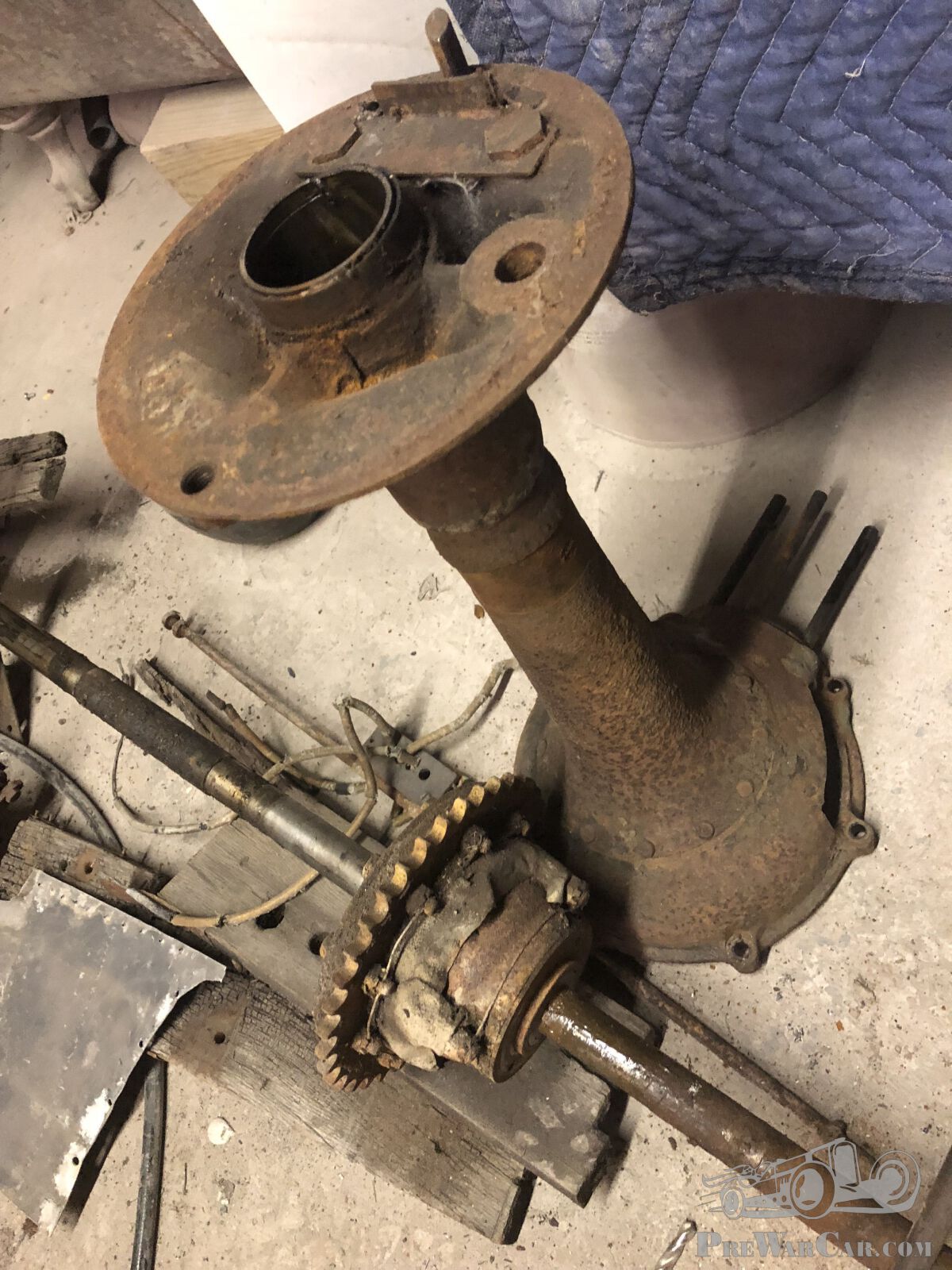
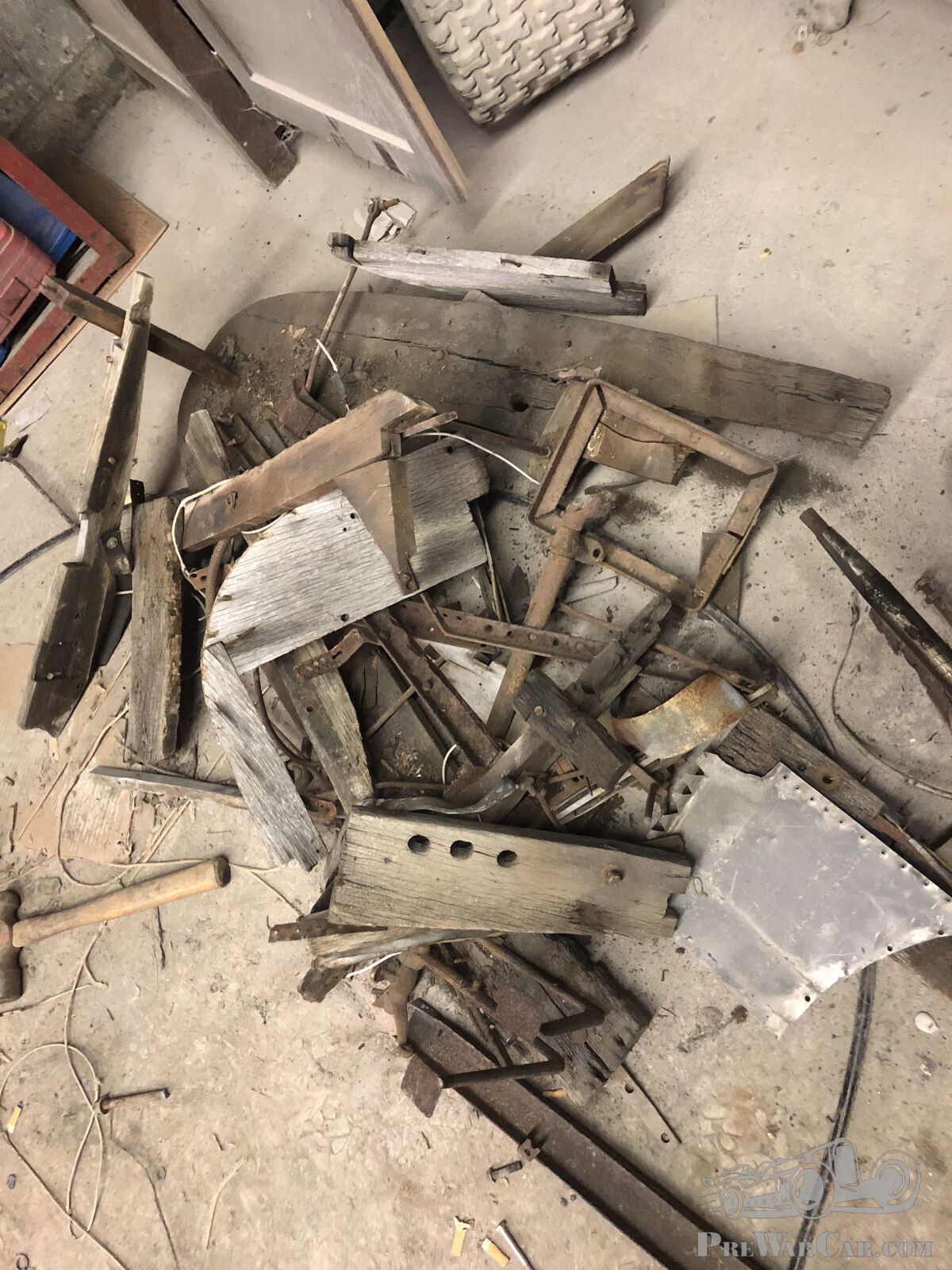
Everything other than the rotten wood was restored and reused. It’s been quite the project.
Sam Collier was 15 when the original work began.
The Henderson motor is being completely and properly restored. The Trilux headlights, steering wheel and some of the instruments were sourced through PreWar Car …..
Boy, I fell hard for the Bug story….????????
Per saperne di più
Everything other than the rotten wood was restored and reused. It’s been quite the project.
Sam Collier was 15 when the original work began.
The Henderson motor is being completely and properly restored. The Trilux headlights, steering wheel and some of the instruments were sourced through PreWar Car …..
Boy, I fell hard for the Bug story….????????
Ghislain Glorieux
01 Aprile 2024, 20:44
Une histoire difficile à croire.
Per saperne di più


Robin
01 Aprile 2024, 20:14
GREAT story. Thank you. This date will be remembered in automotive history :-)
Per saperne di più
Donald Toms
01 Aprile 2024, 17:58
A fantastic story ! And a fantastic coincidence that the story breaks on April first !
Per saperne di più
Ariejan Bos
01 Aprile 2024, 17:19
Curiously it happens to be April Fool's day too today. Isn't that a coincidence?
Per saperne di più
PaulH
01 Aprile 2024, 16:54
Wonderful story- and to think it was finally revealed on April 1st! Amazing.......
Per saperne di più
Donald E Toms
01 Aprile 2024, 16:38
A fantastic story ! But also a fantastic coincidence that the story breaks on April 1 !
Per saperne di più
Adrian Feather
01 Aprile 2024, 16:12
Just taking note of the date that this post was oublished . . . . . I suppose we will just have to wait until Retromoblie 2025 to find out!
Per saperne di più
Alexander Stolpmann
01 Aprile 2024, 15:46
A nice easter-egg you found at the beginning of April. ;-)
Per saperne di più
Michael R.
01 Aprile 2024, 15:42
If this tale wasn't published on April 1st, I might have been one of the greatest car-related stories ever...????
Per saperne di più
Vincent
01 Aprile 2024, 15:34
Ladies & Gentleman ! very nice story for the 1st of April ! Thanks! I enjoyed it !
Per saperne di più
Claude Demoitié
01 Aprile 2024, 15:32
Wouldn't the shoe shop rather have been a poissonerie specialized in selling such specialities like "poisson d'avril" ?
Per saperne di più
Chrisso Rheault
01 Aprile 2024, 14:54
Ahhh, April. A well concocted tail
Per saperne di più
Ron Bunting
01 Aprile 2024, 14:52
Should we wait for Pictures or this being 1st of April ,should we just chuckle ?
Per saperne di più
Thomas St. Martin
01 Aprile 2024, 14:42
If this is April Fool I hate you.
Per saperne di più
Jürgen L.
01 Aprile 2024, 13:38
A very exciting stoy, but remember it's the 1.April :)
Per saperne di più
George Zaidmann
01 Aprile 2024, 13:37
This is a very good April Fool's joke. It all seems very plausible indeed but to make out a Bugatti from the bit of nose sticking out of a far off garage in a post card of relatively poor resolution is a give away! Good try.
Per saperne di più
Alexander Schallenberg
01 Aprile 2024, 13:36
Very nice story for the 1st of april.....
Per saperne di più
Hans Veenenbos
01 Aprile 2024, 13:19
My daughter Rose Atalante - yes that's her first name - ran a great blog CRANKHANDLEBLOG.COM from August 2015 to December 2017.
It was very popular and had many enthusiastic followers, who also contributed stories.
Among the huge number of articles that she posted were many about Bugatti discoveries.
Here is one titled "The incredible unknown Atalante barn find" of 21/01/2016 - see: https://crankhandleblog.com/2016/01/21/the-incredible-unknown-atalante-barn-find/
This was a true story!
Dont' forget to also read the first story she posted, titled "La clinique des chocs and the Russian princess".
Happy reading.
Per saperne di più
It was very popular and had many enthusiastic followers, who also contributed stories.
Among the huge number of articles that she posted were many about Bugatti discoveries.
Here is one titled "The incredible unknown Atalante barn find" of 21/01/2016 - see: https://crankhandleblog.com/2016/01/21/the-incredible-unknown-atalante-barn-find/
This was a true story!
Dont' forget to also read the first story she posted, titled "La clinique des chocs and the Russian princess".
Happy reading.
Brulé
01 Aprile 2024, 12:32
N'oublions pas... Nous sommes le 1er avril !
Per saperne di più
Jon Dudley
01 Aprile 2024, 12:12
What an auspicious date for such a story to be told!
Per saperne di più
Mark Walker
01 Aprile 2024, 12:03
Fantastic story! What's the date today?
Per saperne di più
Jean Mhicanabba
01 Aprile 2024, 12:00
Dated 1st April - could be a spoof !
Per saperne di più
Peter Rae
01 Aprile 2024, 11:12
What a fabulous story for this particular special day...
Per saperne di più
Henk
01 Aprile 2024, 10:51
Leuk zo'n verhaal op deze datum..................
Per saperne di più
Marc V
01 Aprile 2024, 10:23
What a great detective story! A fantastic find, and good to read that this important Bugatti is in good hands and in course of restoration. A fantastic Rétromobile 2025 show stopper indeed!
Per saperne di più
Paul Hicks
01 Aprile 2024, 10:22
Could the date 1st April have something to do with this story?
Per saperne di più
Bernard
01 Aprile 2024, 10:02
Je ne vois pas de poissonnerie sur cette carte postale.
Per saperne di più
Mike Costigan
01 Aprile 2024, 09:27
The March hare has just left the room, so it must be April 1st!
Per saperne di più
Ton van de Roer
01 Aprile 2024, 08:50
Opmerkelijke story, hopend dat het niet met 1 april in verband gebracht kan worden......
Per saperne di più
James Mead
01 Aprile 2024, 08:03
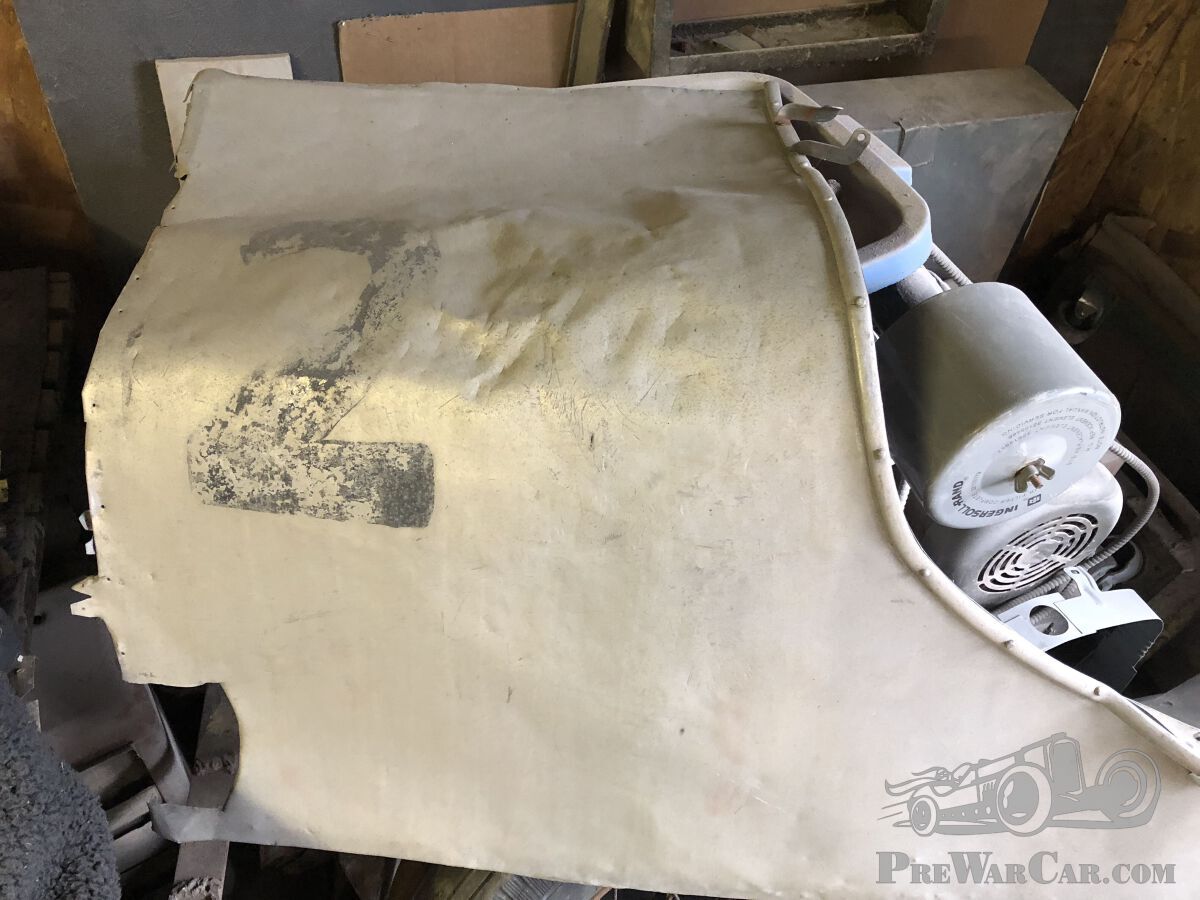
Wonderful ! Reminds me of the thrill I felt, and still feel, when I remember discovering that the derelict and well weathered Voiturette I found and purchased a few years ago was in fact a young Sam Collier’s first home built Race Car.
“Look”, a much Euroized and modified Ford Model T, powered by a Henderson 4 cylinder air cooled motorcycle engine. Automobile Racing Club of America (ARCA) #2. Built circa 1928 on the Collier Estate “Overlook” in Pocantico Hills, NY.
Per saperne di più
“Look”, a much Euroized and modified Ford Model T, powered by a Henderson 4 cylinder air cooled motorcycle engine. Automobile Racing Club of America (ARCA) #2. Built circa 1928 on the Collier Estate “Overlook” in Pocantico Hills, NY.
Bres Dominique
01 Aprile 2024, 06:29
The air in the tyres was also analysed, and the Molsheim origin is indisputable!
Per saperne di più
Tjerk Neijmeijer
01 Aprile 2024, 02:11
Too good to be true! Although where I am the date is still 31st March while I'm reading this.
Per saperne di più