La rivista e il marketplace globale per gli appassionati di auto d’epoca, creati da appassionati.
La rivista e il marketplace globale per gli appassionati di auto d’epoca, creati da appassionati.


Filter
Faccia la sua scelta
- Automobile
-
Marca >>
-
Anno >>
-
- Motociclette
-
Ubicazione >>
- Parti e altro
-
Marca dell'auto >>
-
Produttore >>
-
Categoria >>
- Biciclette
-
Anno >>
-
Paesi



PWC Workshop: making new valves for a 1905 Peugeot
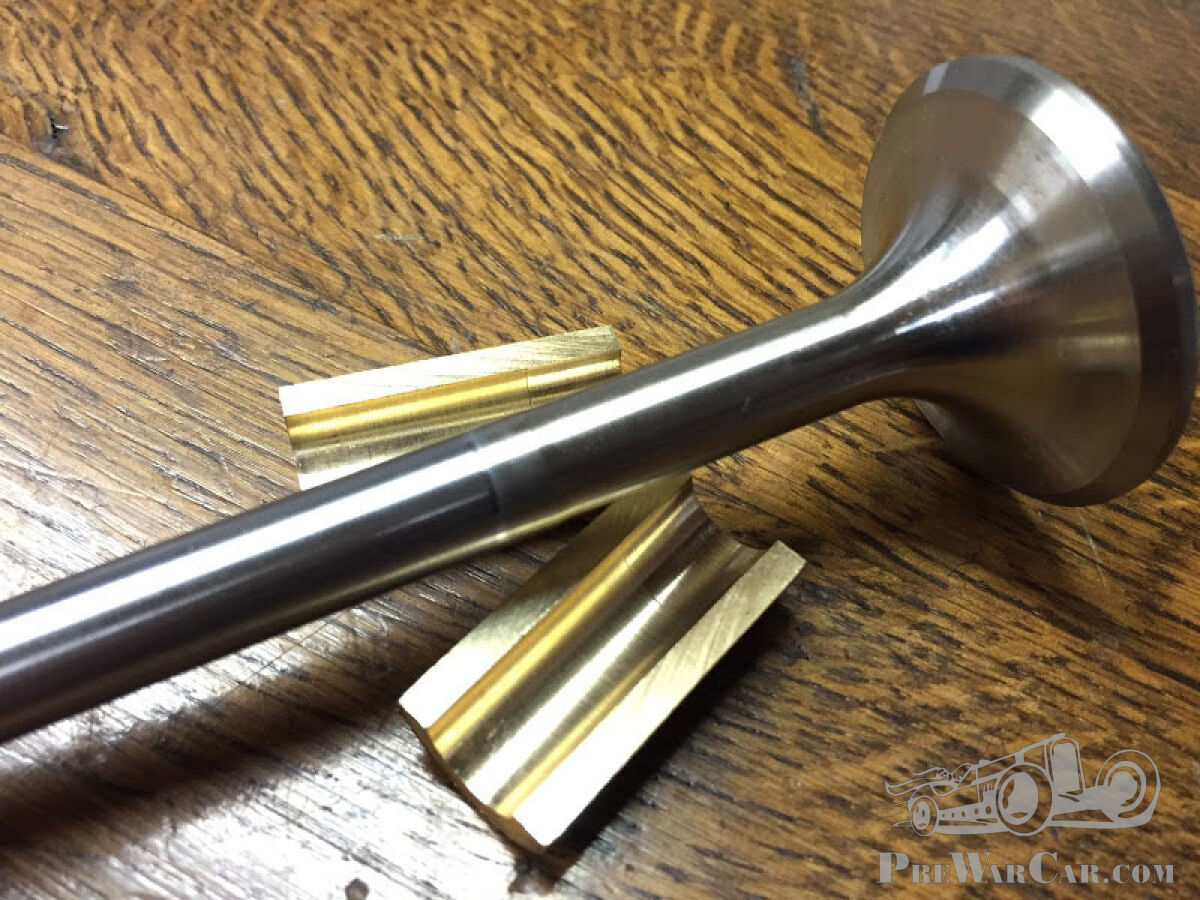
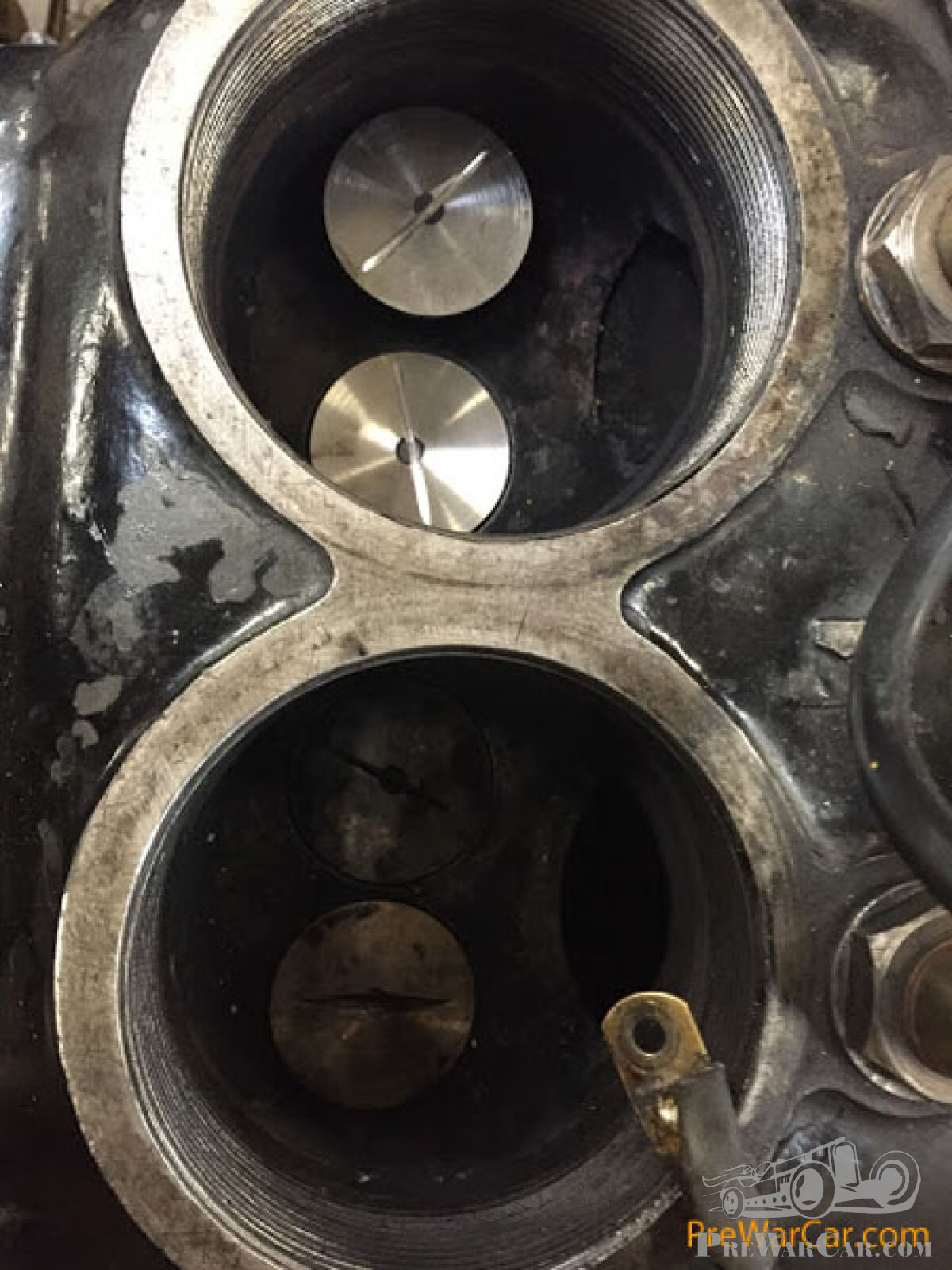


Part of our beloved hobby is the restoration/ maintanance of your old motorcar. Just recently we have started a series of repair projects under the name "PreWarCar Workshop". In this PreWarCar Workshop report we would like to show you the making of new inlet and exhaust valves for a 2 cylinder 1905 Peugeot Type 125.
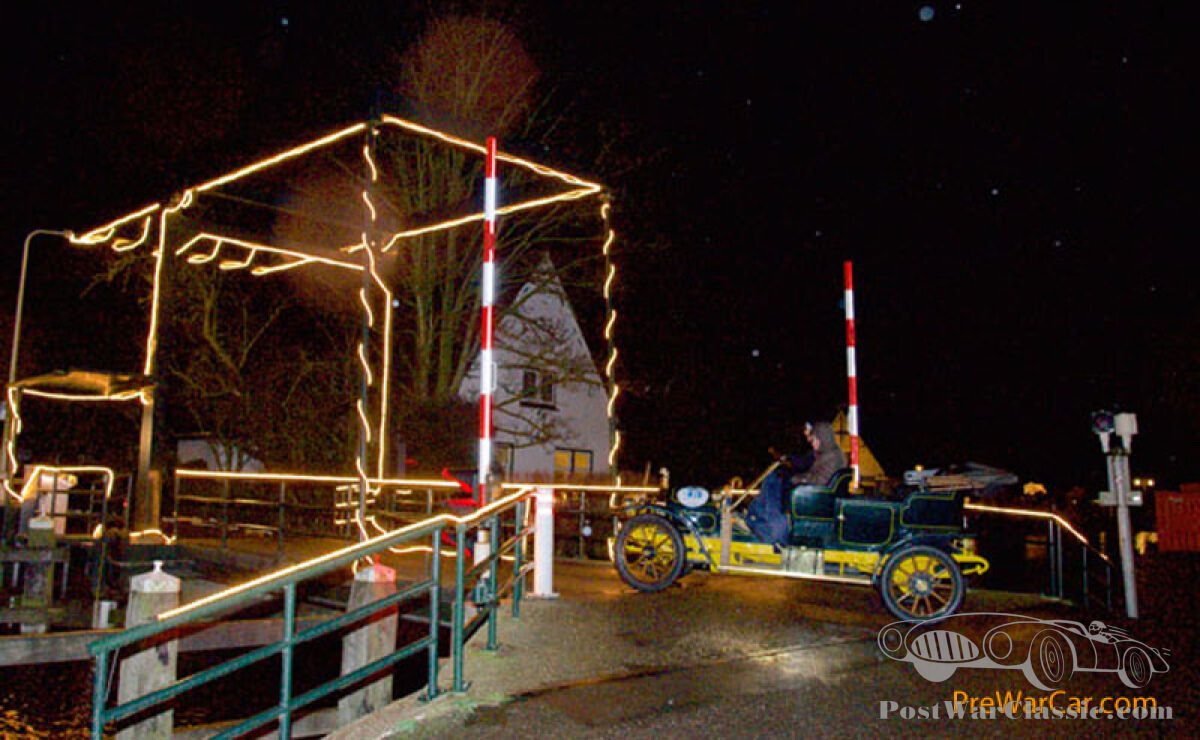
In this case, I've had 2 broken inlet valves last season (one was on the magnificent 100 miles of Amsterdam rally), and my repair job on the first one was not good enough to my liking so I've decided to really solve the problem, and for the pleasure of the viewers write this article about it.
From a previous project, I had a box of brand new inlet and exhaust valves laying around from a 2004-new Scania R500 V8 truck. Not only are the valves a very close match to the original Peugeot valves, I also figured that if they can pull 50 tons of GVW up the Alps, they can probably get me around as well.
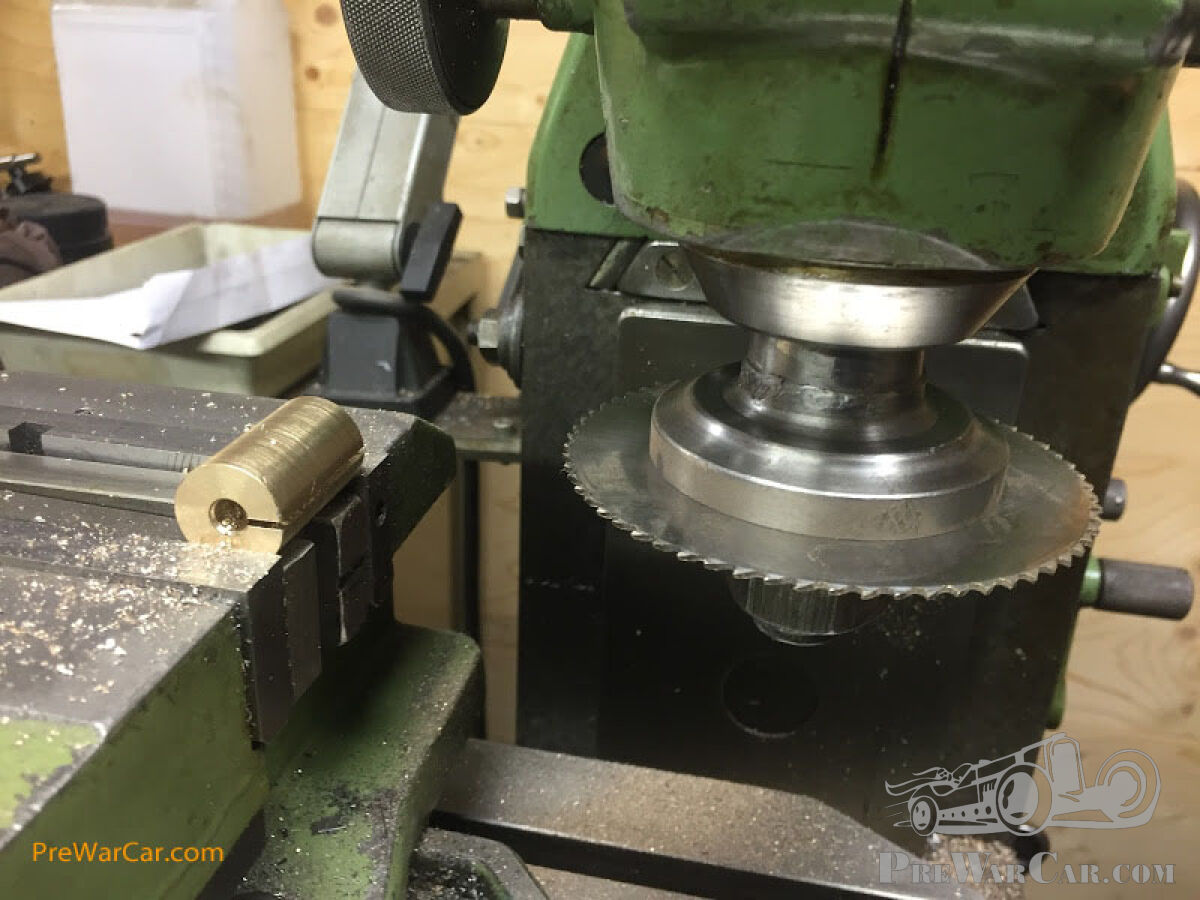
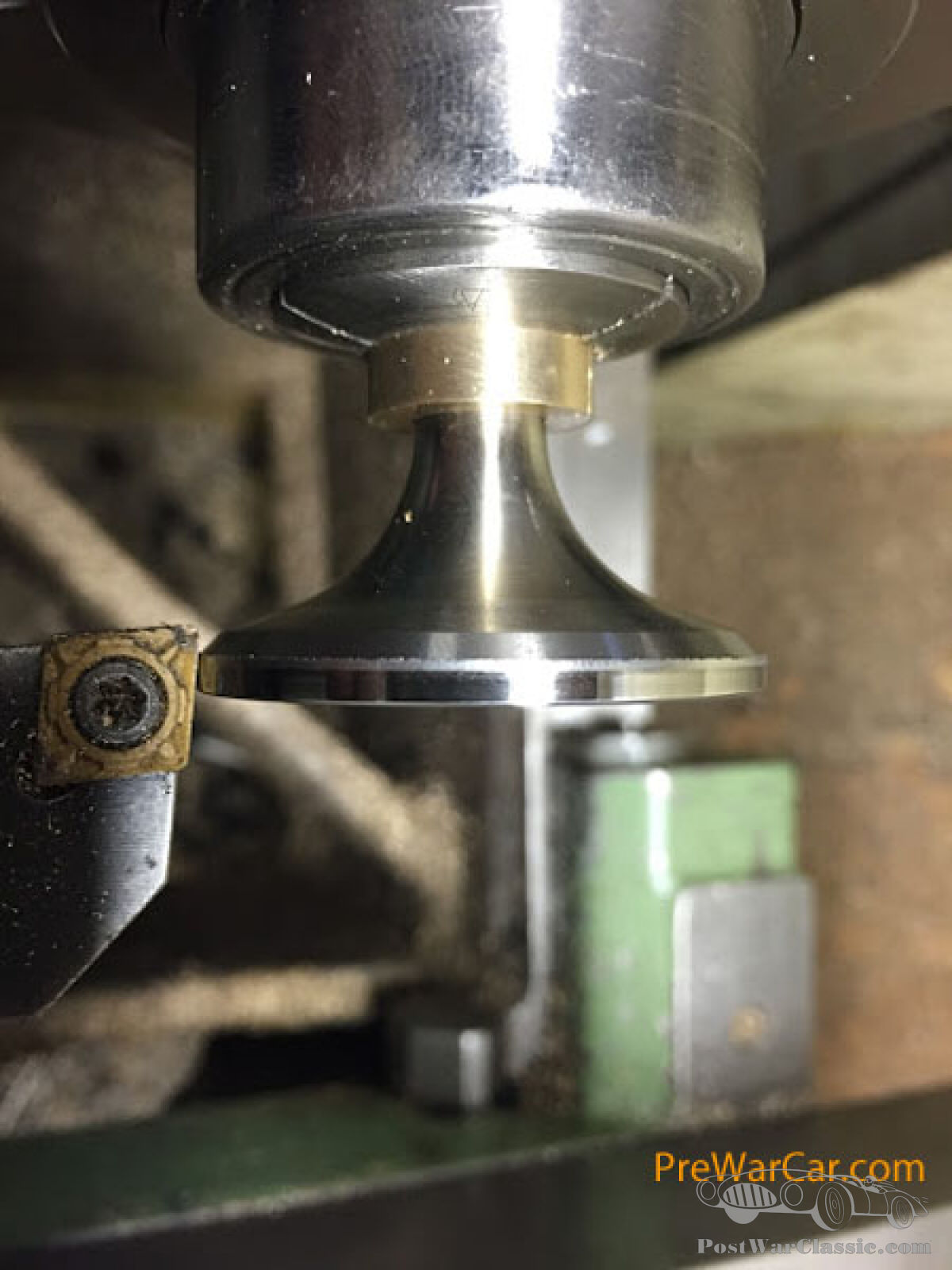
Because the valve stems have a stepped diameter, I couldn't hold it close enough in the lathe chuck to machine it without chatter (these valves are glass hard). And since I don't have a circular grinder, I had to make a custom collet to hold these valves and it worked perfectly.
Summary of the proces:
I cut the valve head to diameter and seat angle, cut the stem to exact length, reamed the guides for the new diameter, made new spring retainers for the original Scania clamps and then I hand ground the 4 new valves in their old seats.
Since I still wanted to have a spare set, just in case, I decided to also make 1 valve guide extra for the old set of valves and keep this with me in the car. The making of that part is included in the photo album.
After quite a long test drive, I am very happy to say that the car drives like new again!
For the machining report, please visit my photo album.
Work photos & text by Jos van Genugten
Pubblicato:
martedì aprile 19th, 2016
Facebook
LinkedIn
Twitter
WhatsApp
Email
Copy
Commenti
Sconosciuto
22 Aprile 2016, 07:36
Great story, hope this type of editorial becomes a permanent feature. We had to do a lot of this when I was at sea, making do with whatever existed in the workshop. Had a similar job done on an Alfa Romeo 2.3 Pescara engine of pre-war origin. Auto Restorations in New Zealand did the work. Changed out the whole valve train for one from a Jaguar XK engine including springs and cam follower buckets. Much less valve bounce and a stronger setup with no failure tempting threads on the upper valve stems. Externally there is no visible change.
Per saperne di più
Sconosciuto
20 Aprile 2016, 13:57
Very good thought processes, work and photos---well done and many thanks for posting. A most satisfying job !
Per saperne di più
Sconosciuto
20 Aprile 2016, 12:31
Great post! Several years ago I had to fabricate a set of valves for a 17.9 liter (yes the decimal point is in the correct spot) Wisconsin T-head engine. I ended up using stainless steel valve blanks intended for a diesel locomotive. The valve stems were .057" over size but since I had to replace the valve guides as well that didn't pose a problem.
Per saperne di più
Sconosciuto
20 Aprile 2016, 07:40
Had the head come off a valve when I first bought a 1923 Peugeot Type 175 The valve head on all the valves had been welded to the stem. We made up new valves using (Australia's) Holden Blue engine valves which had the correct valve stem diameter though we had, as you did, to machine the head to suit.
Per saperne di più
Sconosciuto
20 Aprile 2016, 07:05
Compliments for the story, the photos and your wonderful 111 year old french car working again how it should be.
Per saperne di più