La rivista e il marketplace globale per gli appassionati di auto d’epoca, creati da appassionati.
La rivista e il marketplace globale per gli appassionati di auto d’epoca, creati da appassionati.


Filter
Faccia la sua scelta
- Automobile
-
Marca >>
-
Anno >>
-
- Motociclette
-
Ubicazione >>
- Parti e altro
-
Marca dell'auto >>
-
Produttore >>
-
Categoria >>
- Biciclette
-
Anno >>
-
Paesi



Queen Astrid’s Packard – still at the bottom of Lake Lucerne?


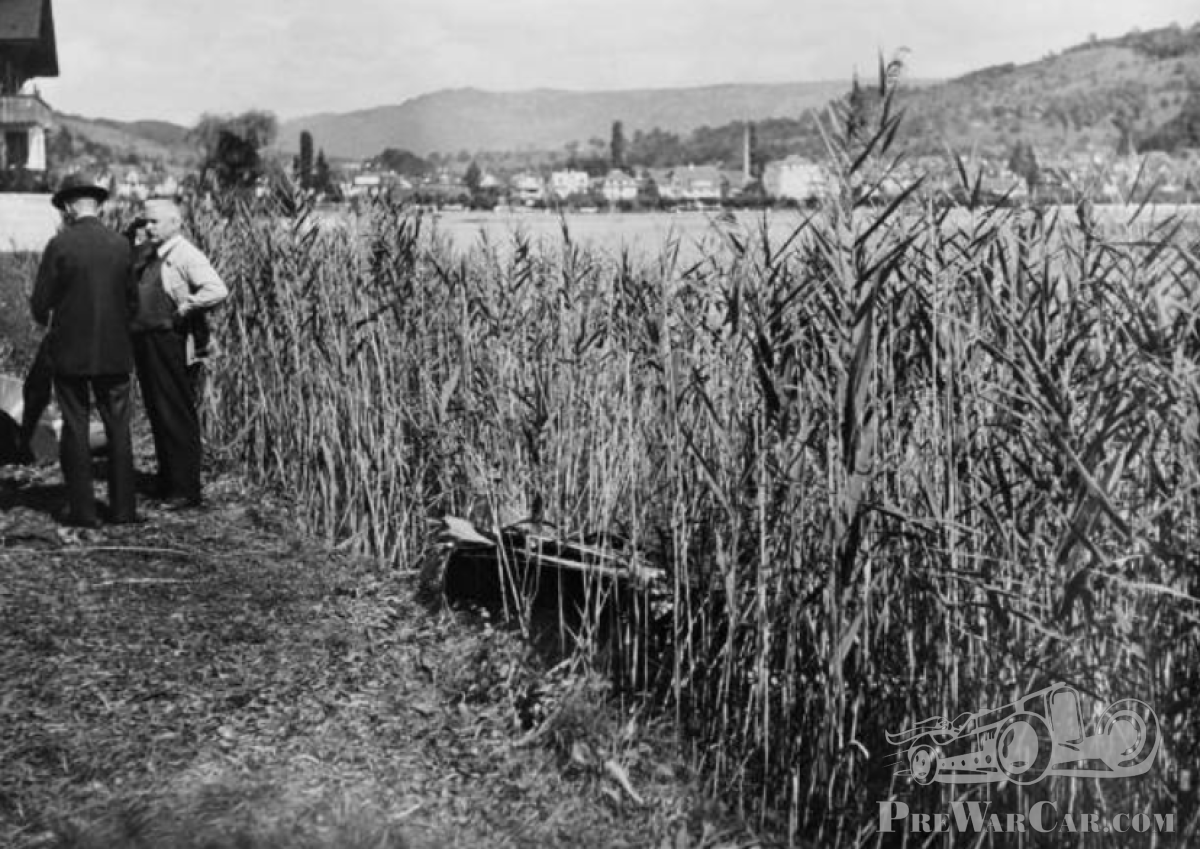
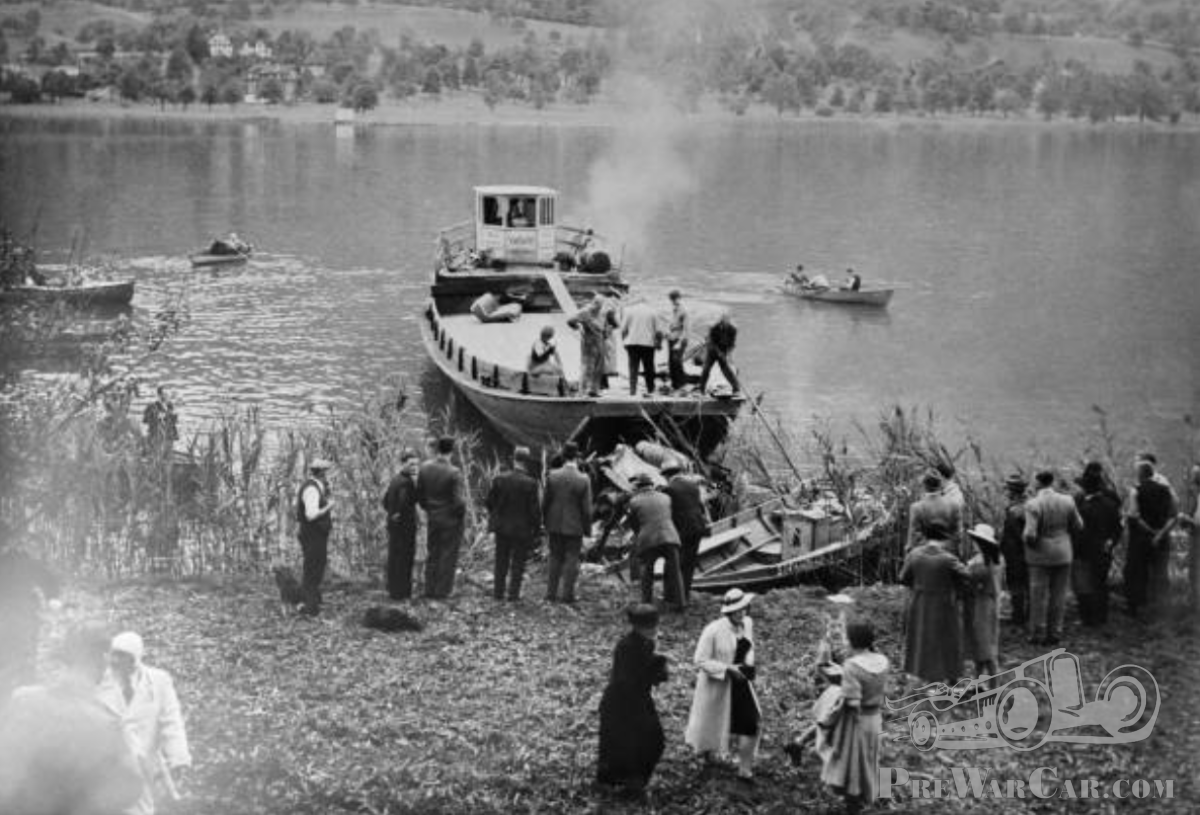
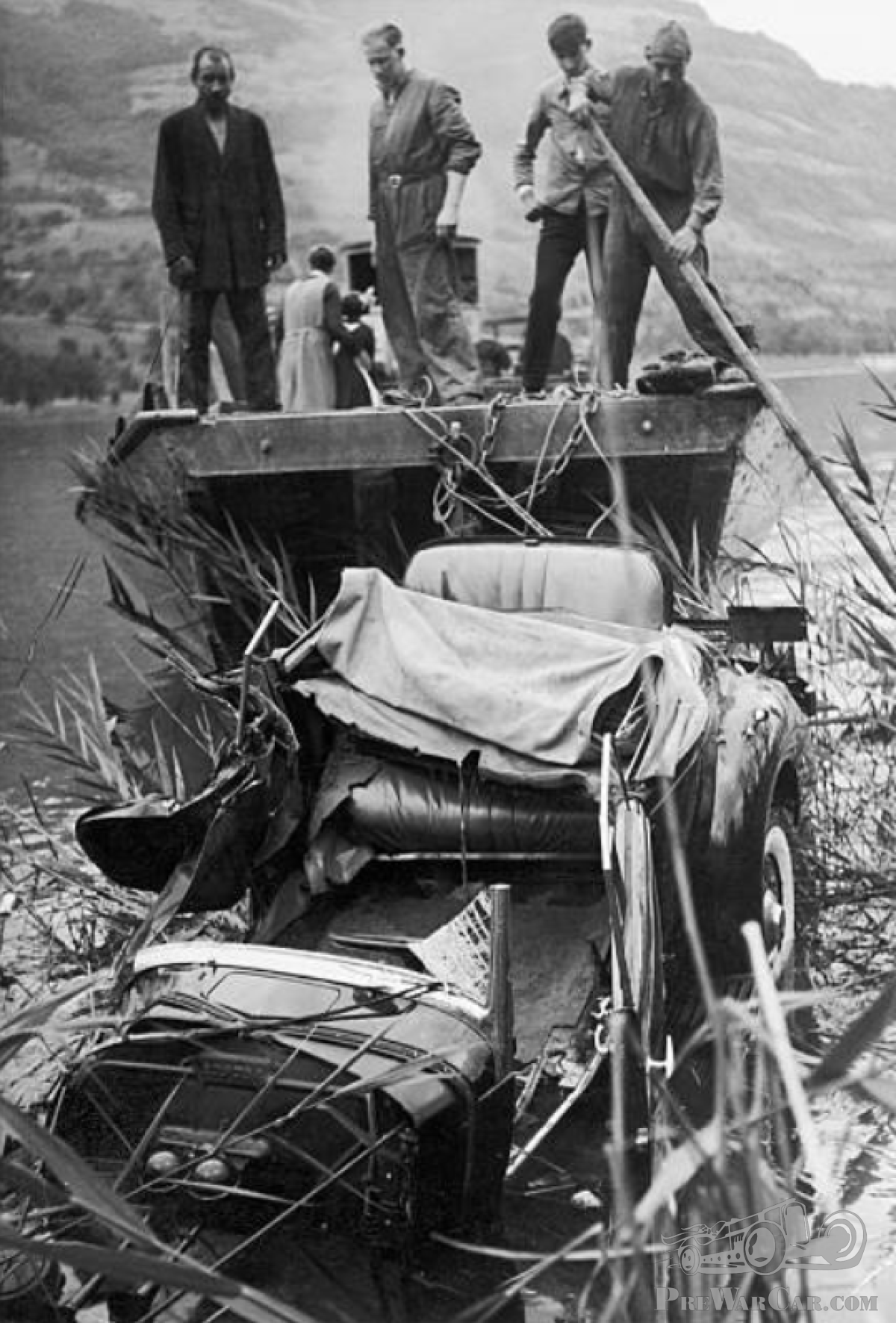
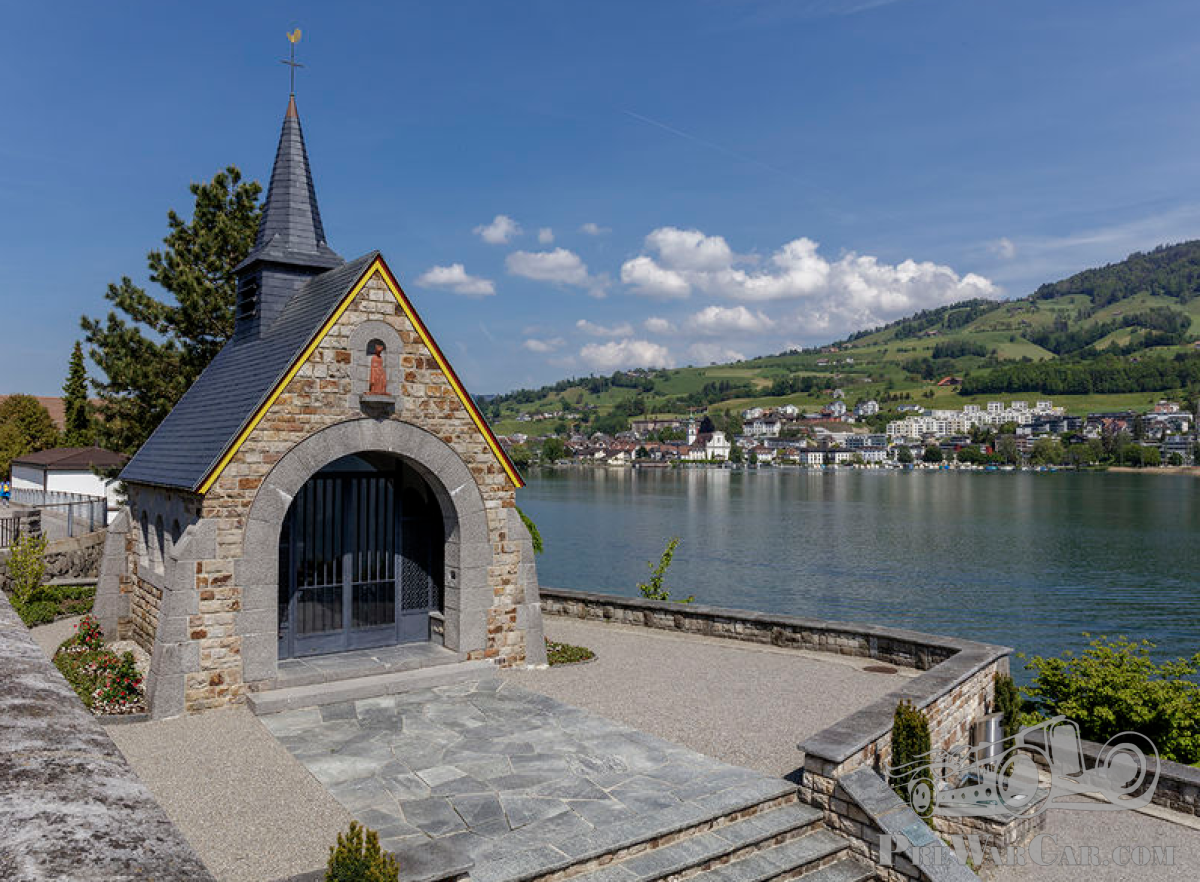


Friday the 13th is a day you need to be careful with. The superstitious among us are telling us it’s a day for bad luck. If that’s right this may be an opportunity to introduce you to one unlucky Friday Lady in particular: Queen Astrid of Sweden, who was killed in a car accident on August 29, 1935.
That morning she was driving with her husband King Leopold and chauffeur Pierre Devuyst plus a support vehicle near the Lake Lucerne in Switzerland. Contrary to usual practice, the king drove the vehicle himself - a Packard 120 Convertible Coupé. Devuyst was seated at the back. According to a local man who saw the accident happen at 9:15 am, Queen Astrid held a map in her hand and pointed over to the mountain Rigi on the opposite lakeside. Shortly thereafter, King Leopold drove with the right-hand wheels and a speed of about 50km/h over a 20-centimetre-high boundary wall. After 30 meters, the car changed its direction of travel to the right and with its passenger side hit a pear tree beyond the wall. Queen Astrid dropped out of the car only to land on the lawn below a tree. The damaged vehicle continued down the embankment, colliding with a second tree and coming to a standstill in the water.
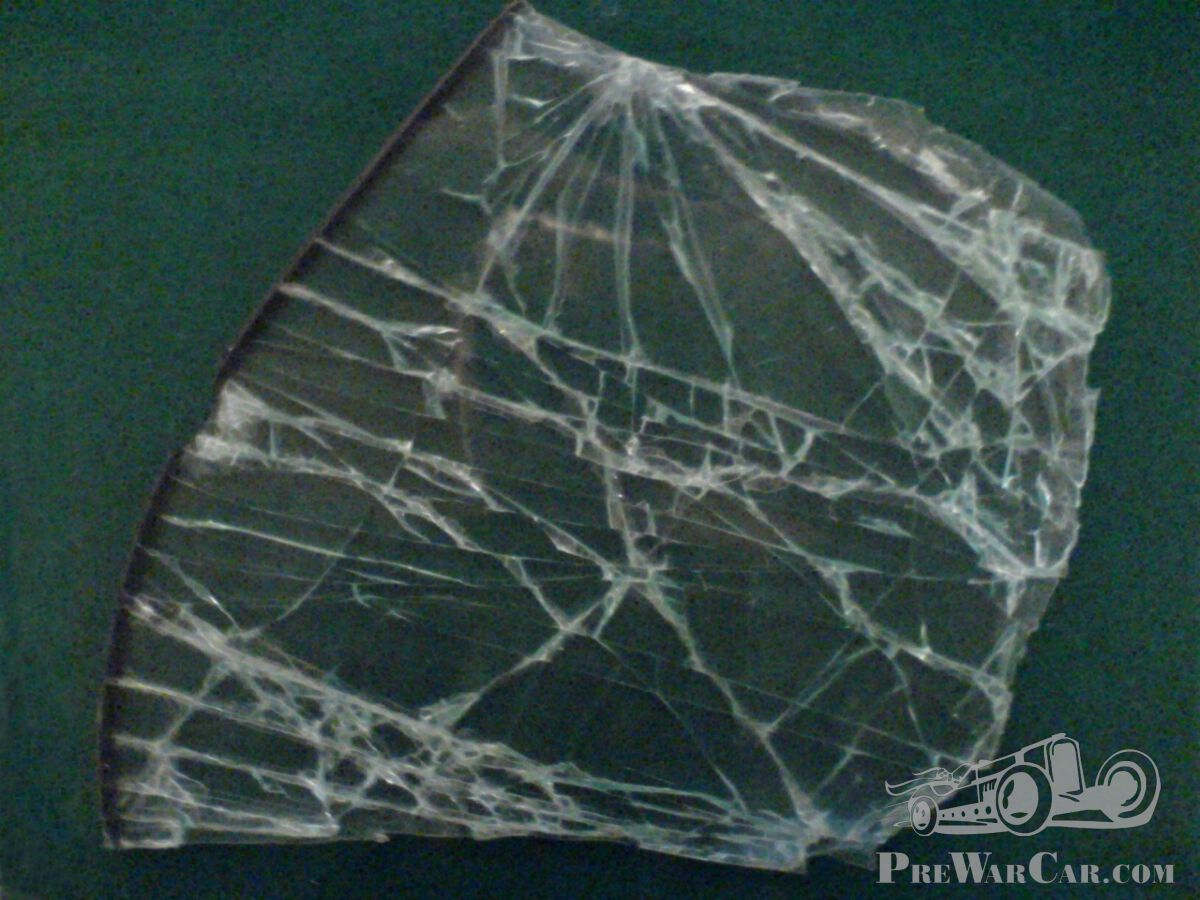
Just minutes later, the alarmed police and two doctors plus an assistant arrived at the accident site, surrounded by onlookers. It was too late for the queen of Sweden, who’d suffered a fractured skull on impact. King Leopold and his chauffeur survived. At the place, a chapel was built to commemorate the much-loved Queen Astrid. 84 years after the accident the Packard, wearing the Belgian registration ‘4649’ is still said to lie on the bottom of the lake at 150- to 200 metres depth. Although the pictures that we found seem to indicate it was at least tried to be pulled from the water. Fact is that the windscreen – or part of it – survived on land. You’d better be careful out there, readers.
Words by Jeroen Booij. Pictures from the archive.
Pubblicato:
venerdì dicembre 13th, 2019
Facebook
LinkedIn
Twitter
WhatsApp
Email
Copy
Commenti
Steve Diggins
14 Dicembre 2019, 07:58
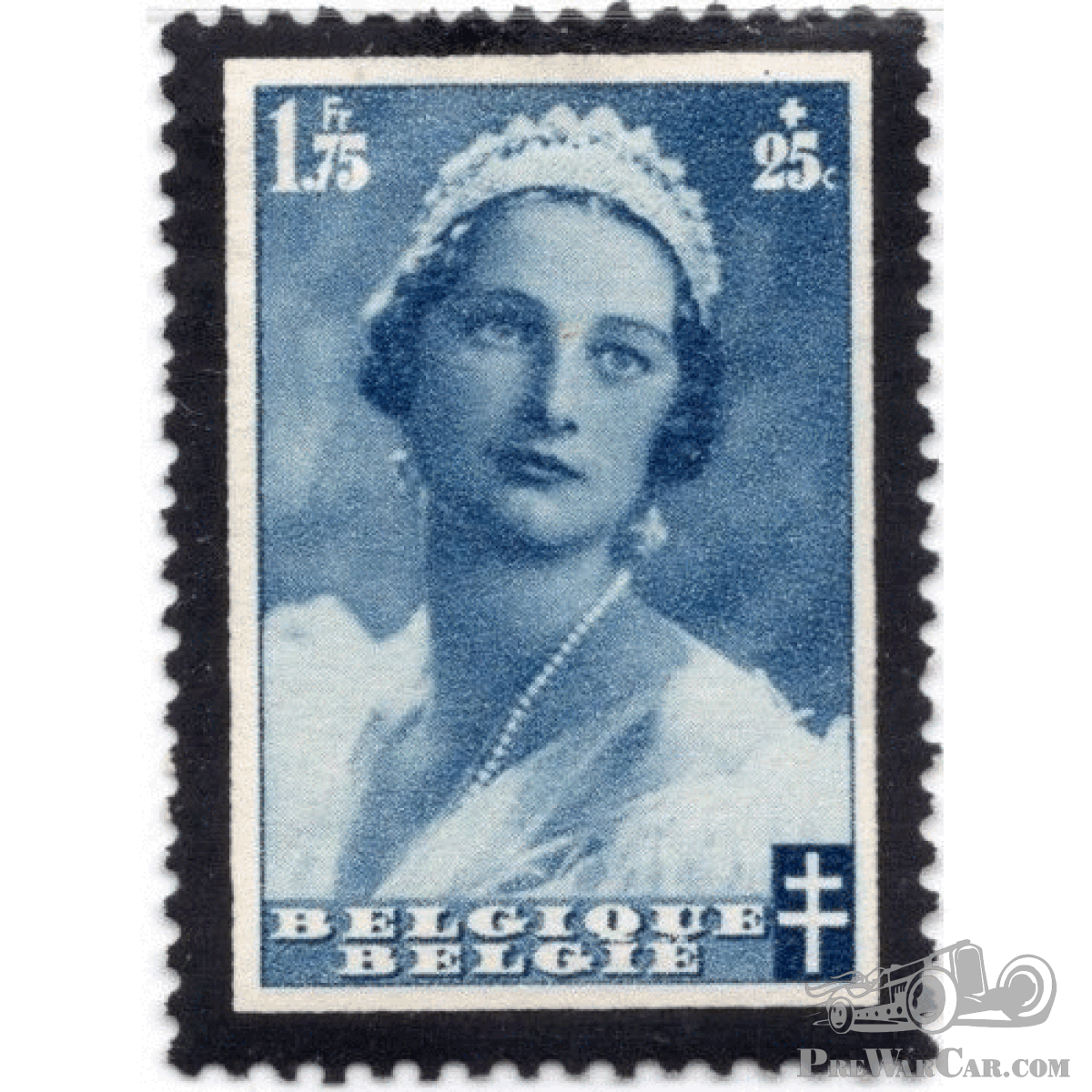
Why do we not have a photo of this woman?
Per saperne di più
Steve Bousfield
13 Dicembre 2019, 17:32
The lady's correct title was Queen Astrid of The Belgians and her husband King Leopold III of The Belgians.
The monarch in Belgium is always known as King / Queen of The Belgians, not of Belgium.
Per saperne di più
The monarch in Belgium is always known as King / Queen of The Belgians, not of Belgium.
B.J. van Spaendonck
13 Dicembre 2019, 12:36
According to the Neue Züricher Zeitung of August 25, 2010, the car was sunk at a deep part of the Vierwaldstättersee at the request of the king.
Per saperne di più
B.J. van Spaendonck
13 Dicembre 2019, 12:25
It's Queen Astrid of Belgium (1905-1935), born a Swedish princess.
Per saperne di più
Stig Johansson
13 Dicembre 2019, 11:37
Hi.
There is one thing wrong in the text about the tragic accident where queen Astrid was killed.She was not queen of Sweden.She was queen of Belgium as she was married to king Leopold.She was born in the Swedish royal family,but her exact relation to the family I don`t know.
Best regards
Stig Johansson
Per saperne di più
There is one thing wrong in the text about the tragic accident where queen Astrid was killed.She was not queen of Sweden.She was queen of Belgium as she was married to king Leopold.She was born in the Swedish royal family,but her exact relation to the family I don`t know.
Best regards
Stig Johansson
G.M.
13 Dicembre 2019, 08:18
What a coincidence this storry today! Accedentely I have seen yesterday pictures of the car at the private photo colection at the royal palace in Brussels. (among with other royal vehicles) The car did not remain on the bottom of the lake. It was pulled out and went to a garage for investigation. Actualy it looked verry clean, and never was entyrely under water.
unfortunalely i did not make copie's of this, nex time.
Per saperne di più
unfortunalely i did not make copie's of this, nex time.