La rivista e il marketplace globale per gli appassionati di auto d’epoca, creati da appassionati.
La rivista e il marketplace globale per gli appassionati di auto d’epoca, creati da appassionati.


Filter
Faccia la sua scelta
- Automobile
-
Marca >>
-
Anno >>
-
- Motociclette
-
Ubicazione >>
- Parti e altro
-
Marca dell'auto >>
-
Produttore >>
-
Categoria >>
- Biciclette
-
Anno >>
-
Paesi



Il 'Bahnstormer' originale: la Schnellsportwagen di Auto Union diventa realtà
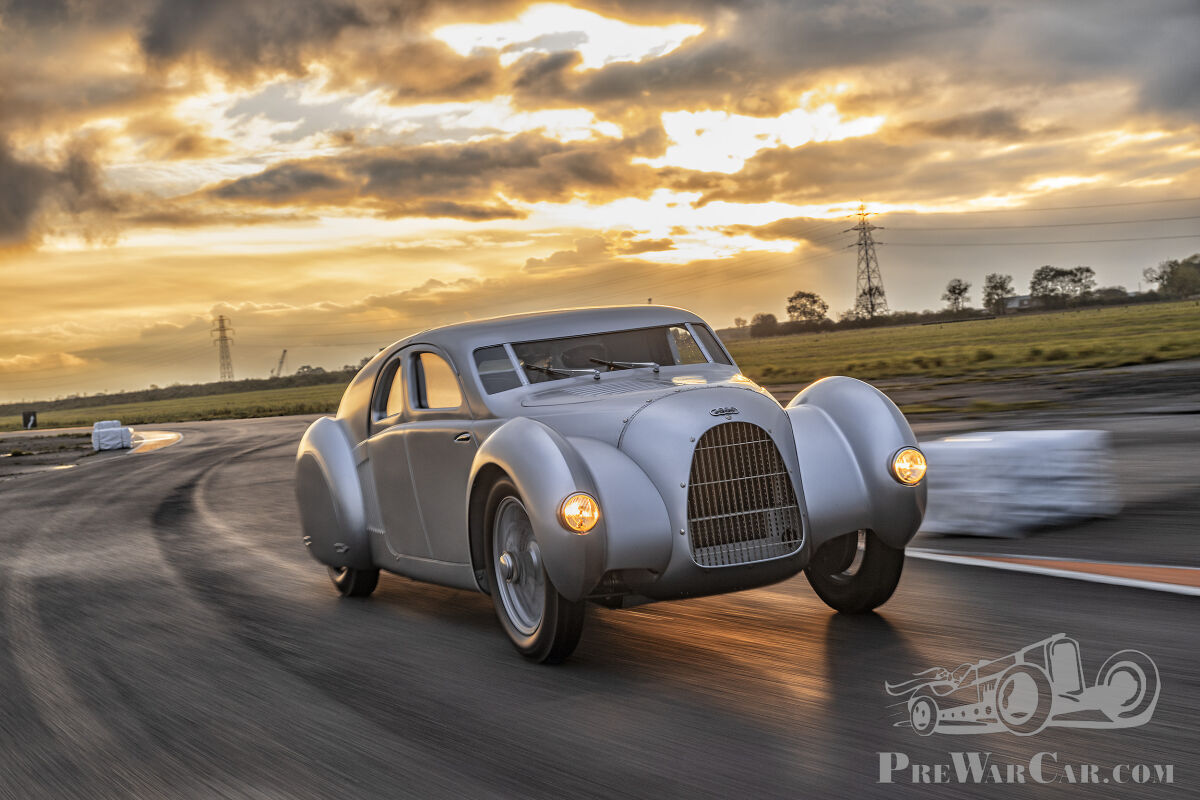
The Auto Union Type 52 has finally been brought to life having been lost to time for 90 years
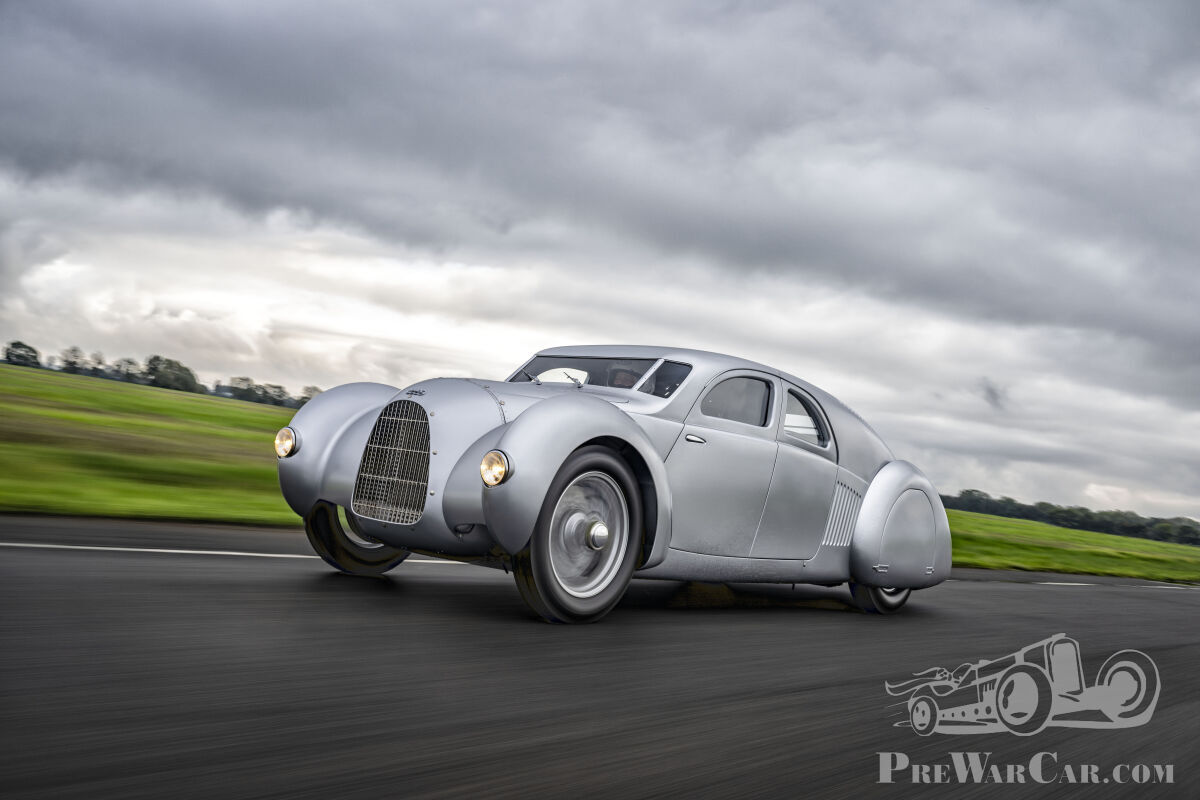
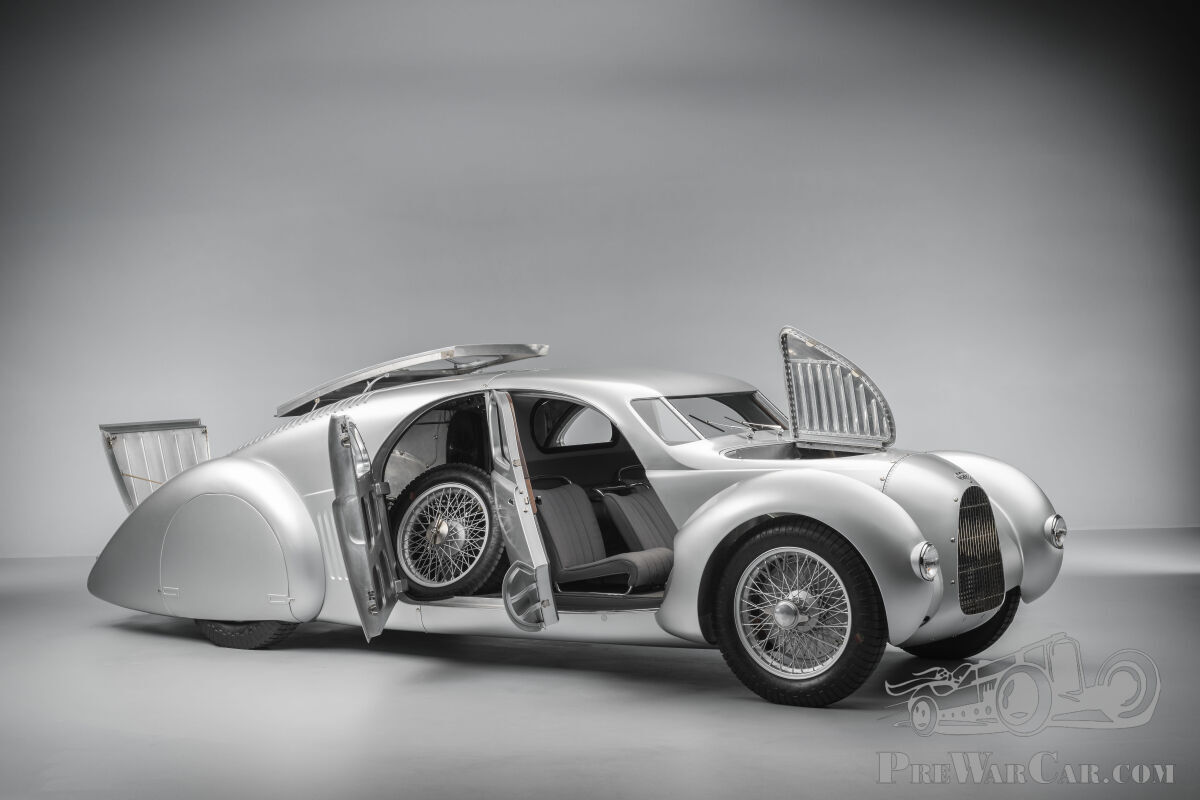
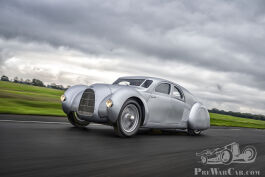
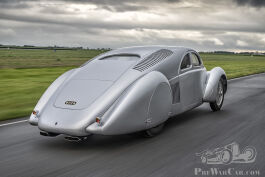
Even as a 1930s design, it looks like a vision from the future
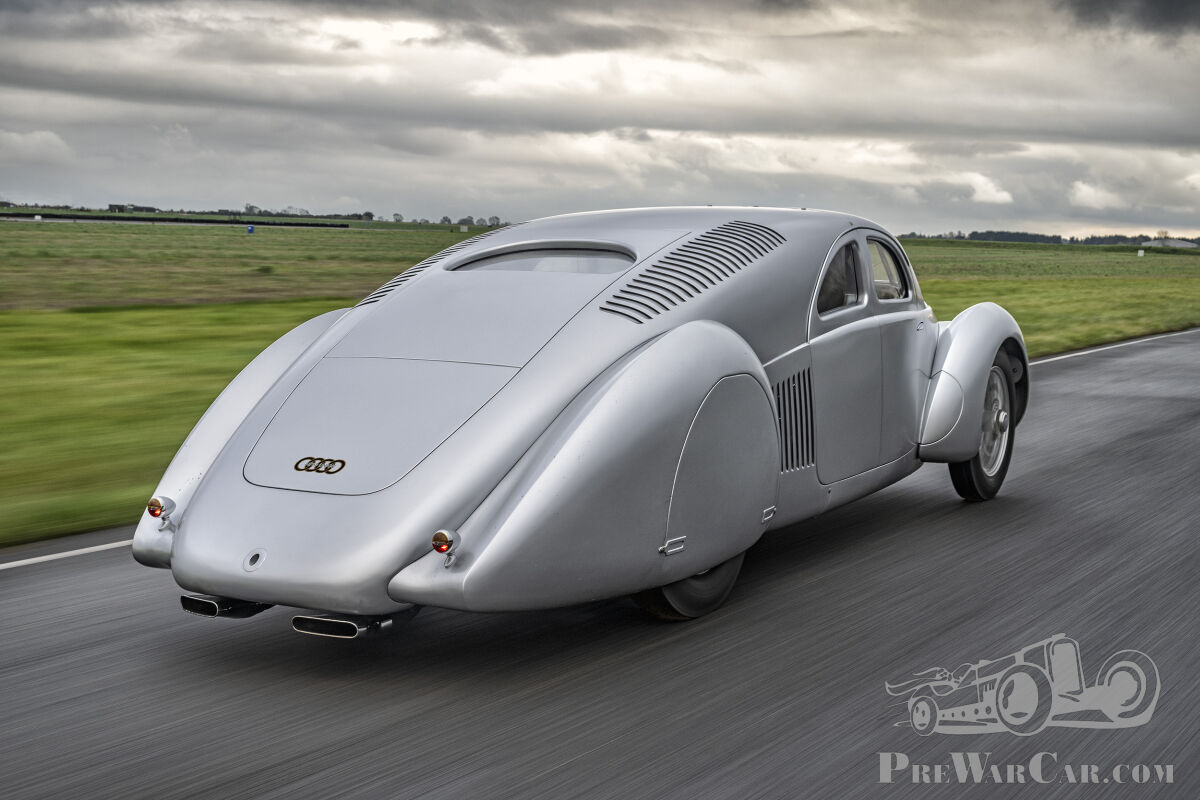
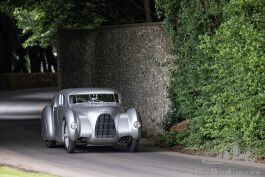
Had it been built in period, it could claim to have been the first ever mid-engined GT car
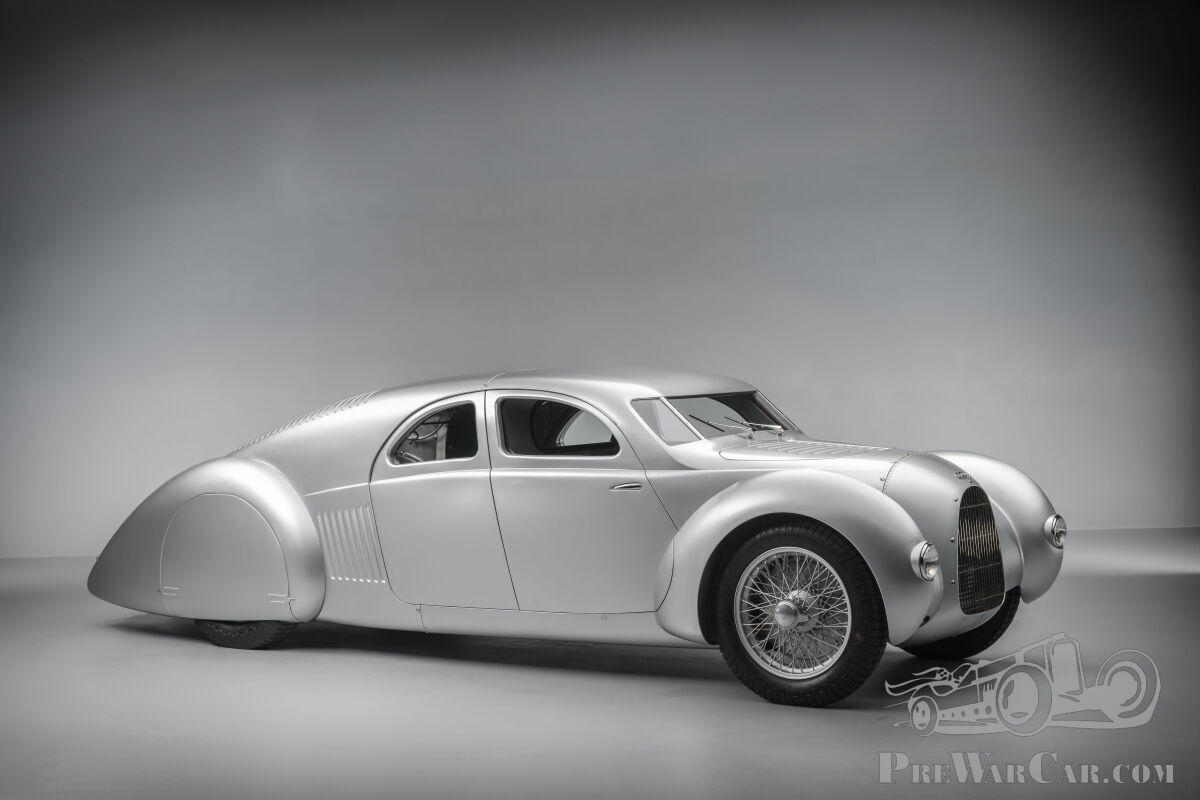
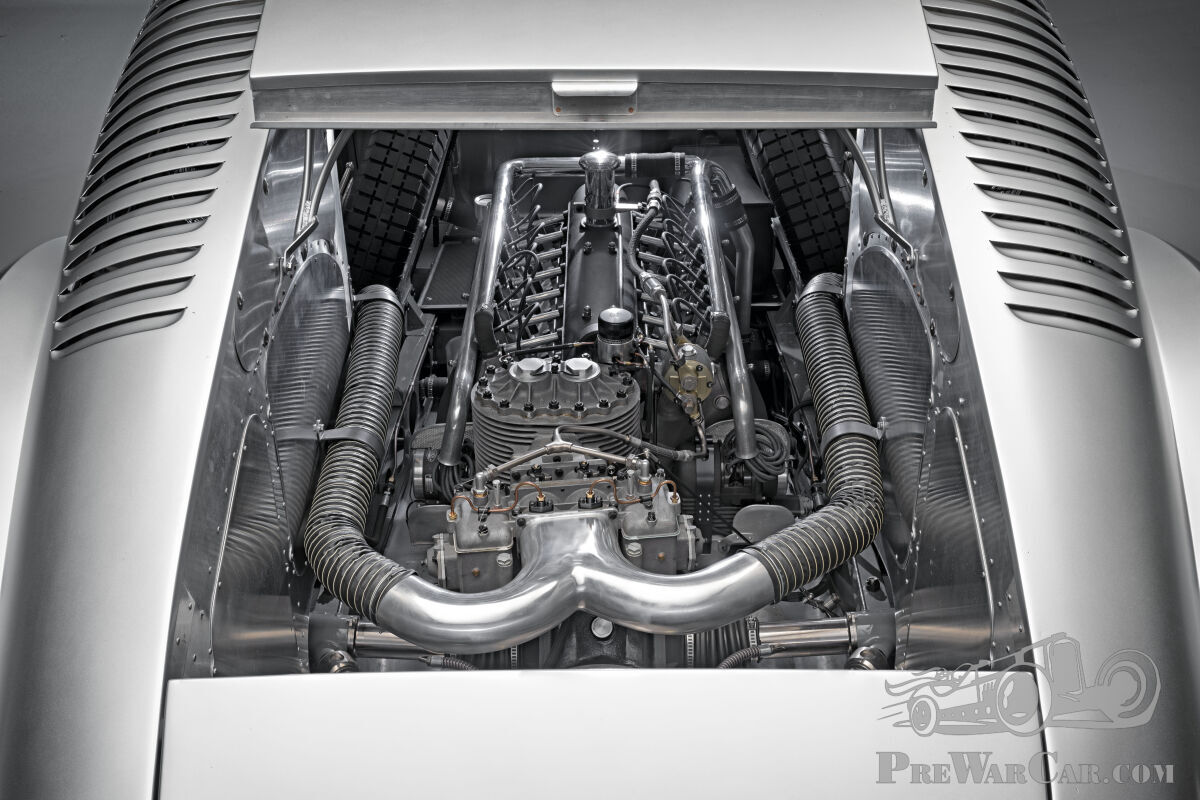
Audi Tradition utilised the six-litre, 16-cylinder supercharged engine from the Auto Union Type C
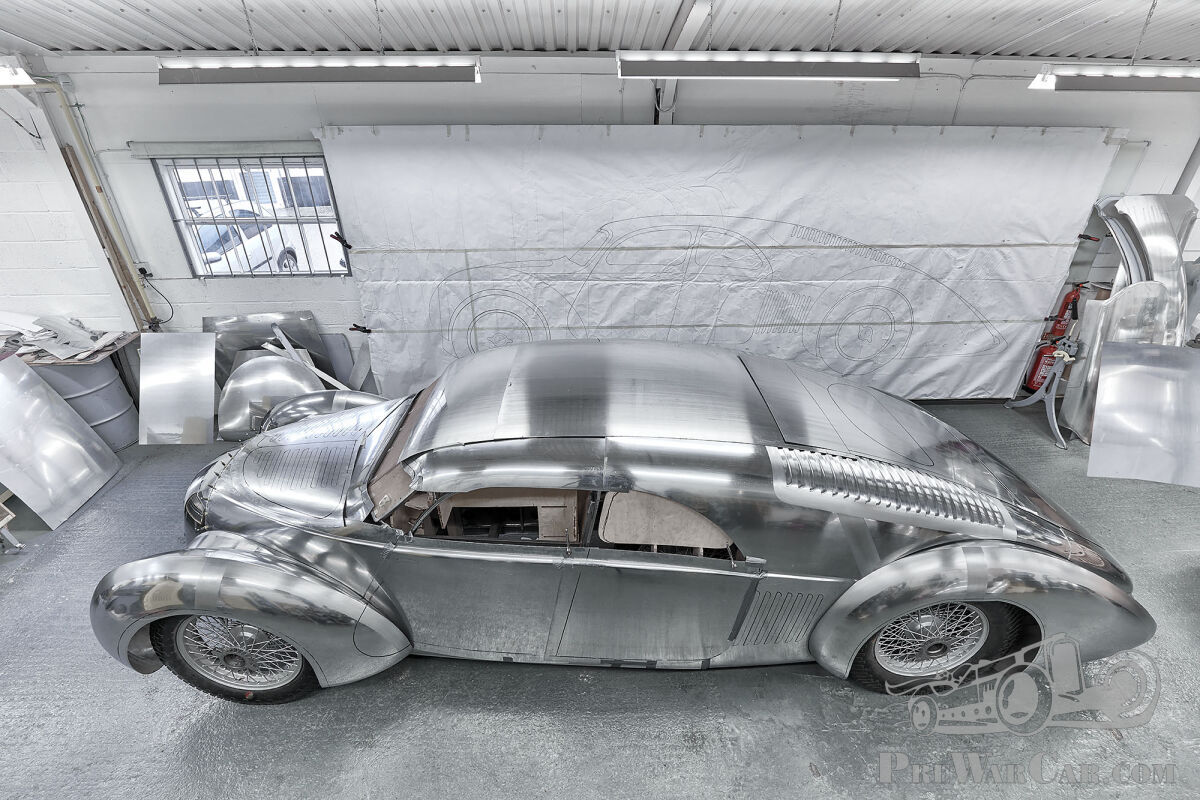
The Schnellsportwagen took shape in the English workshops of Crosthwaite & Gardiner
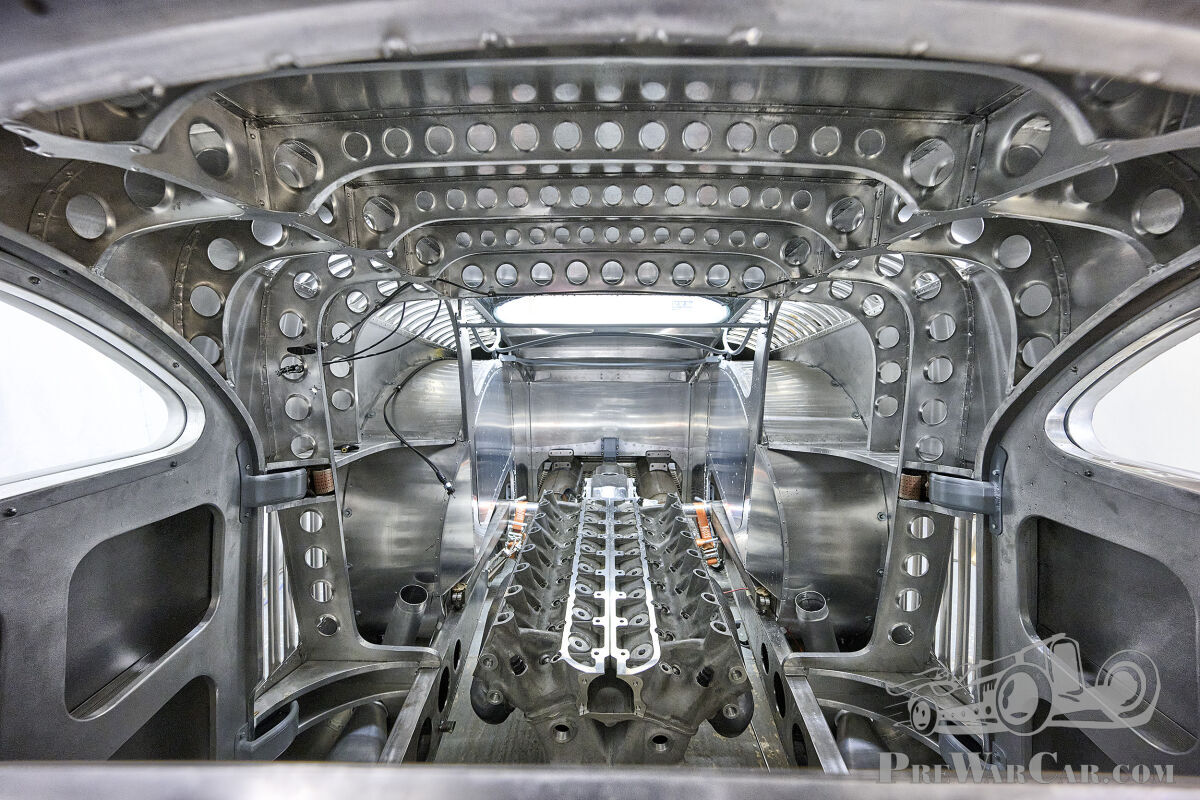
Was ever a skeleton so beautiful?
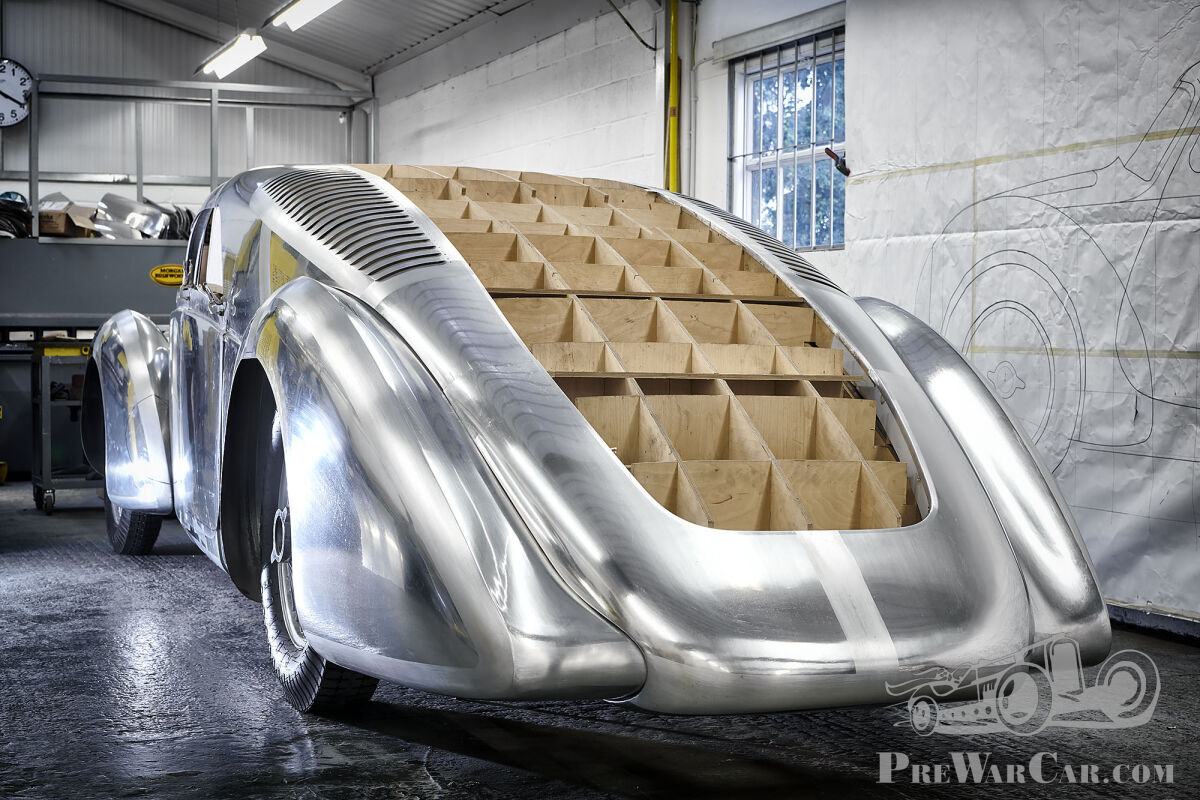
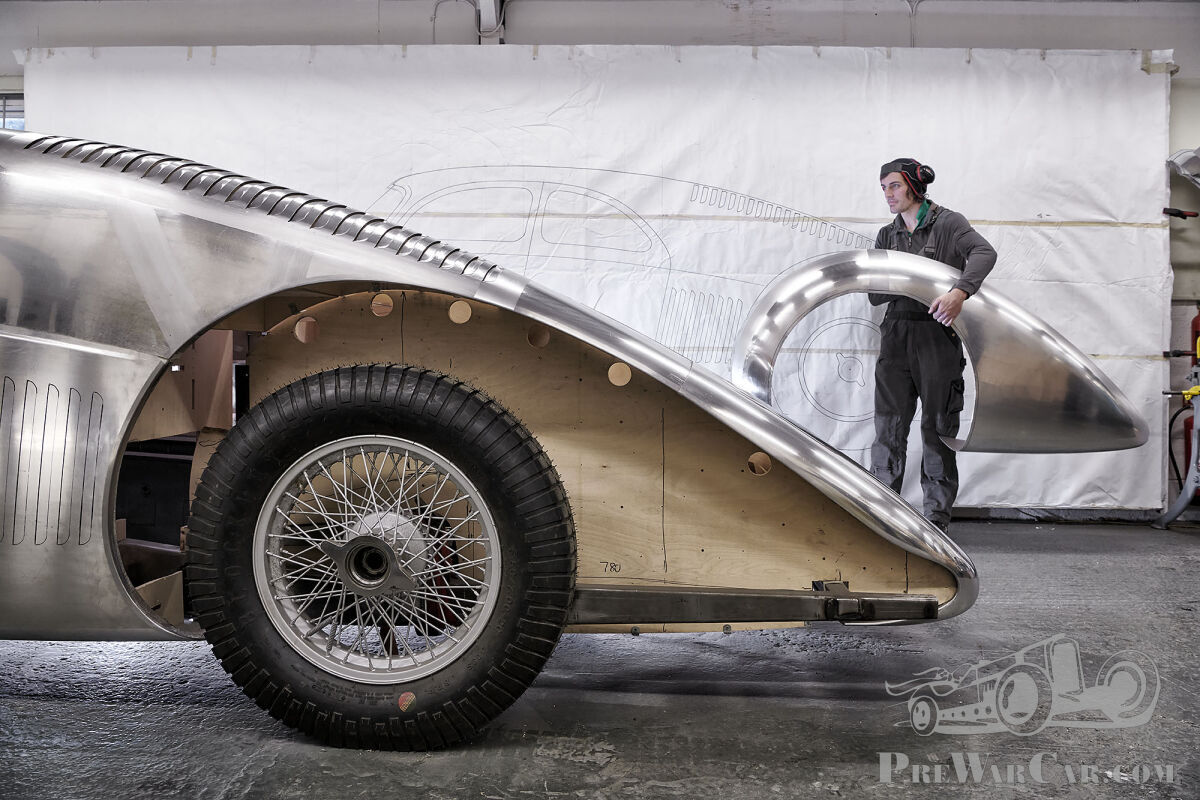
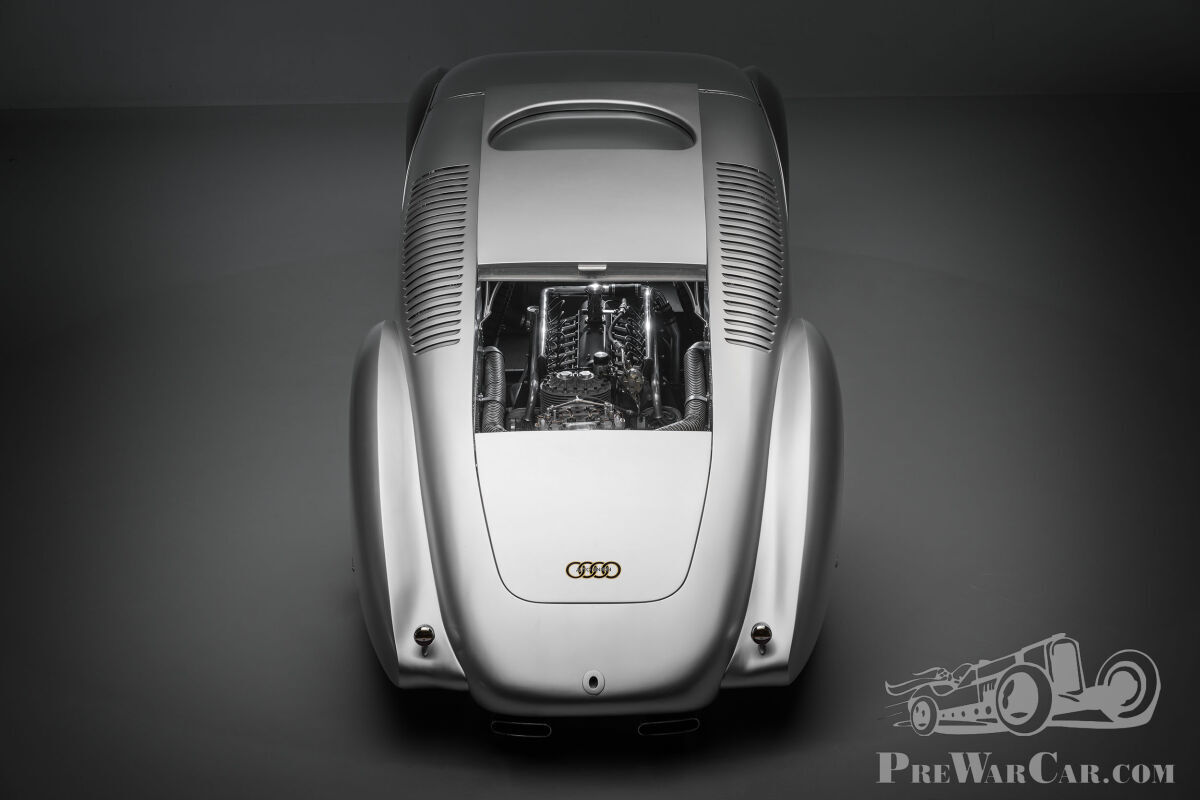
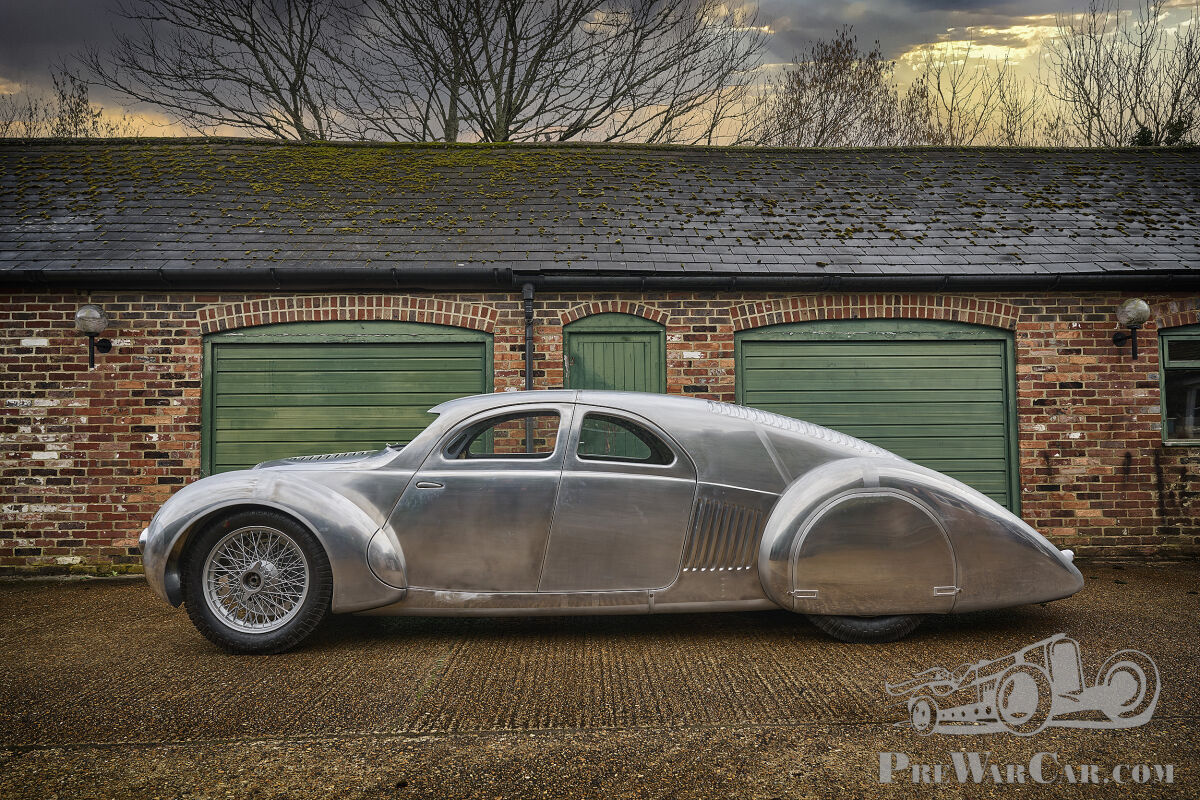
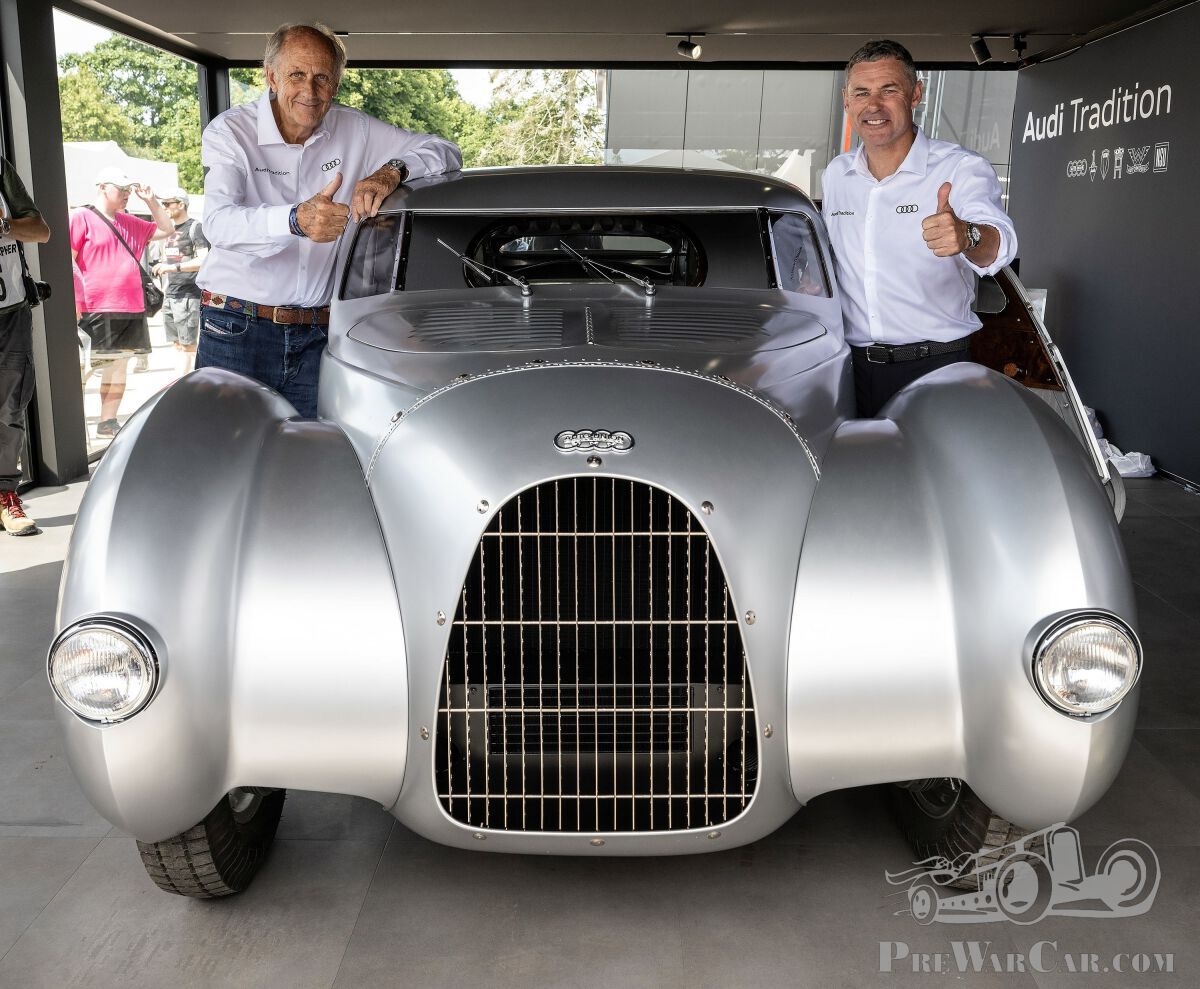
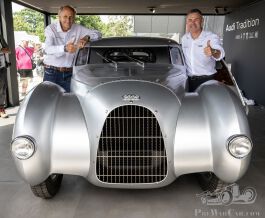
The Type 52 was unveiled at Goodwood, with Hans-Joachim Stuck (left) and Tom Kristensen
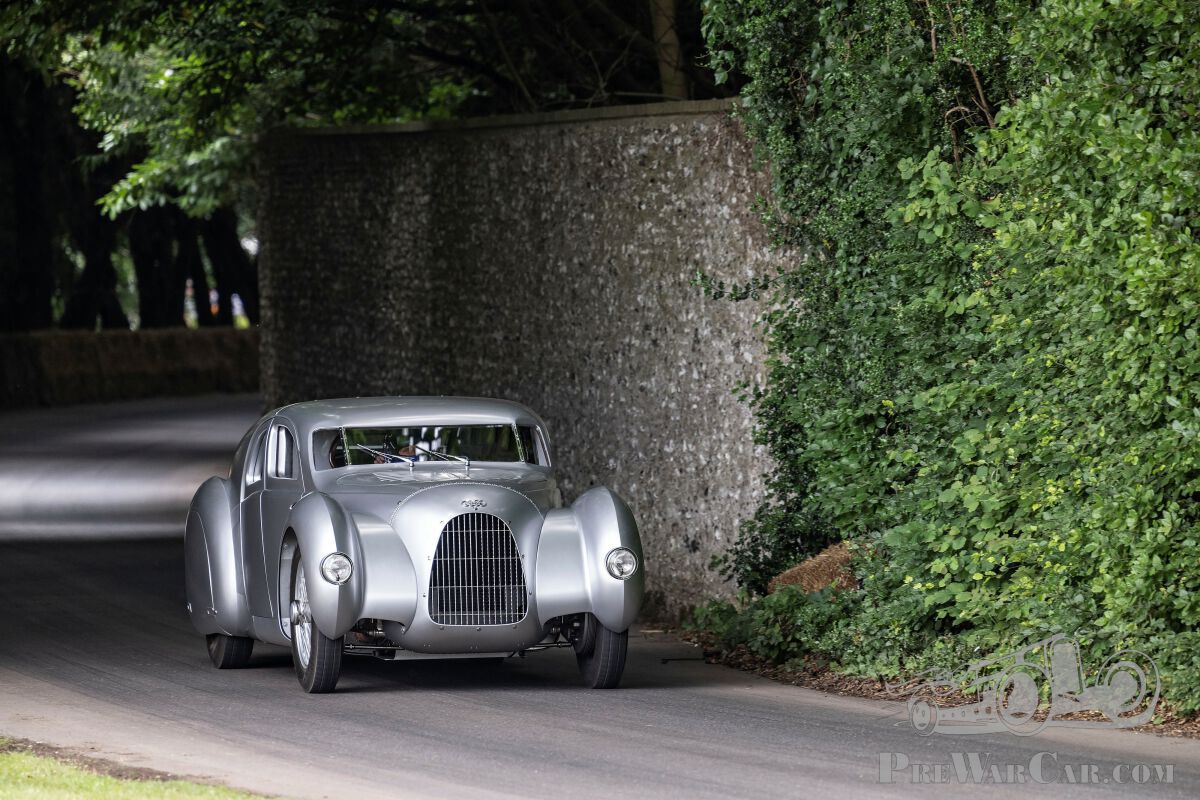


Tutti conoscono le Auto Union Silver Arrows, le leggendarie vetture da Gran Premio degli anni '30. Ma pochi sanno che era anche in progetto una versione sportiva omologata per strada con un motore a 16 cilindri, basata su queste pionieristiche auto da corsa: la Auto Union Tipo 52. Ora Audi ha costruito questa vettura, il Schnellsportwagen, e la presenterà al pubblico per la prima volta al Goodwood Festival of Speed nel luglio 2024.
Le origini della Auto Union Tipo 52
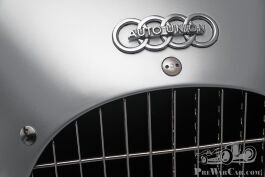
Torniamo ai tempi in cui veniva concepita la Auto Union Tipo 52: la Auto Union AG, fondata nel 1932 dalla fusione di Audi, DKW, Horch e Wanderer, si è rapidamente affermata nel mondo del motorsport per far conoscere il suo nuovo logo, le quattro anelli, a livello mondiale. Nello stesso anno furono pubblicate le regole per la nuova formula 750 kg, che venne utilizzata nei Gran Premi dal 1934 al 1936. Nel 1933, la Auto Union AG incaricò l’ufficio di progettazione di Ferdinand Porsche a Stoccarda di sviluppare una vettura da corsa basata sulla formula 750 kg. I lavori sulla Auto Union Tipo A (che internamente Porsche chiamava Tipo 22) iniziarono nel marzo del 1933. Solo un anno dopo, Hans Stuck stabilì un record mondiale guidando la vettura sul circuito dell'AVUS a Berlino. Quando le innovative vetture da corsa di Auto Union e Mercedes-Benz fecero il loro ingresso sulla scena internazionale, nacque la leggenda delle Silver Arrows.
Sportività e praticità quotidiana
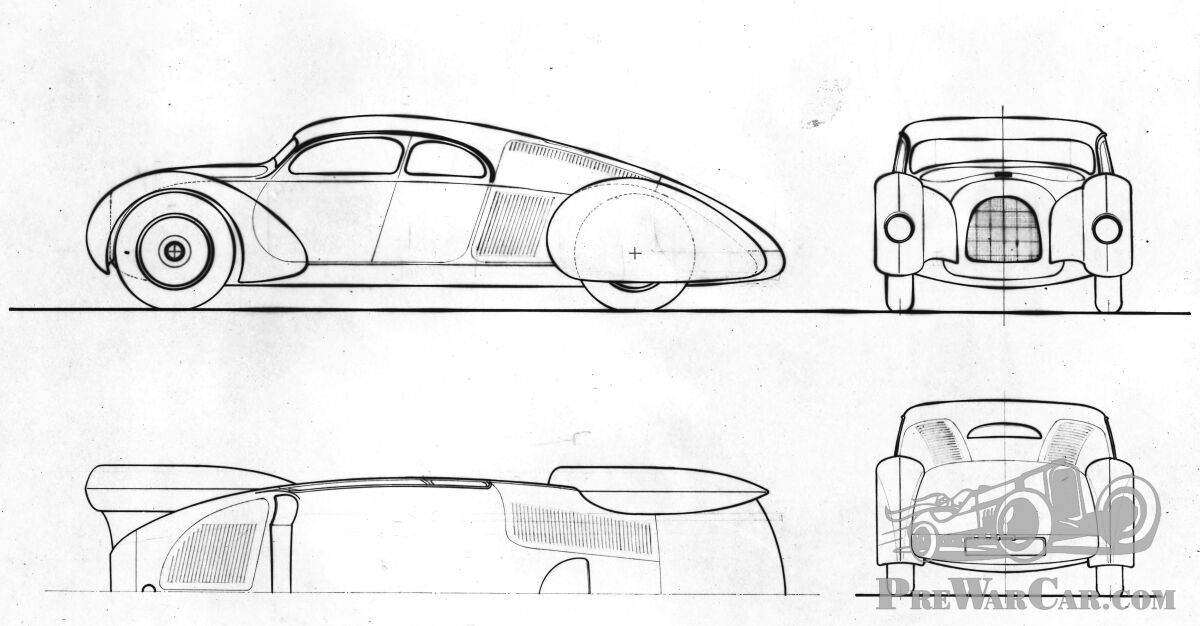
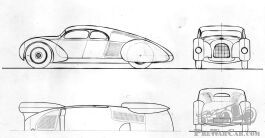
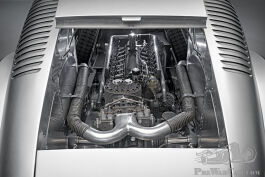
Già alla fine del 1933, l'ufficio di progettazione di Porsche aveva redatto i primi schizzi, che nel 1934 presero una forma più concreta. I responsabili decisero di costruire un’auto da test, ma come sappiamo oggi, il progetto non si concretizzò mai. Nel 1935 il progetto venne abbandonato e il suo percorso andò perso negli archivi di Audi e Porsche. Tuttavia, gli sviluppatori lasciarono un’importante documentazione all’avanguardia. Il progetto si basava sulla tecnologia della vettura da Gran Premio che veniva sviluppata contemporaneamente: il telaio della Auto Union Tipo 52 era progettato come un telaio a scala con motore centrale. Il motore della Auto Union Tipo 22 veniva utilizzato, ma la compressione del potente motore a 16 cilindri veniva ridotta per consentire l’utilizzo di benzina comune. Allo stesso tempo, il rapporto di trasmissione del compressore Roots veniva abbassato. Il motore della Auto Union Tipo 52 avrebbe dovuto erogare circa 200 CV da un motore di 4,4 litri di cilindrata a 3.650 giri/min. Con una coppia massima di 436 Nm a 2.350 giri/min, la velocità massima di circa 200 km/h avrebbe reso il Schnellsportwagen all’altezza del suo nome. Per i suoi tempi, sarebbe stato uno dei veicoli stradali più potenti e uno dei più veloci nelle competizioni di auto sportive – un vero e proprio "auto sportiva veloce".
La costruzione della vettura: Documenti storici come punto di partenza
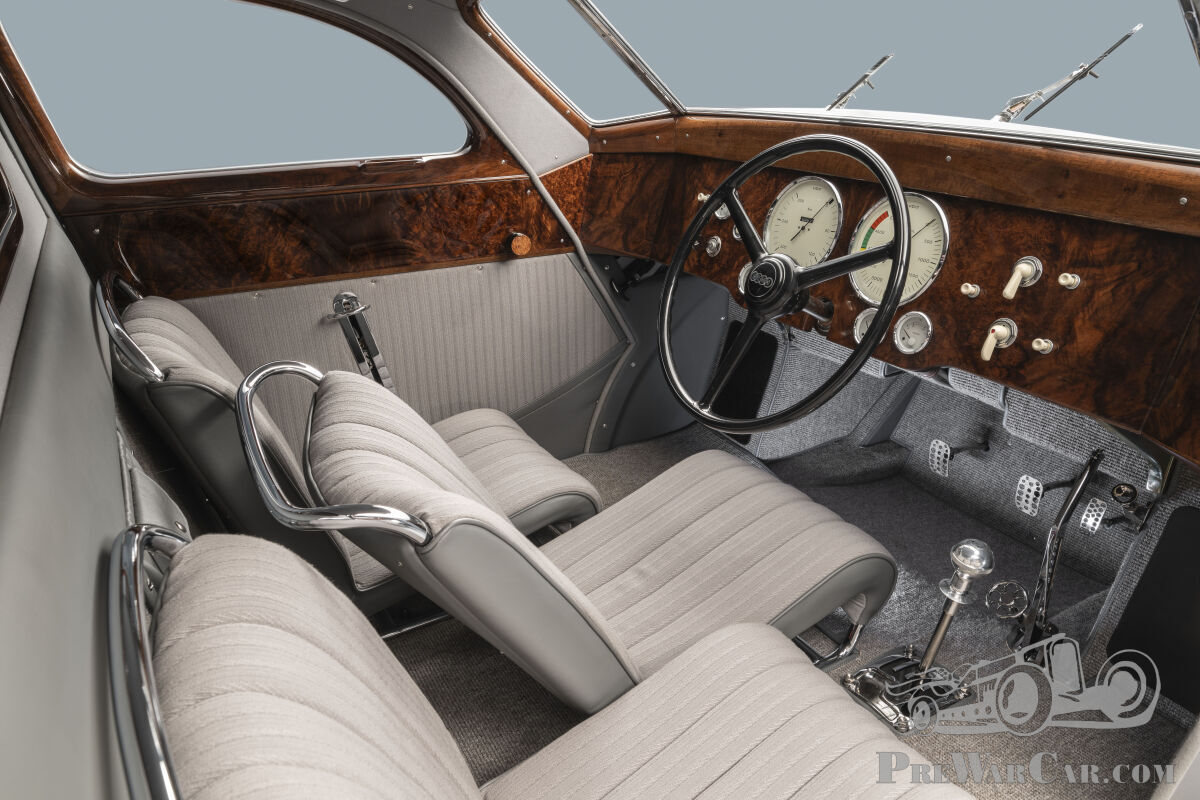
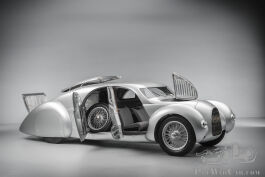
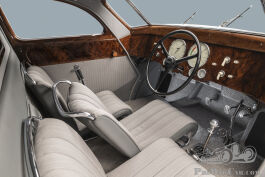
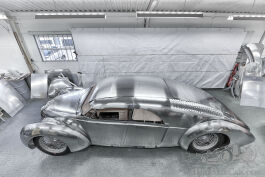
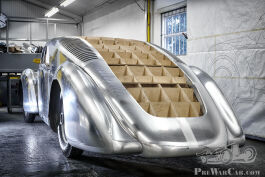
Audi ha incaricato Crosthwaite & Gardiner di costruire la Auto Union Tipo 52 utilizzando i documenti d’archivio sopravvissuti, i piani e gli schizzi di progettazione. Gli esperti britannici di restauro avevano anche curato le Silver Arrows per la collezione storica di Audi e, dopo anni di lavoro, hanno completato la costruzione del Schnellsportwagen nel 2023. Tutti i componenti sono stati realizzati su misura e costruiti a mano appositamente per il modello. Con una lunghezza di oltre cinque metri, la Auto Union Tipo 52 lascia un’impressione duratura; la sua silhouette allungata riflette come gli ingegneri abbiano progettato la vettura per ottenere l’ottimizzazione aerodinamica e massime prestazioni. A differenza delle sue sorelle da Gran Premio, la vettura è più adatta per l’uso quotidiano, come previsto dai progettisti, con un tetto, fari e spazio per i bagagli. C'è anche spazio per due ruote di scorta. Ma qui finiscono le caratteristiche di comfort della vettura a tre passeggeri. Come tipico di una vettura da corsa, il conducente della Auto Union Tipo 52 è seduto al centro, con i sedili posteriori leggermente spostati di lato. Con tre passeggeri, 70 kg di bagagli e 150 kg di attrezzatura, la scheda tecnica riporta il peso complessivo della vettura pari a 1.750 kg, con un peso a vuoto di 1.300 kg.
.jpg)
I commenti di Hans-Joachim Stuck
Audi Tradition ha presentato il Schnellsportwagen al pubblico per la prima volta al Goodwood Festival of Speed nel 2024, dove è stato guidato dal nove volte vincitore della 24 Ore di Le Mans Tom Kristensen e da Hans-Joachim "Strietzel" Stuck. Hans-Joachim Stuck, figlio del leggendario Hans Stuck, noto per le sue numerose vittorie con le Auto Union nelle gare in salita popolari negli anni '30, ha dichiarato dopo il suo primo test al volante della Auto Union Tipo 52: "Quando guido occasionalmente l'Auto Union Tipo C, che mio padre guidava, durante gli eventi Audi Tradition, l'entusiasmo e la fascinazione dei fan di motorsport sono palpabili. È una grande onore e piacere guidare per la prima volta la Auto Union Tipo 52 a Goodwood. Il Schnellsportwagen è semplicemente mozzafiato: il suo suono è incredibilmente sonoro, come se venisse da un’orchestra. E il design della Auto Union Tipo 52 ti lascerà senza parole – è geniale!"
Le sfide nella costruzione di questo modello unico
La Auto Union Tipo 52 non è mai stata completata nel periodo, quindi non esistono fotografie di un modello finito. Durante la dissoluzione della Auto Union AG nella zona di occupazione russa dopo la Seconda Guerra Mondiale, la maggior parte delle storiche vetture da Gran Premio scomparvero, così come molti documenti e fotografie. Audi Tradition si è basata sui piani e le informazioni disponibili per avvicinarsi il più possibile al modello originale.
Dati tecnici della Auto Union Tipo 52 (2023)
- Motore: 16 cilindri sovralimentato, montato centralmente
- Cilindrata: 6.005 cc
- Potenza: 520 CV a 4.500 giri/min
- Velocità massima: Non disponibile
- Carburante: 50% metanolo, 40% benzina super, 10% toluene
- Dimensioni: 5.390 mm (L) / 1.780 mm (L) / 1.660 mm (A)
- Peso: 1.450 kg
- Colore esterno: Cellulose silver
- Numero di esemplari prodotti: Uno solo
Audi Tradition ci ha permesso di ripubblicare questo articolo e non vediamo l'ora di vedere il Schnellsportwagen in azione in futuri eventi.
Pubblicato:
giovedì gennaio 16th, 2025
Facebook
LinkedIn
Twitter
WhatsApp
Email
Copy
Commenti
Steve Diggins
16 Febbraio 2025, 20:27
How can anyone use the word 'recreation' when it wasn't created in the first place?
Per saperne di più
Devin
19 Gennaio 2025, 23:21
Very much like a Tatra 77, but the Tatra was for real.
From Wikipedia :
"The Tatra 77 (T77) is one of the first serial-produced, truly aerodynamically-designed automobiles, produced by Czechoslovakian company Tatra from 1934 to 1938. It was developed by Hans Ledwinka and Paul Jaray, the Zeppelin aerodynamic engineer. Launched in 1934, the Tatra 77 is a coachbuilt automobile, constructed on a platform chassis with a pressed box-section steel backbone rather than Tatra's trademark tubular chassis, and is powered by a 60 horsepower (45 kW) rear-mounted 2.97-litre air-cooled V8 engine."
Per saperne di più
From Wikipedia :
"The Tatra 77 (T77) is one of the first serial-produced, truly aerodynamically-designed automobiles, produced by Czechoslovakian company Tatra from 1934 to 1938. It was developed by Hans Ledwinka and Paul Jaray, the Zeppelin aerodynamic engineer. Launched in 1934, the Tatra 77 is a coachbuilt automobile, constructed on a platform chassis with a pressed box-section steel backbone rather than Tatra's trademark tubular chassis, and is powered by a 60 horsepower (45 kW) rear-mounted 2.97-litre air-cooled V8 engine."
Martijn van Zwieten
19 Gennaio 2025, 12:47
What a lot of negativity.
I am personally happy that Audi is paying attention to its history, and even happier that they take the trouble to have cars that have been lost, or as in this case, not made it past the drawing board, recreated so that we can now enjoy them.
It is certainly not a fantasy car as some call it. Then there would have been no drawings from that period.
Per saperne di più
I am personally happy that Audi is paying attention to its history, and even happier that they take the trouble to have cars that have been lost, or as in this case, not made it past the drawing board, recreated so that we can now enjoy them.
It is certainly not a fantasy car as some call it. Then there would have been no drawings from that period.
Klaus Arth
18 Gennaio 2025, 12:14
I agree totally with Steve Dibbins. The car is an Audi P.R. affair, in which they spend an awful lot of money to create publicity which might raise sales. The next step is the 1935 Type B "Lucca" record car, also recreated by Crostwaithe & Gardiner. It will cost another awful lot of money. I don't believe that this is the right way for Audi.
Per saperne di più
Tony Hillyard
19 Gennaio 2025, 11:45
Perhaps Audi know more about their business than you do? Of course it is built for publicity, and what a superb forward-thinking company Audi are. I think you need to get out more my friend.
Per saperne di più
William Barlik
17 Gennaio 2025, 19:16
Another impressive bit of work from Crosthwaite & Gardiner. This gem outshines many of the restorations, recreations, and pre-war "bitsa" race cars featured throughout all the old car media. No complaints here on this interpretation of a pre-war Audi factory hot rod.
Per saperne di più
Steve Diggins
17 Gennaio 2025, 18:48
There are different categories of cars out there and this one should be listed as a 'fantasy car'.
Per saperne di più
Peter Maguire
16 Gennaio 2025, 16:22
At the time of writing this, I find the two existing comments rather interesting. In the end, it all amounts to hubris on the part of Audi Tradition. Their recreation of the entire collection of works racing Auto Unions was, I think (and perhaps many other would agree), inspiring, if only in so far as it allowed a modern audience to understand exactly what motor sport was about during the mid-to-late 1930s. Mercedes-Benz then followed suit and, again, I doubt if any would take issue with them in so doing.
As this particular car does not appear, except as some drawings, to have ever existed, to recreate it exactly to this existing information may be just about acceptable, otherwise, however superb the 'recreation', it becomes simply a figment of various imaginations and nothing more.
I will go further and say that as far as I am concerned (and I am suprised that the previous comments did not touch on this!) it sits in with all those spurious 1930s 'racing car'/Brooklands/Mille Miglia recreations, sometimes cars that actually participated in such events, sometimes not, that appear in adverts—not necessarily here on PreWarCar. Having myself constructed (as a profession, I am now very 'retired'!) a number of Austin Sevens for competitive use, I would happily say a lot more on this subject.
Per saperne di più
As this particular car does not appear, except as some drawings, to have ever existed, to recreate it exactly to this existing information may be just about acceptable, otherwise, however superb the 'recreation', it becomes simply a figment of various imaginations and nothing more.
I will go further and say that as far as I am concerned (and I am suprised that the previous comments did not touch on this!) it sits in with all those spurious 1930s 'racing car'/Brooklands/Mille Miglia recreations, sometimes cars that actually participated in such events, sometimes not, that appear in adverts—not necessarily here on PreWarCar. Having myself constructed (as a profession, I am now very 'retired'!) a number of Austin Sevens for competitive use, I would happily say a lot more on this subject.
Christoph Röhrs
16 Gennaio 2025, 14:04
In my opinion, this is also a rather questionable recreation of a planned project from the 1930s. I also find the changes to the original plans, such as displacement, power, fuel and wheelbase, incomprehensible. But 200 h.p. is probably no longer enough to generate enthusiasm today. A regrettable understanding of history in my opinion.
Per saperne di più
8E45E
04 Febbraio 2025, 14:37
Very often, one-off cars deviated from the original plans because of unforeseen issues arising along the way, as was stated with the suspension not fitting within the wheelbase as per the drawings with this car. The 'redline' drawings would be the ones to have used along with any revisions, if there were any, but as the car was never completed, there would have been no "as built" drawings to be signed off (yes, I am a mechanical engineering draftsman by trade). We should all be thankful there was enough evidence to go by to recreate this car to the best of the information still on hand.
Per saperne di più
Michael Schlenger
16 Gennaio 2025, 02:19
Not sure whether such questionable recreations should appear on a website that is dedicated to genuine pre-war cars...
Per saperne di più