La rivista e il marketplace globale per gli appassionati di auto d’epoca, creati da appassionati.
La rivista e il marketplace globale per gli appassionati di auto d’epoca, creati da appassionati.


Filter
Faccia la sua scelta
- Automobile
-
Marca >>
-
Anno >>
-
- Motociclette
-
Ubicazione >>
- Parti e altro
-
Marca dell'auto >>
-
Produttore >>
-
Categoria >>
- Biciclette
-
Anno >>
-
Paesi



“There was much consternation – from the chickens – as the taxi was pulled out…”


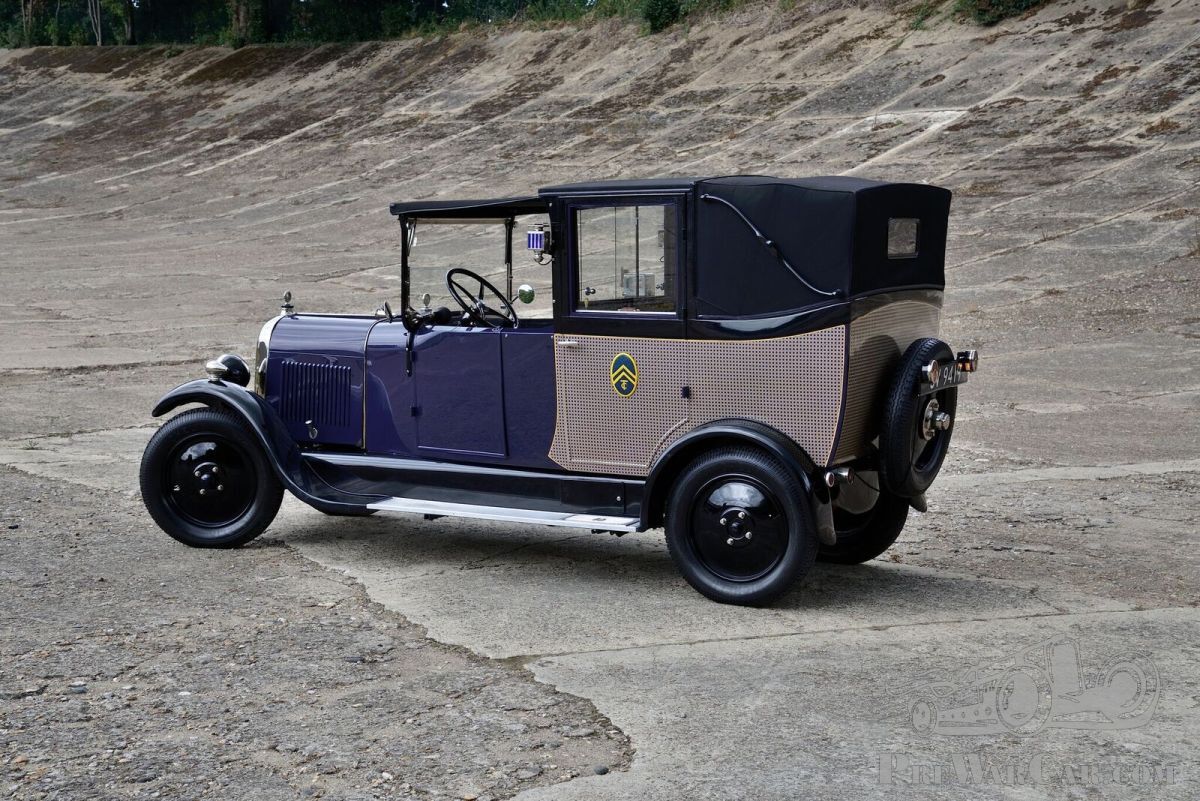
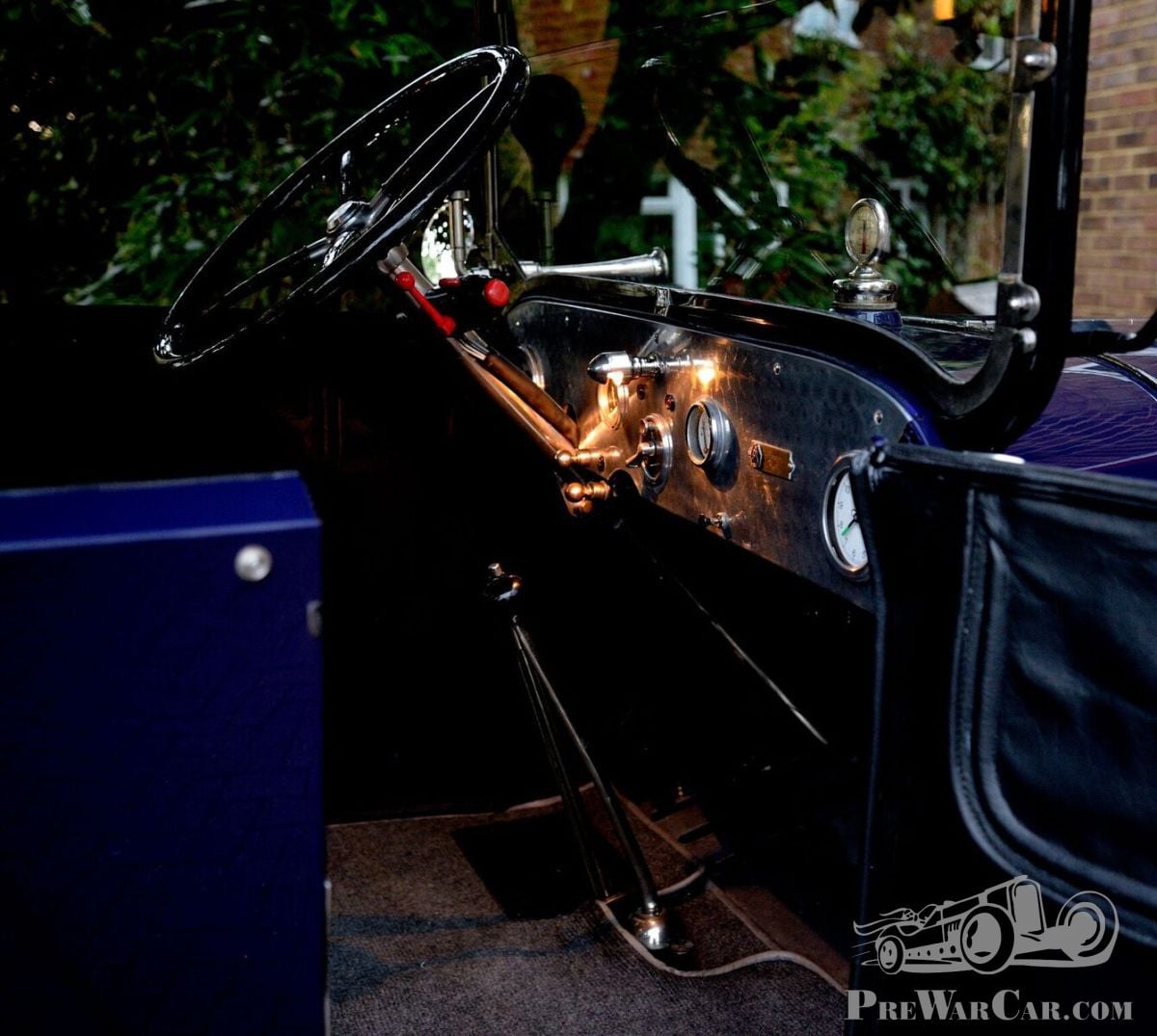
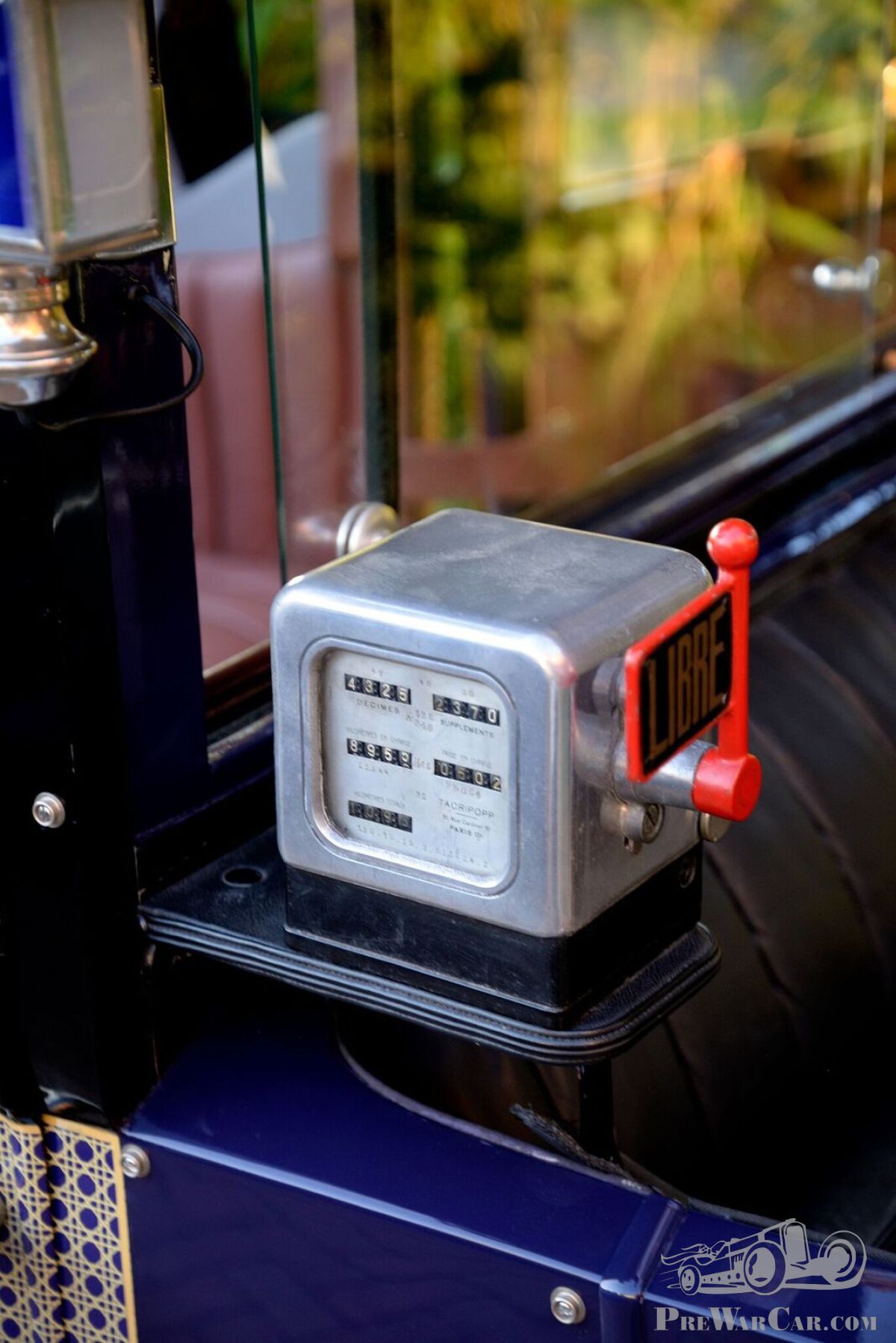

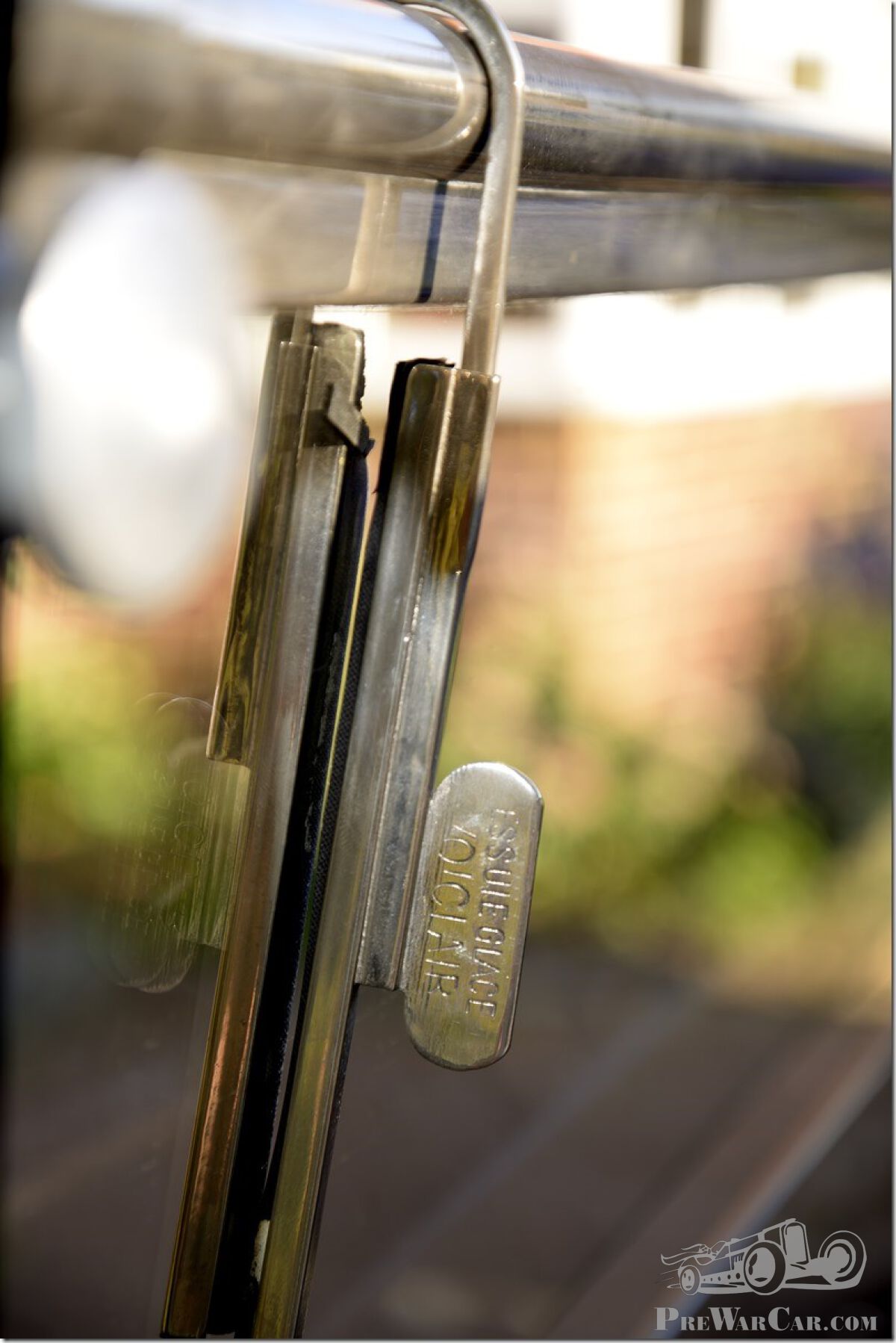

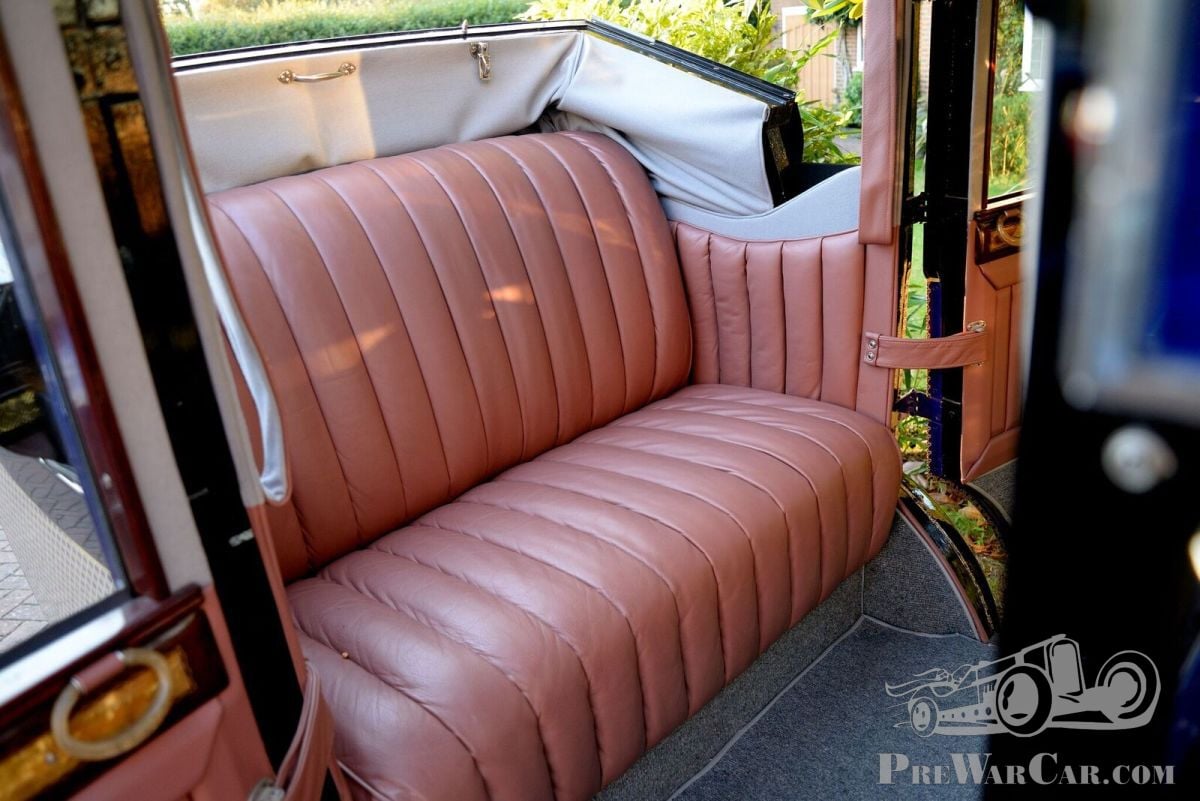
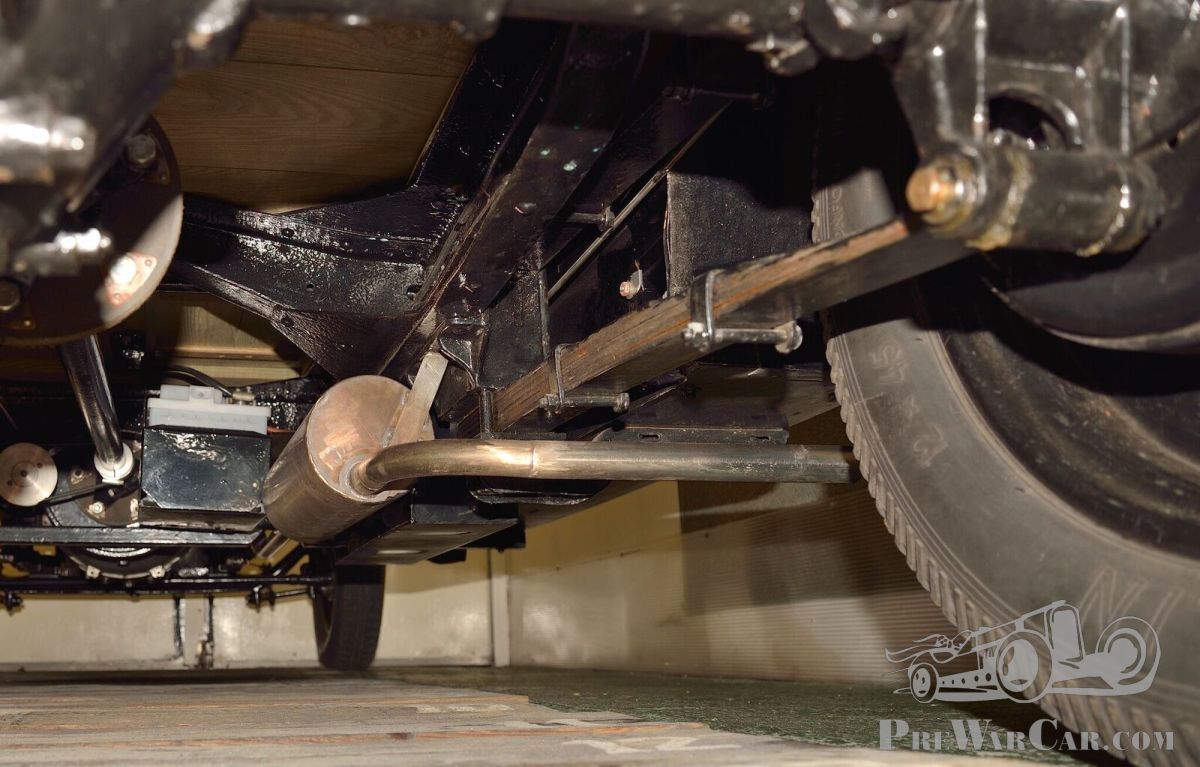
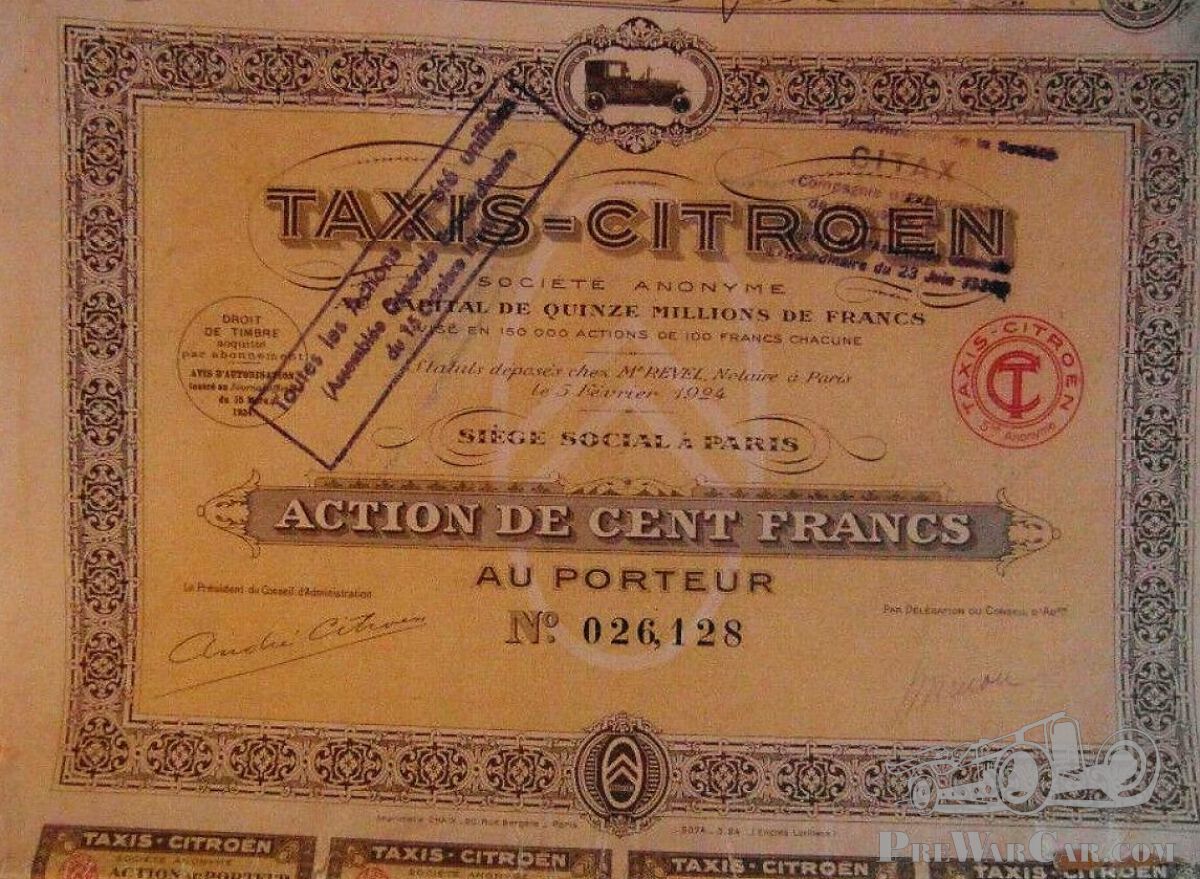
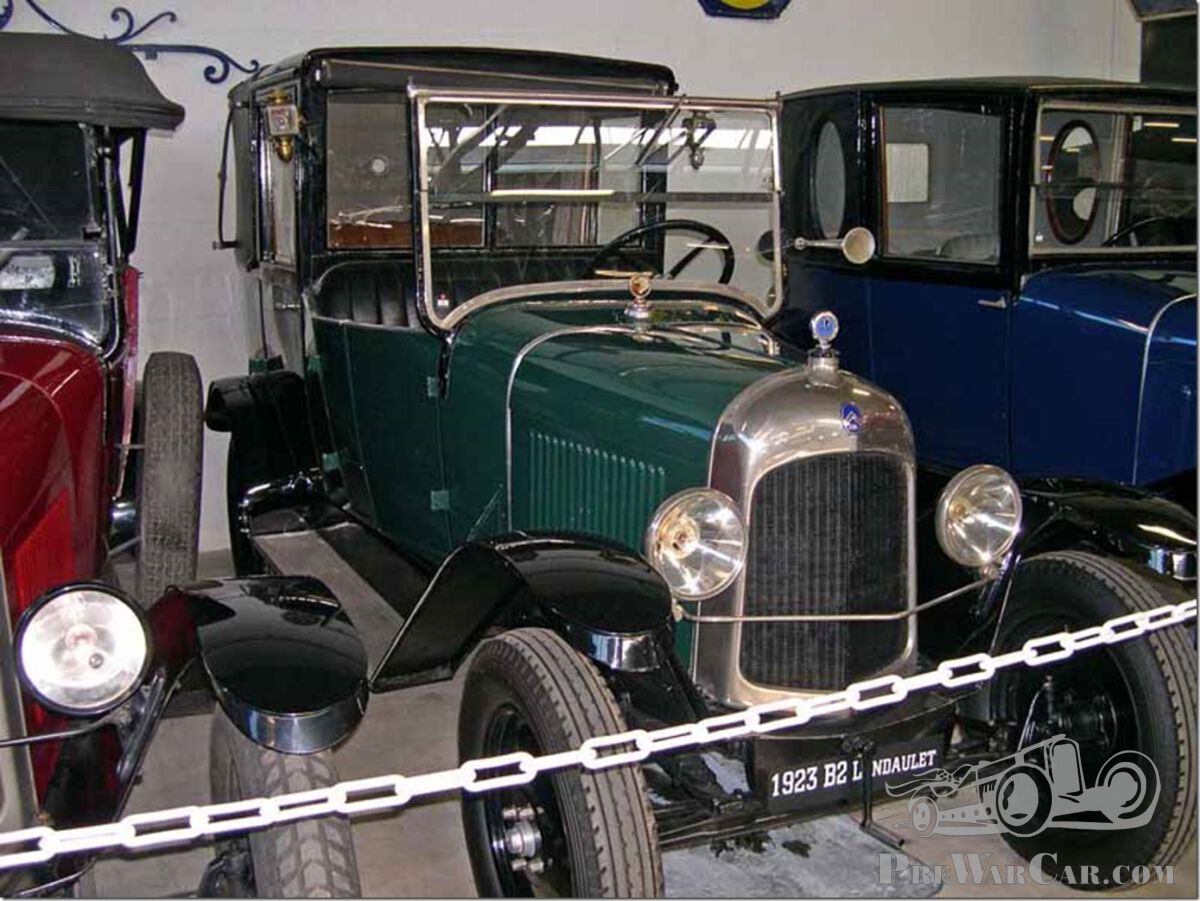


You are right when you saw the photograph of this 1926 B12 Taxi, and though I think I have seen this car before… Not that long we already published an article about this pre-war linked to the 'Cannage' article.
When we talked to Martin about the car, he also told us the interesting and funny story behind the B12 Taxi. Just to remind you. Mr Maurice Bailey who previously owned the Citroën restored the bodywork and the upholstery. And Martin de Little, the current owner of the car bought the Taxi from him prior to his death and finished the project.
Martin told us the following story:
“Mr Maurice Bailey of Orpington Kent England had been looking for his final big restoration project, he found it and purchased the remains of the Taxi from a farm just outside Paris in 1998. It is worth remembering that not many of these vehicles were ever made. Estimates vary from between 1500 to 2000 made. These vehicles were on the roads (mainly in Paris but also other large towns and cities) for only a few years – about 1922 until 1927. By 1927 these Taxis were giving way to the all steel B14 Taxis of a completely different design including; windows and roof for the driver.
The fate of the B2, B10 and B2 taxis of this design was, it seems, to typically have the back of the vehicle stripped away and the Taxi converted to a simple lorry/truck. When finally the truck broke down/wore out it was often parked and forgotten. As found by Maurice, it was not only in a shed but the main support for the shed - and home to a lot of chickens. There was much consternation – from the chickens – as the lorry/taxi was pulled out…
Although it was in a terrible state this vehicle had enough “clues” about it to confirm that it had almost certainly once been a taxi. They included:
- The remains of the strapontin seats recessed into the front bulkhead. So far as anyone understands it, strapontin seating was not to be found in standard landaulet/brougham vehicles, only in a taxi. It has been said that if the rear seats were occupied then a person riding on the strapontin travelled free!
- The original rear doors and door furniture – with horn door pull handles etc.
- The twin front doors on the passenger side where 2/3 of the door was for normal use and 1/3 could be opened as well - for the placing of baggage in the car. Some people say this was a Citroën first with the baggage being placed in the front of the “cab” next to the driver. I cannot say if it is true or not.
- The carrosserie badge is of the “IDEAL” workshops based in Levallois Perret which was the principal the area of Paris that Citroën’s taxis were working from. See also the picture of the address as it is today – Oh la la!
- The turn indicators and horn button were found, like so many parts of this car, at an autojumble and probably came from a vintage Citroën lorry or charabanc.
With permission from the Citroën Conservatoire Maurice photographed and measured a B2 Landaulet in their care (the B12 is substantially the same as the B2 but boasts shock absorbers at the rear, differently shaped front wings etc).
This information allowed him to restore what remained of the vehicle to the correct sizes - in all sorts of ways.
Some details:
- The plafonnier was made from bits and pieces of brocante.
- The rear seats and interior is completely new and entirely upholstered in “Bridge of Weir” leather – a very soft and luxurious leather found only in THE most expensive of motor cars.
- The front seats are “Connolly leather” – a little harder wearing than Bridge of Weir.
- The door cappings are mahogany.
- The roof lining is “West of England wool”.
- The outer roof material is Gebruder Happich also known as “Sonnenland”.
- Inside the passenger compartment are the usual terms and conditions found in any taxi. Towards the end of the instructions is information for a gentleman who may have procured a “dame de nuit”, and wish to make a visit with her to the Bois de Boulogne or Longchamps race course – at night! Oh la la...
.jpg)
.jpg)
.jpg)
.jpg)
.jpg)
.jpg)
Maurice passed away in August 2017. I have done the finishing work (with a few details still to be attended to) to the Taxi. Things like: the gearbox leaking oil onto the rear brake drum, the steering with too much “play in it”, prop shaft out of alignment, speedo not working, magneto not working properly, the timing of ignition etc.”
We are curious to know if one of you can tell us more about these B12 Citroën Taxis. In particular, the ones built in 1926. Please comment below.
Words by the editor. Story and photographs sent in by Martin de Little.
Pubblicato:
venerdì febbraio 14th, 2020
Facebook
LinkedIn
Twitter
WhatsApp
Email
Copy
Commenti
Michael Rodgers
13 Febbraio 2020, 22:46
Anthony Gouldsmith
29 Novembre 2018, 18:53
Good to see the finished taxi. I also have a B2 truck which was also previously a taxi and would be pleased to have a closer look at Martin`s B12 at a show maybe next year.
Per saperne di più
jac de vries
28 Novembre 2018, 17:11
In 2016 i went to Maurice living in Orpington , saw his beautiful B12 citroen in real live.
He loved his car and told us nice story's about her.
I was there because i bought spare parts for my standard big nine saloon of 1930 which he had for me
greetings Jac de vries
Per saperne di più
He loved his car and told us nice story's about her.
I was there because i bought spare parts for my standard big nine saloon of 1930 which he had for me
greetings Jac de vries
I am doing this research on behalf of a French car club
Michael Rodgers - [email protected]