La rivista e il marketplace globale per gli appassionati di auto d’epoca, creati da appassionati.
La rivista e il marketplace globale per gli appassionati di auto d’epoca, creati da appassionati.


Filter
Faccia la sua scelta
- Automobile
-
Marca >>
-
Anno >>
-
- Motociclette
-
Ubicazione >>
- Parti e altro
-
Marca dell'auto >>
-
Produttore >>
-
Categoria >>
- Biciclette
-
Anno >>
-
Paesi



Trattori o carri attrezzi: che tipo di veicoli sono?
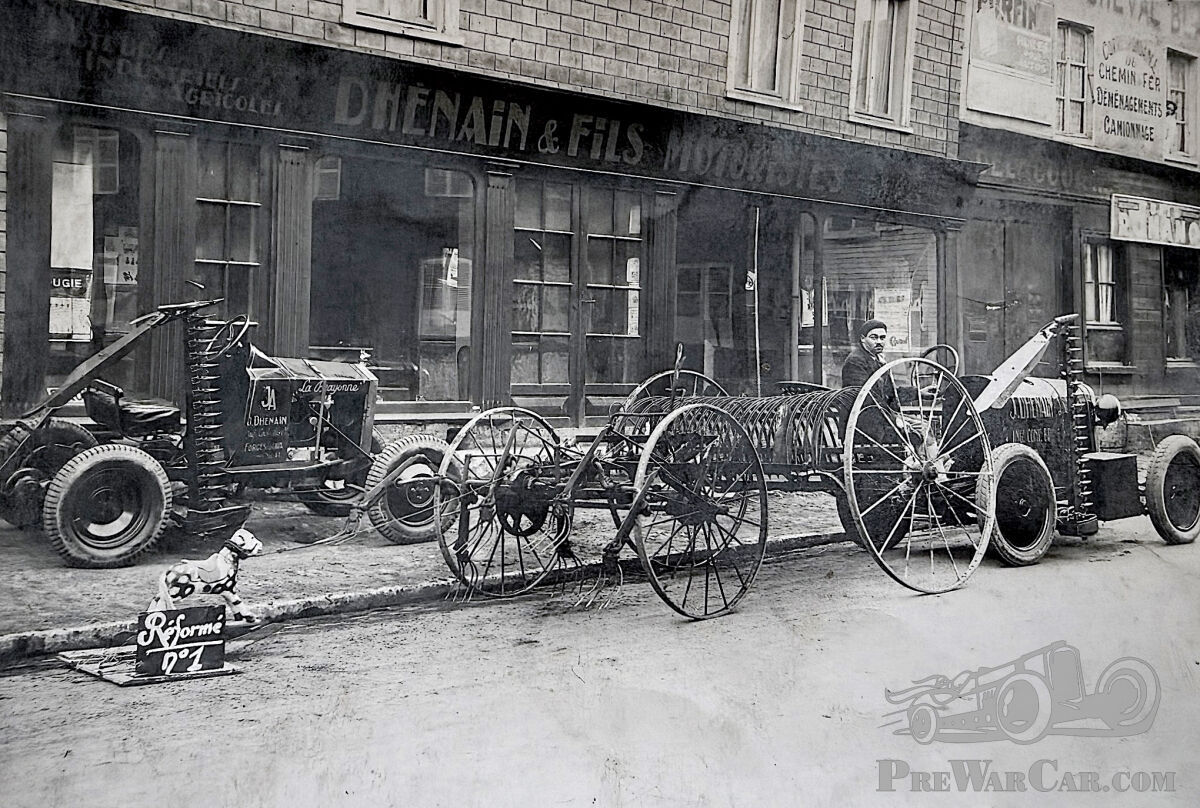
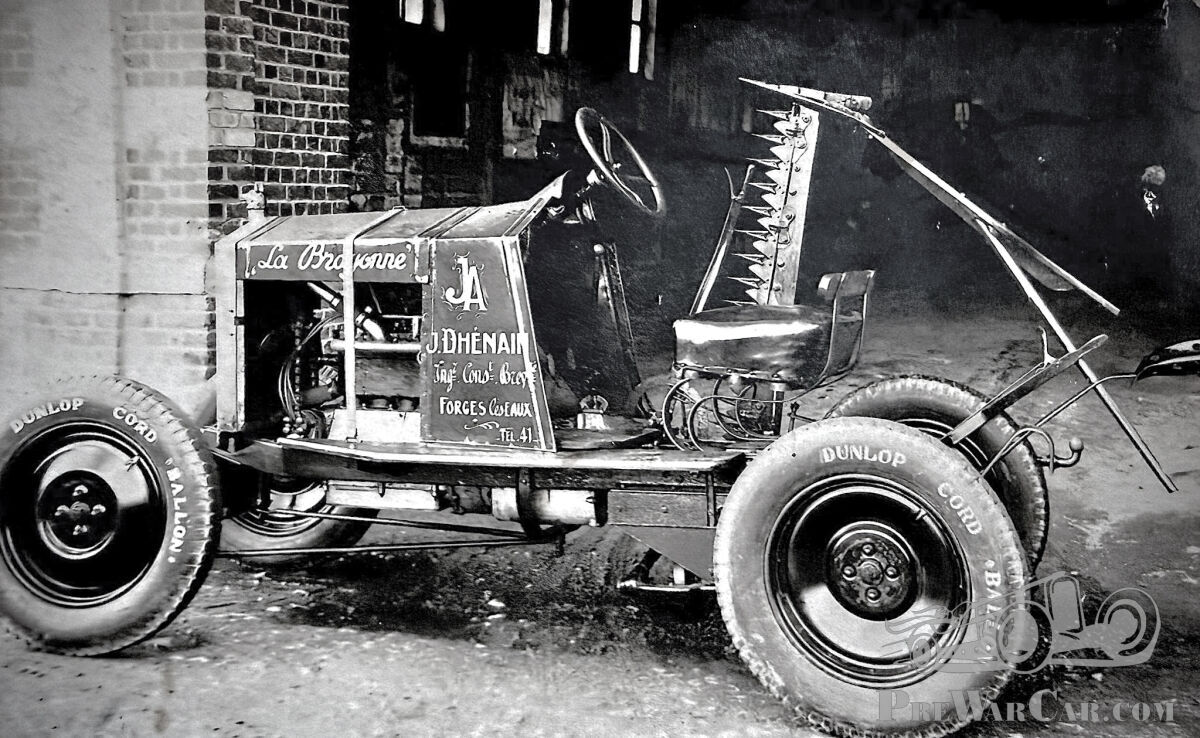


Queste fotografie mostrano il Garage J. Dhénain di Forges-les-Eaux, in Francia, in tutto il suo splendore degli anni Trenta, intrise dell’atmosfera della vita quotidiana di un tempo, fatta di aziende agricole a conduzione familiare e semplici tradizioni di paese. Sono state condivise dal nipote dell’allora proprietario del garage, desideroso di saperne di più sulla loro storia.
Ciò che ha maggiormente attirato la nostra attenzione sono i due veicoli parcheggiati davanti all’officina. Entrambi sono dotati di attrezzature che sembrano destinate a impieghi agricoli. D’altra parte, il Garage Dhénain era specializzato anche in Moteurs Industriels & Agricoles — motori industriali e agricoli — come si può leggere sulla facciata. Queste due macchine sembrano effettivamente trattori equipaggiati con pneumatici Dunlop “Ballon”, ma lo sono davvero? Con il nome dell’officina ben visibile sulle fiancate, potrebbero altrettanto facilmente aver svolto il ruolo di veicoli di traino o soccorso stradale. E chissà quale fosse la loro base meccanica.
L’esemplare parcheggiato sul marciapiede, visibile da solo nella seconda fotografia, lascia intravedere gran parte del motore e della trasmissione. Un dettaglio che dovrebbe fornire ai nostri esperti elementi sufficienti per identificarlo. Ha persino un nome: La Brayonne. Curiosamente, nelle vicinanze esiste ancora oggi un bed & breakfast che porta proprio questo nome, il che lascia pensare che il collegamento possa non essere una semplice coincidenza.
Testo di Jeroen Booij
Fotografie di Guy Dhénain
Pubblicato:
mercoledì giugno 10th, 2026
Facebook
LinkedIn
Twitter
WhatsApp
Email
Copy
Commenti
Gilbert LENOIR
16 Giugno, 17:30
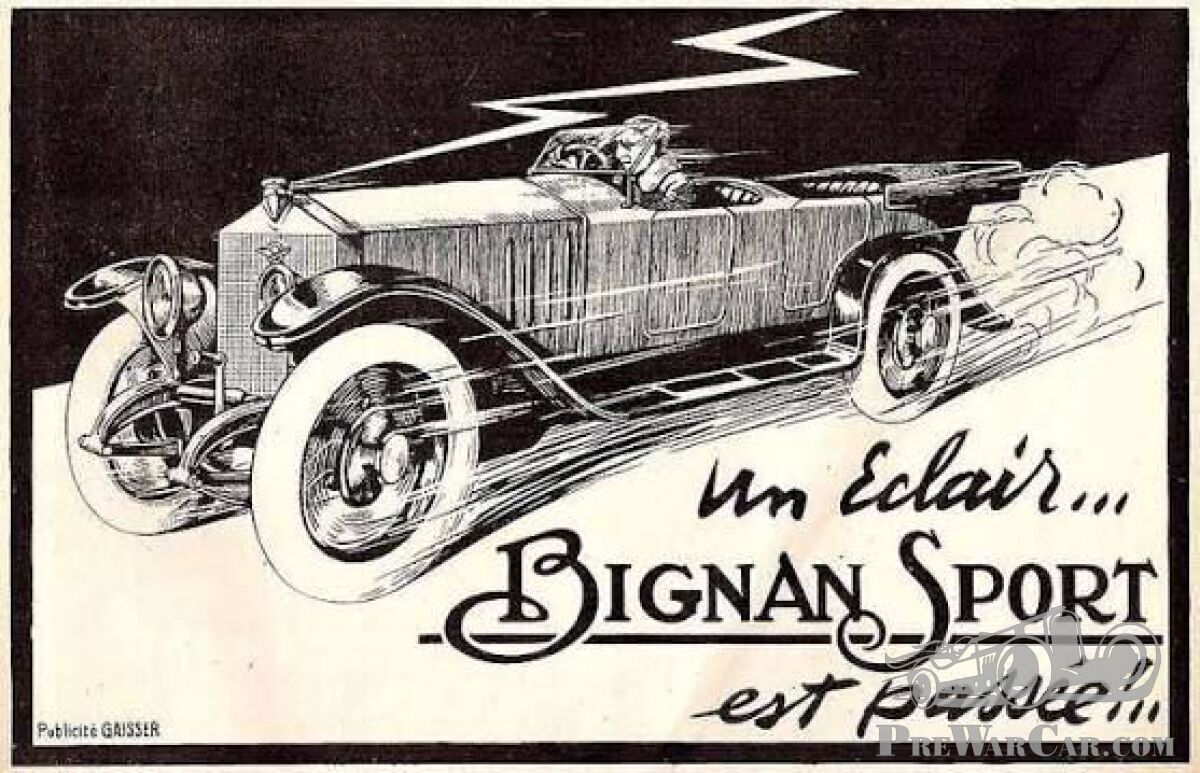
Pascal is right, one is based to a Salmson (Bignan same engine)
Per saperne di più
labbe j pascal
15 Giugno, 18:30
Hello, the ‘Brayonne’ tractor is built from a Val Salmson cyclecar!!! You can easily recognise the 1100cc engine, the gearbox and the sadly modified chassis... a common practice at the time and right up into the 1960s... Where is it now? There’s one left... known to the Salmson Club
---
bonjour ,le tracteur "brayonne" est fabriqué a partir d un cyclecar val salmson !!! on reconnais facilement le moteur 1100 et la boite de vitesse et le chassis" tristement" modifié ... pratique courante a l époque et jusque dans les annees 60 .. ou ce trouve t il maintenant ?il en reste un ..connu a l amicale salmson
Per saperne di più
---
bonjour ,le tracteur "brayonne" est fabriqué a partir d un cyclecar val salmson !!! on reconnais facilement le moteur 1100 et la boite de vitesse et le chassis" tristement" modifié ... pratique courante a l époque et jusque dans les annees 60 .. ou ce trouve t il maintenant ?il en reste un ..connu a l amicale salmson


YVES ROUSSEL
15 Giugno, 11:25
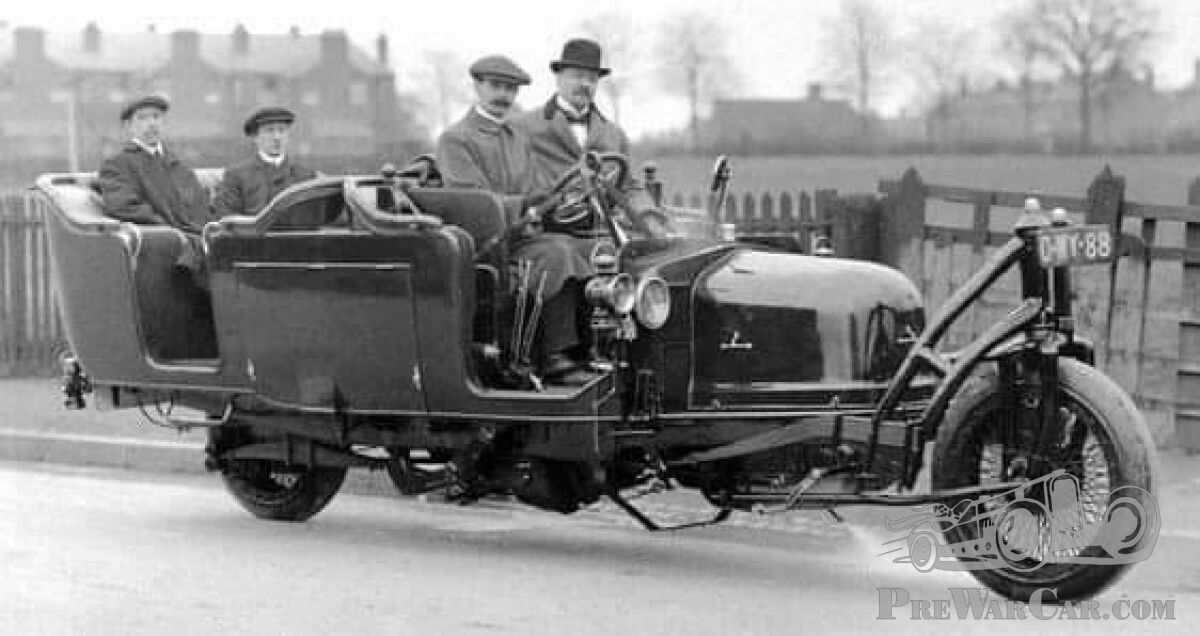
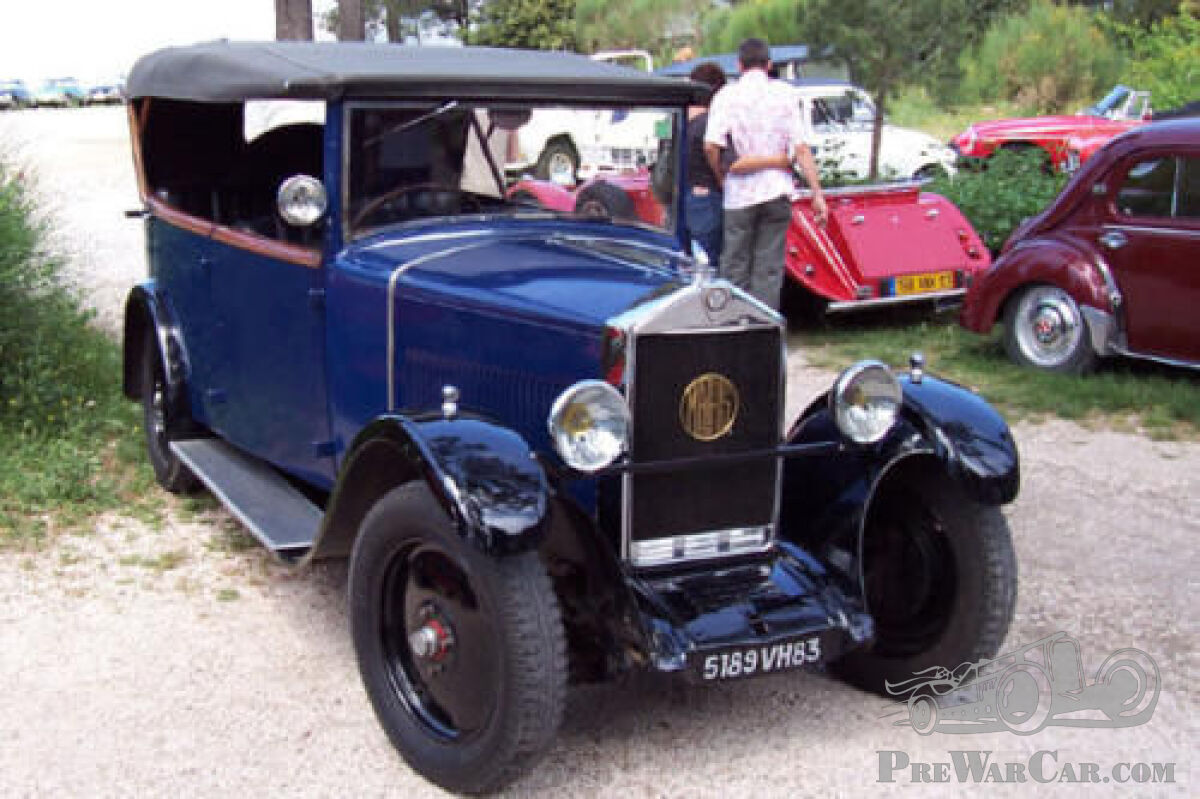
I don’t think we should be looking at British makes, but rather French ones, as this photo was taken in France (probably Forges-les-Eaux). So I’m thinking of a Mathis from the mid-1920s, which had a very similar radiator.
---
Je ne pense pas qu'il faille aller chercher dans les marques anglaises mais bien plus dans les marques françaises car cette photo est prise en France (Forges-les-Eaux probablement). Je pense donc à une Mathis du milieu des années 20 qui avait un radiateur très ressemblant.
Per saperne di più
---
Je ne pense pas qu'il faille aller chercher dans les marques anglaises mais bien plus dans les marques françaises car cette photo est prise en France (Forges-les-Eaux probablement). Je pense donc à une Mathis du milieu des années 20 qui avait un radiateur très ressemblant.
Laurens
14 Giugno, 22:29
An additional photo has been added to the article.
Per saperne di più
Robb
14 Giugno, 17:39
Nobody has commented on the dog pull toy roped to the rake? That's why the driver looks grumpy: now he has to go back to the field to find his child!
Per saperne di più
Dr. Paul Lynn
14 Giugno, 16:14
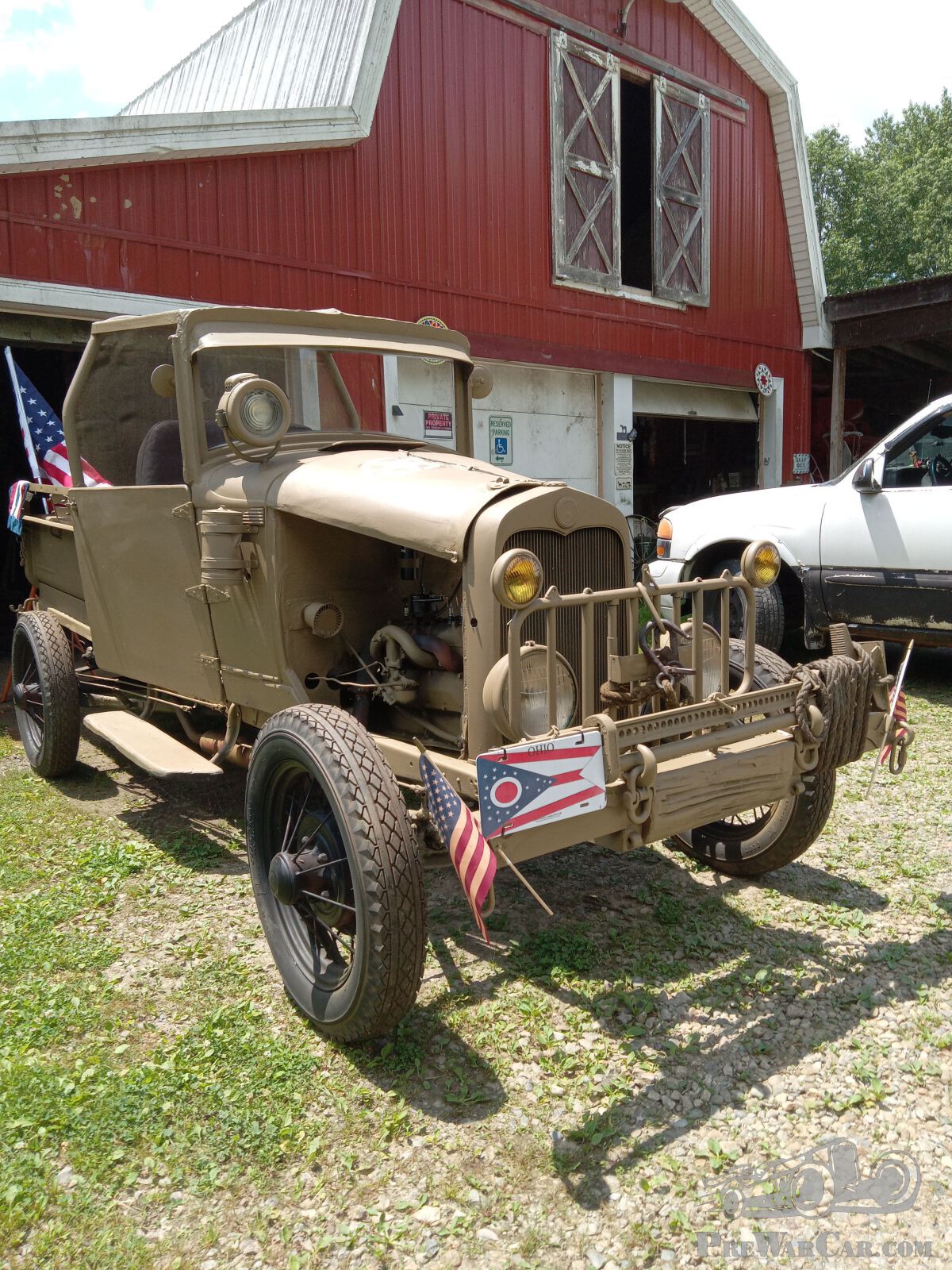
Here in the midwest region of the states , cut down automobiles were often recycled for agricultural use and known commonly as doodlebugs. My grandfather had seven derelict Ford Model Ts fitted with various agricultural implements including belt pulley for powering a sawmill and skidding logs. Enclosed is a picture of a 1926 Willys Model Four artillery tractor restored by our shop. It was commissioned under a congressional contract and manufactured in Stockport, England. The contract was for a one-quarter ton vehicle which could replace four horses. This was a precursor to the very famous Willys Jeep used in WW2.
--Dr. Paul Lynn
Per saperne di più
--Dr. Paul Lynn
Malcolm Bailey
10 Giugno, 22:09
Well said, Stig. This certainly is vintage haymaking equipment - complete with a traditional hay fork under the nearest machine. The other interesting bit is the 'tractors'. Both appear to be cut down cars and, if I'm not mistaken, the one on the left has rather come down in the world: that radiator looks to me to be Rolls Royce.
Per saperne di più
Stig Larsson
10 Giugno, 14:34
These vehicles is for haymaking. On the tracktor at the street, a beam for moving the grass down, then a mchine for making the grass too a string and last a machine too turn the string uppside down. But in the field you first move the grass down, then you make a string and in third round you turn the string uppside down. All those machines where common agriculture machines from the twnties too the fifties, at least in Sweden.
Per saperne di più