La rivista e il marketplace globale per gli appassionati di auto d’epoca, creati da appassionati.
La rivista e il marketplace globale per gli appassionati di auto d’epoca, creati da appassionati.


Filter
Faccia la sua scelta
- Automobile
-
Marca >>
-
Anno >>
-
- Motociclette
-
Ubicazione >>
- Parti e altro
-
Marca dell'auto >>
-
Produttore >>
-
Categoria >>
- Biciclette
-
Anno >>
-
Paesi



Tre misteri appartenenti a tre periodi diversi, nessuno dei quali è una Imperia
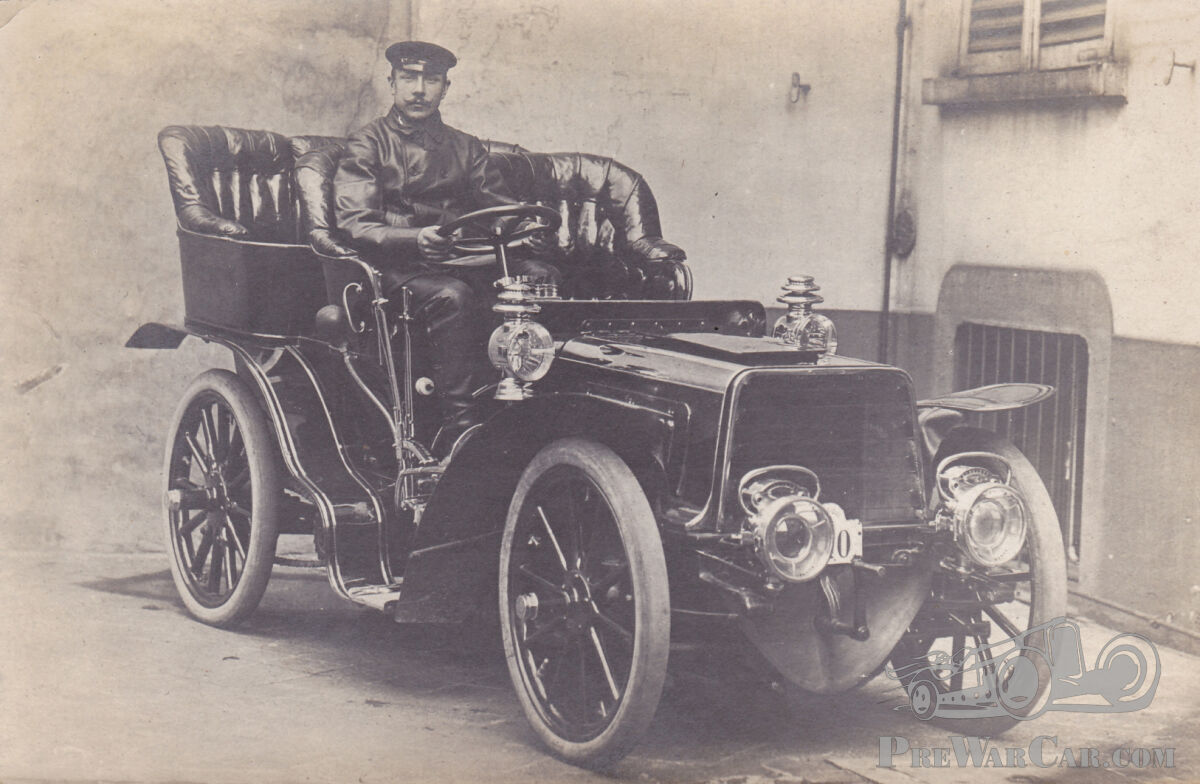
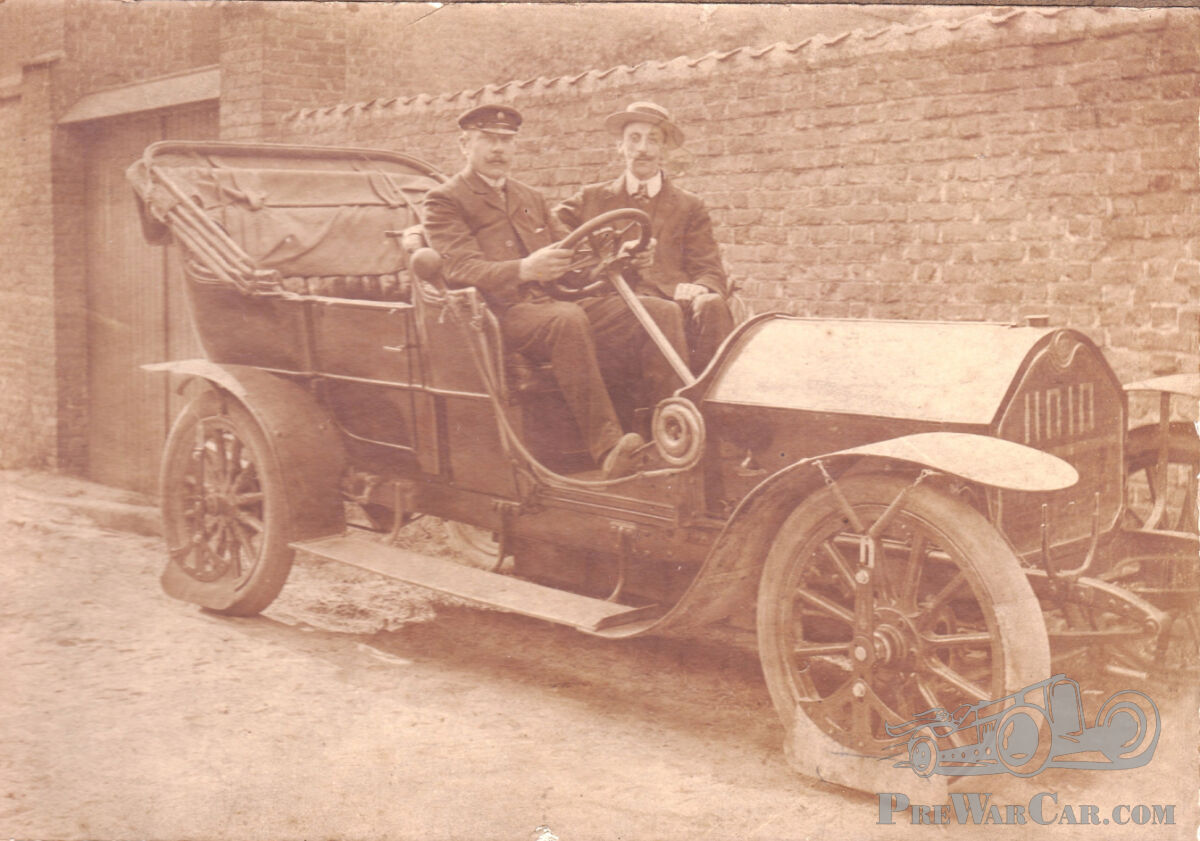
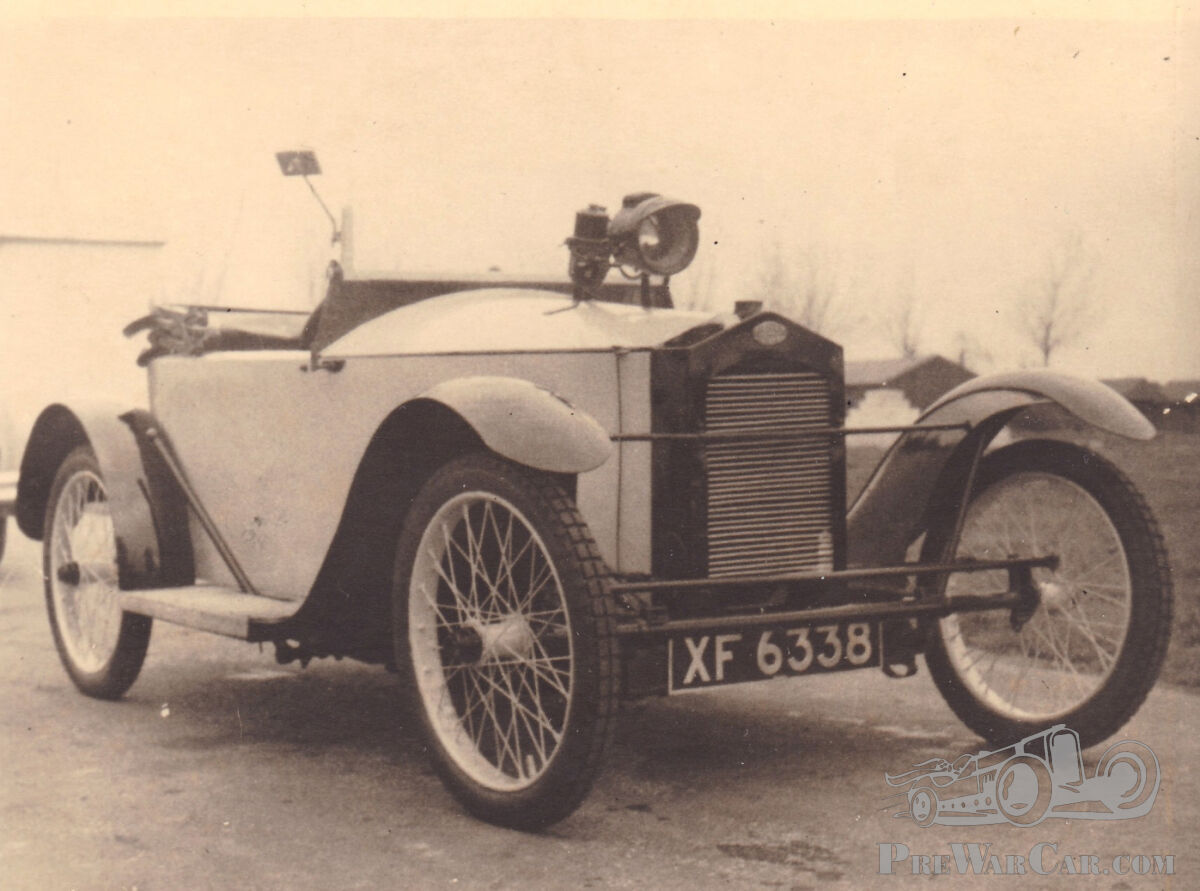


Quando persino gli specialisti non hanno più risposte, si rivolgono a noi. E quando anche noi dobbiamo riconoscere che le nostre conoscenze hanno dei limiti, facciamo ciò che gli appassionati fanno da oltre un secolo: ci rivolgiamo gli uni agli altri. In questo modo il sapere continua a circolare e gli enigmi vengono condivisi e, talvolta, risolti.
Con questo spirito di reciproco aiuto – e in sintonia con l’atmosfera delle festività imminenti – presentiamo oggi tre fotografie che ci sono state inviate da Josef de Baets. Josef è un riconosciuto esperto del marchio Imperia e dispone di una documentazione eccezionalmente ampia. Le immagini che ha condiviso con noi sono di alta qualità, ma purtroppo scarsamente documentate. Proprio questo le rende ancora più interessanti.
Sul retro della prima fotografia è annotato: Theo Verdonck + 1913. In quel periodo Theo Verdonck lavorava presso il garage Auto-Palace del signor De Schaapmeester, situato sulla Tentoonstellingslaan a Gand. Secondo le informazioni in nostro possesso, non si trattava di una concessionaria monomarca, bensì di un’officina di vendita e riparazione che trattava diversi marchi, tra cui Minerva, FN e Delaunay-Belleville.
In base alla silhouette e ai dettagli costruttivi, tuttavia, l’automobile raffigurata sembra essere anteriore al 1913. Per il momento ipotizziamo una data di costruzione intorno al 1904, anche se mancano prove definitive per confermarlo.
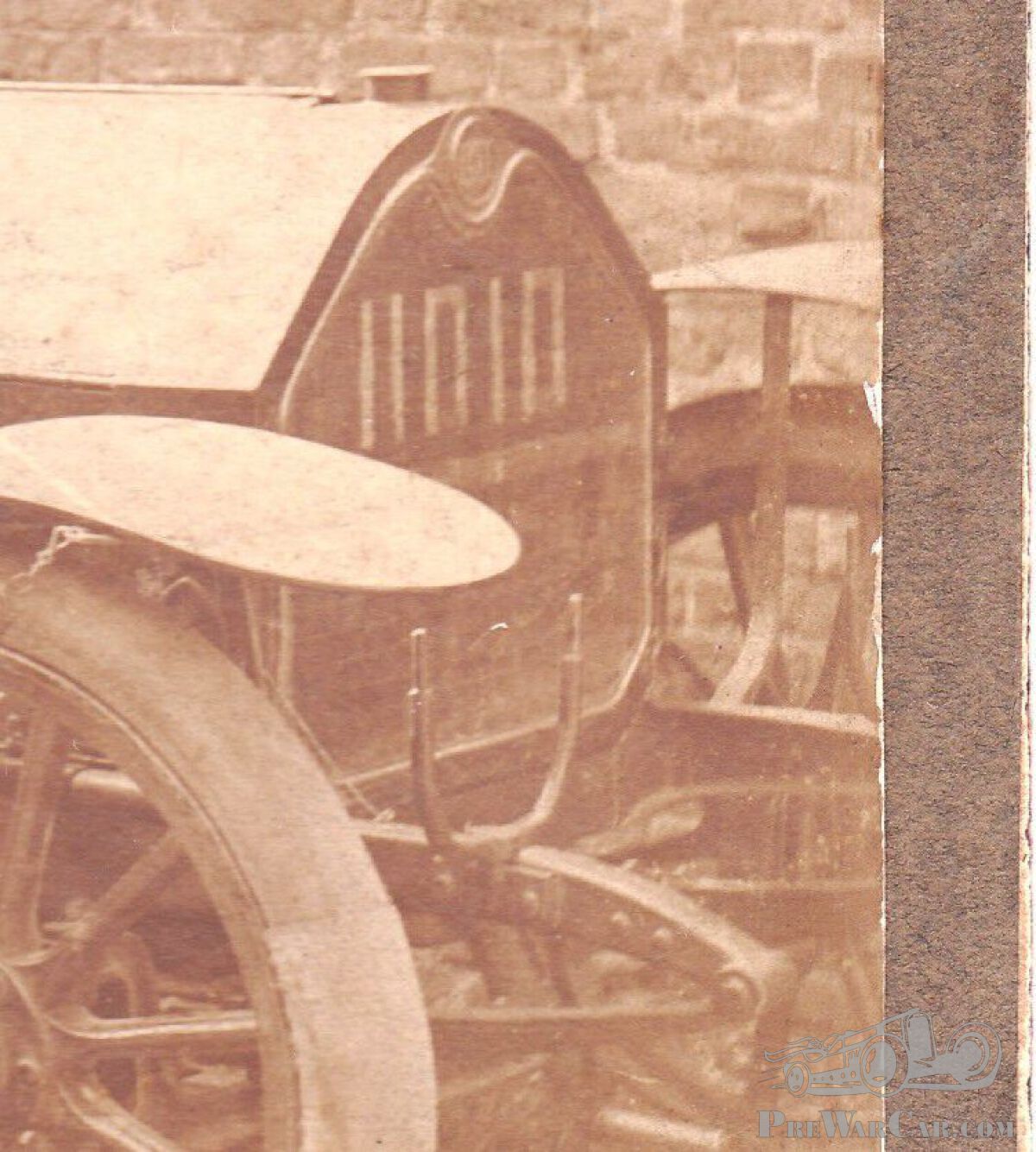
La seconda fotografia suscita immediatamente interrogativi a causa di un curioso accessorio montato sulle ruote. Josef ci ha chiesto a cosa potesse servire. Il nostro primo pensiero è stato che si trattasse di un dispositivo pratico per rimuovere lo sporco stradale – e, all’epoca, non di rado il letame dei cavalli – dalle ruote. Non possiamo tuttavia affermarlo con certezza.
Ciò che appare evidente è che l’auto è stata utilizzata intensamente. Il pneumatico anteriore mostra una riparazione visibile e i fari sono assenti. La targa 11010 risultava intestata a Le Blanc Gaston, residente in rue Solferino 23 a Lille, Francia. Sulla base delle proporzioni generali e delle caratteristiche tecniche, riteniamo che potrebbe trattarsi di una Crossley da 20 hp, anche se al momento si tratta soltanto di un’ipotesi.
La terza fotografia è di epoca successiva e risulta più facile da collocare. Grazie all’aspetto caratteristico del veicolo e alla targa britannica chiaramente visibile, siamo riusciti a individuare un’immagine analoga nel nostro archivio. Tutto lascia supporre che si tratti di una Blériot-Whippet del 1921, una tipica cyclecar costruita dalla società britannica Air Navigation & Engineering Co. Ltd..
La targa XF6338 è spesso indicata come l’unico esemplare sopravvissuto. Non ci è noto se questa vettura sia ancora effettivamente in circolazione oggi.
Speriamo possiate aiutarci ulteriormente.
Testo: Laurens Klein
Foto: Josef de Baets
Pubblicato:
lunedì dicembre 22nd, 2025
Facebook
LinkedIn
Twitter
WhatsApp
Email
Copy
Commenti
Christoph Röhrs
28 Dicembre 2025, 13:23
Ariejan Bos
27 Dicembre 2025, 21:14
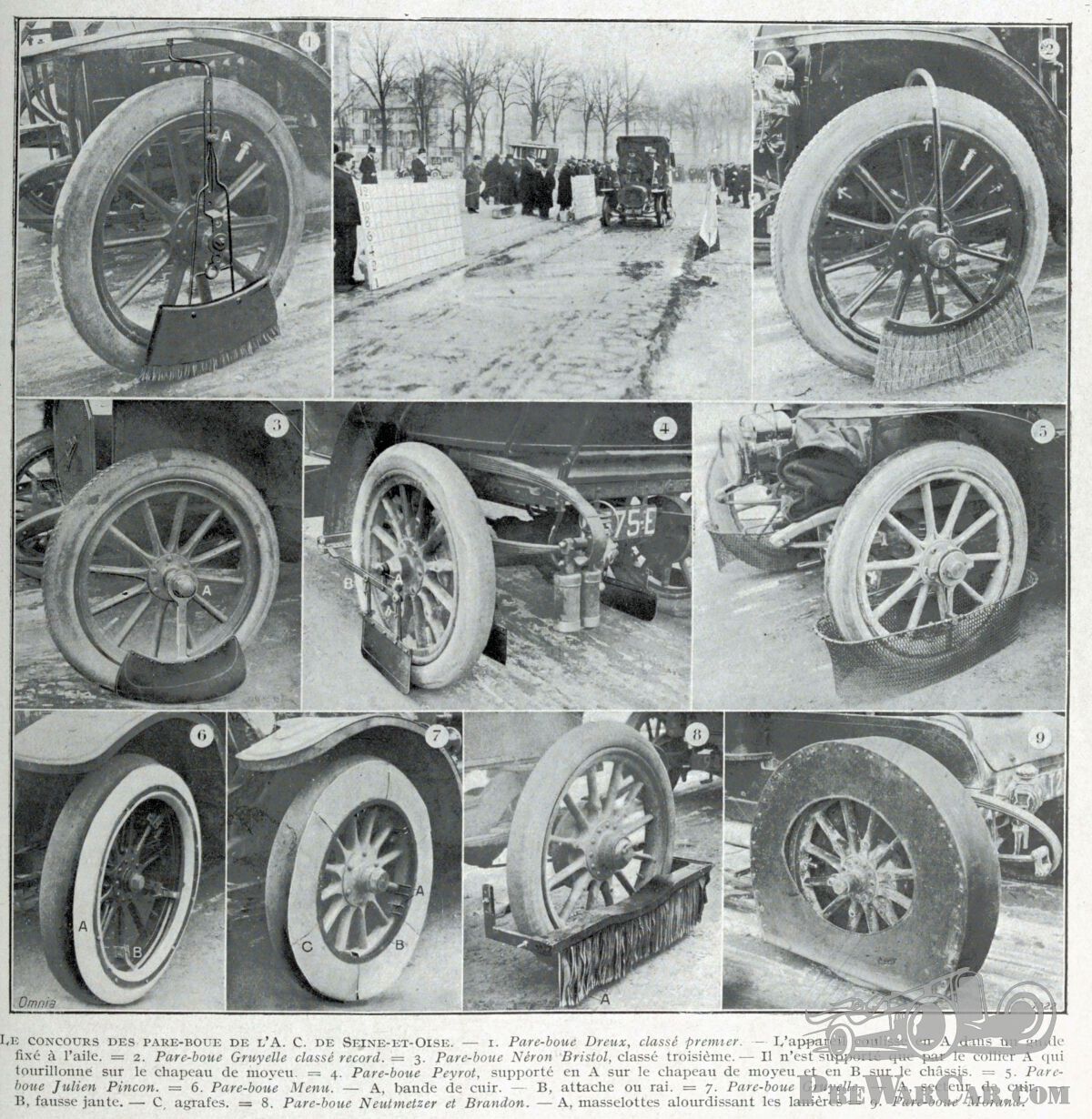
There is little doubt in my opinion that the Darracq carries an anti-mud device. Uploaded a page from the Omnia issue of February 10th, 1912, showing a number of anti-mud devices during the Concours de Pare-Boue (anti-mud trials) in France of that year. In 1913 also a trial was held. The device on the Darracq is very similar to some of the devices shown here.
Per saperne di più
Robert Kubart
27 Dicembre 2025, 12:51
I believe... it's a trial run for an invention. In the event of a tyre puncture, the vehicle rests on the skid plate and does not damage the tyre or the rim... there is a large repair area on the front wheel.
——
Ich glaube..es ist der Probelauf einer Erfindung, im Falle eines Reifenschadens sitzt das Fahrzeug auf der Kufe auf, und macht nicht den Mantel oder die Felge kaputt..am Vorderrad fällt eine grosse Reparaturstelle auf
Per saperne di più
——
Ich glaube..es ist der Probelauf einer Erfindung, im Falle eines Reifenschadens sitzt das Fahrzeug auf der Kufe auf, und macht nicht den Mantel oder die Felge kaputt..am Vorderrad fällt eine grosse Reparaturstelle auf


De Baets Josef
27 Dicembre 2025, 12:36
I would like to thank everyone for their spontaneous responses.
Photo no. 1 is still a mystery.
After further investigation, photo no. 2 is a Darracq from 1907 or earlier. Registration number 11010 was issued to Le Blanc Gaston, residing at 23 Rue Solferino in Lille, France. Source: Annuaire général l'automobilisme Belge 1907, page 285. The photo of the blue Darracq is from 1907. The purpose of those peculiar devices on the wheels remains a mystery.
Photo no. 3 is indeed a Blériot-Whippet 8/9 hp (1921) with a 1L V-twin engine. For more information, see: https://de.wikipedia.org/wiki/Bl%C3%A9riot-Whippet
Documented with a photo of the same car as the one in my photo, recognisable by the same number plate, XF6338.
Kind regards, Josef
——
Ik bedank iedereen voor de spontane reacties.
Foto n°1 is nog een raadsel.
Foto n° 2 is na nog verder onderzoek een Darracq van 1907 of daar voor. Kenteken 11010 is uitgegeven aan Le Blanc Gaston , woonachtig aan de Rue Solferino 23 in Lille, Frankrijk . Bron; Annuaire général l'automobilisme Belge 1907 op blz 285. Foto blauwe Darracq is van 1907. Wat voor doel die eigenaardige apparaten op de wielen hadden is nog een raadsel.
Foto n° 3 is inderdaad een Blériot-Whippet 8/9 pk (1921) met 1L V-twin-motor. Zie voor meer info; https://de.wikipedia.org/wiki/Bl%C3%A9riot-Whippet
Gedocumenteerd met een foto van dezelfde auto als die van mijn foto te herkennen aan dezelfde n° plaat XF6338.
Vriendelijke groeten, Josef
Per saperne di più
Photo no. 1 is still a mystery.
After further investigation, photo no. 2 is a Darracq from 1907 or earlier. Registration number 11010 was issued to Le Blanc Gaston, residing at 23 Rue Solferino in Lille, France. Source: Annuaire général l'automobilisme Belge 1907, page 285. The photo of the blue Darracq is from 1907. The purpose of those peculiar devices on the wheels remains a mystery.
Photo no. 3 is indeed a Blériot-Whippet 8/9 hp (1921) with a 1L V-twin engine. For more information, see: https://de.wikipedia.org/wiki/Bl%C3%A9riot-Whippet
Documented with a photo of the same car as the one in my photo, recognisable by the same number plate, XF6338.
Kind regards, Josef
——
Ik bedank iedereen voor de spontane reacties.
Foto n°1 is nog een raadsel.
Foto n° 2 is na nog verder onderzoek een Darracq van 1907 of daar voor. Kenteken 11010 is uitgegeven aan Le Blanc Gaston , woonachtig aan de Rue Solferino 23 in Lille, Frankrijk . Bron; Annuaire général l'automobilisme Belge 1907 op blz 285. Foto blauwe Darracq is van 1907. Wat voor doel die eigenaardige apparaten op de wielen hadden is nog een raadsel.
Foto n° 3 is inderdaad een Blériot-Whippet 8/9 pk (1921) met 1L V-twin-motor. Zie voor meer info; https://de.wikipedia.org/wiki/Bl%C3%A9riot-Whippet
Gedocumenteerd met een foto van dezelfde auto als die van mijn foto te herkennen aan dezelfde n° plaat XF6338.
Vriendelijke groeten, Josef
Ariejan Bos
24 Dicembre 2025, 20:22
My first impression was Minerva indeed too. But careful observation showed too many deviations from the early Minerva models to accept this as true.
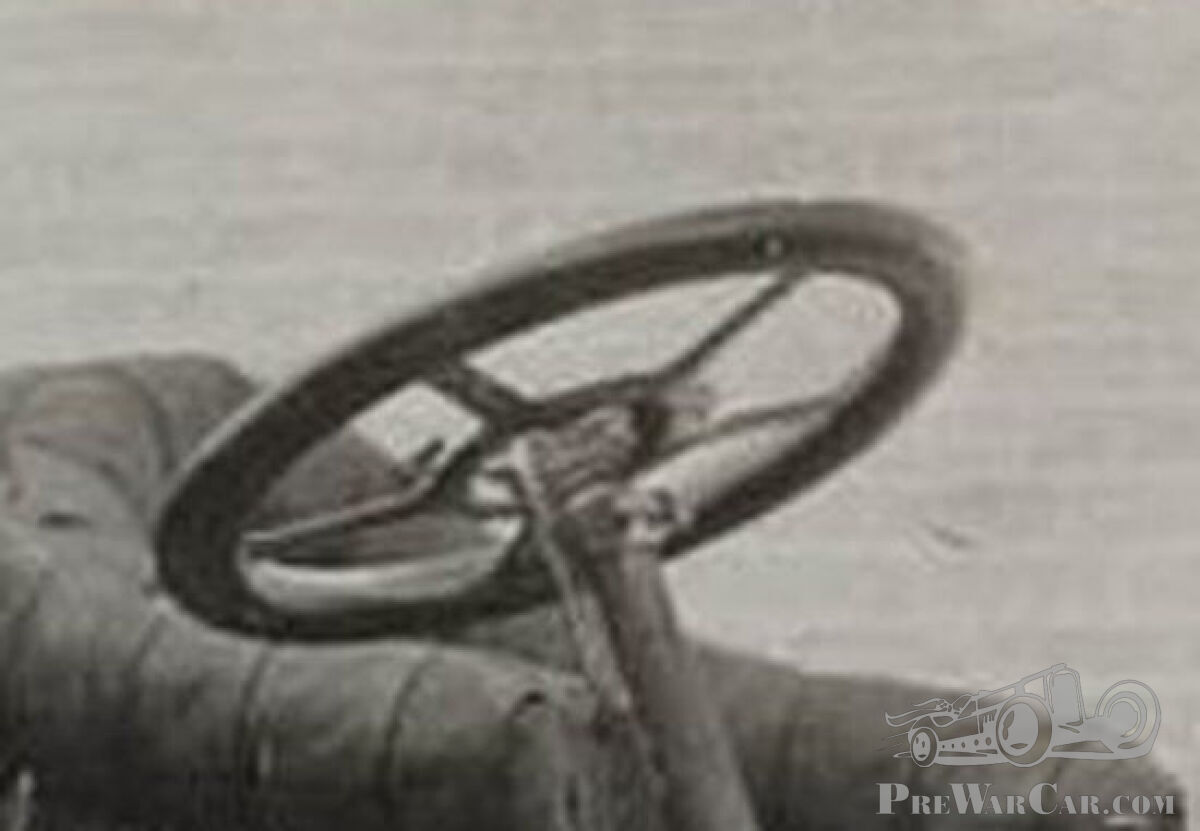
An important deviation is the absence of the centre circle in the steering wheel, a characteristic Minerva feature during the early years (see uploaded image of a 1903 Minerva steering wheel). In some promotional material this centre circle is absent, but in actual models I’ve never seen them without. Other differences a.o. are the presence of a top lid on the bonnet as well as a side lid with louvres; and the curiously curved crank support. Besides the steering column angle is too steep.
At the moment I’m considering the car to be a late La Minerve, just before or just after Minerva took over. We know these firms had an intimate connection and the early Minerva’s had engines identical to La Minerve. However the exact nature of this relation is still not fully clear.
In my archive I have some photos of a car, which is similar to the mystery car here and which I initially called Minerva. Later I changed my view about this. Important is that the car clearly carried a French license plate and was photographed in France, which supports the La Minerve origin.
This would explain the resemblance with the early (1904) Minerva, but the point here is that the number of images of La Minerve models from that year are very scarce and a positive id of the car on the above mentioned photo is still lacking.
Per saperne di più
An important deviation is the absence of the centre circle in the steering wheel, a characteristic Minerva feature during the early years (see uploaded image of a 1903 Minerva steering wheel). In some promotional material this centre circle is absent, but in actual models I’ve never seen them without. Other differences a.o. are the presence of a top lid on the bonnet as well as a side lid with louvres; and the curiously curved crank support. Besides the steering column angle is too steep.
At the moment I’m considering the car to be a late La Minerve, just before or just after Minerva took over. We know these firms had an intimate connection and the early Minerva’s had engines identical to La Minerve. However the exact nature of this relation is still not fully clear.
In my archive I have some photos of a car, which is similar to the mystery car here and which I initially called Minerva. Later I changed my view about this. Important is that the car clearly carried a French license plate and was photographed in France, which supports the La Minerve origin.
This would explain the resemblance with the early (1904) Minerva, but the point here is that the number of images of La Minerve models from that year are very scarce and a positive id of the car on the above mentioned photo is still lacking.
Stanislav Kirilets
23 Dicembre 2025, 11:29
First photo must to be Minerva
Per saperne di più
Christoph Röhrs
22 Dicembre 2025, 18:28
The rather peculiar devices on the wheels of the car in the second picture seem to me to be more of a splash guard, designed to prevent dirt and water from splashing onto people, animals or anything else when driving past.
Per saperne di più
Ariejan Bos
22 Dicembre 2025, 16:32
The last car is a 1921 Bleriot-Whippet. The first car is still under investigation.
Per saperne di più
Tyrone Hopes
22 Dicembre 2025, 12:18
In regard to the last car - the DVLA does have the car on record - but it's not currently taxed for the road. So probably in somebody's garage or car collection.
Per saperne di più
Tyrone Hopes
22 Dicembre 2025, 12:14
Sorry - no information about the cars themselves! The notation '+1913' would most probably indicate year of death of the driver. This was probably the photo they had to remember him by.
Per saperne di più
Stanislav Kirilets
22 Dicembre 2025, 12:08
The second picture shows Darracq. The device could be used to combat ice and snow if it's made of metal. If not, then it could be used to remove dirt.
Per saperne di più
Paul Hicks
22 Dicembre 2025, 02:55
I am certain the second picture is a large Darracq about 1908
Per saperne di più
An interesting selection of similar devices to protect against splashing water/dirt to the detriment of other road users. Thank you very much, that confirms my assumption, which was based solely on common sense.