La rivista e il marketplace globale per gli appassionati di auto d’epoca, creati da appassionati.
La rivista e il marketplace globale per gli appassionati di auto d’epoca, creati da appassionati.


Filter
Faccia la sua scelta
- Automobile
-
Marca >>
-
Anno >>
-
- Motociclette
-
Ubicazione >>
- Parti e altro
-
Marca dell'auto >>
-
Produttore >>
-
Categoria >>
- Biciclette
-
Anno >>
-
Paesi



Una favola degli anni ’30: qual è la storia della Bugatti Biancaneve?
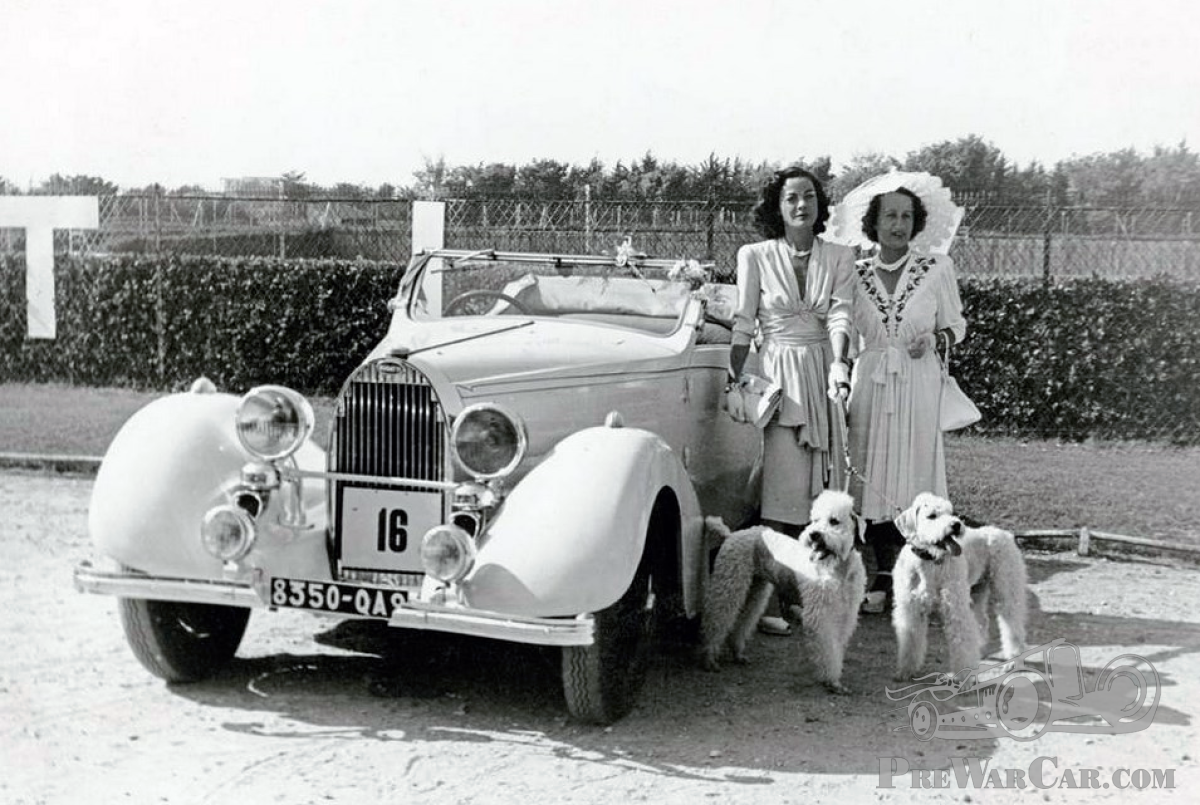

Che si tratti di una Bugatti non c’è alcun dubbio — e possiamo affermare con una certa sicurezza che sia una Type 57. Ma qui finiscono le certezze. Tutto il resto è avvolto nel mistero. La foto sembra essere stata scattata durante un concorso d’eleganza, ma non siamo riusciti a scoprire quale — negli anni ’30 ce n’erano tantissimi. Il numero 16 potrebbe essere un indizio? E la targa, che pare essere 8350-QA9? Anche quella non ci ha portati da nessuna parte.
Eppure l’auto colpisce subito: una cabriolet, o forse una coupé decappottabile, affascinante in quello che sembra un bianco candido, che fa risaltare magnificamente le finiture in nichel o cromo sotto il sole. Da notare anche le sottili linee della carrozzeria: si intravede appena la linea che scende lungo la portiera, nello stile dell’Atalante, ma apparentemente senza le cosiddette “porte suicide”. Il parabrezza basso con i montanti A tagliati ricorda altre Bugatti, forse alcune con carrozzeria Gangloff… ma non riusciamo a ricordare dove le abbiamo viste. Qualcuno ne sa qualcosa?
Ah, e poi ci sono le signore, perfettamente coordinate: abiti, cappelli, borsette, guanti e gioielli tutti abbinati! Pelle bianca come la neve, capelli neri come l’ebano… ma niente nani in vista — solo una coppia di barboncini in tinta. Una scena da fiaba, in ogni caso. Dai, raccontaci cosa sai!
Testo: Jeroen Booij
Foto: fonte sconosciuta
Pubblicato:
venerdì aprile 4th, 2025
Facebook
LinkedIn
Twitter
WhatsApp
Email
Copy
Commenti
Jean-Pierre Record
07 Aprile 2025, 16:03
Well, the registration is certainly 8350 QA2, from October (or September), 1946, in the Haute Saône département in eastern France (the last number given in the pre-April, 1950, system in this département was QA3). I think it's probably a 1935/36 Stelvio in a post-war concours d'élégance beetween 1946 to 1949.
Per saperne di più
Fred
06 Aprile 2025, 11:19
Two other clues: in front of tennis courts it seems; mother and daughter, no doubt.
-----
Deux autres indices : devant des cours de tennis il semble ; mere et fille sans doute.
Per saperne di più
-----
Deux autres indices : devant des cours de tennis il semble ; mere et fille sans doute.
Jean Paul Durand
06 Aprile 2025, 18:43
A coupé has never been a convertible.
-------
Un coupé n'a jamais été décapotable, éventuellement découvrable
Per saperne di più
-------
Un coupé n'a jamais été décapotable, éventuellement découvrable
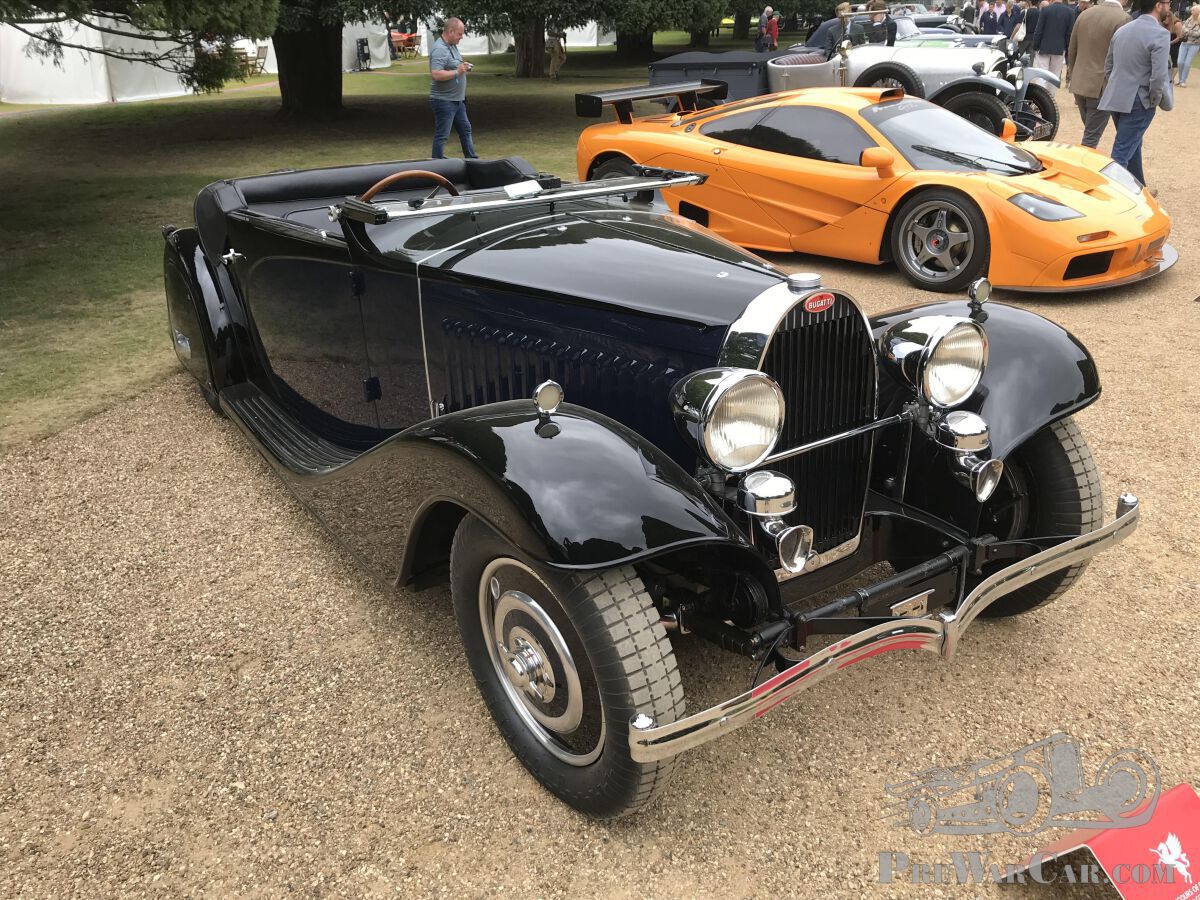


Jaap Braam Ruben
05 Aprile 2025, 11:18
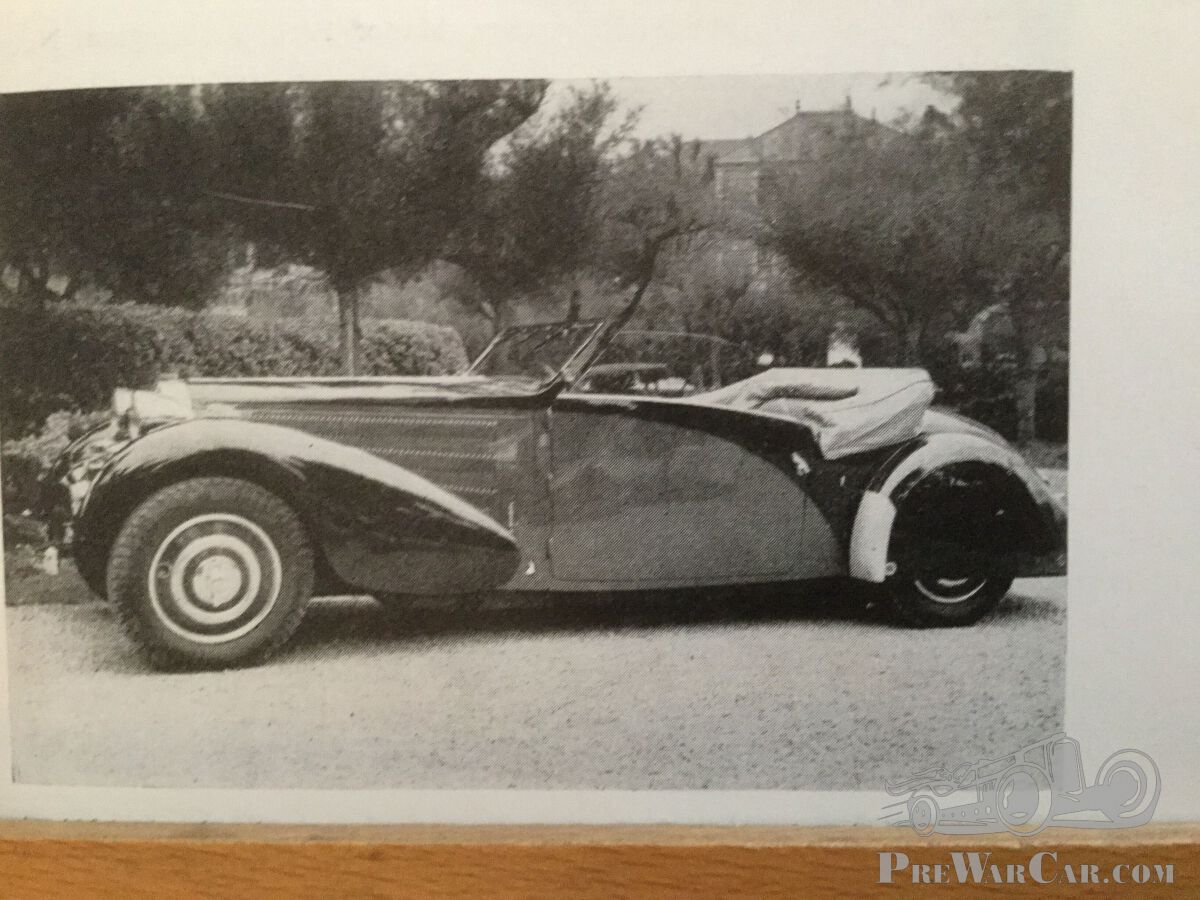
Oops, I forgot something. The windscreen—it is a so-called "Pare-brise rabattable," fully foldable for a pleasant breeze through your hair. The very first Stelvios had that too but they had a fully disappearing top. Pre-war cars have so much more beauty and subtlety than today's barely serviceable supercars.
-------------
Oeps. Iets vergeten. De voorruit. Het is een zgn “Pare-brise rabattable”. Volledig naar voren te klappen voor een aangenaam windje door je haren.
Dat hadden de allereerste “Stelvio’s” ook maar die hadden daarbovenop nog een fully disappearing top.
Voor-oorlogse auto’s hebben zoveel meer schoonheid en subtiliteit dan de hedendaagse nauwelijks bruikbare supercars.
Per saperne di più
-------------
Oeps. Iets vergeten. De voorruit. Het is een zgn “Pare-brise rabattable”. Volledig naar voren te klappen voor een aangenaam windje door je haren.
Dat hadden de allereerste “Stelvio’s” ook maar die hadden daarbovenop nog een fully disappearing top.
Voor-oorlogse auto’s hebben zoveel meer schoonheid en subtiliteit dan de hedendaagse nauwelijks bruikbare supercars.


Jaap Braam Ruben
05 Aprile 2025, 11:05
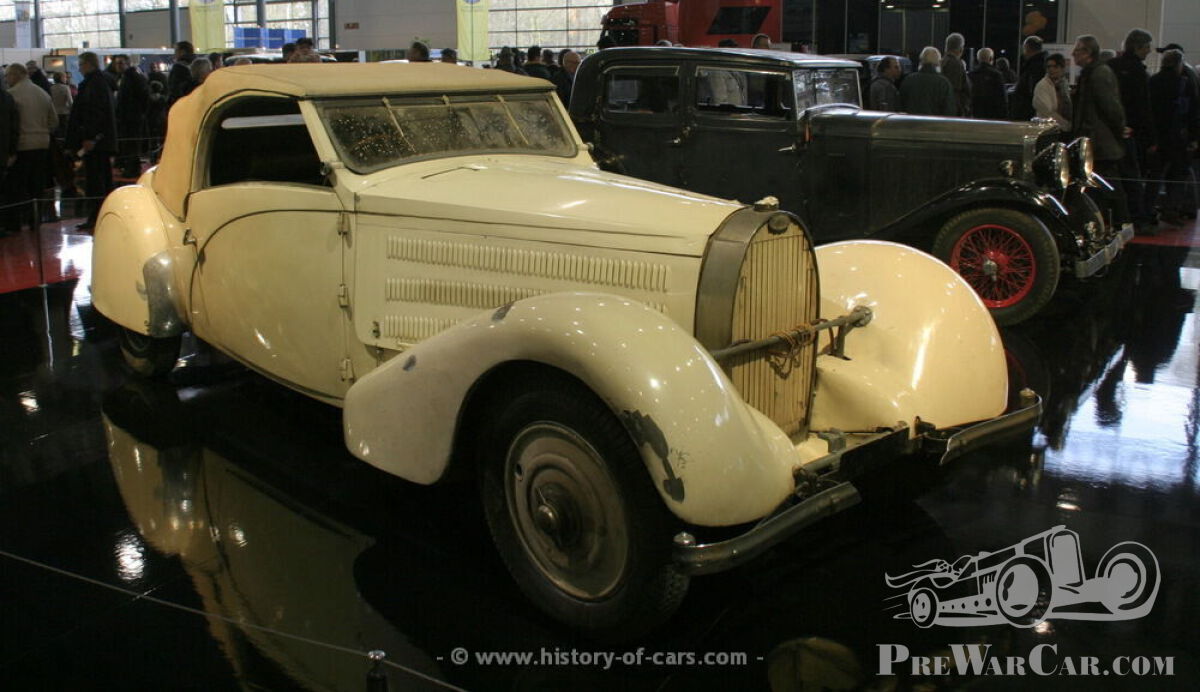
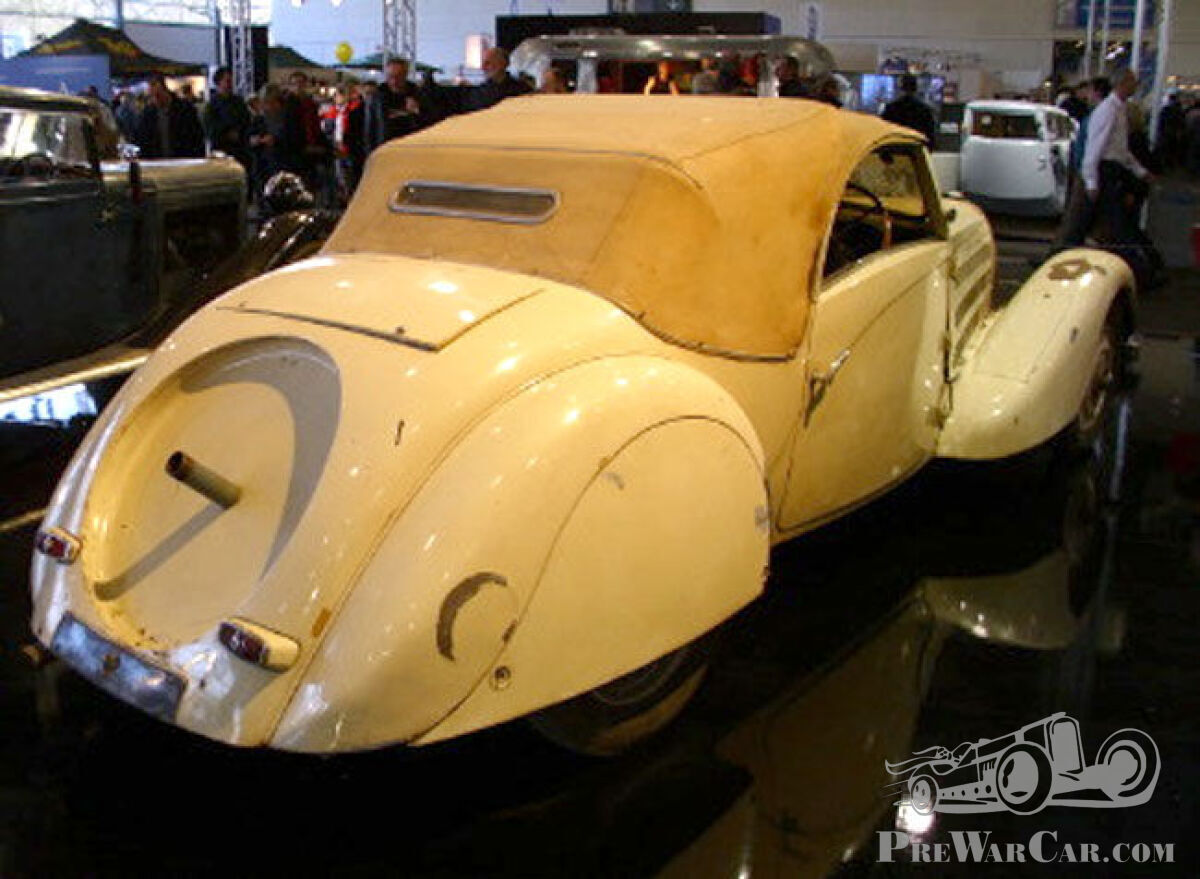
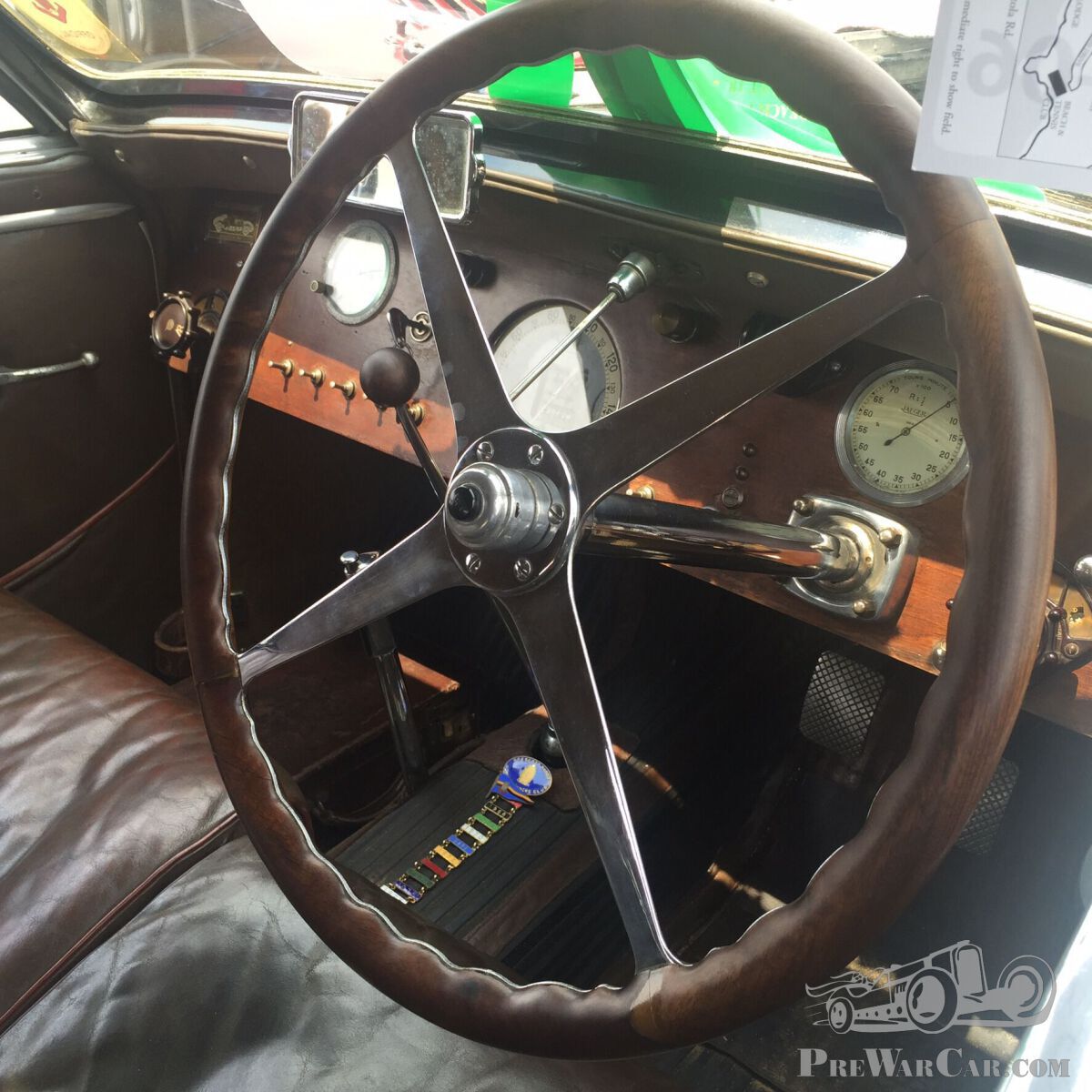
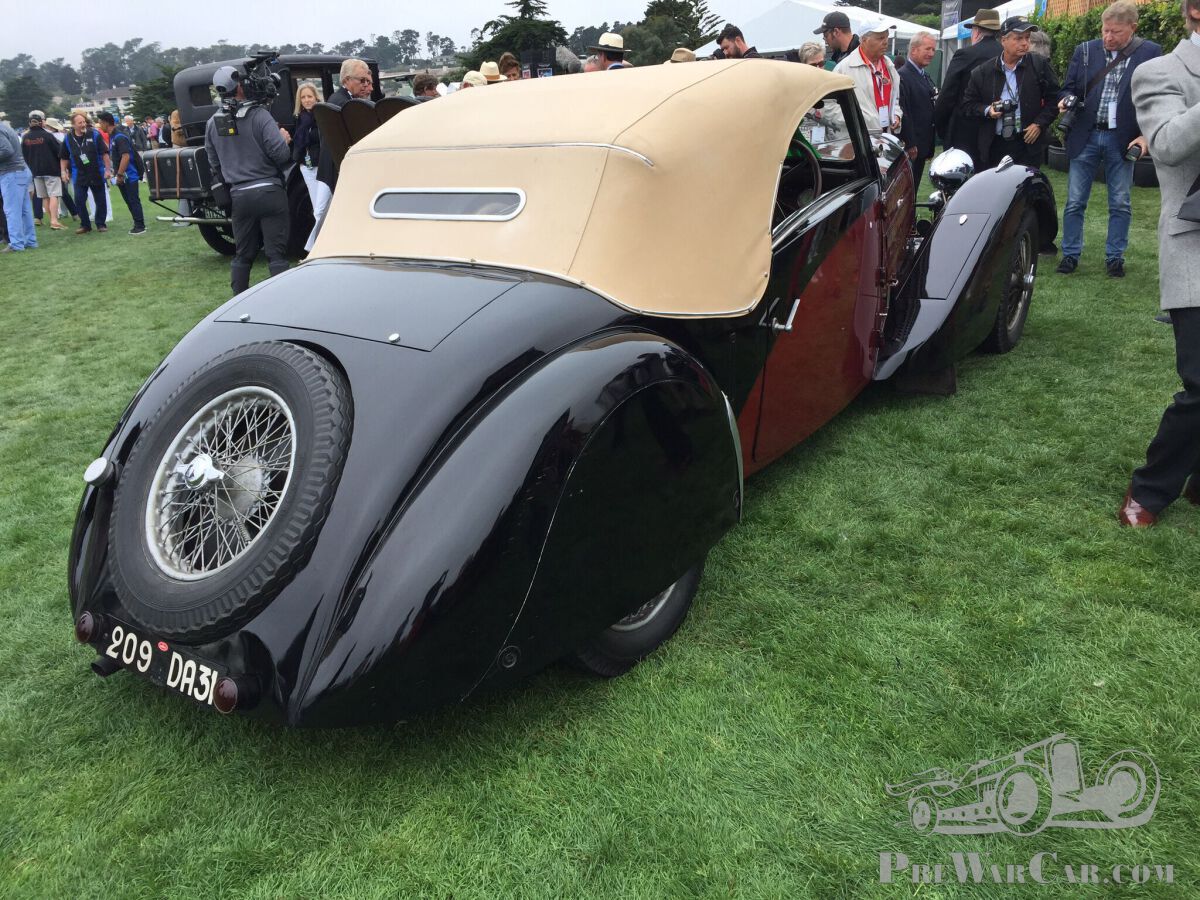
This must almost be Gangloff's Type 57 Stelvio in the Schlumpf Reserve, First Series. All Stelvios have regular doors. The Ventoux, Atalante and Aravis were suicide. The most original in the world is in Maastricht, in its original paint and interior. It spent 60 years in its original Dutch ownership.
A car is original only once. The ladies are beautiful but will probably no longer be completely original.
------------
Dit moet haast de T57 “Stelvio” van Gangloff zijn die in de Schlumpf Reserve staat. Eerste Serie.
Alle “Stelvio’s” hebben reguliere deuren. De Ventoux, Atalante en Aravis waren suicide.
De meest originele ter wereld staat in Maastricht. Eerste lak en interieur. 60 jaar in, van origine, Nederlands bezit.
Een auto is maar één keer origineel. De Dames zijn prachtig maar zullen wel niet meer helemaal origineel zijn.
Per saperne di più
A car is original only once. The ladies are beautiful but will probably no longer be completely original.
------------
Dit moet haast de T57 “Stelvio” van Gangloff zijn die in de Schlumpf Reserve staat. Eerste Serie.
Alle “Stelvio’s” hebben reguliere deuren. De Ventoux, Atalante en Aravis waren suicide.
De meest originele ter wereld staat in Maastricht. Eerste lak en interieur. 60 jaar in, van origine, Nederlands bezit.
Een auto is maar één keer origineel. De Dames zijn prachtig maar zullen wel niet meer helemaal origineel zijn.
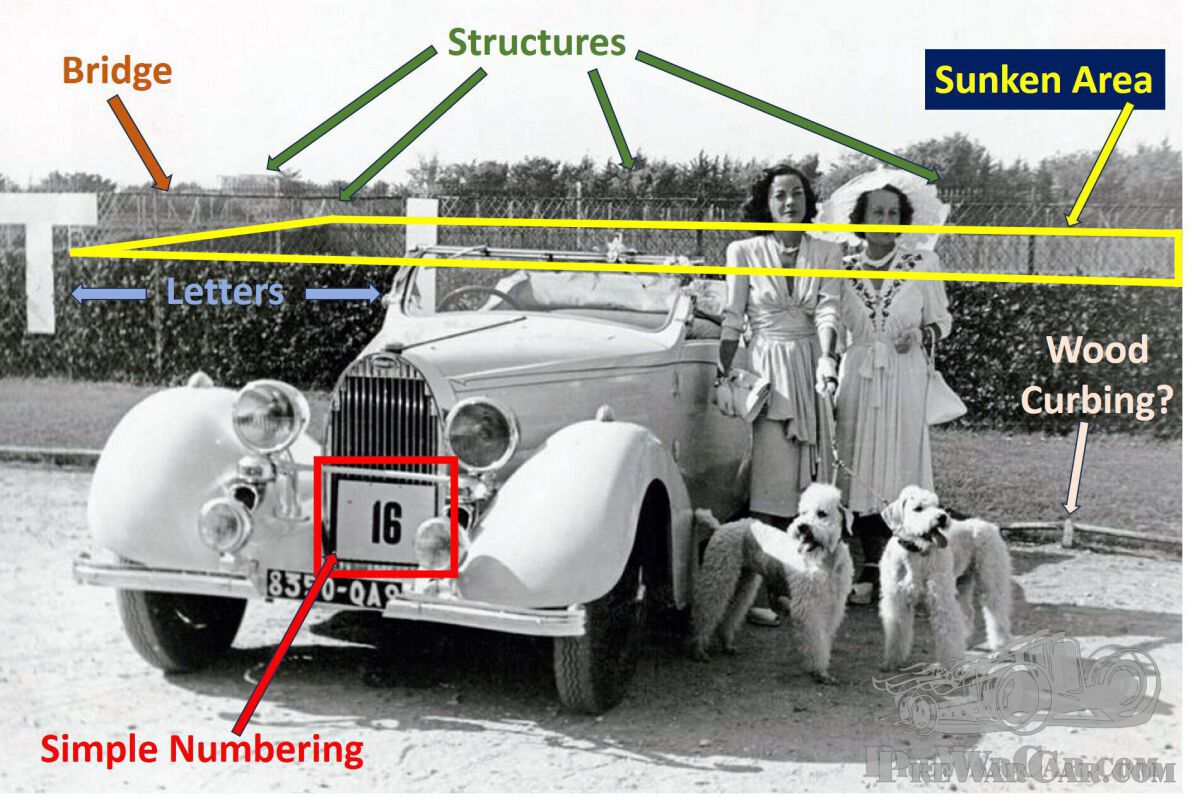
The large structure in the left background in the country must certainly be identifiable. The sunken area behind the car is interesting on its own. I doubt it is a tennis court, but I have no familiarity with such courts in (likely) European nations. Why you would cover the sides in ivy and make it difficult to view the action just doesn't make sense to me. Could there be a road there with a bridge going over it?
I looked through hundreds of concours photos, but I did not find a matching identification number on another vehicle. The simple numbers, with slanted top to the number "1," and no name is unusual. The lettering on the fence must be part of a larger display (Magneti, Bugatti, etc.).