La rivista e il marketplace globale per gli appassionati di auto d’epoca, creati da appassionati.
La rivista e il marketplace globale per gli appassionati di auto d’epoca, creati da appassionati.


Filter
Faccia la sua scelta
- Automobile
-
Marca >>
- Motociclette
-
Ubicazione >>
- Parti e altro
-
Marca dell'auto >>
-
Produttore >>
-
Categoria >>
- Biciclette
-
Anno >>
-
Paesi



Buon caravanning!
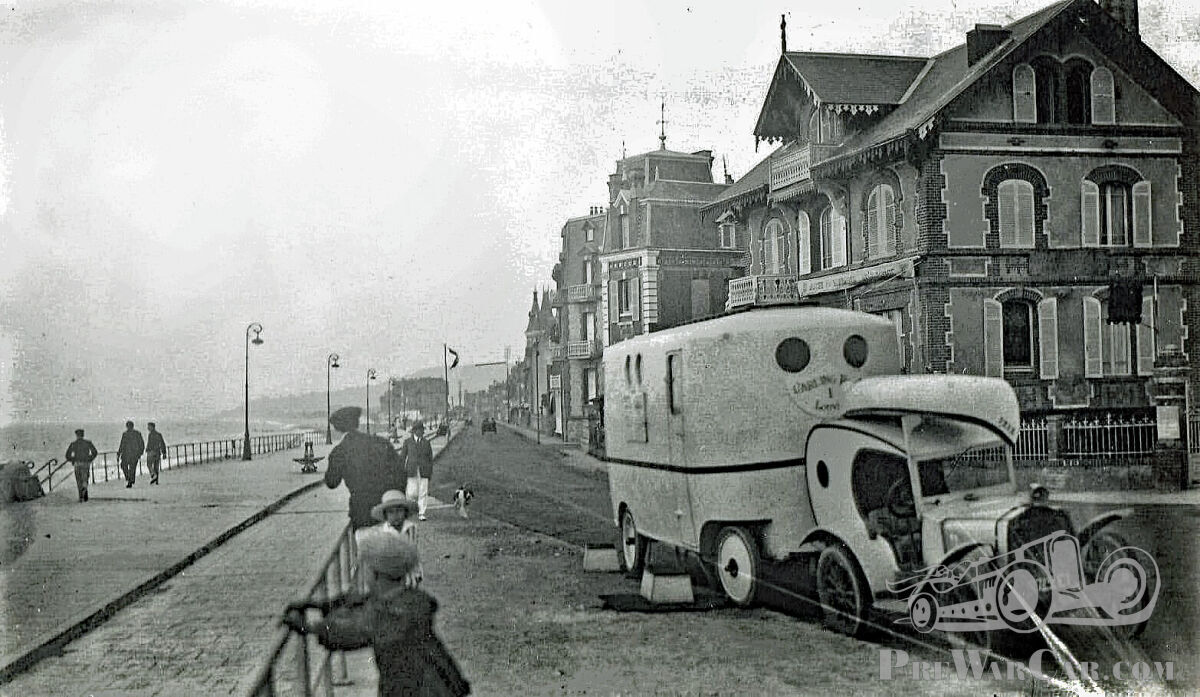
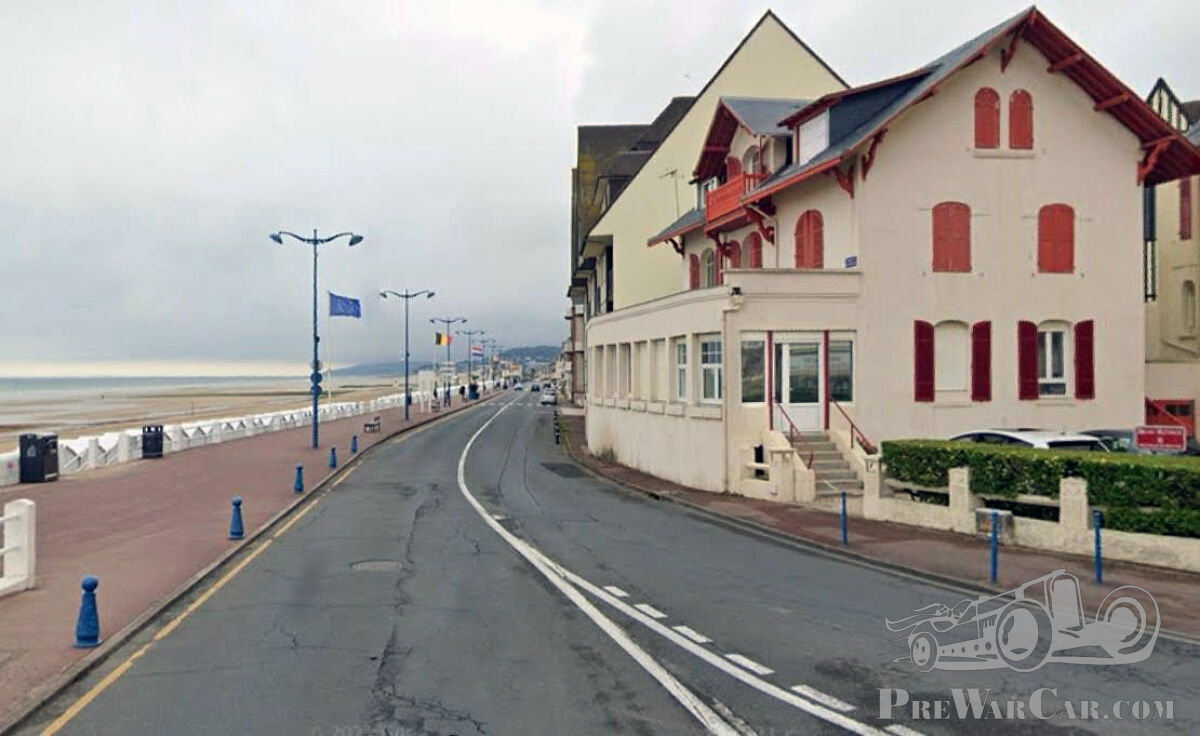
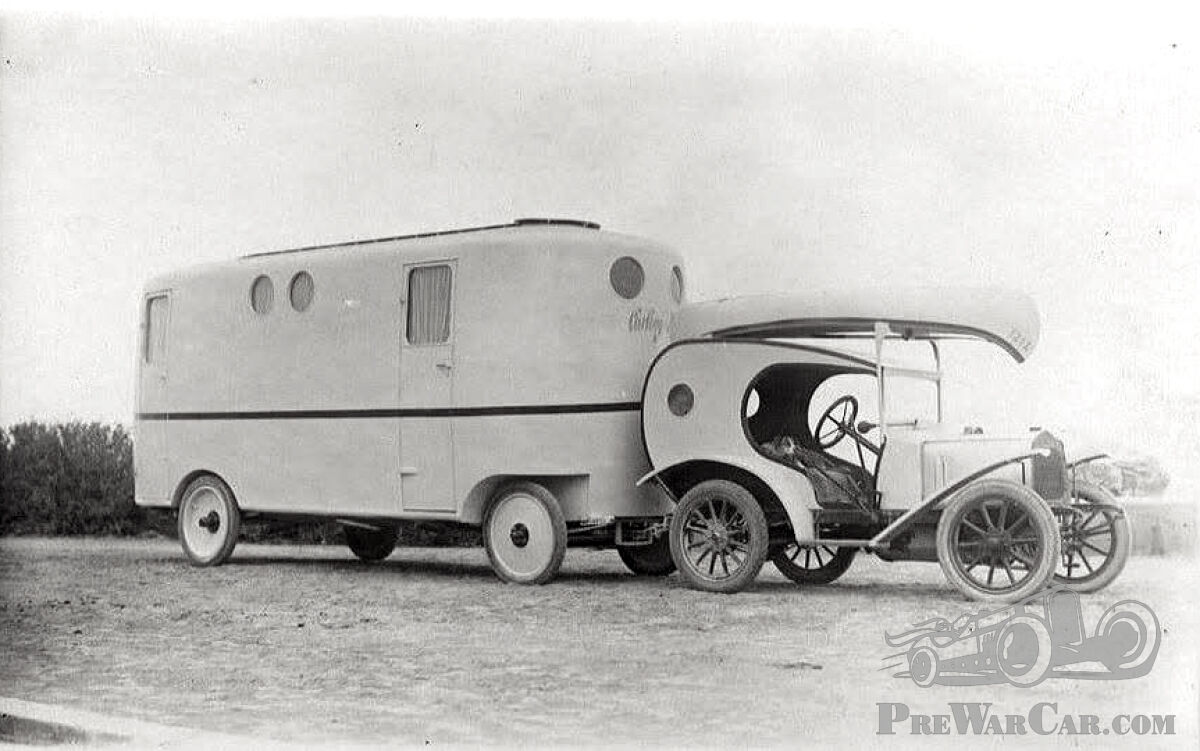
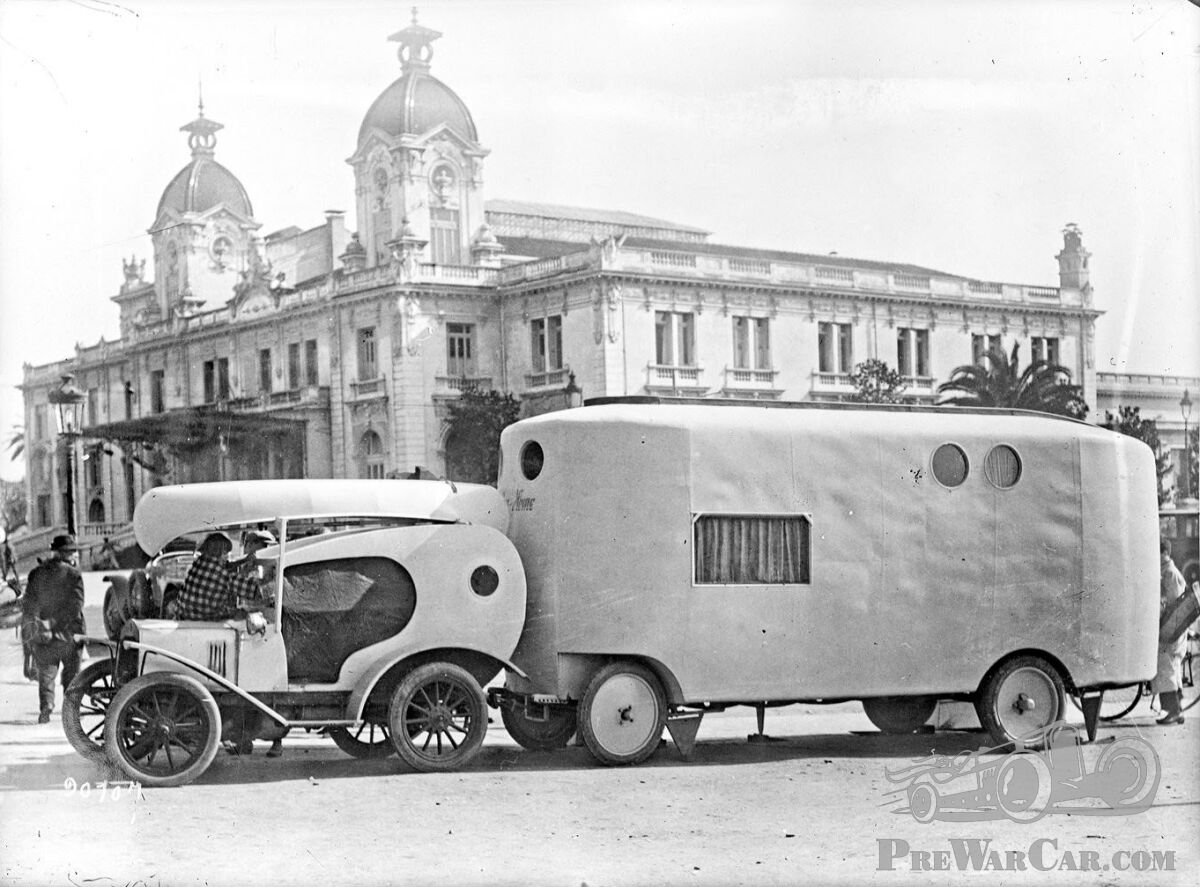
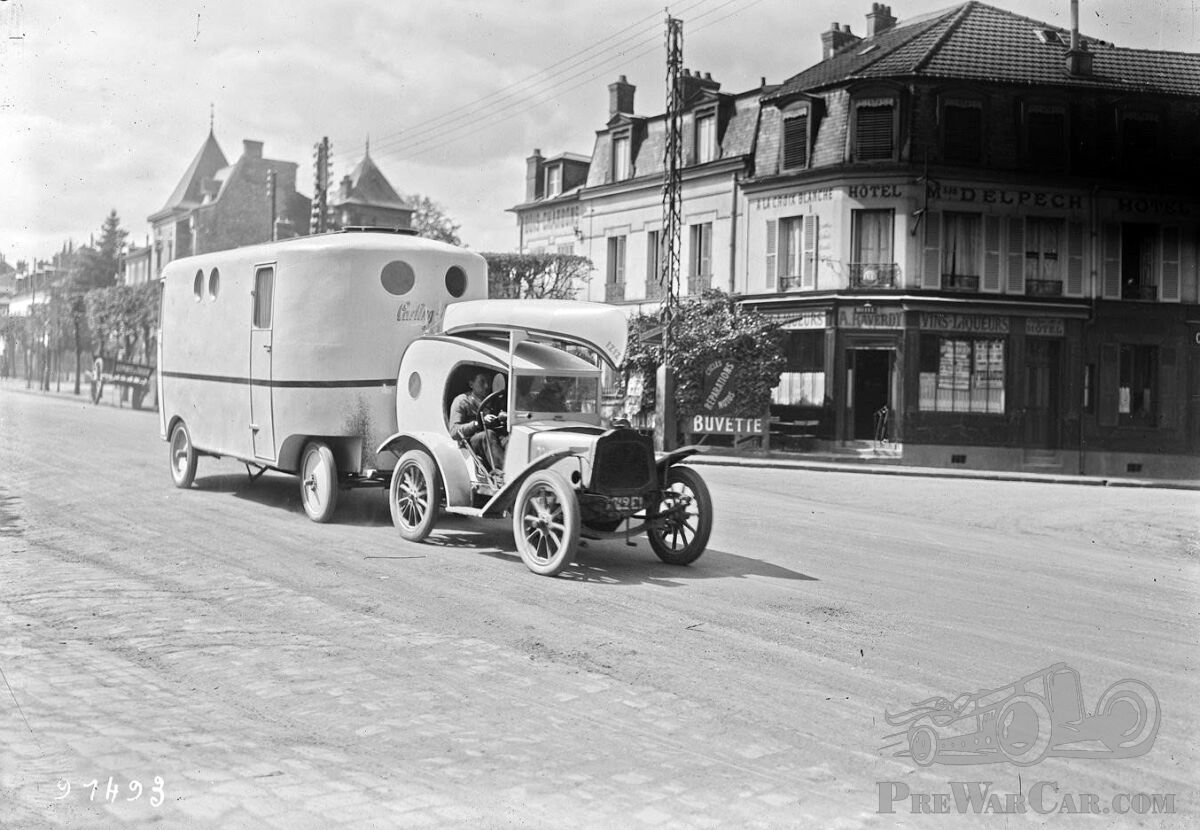


Villers-sur-Mer negli anni Venti e Villers-sur-Mer negli anni 2020: trovate le differenze tra le due fotografie. Certo, c’è molto da scoprire, ma fu l’insieme formato dall’automobile e dalla roulotte nell’immagine in bianco e nero ad attirare per primo la nostra attenzione su questa cartolina. Che cosa era mai quel delizioso piccolo veicolo? La carrozzeria presenta l’inconfondibile stile esuberante degli anni Venti, ma le ruote, il telaio e gran parte del resto non sembrano decisamente più antichi?
Ebbene, lo abbiamo trovato. L’automobile si è rivelata essere una De Dion-Bouton Type CD del 1909, ricarrozzata nel 1921 da monsieur Charles Louvet, che realizzò anche la roulotte al seguito – oltre alla canoa trasportata sul tetto! Louvet divenne infatti un personaggio piuttosto noto nel sud della Francia dopo aver compiuto diversi viaggi con il suo insolito insieme, sia per piacere sia a scopo promozionale. Si racconta che facesse pagare ai visitatori un biglietto per ammirare l’interno della roulotte e che vendesse cartoline e fotografie per contribuire al finanziamento dei suoi progetti successivi.
Questi comprendevano diverse roulotte e autocaravan di maggiori dimensioni, costruiti impiegando tecniche leggere derivate dall’industria aeronautica. Tutti furono chiamati ‘Carling Home’, dal termine francese carlingue, che indica la cabina o la fusoliera di un aeroplano. Questo particolare esemplare era il Carling Home No. 1.
Le varie immagini pubblicate qui sotto sono un insieme di cartoline e fotografie d’archivio provenienti dalla Bibliothèque nationale de France. Mostrano il Carling Home No. 1 di Louvet non soltanto a Villers-sur-Mer, ma anche davanti al casinò di Cannes e a Juan-les-Pins. Ah, che splendidi giorni di caravanning!
Testo: Jeroen Booij
Fotografie: Gilles Fillaud / Bibliothèque nationale de France
Pubblicato:
venerdì agosto 14th, 2026
Facebook
LinkedIn
Twitter
WhatsApp
Email
Copy
Commenti



Terry Cockerell
23 Agosto, 09:34
Looks like lunatics on wheels to me. That caravan is a four wheel trailer with a very short drawbar and what appear to be tracking wheels at the front or in other words as the draw bar swivels the wheels turn.
There looks to be a real absence of brakes too.
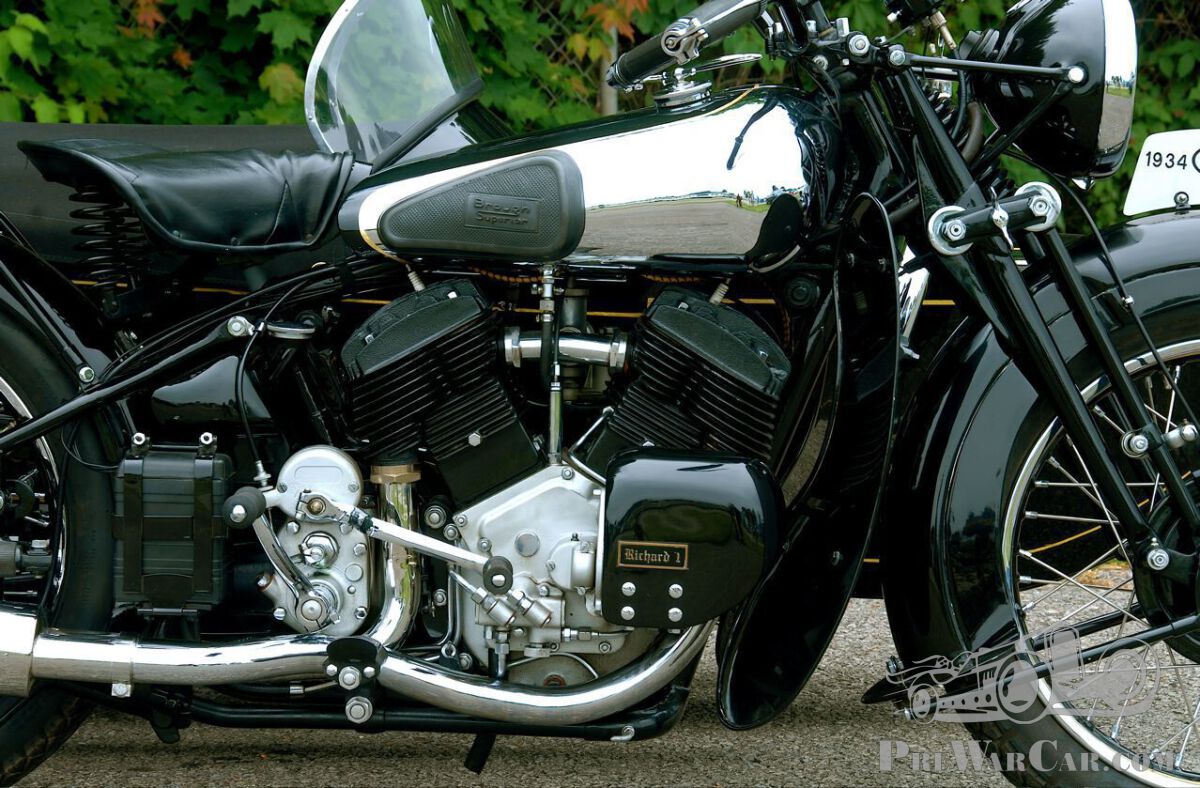
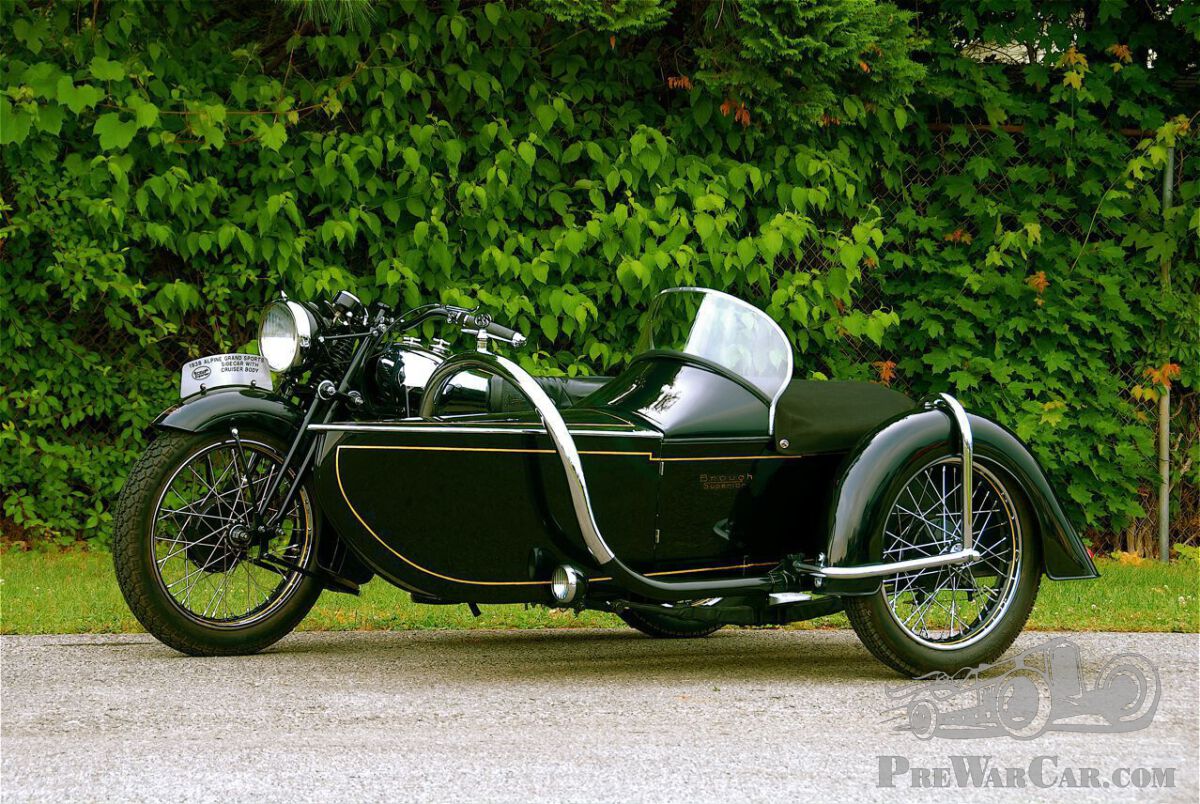
I have a picture of an early 1930s Model 1150 Brough Superior motorcycle and side car pulling an enormous caravan that people could stand up in.
I will try to post the picture tomorrow. Thank God things have improved.
Per saperne di più
There looks to be a real absence of brakes too.
I have a picture of an early 1930s Model 1150 Brough Superior motorcycle and side car pulling an enormous caravan that people could stand up in.
I will try to post the picture tomorrow. Thank God things have improved.
John Murch
14 Agosto, 16:11
How on earth does a 8cv car pull a caravan, however light weight, especially up hill and there are hills between Villers sur mer and Cannes.
Per saperne di più
Note the bike is a 1933 Model 1150 as it has the tubular tappet covers. My 1934 model has the finned plate covers. My bike also had an original Brough Superior Grand Alpine Sports Sidecar. Note the tubular chrome frame or chassis of the sidecar acted as an auxiliary fuel tank.
The 1933 bike was fitted with a Garrard sidecar and three headlights. The Lucas generator would have been struggling to keep them warm.
The article in the top LH corner was found in a copy of The Motor Cycle magazine dated 30th March 1961.
It was submitted by the owner of the Brough and Garrard sidecar pulling the caravan.
It mentioned ....................... all day journeys of 200 miles.
I wonder if it ever got into top gear?
I cannot imagine tootling along with such a large caravan or should that be motorcyclevan being blown about in the breeze!
The English are well known for eccentricity.