La rivista e il marketplace globale per gli appassionati di auto d’epoca, creati da appassionati.
La rivista e il marketplace globale per gli appassionati di auto d’epoca, creati da appassionati.


Filter
Faccia la sua scelta
- Automobile
-
Marca >>
-
Anno >>
-
- Motociclette
-
Ubicazione >>
- Parti e altro
-
Marca dell'auto >>
-
Produttore >>
-
Categoria >>
- Biciclette
-
Anno >>
-
Paesi



Willys and the silent Knight
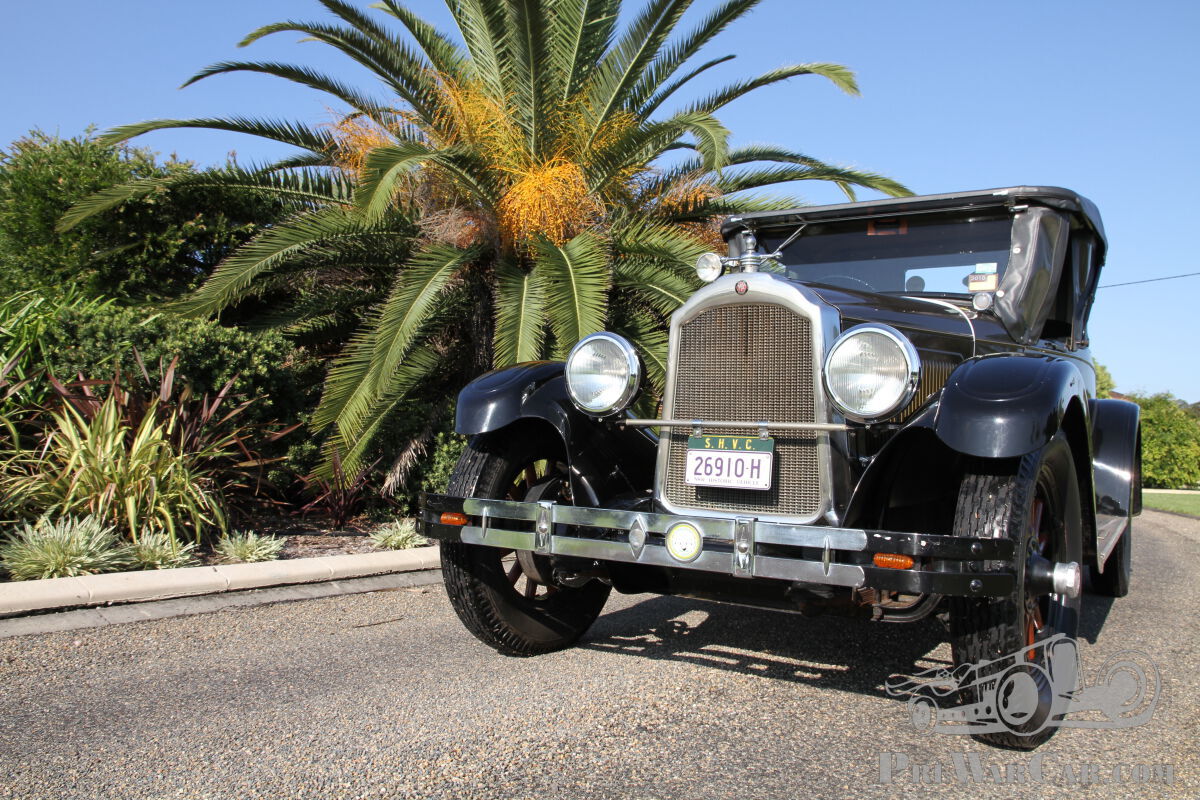

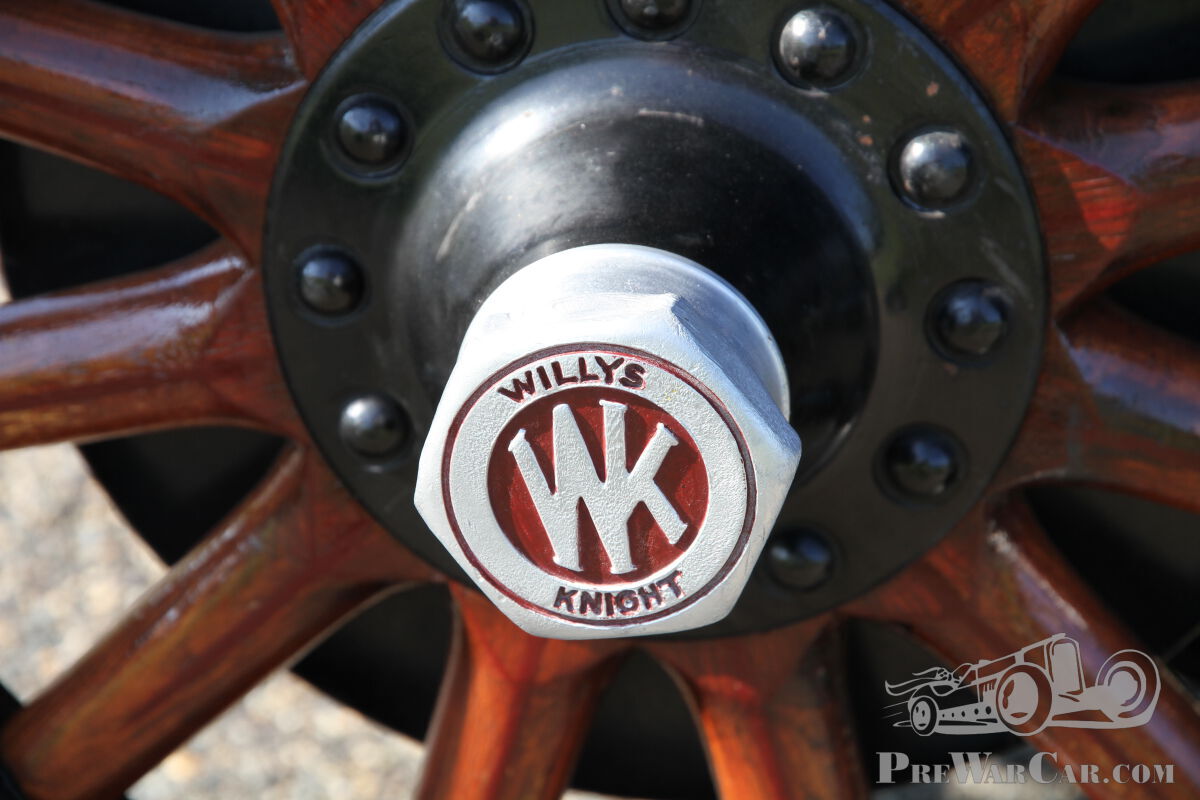
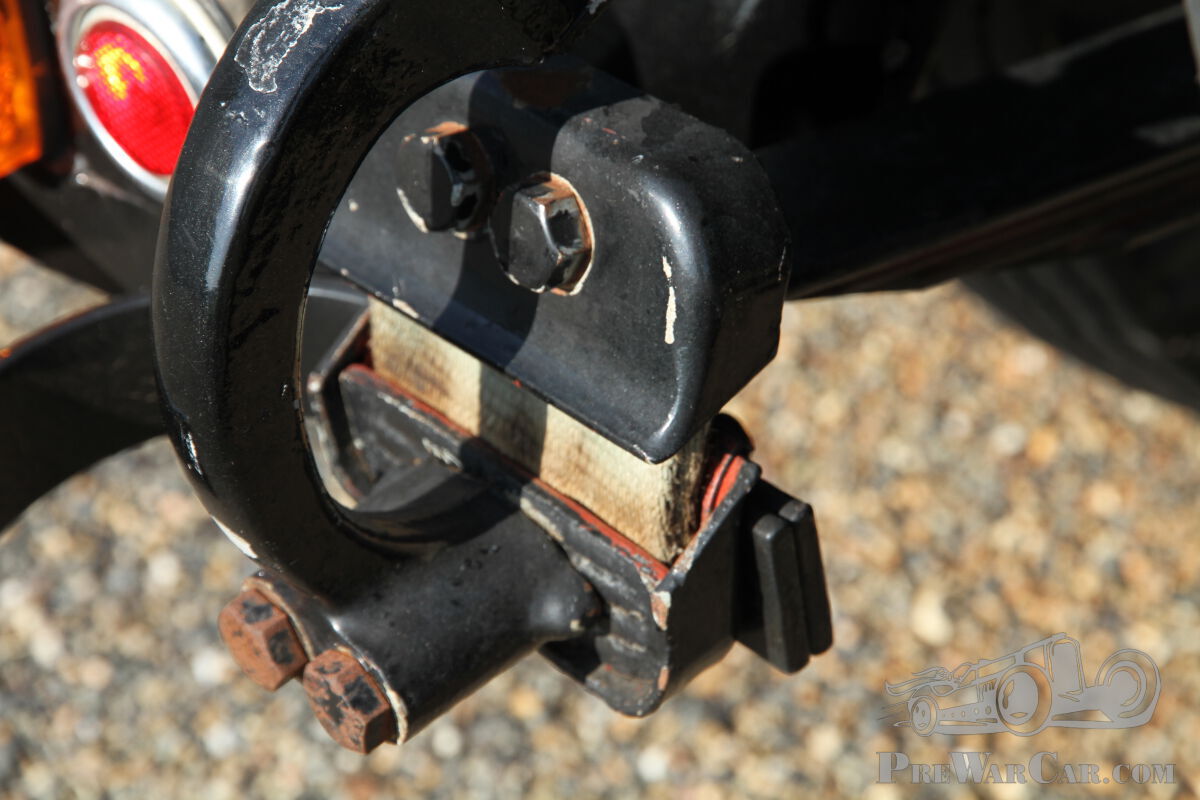

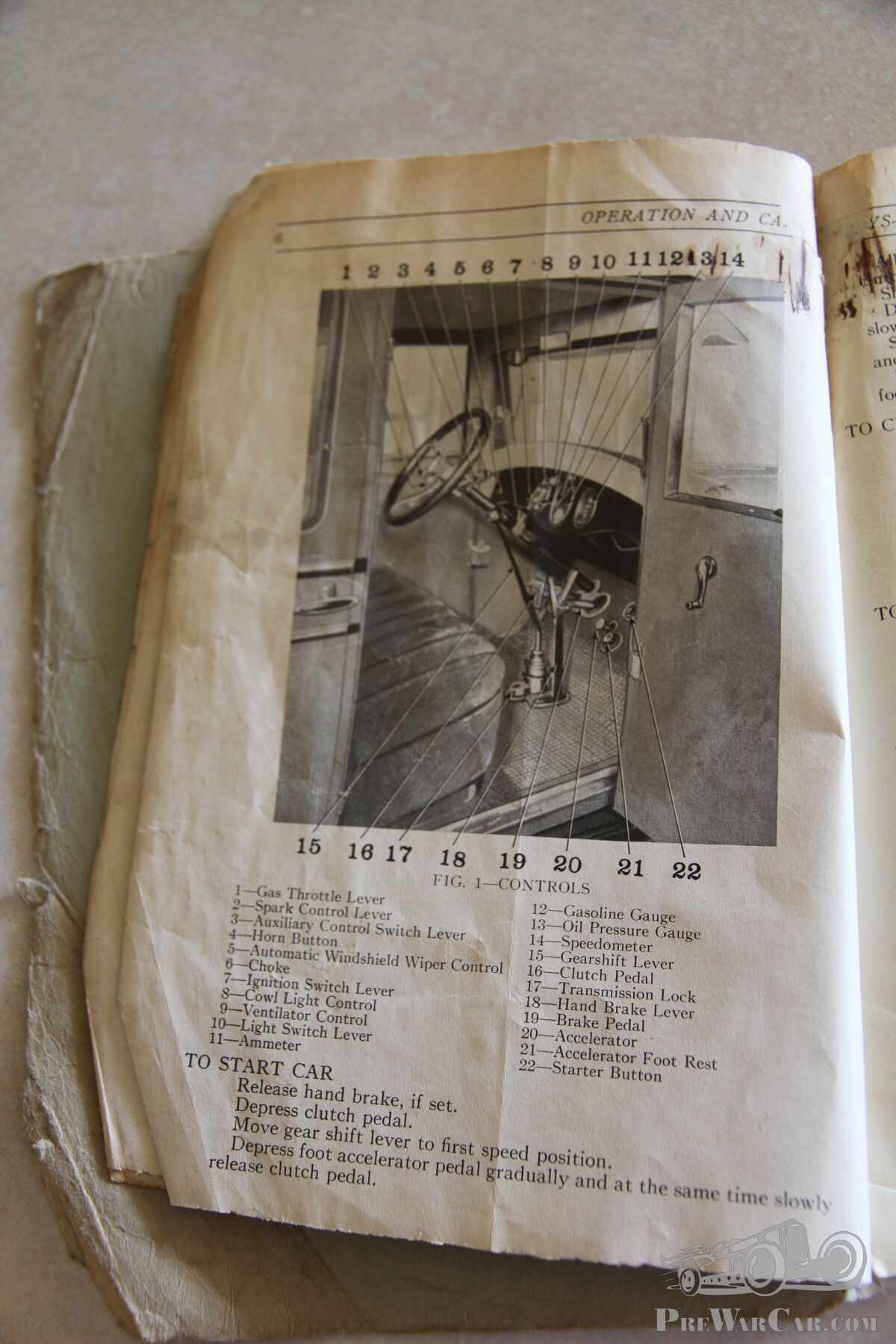
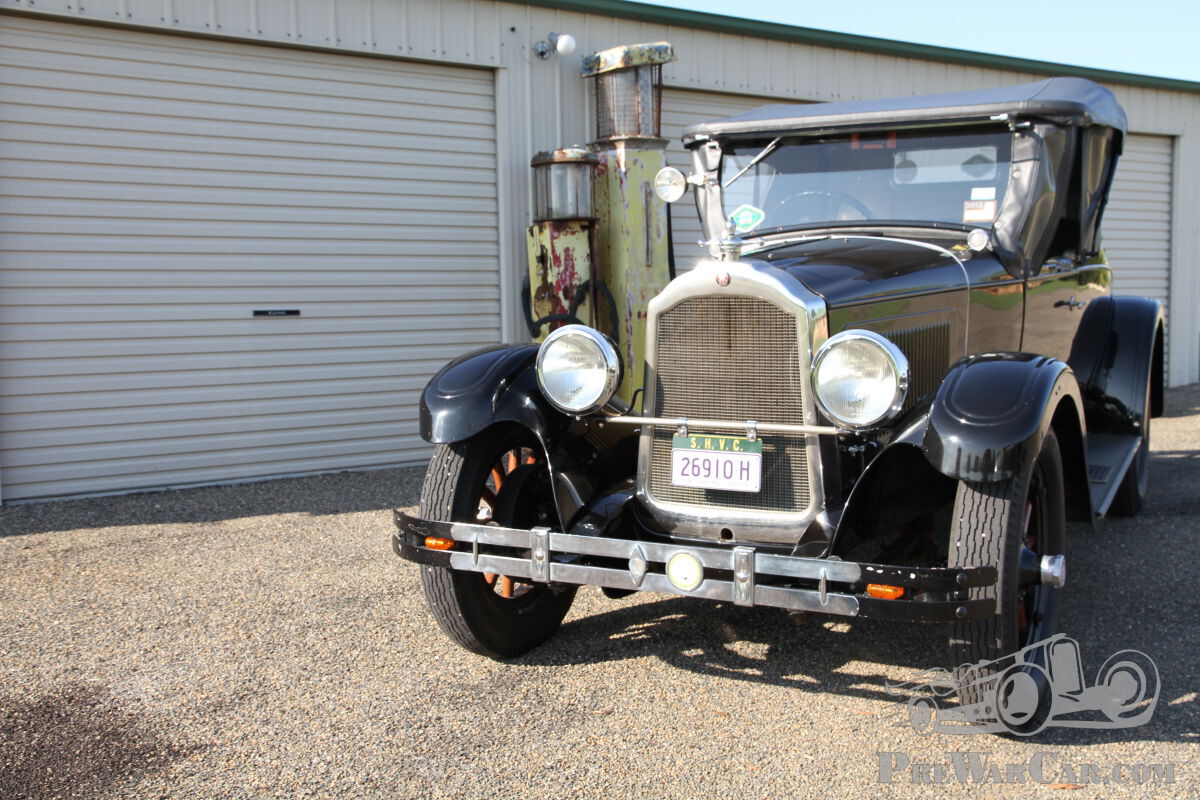
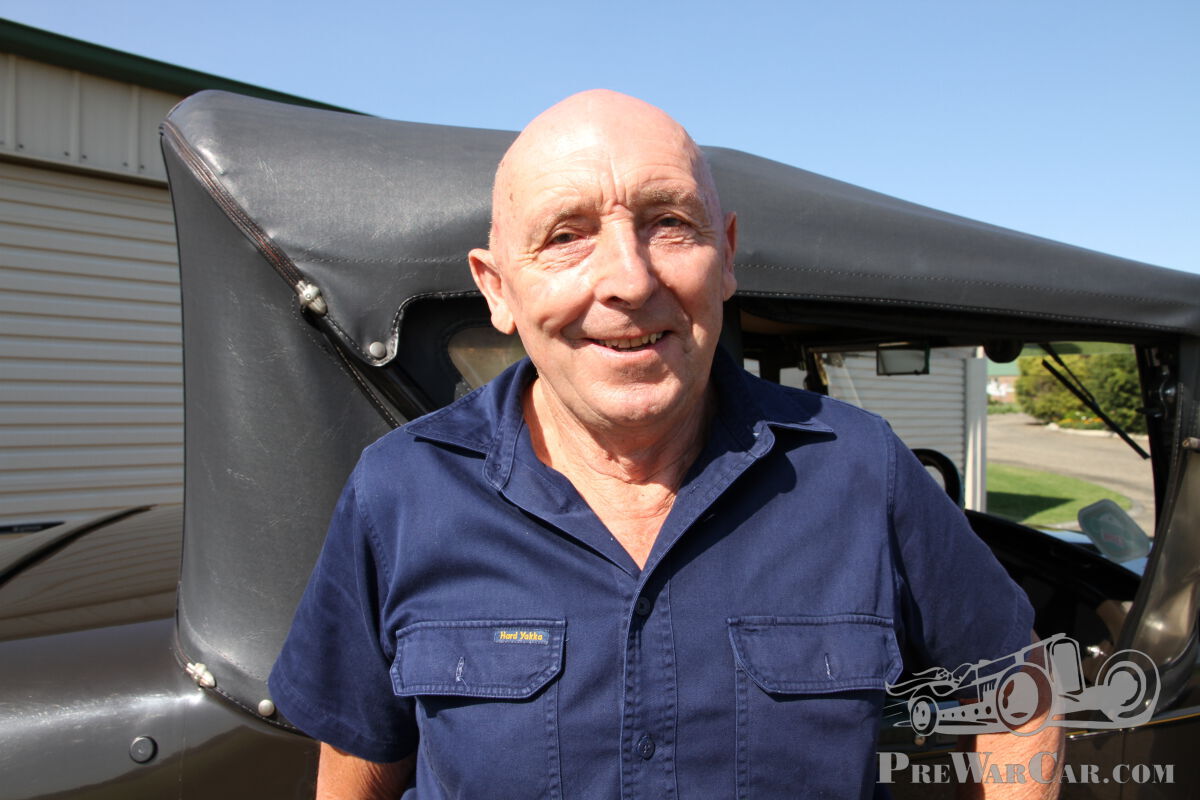
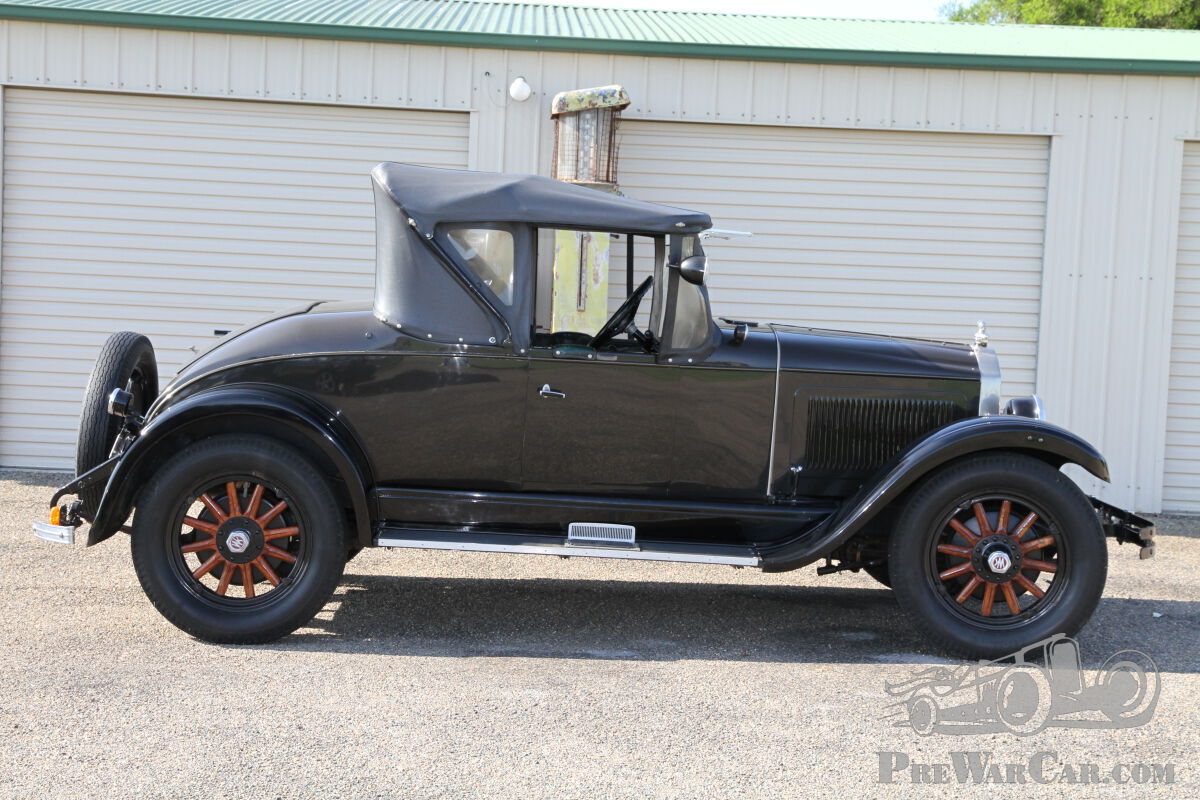
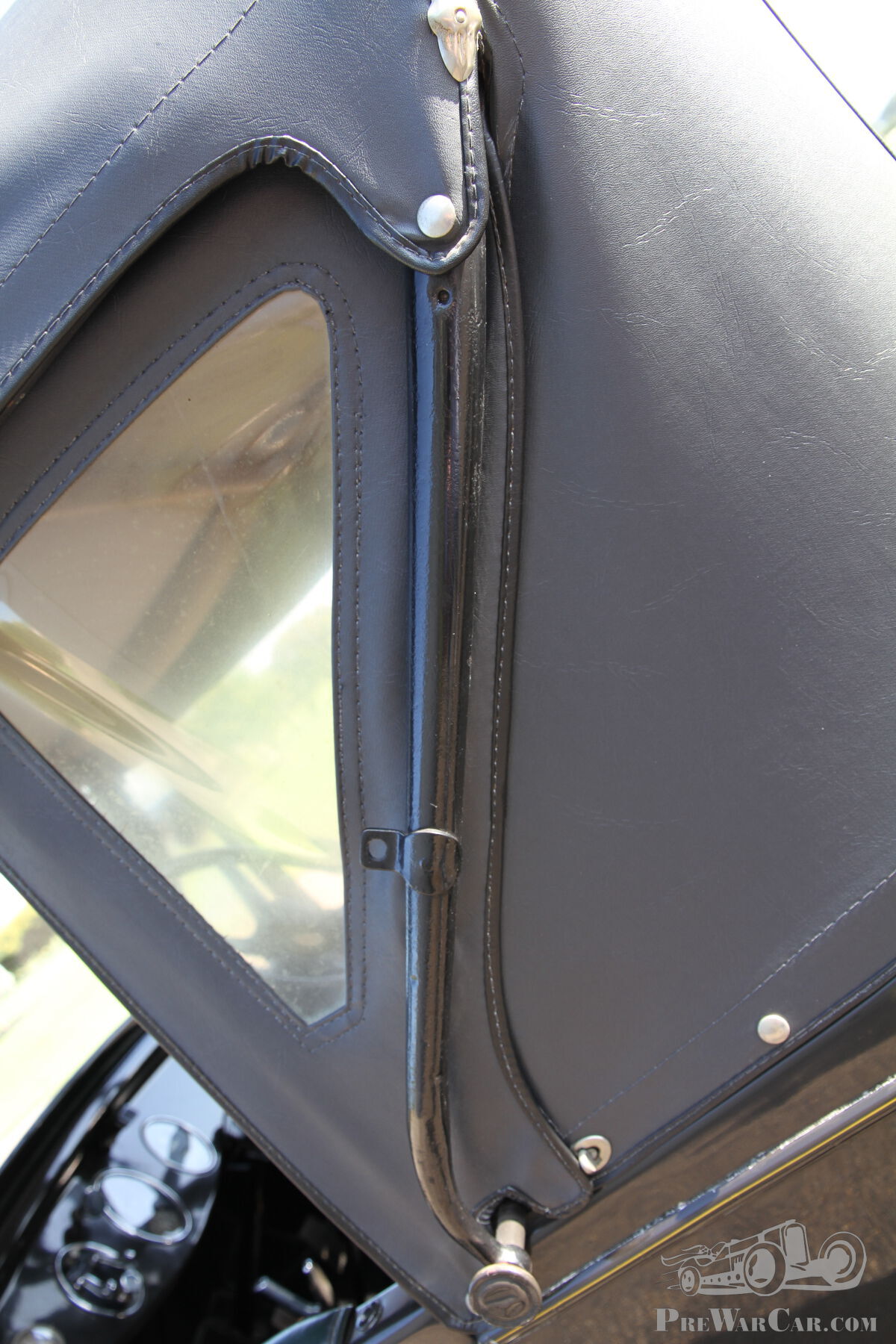
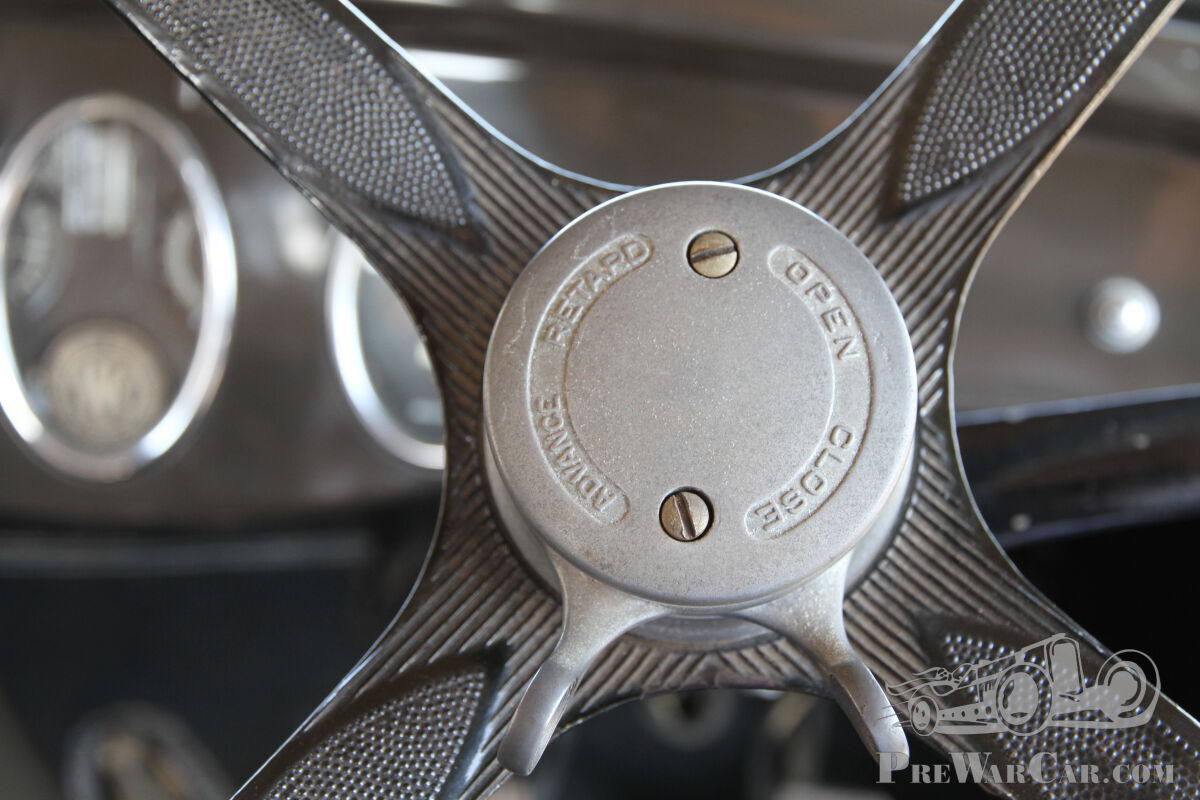
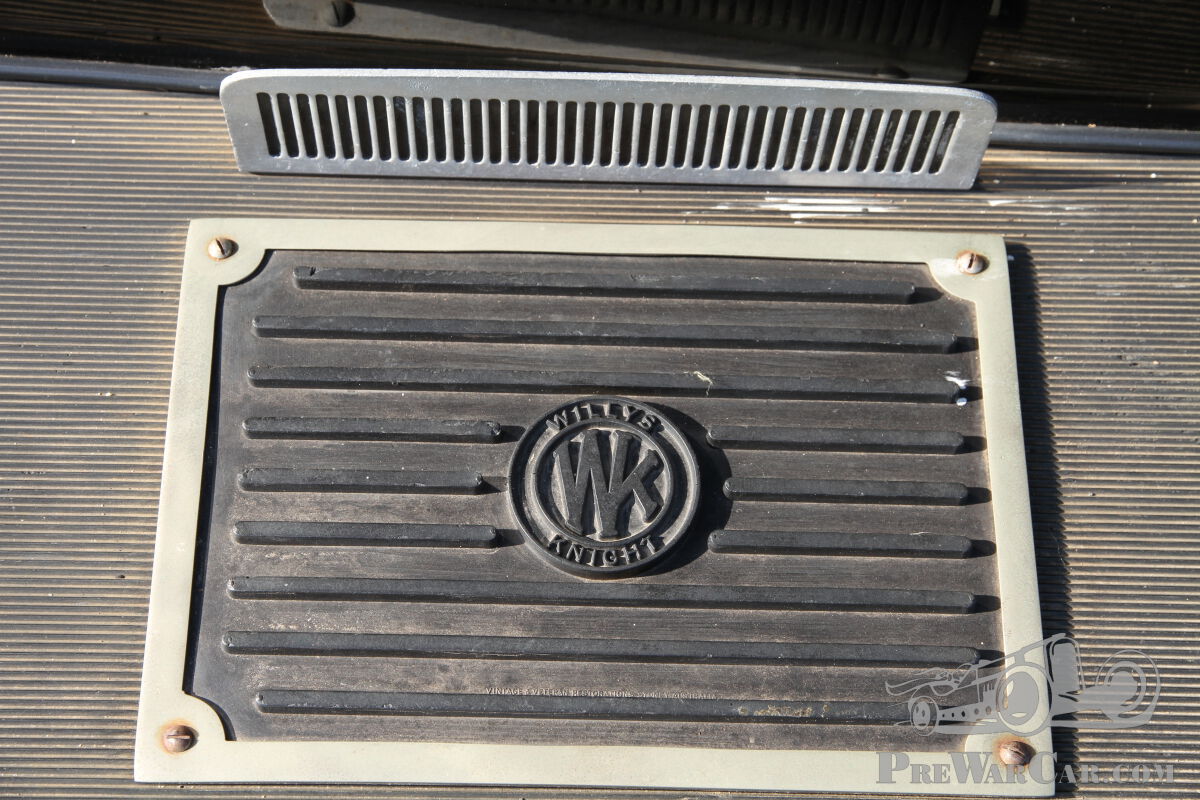


Jim Gibson finds this interesting piece of automotive history on the NSW South Coast where it has been for forty-four years in the care of retired bus and coach company owner Ross Stuart.
Ross bought this unique 1926 Willys Knight roadster from the original owner’s wife after the owner, Fred Dansey had past away. It lay idle for the next 13-years until 1977 when Ross decided to fully restore it, as he wanted his parents to take it to the 1978 Australian International Veteran & Vintage Motor Rally in Queensland.
With a tight timeline Ross started work while still running his business. Many late nights and every weekend were consumed on the restoration – off came the body and then the chassis was stripped of all mechanical components.
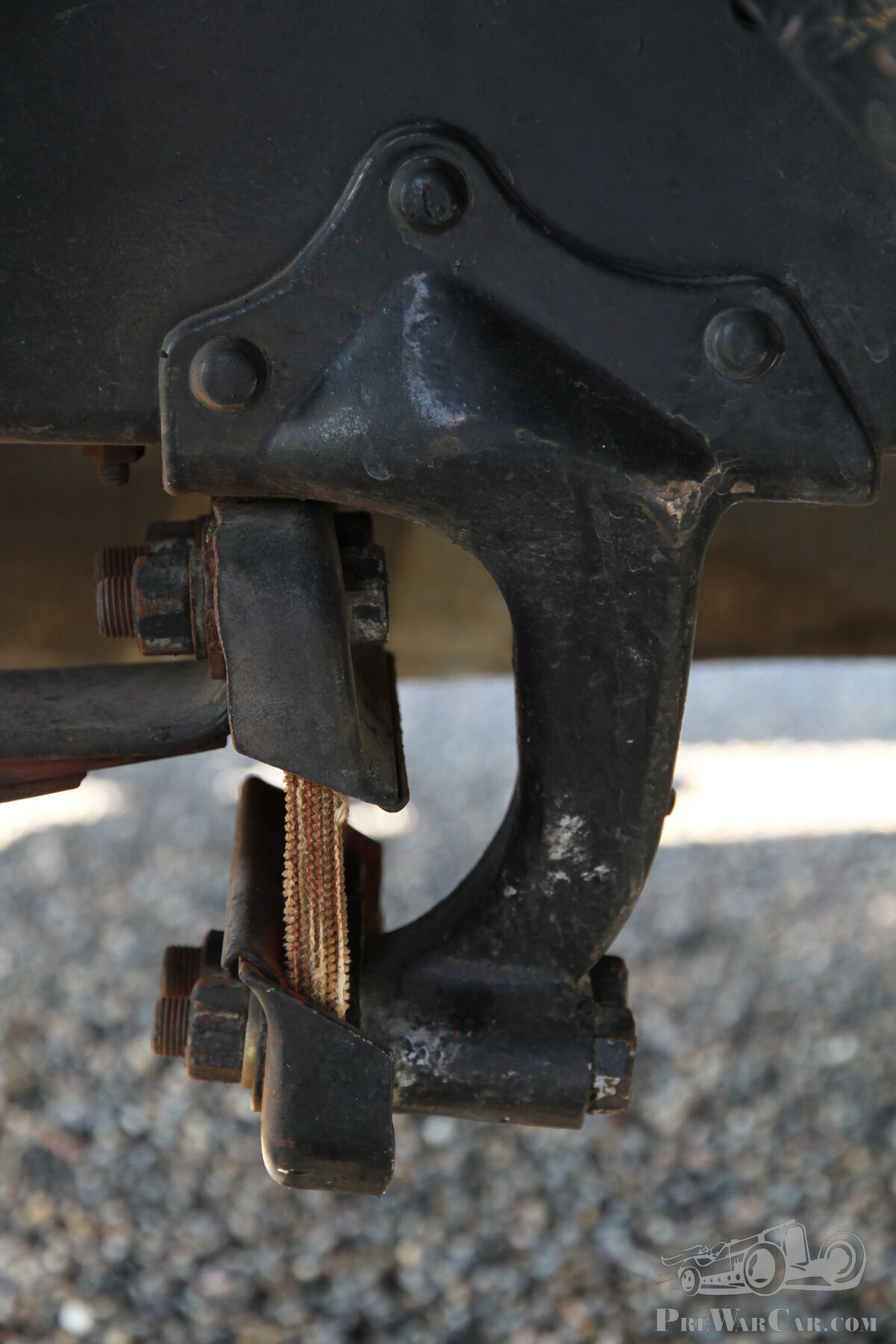
All nuts, bolts and rivets that were fatigued were replaced. The brakes were mechanically operated, with the rears having external bands that clamped around the two drums and the fronts were in fact ahead of their time, with an ‘S’ cam system that expanded the shoes, forcing them out onto the drums. Today’s heavy-duty drum brake trucks and trailers use this system. If you have ever wondered about the heavy black dual tyre marks left by one side of a truck that you often see on the highway, well wonder no more, it is usually caused by a trailer ‘S’ cam jamming, because the brake linings are so worn it goes past the point of no return and locks the brake on.
Ross re-raced the differential, replaced the races in the gearbox as well as a couple of badly wore gears. But the most interesting part of the car is in the name Knight.
Silent Knight
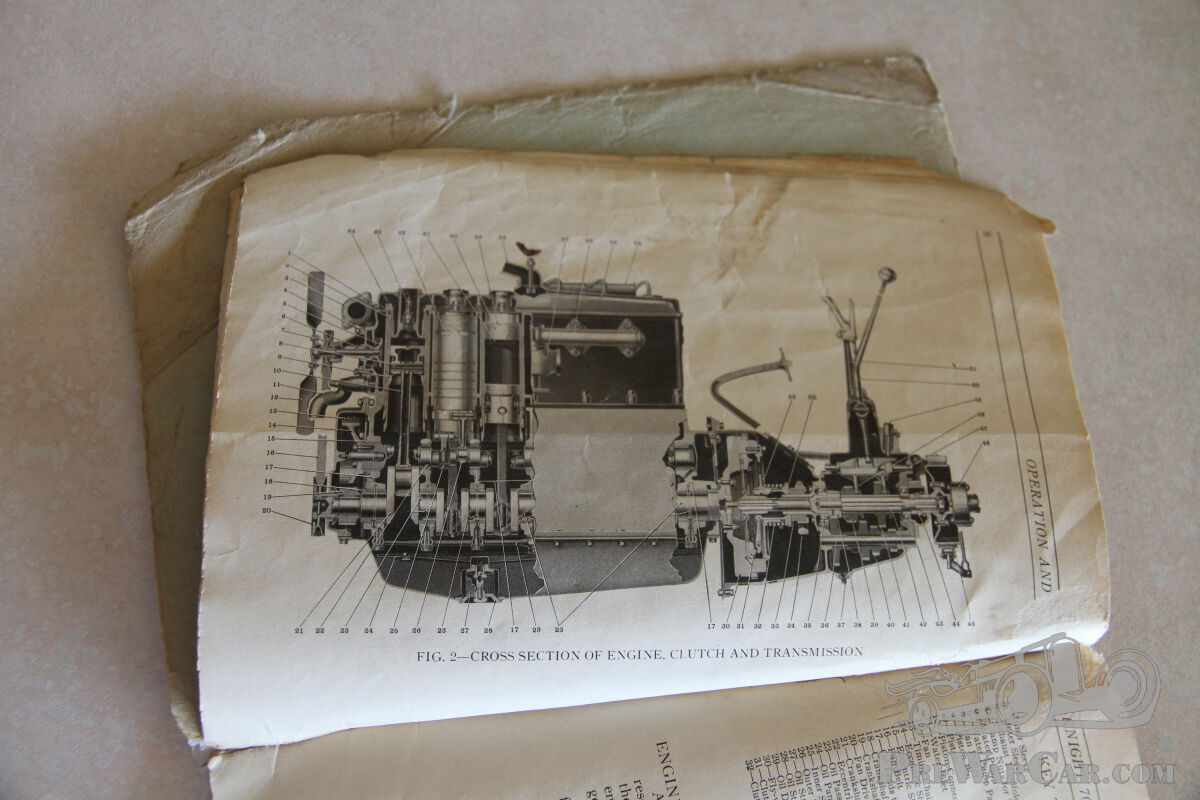
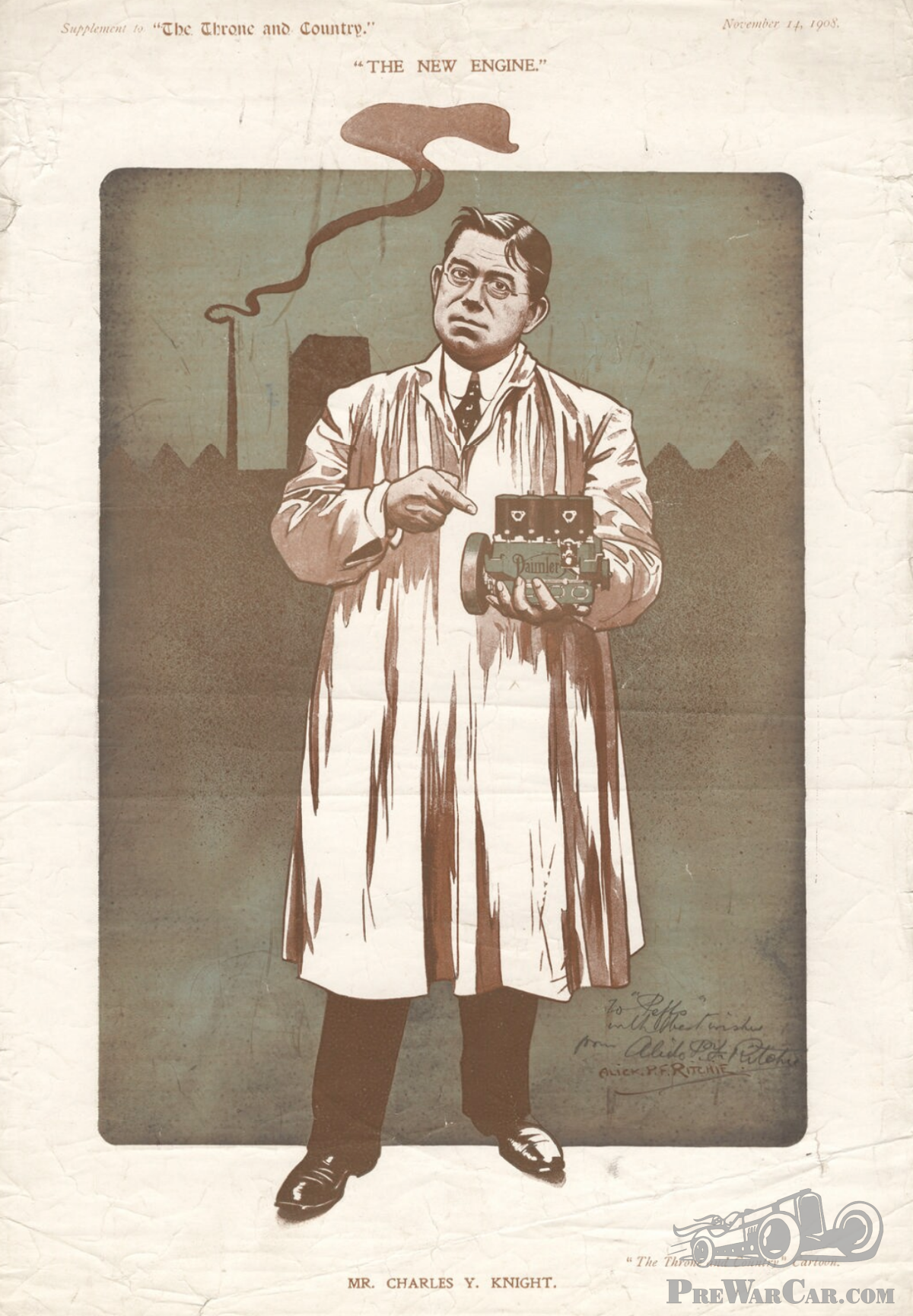
Willys is the car and Knight is simply the engine. It was designed by Chicago based engineer Charles Yale Knight in the early 1900s. His idea was to reduce the noise from the valve train in a conventional poppet valve petrol engine, which also weakens the valve springs over time.
The Knight engine doesn’t use poppet valves for inlet or exhaust like most conventional engines. Instead it has two close fitting sleeves that actually fit around each piston and inside the cylinder, the inner sleeve actually forming the ‘bore’ of the engine. Each of the sleeves move up and down via a type of ‘camshaft’ arrangement in much the same way that conventional valves move up and down, except the motion is quite smooth with the use of small con-rods similar to those on pistons. This up and down motion is carefully contrived so as to align circular openings (or large holes) in the sleeves themselves at the correct points in the four-stroke cycle and function as both inlet and exhaust ports. The spark plugs are centrally located in the cylinder head’s combustion chamber, which is perfectly spherical and free from pockets likely to cause pinging, which was a common problem of the day.
In declaring the advantages of his engine back then, Knight said; ‘There are no valve springs to weaken under load or heat. It has a hemispherical head for better combustion efficiency. It could actually show measured increases in compression and power due to carbon deposits forming on the already close- fitting sleeves. And it is very quiet and smooth in its operation.’
Ross says, “When we dismantled the engine we found it had very fine tolerances, it was intricate, yet Knight’s invention was quite simple once you understood its workings.” Ross fettled the majority of restoration work himself. He used his friend Jack Croft to machine the finite engine work required.
With body back on the chassis it was time for the interior trim to be refurbished and the exterior to have the finishing coats of the original colour lacquer carefully applied.
On the road again
The 16-month restoration was finished the week the car was due to set off for the Queensland show. It made the journey north without a hitch, which is in itself a tribute to the meticulous manner in which Ross completed the task. You only have to drive into the Stuart’s driveway, see the well manicured lawn, picture perfect garden around the house and then stand inside the bank of garages at the rear, and you know that this man is a perfectionist.
The next International Veteran & Vintage Motor Rally was held in New Zealand in the early eighties, so Ross and his wife Mary put the Willys on a ship and headed across the Tasman to join a contingent of 1160 classic cars of all makes.
After talking with owners from the various Willys’ clubs, some of whom had come across the Pacific from the U.S. – none had ever seen a roadster version of the 1926 Model 70. Ross can only surmise that the body was locally built, as many imported cars came to our country in those days without a body (effect of import tariffs) and local builders such as Holden and Richards in Adelaide and Properts and A.H Peters in Sydney to name just a few, fabricated various styles onto the imported chassis. Unfortunately, Ross’s car doesn’t have a body plate so it remains a mystery. The Willys cost £564 ($1120) when new – at the time a Chevrolet of similar configuration cost £260 ($520).
Ross believes that somebody has to bring these classics back to life and to care for them as part of our automotive heritage. He has also restored a 1930 Buick, which is one of the best restorations we have seen, but that car is a story for a future edition.
Words and photos by Jim Gibson.
Breakout:
The man behind the name
John North Willys (correctly pronounced Willis not Willees) was born in a small central-western New York village called Canandaigua on October 25, 1873. His father was a tile maker of some repute, and also made a decent income as a master bricklayer. As a young man John was an entrepreneurial type of fellow and after a foray into the automotive sales arena he purchased the Overland Automotive Division of Standard Wheel Company in 1908. He renamed it Willys-Overland Motor Company in 1912. From 1912 to 1918, Willys was ranked the second largest manufacturer of cars in the USA behind the Ford Motor Company. It was in 1913 that Willys acquired a licence to build Charles Knight's sleeve-valve engine, which it used in cars bearing the Willys Knight nomenclature. In the mid-twenties, the company also purchased the F.B. Stearns Company of Cleveland, Ohio – where it continued production of the Stearns-Knight luxury car. Willys went through a rough time during the ‘Great Depression’ – was restructured financially and reorganised. During WWII the legendary Willys Jeep was produced from 1941 and the last passenger car to be built by Willys was in 1955.
Specs:
1926 Willys Knight Model 70 Roadster
Engine: 178 cu-in (2.9-litre) 6-cylinder
Power: 39kw (53bhp)
Bore: 74.6mm
Stroke: 111.12mm
Transmission: Three-speed
Brakes: Four-wheel mechanical
Pubblicato:
martedì novembre 3rd, 2020
Facebook
LinkedIn
Twitter
WhatsApp
Email
Copy
Commenti
Steve Diggins
09 Novembre 2020, 13:29
I am sure the RHD chassis for this special car was made in Toronto, Ontario. I read somewhere the sleeve valve engines were supplied by Daimler of England. This would make sense to have the complete build within the Empire and duty free to those countries.
Per saperne di più
Dave
09 Agosto 2023, 04:59
I have a '26 cabriolet roadster. Are they rare? I live in Queensland, Australia.
Per saperne di più
Larry A. Lewis
09 Novembre 2020, 16:25
I live in Toronto- do you know where the plant was located?
Per saperne di più
Steve Diggins
09 Novembre 2020, 21:30
In 1916 Willys bought out the Russell company which had a factory on Younge Street in Toronto. Willys cars were built at this factory and I think Russell also had another newer factory close by. I would suggest you contact the city library and archives for further information.
Per saperne di più
Larry A. Lewis
10 Novembre 2020, 05:47
Thanks- the city archives would have that info. I will check that the next time I'm there. I know that other cars were built here such as Dorts, Durants and Chevrolets.
Per saperne di più
Larry A. Lewis
03 Novembre 2020, 17:50
A friend in Michigan named Gabe Bandy has several sleeve-valve cars, Willys, Stearns and an English Daimler. I was at his house and I said how my father told me how they were very difficult to start when cold. so he led me to the garage and said that his 1921 Stearns hadn't been driven in several days. He reached in, worked the controls and it started instantly. Fascinating cars!
Per saperne di più

David Liepelt
03 Novembre 2020, 15:14
I have owned my 1930 Willys-Knight 66B Great Six Sedan for 10 years. I have driven it 55,000 miles in that time, all over the US. I drove it 8 times the 600 miles from Michigan to Hershey. In 2011 I drove it 1600 miles to Santa Fe, New Mexico. It took me 4 days of peace and quiet and solace. It has 134,000 miles on it, but still maintains 45 lbs oil pressure. It still wears the original paint on the body and the original interior. Everywhere I go, folks are just amazed at how quiet it runs and how elegant it is.
It is just the most remarkable car to live with. It does everything I need!
Per saperne di più
It is just the most remarkable car to live with. It does everything I need!