La rivista e il marketplace globale per gli appassionati di auto d’epoca, creati da appassionati.
La rivista e il marketplace globale per gli appassionati di auto d’epoca, creati da appassionati.


Filter
Faccia la sua scelta
- Automobile
-
Marca >>
-
Anno >>
-
- Motociclette
-
Ubicazione >>
- Parti e altro
-
Marca dell'auto >>
-
Produttore >>
-
Categoria >>
- Biciclette
-
Anno >>
-
Paesi



Windhoff in a winter wonderland: vintage motoring in a Swedish snowscape
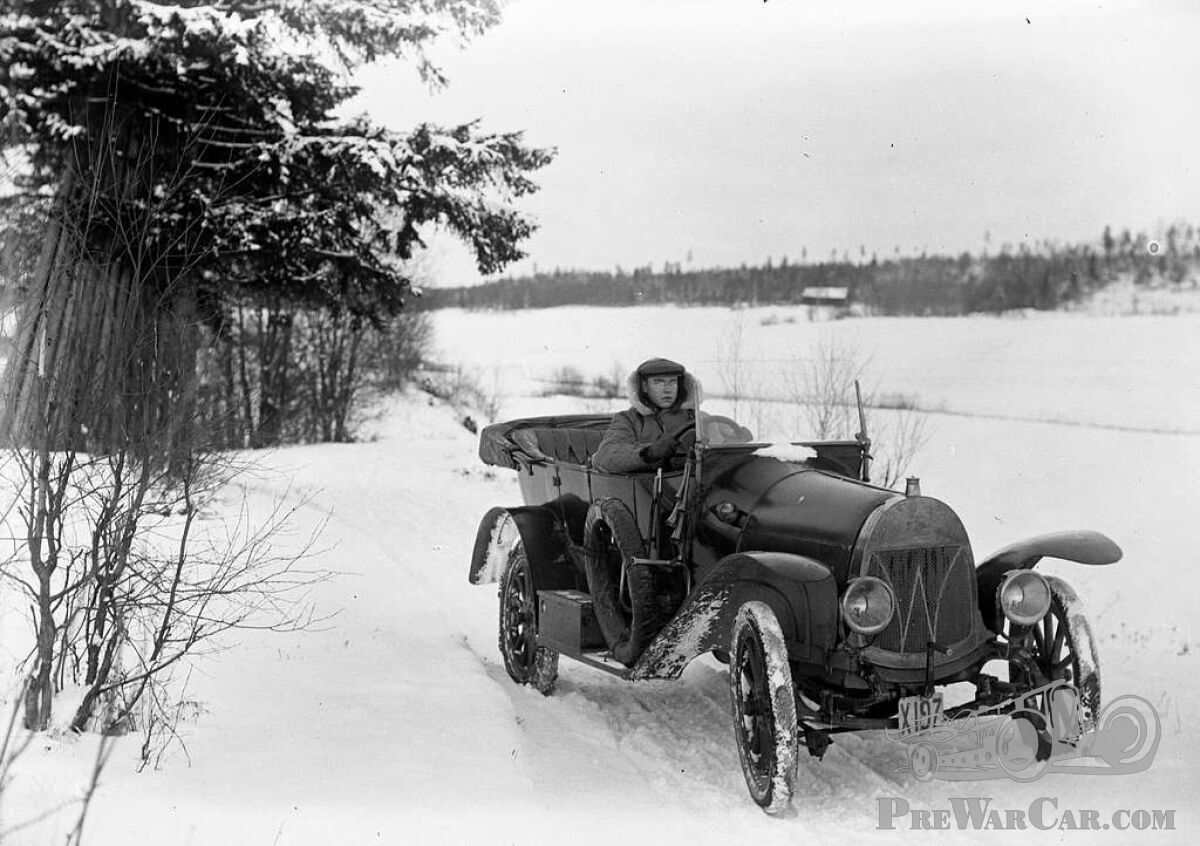
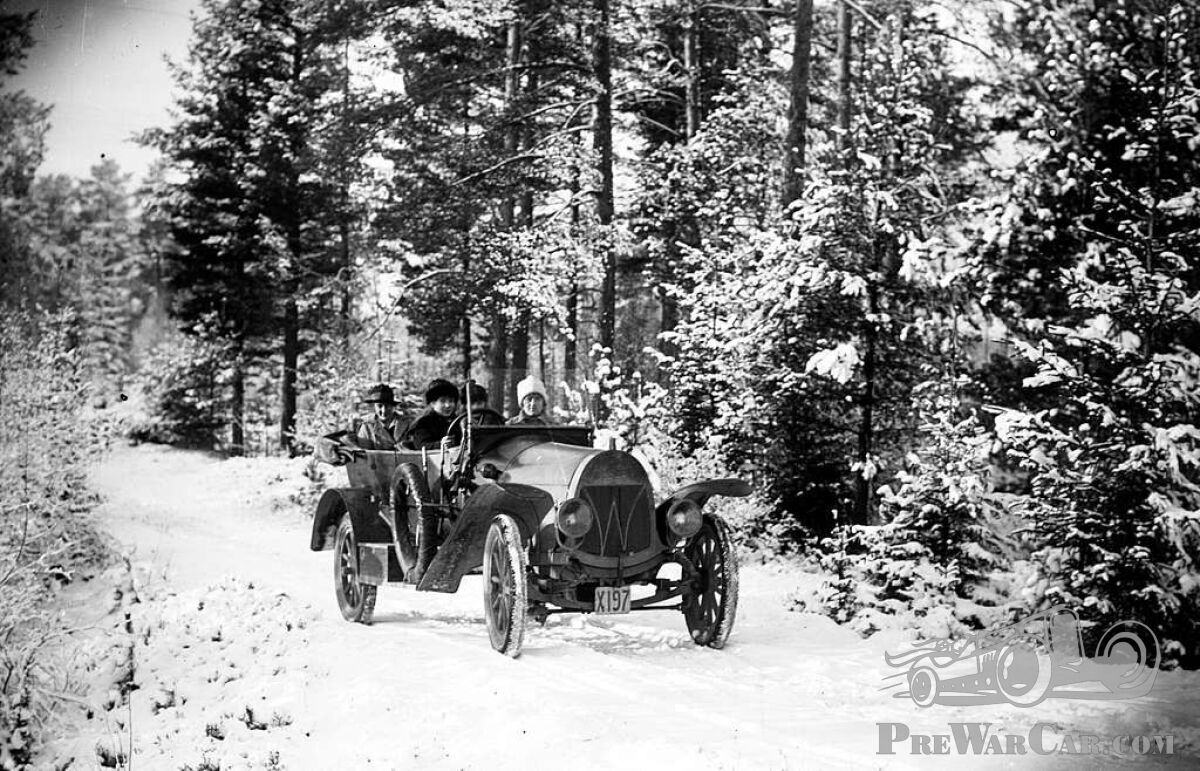
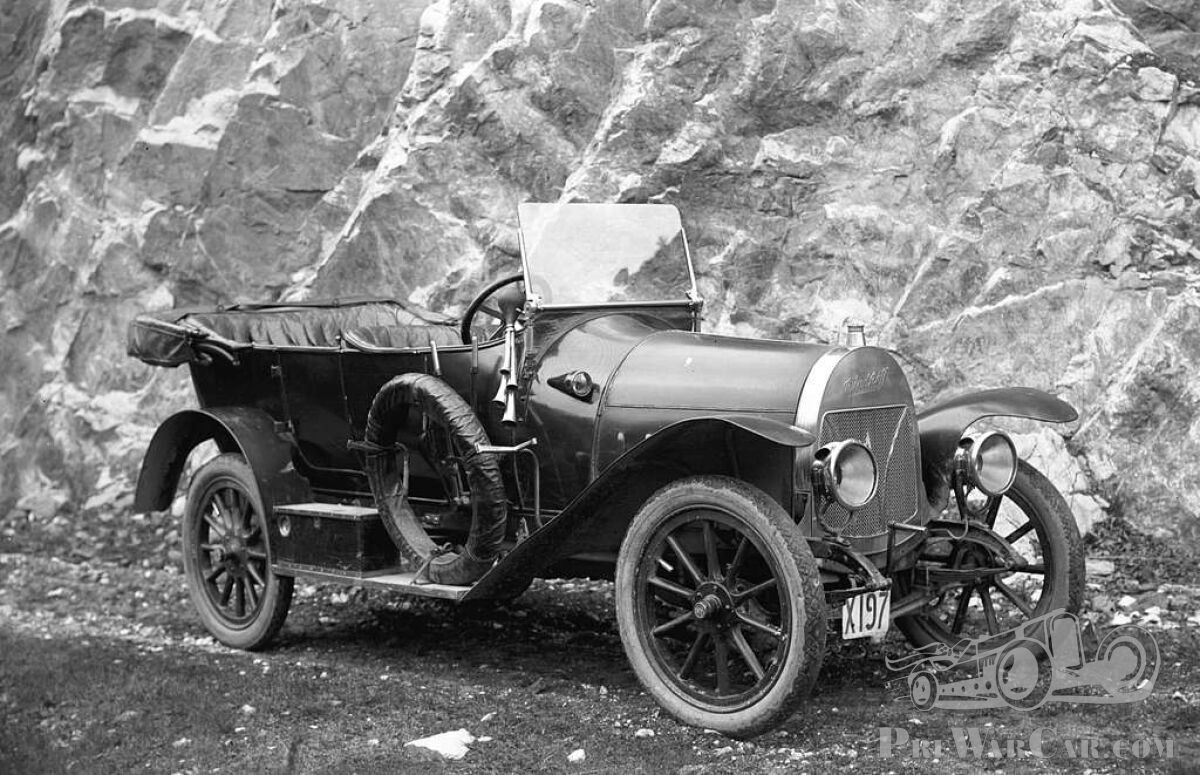


Whoever heard of the Windhoff car? It's not one we'd come across before we found these photos, and even the internet can't reveal much, except that the firm is still in business as a maker of railway rolling stock and heavy plant machinery. We must defer, then to Hans-Otto Neubauer, writing in Georgano's The Complete Encyclopedia of Motorcars 1885-1968, who revealed that Gebr. Windhoff Motoren- und Fahrzeugfabrik GmbH built cars in Rheine, Germany, from 1908 to 1914: "The firm produced automobile parts (engines, radiators, transmissions etc.) before starting to build their own cars. Two 4-cylinder and two 6-cylinder models appeared in 1908 with engine capacities ranging from 2,012cc to 6,125cc. From 1911, overhead inlet valves were used. Windhoff cars were of a high technical standard and good finish. They appeared in various trials, including the Prince Henry, which they finished quite satisfactorily, proving their design as sporting cars of high performance. The 6-cylinder 3.9-litre model in particular was among the best cars of its time. A variety of models was offered until 1914, when car production was discontinued because of the outbreak of World War I."
Windhoff may have hailed from north-western Germany, but this example was photographed in Sweden in 1920 or 1921, which reminds us of our recent article about the sole-surviving Beckmann car, which was also made in Germany but exported to Sweden in 1920. The Beckmann historian Christian Börner has explained that because of the crippling reparations imposed upon Germany for her rôle in the Great War, she had to attract as much foreign investment as possible through the export of goods such as automobiles. The Scandinavian countries, and Sweden especially, were identified as a likely market. Could this Windhoff have arrived there under the same scheme?
We don't know much about this car, except that it apparently belong to a gentleman named Josef Eriksson, although in the lead photograph it is being driven by Yngve Tjerneld (in flat cap and parka), who must have been a friend. The location is said to be Västerhästbo in southern Sweden, about 120 miles north-east of Stockholm. The stationary photograph seemingly taken in front a cliff was actually taken at the Valls kalkbrott (limestone quarry) near Västerhästbo. Apparently, Eriksson owned the car between May 12th, 1920, and July 5th, 1921.
In the pictures, the Windhoff seems to be coping well with the snow, so it must have been a fairly hardy machine. We wonder if any have survived, though, or if they've all succumbed to the ravages of Scandinavian winters? We don't suppose there could possibly any left, but we would have said the same about Beckmanns until the restored car suddenly came into the spotlight a couple of months ago...
Words: Zack Stiling
Photographs: Picryl
Pubblicato:
venerdì dicembre 27th, 2024
Facebook
LinkedIn
Twitter
WhatsApp
Email
Copy
Commenti


Laurent Zoller
29 Dicembre 2024, 20:34
The "W" on the radiator of automobiles has been a registered trademark since April, 1911.
-------------------------------------------------------
Le W sur le radiateur des automobiles est une marque déposée depuis avril 1911.
Per saperne di più
-------------------------------------------------------
Le W sur le radiateur des automobiles est une marque déposée depuis avril 1911.


Stanislav Kirilets
29 Dicembre 2024, 12:35
A Windhoff in Russia c.1912 and adverts.
Per saperne di più
Jorrit Vincent
27 Dicembre 2024, 15:13
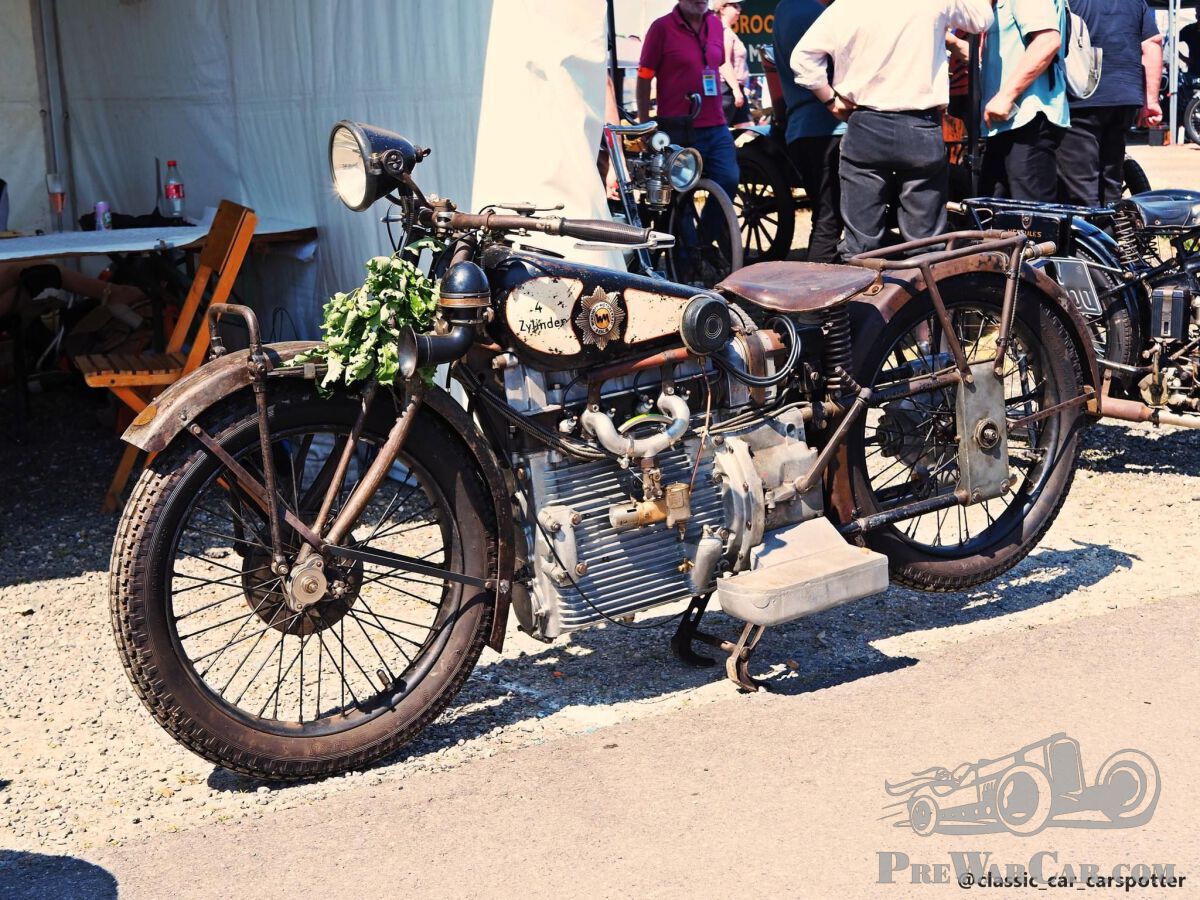
Here is a picture of a Windhoff motorcycle. Note the engine is part of the frame. The rear bridge is mounted to the gearbox and the top for the steering is mounted to the top of the engine. The engine is all aluminum except for the cylinder head. It has an overhead cam, is oil-cooled and has shaft-drive to the rear wheel.
Per saperne di più

Michael Schlenger
27 Dicembre 2024, 00:39
I have dealt with this exact car in my pre-war car blog already in 2019. Unfortunately, you don't accept web-links. Anyway, this Windhoff is a well-known car documented in several superb photos made by the Swedish photographer Josef Eriksson. The car was first bought by Kopparberg & Hofors Sågverksaktiebolag in 1917 in Ockelbo. In May, 1920, Josef Eriksson (Hästbo) registered the car. It was probably scrapped in 1923 or 1924, because an Overland was registered in 1924 with the same number. For those who would like to see more photos of this Windhoff search for "foto historiska fordon personbilar windhoff". I've attached a photo (from my colletion) showing a Windhoff in Germany in 1914.
Per saperne di più
Windhoff cars were on sale in England for perhaps just a short time. In July, 1913, concessionaires Harford & Co. of Sherwood Street, Piccadilly advertised them:
“WINDHOFF CARS. Are built as cars should be, and they run as cars should run.
We shall be pleased to give a trial run in Kent at any time to demonstrate the extremely smooth running and hill climbing qualities of the new Windhoff Cars.
The chassis is of good design, made of first-class material, carefully put together.
The bodies are specially designed to give comfort combined with elegance.
SPECIFICATION: 4-cyl. engine, monobloc (overhead inlet valves, encased). Eisemann automatic advance magneto, Solex carburettor, leather cone clutch, 4-speed gearbox, live axle, 9ft. 5ins. wheelbase, large tyres.
PRICES:
With engine 70 mm by 100 mm and 4-seater torpedo body… £290.
With engine 78 mm by 118 mm and 4-seater torpedo body… £345.”
Windhoff gained the attention of world-wide motoring correspondents at the 1911 Berlin Motor Show, when they displayed an aerodynamic Berlin taxi limousine. Motor World, NY wrote on 9th November 1911:
“Gebrueder Windhoff of Rheine has placed the chauffeur’s seat and the steering wheel and column fairly and squarely in the center. The body of the car tapers gradually toward the hood, leaving a seat of single width in front of which the steering column is mounted. It is claimed that this arrangement renders steering and supervision of the road easier, while at the same time tending to balance the load more correctly and give the passengers a more open view ahead.” They described its aerodynamic pretentions as novel yet practical and said it had a c.98x130mm, 15-40 h.p., 6-cylinder engine with fully enclosed valves and an integral gearbox. Wheelbase was 130 inches.
With its passenger layout and a near six-litre German engine, only about eighty years ahead of the McLaren F1…