La rivista e il marketplace globale per gli appassionati di auto d’epoca, creati da appassionati.
La rivista e il marketplace globale per gli appassionati di auto d’epoca, creati da appassionati.


Filter
Faccia la sua scelta
- Automobile
-
Marca >>
-
Anno >>
-
- Motociclette
-
Ubicazione >>
- Parti e altro
-
Marca dell'auto >>
-
Produttore >>
-
Categoria >>
- Biciclette
-
Anno >>
-
Paesi



Women with wrenches

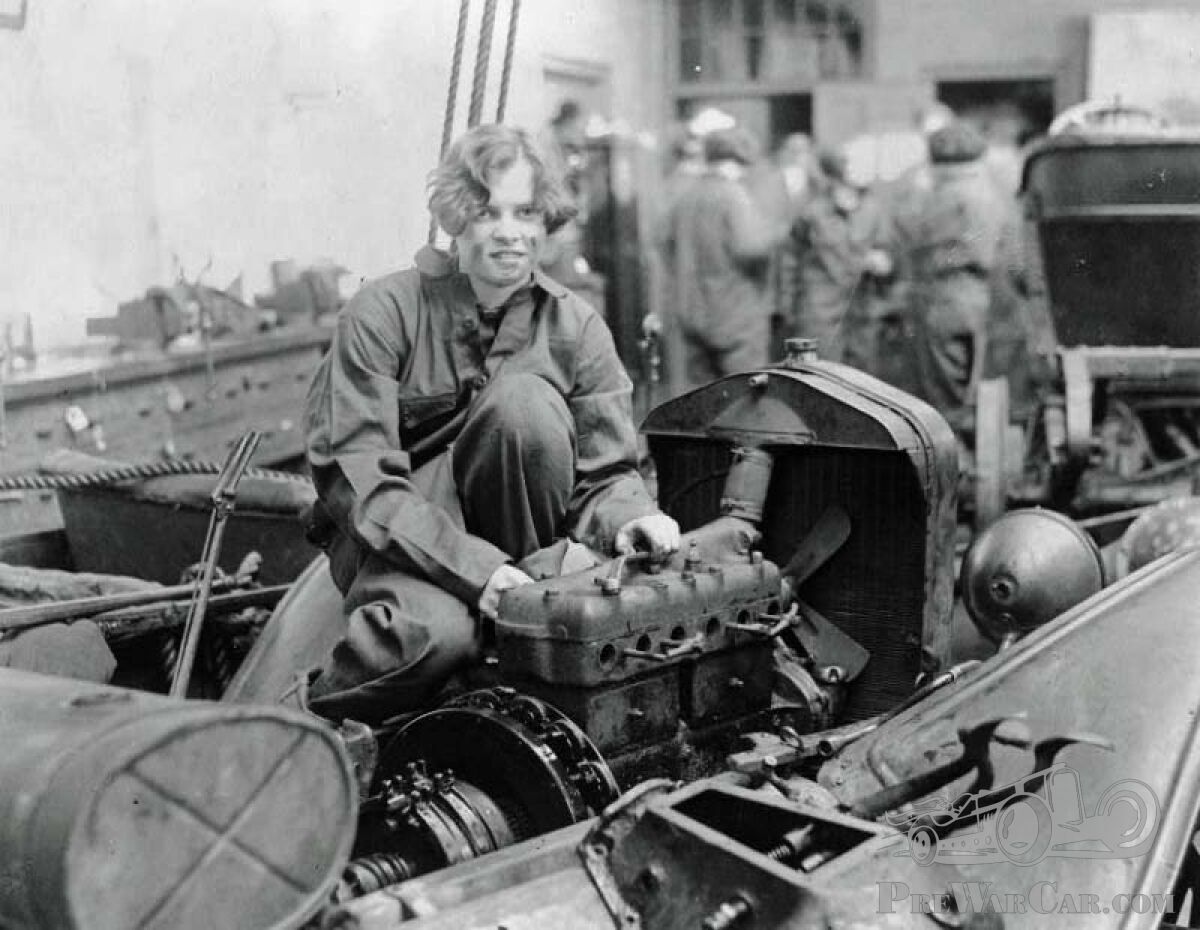


Throwback Thursday! The high school girls in the pictures were ahead of their time and were learning the art of automobile mechanics in 1927 at Central High School, Washington D.C. From left to right we see Grace Hurd, Evelyn Harrison and Corinna DiJiulian, with Grace Wagner under the car.
Female mechanic
When was the last time your car has been serviced by a female car mechanic? The chance that you will answer “never” is approximately 99,9%. Even in our modern times, where men and women are equal in most countries. Theoretically, that is. In practice it may be different. There are not that many female mechanics, it still is a men’s job.
Back in those days, in the United States, it was World War I that made space for women in the workforce, amongst other economic and social influences. Due to the rise in demand for production from Europe during the war, more women found themselves working outside the home. These were mostly in factory jobs or as domestic servants, but as WWI came to an end they were able to move on to such jobs as salespeople in department stores as well as clerical, secretarial and other jobs. It was the entry of the United States into World War II that created a serious shortage of engineering talent in that country as men were drafted into the armed forces. During WW II, women worked in the war industries, building ships, aircraft, vehicles, and weaponry. Women also worked in factories, munitions plants and farms, drove trucks, provided logistic support for soldiers, and entered professional areas of work that were previously the preserve of men.
How about you, would you let a female mechanic fix your car? My tongue-in-cheek advice: since women have smaller hands than men when it is about fixing small parts like a fuel tap, let a female mechanic handle it!
Words by Marius Hille Ris Lambers. Pictures US National Photo Company Collection.
Pubblicato:
giovedì agosto 6th, 2020
Facebook
LinkedIn
Twitter
WhatsApp
Email
Copy
Commenti
Tony Press
09 Agosto 2020, 05:15
Speaking of women mechanics I have just read the recently published Melbourne book 'A Spanner in the Works' : the extraordinary story of Alica Anderson and Australia' s first all-girl garage in the Melbourne suburb of Kew in 1919.
This fascinating story shows the difficulties for garage girls then (and probably even now).
Per saperne di più
This fascinating story shows the difficulties for garage girls then (and probably even now).
Marius
14 Aprile 2017, 11:53
@Tom St Martin And why was she called "Big Jane", Tom? ;-)
Per saperne di più
Sconosciuto
10 Aprile 2017, 16:29
My former business, an equipment rental company, had a lot of trucks for rent, service and deliveries. We also plowed snow during the nine months of Minnesota winters. One of the best companies for automatic transmission work was run by a woman known as Big Jane.
Per saperne di più
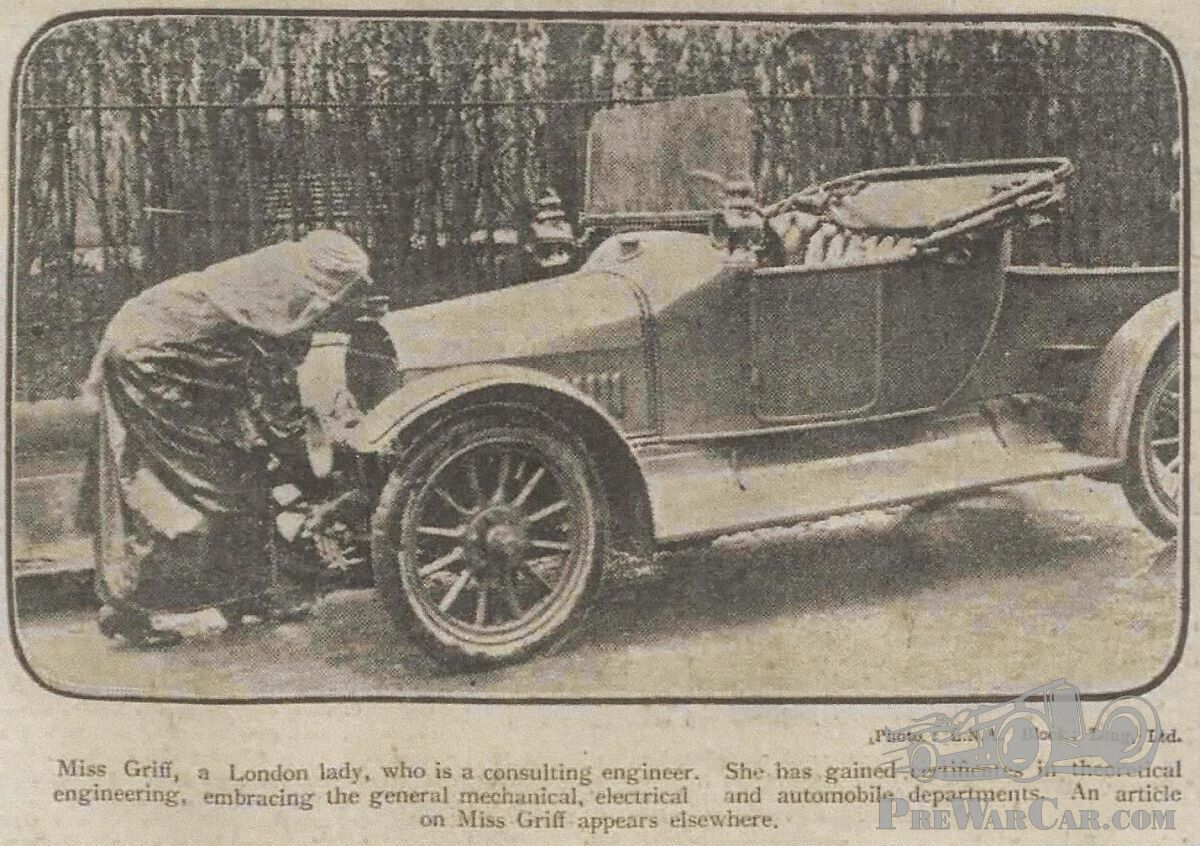
She had taken an apprenticeship at a commercial motor works, gaining London Examination Board Certificates in electrical, mechanical and automobile engineering. She said, “As soon as motors came in, I became specially interested, and soon had a car of my own.”
A canny businesswoman, she upset some male engineers by not opening her office in London’s Victoria-street engineering quarter but in New Bond-street. She smilingly observed about well-heeled women shoppers wanting advice on automobiles, farming equipment or electric lighting: “They love Bond-street.”