La rivista e il marketplace globale per gli appassionati di auto d’epoca, creati da appassionati.
La rivista e il marketplace globale per gli appassionati di auto d’epoca, creati da appassionati.


Faccia la sua scelta
- Automobile
-
Marca >>
-
Anno >>
-



1938 Jaguar SS100 3.5 Litre
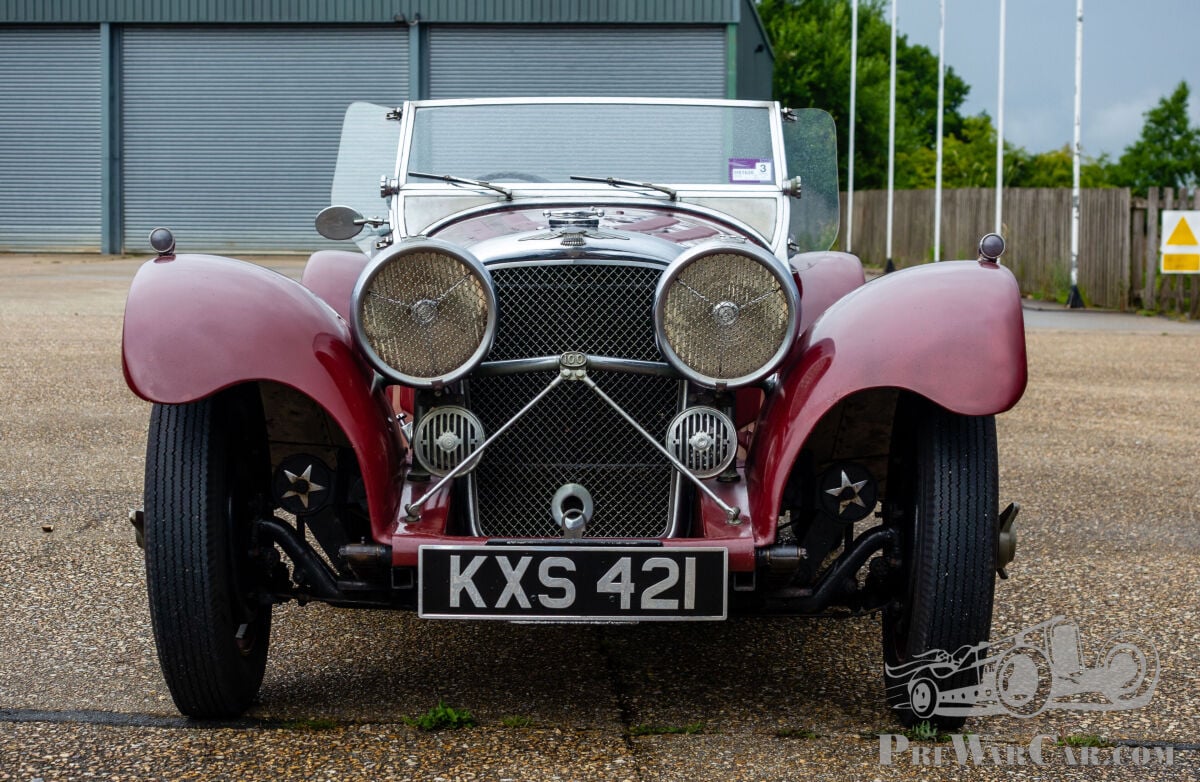
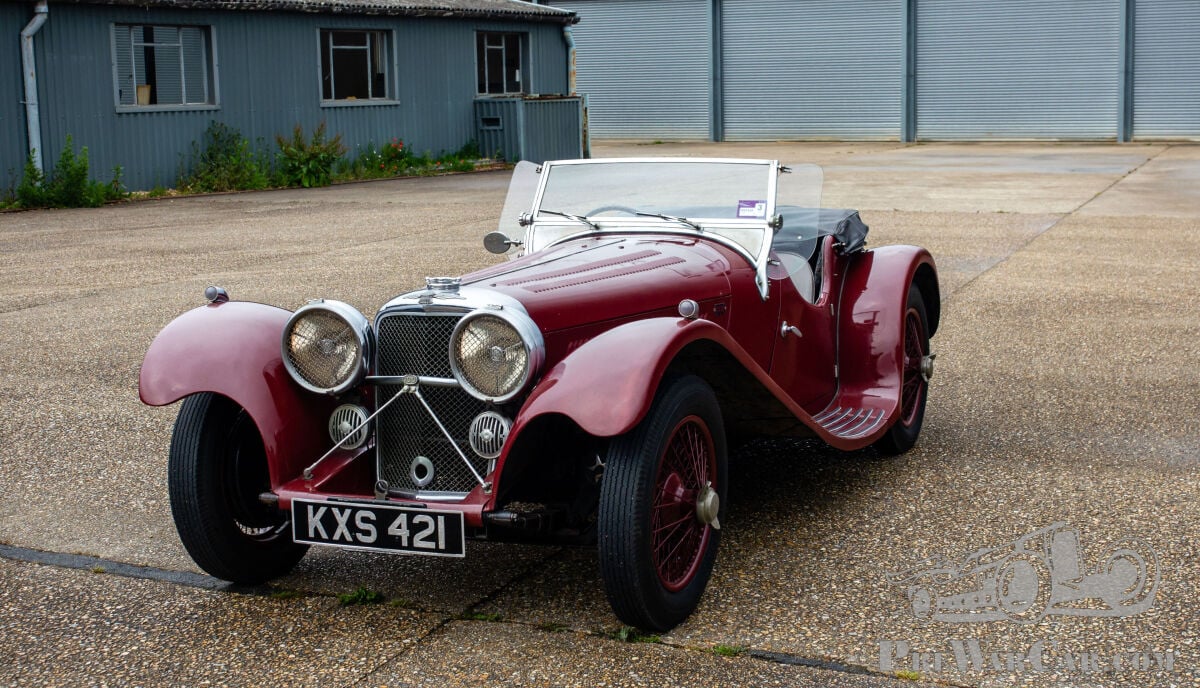
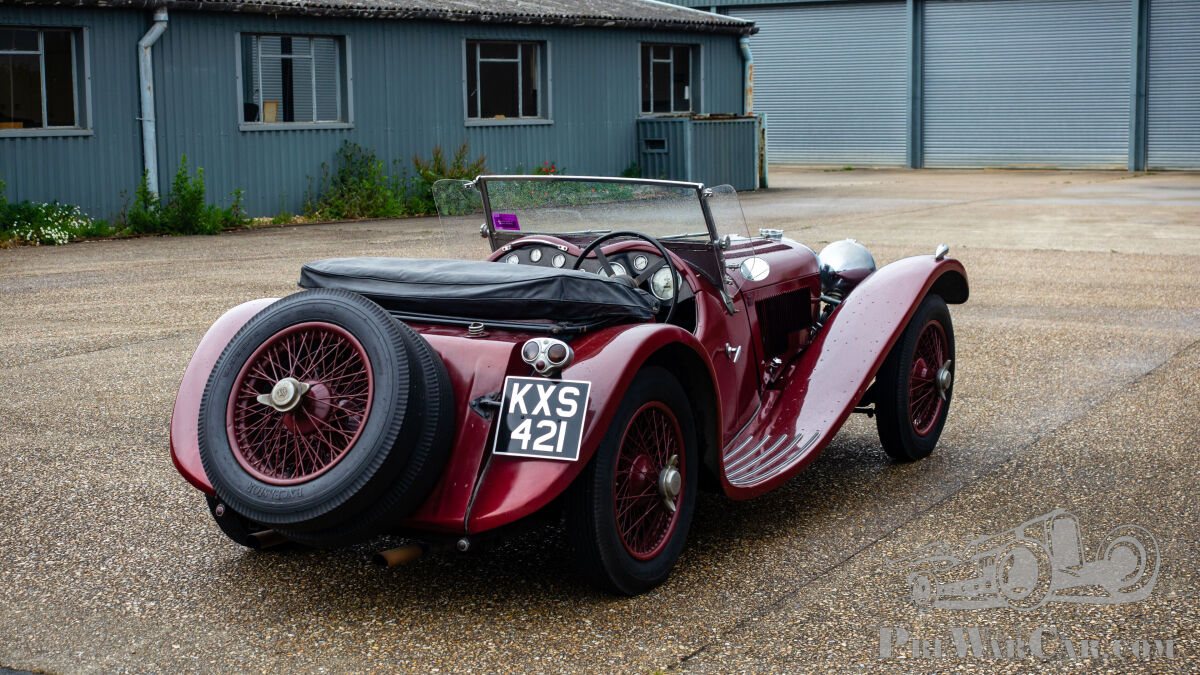
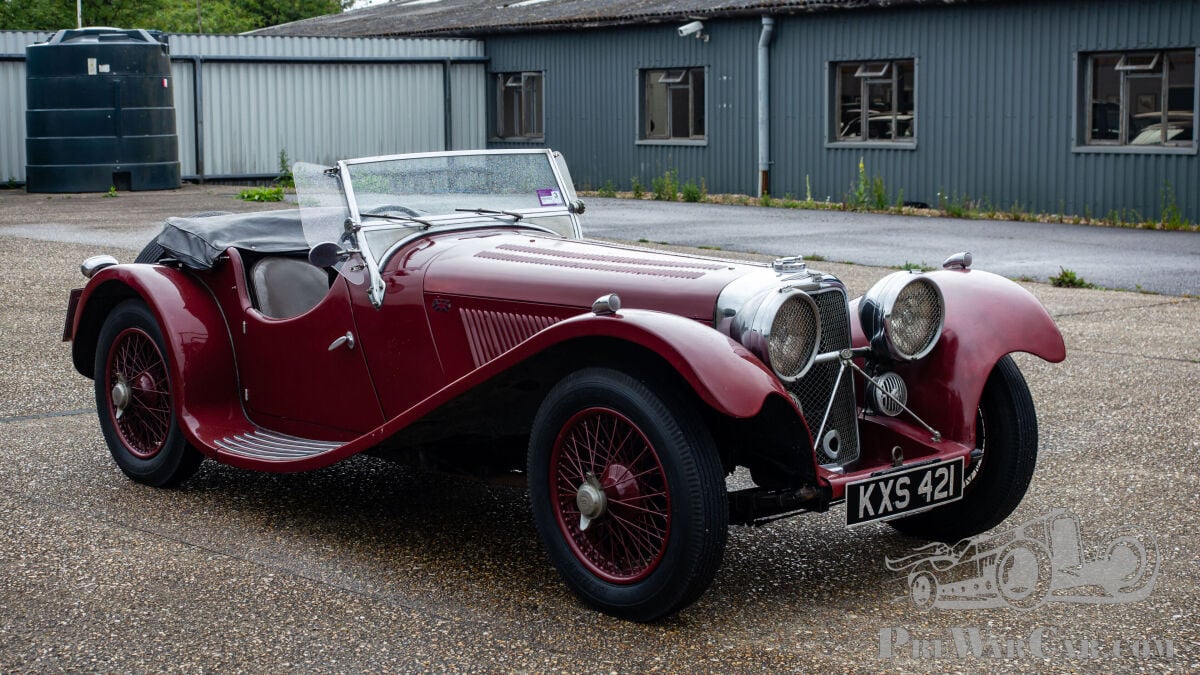
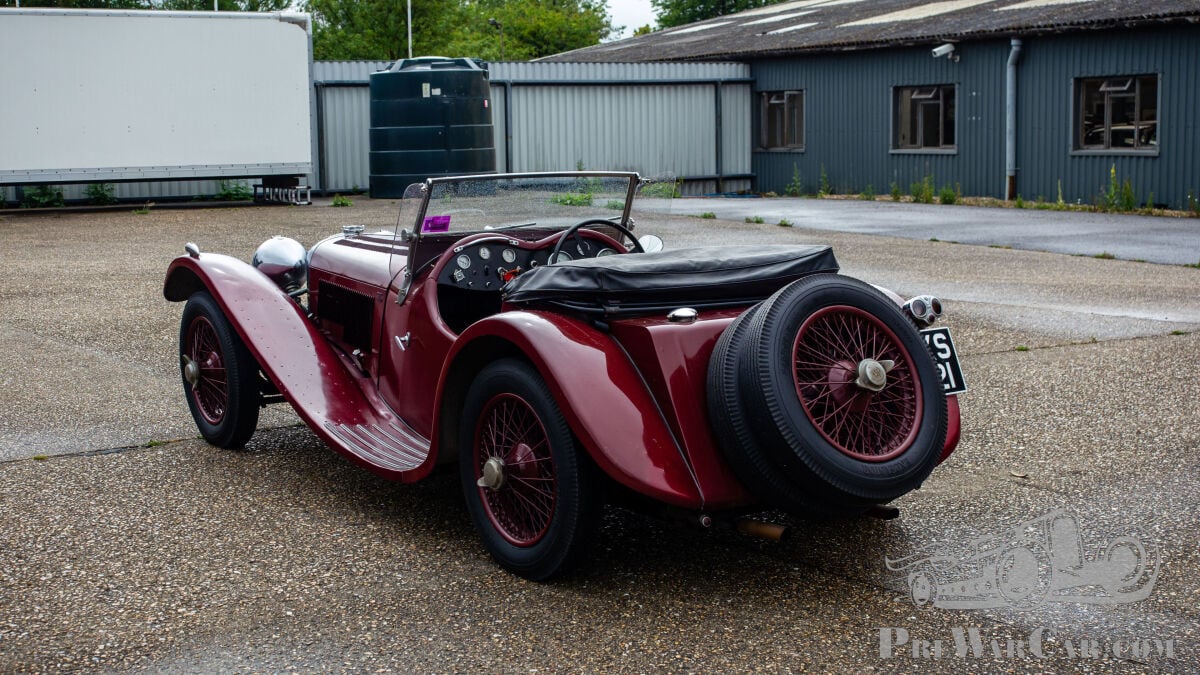
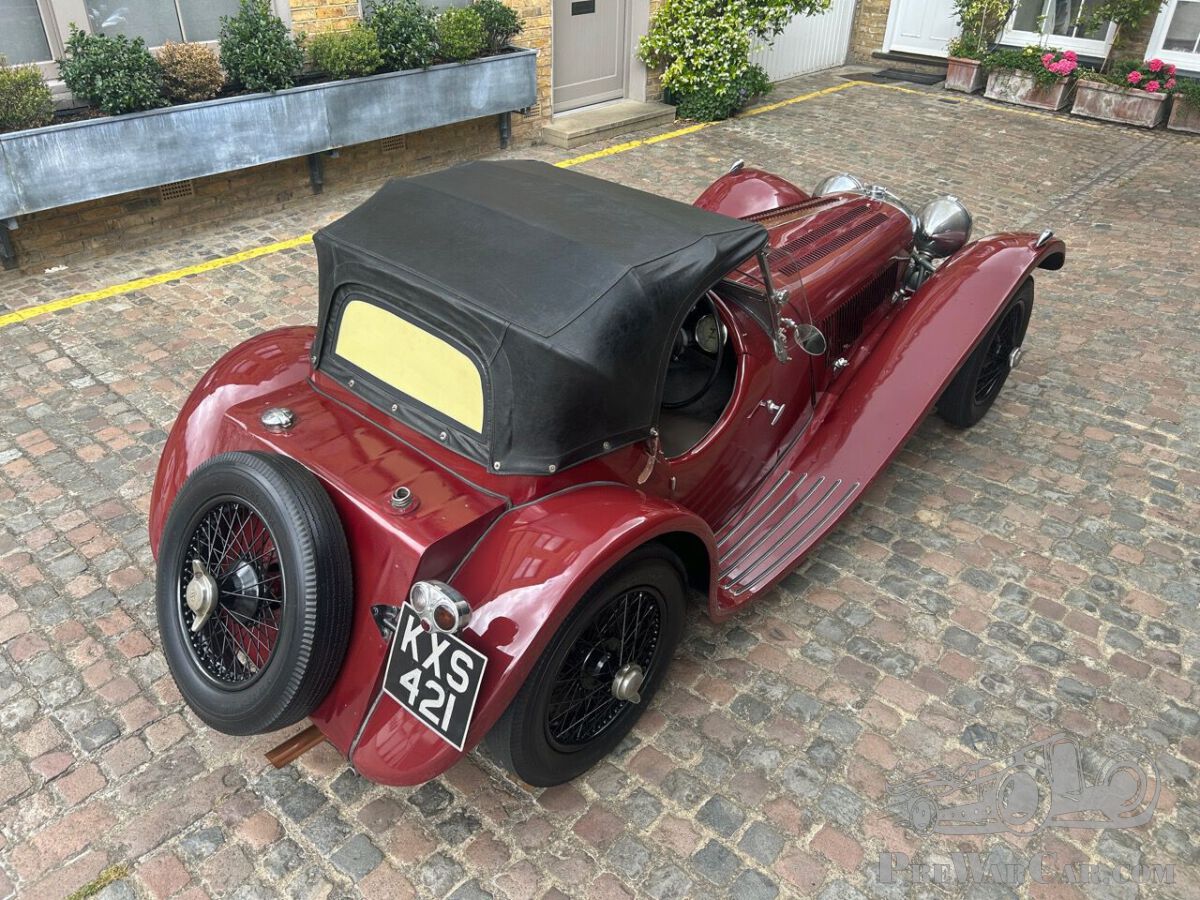
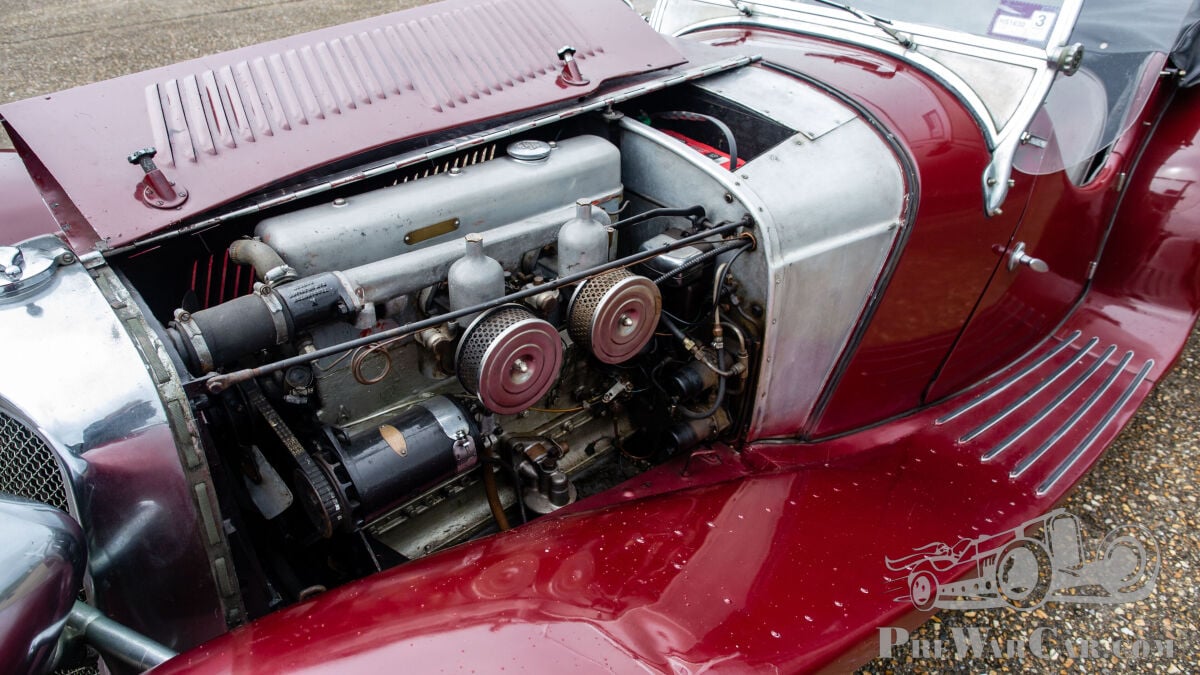
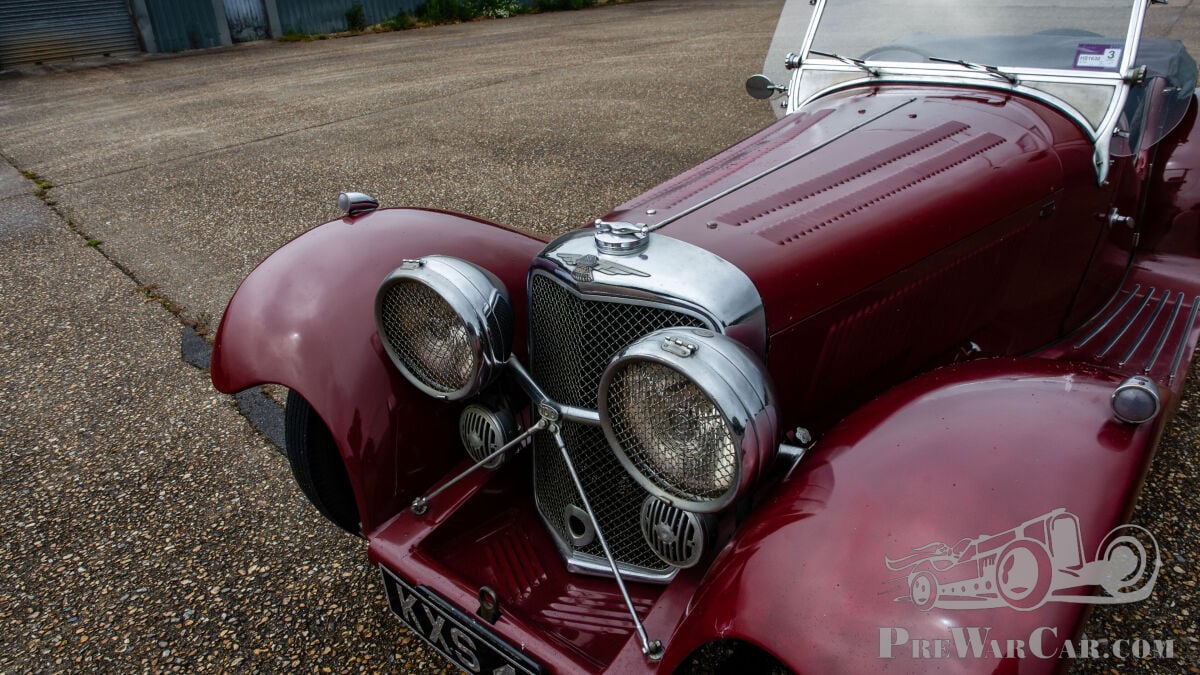
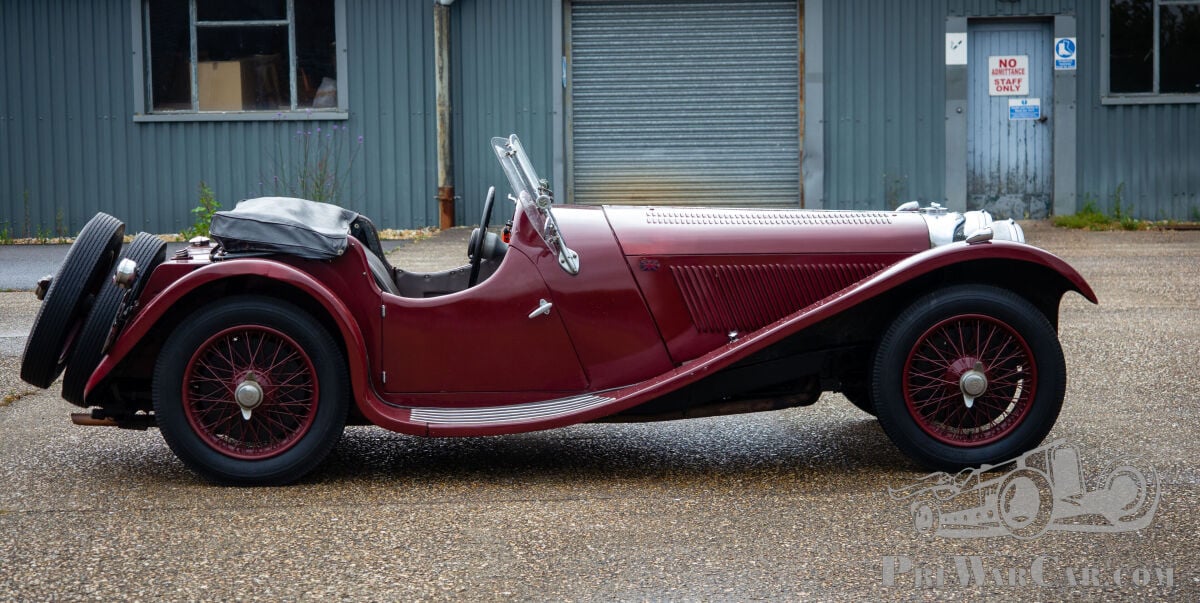
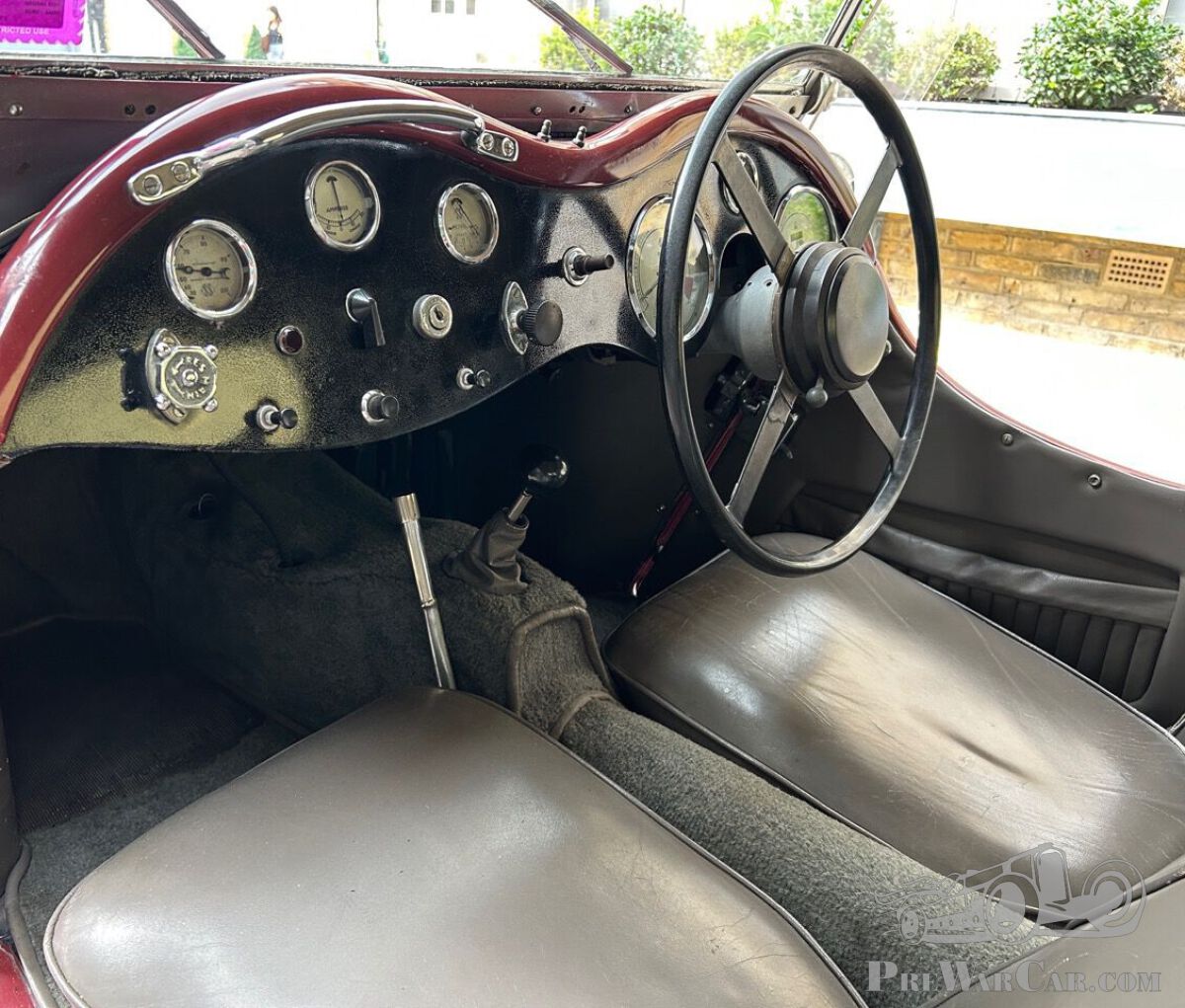
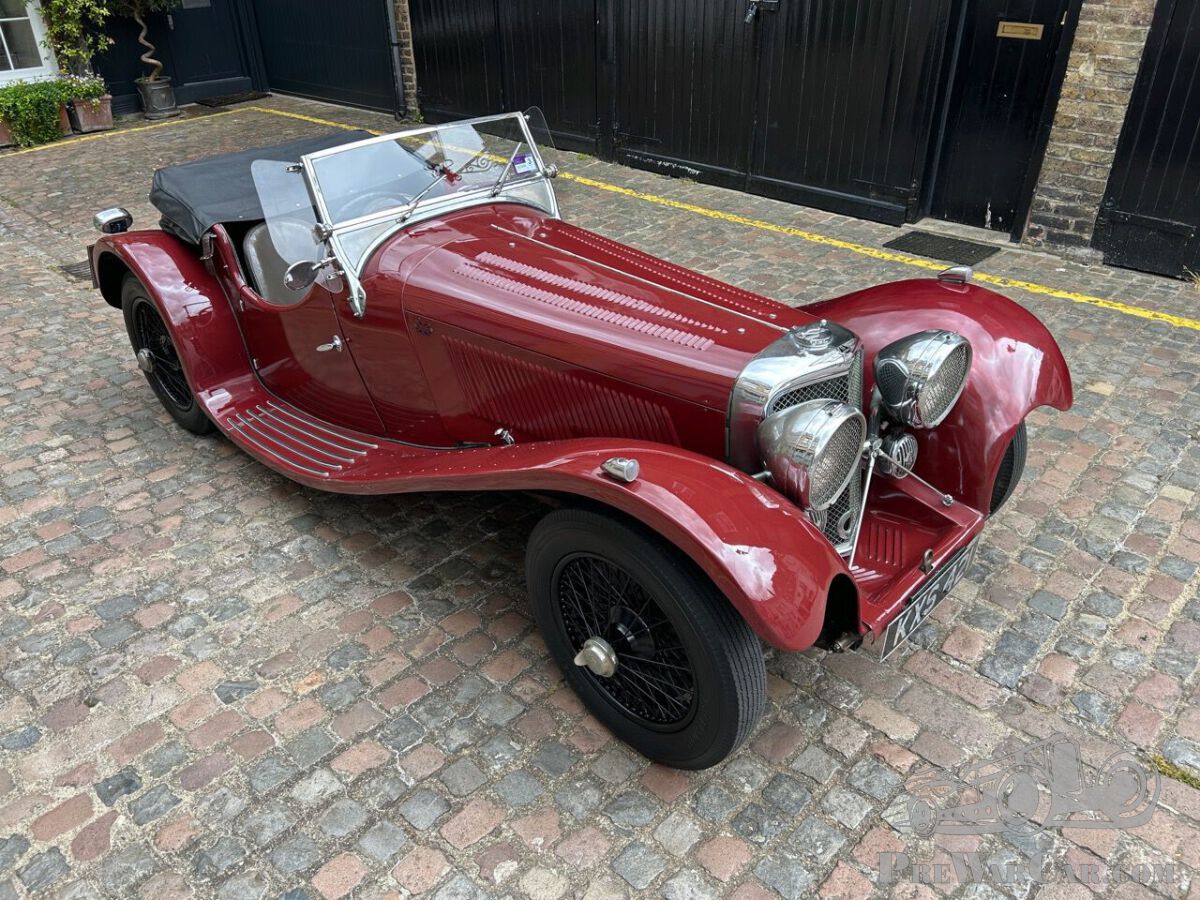
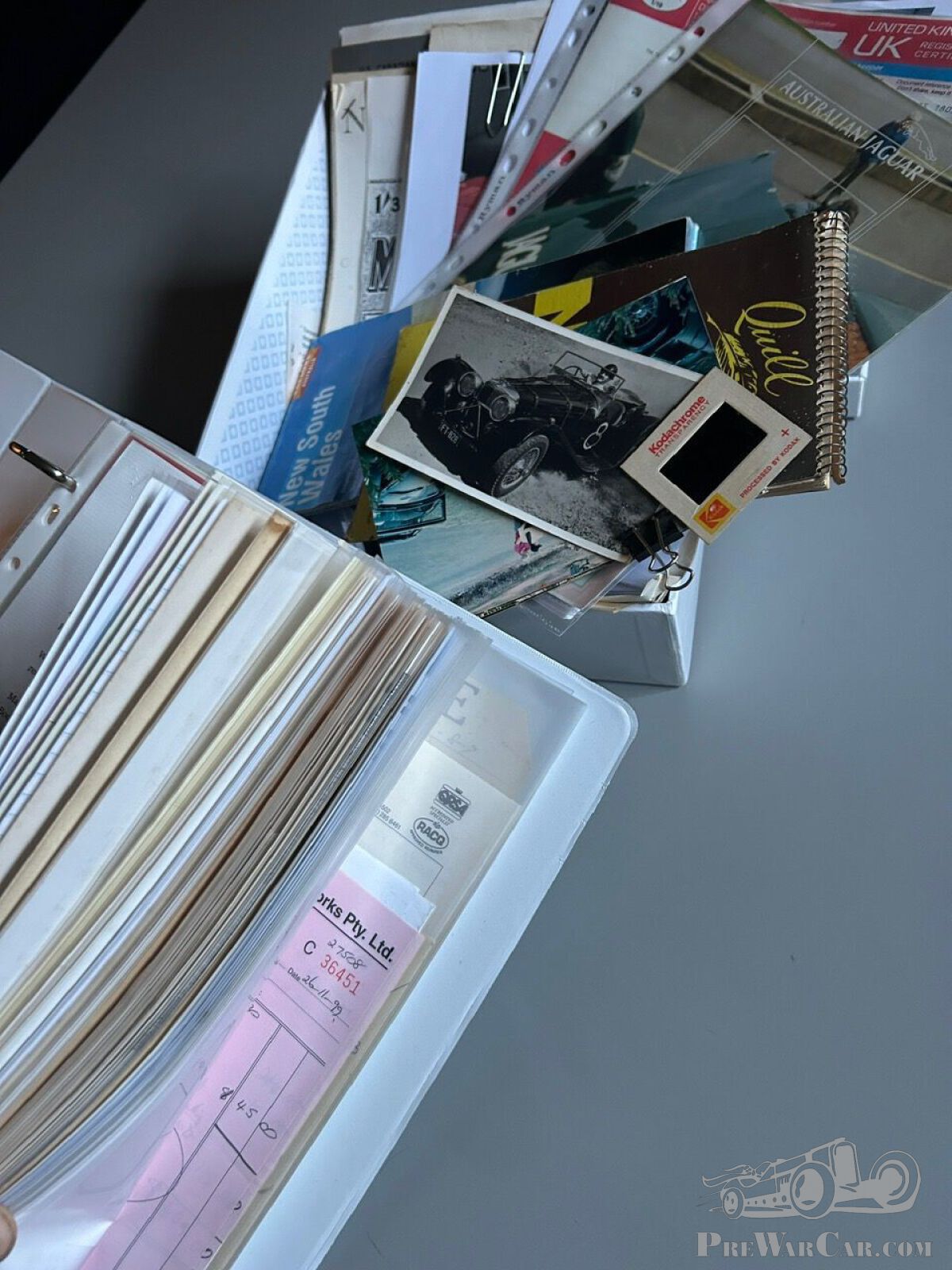


1938 Jaguar SS100 3.5 Litre
The history of legendary competition 1938 SS Jaguar 100 3.5 Litre (Chassis No. 39029)
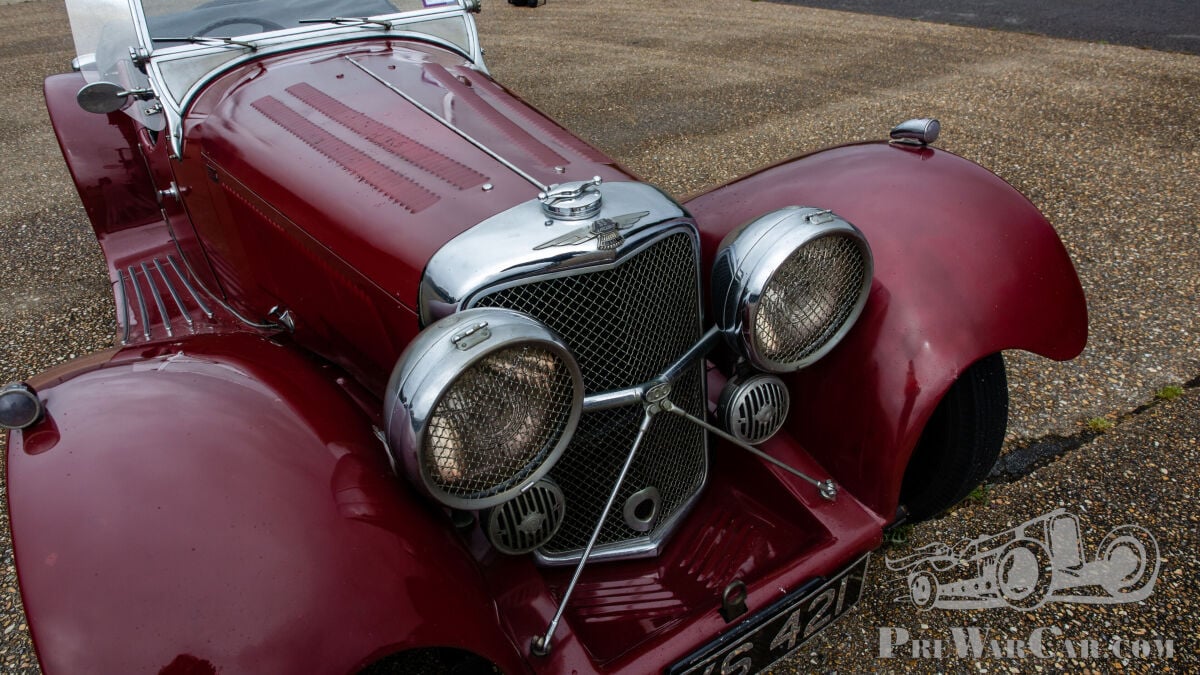
Few motorcars capture the raw, evocative romance of pre-war British sports motoring quite like the SS Jaguar 100. Introduced at a time when the automotive world was transitioning from basic carriage-derived transport to high-performance, sculptural art, the "SS 100" stood as a masterclass in design. Penned by the legendary William Lyons, its swooping wings, prominent chrome headlamps, and aggressive radiator cowl created a silhouette that defined an entire era.
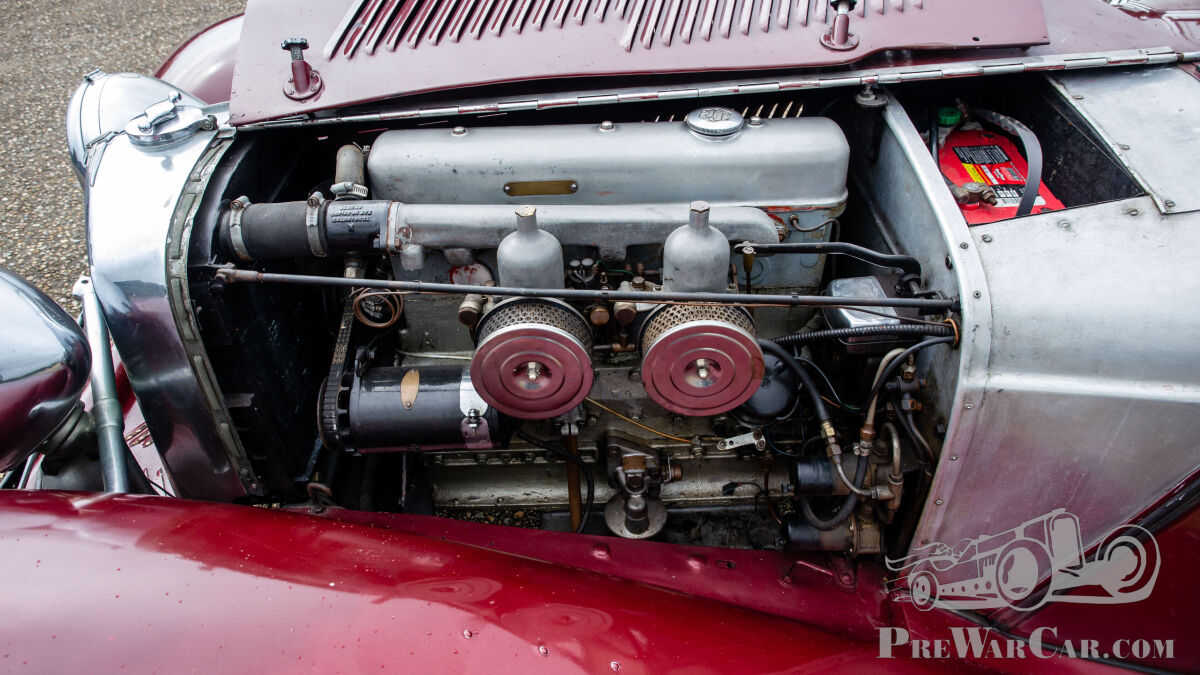
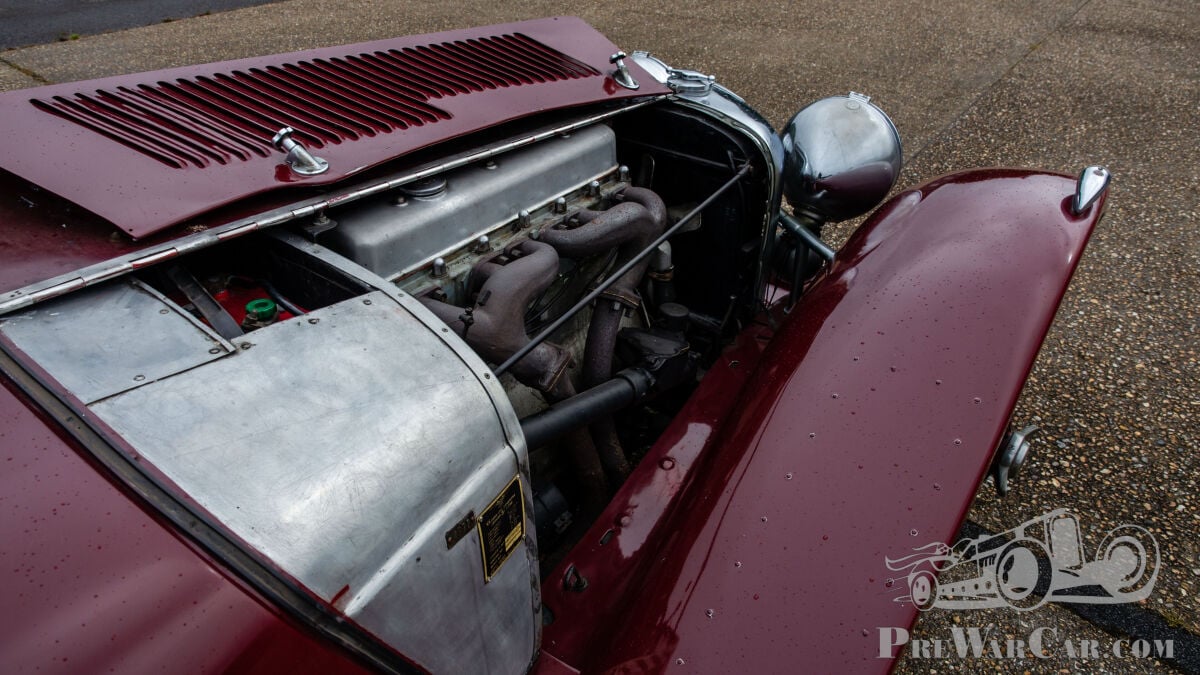
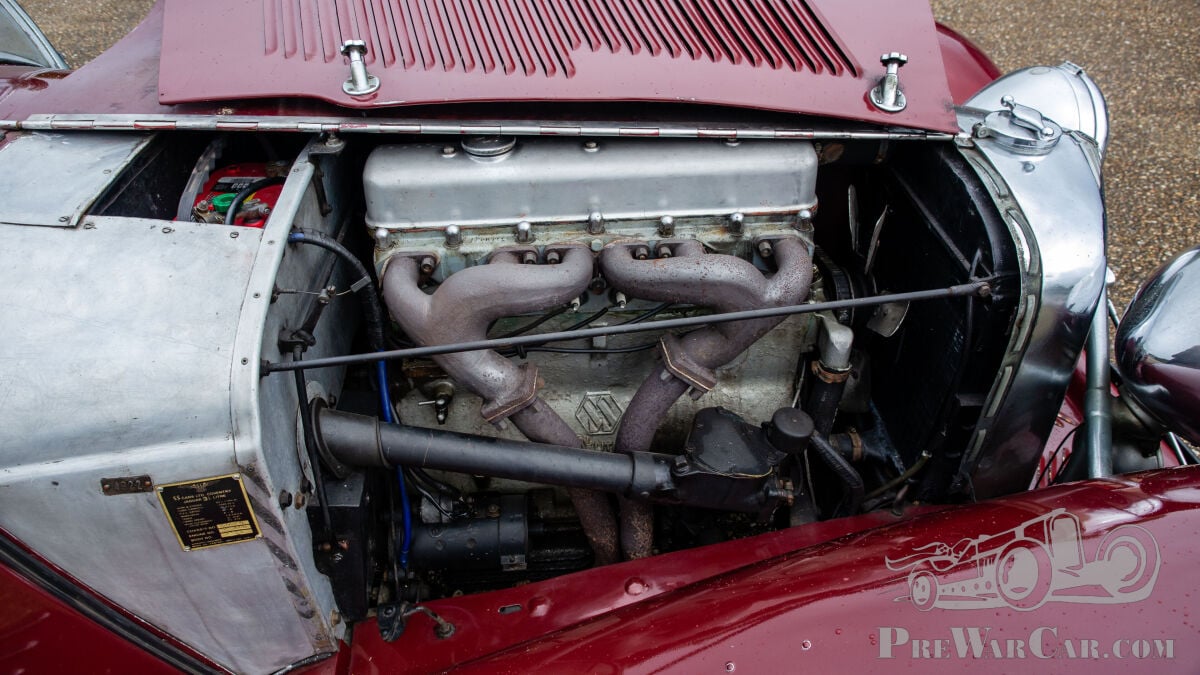
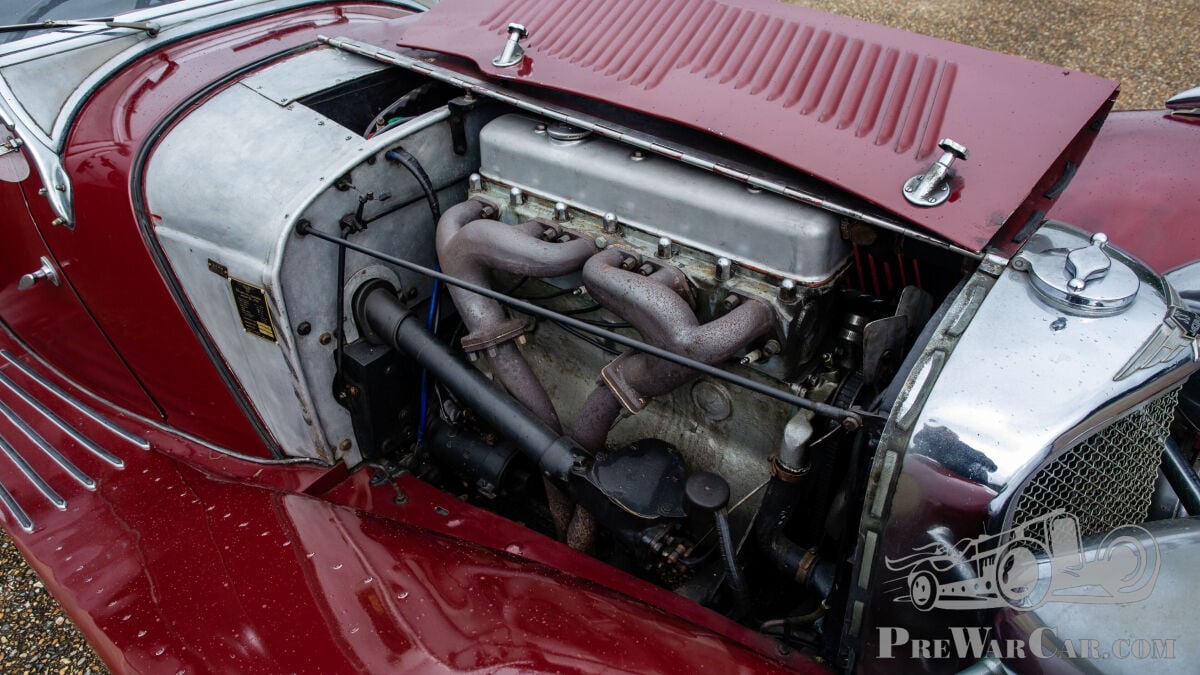
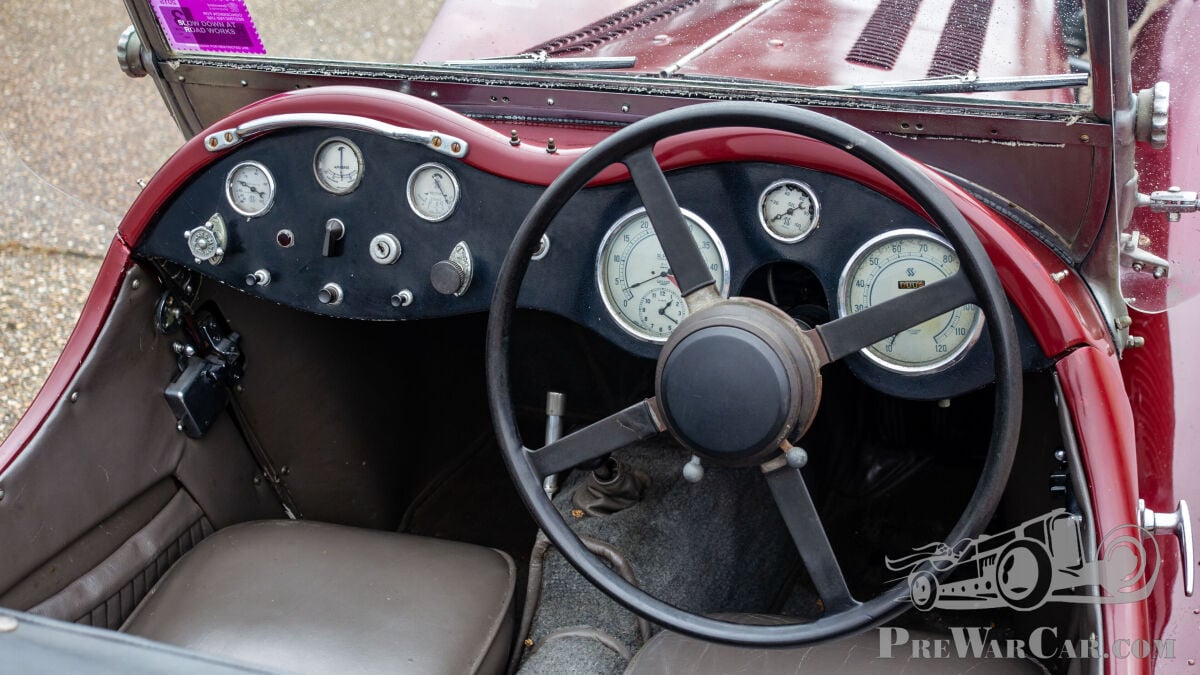
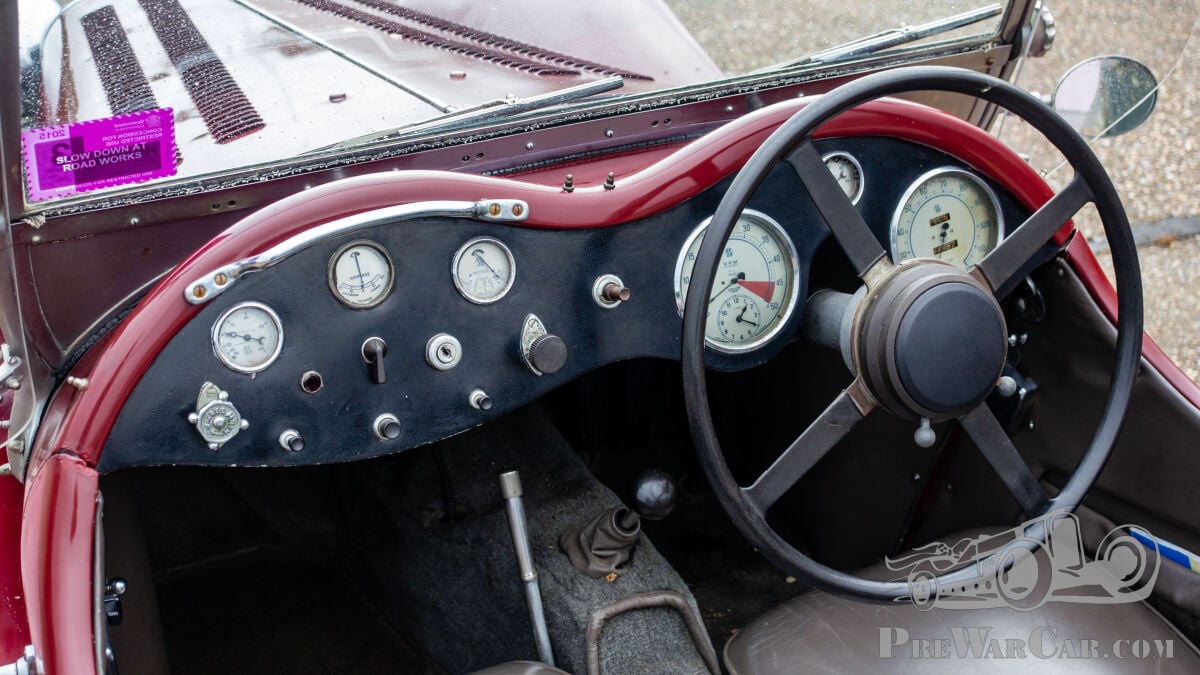
Among the limited run of these coveted sports cars, the 3.5-litre variants represent the absolute pinnacle of pre-war performance. Only 116 of these 3.5-litre models were ever manufactured. Within this highly exclusive cohort, Chassis Number 39029 stands as an extraordinary survivor. Untouched, unmodified, and retaining its numbers-matching soul, this particular vehicle boasts a rich, globetrotting history that spans continents, decades, and legendary motorsport grids.
Part I: Birth and the Clever Imperial Tax Loophole
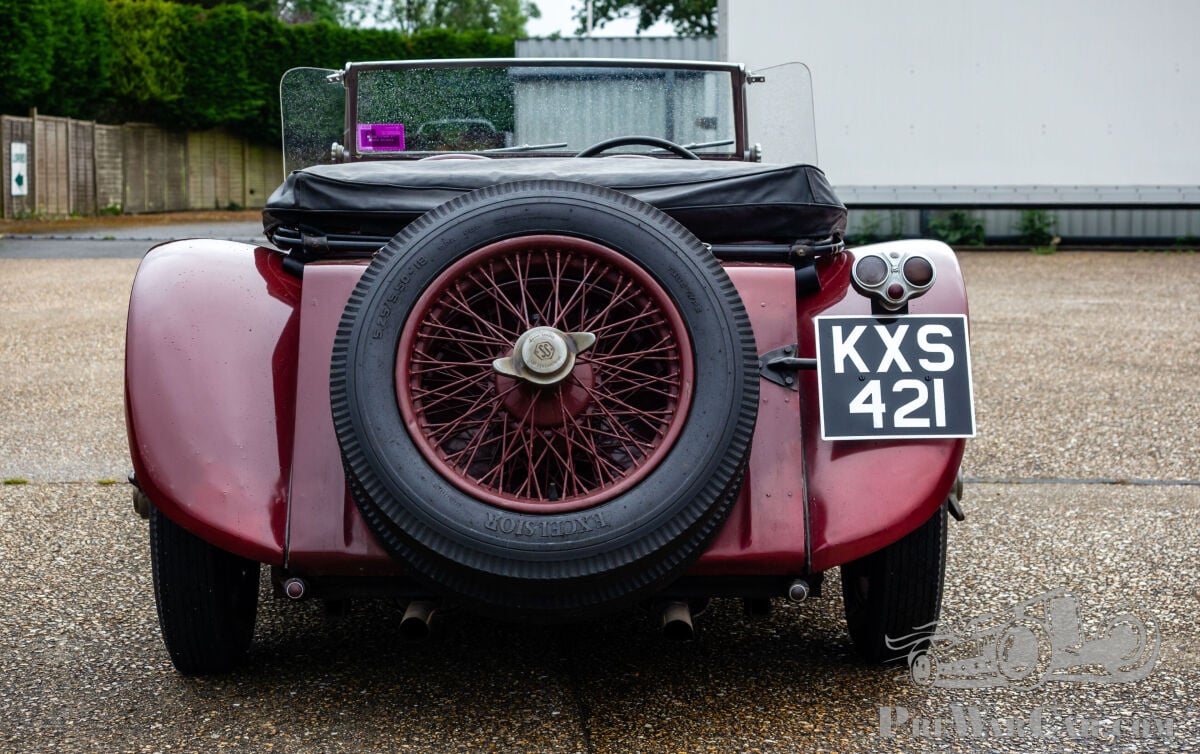
The story of Chassis 39029 began in the first half of 1938 at the SS Cars factory in Foleshill, Coventry. Built as a late-1930s highperformance machine, it was specified in a striking and sophisticated Rust red body colour from the factory, it's equipped with the rare and highly desirable dual rear spare wheel equipment, a rugged, sporty aesthetic treatment that lent the car an even more purposeful, grand-touring stance on the road.
Upon completion, Chassis 39029 was dispatched to its original distributor, the prestigious Henlys of London, and then on to its selling dealer, Green Park Motors of Mayfair, London, an establishment catering to the ultra-wealthy, aristocratic, and fashionable elite of the West End.
However, unlike most cars that passed through Mayfair, Chassis 39029 was never actually registered in the United Kingdom. Its first owner, Richard De Coudrey Tronson, was a man of keen foresight. He purchased the brand-new Jaguar and immediately took advantage of the Imperial Preference Benefits of the era. By bypassing domestic UK registration, Tronson was able to legally minimize import duties and taxes when he exported the car to Australia in late 1938-exactly 88 years ago. Accompanying the car is its Original Handbook, an incredibly rare artifact that survives with the vehicle to this day.
Part II: Destination Australia
Arriving on Australian soil just before the outbreak of World War II, the imported SS 100 became an instant sensation. The car was registered in Melbourne, Victoria, where its lightweight chassis and powerful 3.5-litre overhead-valve six-cylinder engine made it a very fast projectile on the roads of the southern hemisphere.
Rather than being tucked away or forgotten during the war years, the vehicle became an integral part of the early Australian imported sports car scene. Its presence on Australian roads was a reminder of high-performance European engineering, laying down the early tracks of what would become an incredibly interesting, deeply documented history in Australia.
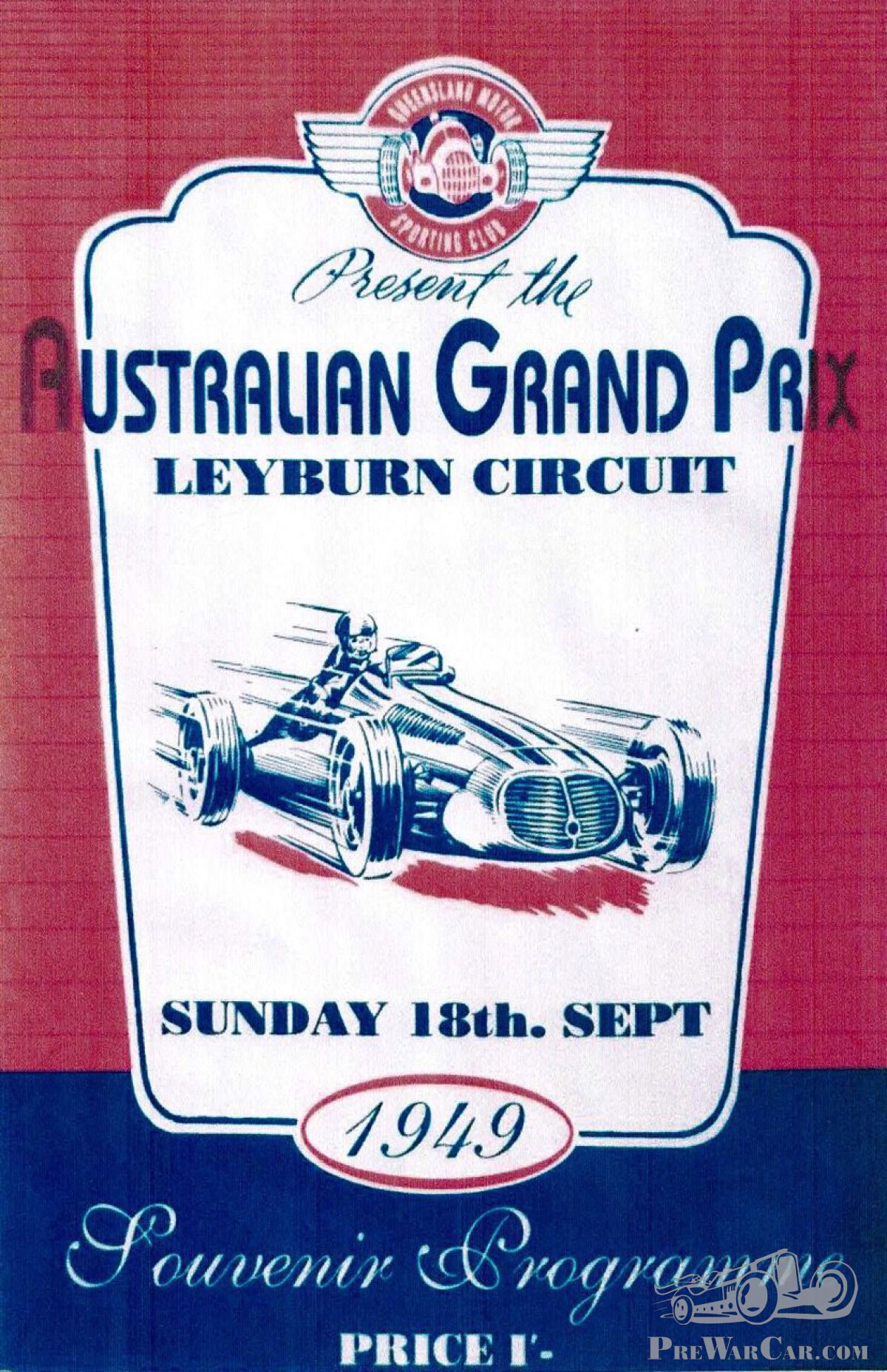
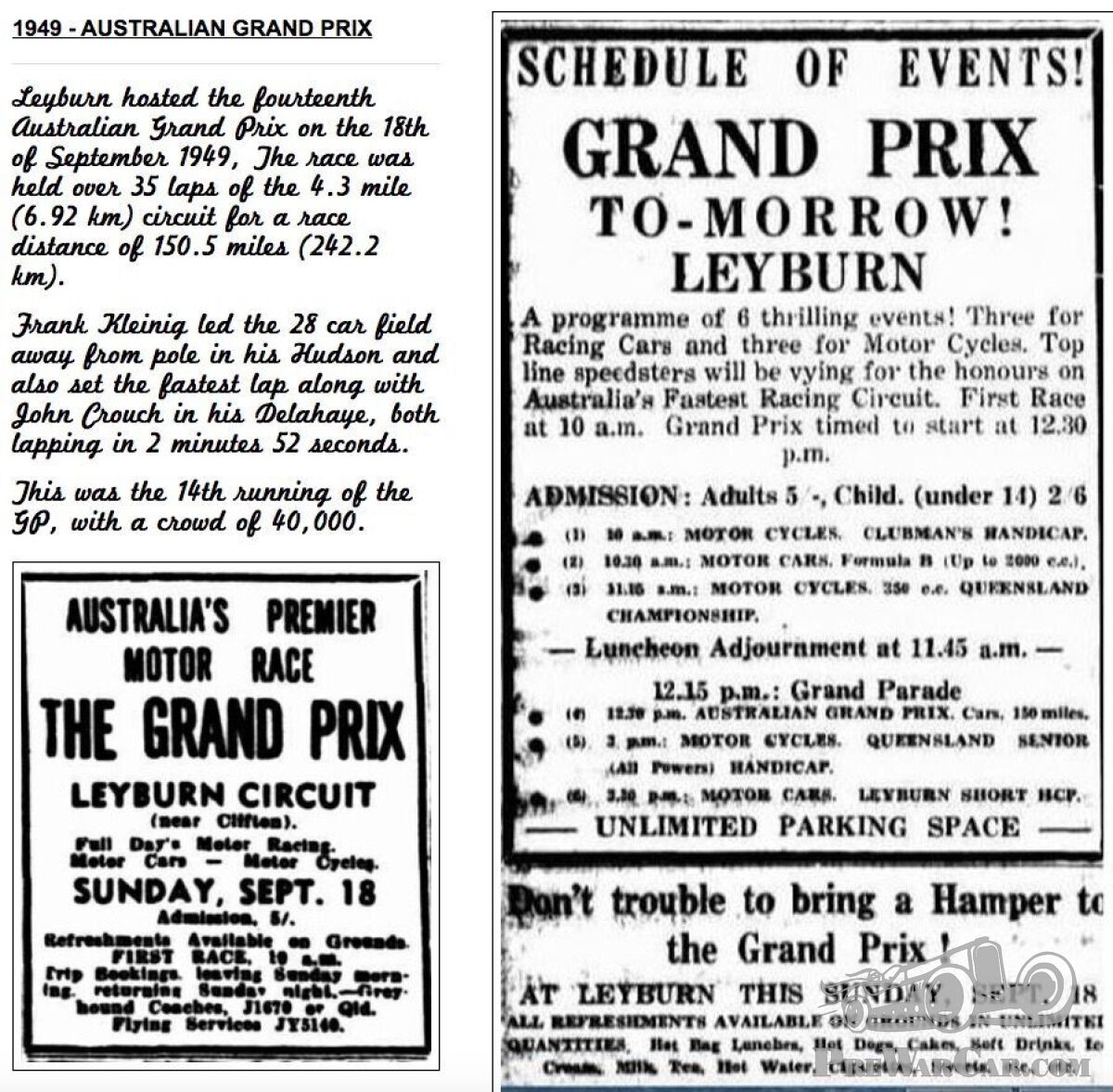
Part III: The 1949 Australian Grand Prix and Racing Glory
As postwar motorsport roared back to life, the SS 100 naturally found its way to competitive events. Its destiny reached a spectacular peak in 1949 when it participated in the Australian Grand Prix.
The Grand Prix Grid:
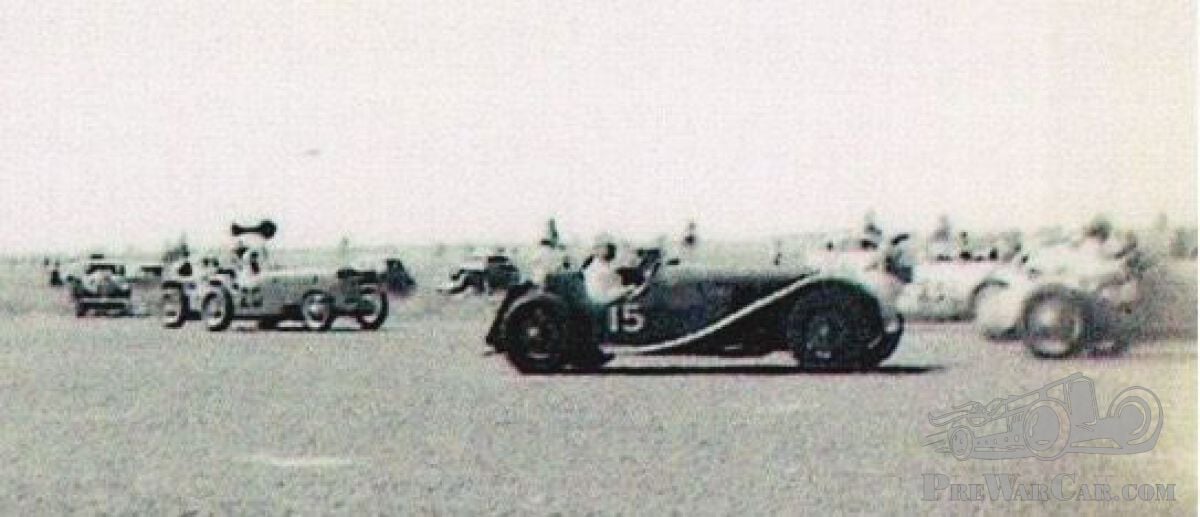
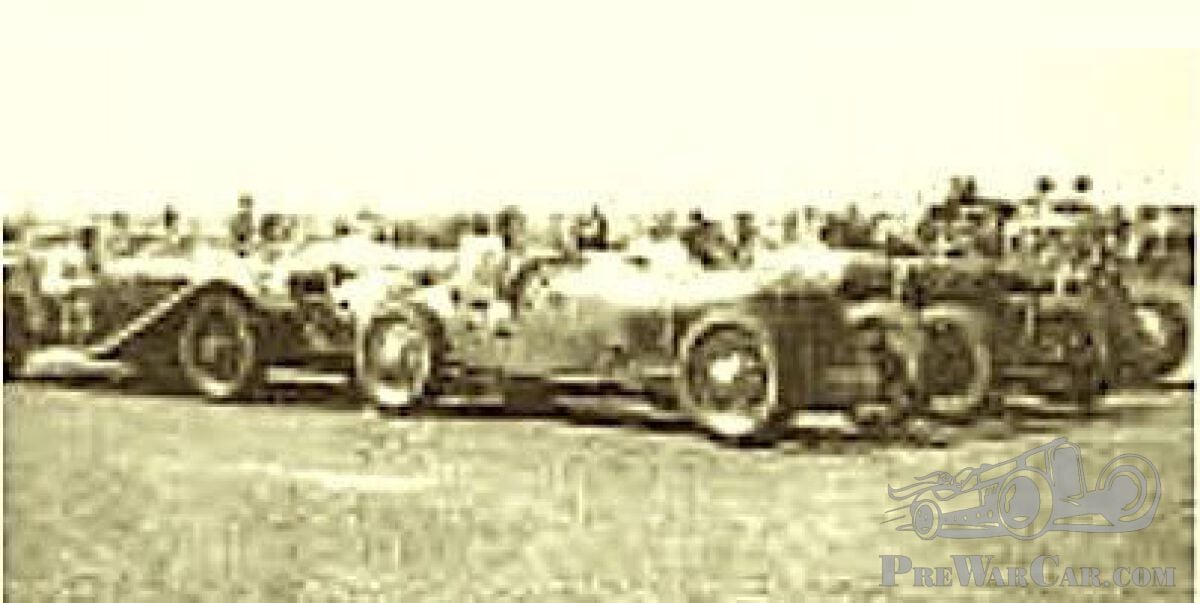
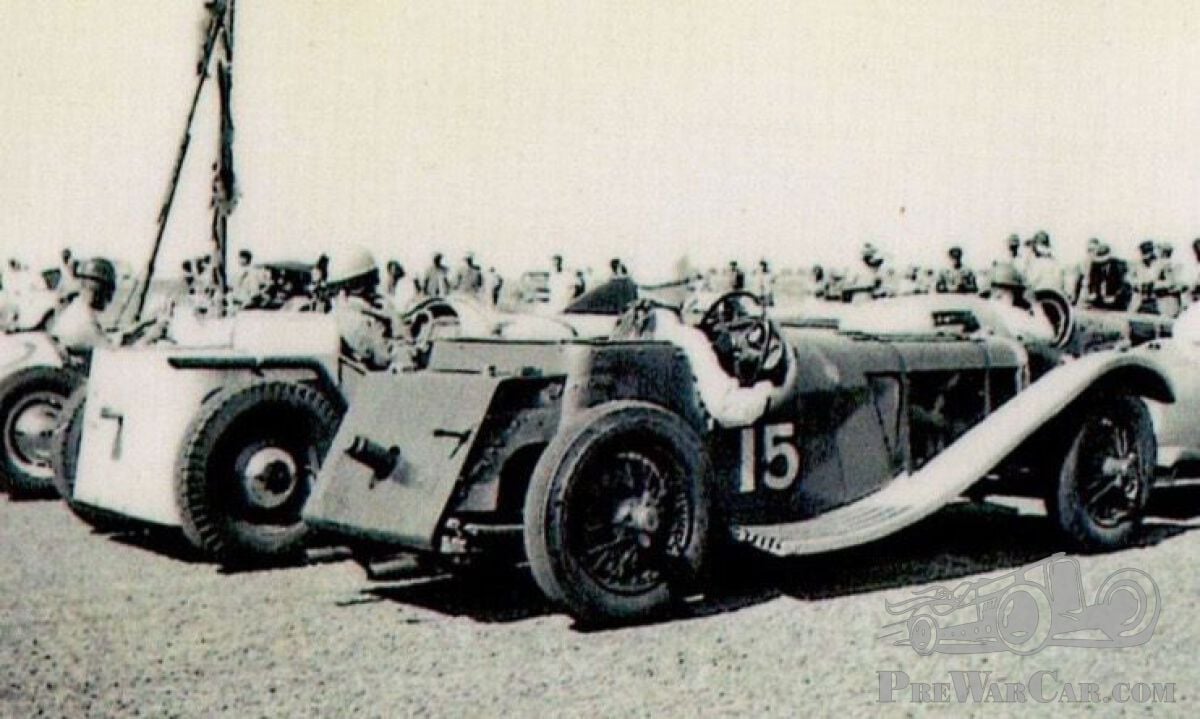
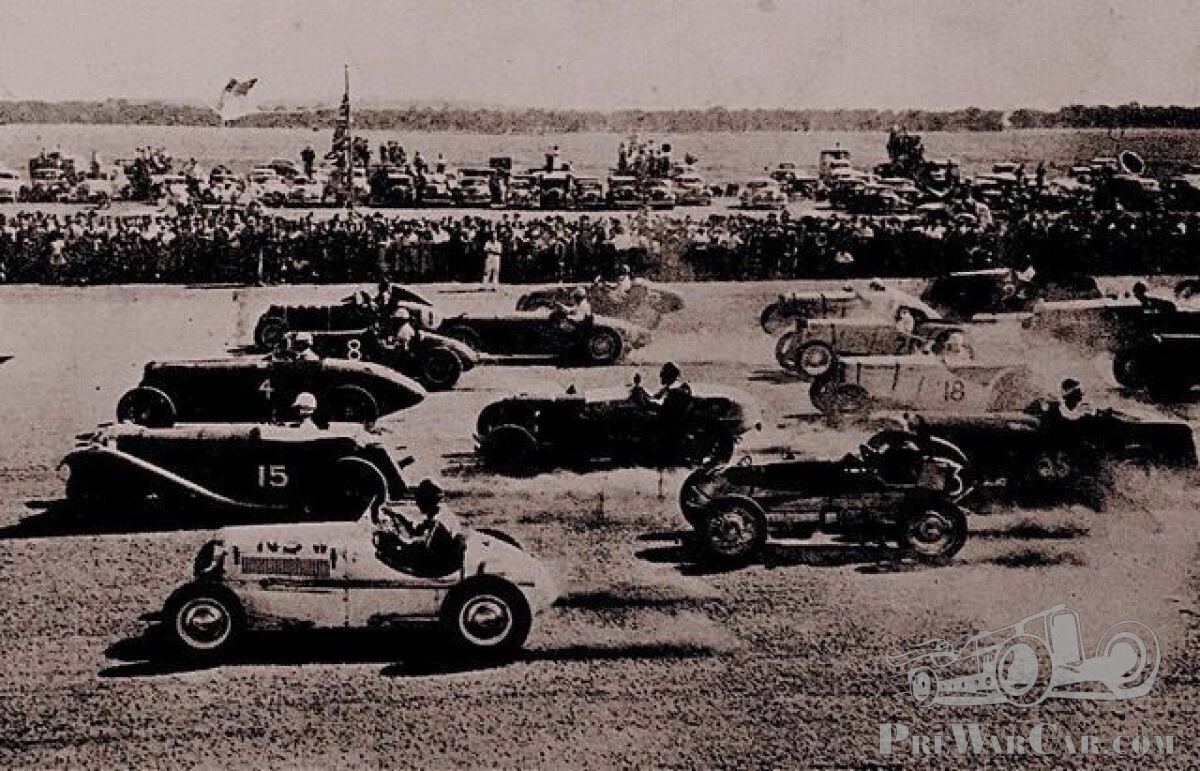
Driven by the formidable and highly spirited racer Keith Thallon, Chassis 39029 put on a masterclass during qualifying. Thanks to its impressive power-to-weight ratio and Thallon's sharp instincts, the SSI00 qualified to be on the highly coveted front row of the starting grid.
When the flag dropped, Thallon pushed the car to its absolute limits. Well into the race due to his famously enthusiastic and hard-charging driving style, the intense strain on the machinery eventually took its toll, resulting in a DNF. The sight of the Rust Red SS 100 launching from the front row became a permanent part of Australian motorsport folklore.
This legendary race is beautifully documented: The vehicle is immortalized in a number of period photographs showing it actively competing on the grand prix track.
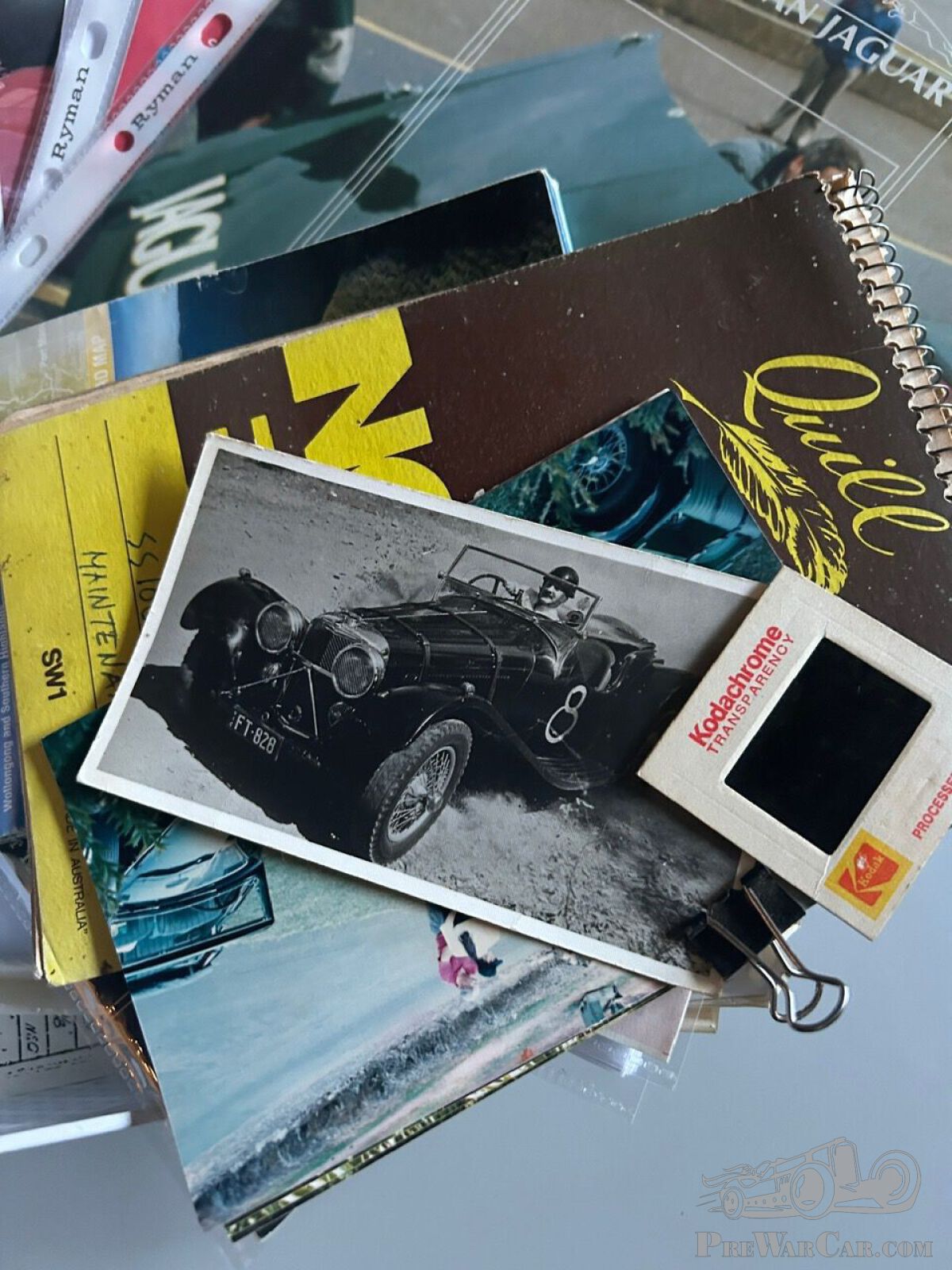
Chassis 39029 is featured prominently in the famous reference volume, The Official 50-Race History of the Australian Grand Prix, cementing its status as an internationally recognized piece of racing history ( Copy included in the cars history)
Today, it is widely regarded as the important racing car to come out of Australia, standing as a monumental piece of global racing history.
Part IV: The Era of Stewardship
Following its high-octane racing career, the SS 100 settled into a period of extraordinarily long-term and loving custodianship. For many historic sports cars, the decades following their competitive prime are perilous, often marked by neglect, modifications, or dismantlement. Chassis 39029 was spared this fate, protected by an unbelievable 65 years of continuous ownership by its last dedicated owner.
Under this single, decades-long stewardship, the car was preserved with a degree of reverence rarely seen in the collector car world. It was maintained as an untouched, unmodified, and highly authentic representation of Sir William Lyons' original vision.
Part V: Unrivalled Provenance and Legacy Today
Today, Chassis 39029 represents a gold standard for collectors of historic British sports cars. It is accompanied by an extensive meticulously documented history that bridges its early pre-war London days with its subsequent decades in the Australian sun.
Its exceptional pedigree is officially certified by its Jaguar Heritage Certificate, confirming its factory specifications, dispatch dates, and historical alignment. Crucially, it remains a matching numbers car, retaining the very same chassis, body, and engine with which it left the Foleshill factory in 1938. It stands not just as one of the 116 original 3.5-litre SS I 00 models, but as an authentic, historically monumental time capsule of pre-war grace and post-war grit.
Altre inserzioni da questo venditore
 1929 Bentley 4.5 Litre Tourer
 1931 Bentley 4 Litre Open Tourer by Vanden Plas
 1928 Bentley 6.5 Litre Uprated to full Speed Six specification
 1925 Bentley 3/4.5 Litre Le Mans
Annunci simili Jaguar SS SS 100 3.5 Litre 1938 in vendita
 1935 SS1 20hp Tourer
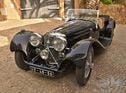 1935 JAGUAR SS100 2.5 LITRE
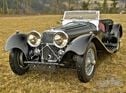 1936 Jaguar SS100 2.5 / 3.5 Litre
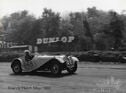 1937 SS Jaguar 100

Condividere:
Facebook
LinkedIn
Twitter
WhatsApp
Email
Copy






- A.C.
- Albert
- Albion
- Alldays
- Alta
- Alvis
- Arab
- Ariel
- Armstrong Siddeley
- Arrol-Johnston
- Aston Martin
- Atalanta
- Austin
- Autovia
- BSA
- Bat
- Bean
- Beardmore
- Bedford
- Beeston
- Belsize
- Bentley
- Beverley Barnes
- British Salmson
- Briton
- Brough Superior
- Calcott
- Calthorpe
- Century
- Chater Lea
- Clyno
- Coventry-Premier
- Crossley
- Cubitt
- Dennis
- E.R.A.
- English Mechanic
- Frazer Nash
- G.N.
- G.W.K.
- Gwynne
- H.E.
- H.R.G.
- Hillman
- Humber
- Imperial
- International
- Invicta
- Jackson
- Jaguar SS
- Jensen
- Jowett
- Lagonda
- Lanchester
- Lea Francis
- Leyland
- MG
- Marendaz
- Maudslay
- Maxim
- Morgan
- Morris
- Napier
- New Carden
- Phoenix
- Premier
- Railton
- Raleigh
- Raymond Mays
- Riley
- Rolls-Royce
- Rover
- Santler
- Siddeley
- Singer
- Standard
- Star
- Straker-Squire
- Sunbeam
- Surrey
- Swift
- Talbot
- Thornycroft
- Triumph
- Trojan
- Vauxhall
- Victor
- Vulcan
- Waverley
- Wolseley (-Siddeley)
Altro Britannico Automobili in vendita
Inserzionista Charles Prince Classic Cars
- Nome e Cognome: Charles Prince Classic Cars
-
Address:
51 Burnfoot Avenue
SW6 5EB London

Invia messaggio